

 Brazil
 Antarctica
 Argentina
 Bolivia
 Chile
 Colombia
 Ecuador
 Guyana
 French Guiana
 Falkland Islands (Malvinas)
 Paraguay
 Peru
 Suriname
 Uruguay
 Venezuela
 Germany
 Austria
 Belgium
 Croatia
 Denmark
 Slovakia
 Slovenia
 Spain
 Finland
 France
 Greece
 the Netherlands
 Hungary
 Ireland
 Iceland
 Italy
 Luxembourg
 Norway
 Poland
 Portugal
 the United Kingdom
 the Czech Republic
 Sweden
 Switzerland
 Turkey
 Bermuda
 Canada
 the United States
 Greenland
 Mexico
 Saint Pierre and Miquelon
 the Dominican Republic
 South Africa
 Egypt
 Australia
 Fiji
 New Zealand
 Papua New Guinea
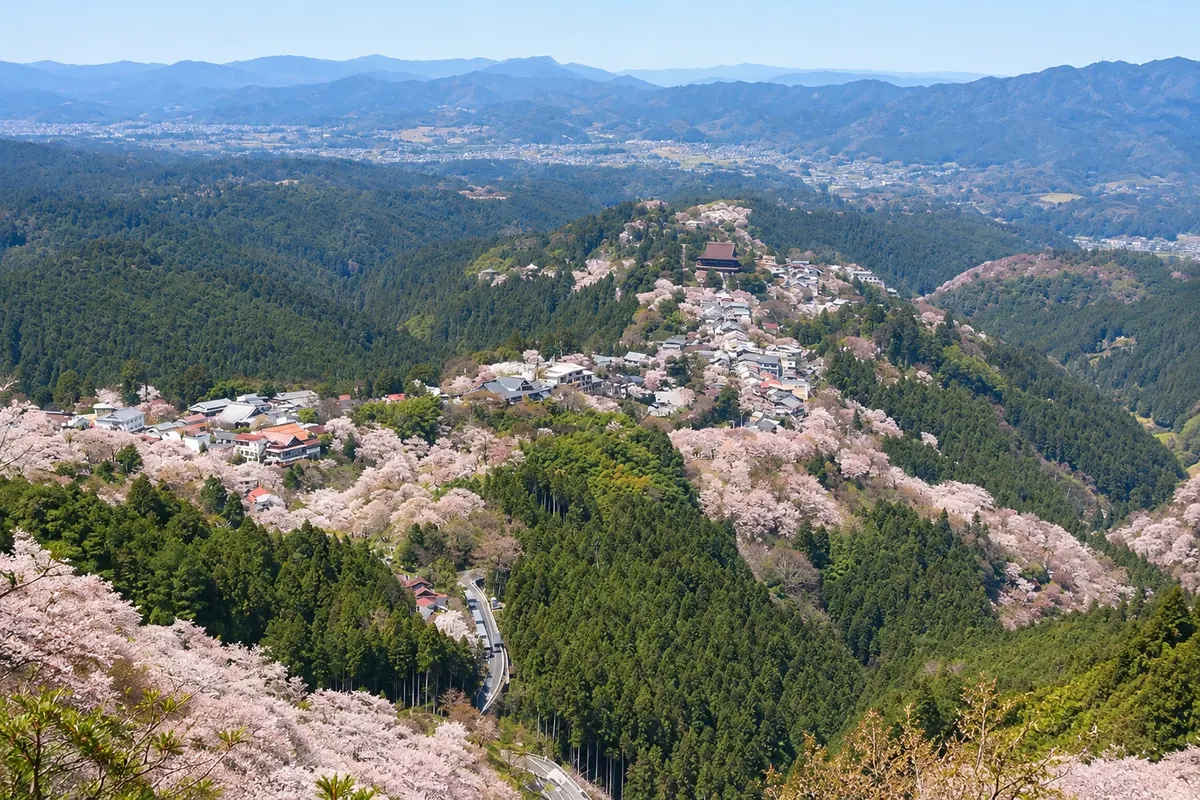
Mountain. · Yoshino, Nara
Mount Yoshino
A mountain ridge in southern Nara with about 30,000 cherry trees in four zones at different elevations that usually bloom in sequence in April, plus viewpoints, shrines, and trails through cedar forest.
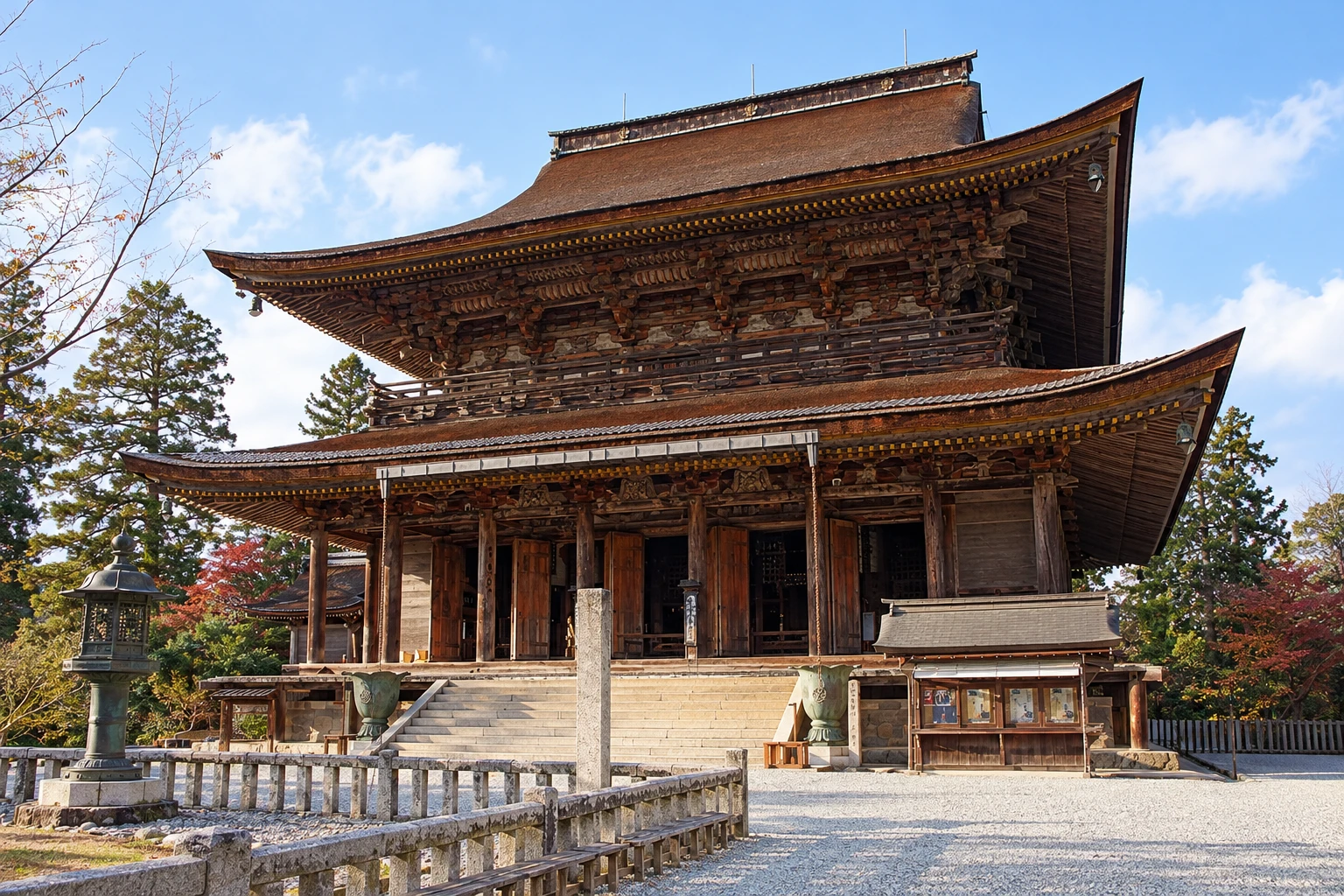
Illustrative images. The pictures in this guide are illustrations based on the real place, not photographs, and may differ from it.

A look at the place
Mount Yoshino in pictures
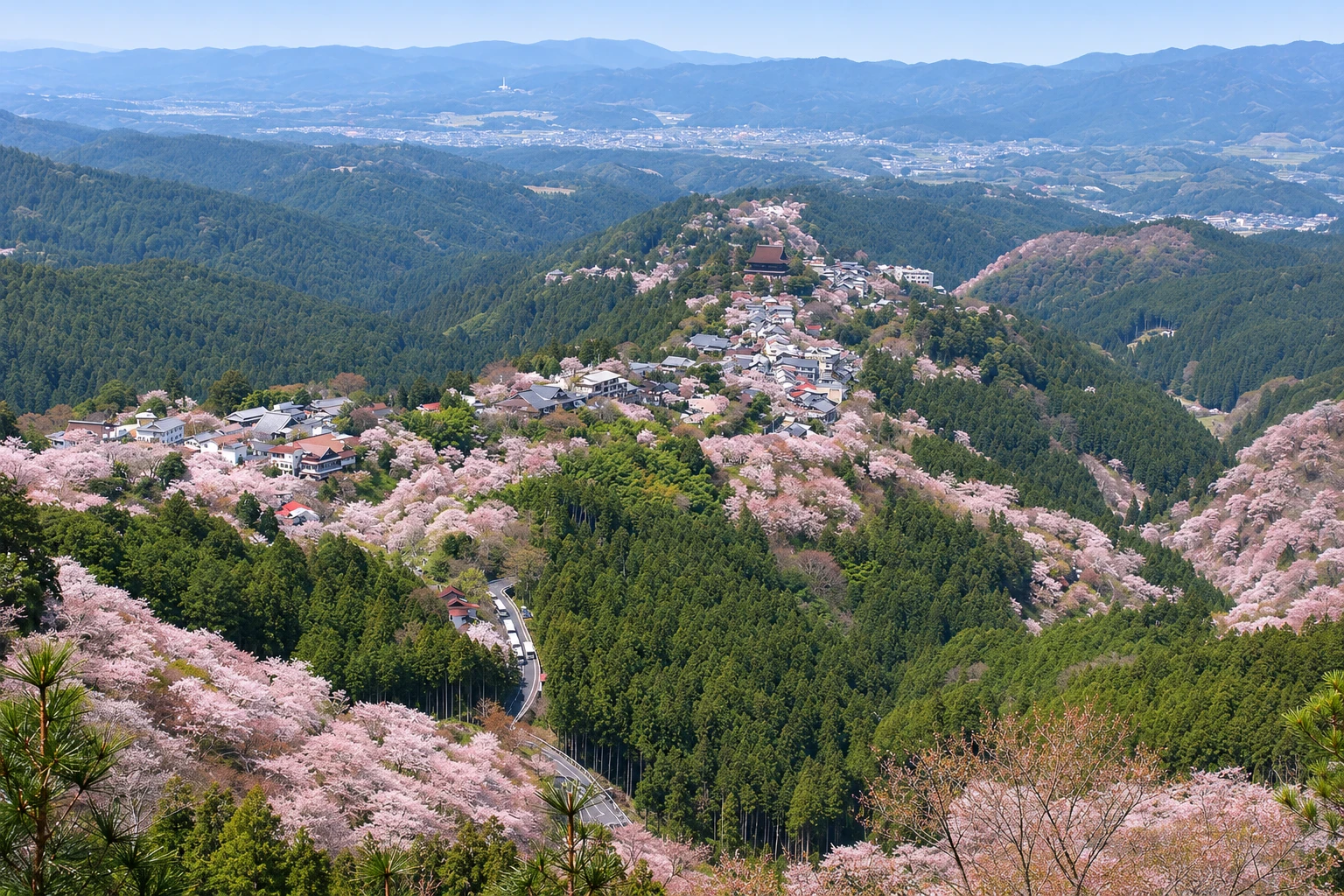
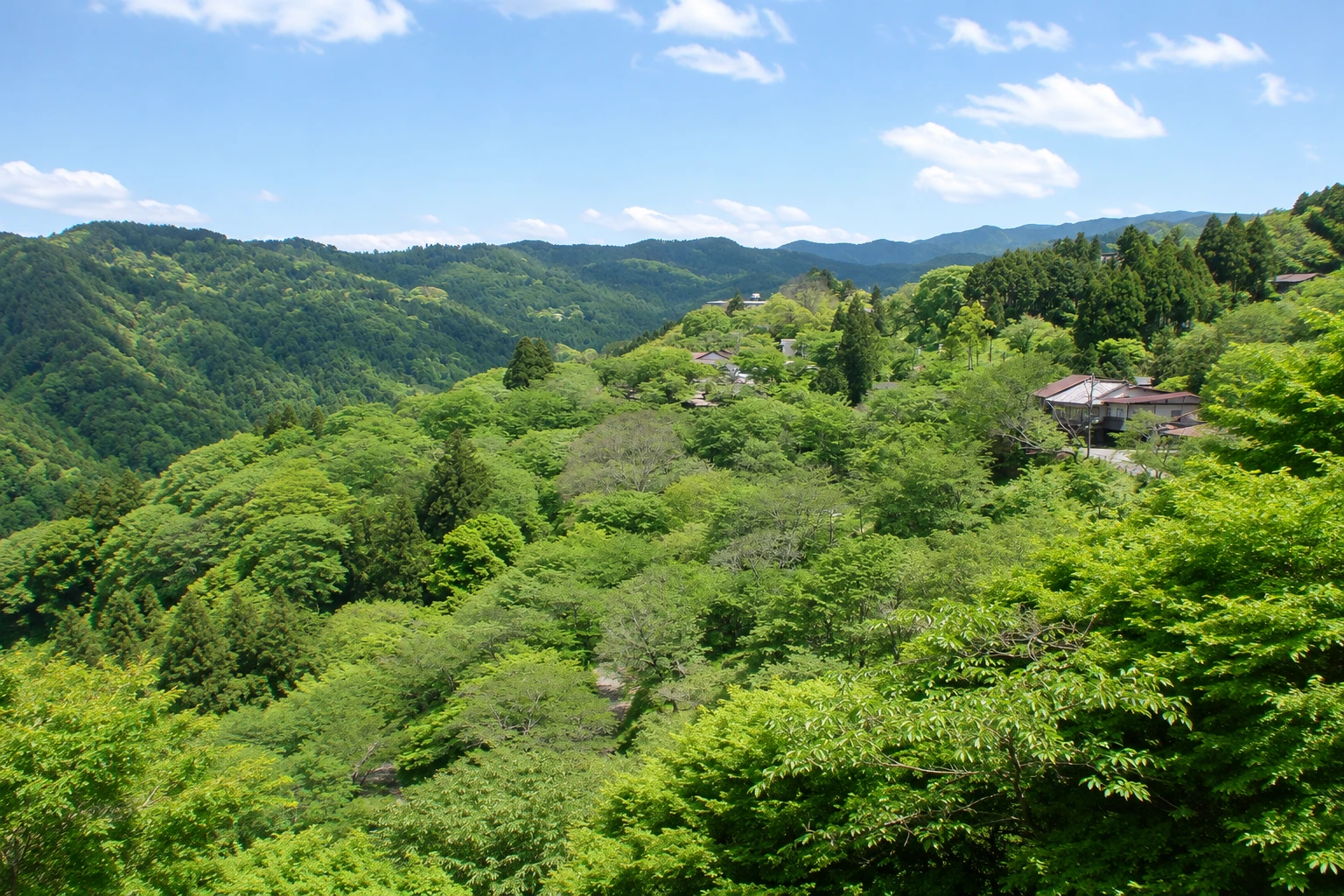
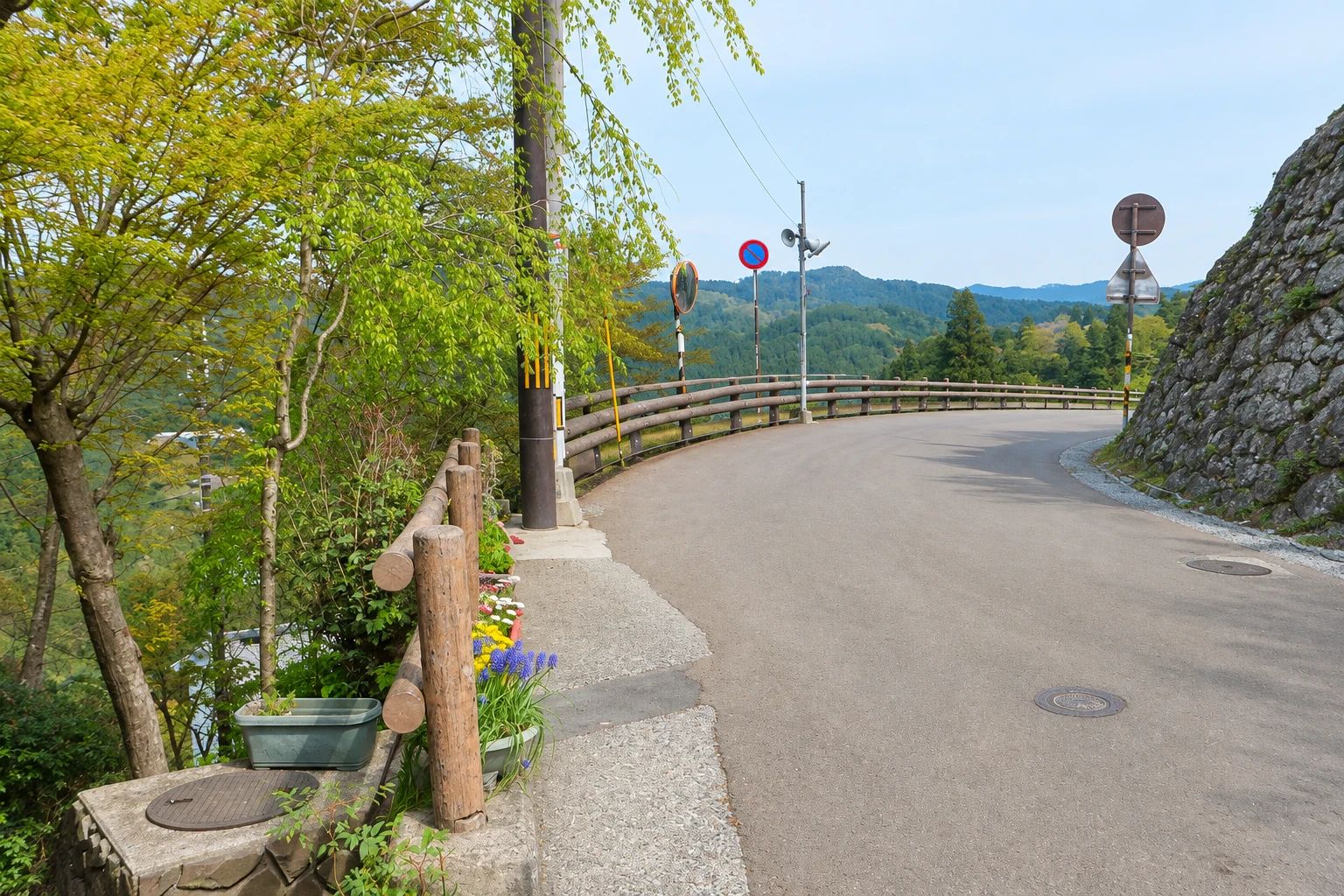
These pictures are illustrations based on the real place, not photographs. They may differ from the place.
Click the picture to enlarge it.
Discover
About Mount Yoshino
Mount Yoshino is an 8-km ridge that rises from the Yoshino River up to Kinpu Shrine, around 850 m in elevation. Cherry trees were planted by worshippers over more than a thousand years because cherry wood was used to carve the image of Zao Gongen, the mountain’s deity. There are about 30,000 trees, mostly the wild yamazakura species, with pale flowers that appear alongside reddish young leaves.
The trees are grouped in four areas: Shimo Senbon, near the station; Naka Senbon, around Kinpusen-ji; Kami Senbon, higher up; and Oku Senbon, at the top, amid cedar forests. Because elevation varies, blooming usually progresses up the mountain from lower to higher areas over several weeks in April, and the sight of entire slopes of cherry trees is called hitome senbon, “a thousand trees at a glance.”
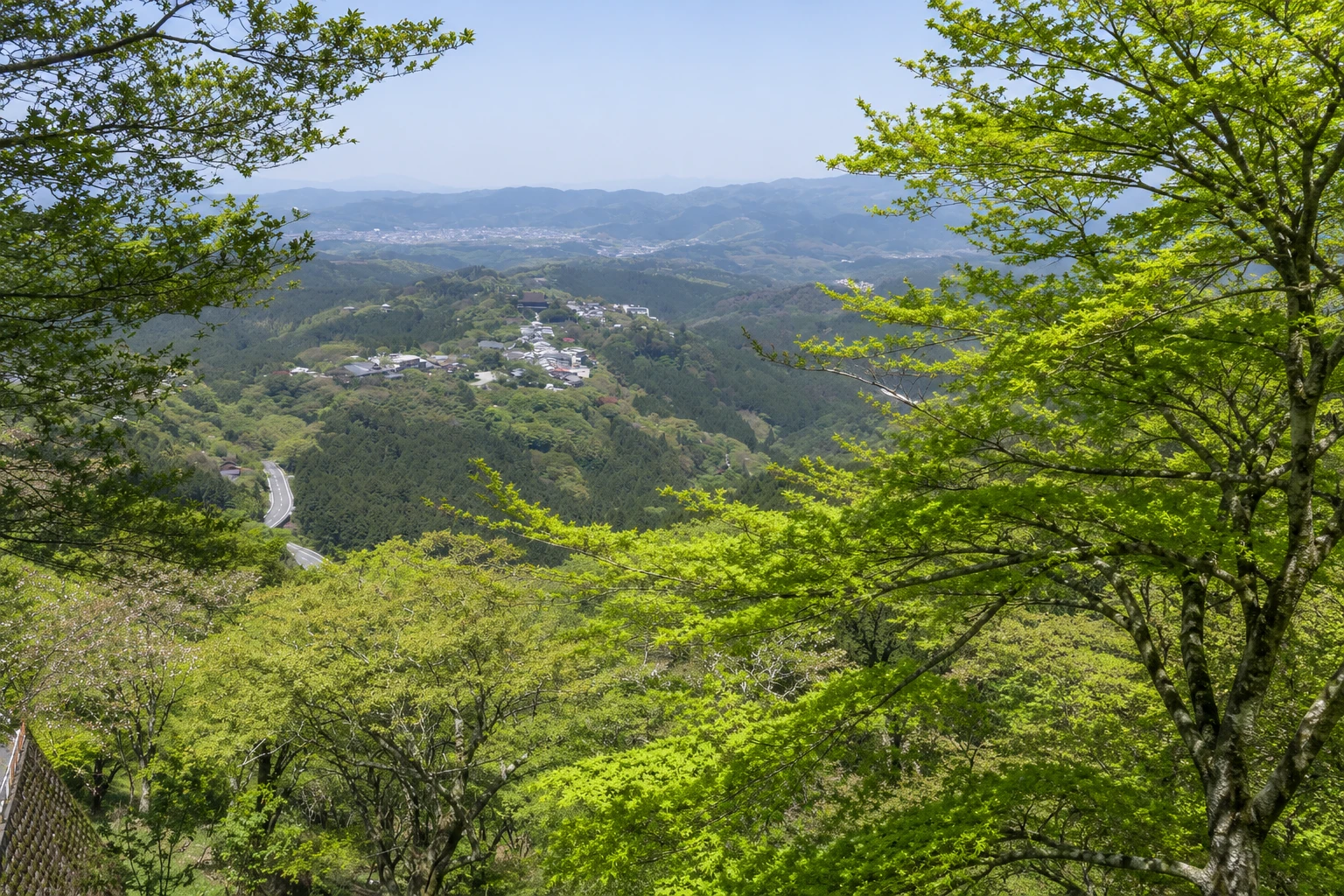
At Kami Senbon, the Hanayagura lookout offers the widest view of the slopes and the village. Nearby, Yoshino Mikumari Shrine, dedicated to a water deity, has a main hall rebuilt in 1604 by Toyotomi Hideyori with colorful carvings and is part of the World Heritage. In Oku Senbon, Saigyo’s hermitage—a 12th-century poet-monk who wrote about Yoshino’s cherries—is a small cabin in the forest.
The walk from the station to Oku Senbon takes several hours, always uphill, along streets and trails. Buses connect the lower areas to Kami Senbon. Outside April, the mountain is quiet, with November red leaves and the pilgrimage trails of the Omine Okugake route that continue south.
Before you go
Practical information
Cidade Turismo reviews its information regularly, but something may have changed. Check with the place before planning your trip.
How much time to set aside
From half a day to a full day, depending on the areas you visit.
Best time
In April, for the cherry blossoms, which usually bloom from the lower areas upward; dates change each year and blooming is not guaranteed on fixed days. In November, for autumn foliage. During the blossom season, arrive early.
How to get there
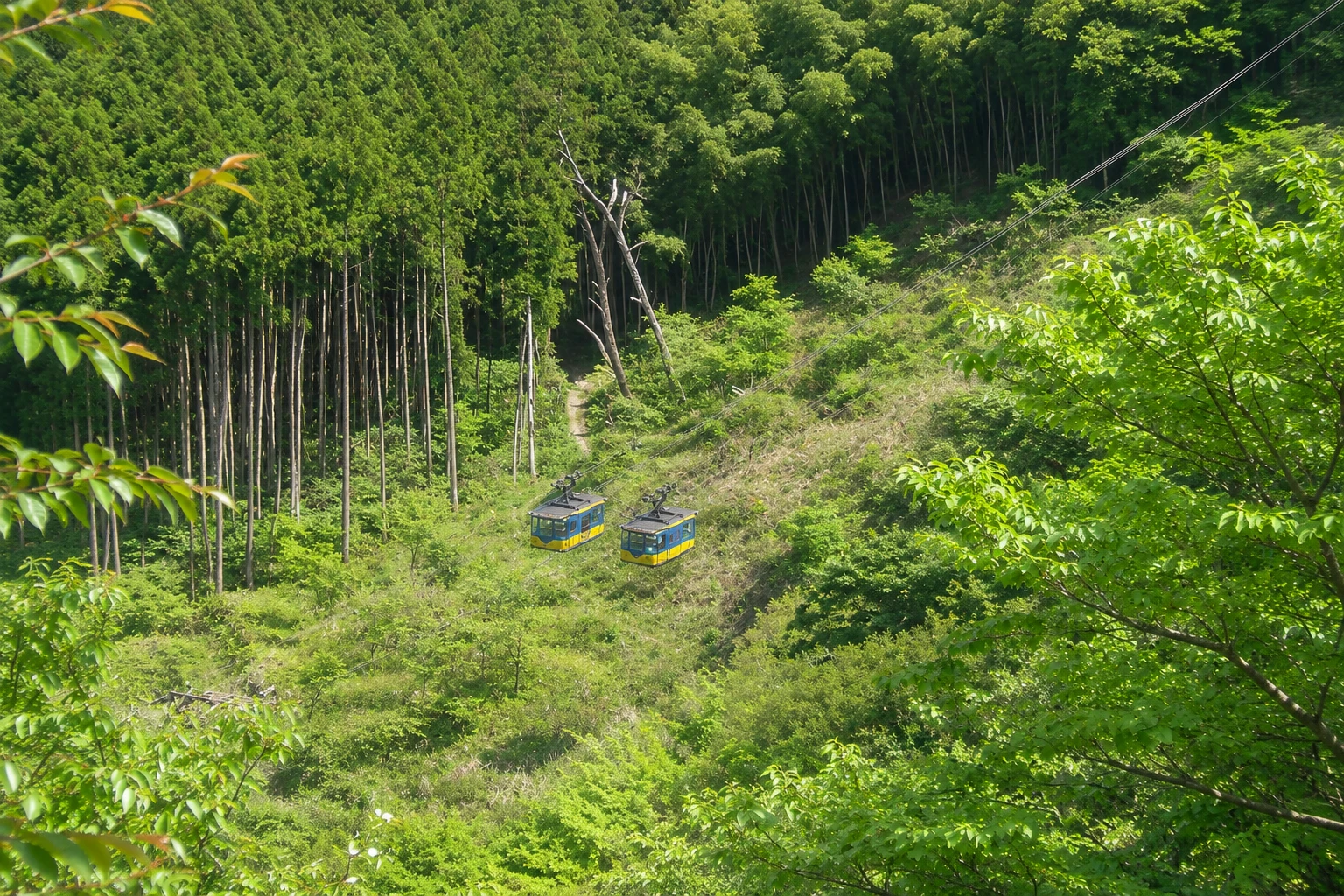
From Yoshino Station: ropeway, bus, or walk to Shimo and Naka Senbon. Buses run from Naka Senbon to Kami Senbon; to reach Oku Senbon you must walk the final section.
Tip
Take a bus up to Kami Senbon and walk down the mountain: the slopes face you and you do less uphill walking.
Official website
Get your questions answered
Frequently asked questions about Mount Yoshino
How many cherry trees are on Mount Yoshino?
About 30,000, mostly the wild yamazakura species, divided into four areas at different altitudes.
Which area of Mount Yoshino blooms first?
Generally Shimo Senbon, the lowest, then Naka, Kami and Oku Senbon, over several weeks in April. The sequence changes according to the weather.
Where is the Hanayagura viewpoint?
In Kami Senbon, the upper part of the mountain, with the widest view of the slopes and the village.
How long does it take to climb up to Oku Senbon?
From the station, several hours on foot, always uphill. With a bus to Kami Senbon, the walking section takes about 1 hour.
Beyond the guide


