The Nakasendo was one of the five major highways of the Edo period, linking Edo (modern Tokyo) with Kyoto through the mountainous interior, with 69 official post towns. In the stretch along the Kiso River valley, between Nagano and Gifu prefectures, the road passed through eleven relay towns, the juku, where feudal lords, messengers and travelers stopped to sleep and change horses.
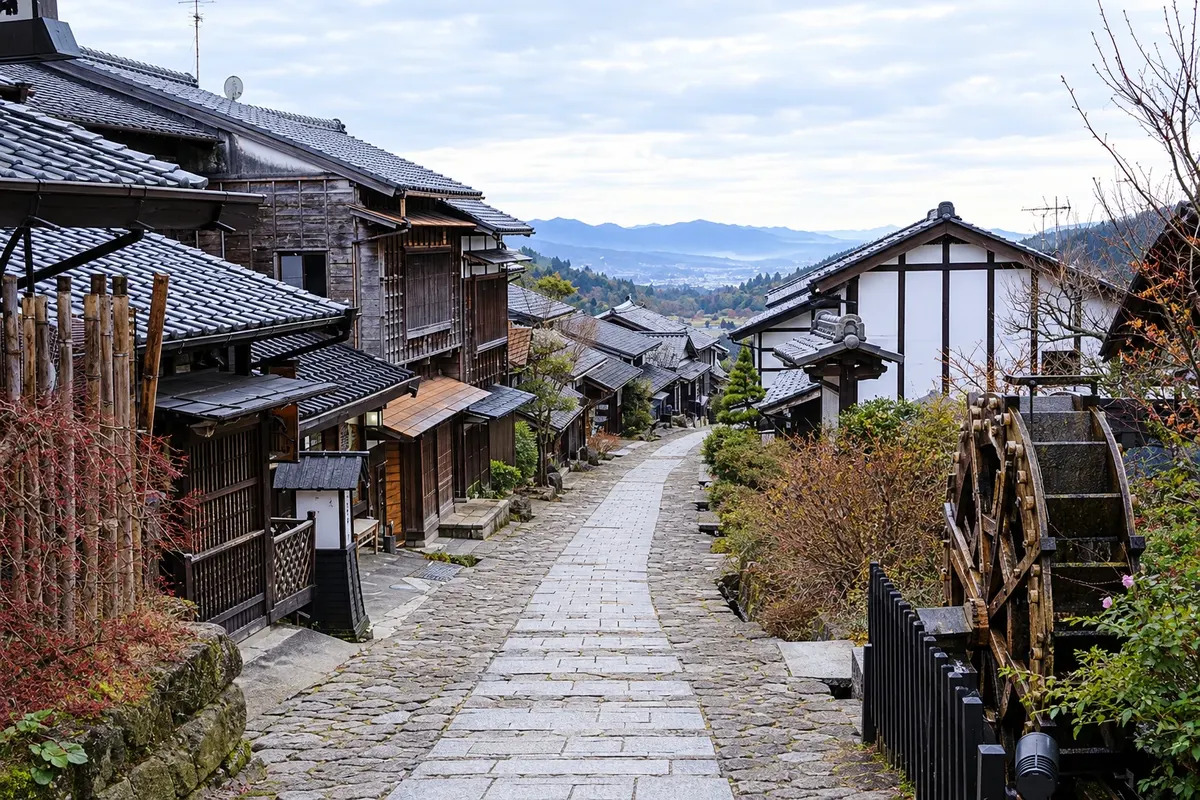
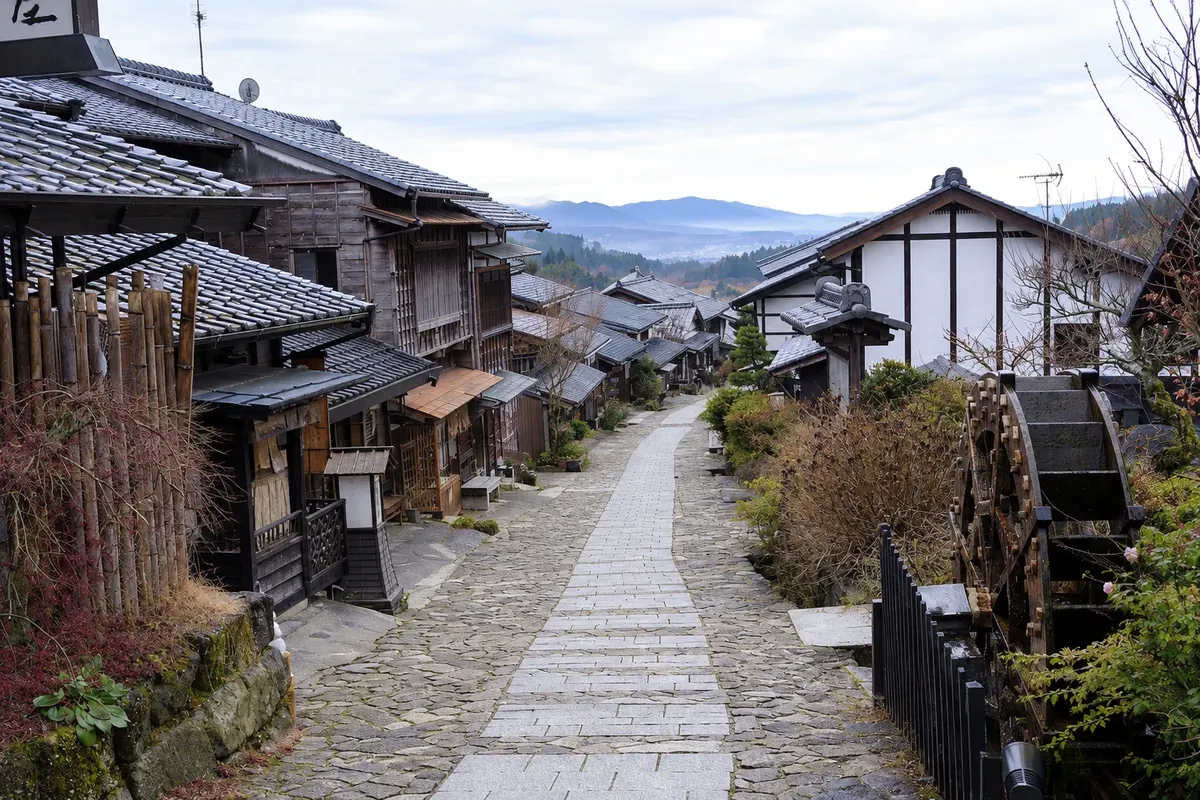
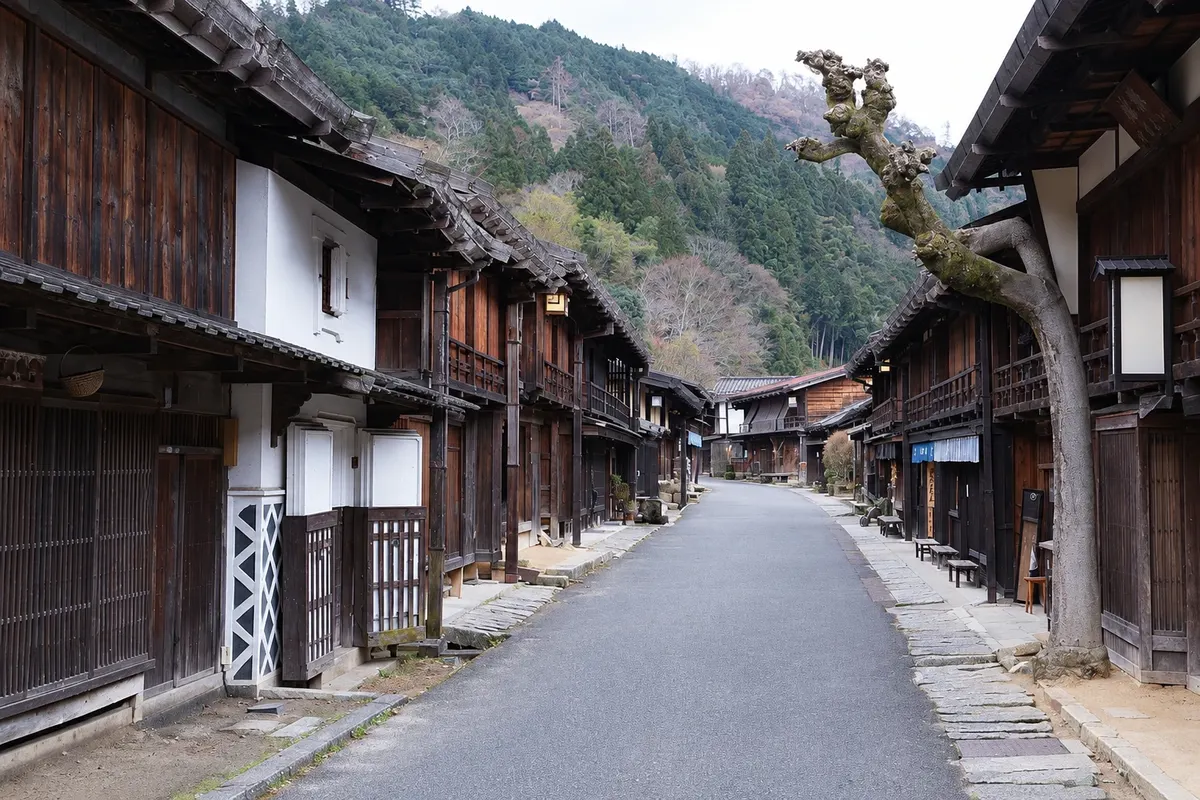
Two of those towns preserve the 19th-century look: Magome and Tsumago. Magome, in the town of Nakatsugawa in Gifu, climbs a steep slope along a stone-paved street, with wooden houses, a watermill and views of Mount Ena; it is the birthplace of the writer Shimazaki Toson. Tsumago, in Nagiso in Nagano, lies at the valley floor and was one of the first Japanese villages to be preserved by its own residents in the 1970s, with no visible power lines along the main street.
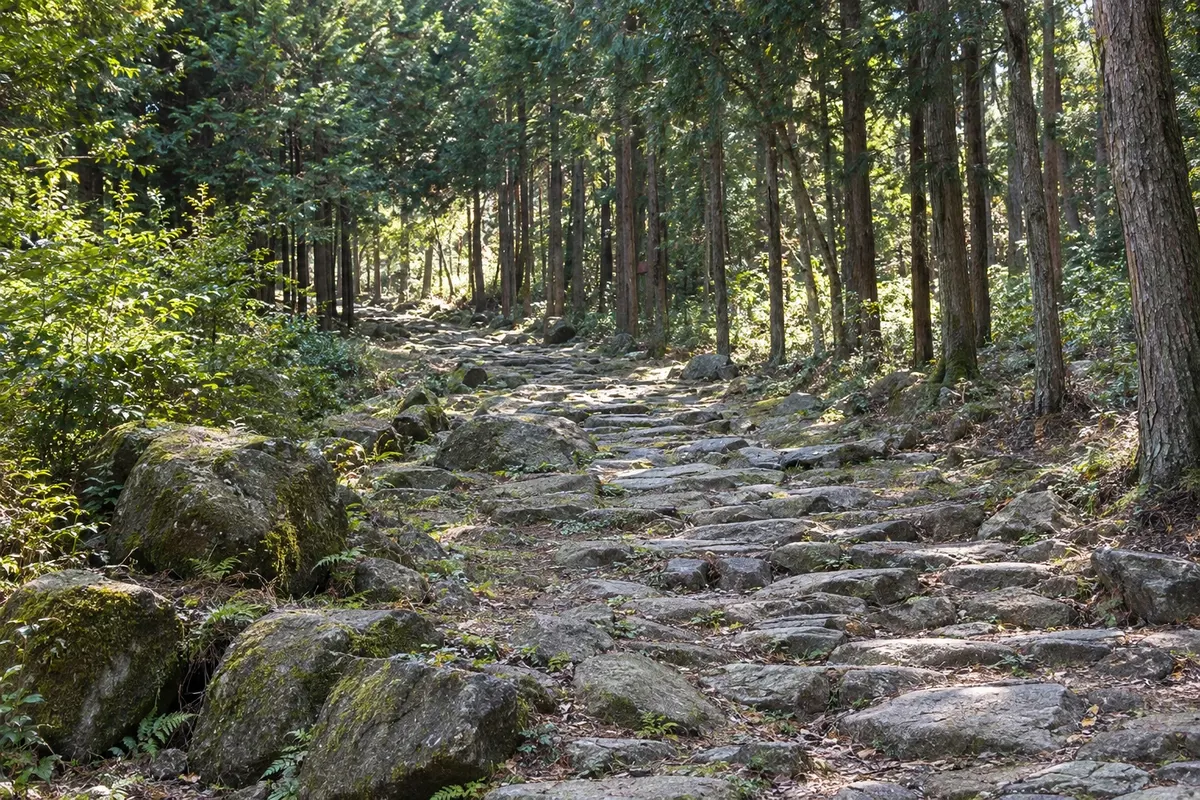
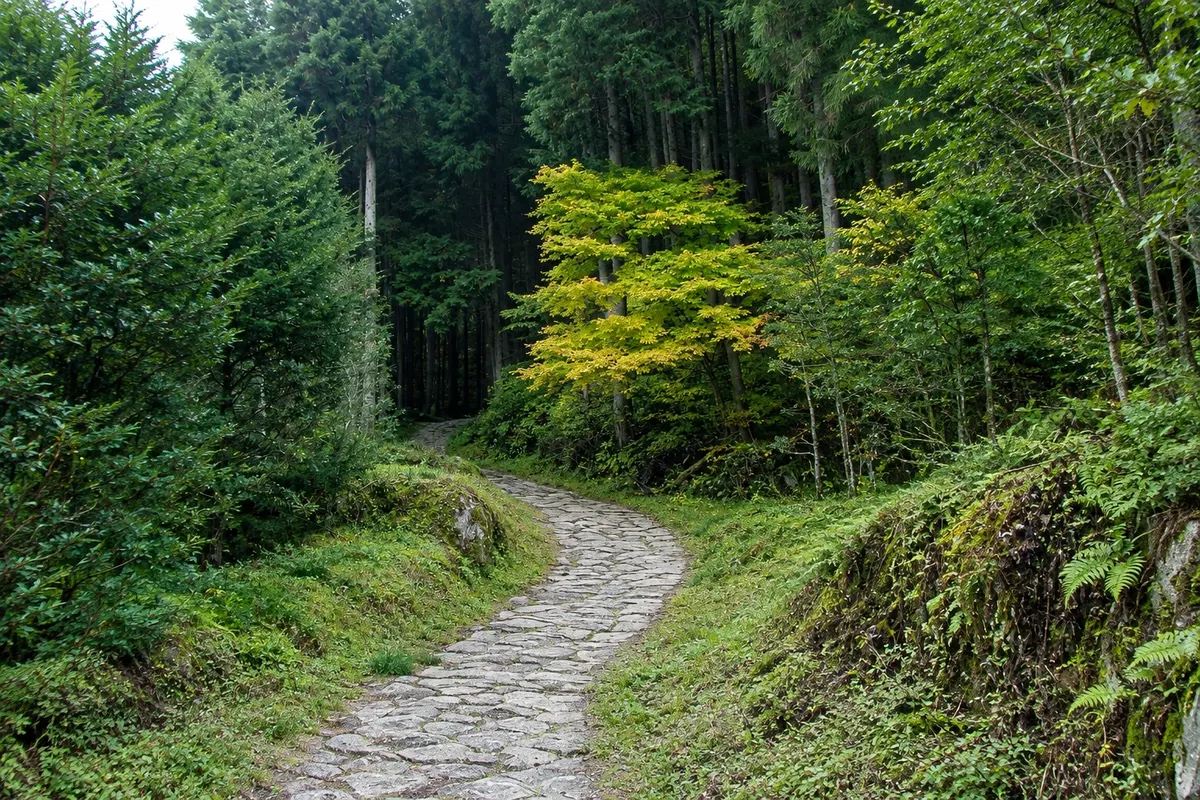
The two villages are connected by a well-preserved section of the old road of about 8 km, which climbs to the Magome pass and descends through cedar and cypress forests, passing waterfalls, farmhouses and a teahouse. It is one of Japan’s best-known walks, usually done in around 3 hours, generally from Magome to Tsumago, with luggage transport between the villages during the season.
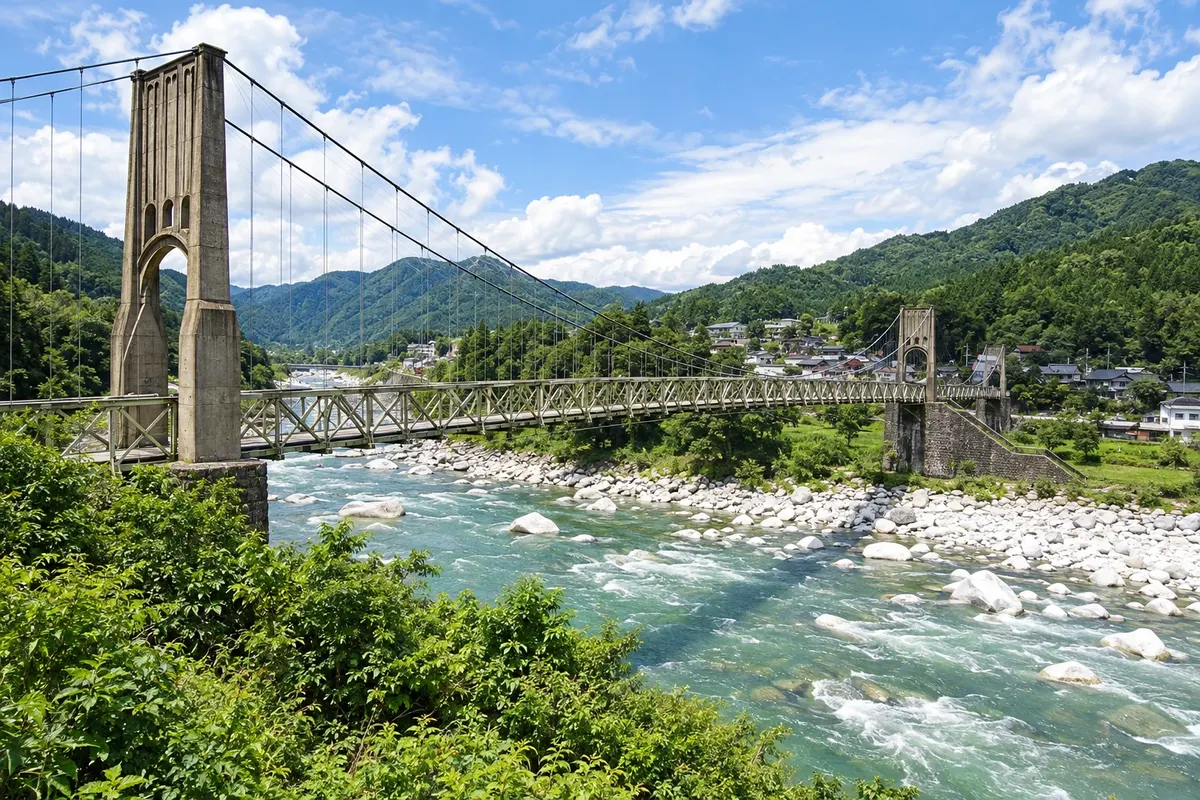
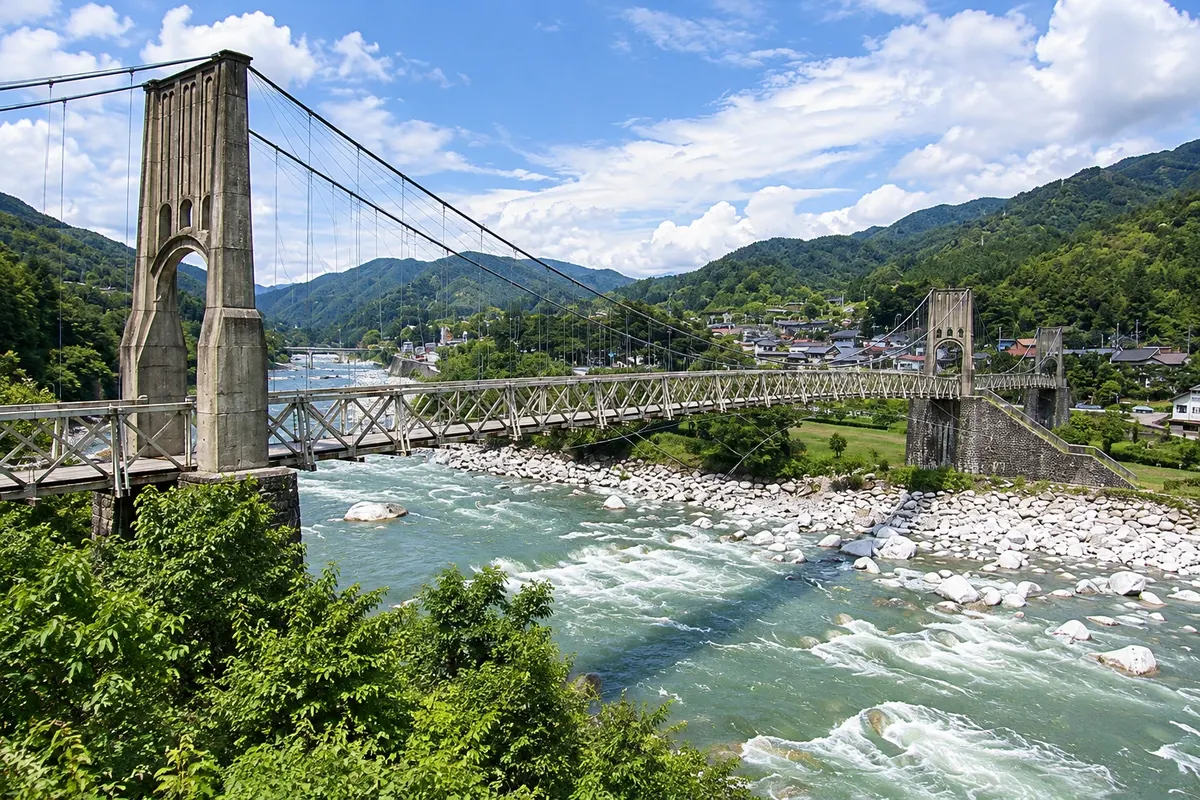
The two towns make a single trip of one or two days from Nagoya or Matsumoto on the Chuo line. At the foot of Tsumago, the wooden Momosuke Bridge crosses the Kiso River near Nagiso Station. Staying at one of the family-run inns in the villages lets you see the streets empty at night and early morning.
This destination brings together 2 cities: Nakatsugawa, Nagiso.


 Brazil
 Antarctica
 Argentina
 Bolivia
 Chile
 Colombia
 Ecuador
 Guyana
 French Guiana
 Falkland Islands (Malvinas)
 Paraguay
 Peru
 Suriname
 Uruguay
 Venezuela
 Germany
 Austria
 Belgium
 Croatia
 Denmark
 Slovakia
 Slovenia
 Spain
 Finland
 France
 Greece
 the Netherlands
 Hungary
 Ireland
 Iceland
 Italy
 Luxembourg
 Norway
 Poland
 Portugal
 the United Kingdom
 the Czech Republic
 Sweden
 Switzerland
 Turkey
 Bermuda
 Canada
 the United States
 Greenland
 Mexico
 Saint Pierre and Miquelon
 the Dominican Republic
 South Africa
 Egypt
 Australia
 Fiji
 New Zealand
 Papua New Guinea