Takayama and Shirakawa-go

Gifu · Japan

Takayama and Shirakawa-go

In the Gifu mountains: Takayama’s old town with merchant houses, sake breweries and morning markets, and Shirakawa-go village with gassho-zukuri thatched-roof houses.

Chubu

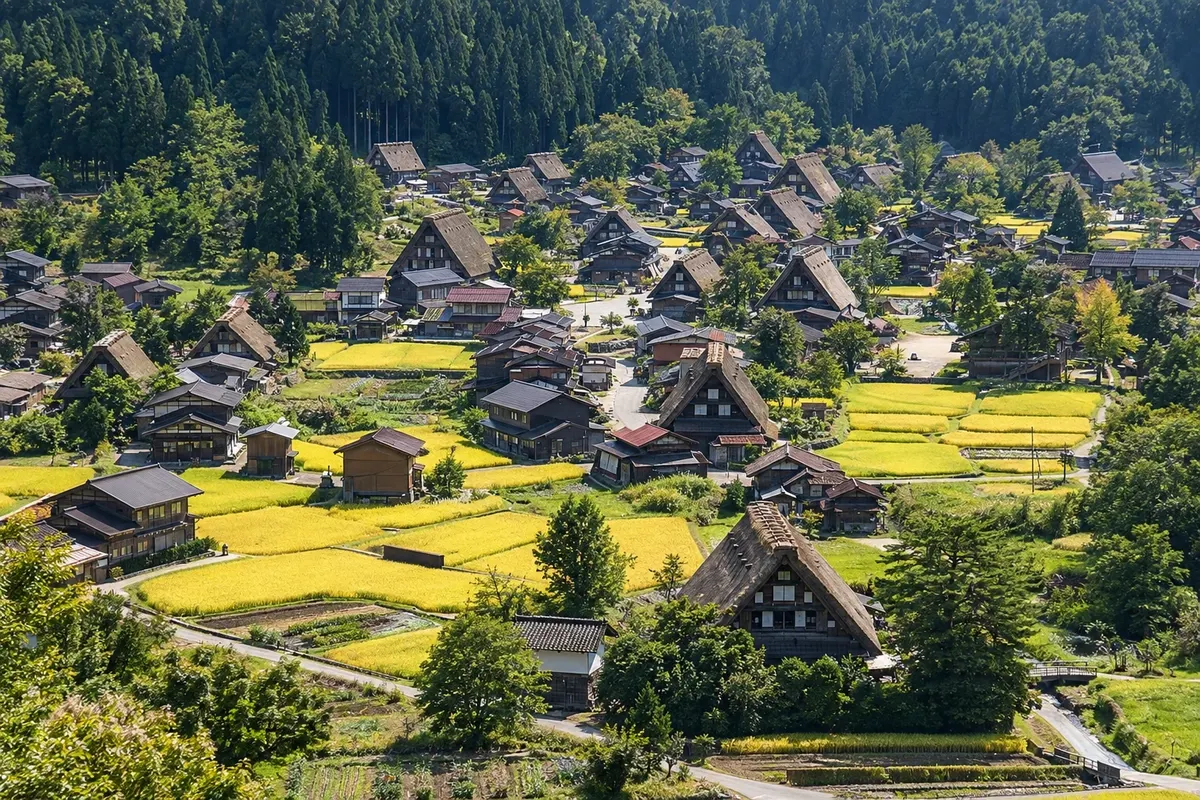
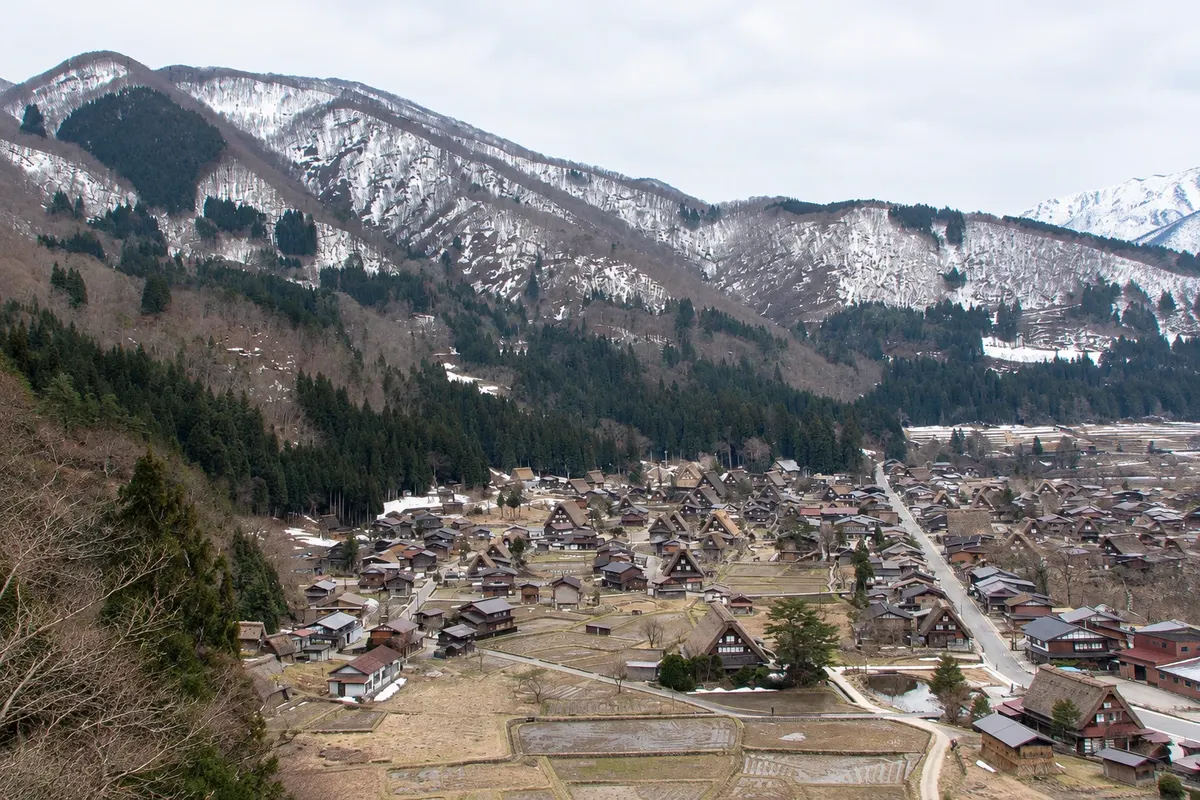
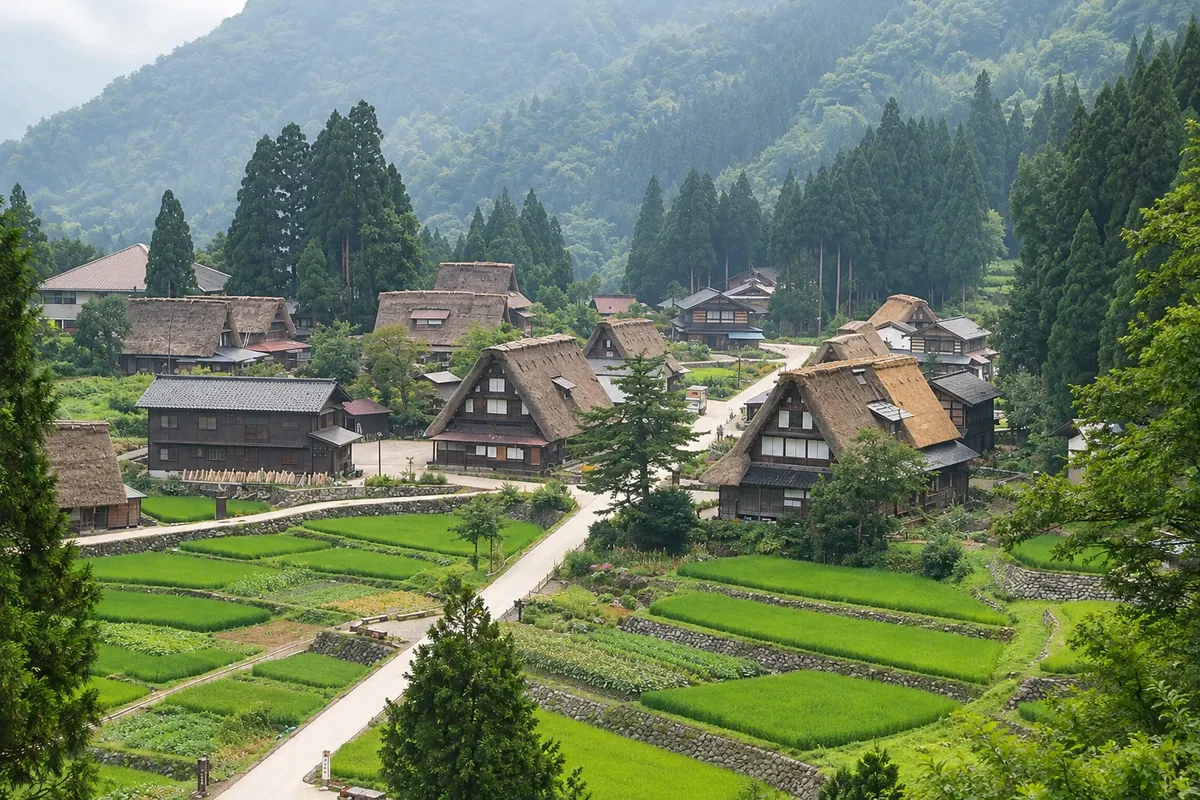
In the photo: Ogimachi village in Shirakawa‑go.

Illustrative images. The pictures in this guide are illustrations based on the real place, not photographs, and may differ from it.

Get to know the place

A region to enjoy
at your own pace.

Takayama and Shirakawa-go lie in the Hida region, in the northern mountains of Gifu Prefecture, between the Japanese Alps and the Sea of Japan. The mountains’ isolation preserved a way of life and architecture that made both places famous: the merchant and carpenter town of Takayama and the thatched-roof villages of Shirakawa-go.

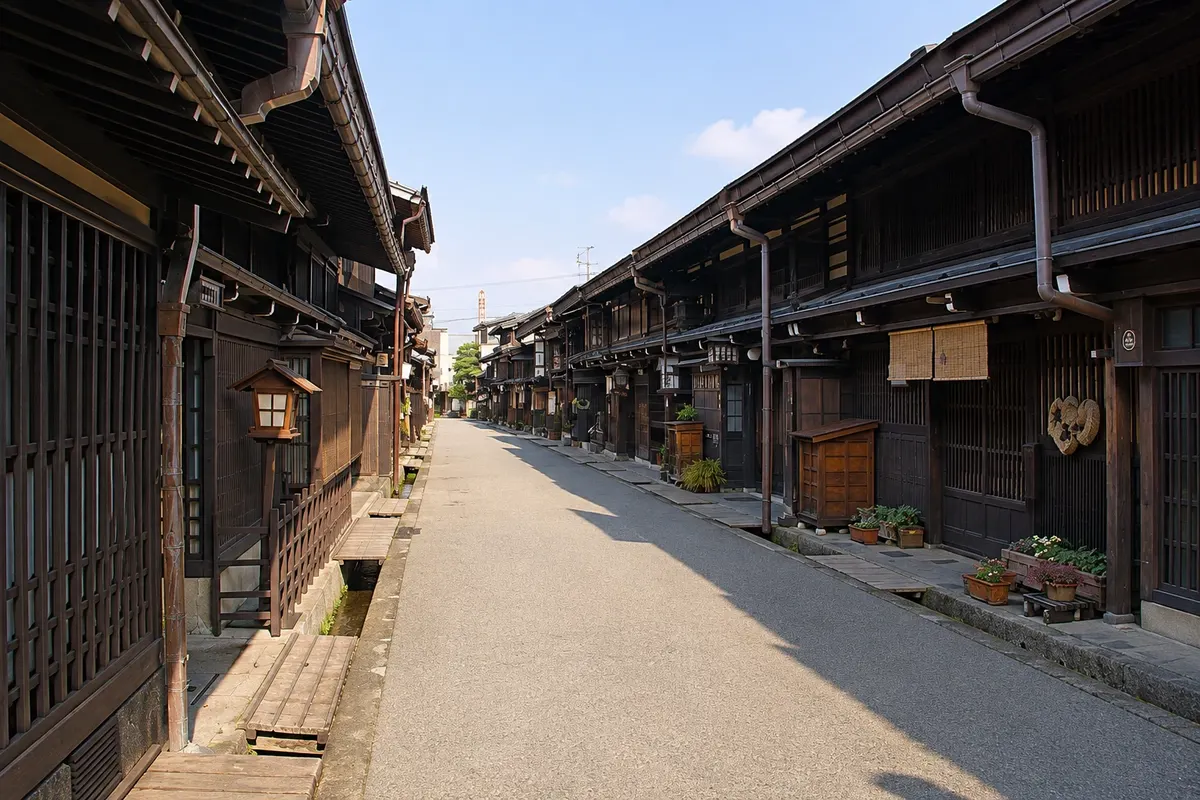
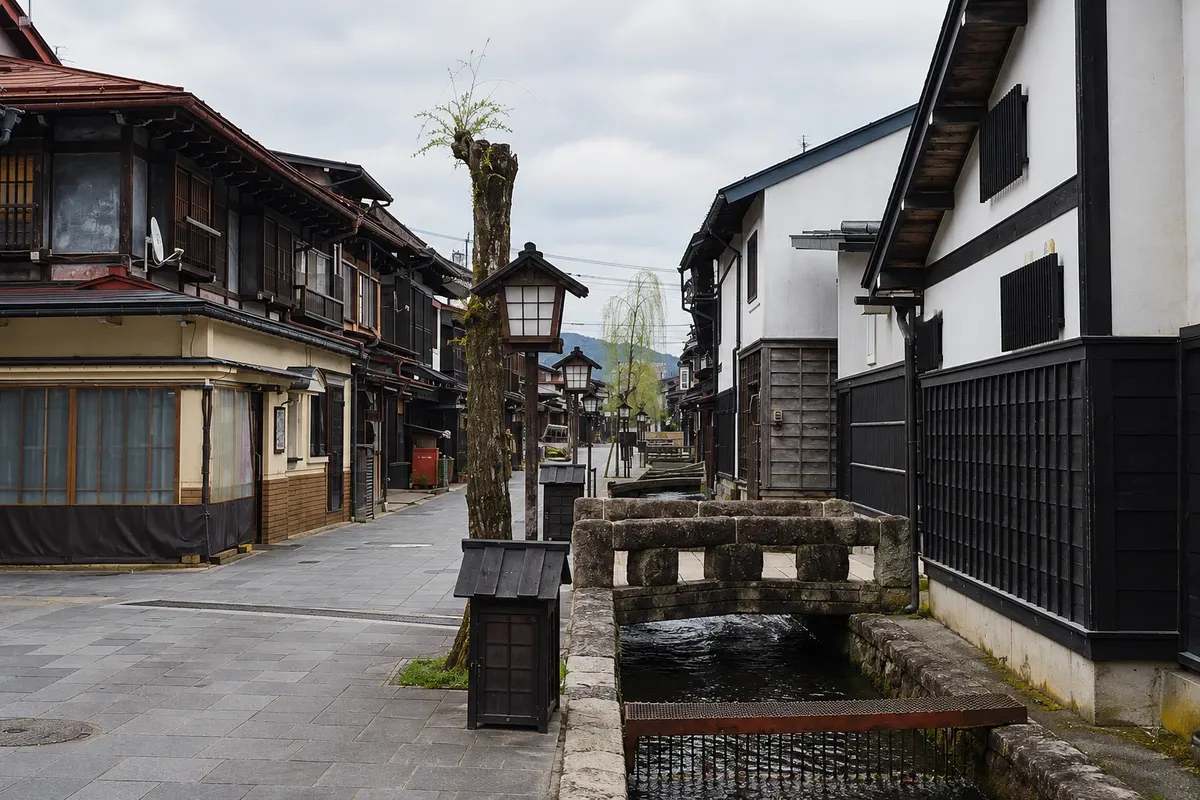
During the Edo period Takayama was under the shogunate’s direct control, which maintained a government office there, the Takayama Jinya. The old town, Sanmachi, still has streets of dark wooden merchant houses, sake breweries and shops. Twice a year, in spring and autumn, the Takayama Festival parades carved floats through the streets; the festival’s floats are listed by UNESCO as intangible cultural heritage. The city is also known for Hida beef and for Hida carpenters, famed since antiquity.

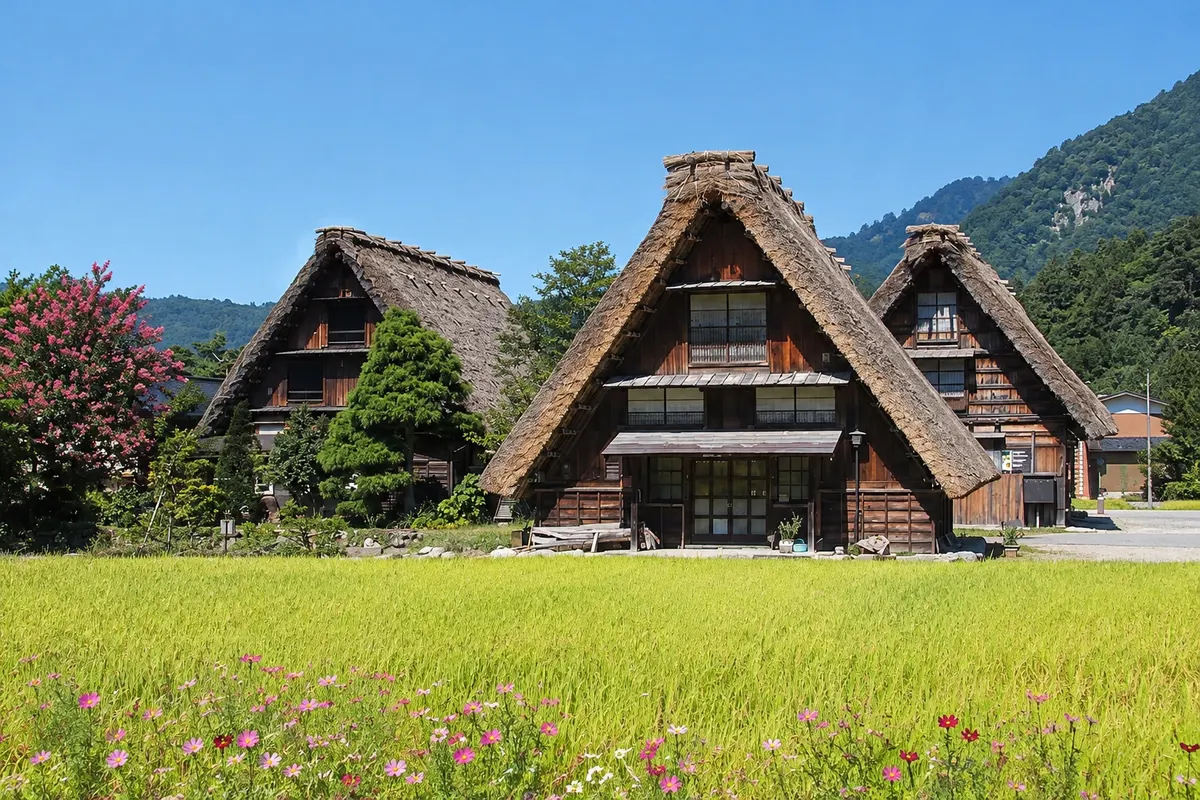
About 50 km to the northwest, the village of Shirakawa in the Shō River valley contains the village of Ogimachi, with dozens of gassho-zukuri houses—very steep thatched roofs built to withstand heavy snow. Together with the villages of Ainokura and Suganuma in the neighboring Gokayama area of Toyama, they form a UNESCO World Heritage Site. Many houses are still lived in, and some accept guests.

Both are on the bus route between Takayama and Kanazawa, and many travelers go between the two cities with a stop in Shirakawa-go. North of Takayama, the town of Hida Furukawa has canals with carp and white storehouse-style houses and makes for a half-day stroll.

This destination brings together 2 cities: Takayama, Shirakawa.

Share: WhatsApp
Traveler, share your experiences through photos Up to 5 photos of each place you visited.

One destination, many paths

The cities on this trip

Start with one city or combine several in your itinerary.

Where Takayama and Shirakawa-go is
ShirakawaTakayama

Dados cartográficos: © OpenStreetMap contributors, via Wambacher / geoBoundaries (ODbL 1.0). Adapted by Cidade Turismo.

How to get there: Takayama and Shirakawa-go

✈ Aeroporto Internacional Chubu Centrair (NGO), in Tokoname · 190 km to Takayama

From Nagoya, the Hida limited express reaches Takayama in about 2h20–2h30; from Toyama, in about 1h30. Highway buses connect Takayama with Shinjuku, Kanazawa and Shirakawa-go. From Kanazawa the bus takes about 1h15–1h30 to Shirakawa-go.

Suggested arrival point: Takayama

The local experience

Things to do in Takayama and Shirakawa-go

Ogimachi Village (Shirakawa-go)
Shirakawa · Gifu · Historic village

Ogimachi Village (Shirakawa-go)

The largest village of Shirakawa-go, with dozens of gassho-zukuri thatched houses among rice fields and the Sho River; a World Heritage site.

Takayama Old Town (Sanmachi)
Takayama · Gifu · Historic center

Takayama Old Town (Sanmachi)

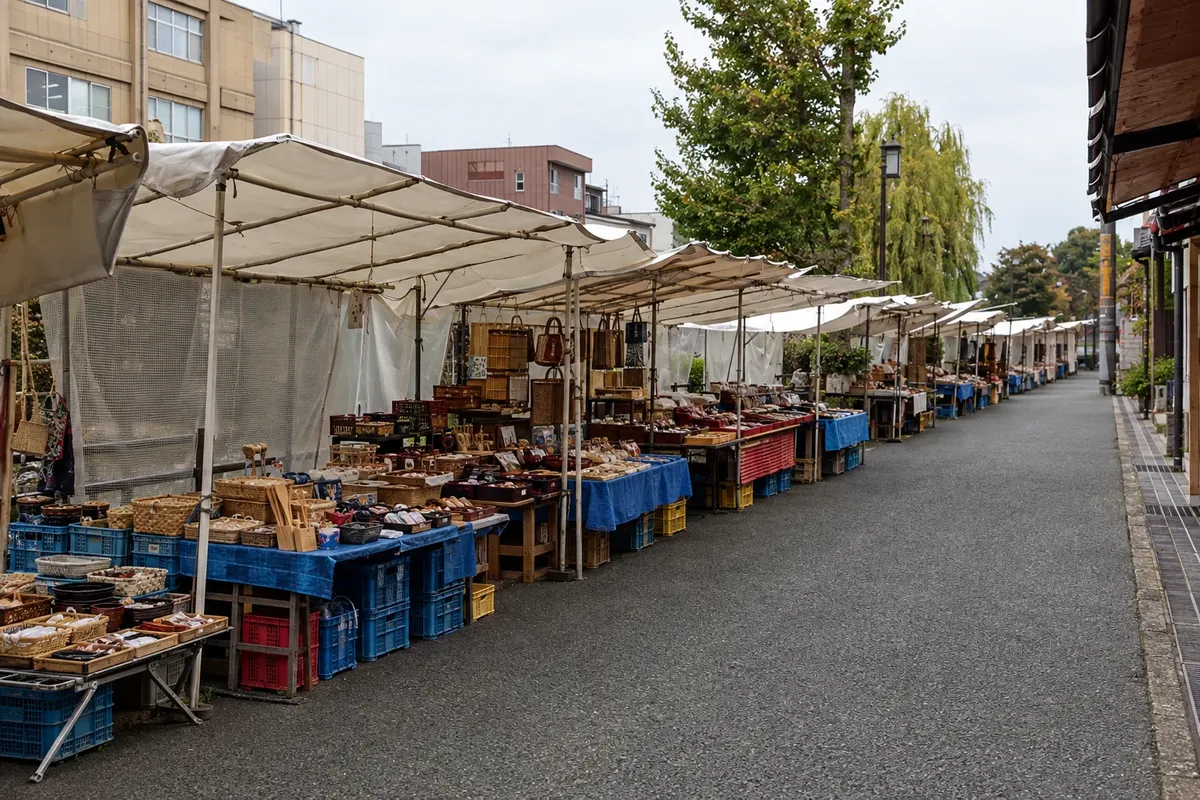
Streets lined with dark-wood merchant houses from the Edo period, with sake breweries, shops and house-museums, and morning markets along the Miyagawa River.

Shiroyama Observatory
Shirakawa · Gifu · Viewpoint

Shiroyama Observatory

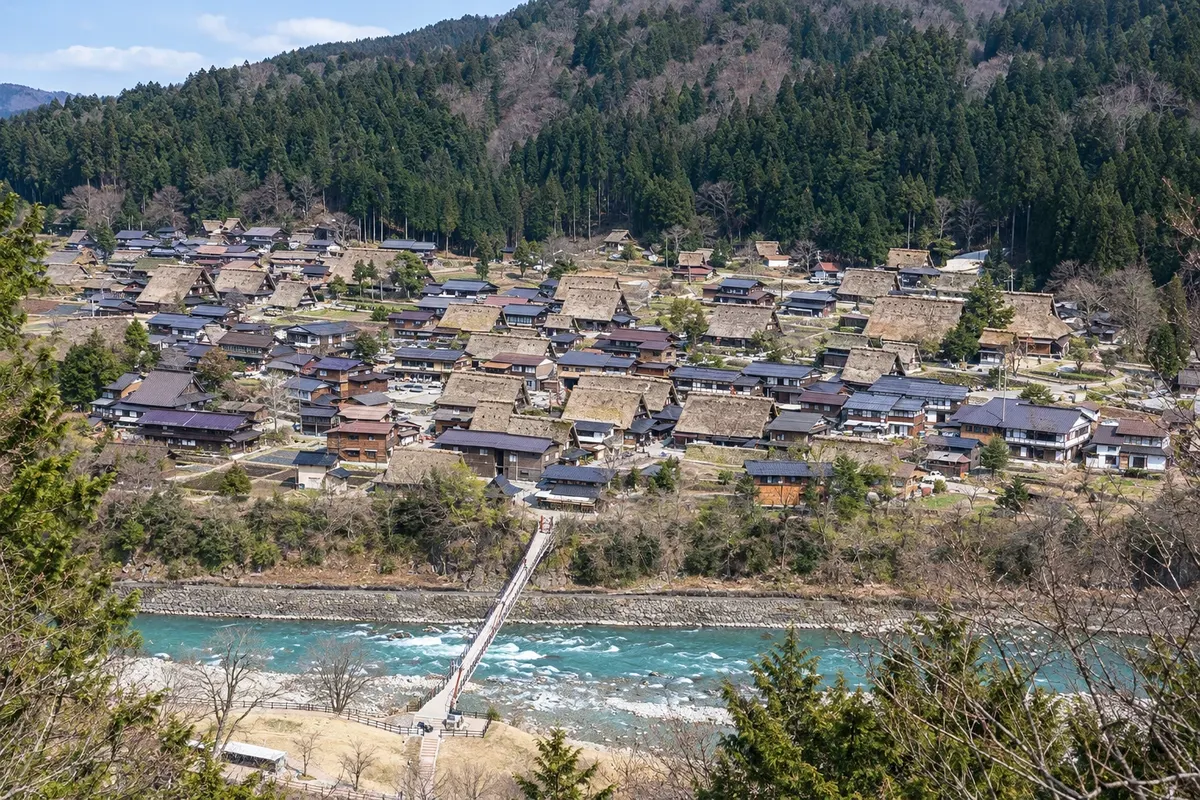
The viewpoint on the hill of the former Ogimachi castle ruins, from which you can see the entire village of Shirakawa-go, with the thatched roofs among the fields.

Takayama Jinya
Takayama · Gifu · Historic site

Takayama Jinya

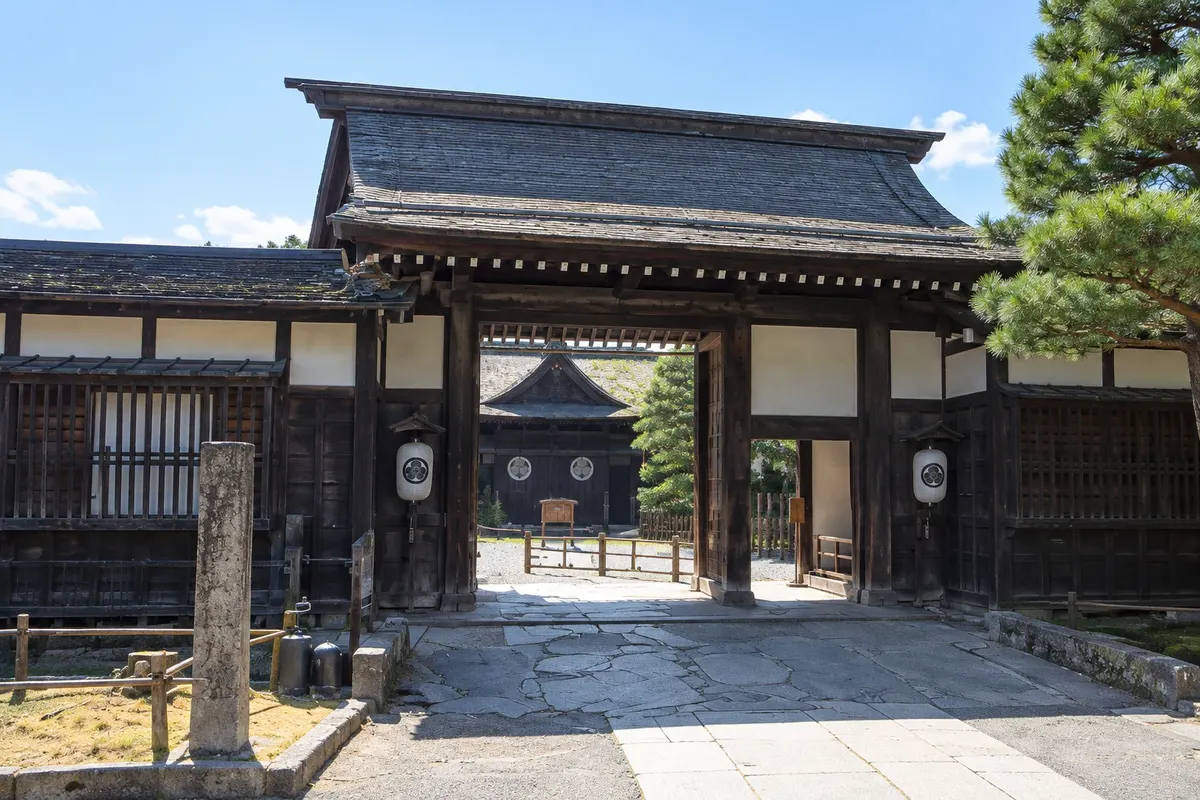
The former Tokugawa shogunate government office in Takayama, the only one of its kind preserved in Japan, with audience rooms, offices and a large rice storehouse.

See 5 more places in Takayama and Shirakawa-go
Wada House (Wada-ke)
Shirakawa · Gifu · Historic house

Wada House (Wada-ke)

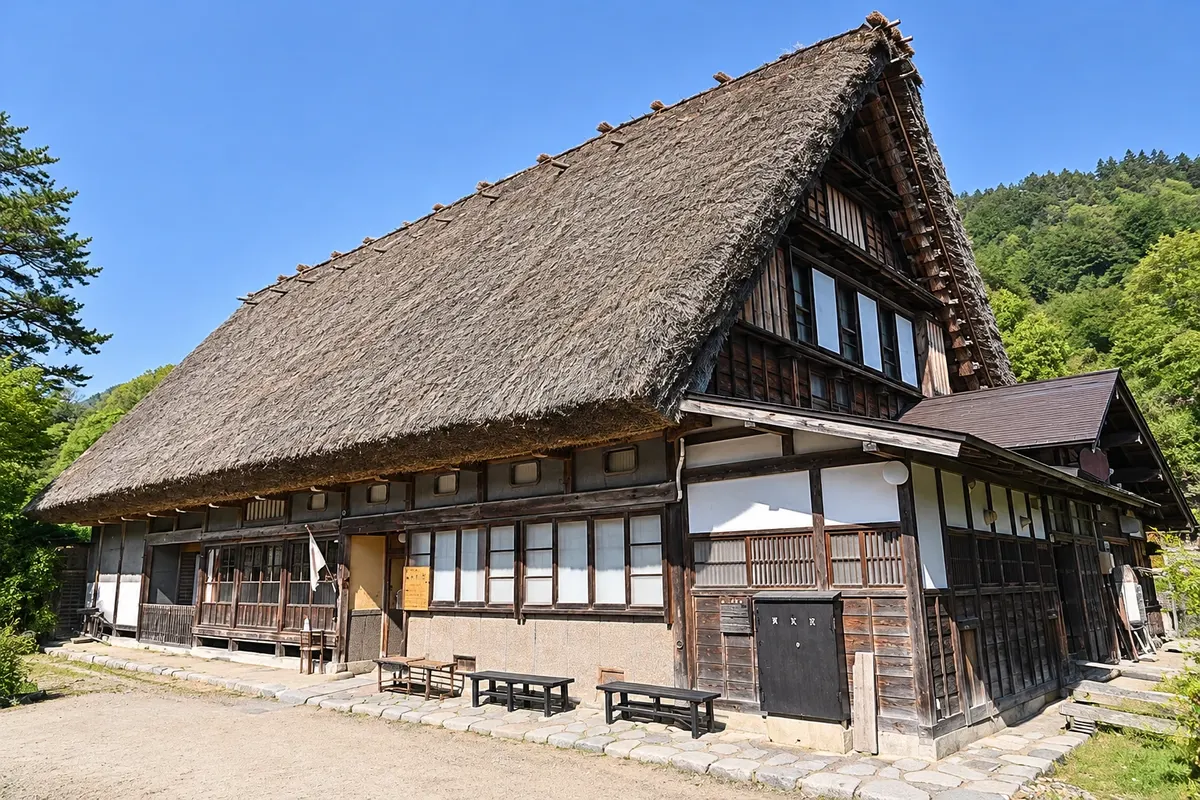
The largest gassho-zukuri house in Ogimachi, from the village headman’s family, open to visitors, with the hearth on the ground floor and the upper floors displaying silk-working tools.

Hida Folk Village (Hida no Sato)
Takayama · Gifu · Museum

Hida Folk Village (Hida no Sato)

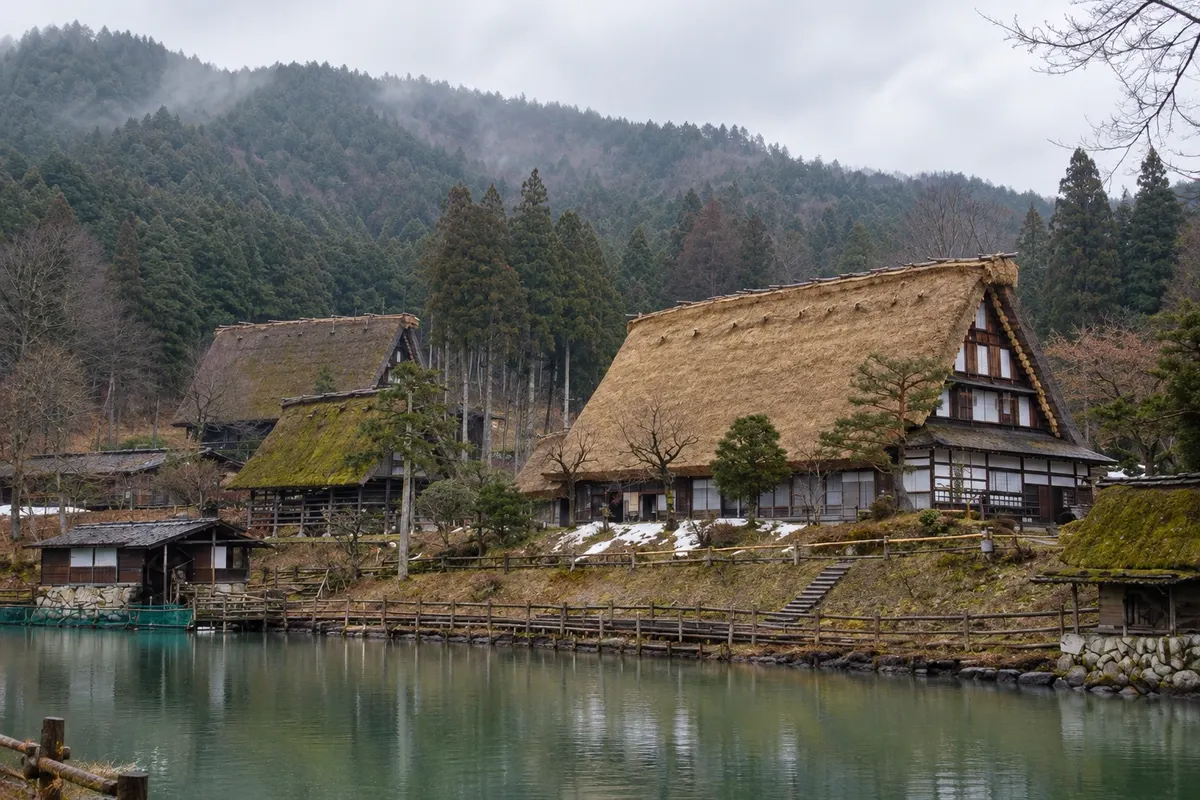
An open-air museum on a slope of Takayama, with around thirty old houses from the Hida region, including gassho-zukuri thatched-roof houses, arranged around a pond.

Gokayama (Ainokura, Suganuma)
Shirakawa · Gifu · Historic village

Gokayama (Ainokura, Suganuma)

The villages of Ainokura and Suganuma in Toyama, with gassho-zukuri houses in a mountain valley, quieter than Shirakawa-go and part of the same World Heritage site.

Takayama Festival Floats Exhibition Hall (Salão dos Carros do Festival de Takayama)
Takayama · Gifu · Museum

Takayama Festival Floats Exhibition Hall (Salão dos Carros do Festival de Takayama)

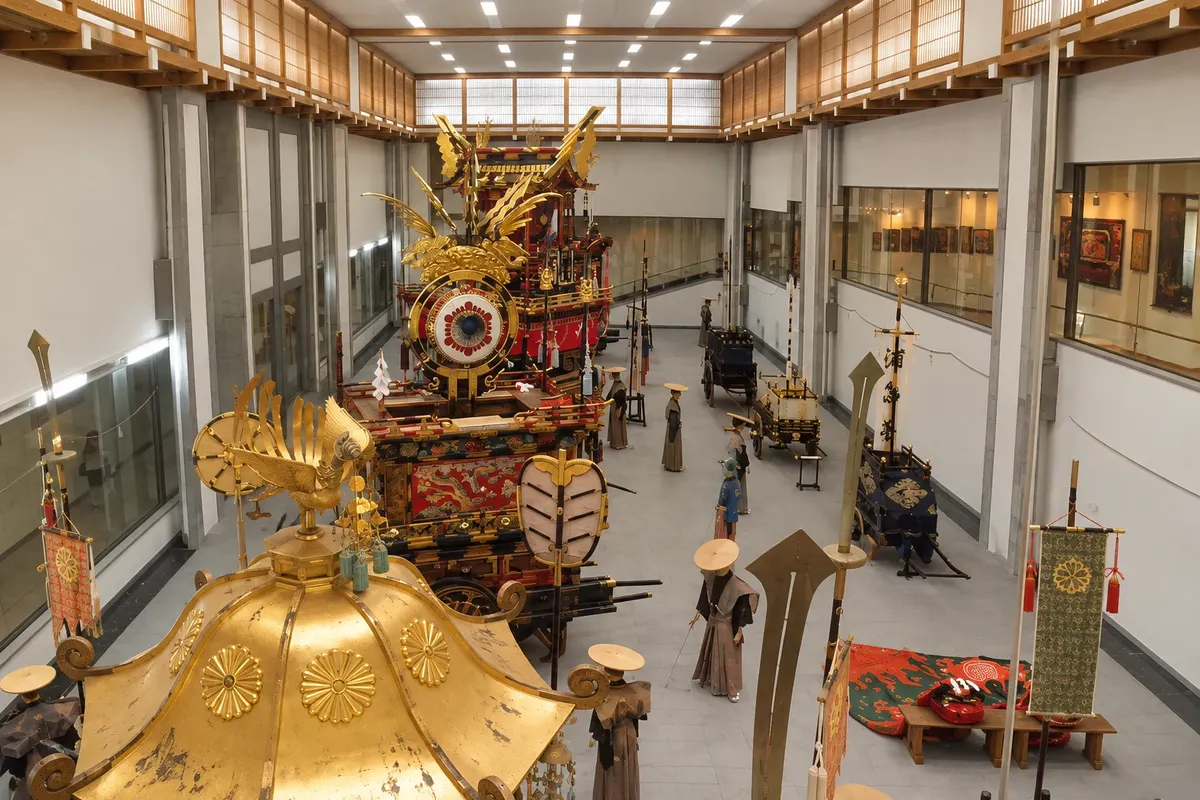
The hall next to Sakurayama Hachimangu Shrine that displays Takayama Festival floats, carved, lacquered and with mechanized dolls.

Hida-Furukawa
Takayama · Gifu · Historic city

Hida-Furukawa

The small town north of Takayama with canals full of carp, white-walled storehouses, temples with carved woodwork and sake breweries.

Before you go

Practical information

A little planning leaves more time to enjoy the journey.

When to go

The Takayama Festival takes place in mid-April and in early October, and draws large crowds. October and November bring autumn foliage. From December to March snow covers Shirakawa-go’s roofs, and the village is illuminated on some nights in January and February, with reservations required. Summers are mild in the mountains.

The seasons shown are the most usual ones; nature doesn't always follow the calendar.

How many days to stay

Two days for Takayama, to see the old town, the Jinya, the morning market, the float hall and Hida no Sato. Shirakawa-go takes half a day or one night in a gassho house. With three days, include Hida Furukawa or Gokayama.

Which city to stay in

Takayama has accommodations near the station and ryokan in the old town, a few minutes’ walk from Sanmachi. In Shirakawa-go some gassho houses operate as family-run guesthouses offering dinner and breakfast and require advance reservations. There are also lodgings at the Okuhida hot springs in the mountains east of Takayama.

Respect the place

Take your trash with you, follow the signs and support local businesses. In natural areas, follow the visiting guidelines.

Get your questions answered

Frequently asked questions about Takayama and Shirakawa-go

How many days should you stay in Takayama and Shirakawa-go?

Two days in Takayama and half a day or one night in Shirakawa-go. With three days you can add Hida Furukawa or Gokayama.

How to get from Takayama to Shirakawa-go?

By highway bus, in about 50 minutes. Some departures require reservation; book ahead in high season.

Can you go from Takayama to Kanazawa via Shirakawa-go?

Yes. The buses between Takayama and Kanazawa stop at Shirakawa-go, and you can get off, visit the village, and continue on a later bus, with reservations made for both legs.

Do you need a car in Takayama and Shirakawa-go?

No. Takayama is walkable, and highway buses connect the towns. A car is useful to reach Gokayama and the Okuhida hot springs.

When is the Takayama Festival?

Twice a year: the spring festival in mid-April and the autumn festival in early October, featuring the float parades. Check the exact dates and reserve accommodation in advance.

Explore other destinations Search by state and city

Beyond the guide