

 Brazil
 Antarctica
 Argentina
 Bolivia
 Chile
 Colombia
 Ecuador
 Guyana
 French Guiana
 Falkland Islands (Malvinas)
 Paraguay
 Peru
 Suriname
 Uruguay
 Venezuela
 Germany
 Austria
 Belgium
 Croatia
 Denmark
 Slovakia
 Slovenia
 Spain
 Finland
 France
 Greece
 the Netherlands
 Hungary
 Ireland
 Iceland
 Italy
 Luxembourg
 Norway
 Poland
 Portugal
 the United Kingdom
 the Czech Republic
 Sweden
 Switzerland
 Turkey
 Bermuda
 Canada
 the United States
 Greenland
 Mexico
 Saint Pierre and Miquelon
 the Dominican Republic
 South Africa
 Egypt
 Australia
 Fiji
 New Zealand
 Papua New Guinea
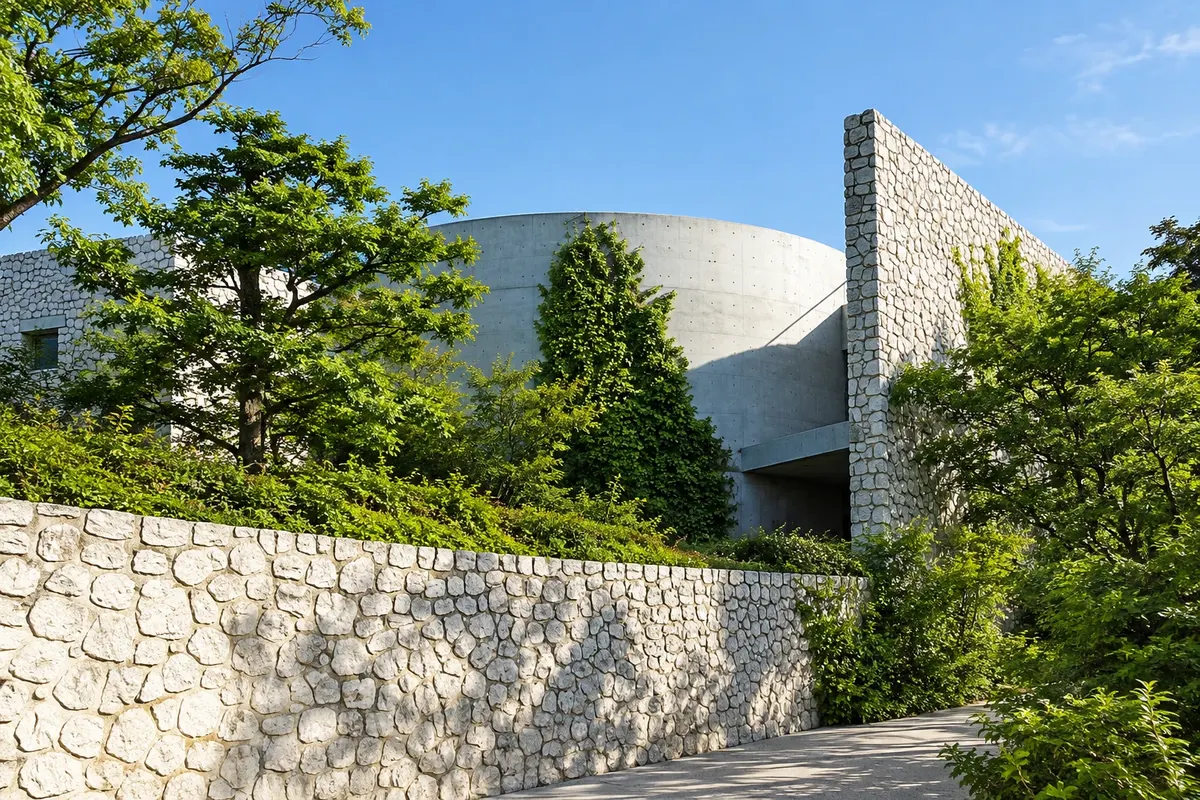
Museum · Naoshima, Kagawa
Benesse House Museum
Tadao Ando’s contemporary art museum by the sea, in the south of Naoshima, with works indoors and outdoors, on the beach and in the woods, including Yayoi Kusama’s yellow pumpkin on the pier.
Illustrative images. The pictures in this guide are illustrations based on the real place, not photographs, and may differ from it.

A look at the place
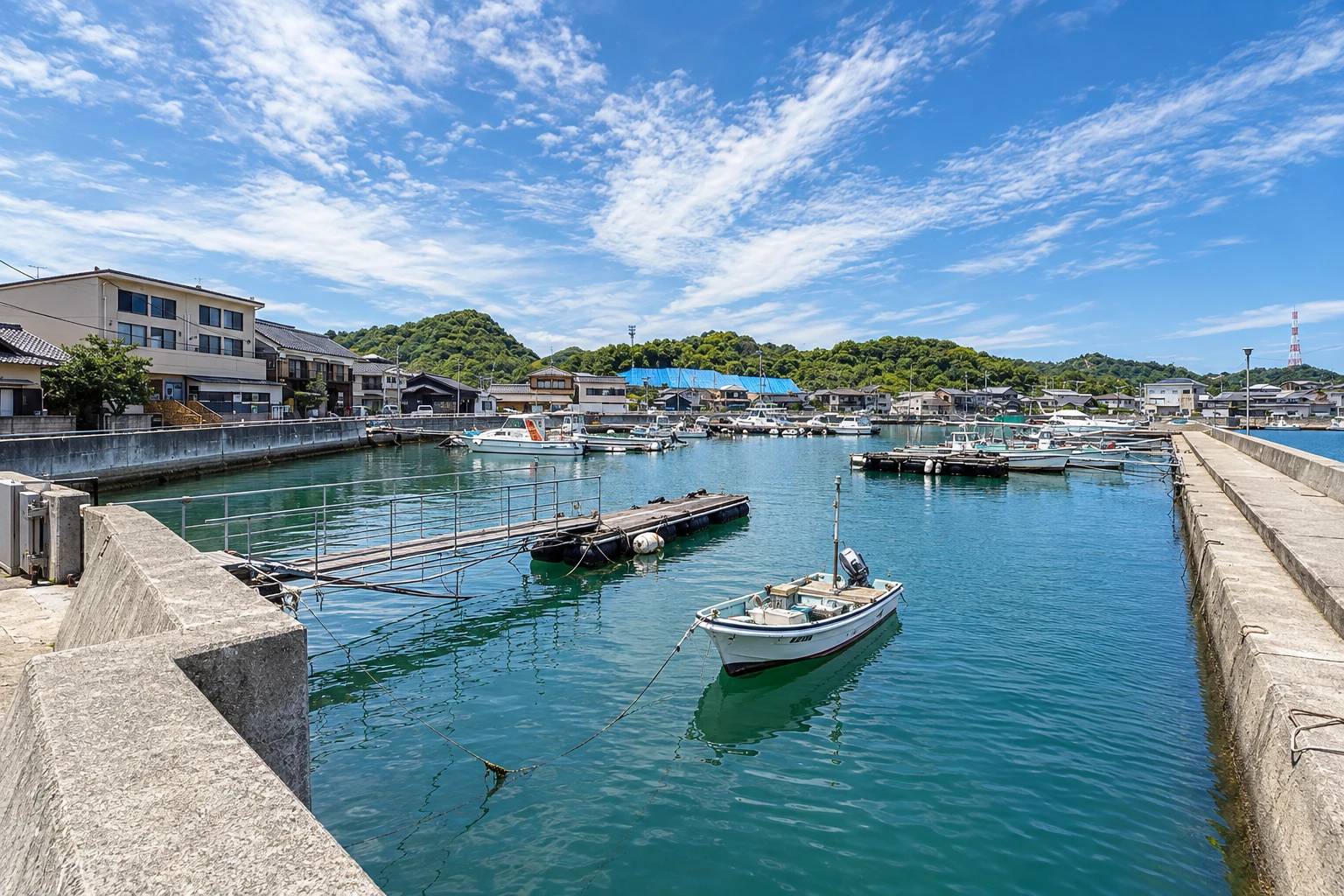
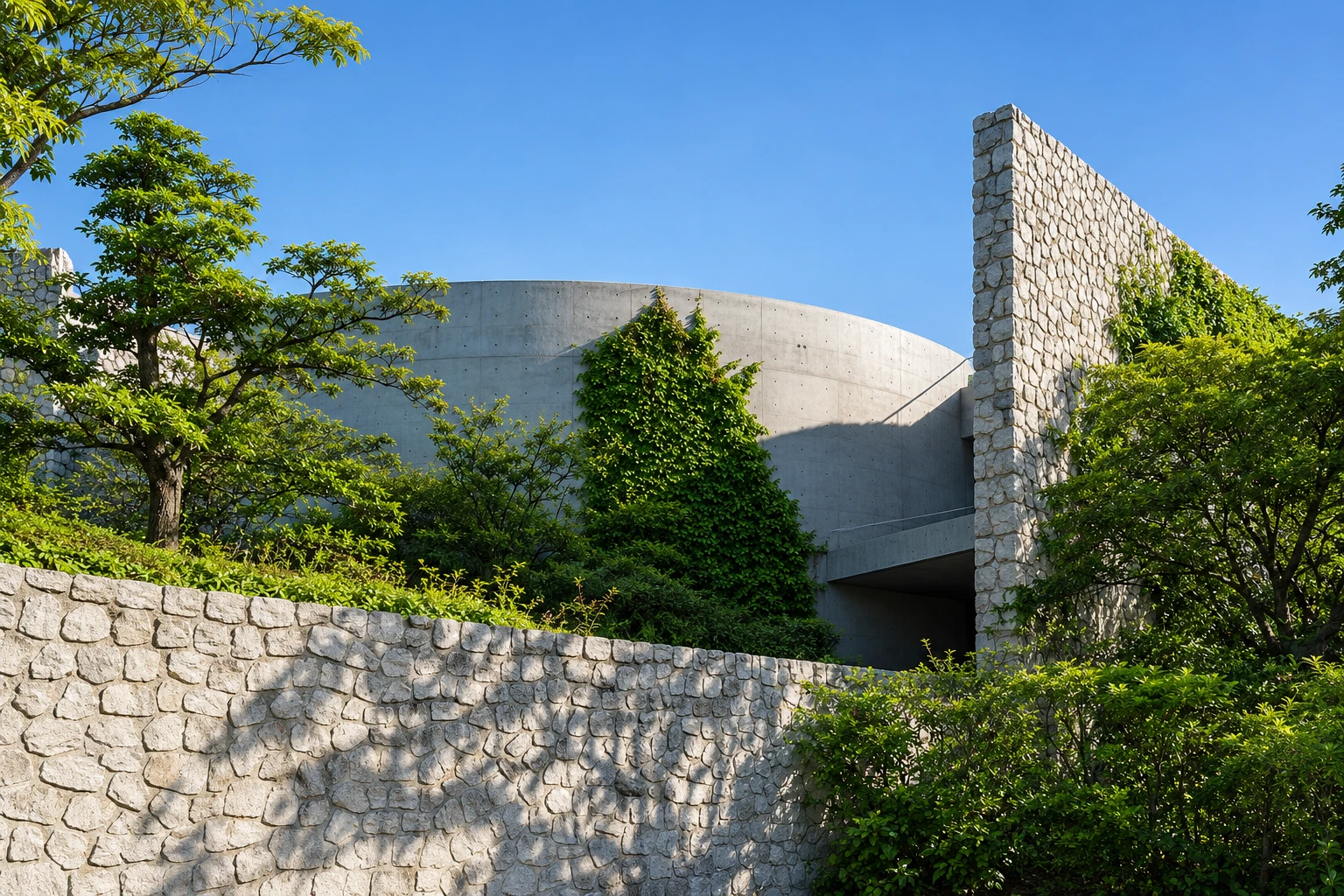
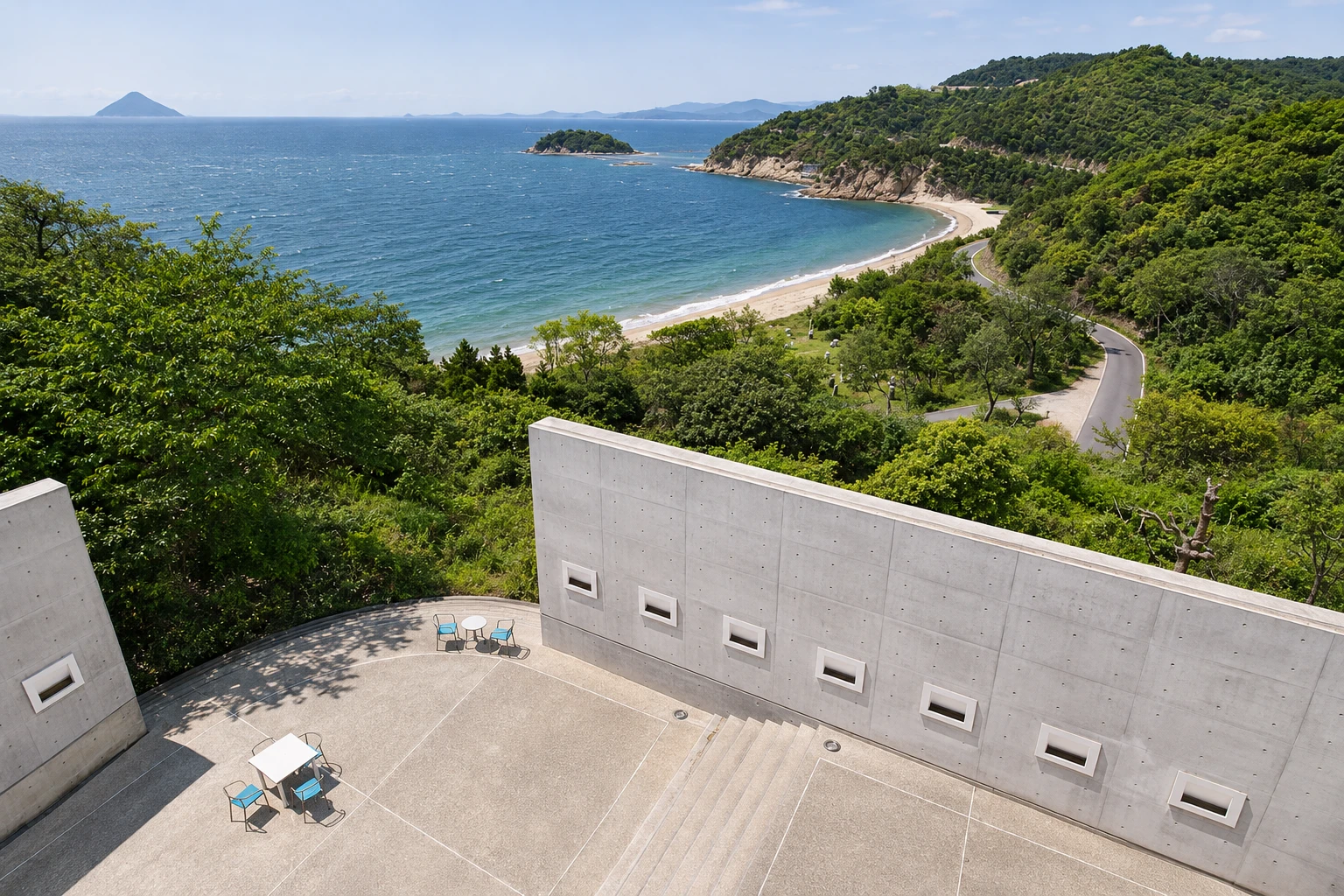
Benesse House Museum in pictures
These pictures are illustrations based on the real place, not photographs. They may differ from the place.
Click the picture to enlarge it.
Discover
About Benesse House Museum
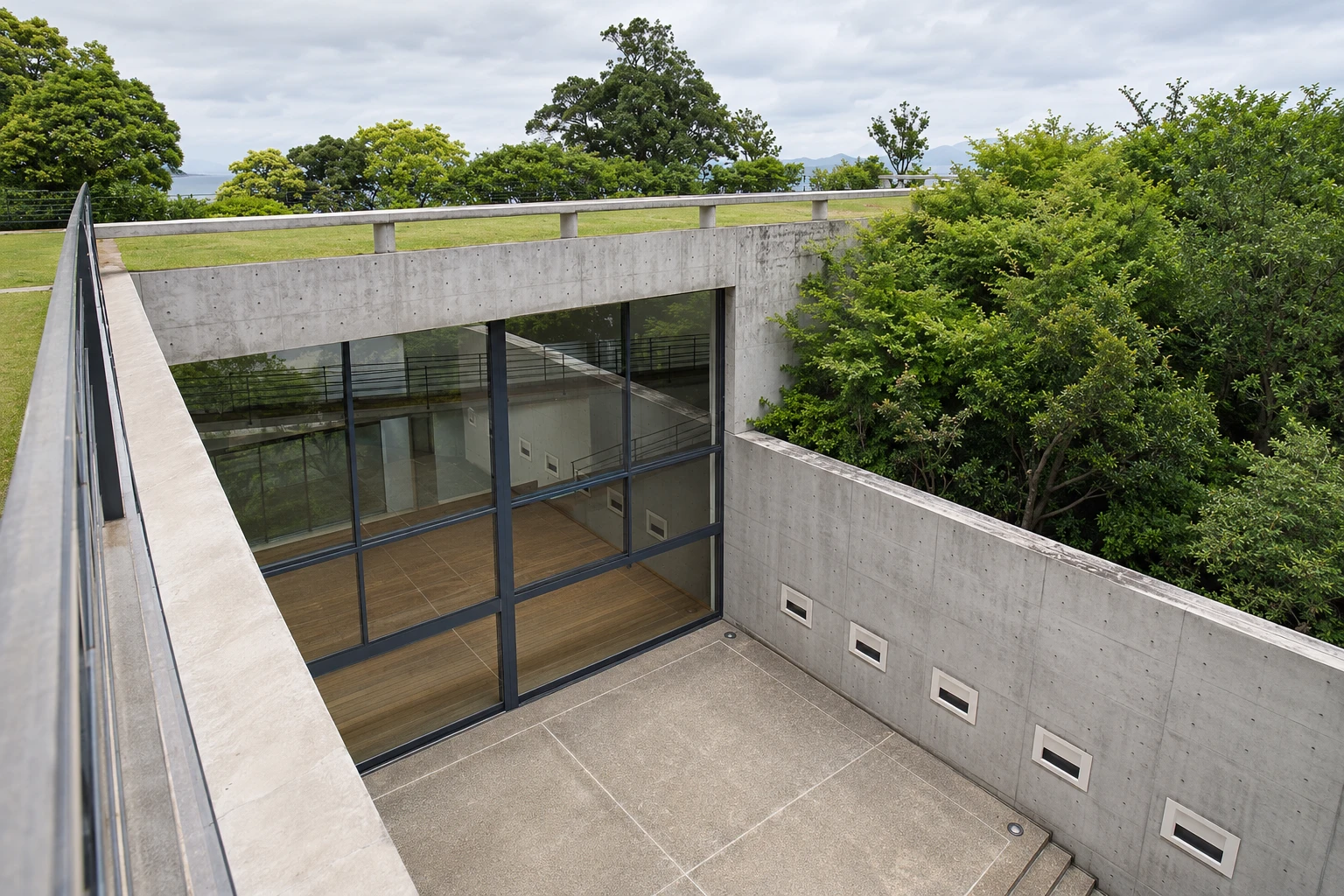
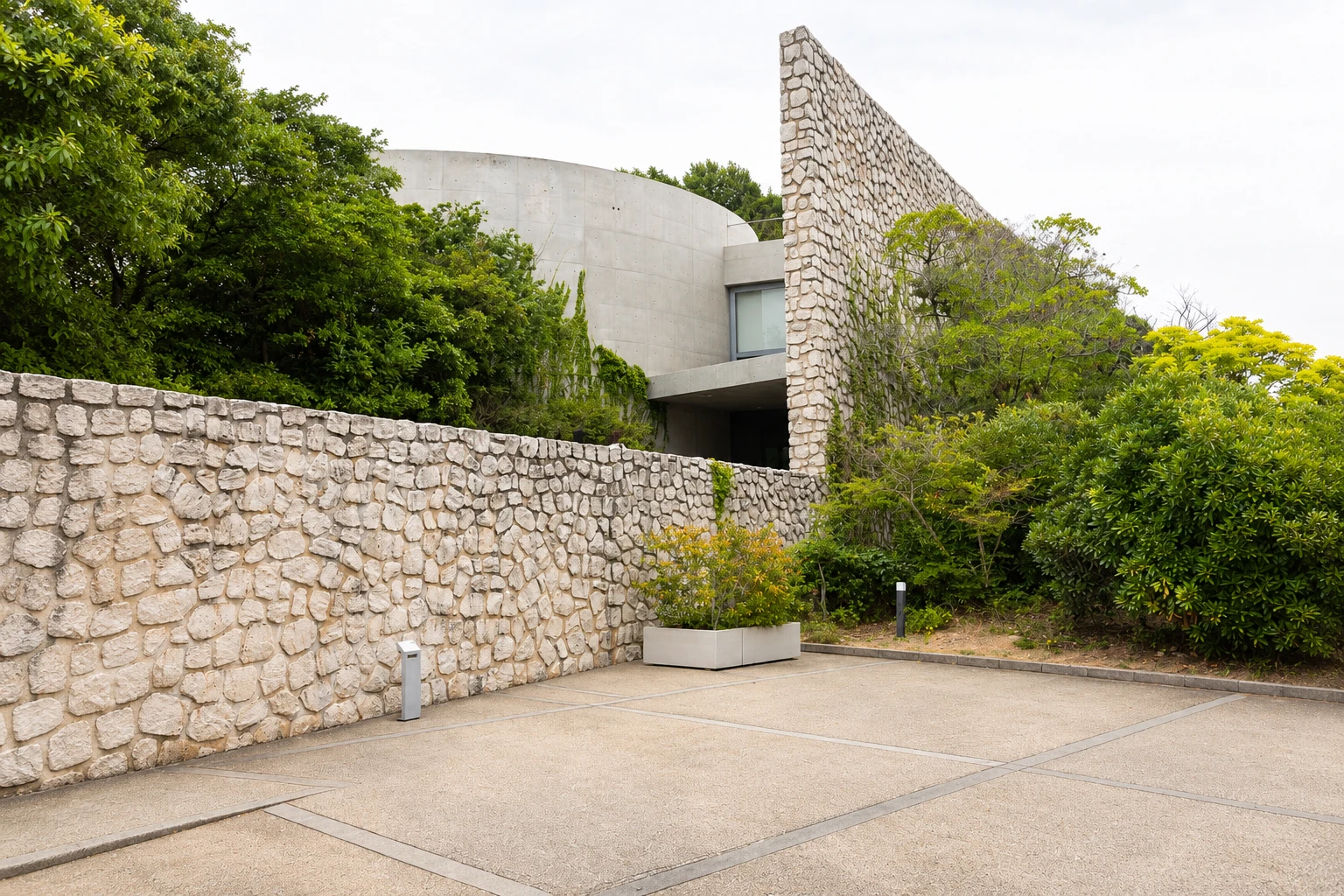
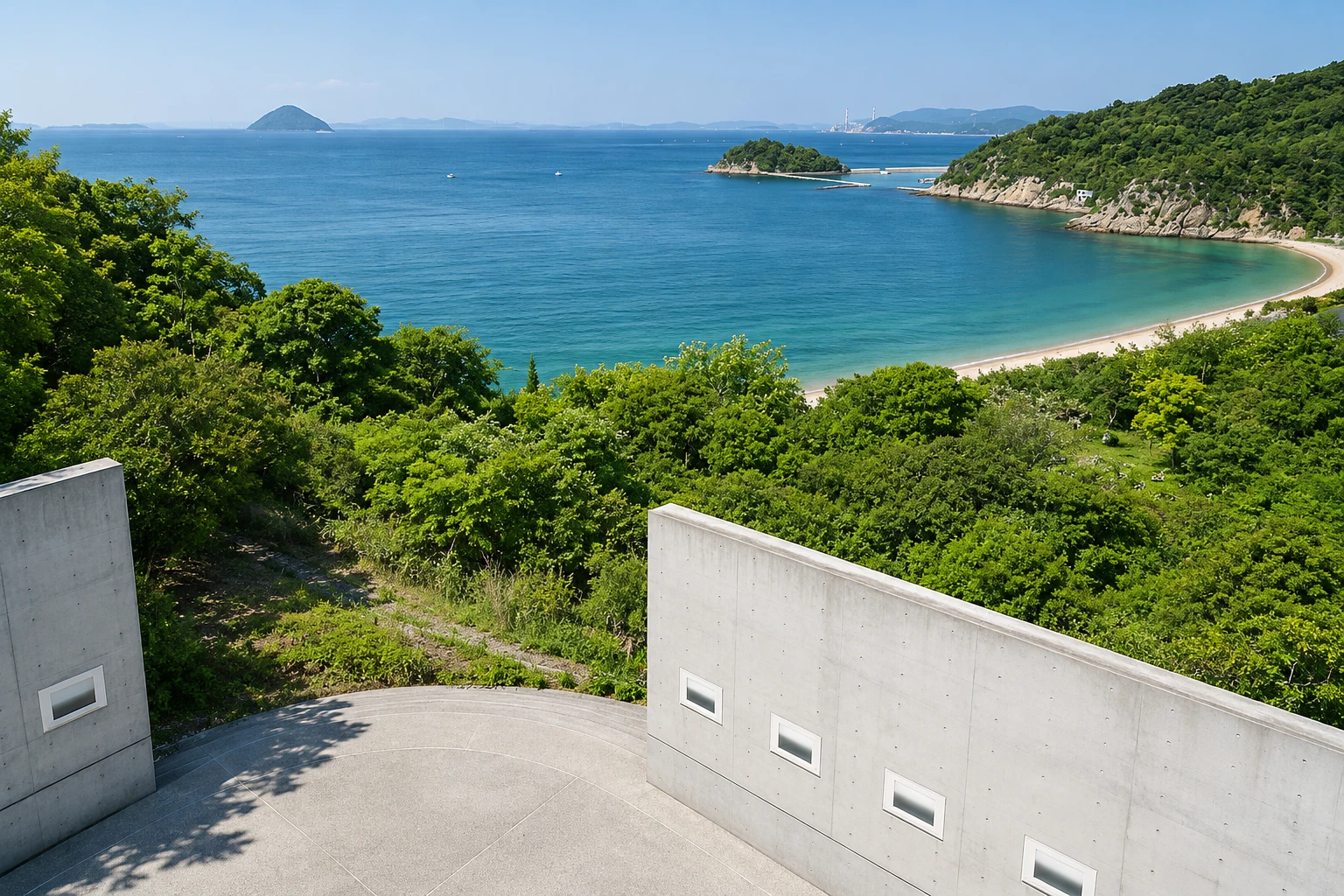
Benesse House Museum was Naoshima’s first museum, opened in 1992 on a slope overlooking the sea in the south of the island. Tadao Ando’s design combines museum and accommodation, with concrete walls, ramps and large windows facing the Inland Sea. The guiding idea was to make art, architecture and nature coexist.
The galleries show works by Japanese and international artists from the second half of the 20th century, some made for the space, such as works by Bruce Nauman, Richard Long and Hiroshi Sugimoto. The collection changes in part over time, and some pieces are placed in unexpected locations like corridors and stairways.
Outside the museum, outdoor works are spread along Gotanji Beach, the lawn and the coastal woods. The best-known is Yayoi Kusama’s yellow pumpkin with black dots, at the end of an old concrete pier, which has become a symbol of the island. Sculptures by Niki de Saint Phalle, Karel Appel and other artists appear along the way, and a walking route links the seaside works.
The visit pairs well with the Lee Ufan Museum and Chichu Museum further uphill, connected by the museum-area shuttle and walking paths. The beach in front has sand and calm water, and late afternoon is usually peaceful after day-trippers leave.
Before you go
Practical information
Cidade Turismo reviews its information regularly, but something may have changed. Check with the place before planning your trip.
How much time to set aside
About 1 hour in the museum and another hour for the outdoor works on the beach.
Best time
Late afternoon, for the light over the sea and the yellow pumpkin with fewer people. The outdoor works can be seen even when the museum is closed. Check the opening schedule.
How to get there
From Miyanoura Port, the city bus goes to the entrance of the museum area, and the area shuttle runs to the museum. By electric bicycle, it’s about 15 minutes.
Tip
Walk along Gotanji Beach to the pumpkin pier and follow the sculpture trail. Return to the port via the coastal road, stopping at the works along the way.
Get your questions answered
Frequently asked questions about Benesse House Museum
Where is the yellow pumpkin of Naoshima located?
At the end of a concrete pier on Gotanji Beach, in the Benesse House Museum area. It can be seen from outside without a ticket, unless access is restricted for time or maintenance.
Do I need to stay at Benesse House to visit the museum?
No. The museum admits ticketed visitors during daytime hours. Accommodation is separate.
Which artists are in the Benesse House Museum?
Japanese and international artists from the second half of the 20th century, such as Bruce Nauman, Richard Long, Hiroshi Sugimoto and Yayoi Kusama, with works indoors and outdoors.
Can you swim at Gotanji Beach?
The beach has sand and calm water, and is used for swimming in summer. There are not always lifeguards; observe the local signs.
Beyond the guide


