

 Brazil
 Antarctica
 Argentina
 Bolivia
 Chile
 Colombia
 Ecuador
 Guyana
 French Guiana
 Falkland Islands (Malvinas)
 Paraguay
 Peru
 Suriname
 Uruguay
 Venezuela
 Germany
 Austria
 Belgium
 Croatia
 Denmark
 Slovakia
 Slovenia
 Spain
 Finland
 France
 Greece
 the Netherlands
 Hungary
 Ireland
 Iceland
 Italy
 Luxembourg
 Norway
 Poland
 Portugal
 the United Kingdom
 the Czech Republic
 Sweden
 Switzerland
 Turkey
 Bermuda
 Canada
 the United States
 Greenland
 Mexico
 Saint Pierre and Miquelon
 the Dominican Republic
 South Africa
 Egypt
 Australia
 Fiji
 New Zealand
 Papua New Guinea
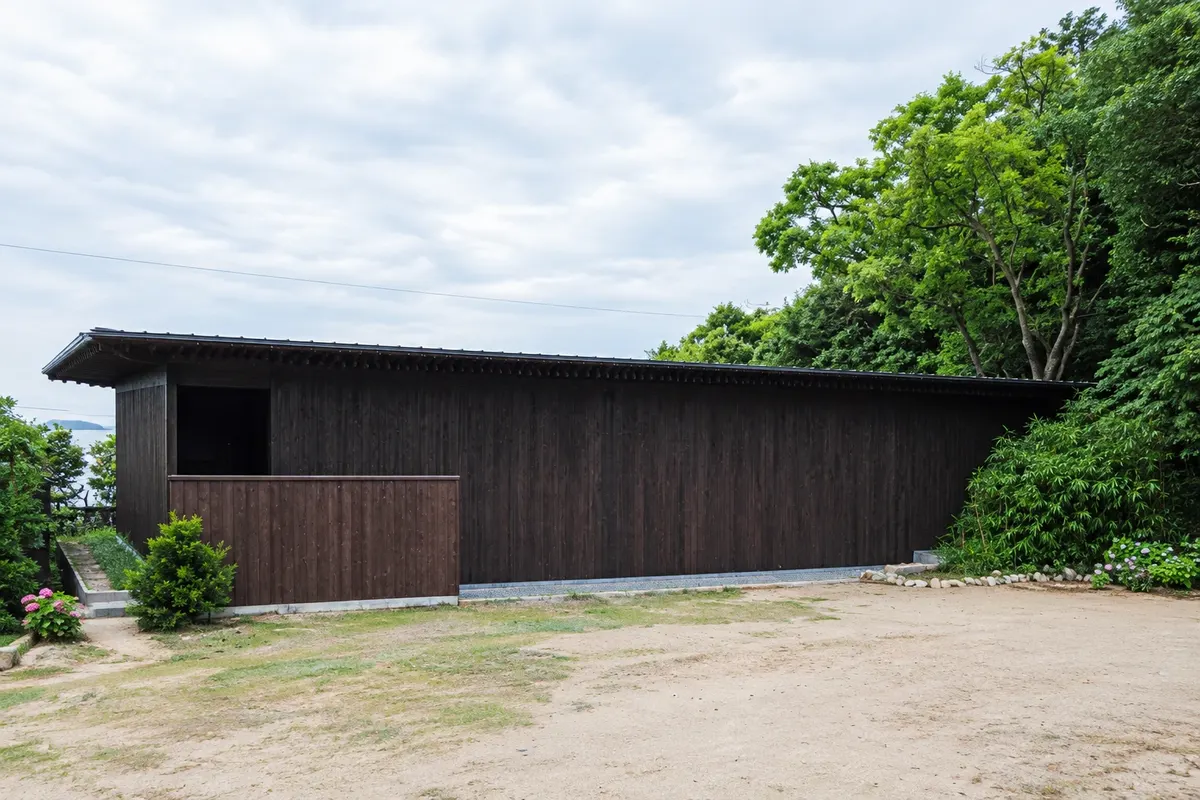
Contemporary art · Naoshima, Kagawa
Art House Project
Old houses, a temple and a neighborhood shrine in Honmura transformed into artworks by artists such as James Turrell and Hiroshi Sugimoto, visited on foot along the village streets.
Illustrative images. The pictures in this guide are illustrations based on the real place, not photographs, and may differ from it.

A look at the place
Art House Project in pictures
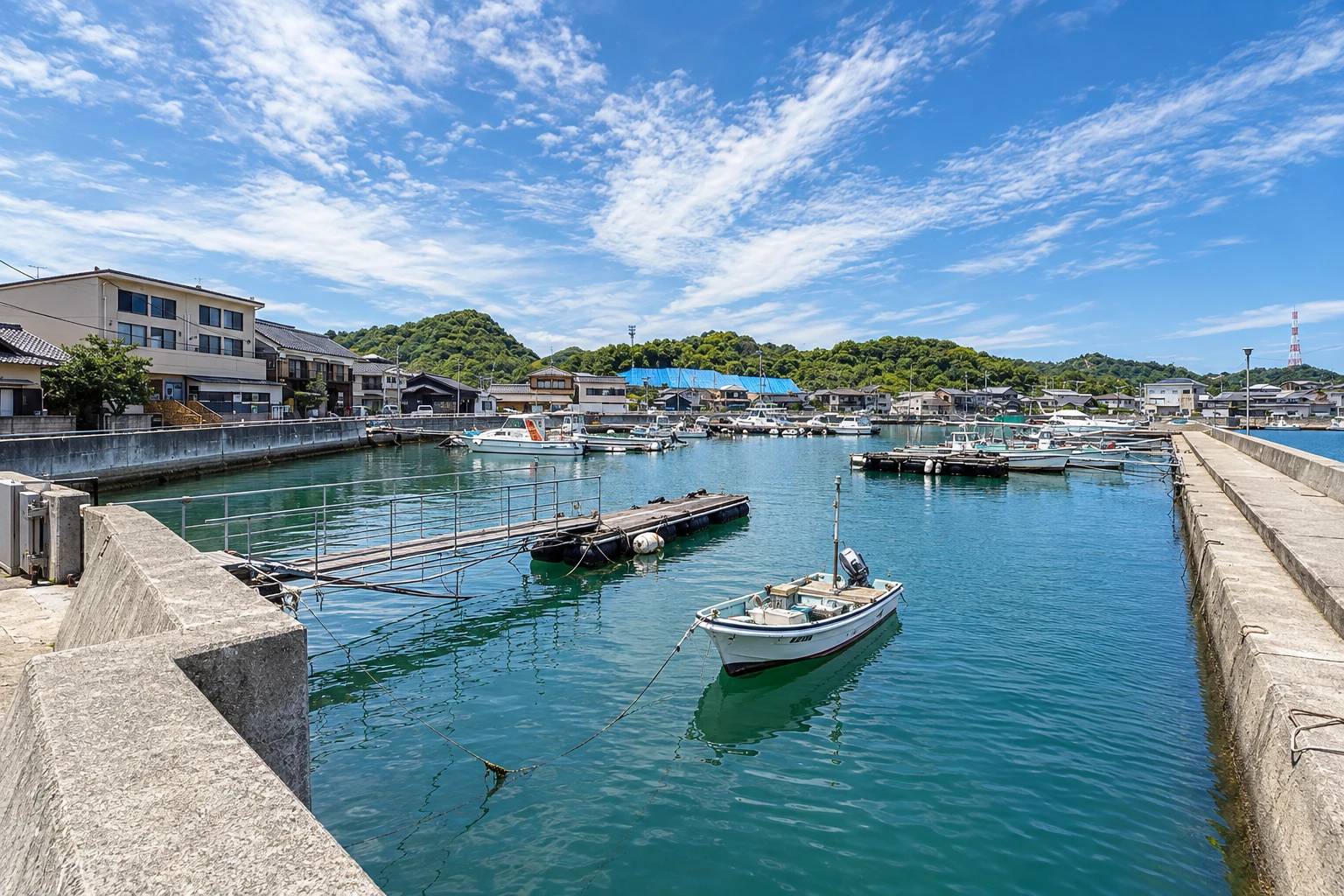
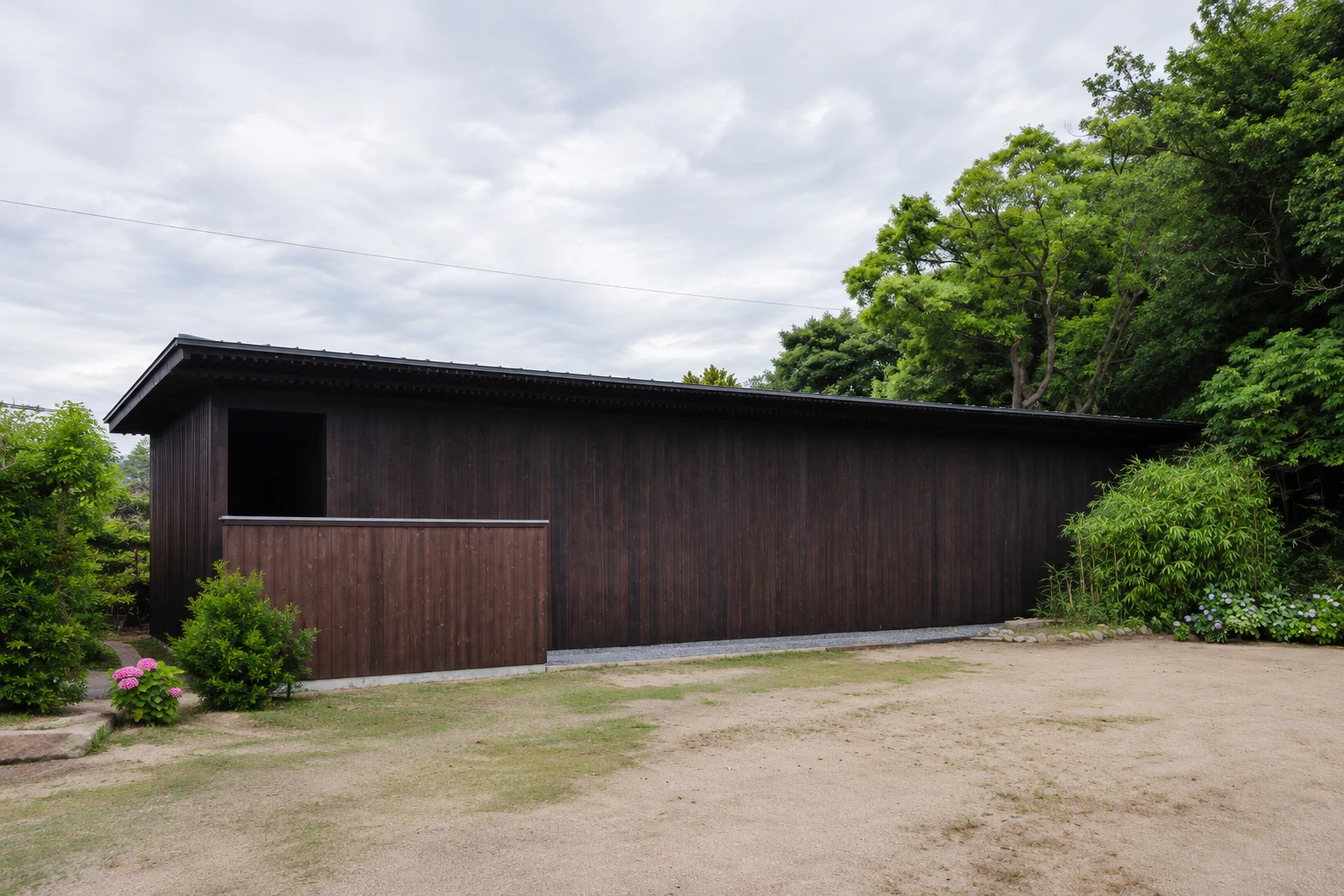
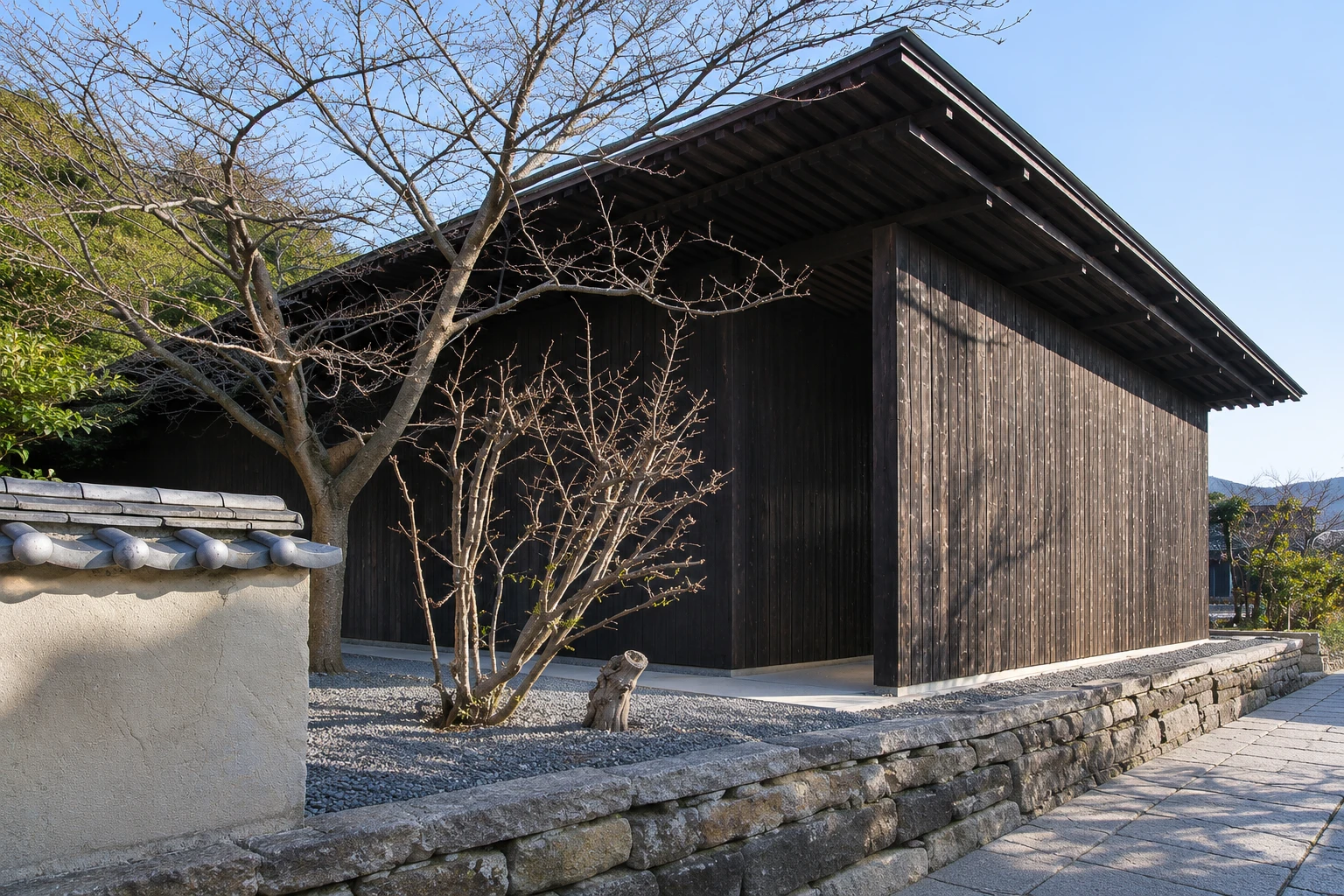
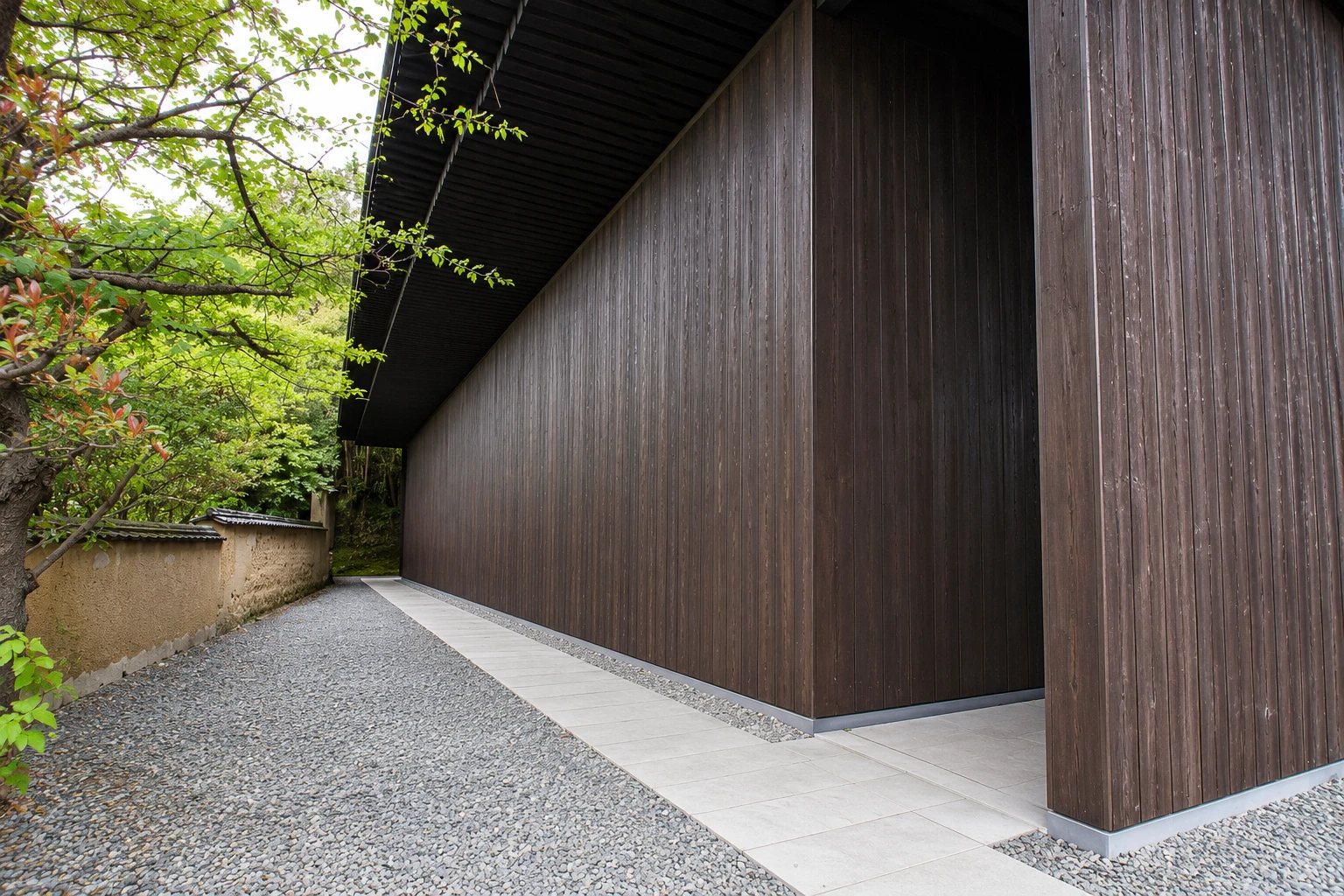
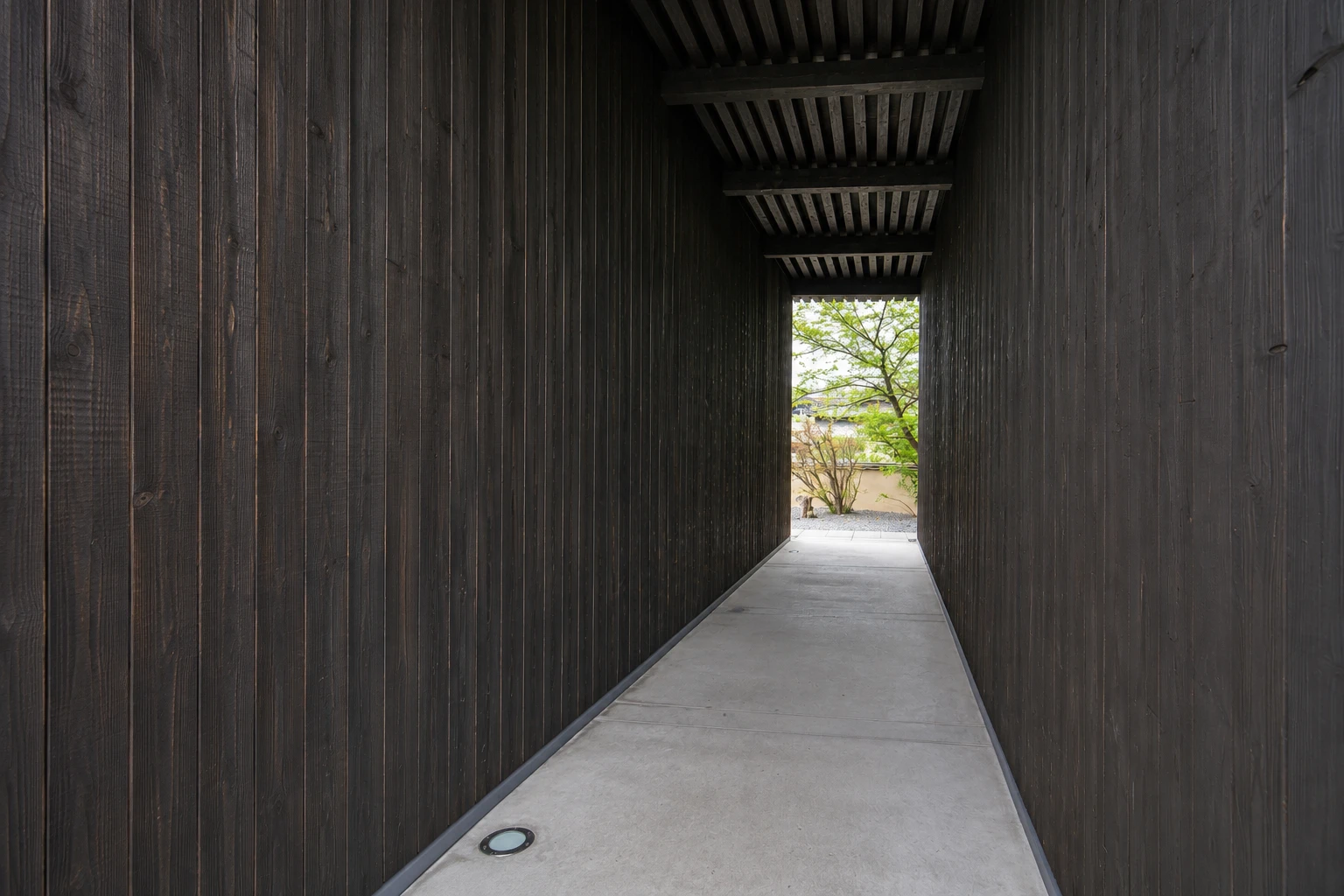
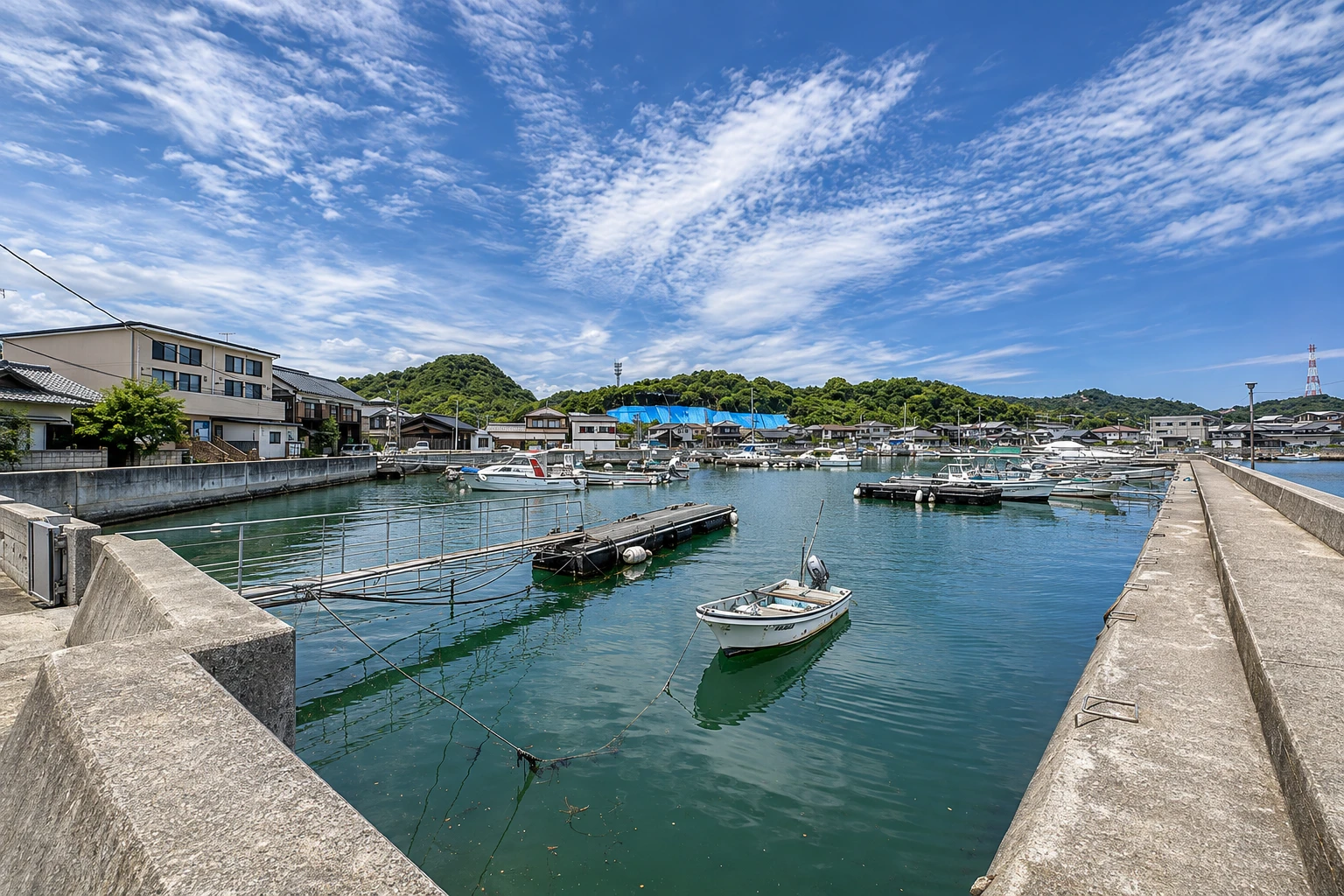
These pictures are illustrations based on the real place, not photographs. They may differ from the place.
Click the picture to enlarge it.
Discover
About Art House Project
The Art House Project, Ie Purojekuto in Japanese, occupies empty houses in the Honmura neighborhood, the old fishing and merchant village on the east of Naoshima. Since the late 1990s, artists have been invited to transform each building into a work of art, using the history of the place and the house itself as material.
At Kadoya, a house of about 200 years, Tatsuo Miyajima installed digital counters in a water tank, with numbers adjusted by local residents. Minamidera was designed by Tadao Ando for a work by James Turrell: you enter a completely dark space and, after a few minutes, the eyes begin to perceive light. At the Go'o shrine, Hiroshi Sugimoto reimagined the shrine with a glass staircase that descends to a stone chamber beneath the ground.
Other houses include Haisha, a former dentist’s clinic covered in collages by Shinro Ohtake; Ishibashi, with paintings by Hiroshi Senju; and Gokaisho, with wooden flowers by Yoshihiro Suda. Kinza receives few visitors at a time and requires its own reservation.
The common ticket gives access to the open houses, and the visit is done on foot, following the maps from the information center. Between houses, Honmura’s streets have dark wooden houses with family name plaques on the façades, an old castle atop a hill, and small cafés. The Ando Museum, in a traditional house with a concrete interior, is in the same neighborhood.
Before you go
Practical information
Cidade Turismo reviews its information regularly, but something may have changed. Check with the place before planning your trip.
How much time to set aside
About 2 to 3 hours for the houses, on foot.
Best time
In the morning or early afternoon, because Minamidera has timed group entries and usually has a queue at midday. The houses are closed on Mondays for much of the year; check the official calendar.
How to get there
The city bus connects Miyanoura Port to Honmura in about 10 minutes; some boats go directly to Honmura Port. The ticket for the houses is sold at an information center near the port.
Tip
Start at Minamidera, which has timed group entries and a queue, and reserve Kinza in advance if you want to see it. Use the information center map to follow the order of the houses.
Get your questions answered
Frequently asked questions about Art House Project
How many houses are in the Art House Project?
Seven spaces in Honmura: Kadoya, Minamidera, the Go'o shrine, Haisha, Ishibashi, Gokaisho and Kinza. Kinza requires its own reservation and accepts few visitors at a time.
What is James Turrell’s work like in Minamidera?
You enter a completely dark space and wait seated for a few minutes. Gradually your eyes begin to perceive a light that seemed not to exist.
Where do you buy the Art House Project ticket?
At the information center near Honmura Port. The general admission ticket covers the open houses, except Kinza.
How long does a visit to Honmura take?
About 2 to 3 hours for the houses, on foot, allowing time for the Minamidera line and a coffee in the neighborhood.
Beyond the guide


