

 Brazil
 Antarctica
 Argentina
 Bolivia
 Chile
 Colombia
 Ecuador
 Guyana
 French Guiana
 Falkland Islands (Malvinas)
 Paraguay
 Peru
 Suriname
 Uruguay
 Venezuela
 Germany
 Austria
 Belgium
 Croatia
 Denmark
 Slovakia
 Slovenia
 Spain
 Finland
 France
 Greece
 the Netherlands
 Hungary
 Ireland
 Iceland
 Italy
 Luxembourg
 Norway
 Poland
 Portugal
 the United Kingdom
 the Czech Republic
 Sweden
 Switzerland
 Turkey
 Bermuda
 Canada
 the United States
 Greenland
 Mexico
 Saint Pierre and Miquelon
 the Dominican Republic
 South Africa
 Egypt
 Australia
 Fiji
 New Zealand
 Papua New Guinea
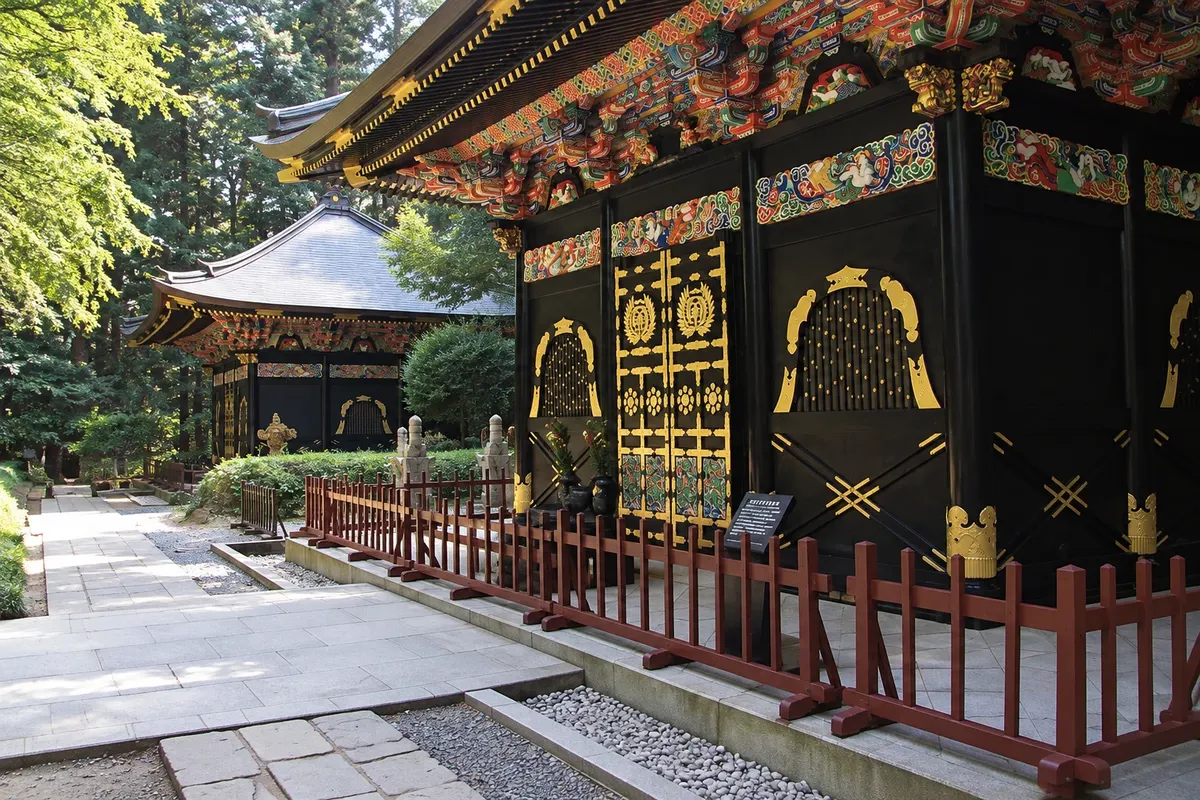
Mausoleum · Sendai, Miyagi
Zuihoden
Date Masamune’s mausoleum, founder of Sendai, set on a cedar-covered hill: a lacquered pavilion in black, gold and vivid colors, in the Momoyama style, with the mausoleums of two successors alongside it.
Illustrative images. The pictures in this guide are illustrations based on the real place, not photographs, and may differ from it.

A look at the place
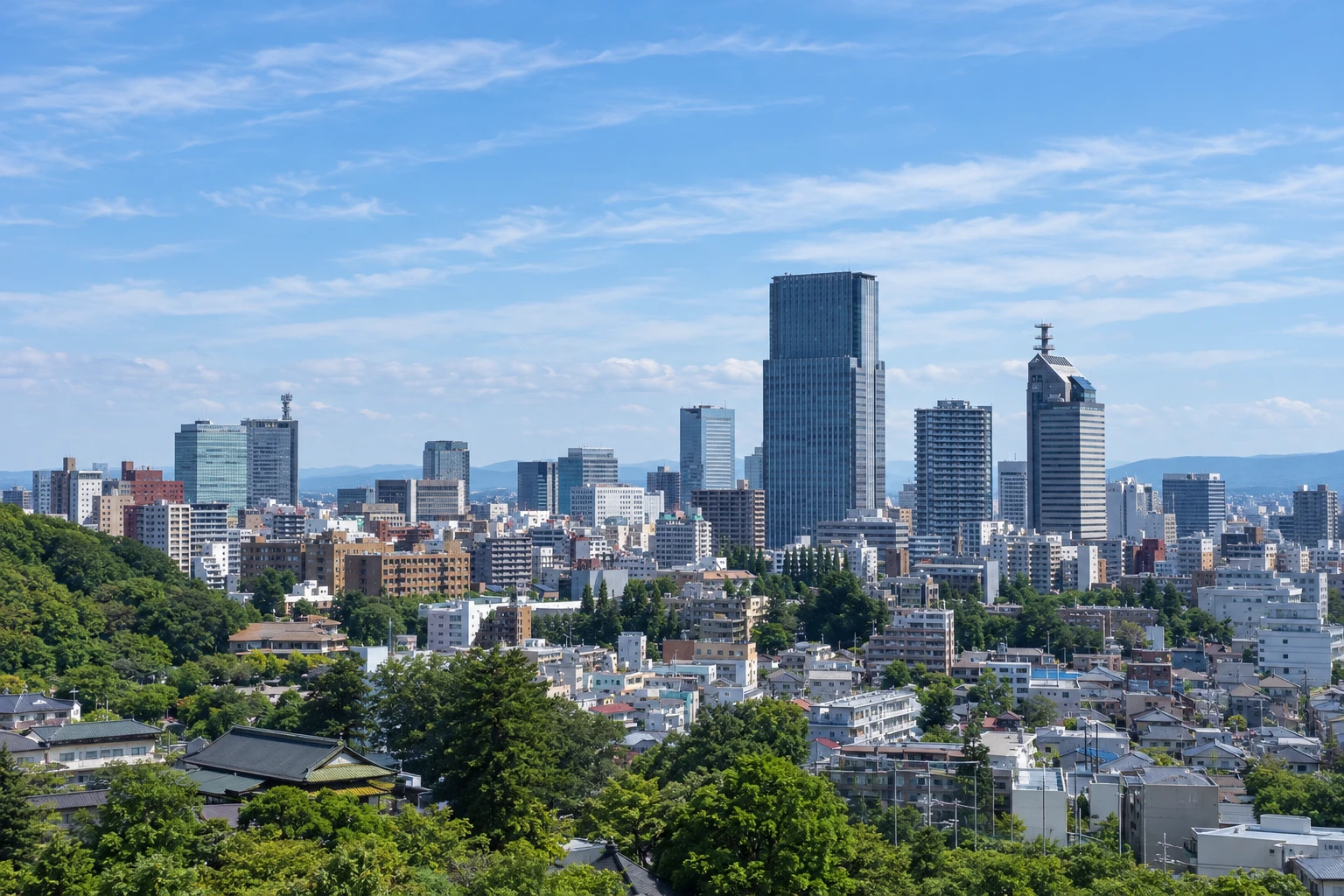
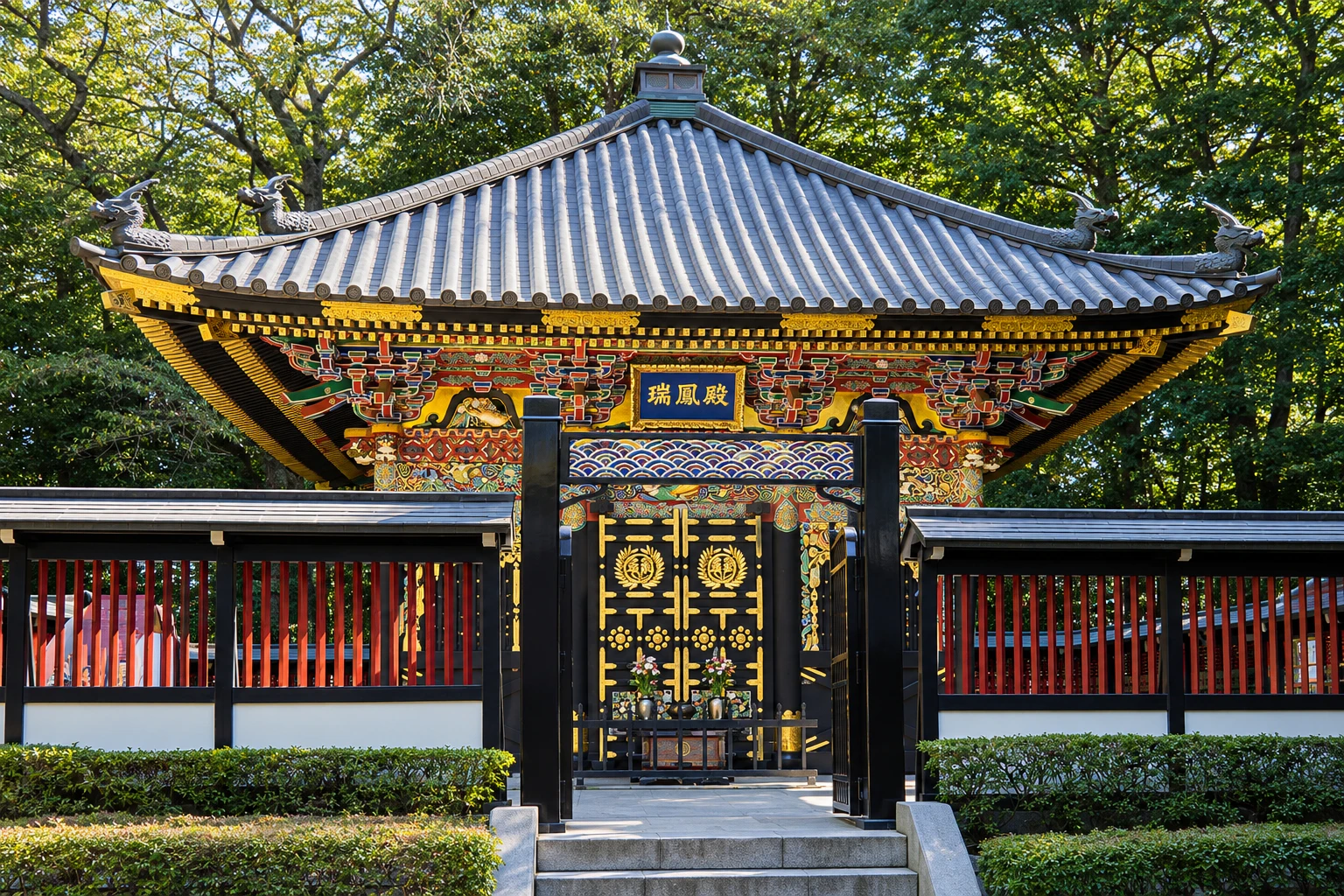
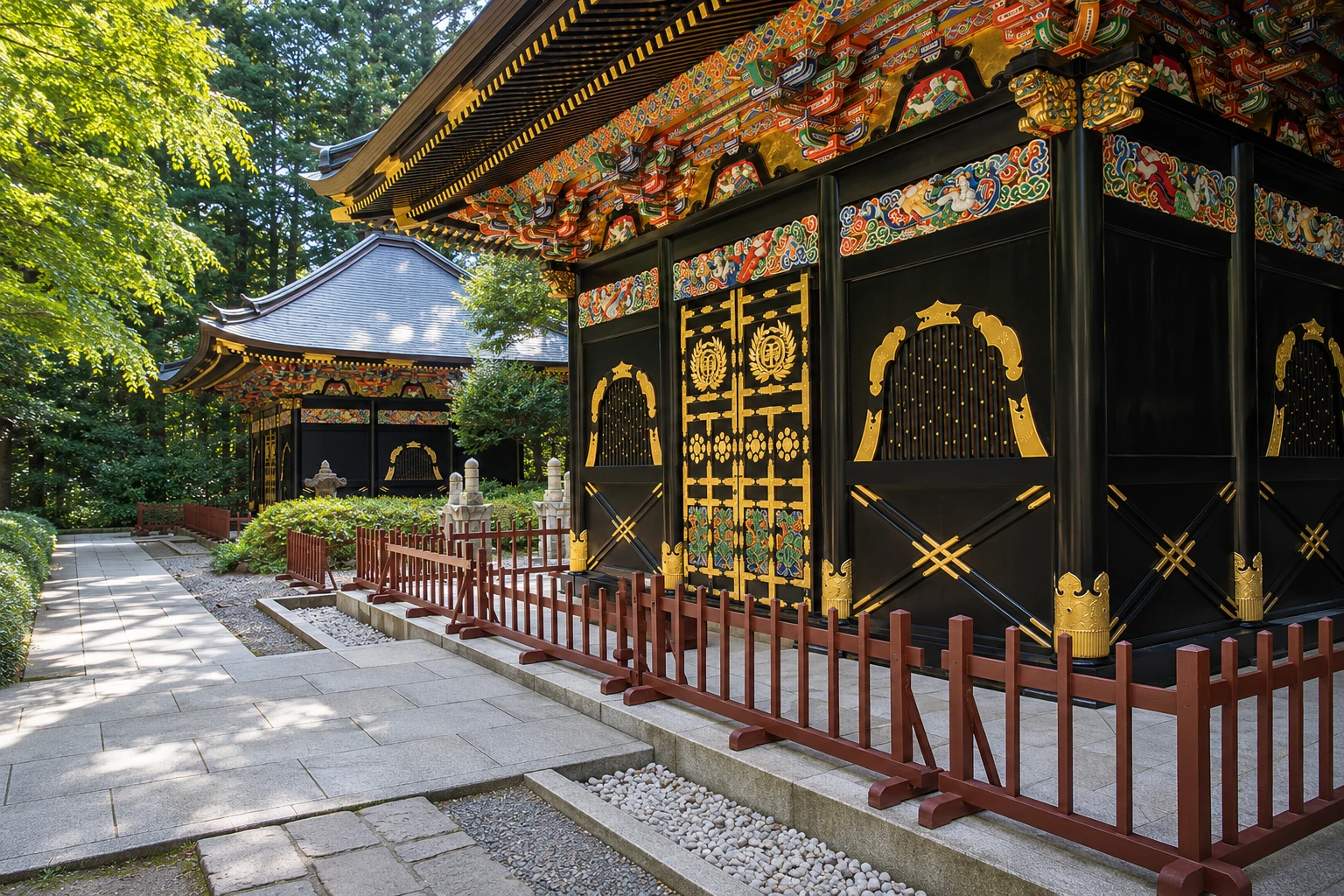
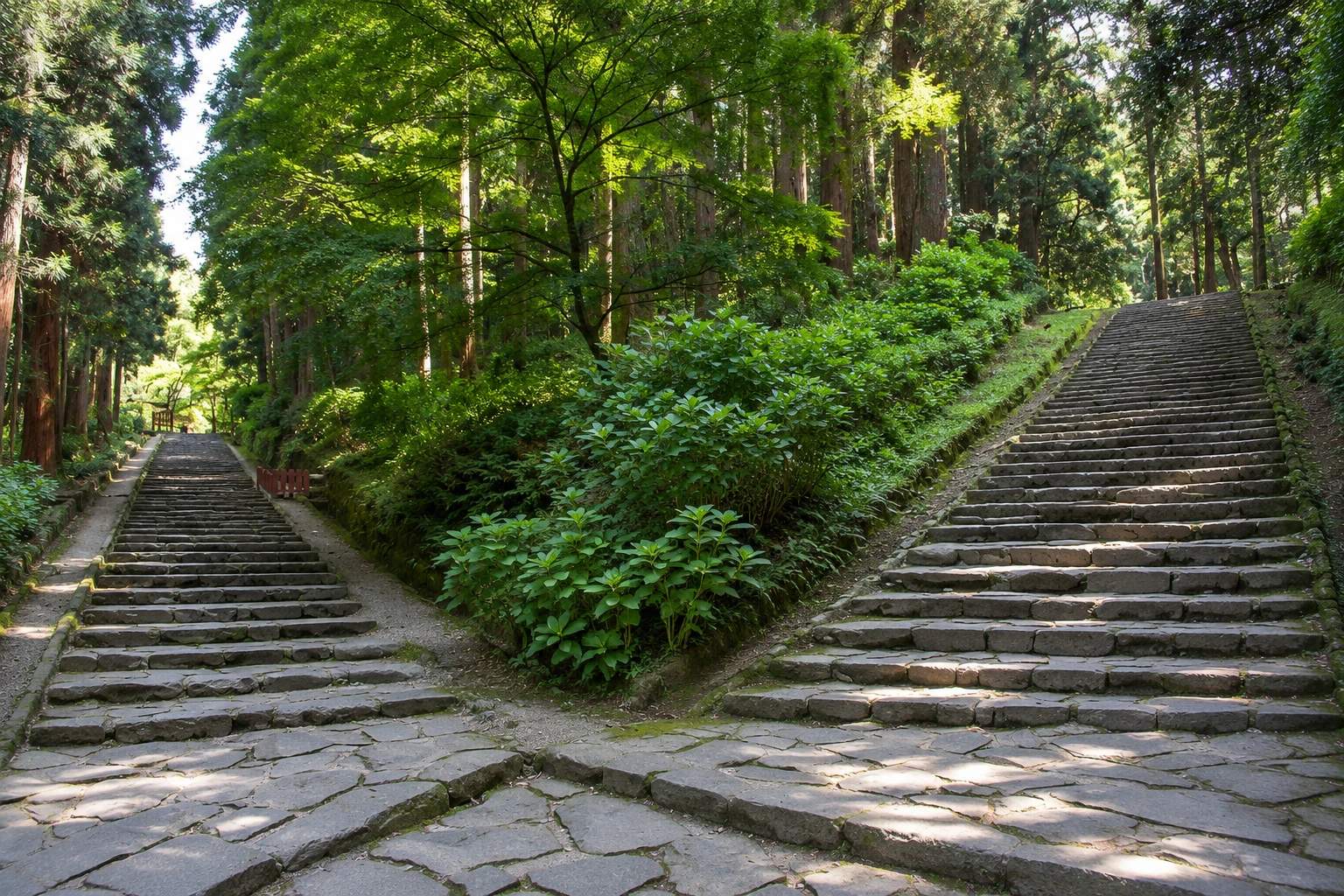
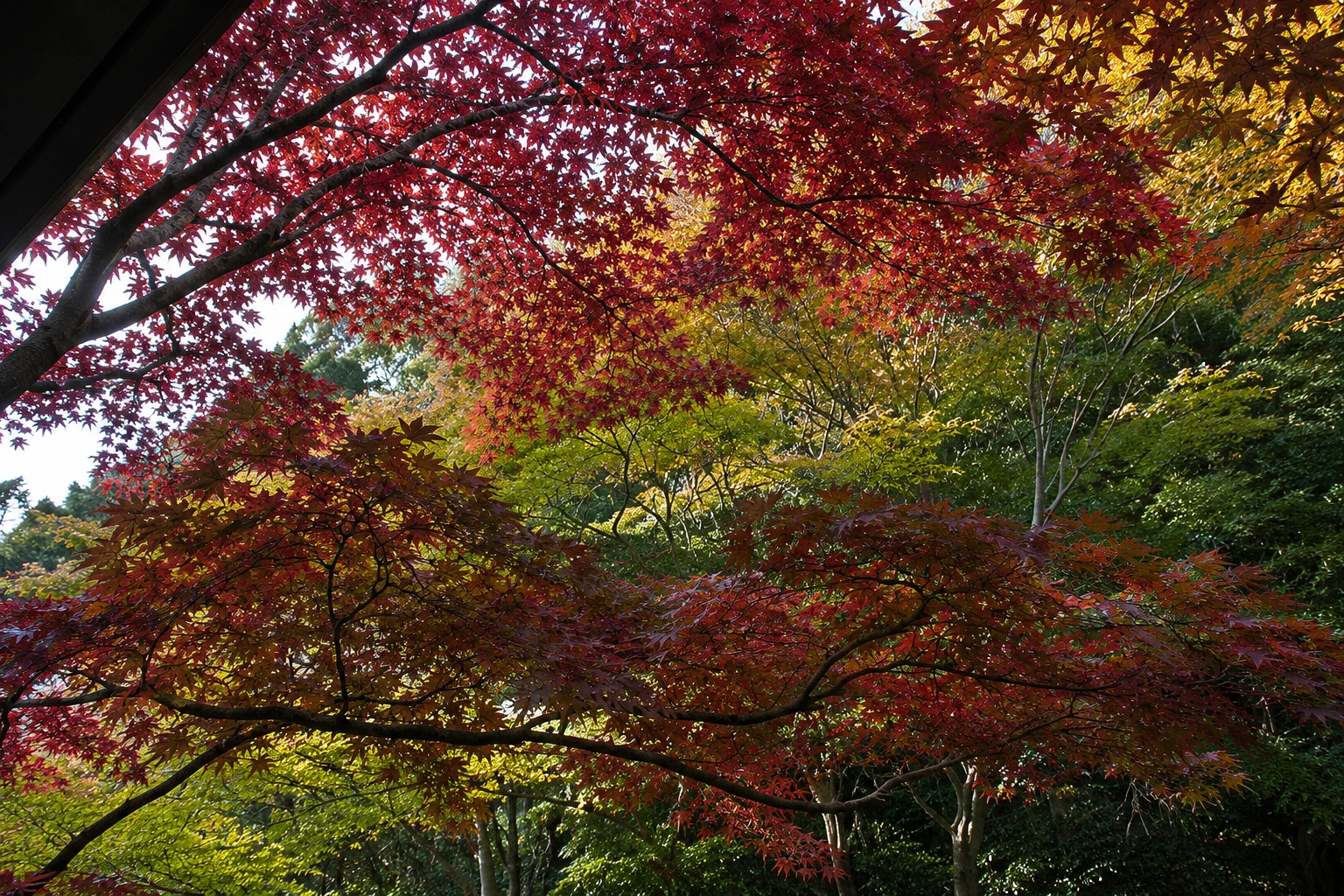
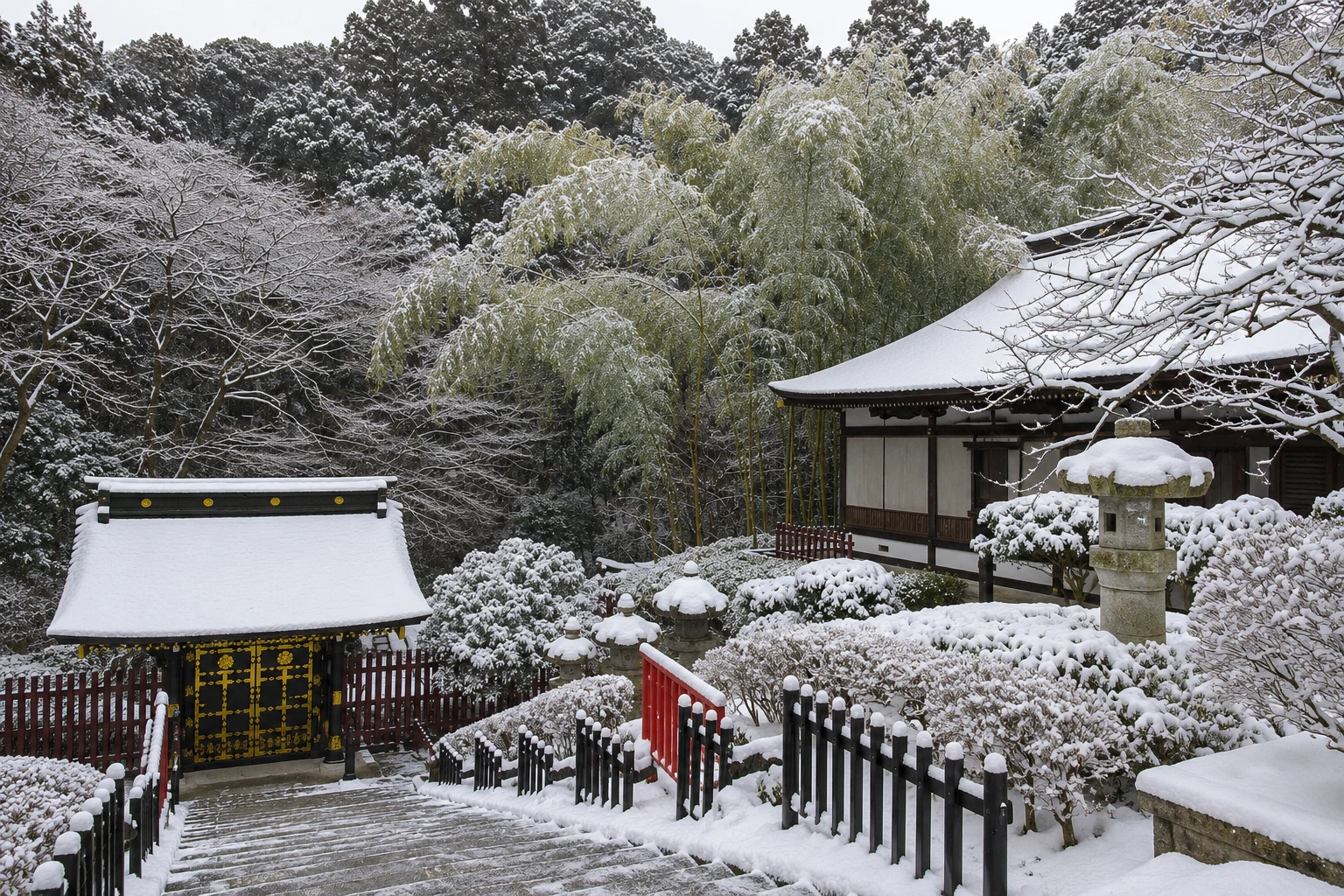
Zuihoden in pictures
These pictures are illustrations based on the real place, not photographs. They may differ from the place.
Click the picture to enlarge it.
Discover
About Zuihoden
Zuihoden is the mausoleum of Date Masamune, the feudal lord who founded Sendai and ruled the Sendai domain until his death in 1636. It stands on Mount Kyogamine, a hill by the Hirose River about 2 km west of the station, where Masamune himself chose to be buried. It was built the year after his death in the ornate style of the Momoyama period.
The pavilion is small and highly decorated: black lacquer, gold leaf, colorful carvings of flowers, animals and mythical figures under the eaves. The original building was designated a national treasure and was destroyed in the 1945 bombings. The reconstruction, completed in 1979, followed old photos and drawings; during the excavations Masamune’s bones were examined, and some of what was found in the tomb is displayed in the small museum on the site.
On the same grounds are Kansenden and Zennoden, the mausoleums of the second and third lords of the domain, Tadamune and Tsunamune, in the same style, as well as the graves of retainers who followed Masamune in death. The ascent is via a stone staircase between tall cedars, giving the place a feeling of seclusion.
The visit is on foot, a short route with stairs. The museum shows funerary objects, such as Masamune’s inkwell and pipe, and a video about the reconstruction. From Zuihoden you can continue to the Sendai castle ruins on Mount Aoba, on the other side of the river, by the same tourist bus.
Before you go
Practical information
Cidade Turismo reviews its information regularly, but something may have changed. Check with the place before planning your trip.
How much time to set aside
About 45 minutes to an hour, including the climb up the steps and the museum.
Best time
In the morning, with fewer groups and light filtering through the cedars. In November the surrounding maple trees often turn red. On snowy days the contrast of lacquer and gold with the white snow is striking. Confirm opening hours before you go.
How to get there
From Sendai Station, the Loople tourist bus takes about 15 minutes to Zuihoden-mae; from there it’s about a 10-minute uphill walk. By taxi the route is short. There is parking near the entrance.
Tip
Wear sturdy shoes: the stone staircase is steep and becomes slippery in rain or snow. Combine this visit with the castle ruins at the next Loople stop, and buy the bus’s one-day pass if you plan to do both.
Official website
Get your questions answered
Frequently asked questions about Zuihoden
Who is buried at Zuihoden?
Date Masamune, the founder of Sendai, who died in 1636. Beside him are the mausoleums of his son Tadamune (Kansenden) and his grandson Tsunamune (Zennoden), as well as graves of retainers.
Is Zuihoden original?
No. The pavilion from 1637 was destroyed in 1945 and rebuilt in 1979 based on photographs and drawings. The reconstruction followed the original style and colors.
Is the climb to Zuihoden difficult?
It’s short but includes steep stone steps, with no step-free alternative to the pavilion. It takes about 10 minutes from the bus stop.
Can you combine Zuihoden with Sendai Castle?
Yes. The Loople bus stops at both, and many people visit Zuihoden in the morning and the castle afterwards. Together they take about half a day.
Beyond the guide


