

 Brazil
 Antarctica
 Argentina
 Bolivia
 Chile
 Colombia
 Ecuador
 Guyana
 French Guiana
 Falkland Islands (Malvinas)
 Paraguay
 Peru
 Suriname
 Uruguay
 Venezuela
 Germany
 Austria
 Belgium
 Croatia
 Denmark
 Slovakia
 Slovenia
 Spain
 Finland
 France
 Greece
 the Netherlands
 Hungary
 Ireland
 Iceland
 Italy
 Luxembourg
 Norway
 Poland
 Portugal
 the United Kingdom
 the Czech Republic
 Sweden
 Switzerland
 Turkey
 Bermuda
 Canada
 the United States
 Greenland
 Mexico
 Saint Pierre and Miquelon
 the Dominican Republic
 South Africa
 Egypt
 Australia
 Fiji
 New Zealand
 Papua New Guinea
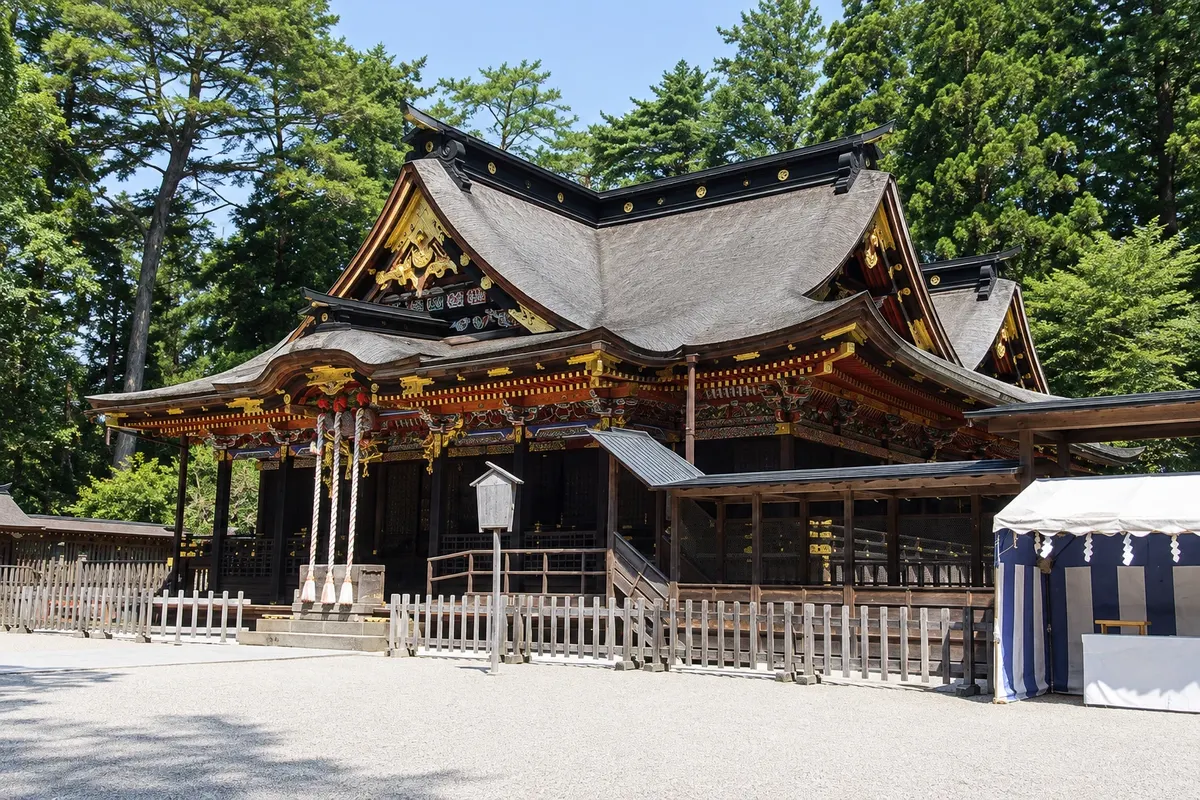
Shrine · Sendai, Miyagi
Ōsaki Hachimangū
A Shinto shrine built by Date Masamune in 1607, with a main hall lacquered in black, gold and color, a national treasure of Japan, set in a grove northwest of central Sendai.
Illustrative images. The pictures in this guide are illustrations based on the real place, not photographs, and may differ from it.

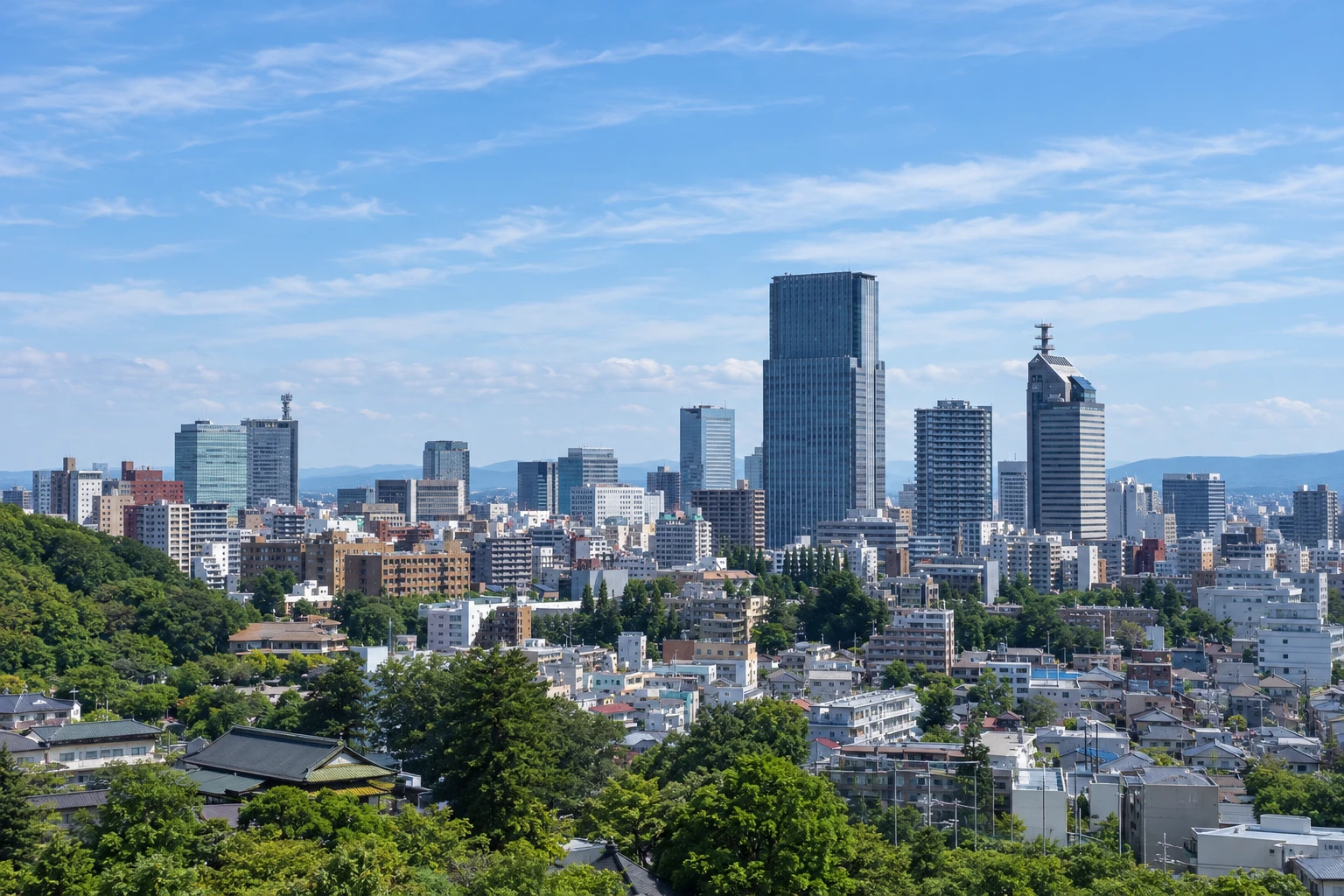
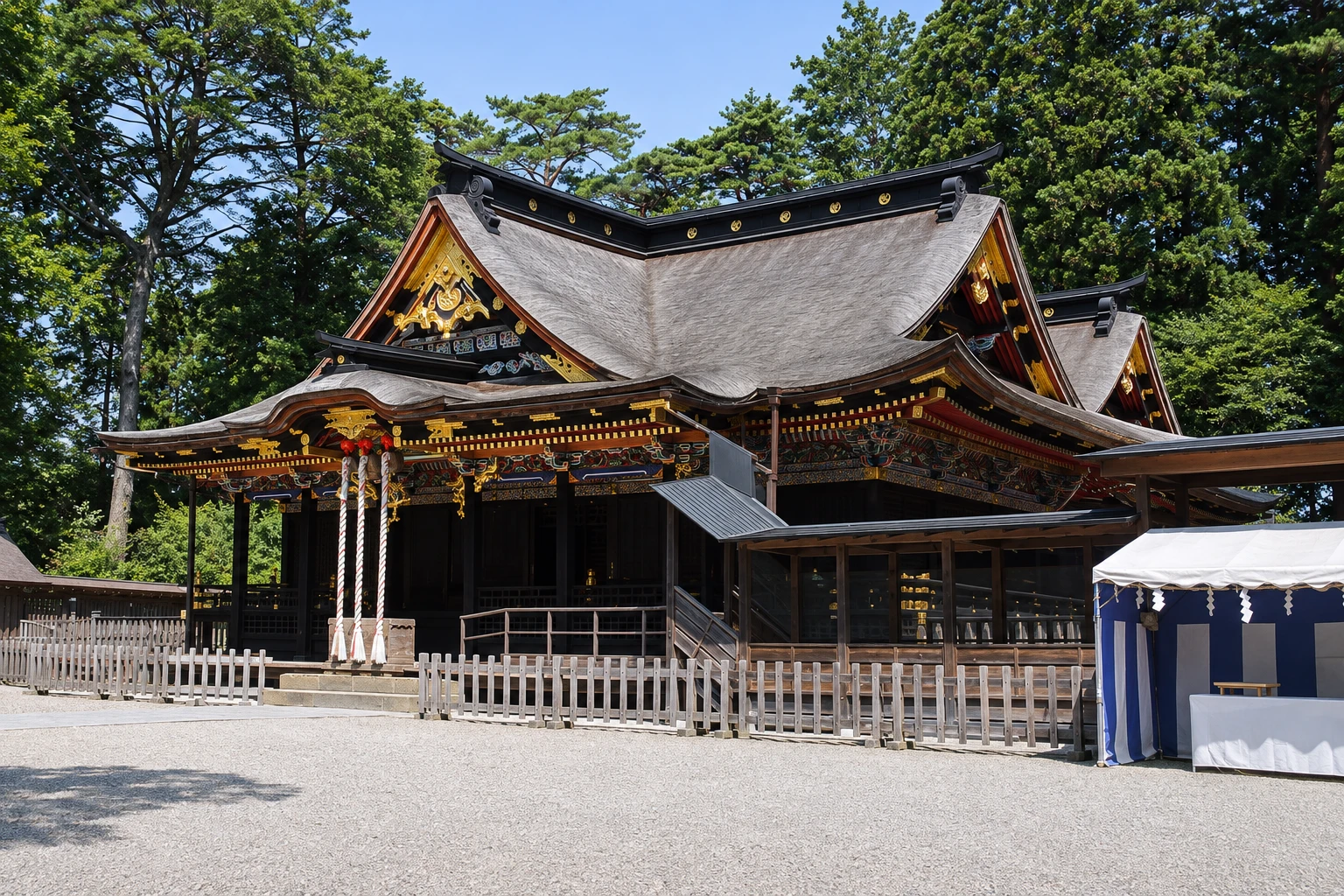
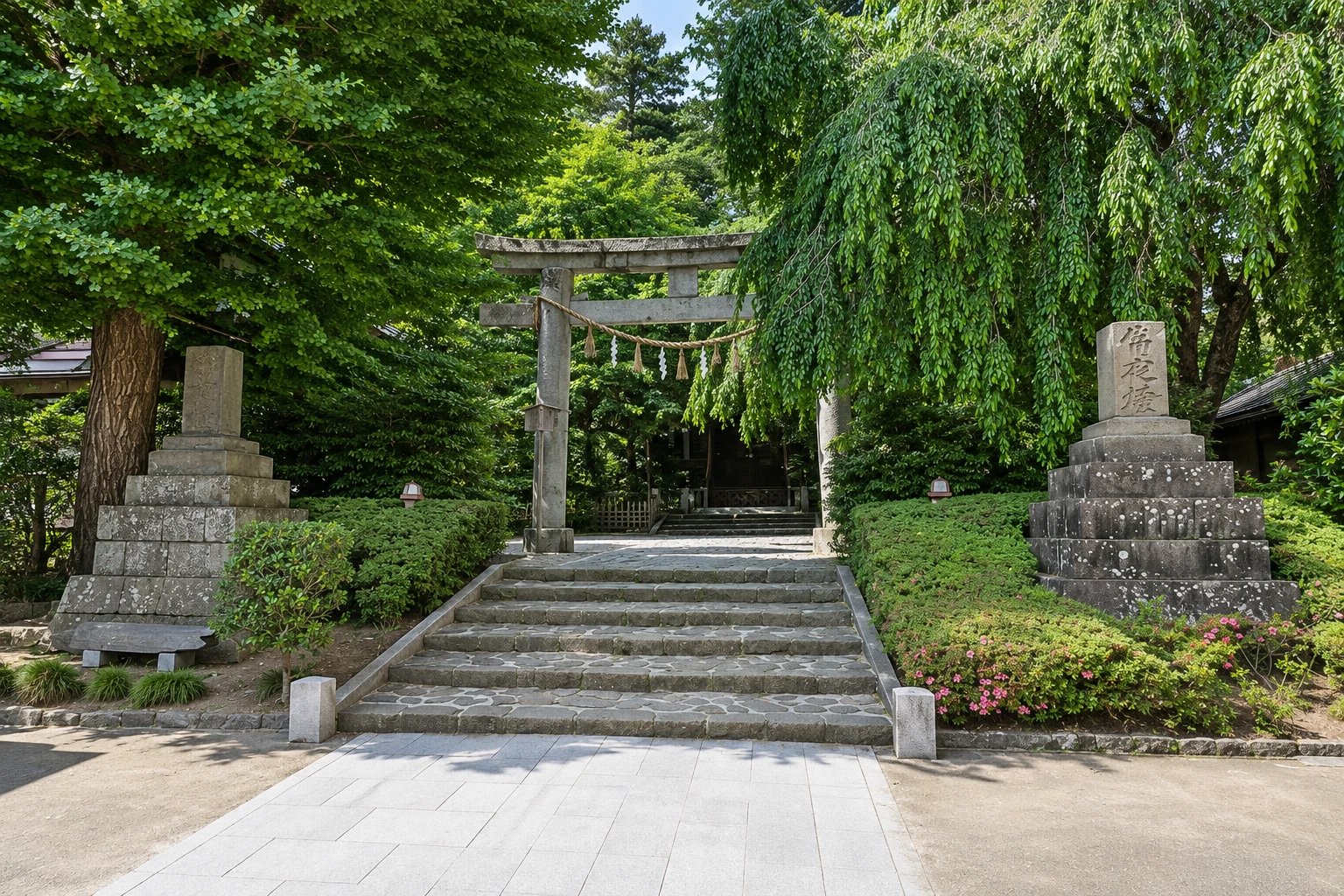
A look at the place
Ōsaki Hachimangū in pictures
These pictures are illustrations based on the real place, not photographs. They may differ from the place.
Click the picture to enlarge it.
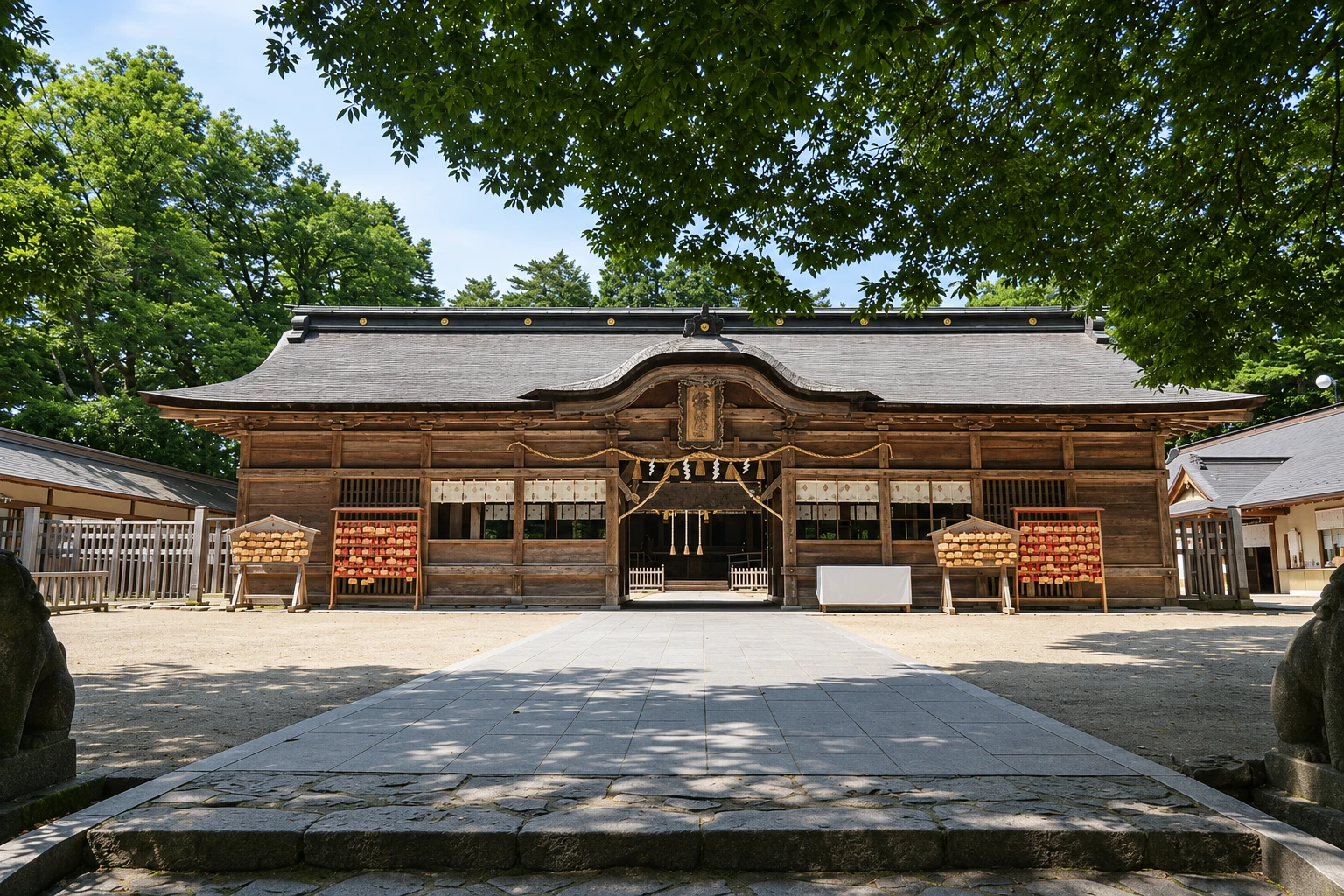
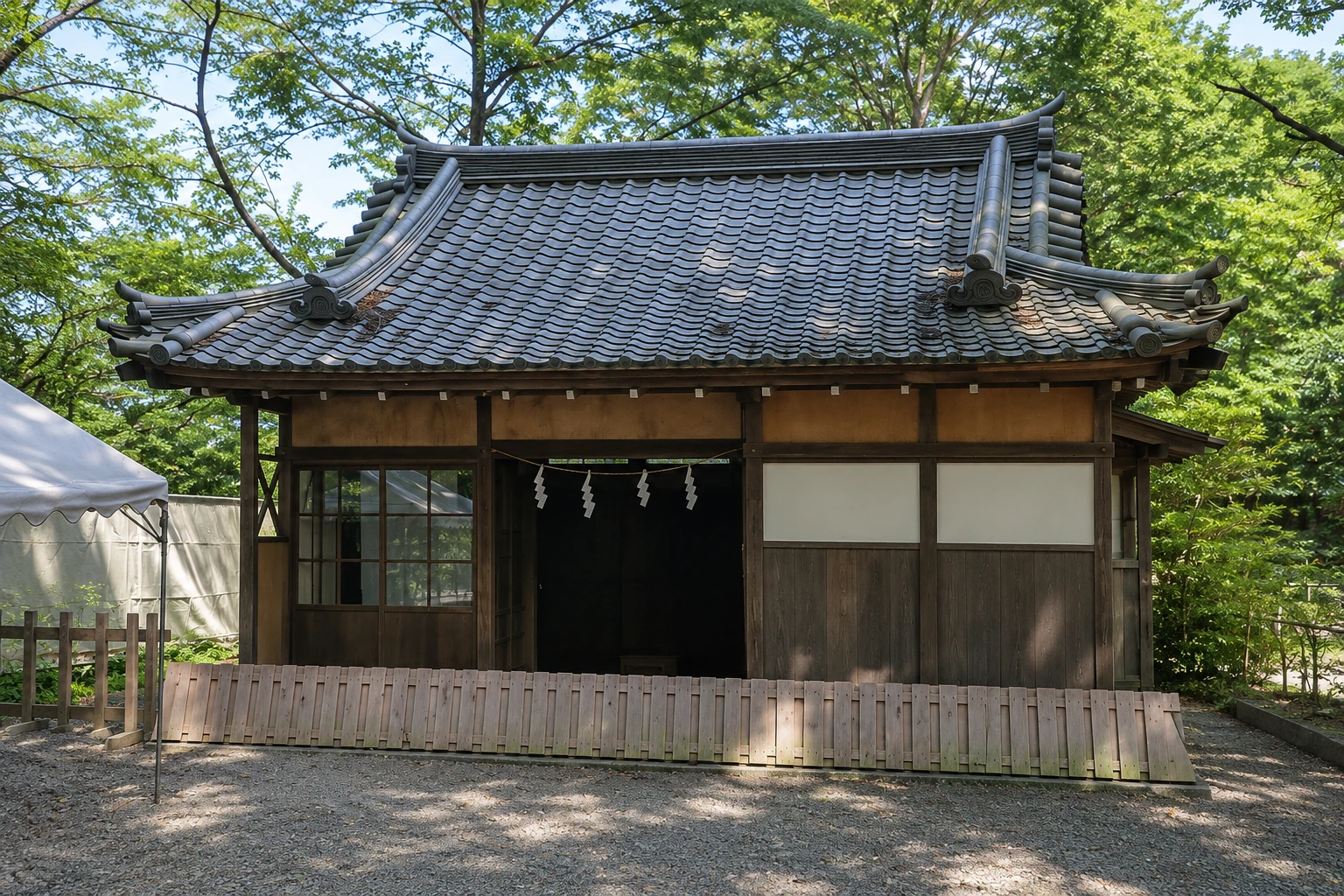
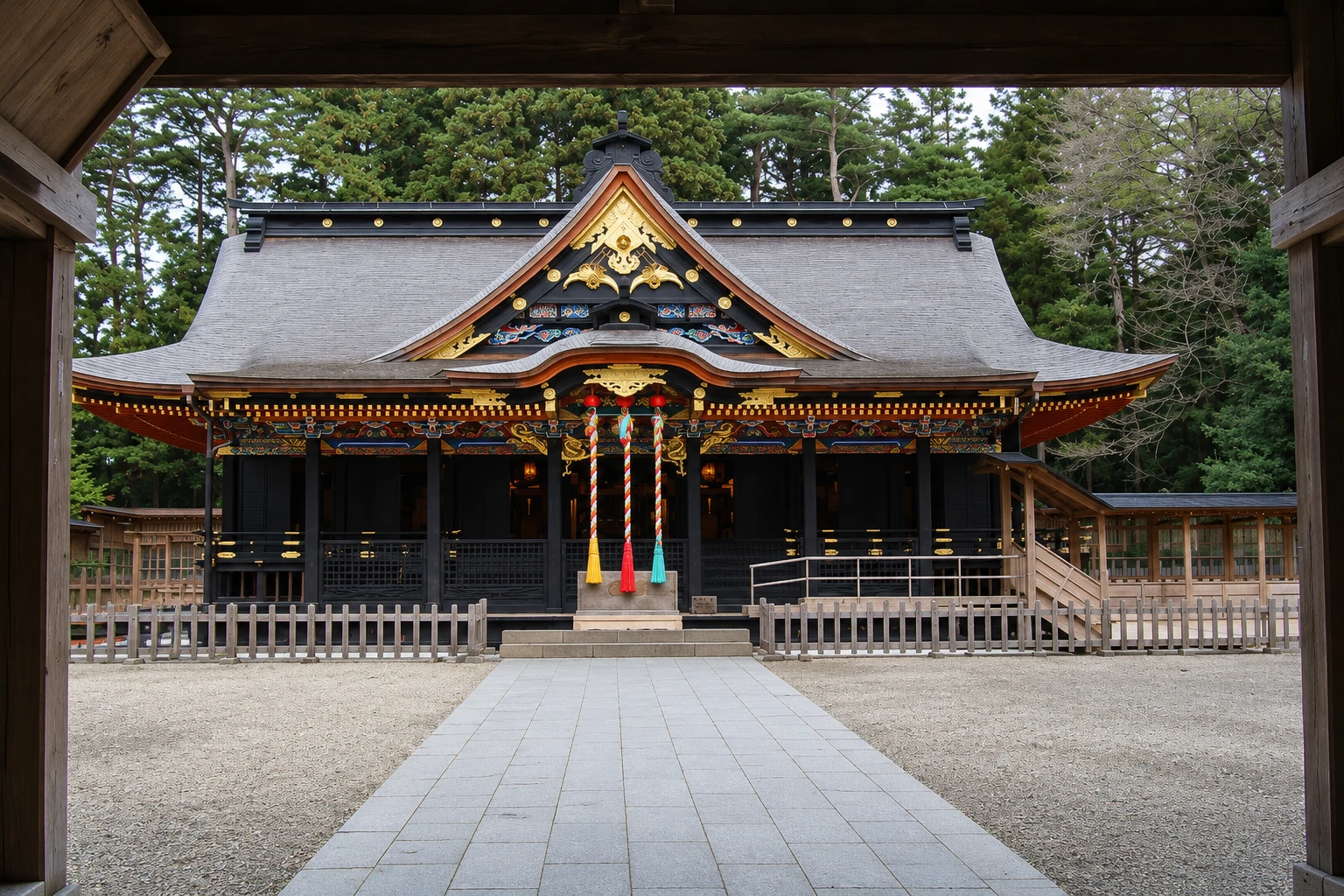
Discover
About Ōsaki Hachimangū
Osaki Hachimangu is Sendai’s guardian shrine, dedicated to Hachiman, the protective deity of warriors. Date Masamune ordered its construction in 1607 in the northwest of the new town to protect the castle and domain. It is one of the few buildings from Masamune’s time that survived intact to the present day.
The main hall follows the gongen-zukuri style, in which the worship hall and the inner sanctuary are linked by a passage, forming a single building. It is coated in black lacquer, with gilded and colored carvings of flowers, birds and animals. This style, developed early in the Edo period, later inspired the Toshogu at Nikko. The hall has been designated a national treasure.
The approach to the shrine passes through a stone torii and a long staircase between trees, isolating the site from the busy avenue. The grounds include smaller pavilions, a stage for dances and the place where the Dontosai is held every mid-January: a bonfire where New Year’s decorations are burned, accompanied by a procession of men who walk in fundoshi in the cold.
Visits are short and tranquil outside festival dates. There is no admission fee for the grounds. The shrine lies outside the central circuit, but the Loople tourist bus stops nearby, and it’s possible to combine it with Zuihoden and the castle ruins on the same day.
Before you go
Practical information
Cidade Turismo reviews its information regularly, but something may have changed. Check with the place before planning your trip.
How much time to set aside
About 30 to 45 minutes.
Best time
In the morning, when the grounds are calm and the light highlights the lacquered hall. In mid-January the Dontosai brings the bonfire and procession, attracting many people. Confirm the festival date before you go.
How to get there
From Sendai Station, the Loople tourist bus stops at Osaki Hachimangu-mae in about 30 minutes. City buses and taxis also serve the route. From Kunimi Station on the Senzan Line it’s about a 15-minute walk.
Tip
Look closely at the carvings under the main hall’s eaves: many details are lost in photos. If you visit in January, confirm the date of the Dontosai, which is usually held at night.
Official website
Get your questions answered
Frequently asked questions about Ōsaki Hachimangū
Why is Osaki Hachimangu important?
The main hall, from 1607, is one of the few buildings from Date Masamune’s era that survived intact and is a national treasure. Its lacquered and gilded style anticipates the Toshogu of Nikko.
What is the Dontosai?
It is the mid-January festival in which locals burn New Year decorations in a large bonfire. A procession of men in fundoshi and white cloth marches to the shrine in the cold night.
Is there an entrance fee for Osaki Hachimangu?
No entry fee is charged for the shrine grounds. Amulets and offerings are sold separately.
Is Osaki Hachimangu far from downtown Sendai?
It is to the northwest, about 3 km from the station. The Loople bus takes about 30 minutes; a taxi is faster.
Beyond the guide


