

 Brazil
 Antarctica
 Argentina
 Bolivia
 Chile
 Colombia
 Ecuador
 Guyana
 French Guiana
 Falkland Islands (Malvinas)
 Paraguay
 Peru
 Suriname
 Uruguay
 Venezuela
 Germany
 Austria
 Belgium
 Croatia
 Denmark
 Slovakia
 Slovenia
 Spain
 Finland
 France
 Greece
 the Netherlands
 Hungary
 Ireland
 Iceland
 Italy
 Luxembourg
 Norway
 Poland
 Portugal
 the United Kingdom
 the Czech Republic
 Sweden
 Switzerland
 Turkey
 Bermuda
 Canada
 the United States
 Greenland
 Mexico
 Saint Pierre and Miquelon
 the Dominican Republic
 South Africa
 Egypt
 Australia
 Fiji
 New Zealand
 Papua New Guinea
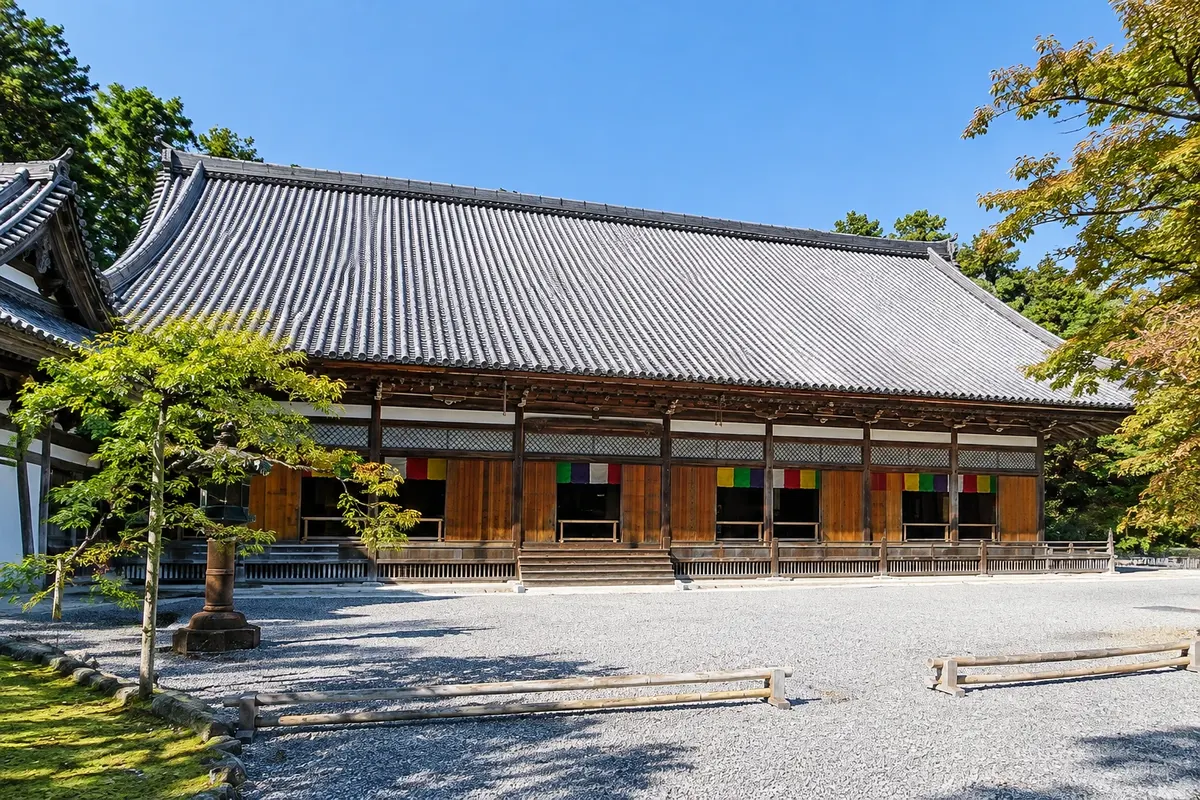
Temple · Matsushima, Miyagi
Zuigan-ji Temple
A Zen temple rebuilt by Date Masamune in 1609, with the main hall designated as a national treasure, an avenue of cedars and meditation caves carved into the rock, just minutes from the bay.
Illustrative images. The pictures in this guide are illustrations based on the real place, not photographs, and may differ from it.

A look at the place
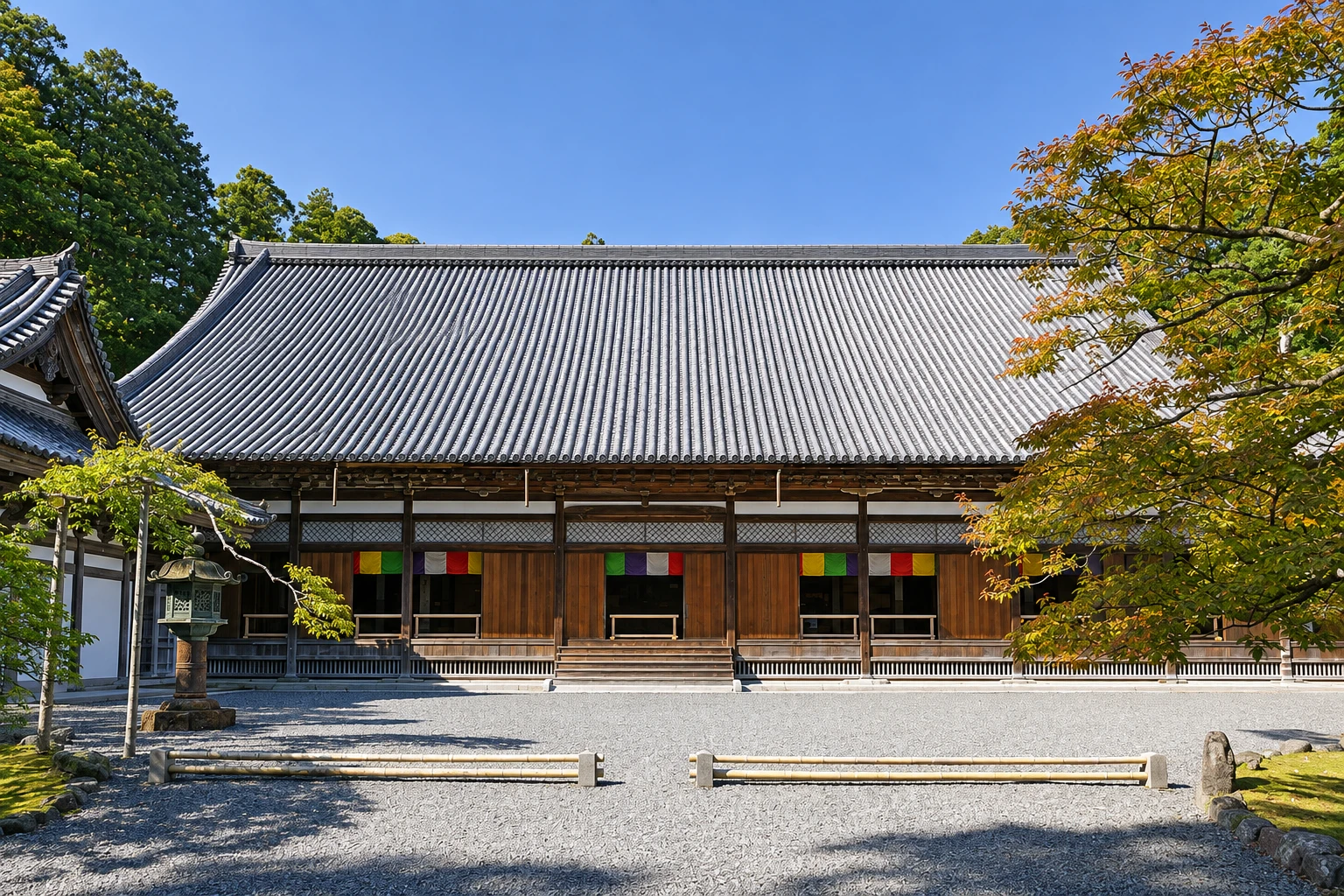
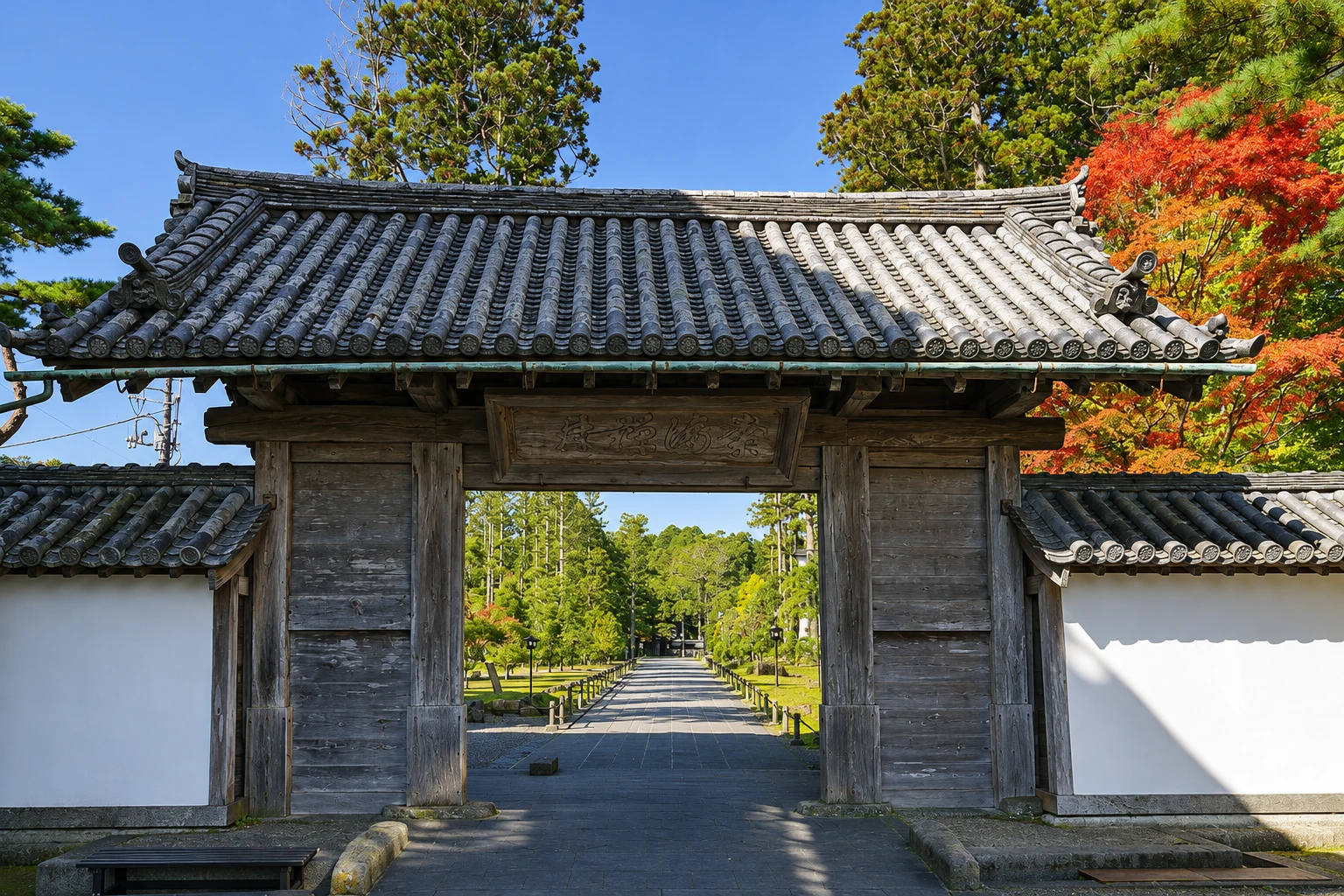
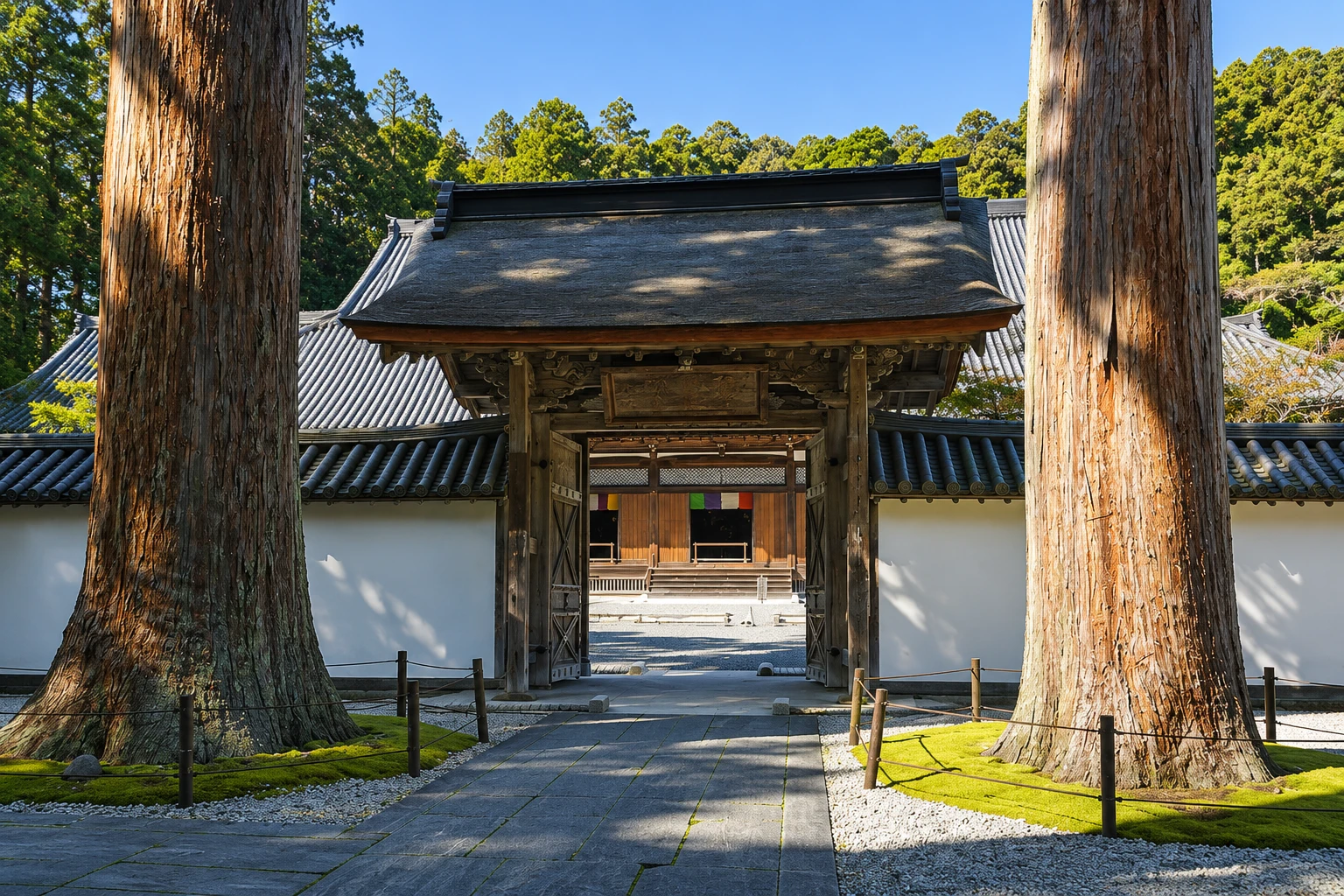
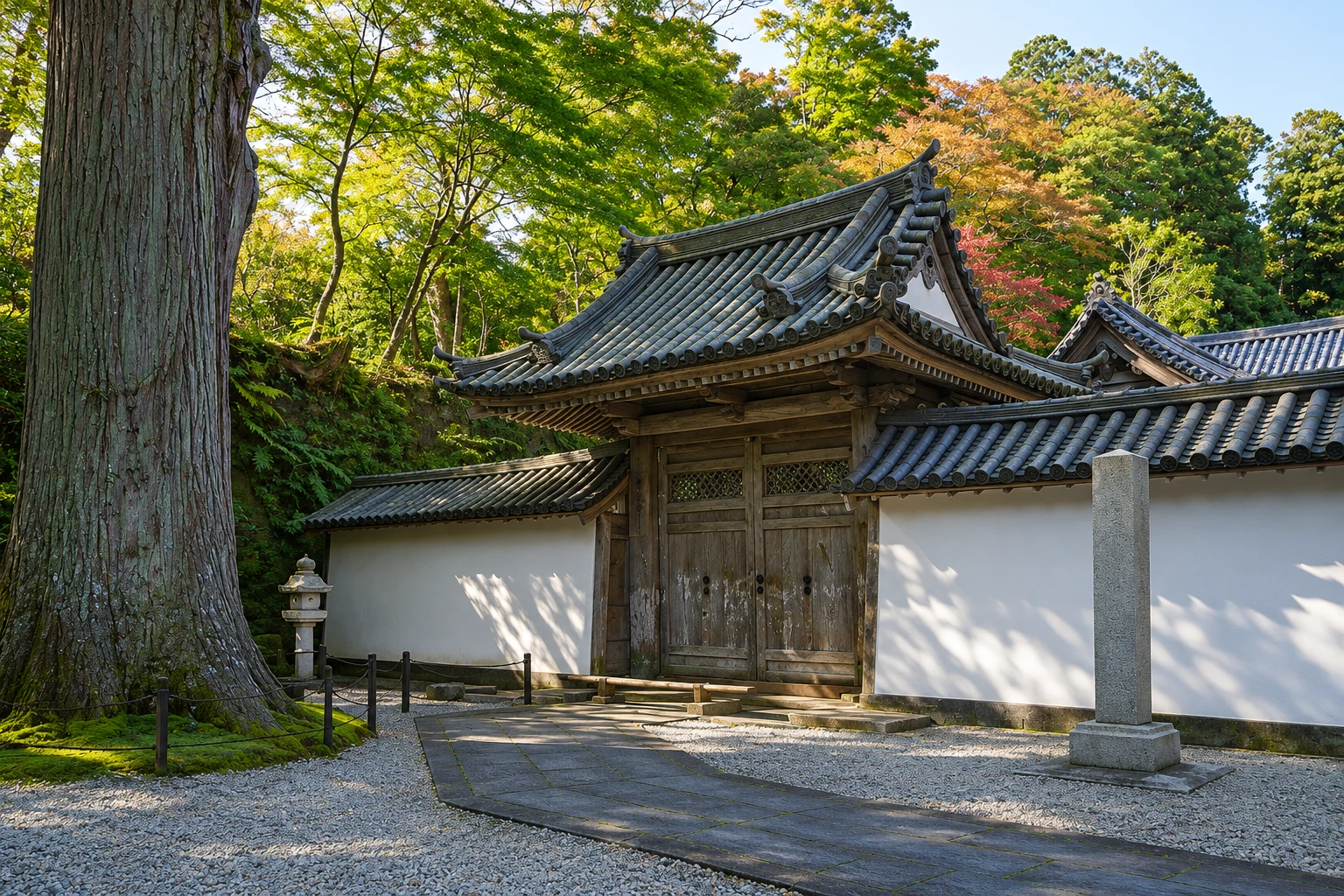
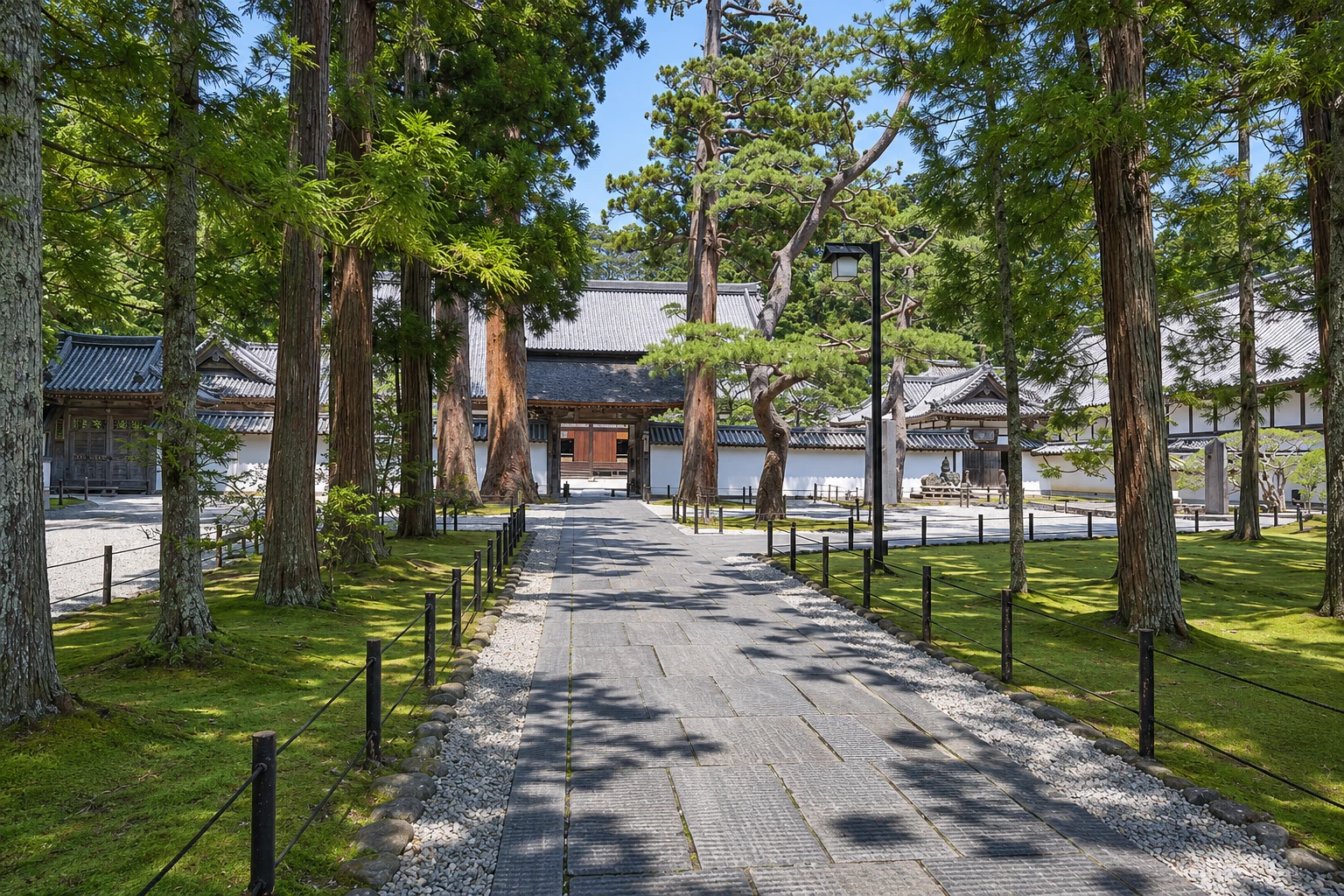
Zuigan-ji Temple in pictures
These pictures are illustrations based on the real place, not photographs. They may differ from the place.
Click the picture to enlarge it.
Discover
About Zuigan-ji Temple
Zuigan-ji is Matsushima’s principal temple of the Rinzai Zen school. Its origins go back to the 9th century, but its present form is due to Date Masamune, who rebuilt it between 1604 and 1609 using timber brought from Kumano and craftsmen from Kyoto, as the Date family’s temple. The main hall (hondo) and the kitchen (kuri) are national treasures.
The main hall contains several rooms with painted sliding doors and panels in gold and color, depicting peacocks, cherry trees and pines, and with wooden carvings in the upper transoms. One room was reserved for visits by the feudal lord. The temple museum, Seiryuden, preserves paintings, statues and objects of the Date family, including a portrait of Masamune.
The entrance path is an avenue of tall cedars. To the right, a rock face is filled with caves and niches carved by monks over centuries, containing statues, grave markers and inscriptions, used for meditation and as tombs. The complex gives an idea of how religious life around the bay was before the arrival of tourists.
Next door, Entsu-in is a smaller temple with the mausoleum of Date Mitsumune, Masamune’s grandson, decorated with paintings of roses, and moss, stone and rose gardens. In autumn, the maples at Entsu-in are sometimes illuminated at night on certain evenings. Both temples are a few minutes’ walk from the Godaido and the pier.
Before you go
Practical information
Cidade Turismo reviews its information regularly, but something may have changed. Check with the place before planning your trip.
How much time to set aside
About one hour to see the main hall, caves and museum; another 30 minutes for Entsu-in.
Best time
In the morning, before the tour groups arrive. In autumn, from late October to mid-November, the maples at Entsu-in tend to be in color. Check opening hours before you go.
How to get there
From Matsushima-Kaigan Station, the entrance is about a 5-minute walk, on the other side of the waterfront avenue. The Godaido and the boat pier are a few steps away.
Tip
Take off your shoes calmly at the main hall entrance and walk slowly through the rooms: the paintings on the doors are in several spaces. Don’t miss the caves along the cedar avenue, which many people skip.
Official website
Get your questions answered
Frequently asked questions about Zuigan-ji Temple
What to see at Zuigan-ji?
The main hall, a national treasure with doors painted in gold; the cedar avenue with meditation caves; and the Seiryuden museum, with objects of the Date family. Entsu-in, next door, has gardens and the mausoleum of Date Mitsumune.
Who built Zuigan-ji?
The temple existed since the 9th century, but its current form is from Date Masamune, who rebuilt it between 1604 and 1609 as the family temple.
Do Zuigan-ji and Entsu-in have separate entrances?
Yes, each temple charges its own admission. They stand side by side, a few minutes from Matsushima-Kaigan Station.
How much time should I allow for Zuigan-ji?
About an hour for the main hall, the caves and the museum. With Entsu-in, allow an hour and a half.
Beyond the guide


