

 Brazil
 Antarctica
 Argentina
 Bolivia
 Chile
 Colombia
 Ecuador
 Guyana
 French Guiana
 Falkland Islands (Malvinas)
 Paraguay
 Peru
 Suriname
 Uruguay
 Venezuela
 Germany
 Austria
 Belgium
 Croatia
 Denmark
 Slovakia
 Slovenia
 Spain
 Finland
 France
 Greece
 the Netherlands
 Hungary
 Ireland
 Iceland
 Italy
 Luxembourg
 Norway
 Poland
 Portugal
 the United Kingdom
 the Czech Republic
 Sweden
 Switzerland
 Turkey
 Bermuda
 Canada
 the United States
 Greenland
 Mexico
 Saint Pierre and Miquelon
 the Dominican Republic
 South Africa
 Egypt
 Australia
 Fiji
 New Zealand
 Papua New Guinea
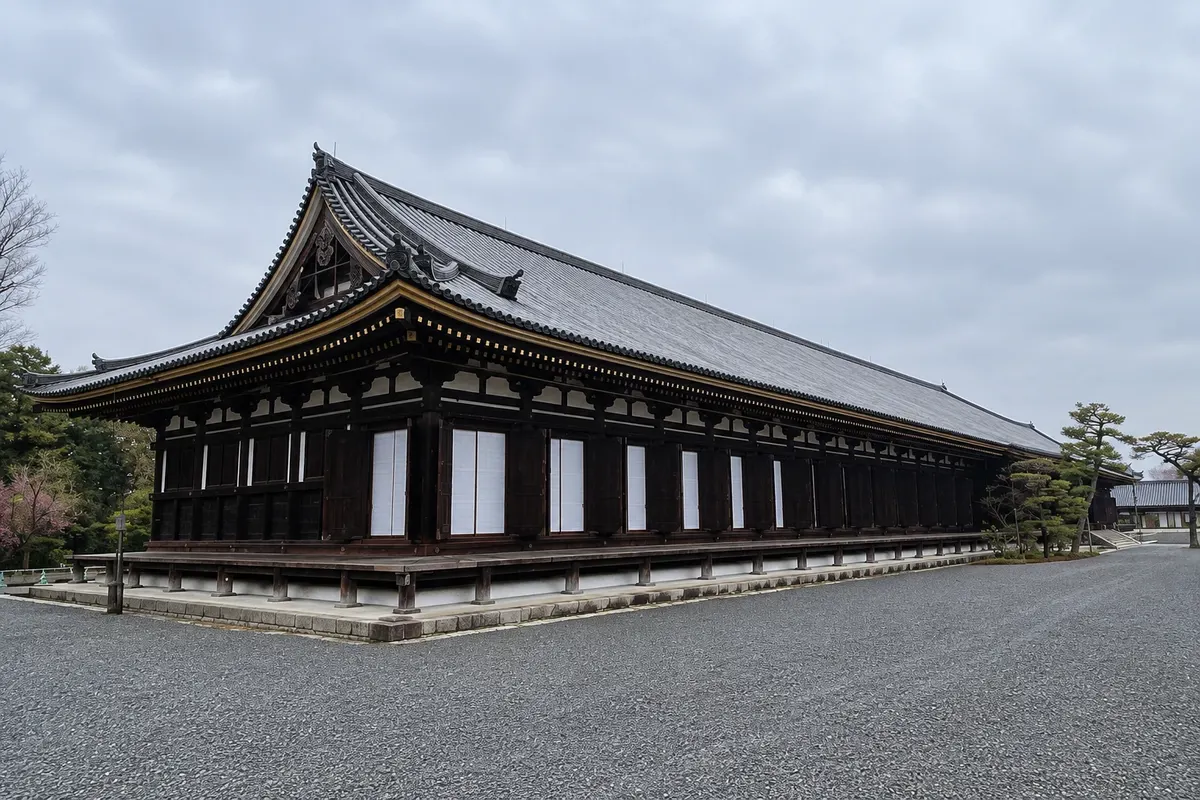
Temple · Kyoto, Kyoto
Sanjusangen-dō
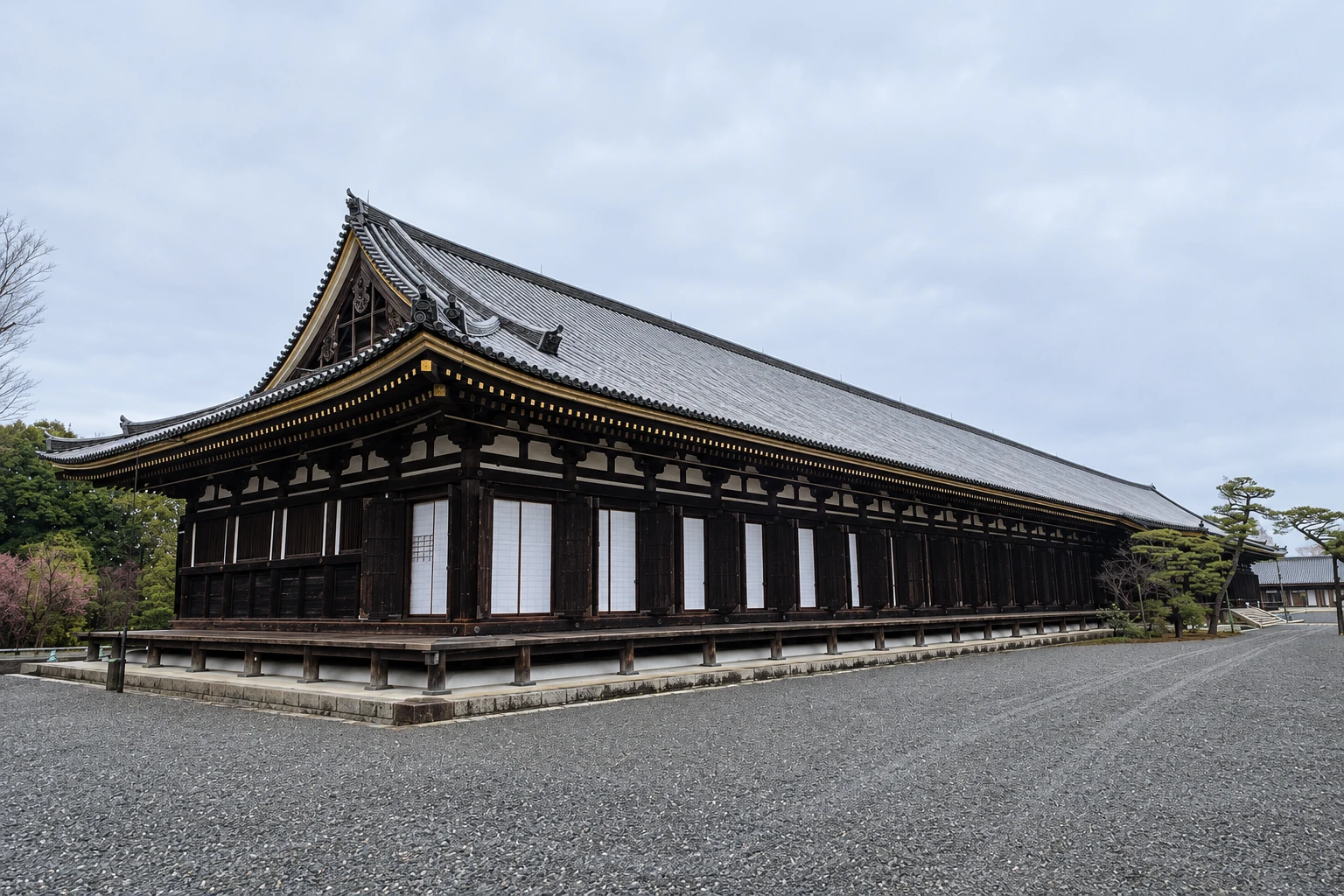
Temple with a wooden hall about 120 meters long that houses a thousand standing Kannon statues in rows around a large seated Kannon.
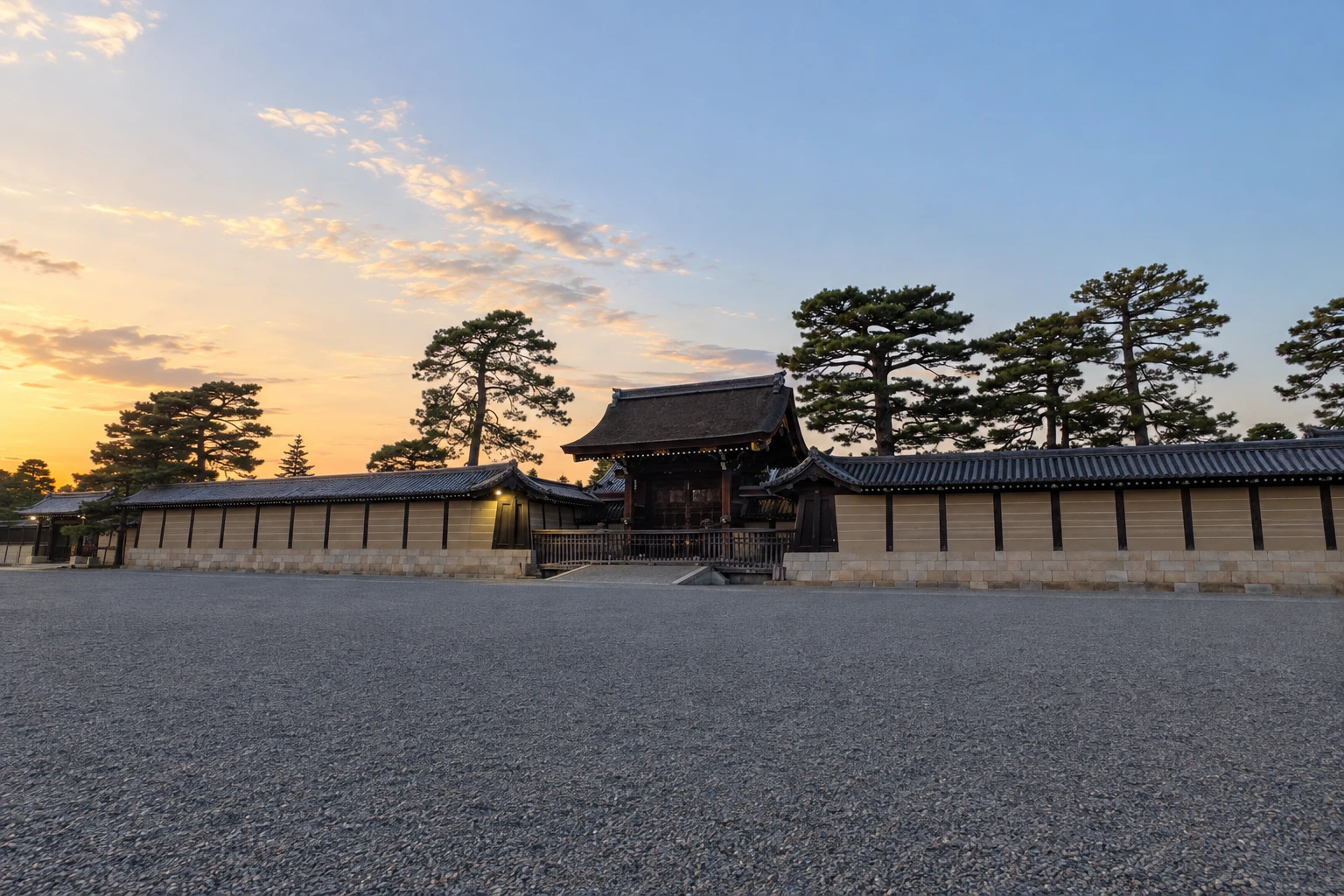
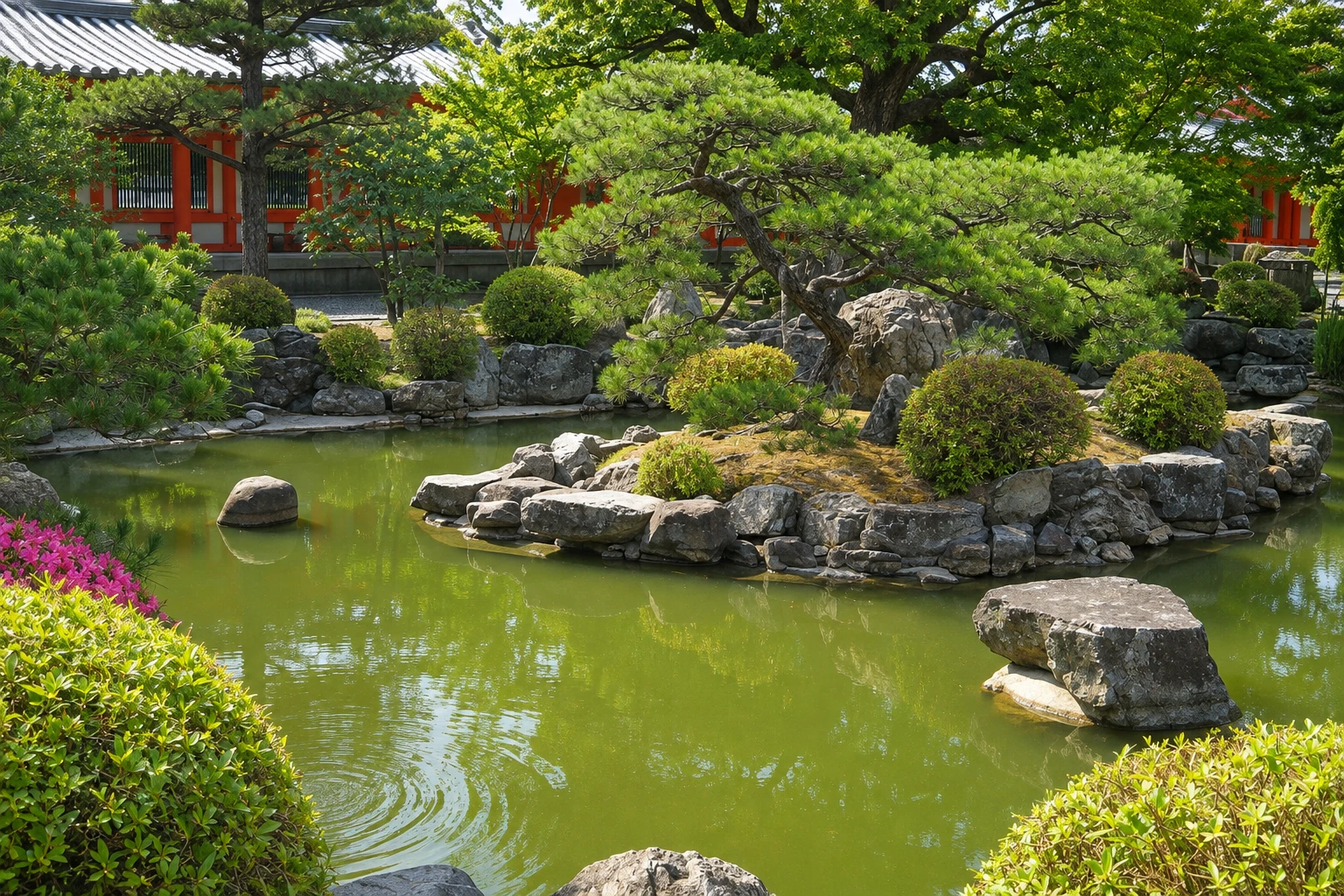
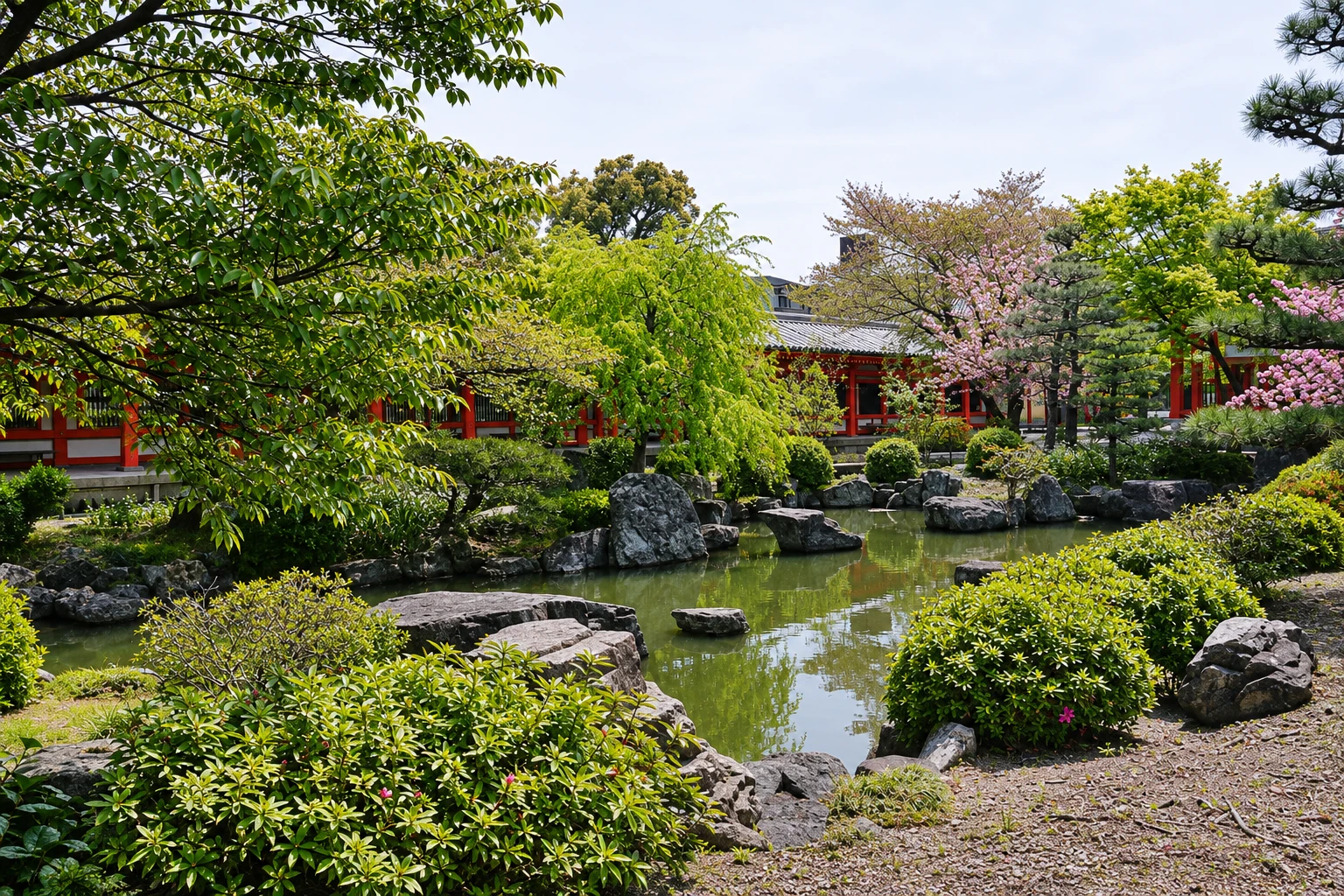
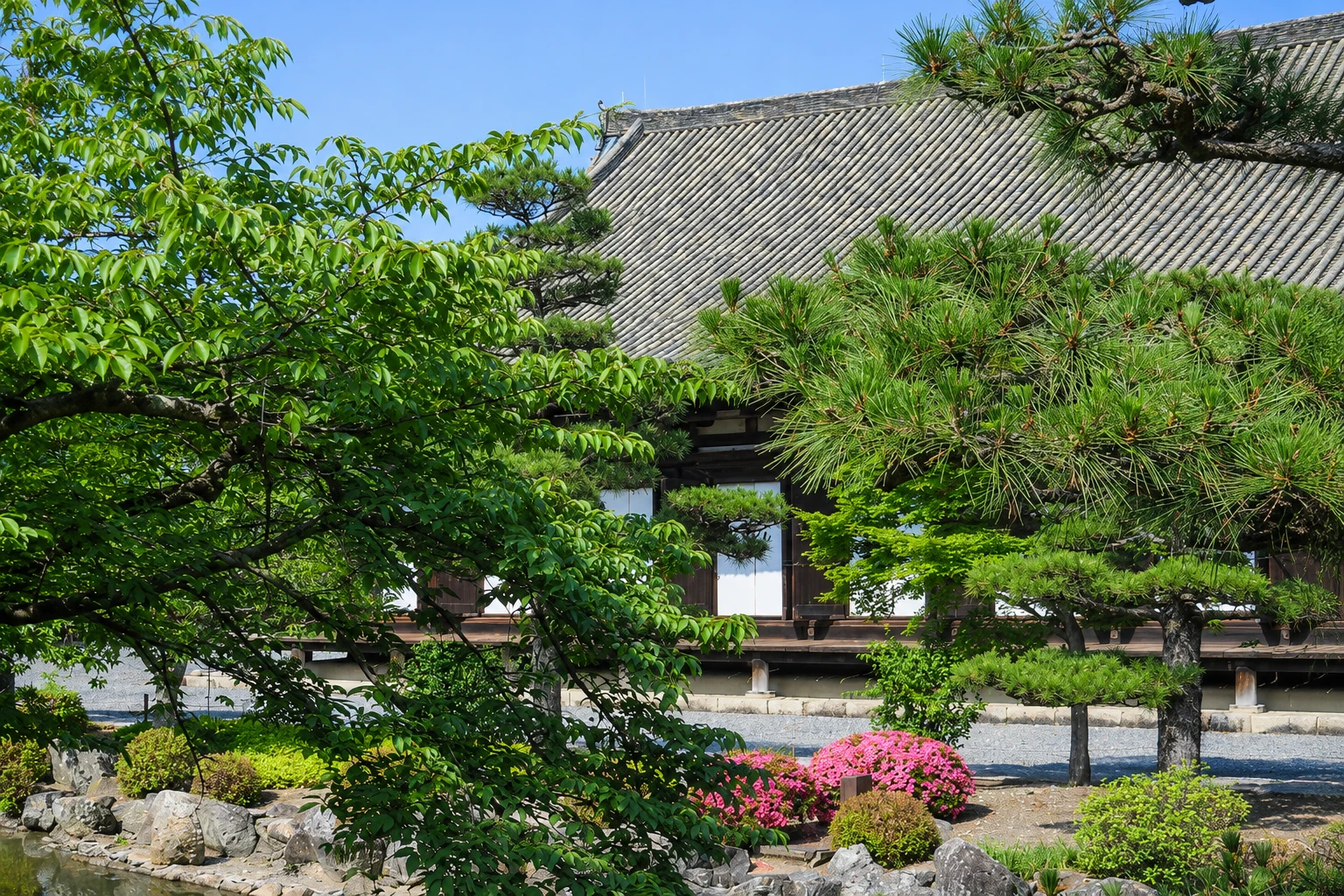
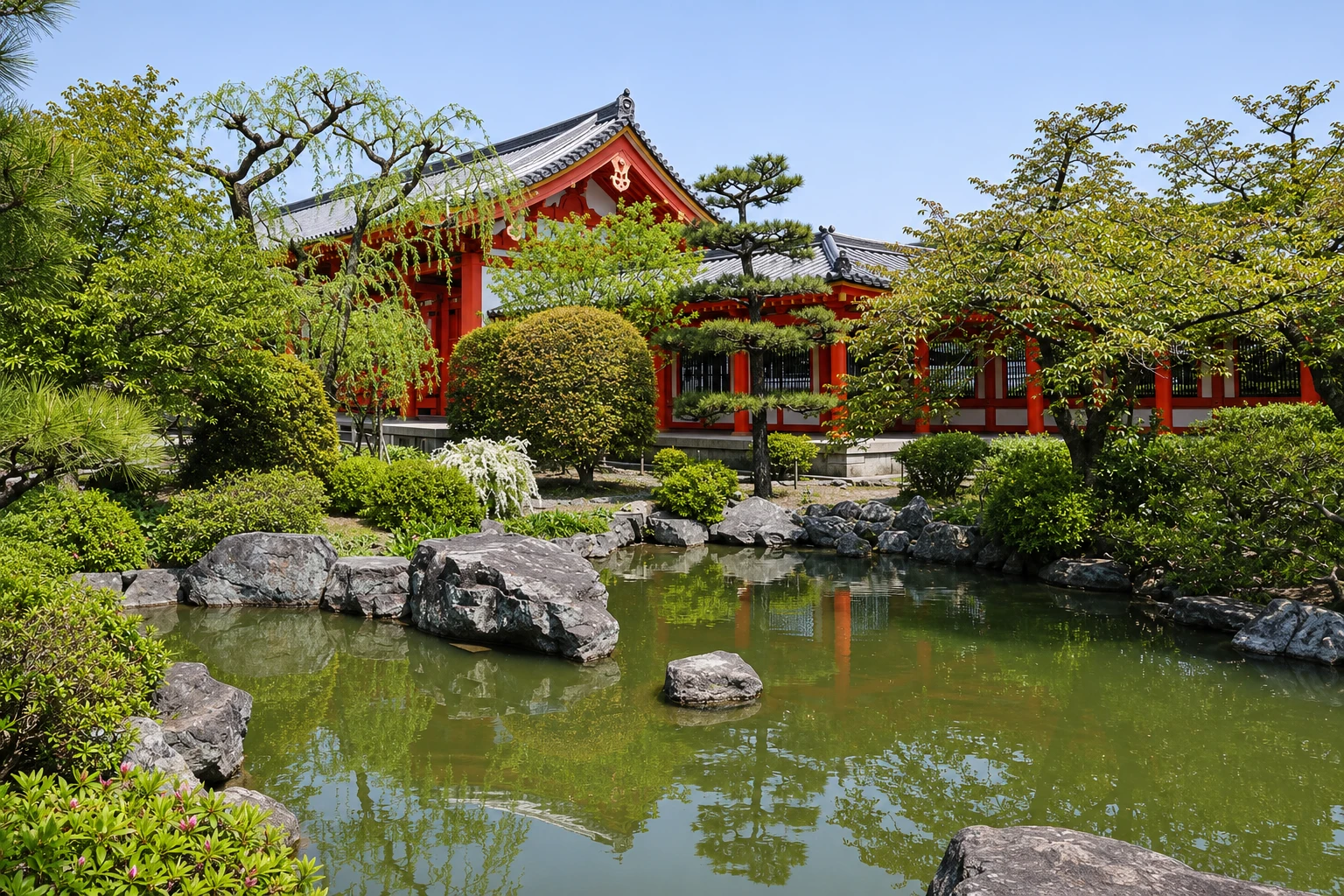
Illustrative images. The pictures in this guide are illustrations based on the real place, not photographs, and may differ from it.

A look at the place
Sanjusangen-dō in pictures
These pictures are illustrations based on the real place, not photographs. They may differ from the place.
Click the picture to enlarge it.
Discover
About Sanjusangen-dō
Sanjusangen-do, the popular name for the Rengeo-in temple, is close to Kyoto Station on the eastern side of the city. The main wooden hall is about 120 meters long and is one of the longest wooden buildings in Japan. The name means “hall of 33 bays,” referring to the count of spaces between the columns on the façade.
The temple was founded in the 12th century and rebuilt in 1266 after a fire. Inside, arranged in rows on steps, are a thousand life-size Kannon statues with a thousand arms, the deity of mercy, made of cypress wood and covered with gold leaf. In the center, a large seated Kannon by the sculptor Tankei completes the group.
In front of the rows are 28 guardian deity statues and, at the ends of the hall, the figures of Fujin, the wind god, and Raijin, the thunder god. All these sculptures are National Treasures. Each of the thousand Kannon has a slightly different face, and tradition says every visitor finds among them a face resembling someone they know.
Outside, the long west veranda was the stage for archery competitions in the Edo period, where archers shot from one end to the other. In January, the temple holds an archery tournament with young people in kimono. Photography is not allowed inside the hall. The Kyoto National Museum is in front of the temple.
Before you go
Practical information
Cidade Turismo reviews its information regularly, but something may have changed. Check with the place before planning your trip.
How much time to set aside
About 45 minutes to 1 hour.
Best time
In the morning, when there are fewer groups. The hall is closed and lit, and the visit is independent of the weather. In January, the archery tournament draws crowds; confirm the date if you want to see it or avoid it.
How to get there
City buses 100, 206 and 208 stop at Hakubutsukan Sanjusangendo-mae, in front of the temple. Shichijo Station on the Keihan line is about a 7-minute walk; Kyoto Station is about 20 minutes on foot.
Tip
Walk through the hall slowly from one end to the other, then return along the outer veranda to appreciate the length of the building. Remove your shoes at the entrance, as in other temples, and wear socks, because the floor is cold in winter.
Official website
Get your questions answered
Frequently asked questions about Sanjusangen-dō
How many statues are in Sanjusangen-do?
One thousand standing Kannon statues, plus a large seated Kannon at the center, as well as 28 guardian deities and the figures of the gods of wind and thunder.
Can you photograph inside Sanjusangen-do?
No. Photography is prohibited inside the hall.
How to get to Sanjusangen-do?
By city bus to Hakubutsukan Sanjusangendo-mae or about a 7-minute walk from Shichijo Station on the Keihan Line. From Kyoto Station it’s about a 20-minute walk.
How long does a visit to Sanjusangen-do take?
About 45 minutes to 1 hour.
What does Sanjusangen-do mean?
It means ‘hall of 33 intervals,’ referring to the count of spaces between the columns on the façade of the long wooden hall.
Beyond the guide


