

 Brazil
 Antarctica
 Argentina
 Bolivia
 Chile
 Colombia
 Ecuador
 Guyana
 French Guiana
 Falkland Islands (Malvinas)
 Paraguay
 Peru
 Suriname
 Uruguay
 Venezuela
 Germany
 Austria
 Belgium
 Croatia
 Denmark
 Slovakia
 Slovenia
 Spain
 Finland
 France
 Greece
 the Netherlands
 Hungary
 Ireland
 Iceland
 Italy
 Luxembourg
 Norway
 Poland
 Portugal
 the United Kingdom
 the Czech Republic
 Sweden
 Switzerland
 Turkey
 Bermuda
 Canada
 the United States
 Greenland
 Mexico
 Saint Pierre and Miquelon
 the Dominican Republic
 South Africa
 Egypt
 Australia
 Fiji
 New Zealand
 Papua New Guinea
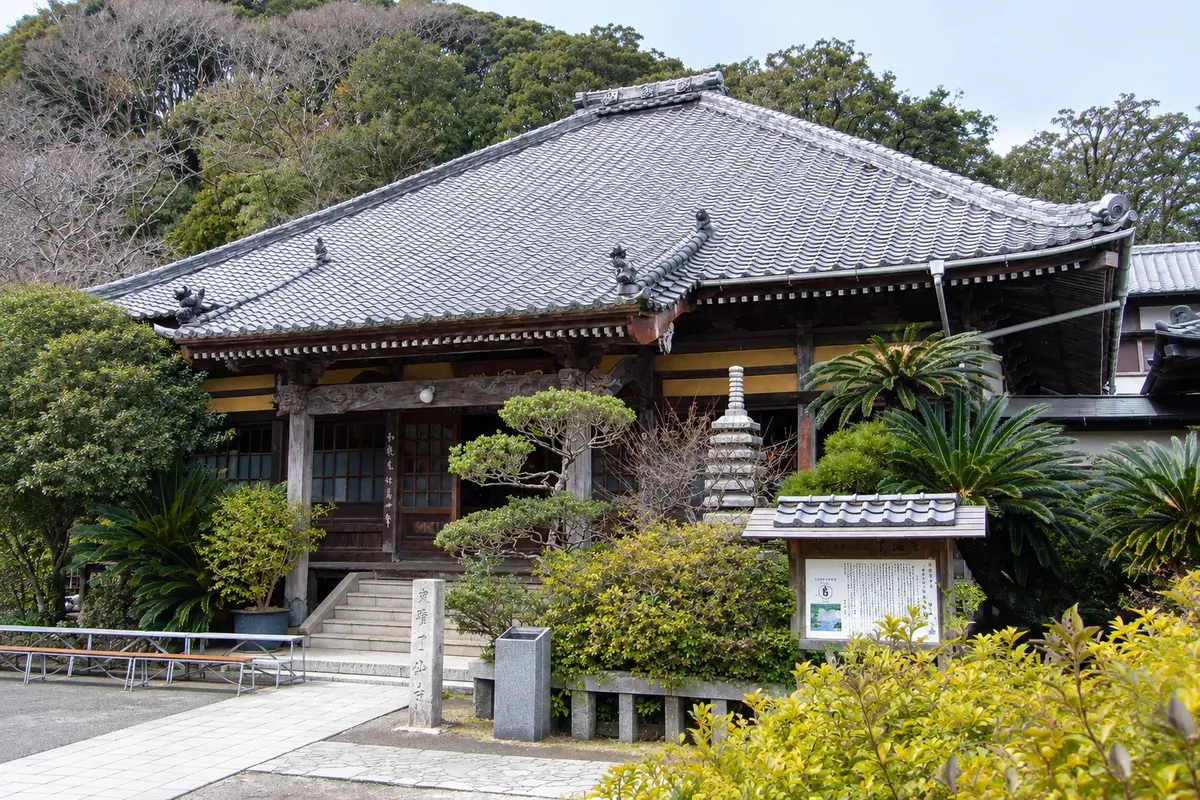
Historic center · Shimoda, Shizuoka
Perry Road and Ryosen-ji Temple
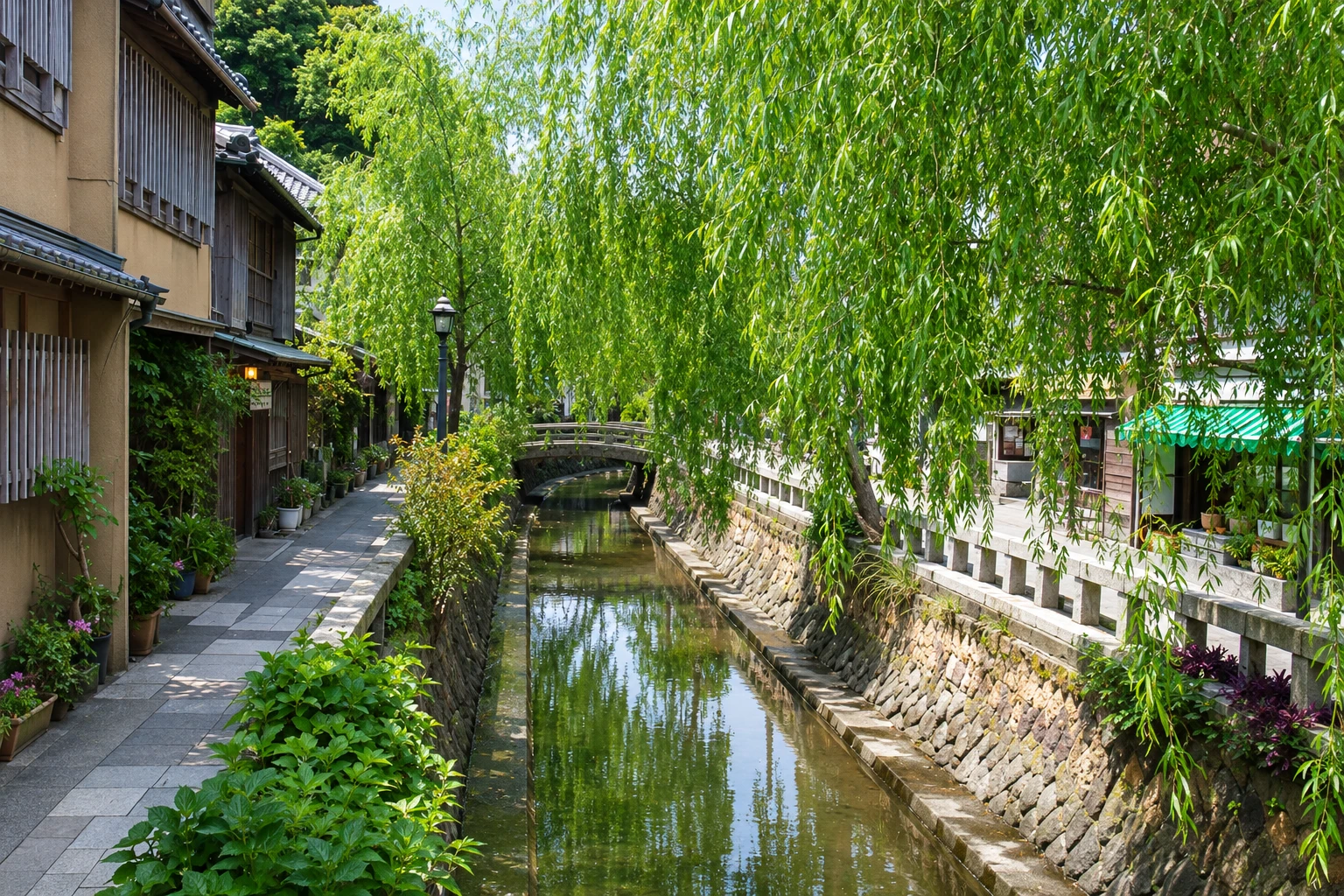
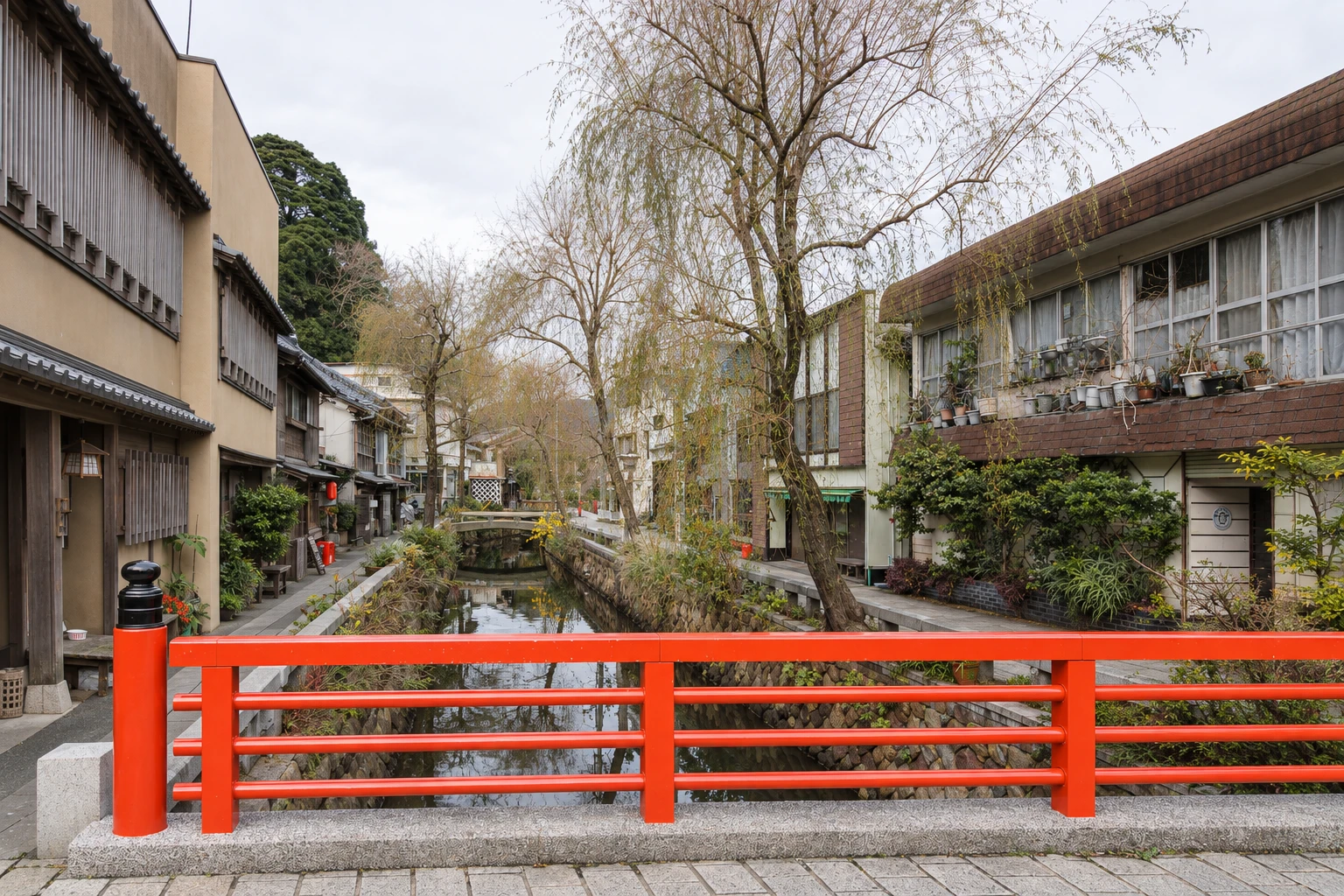
A stone-paved street along a canal with willows and old namako-walled houses that leads to Ryosen-ji temple, where in 1854 the supplementary agreement to the first treaty between Japan and the United States was signed.
Illustrative images. The pictures in this guide are illustrations based on the real place, not photographs, and may differ from it.

A look at the place
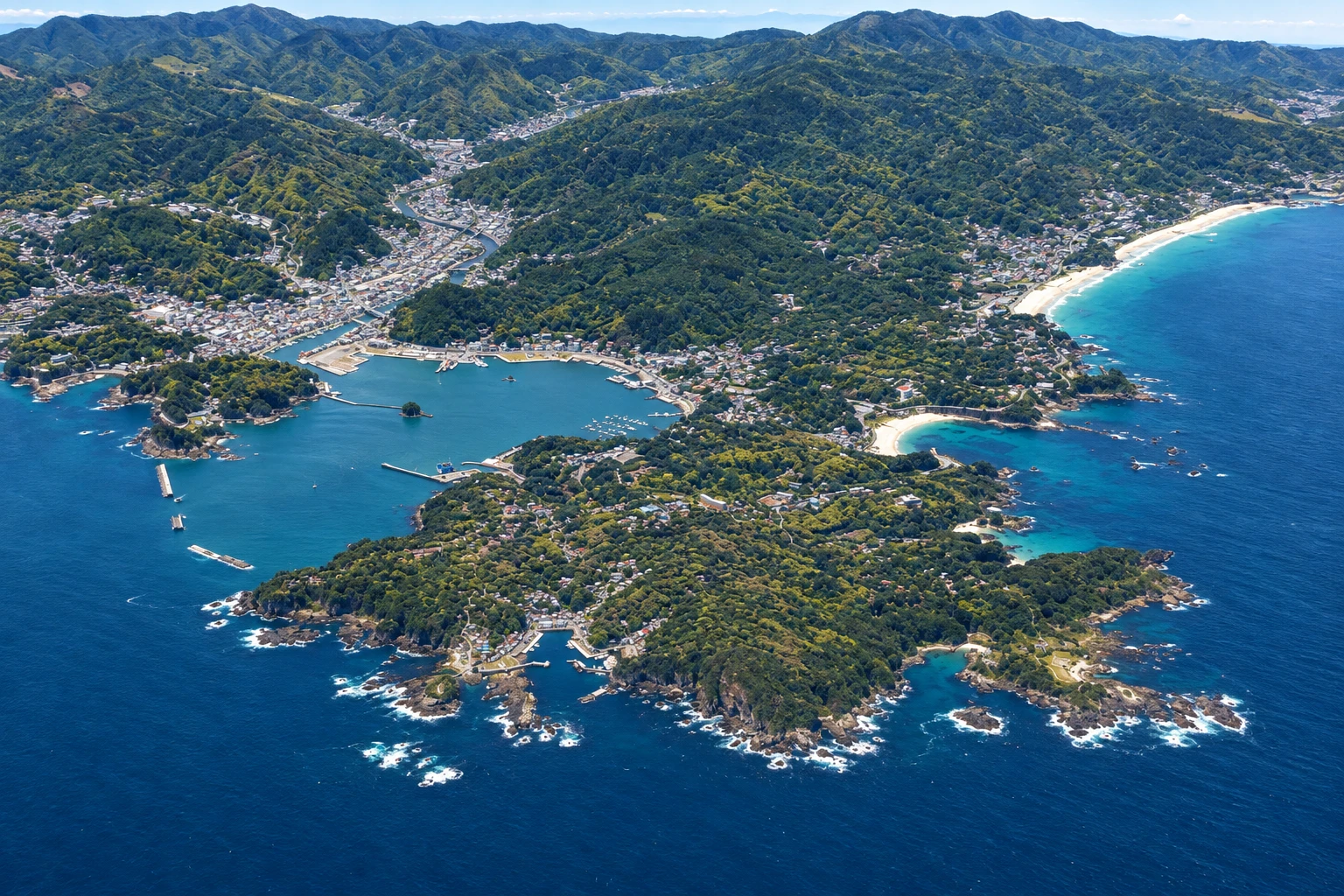
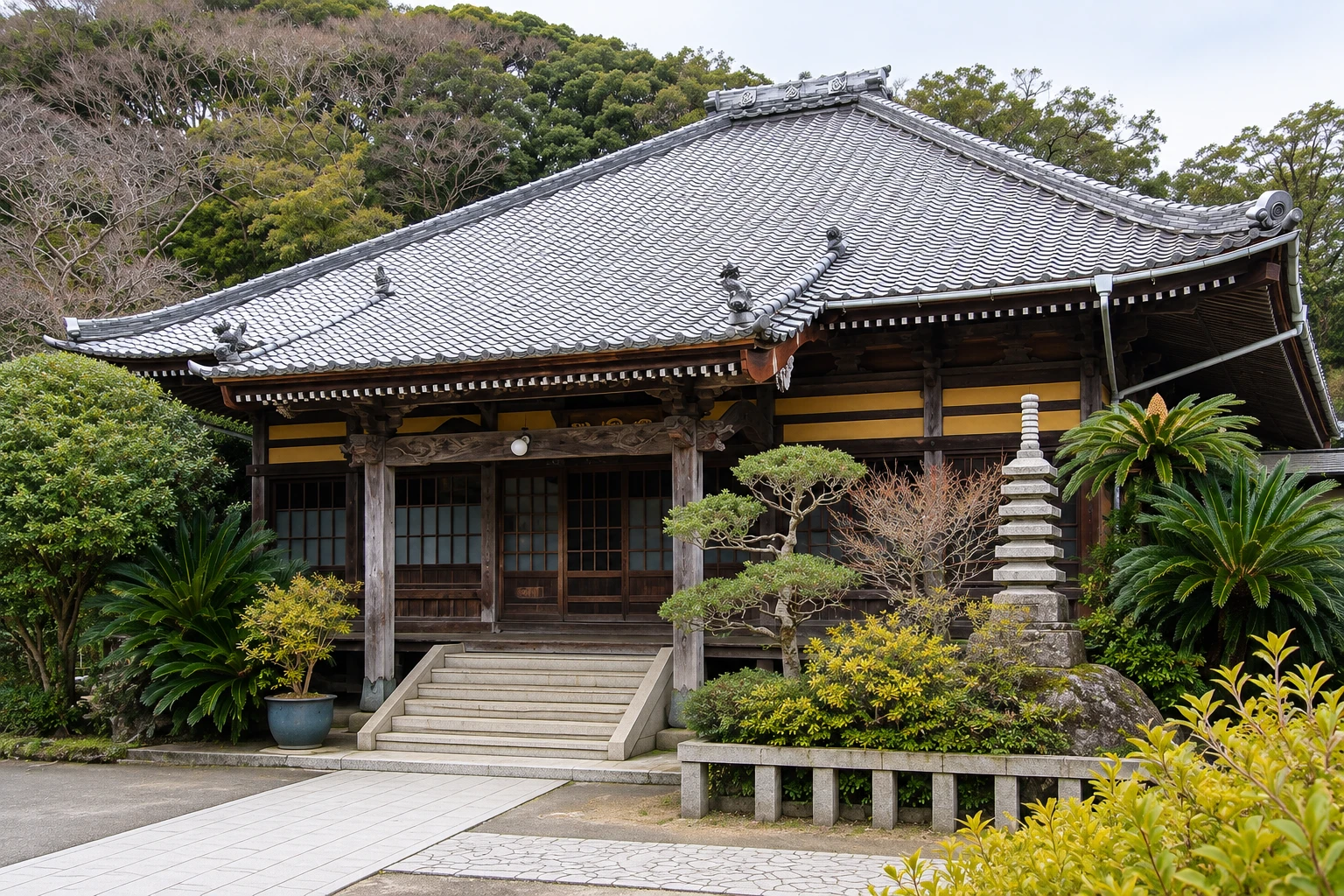
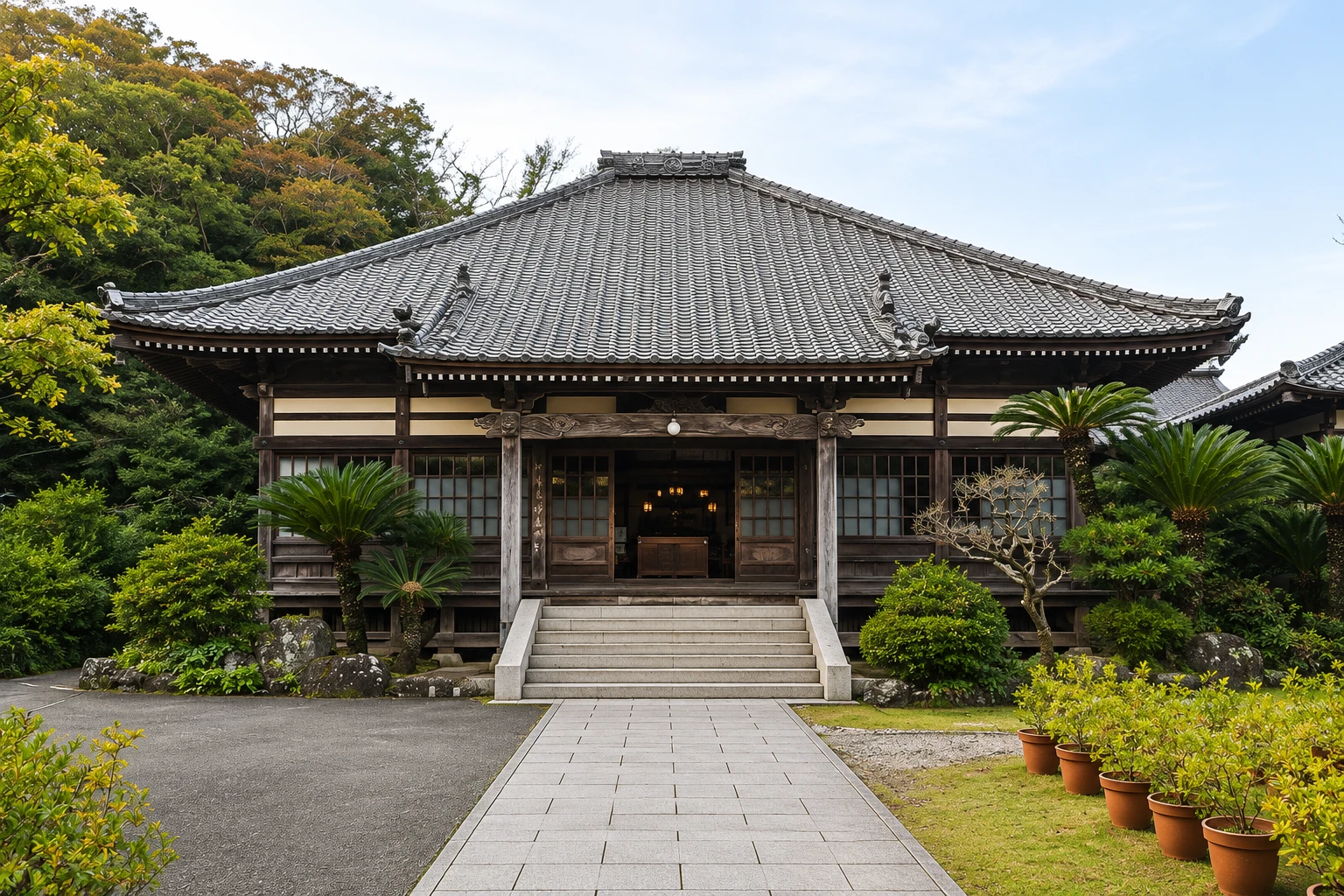
Perry Road and Ryosen-ji Temple in pictures
These pictures are illustrations based on the real place, not photographs. They may differ from the place.
Click the picture to enlarge it.
Discover
About Perry Road and Ryosen-ji Temple
In 1854, after signing the Treaty of Kanagawa, Commodore Matthew Perry brought his ships to Shimoda, one of the two ports Japan opened to foreigners. At Ryosen-ji temple, the two sides signed the Shimoda Agreement, which regulated the Americans’ presence in the port. Sailors walked from the port to the temple along the street now named Perry Street.
Perry Street runs about 700 meters along a narrow canal, with willows, stone bridges and old houses. Many have namako walls, with square tiles held by white mortar strips in a grid pattern typical of the region. Some houses have been converted into cafés, galleries and small shops.
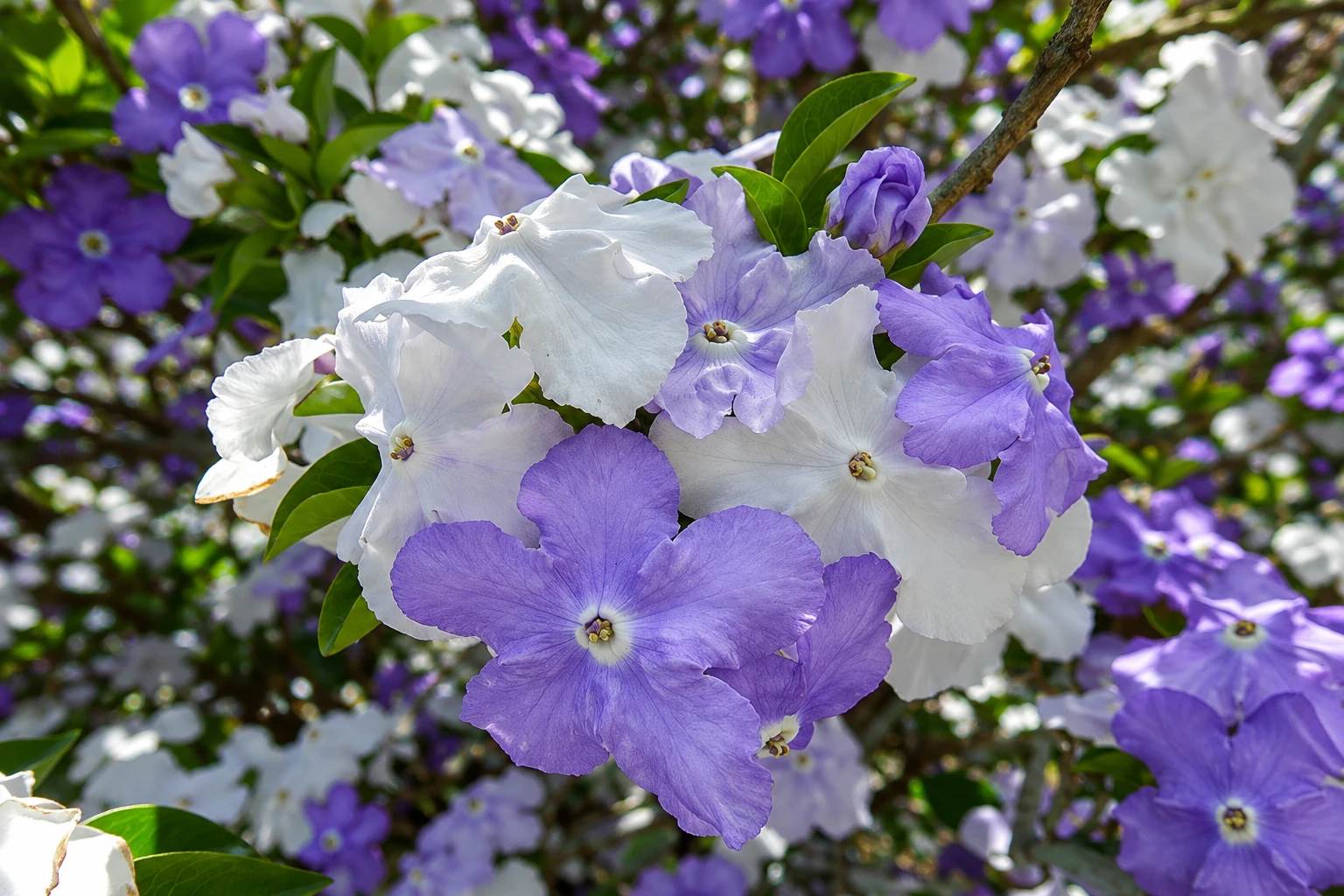
Ryosen-ji, at the end of the street, is a Buddhist temple founded in the early 17th century. It has a small museum, the Black Ships Museum, with prints and objects from the time of the Americans’ arrival and Japanese reactions to foreigners. In late spring, the jasmine-manacá in the courtyard often blooms and perfumes the grounds.
Nearby are Hofuku-ji temple, linked to the story of Okichi, a Shimoda woman associated with Consul Townsend Harris, and the port, with boat rides that echo the black ships. The whole center is walkable from the station.
Before you go
Practical information
Cidade Turismo reviews its information regularly, but something may have changed. Check with the place before planning your trip.
How much time to set aside
About 1 to 2 hours, including the temple and the museum.
Best time
In the morning or late afternoon, with low light over the canal. In May the jasmine-manacá at Ryosen-ji often blooms. Check the museum hours.
How to get there
About a 15-minute walk from Izukyu-Shimoda Station, heading south toward the port.
Tip
Start at the port and follow the sailors’ route to Ryosen-ji. Notice the namako walls of the houses along the street.
Get your questions answered
Frequently asked questions about Perry Road and Ryosen-ji Temple
What happened at Ryosen-ji temple?
In 1854, the Treaty of Shimoda was signed there, a supplement to the first treaty between Japan and the United States after Commodore Perry’s arrival.
What is there to see on Perry Street?
The canal with willows, the stone bridges and the old namako-walled houses, with tiles and white grid bands.
Does Ryosen-ji have a museum?
It has the Black Ships Museum, with prints and objects from the time of the Americans’ arrival. Check the hours before going.
Is Perry Street far from Shimoda Station?
No, about a 15-minute walk, on the way to the port.
Beyond the guide


