

 Brazil
 Antarctica
 Argentina
 Bolivia
 Chile
 Colombia
 Ecuador
 Guyana
 French Guiana
 Falkland Islands (Malvinas)
 Paraguay
 Peru
 Suriname
 Uruguay
 Venezuela
 Germany
 Austria
 Belgium
 Croatia
 Denmark
 Slovakia
 Slovenia
 Spain
 Finland
 France
 Greece
 the Netherlands
 Hungary
 Ireland
 Iceland
 Italy
 Luxembourg
 Norway
 Poland
 Portugal
 the United Kingdom
 the Czech Republic
 Sweden
 Switzerland
 Turkey
 Bermuda
 Canada
 the United States
 Greenland
 Mexico
 Saint Pierre and Miquelon
 the Dominican Republic
 South Africa
 Egypt
 Australia
 Fiji
 New Zealand
 Papua New Guinea
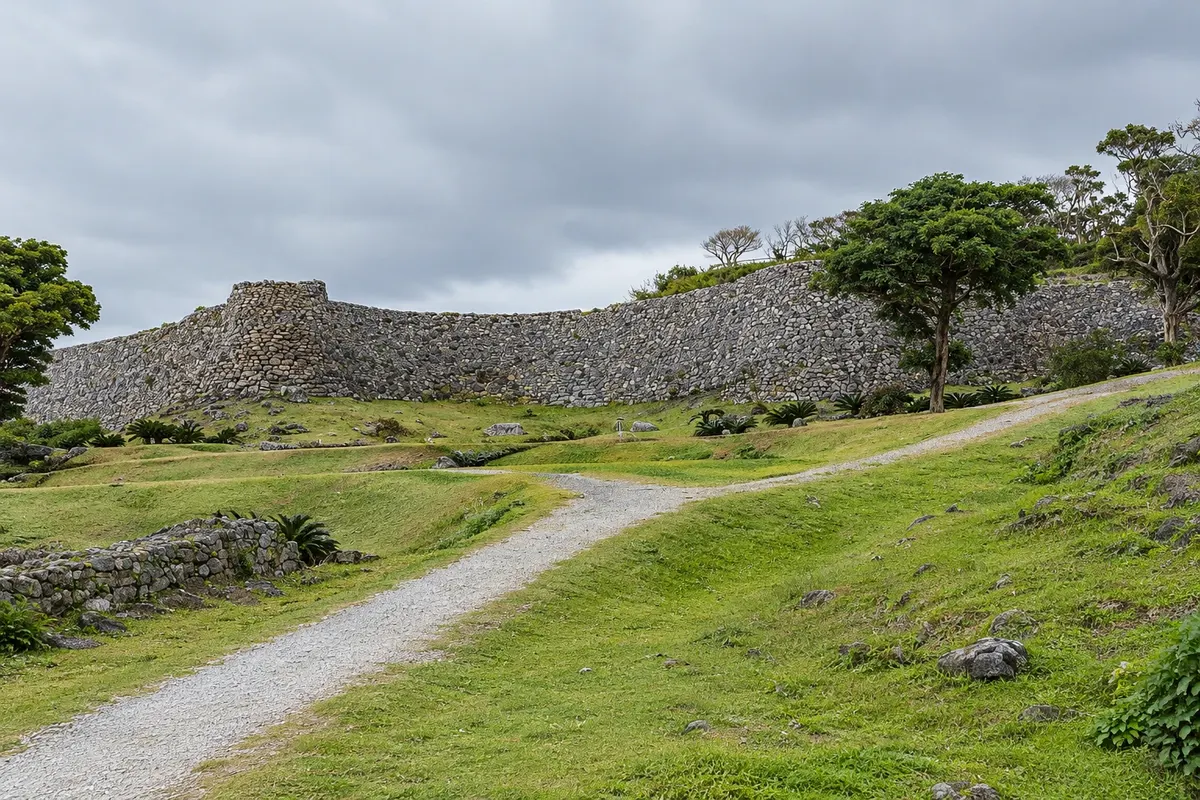
Ruins · Motobu, Okinawa
Nakijin Castle
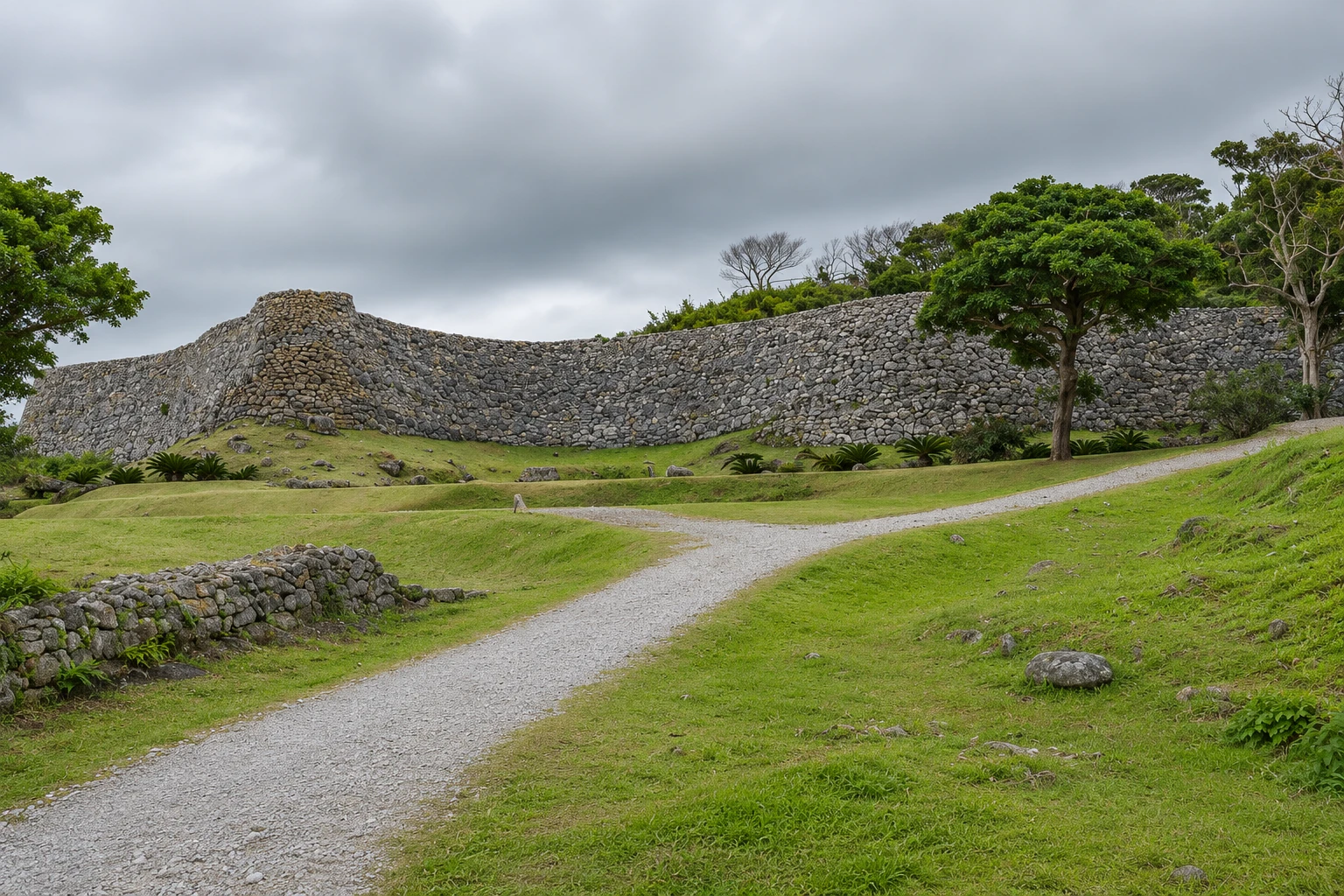
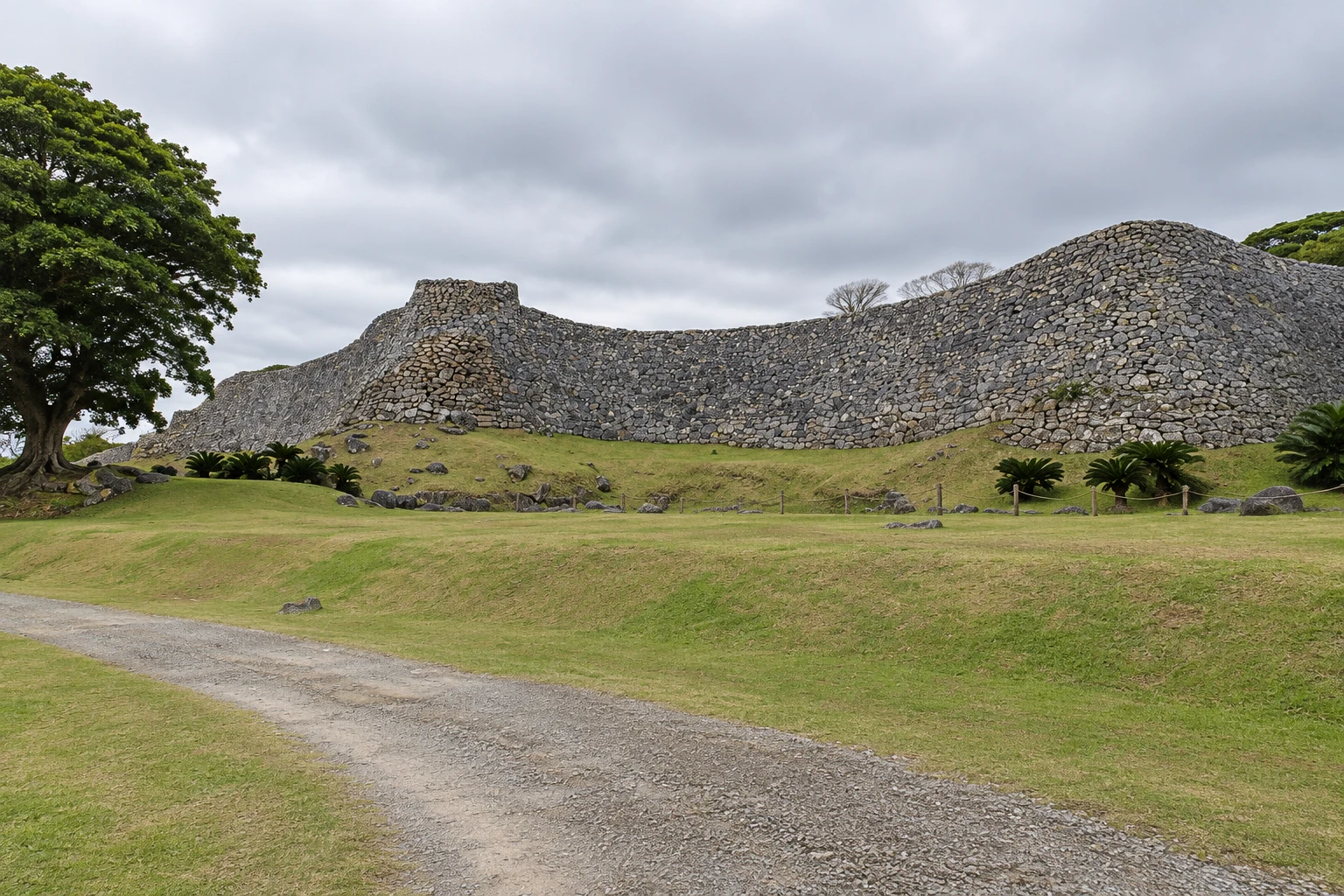
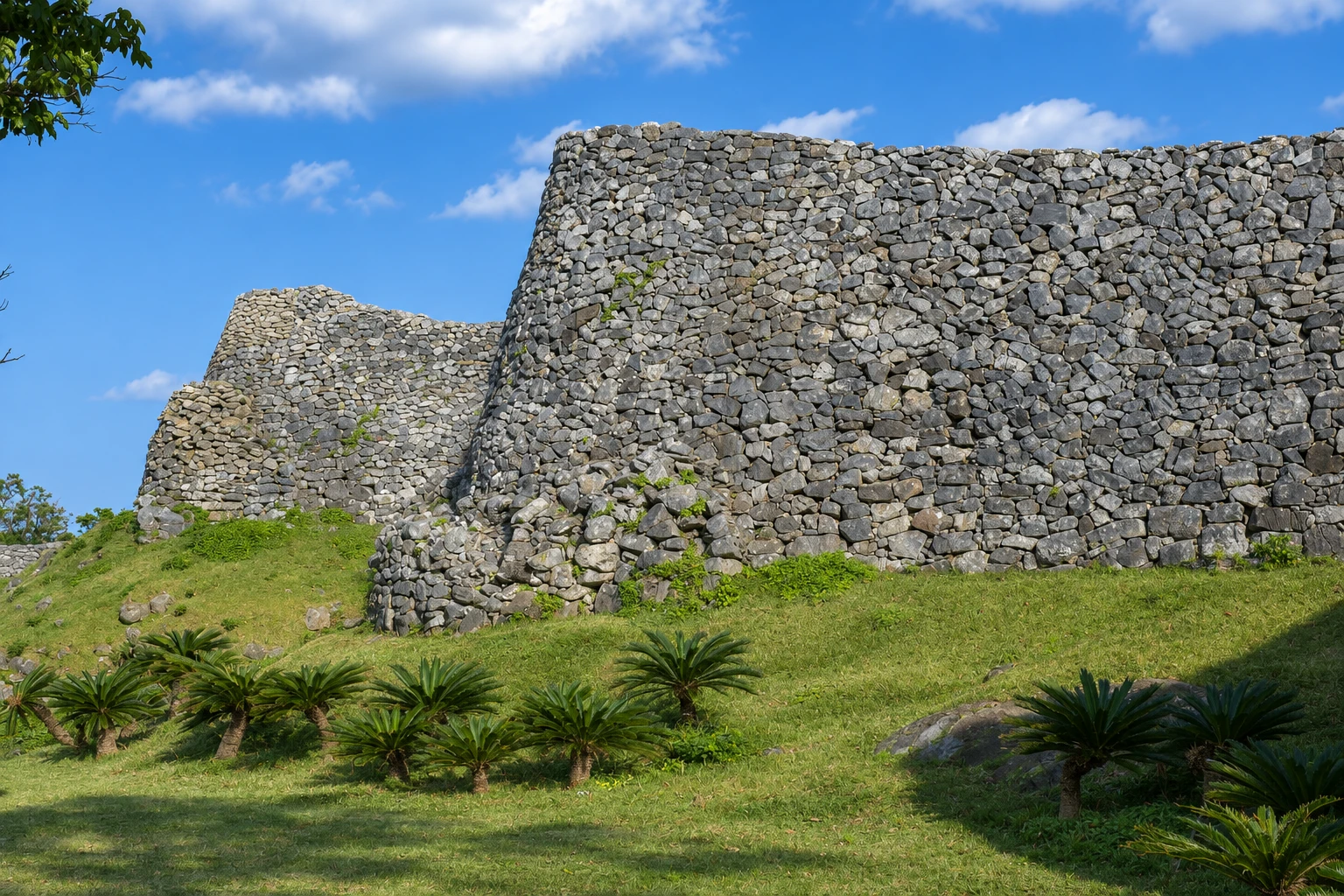
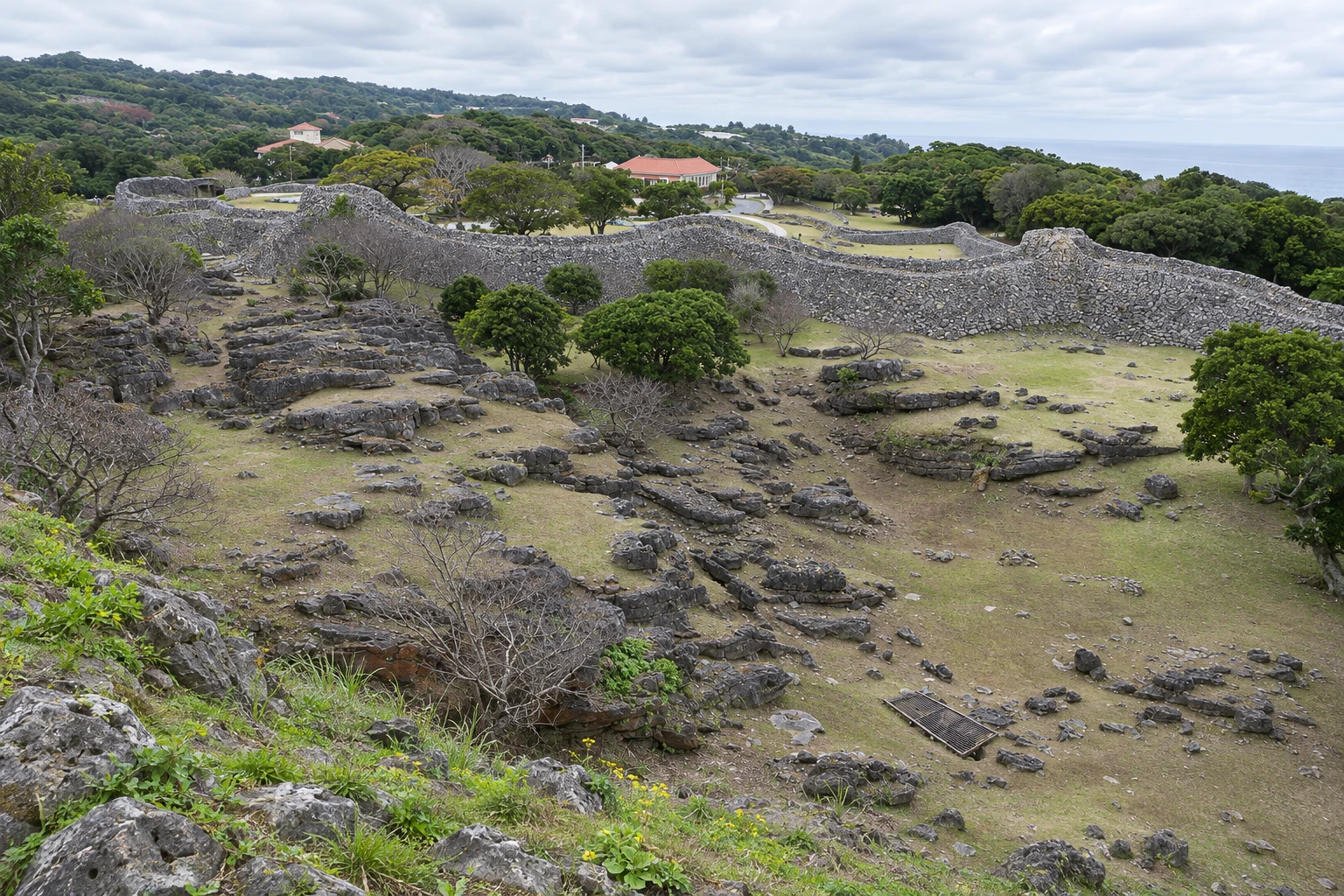
Ruins of a fortress from the 13th–14th centuries, seat of the kings of Hokuzan before the unification of Ryukyu, with limestone walls of about 1.5 km in winding curves. World Heritage Site.
Illustrative images. The pictures in this guide are illustrations based on the real place, not photographs, and may differ from it.

A look at the place
Nakijin Castle in pictures
These pictures are illustrations based on the real place, not photographs. They may differ from the place.
Click the picture to enlarge it.
Discover
About Nakijin Castle
Nakijin Castle, Nakijin gusuku, was built between the 13th and 14th centuries, when Okinawa Island was divided into three rival kingdoms. It was the seat of Hokuzan, the northern kingdom, until it was conquered in 1416 by the central kingdom, which soon after unified Ryukyu. After that, the castle housed a governor of the northern region.
None of the wooden buildings remain, but the limestone walls, about 1.5 km long, still stand. They follow the contours of the land in undulating lines, reaching up to about 10 meters high in some sections, and form one of the most recognizable images of Okinawa’s gusuku. Inside, successive terraces lead to the highest point, where the king’s residence stood, and to sacred sites still used for prayers.
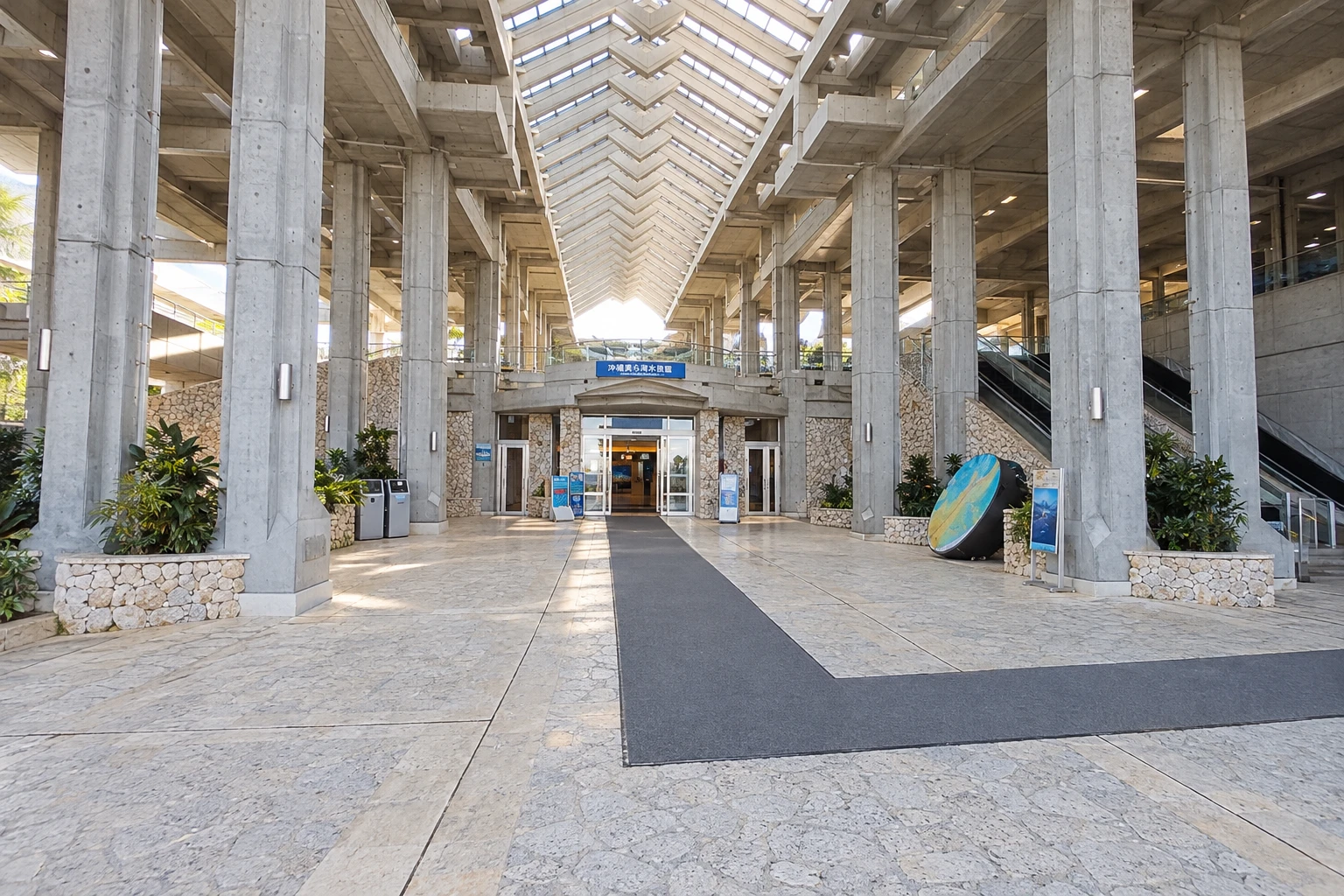
The castle is part of the Sites of the Ryukyu Kingdom inscribed by UNESCO in 2000. At the entrance, a visitor center and a small museum display objects found in excavations, such as Chinese ceramics, evidence of the northern kingdom’s trade with Asia.
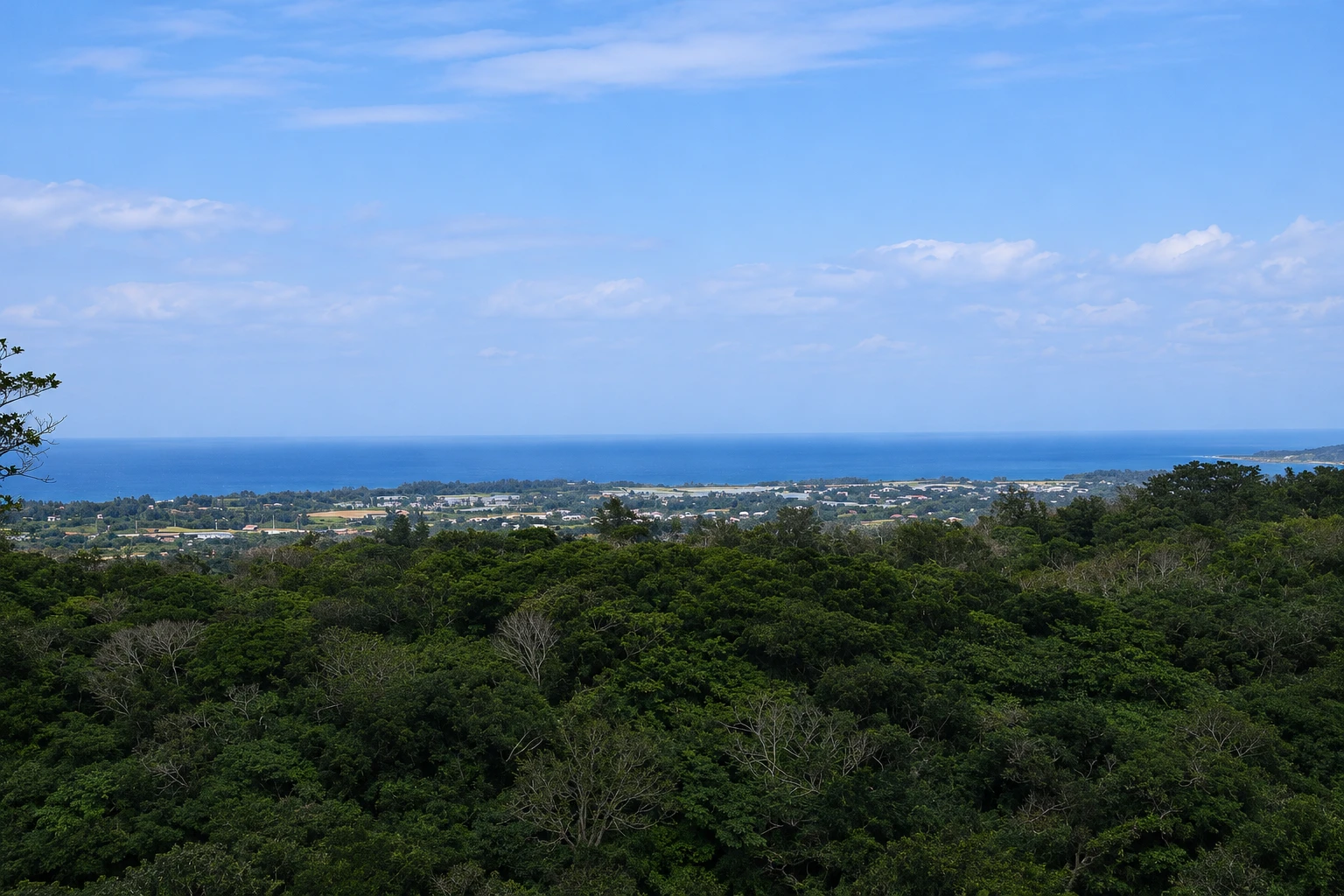
From the top of the walls you can see the East China Sea and Iheya Island. Between January and February, Okinawa cherry trees, with dark-pink flowers, often bloom along the ascent, and the castle is illuminated at night during part of that period.
Before you go
Practical information
Cidade Turismo reviews its information regularly, but something may have changed. Check with the place before planning your trip.
How much time to set aside
From 1 to 1h30.
Best time
In the morning or late afternoon, when it’s cooler; between January and February, when Okinawa cherry trees usually bloom. Check the schedules for nighttime illumination, which only takes place during certain periods.
How to get there
It’s in Nakijin, about 10 km from the Churaumi Aquarium, roughly a 15-minute drive. Local peninsula buses stop about a 15-minute walk away.
Tip
Walk up to the highest point via the main path and descend along the wall side to see them in profile, where the curves show best. Wear sturdy shoes: the stones are uneven.
Official website
Get your questions answered
Frequently asked questions about Nakijin Castle
Is Nakijin Castle a World Heritage Site?
Yes. It is part of the Sites of the Ryukyu Kingdom inscribed by UNESCO in 2000.
What remains of Nakijin Castle?
The limestone walls, about 1.5 km of curved walls, the terraces and sacred sites still used for prayers. The wooden buildings no longer exist.
When do the cherry trees bloom in Nakijin?
Okinawa cherry trees usually bloom between January and February, well before the rest of Japan, along the castle ascent.
Is Nakijin near Churaumi Aquarium?
Yes, about a 15-minute drive, and the two are often visited on the same day.
Beyond the guide


