

 Brazil
 Antarctica
 Argentina
 Bolivia
 Chile
 Colombia
 Ecuador
 Guyana
 French Guiana
 Falkland Islands (Malvinas)
 Paraguay
 Peru
 Suriname
 Uruguay
 Venezuela
 Germany
 Austria
 Belgium
 Croatia
 Denmark
 Slovakia
 Slovenia
 Spain
 Finland
 France
 Greece
 the Netherlands
 Hungary
 Ireland
 Iceland
 Italy
 Luxembourg
 Norway
 Poland
 Portugal
 the United Kingdom
 the Czech Republic
 Sweden
 Switzerland
 Turkey
 Bermuda
 Canada
 the United States
 Greenland
 Mexico
 Saint Pierre and Miquelon
 the Dominican Republic
 South Africa
 Egypt
 Australia
 Fiji
 New Zealand
 Papua New Guinea
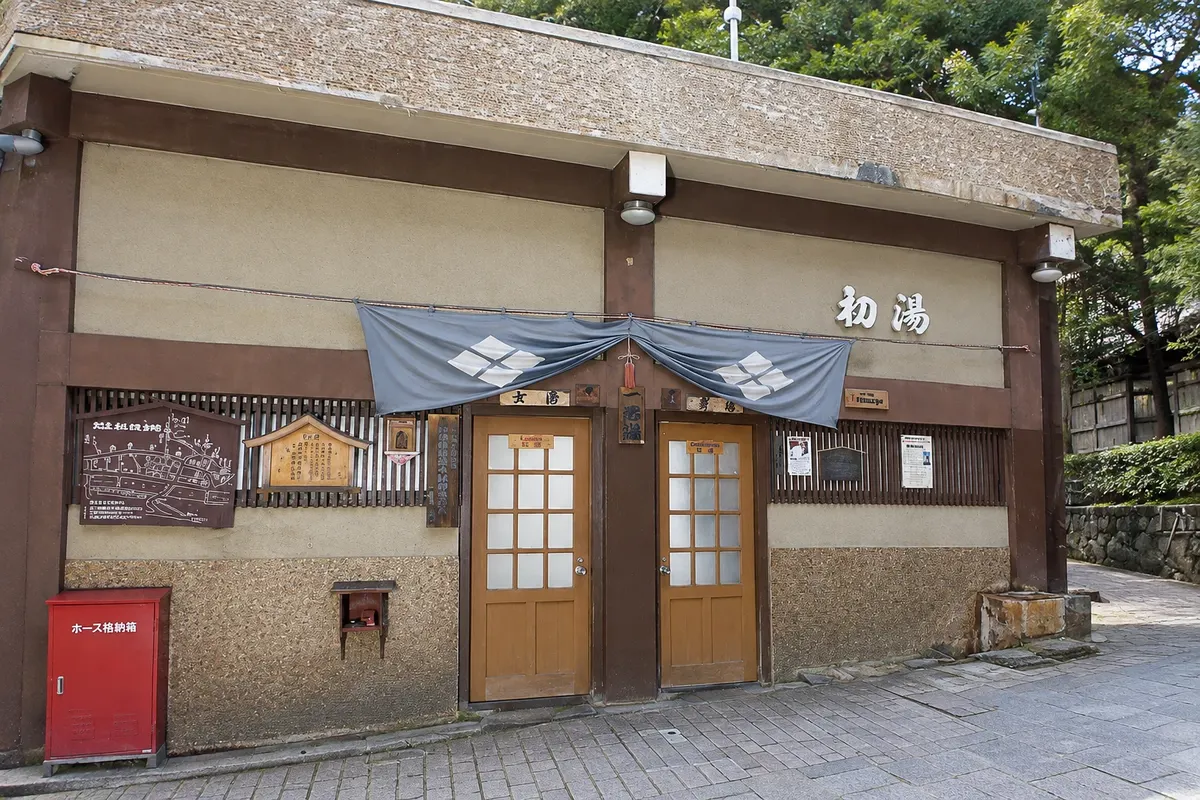
Hot-spring village · Yamanouchi, Nagano
Shibu Onsen
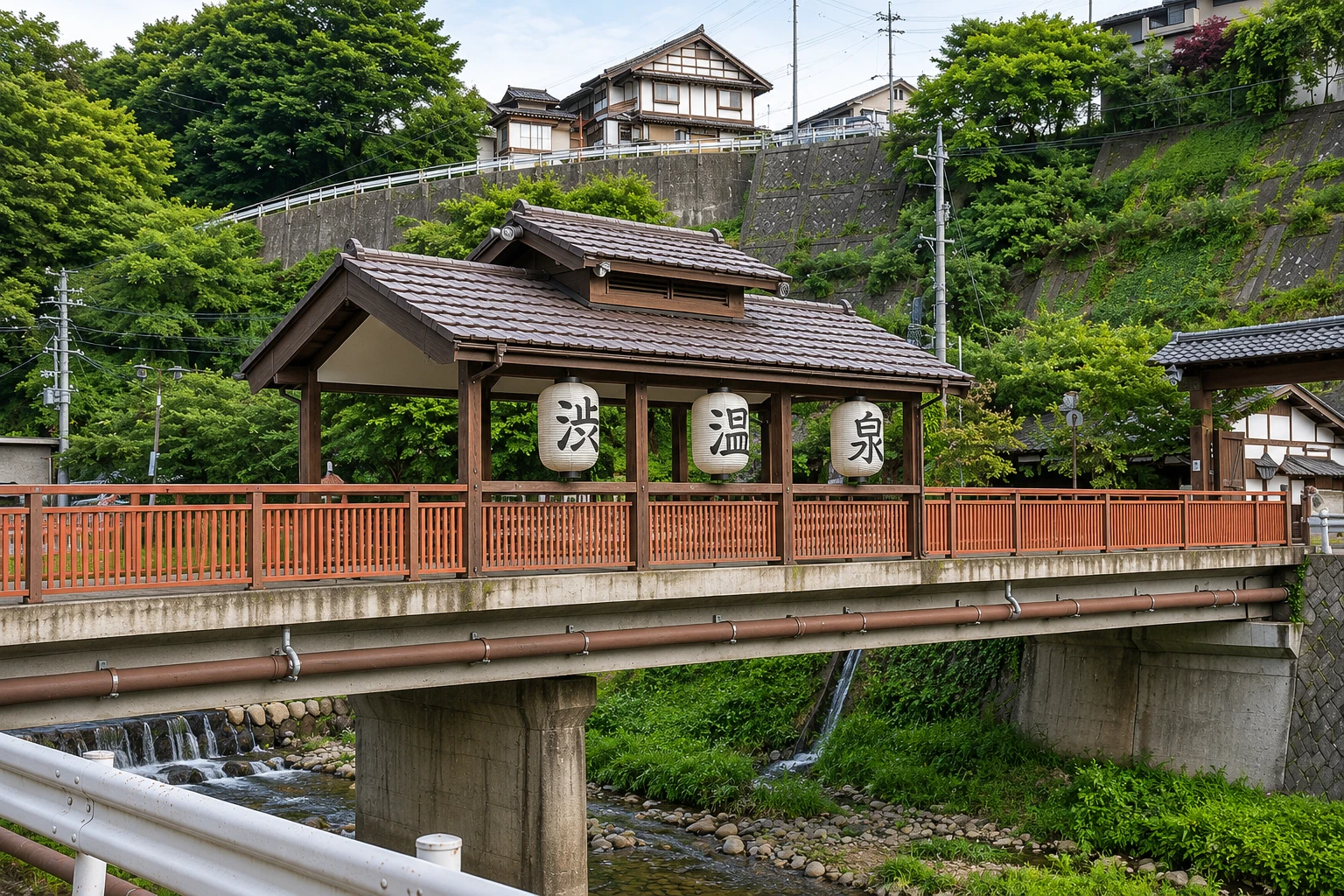
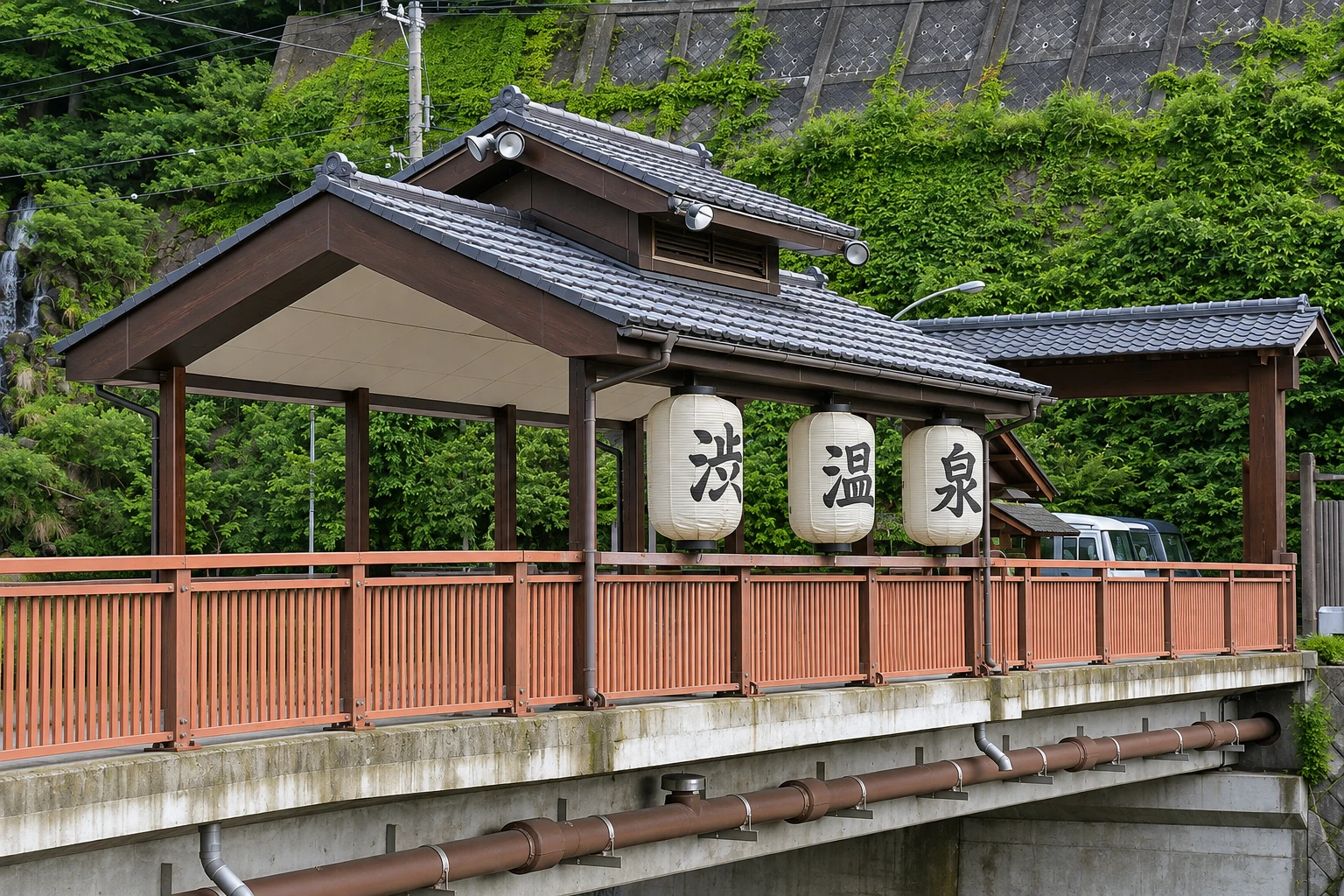
A hot-spring village of more than 1,300 years in the Yokoyu River valley, with a narrow stone-paved street, multi-storey wooden inns and nine public baths, visited wearing a yukata.
Illustrative images. The pictures in this guide are illustrations based on the real place, not photographs, and may differ from it.

A look at the place
Shibu Onsen in pictures
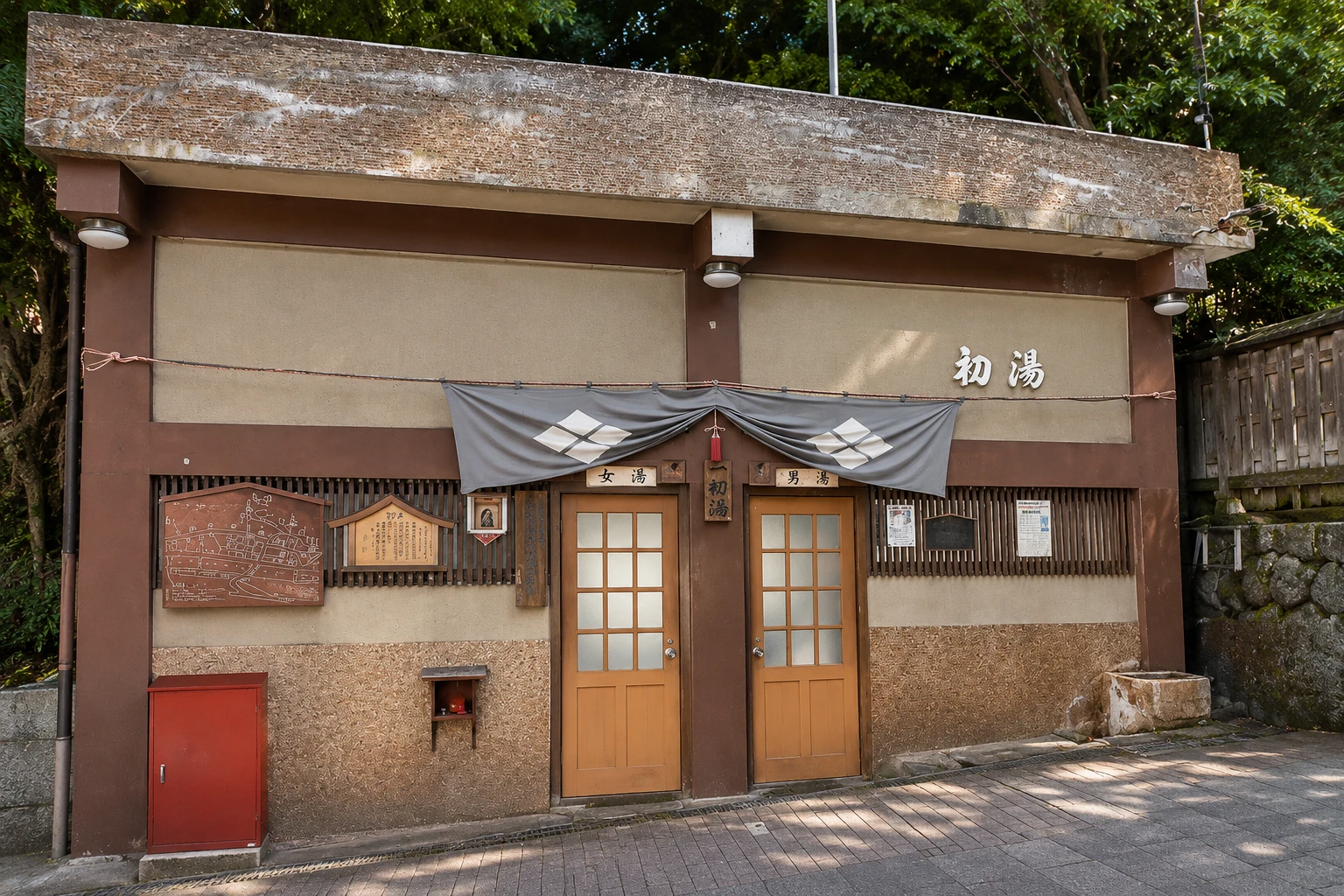
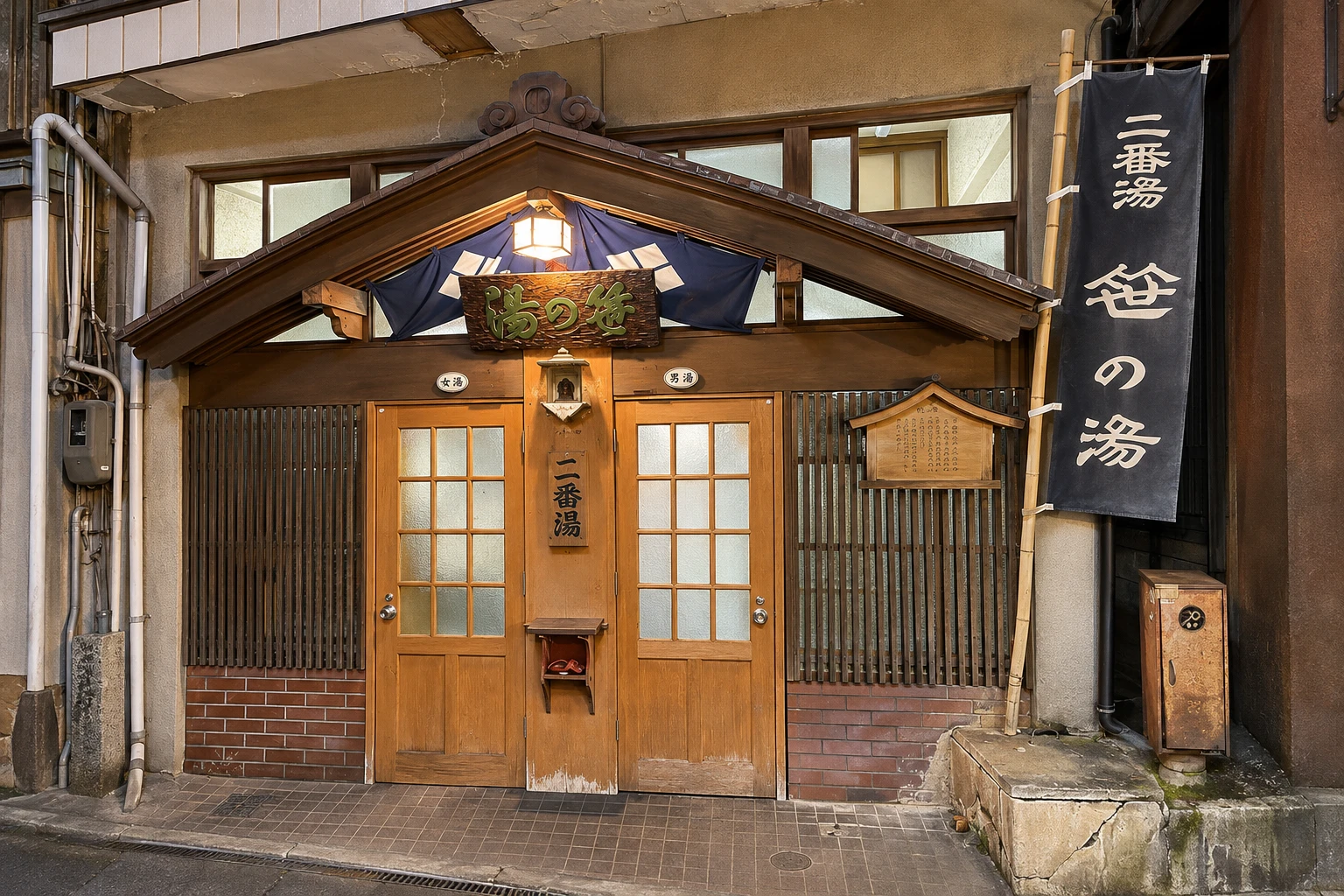
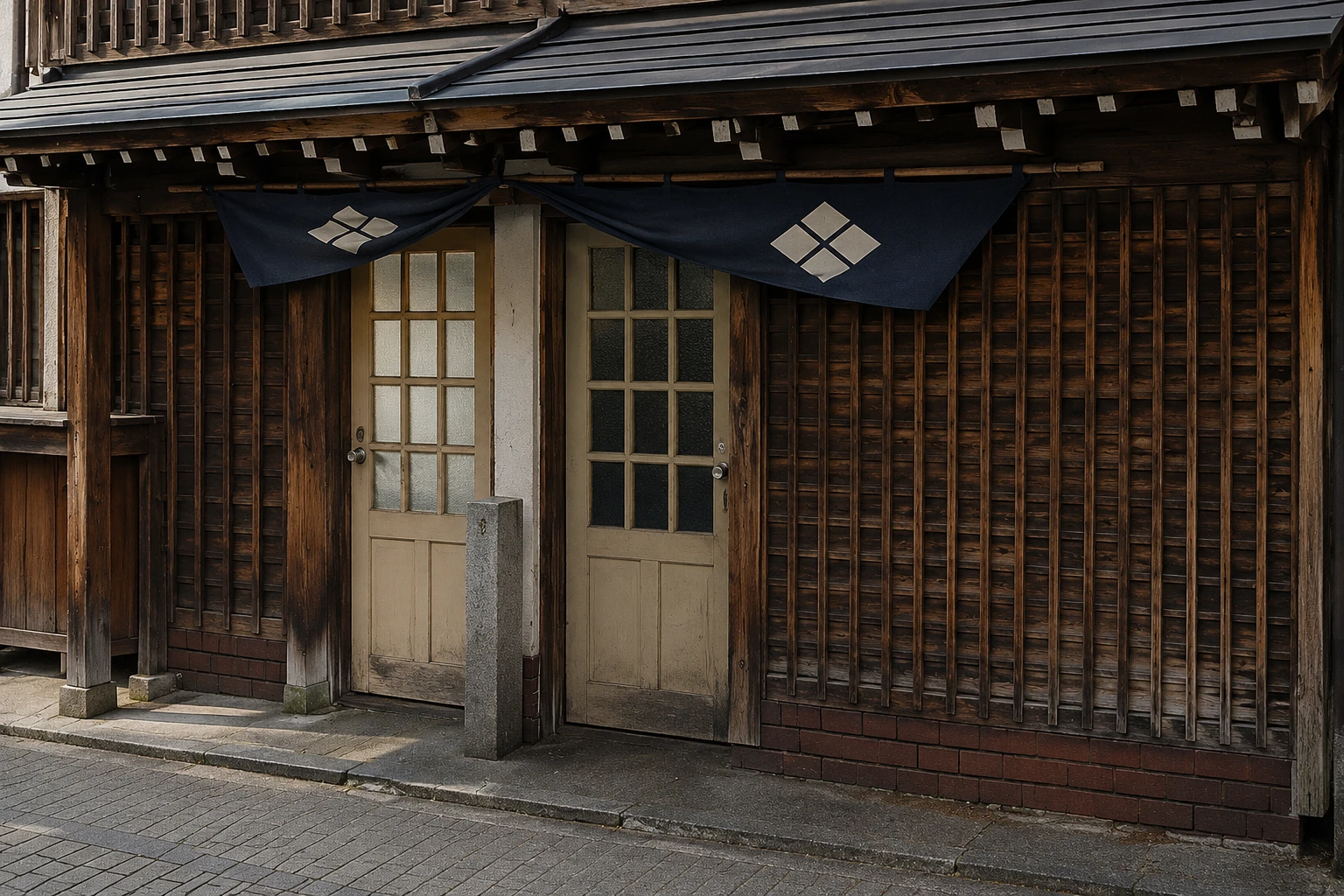
These pictures are illustrations based on the real place, not photographs. They may differ from the place.
Click the picture to enlarge it.
Discover
About Shibu Onsen
Shibu Onsen is one of the oldest hot-spring villages in Nagano Prefecture, with a tradition dating back to the 8th century. It sits on the slope of the Yokoyu River valley, just above Yudanaka, and is organized along a narrow, winding street paved with stone, where three- and four-story wooden inns face each other.
The village is known for its nine public baths, the soto-yu, each supplied by its own source and traditionally attributed a specific property. Guests staying in Shibu receive a key to open them and a towel to stamp at each bath; completing all nine is seen as a sign of good luck. The last one, at the top of the village, is next to the Shibu Takayakushi temple. The baths are small and hot, with Japanese etiquette rules: wash before entering, no swimwear.
At night, guests stroll the street in yukata and wooden clogs, among lanterns and small shops with old-style games. Some wooden inns, with interior corridors and staircases, preserve the structure from the early 20th century.
Shibu is about a 15-minute bus ride from Jigokudani Park and can be combined with a visit to the monkeys on the same day. In winter, the village also receives skiers from Shiga Kogen.
Before you go
Practical information
Cidade Turismo reviews its information regularly, but something may have changed. Check with the place before planning your trip.
How much time to set aside
1 to 2 hours of walking; one night for the baths.
Best time
At night, when guests go from bath to bath in yukata and the street is lit. Winter, with snow on the roofs, is the most popular season.
How to get there
About 1 km from Yudanaka Station: roughly 15 to 20 minutes on foot, or a few minutes by bus or taxi. Many inns pick up guests at the station.
Tip
Stay at an inn in the village to get the key to the nine baths. Follow the etiquette: wash before entering and do not take the towel into the water.
Official website
Get your questions answered
Frequently asked questions about Shibu Onsen
Can visitors who aren’t staying overnight use the baths of Shibu Onsen?
Most of the nine baths are reserved for village guests. One of them usually accepts outside visitors at limited hours and for a fee; check locally.
What is the nine-bath towel?
A towel sold in the village to be stamped at each of the nine baths. Completing the circuit is a tradition linked to good luck.
Is Shibu Onsen near Jigokudani?
Yes, about 15 minutes by bus or taxi from the trailhead to the monkeys.
Can you enter the baths with a tattoo?
Rules vary by establishment; many Japanese baths restrict tattoos. Ask at your inn beforehand.
Beyond the guide


