

 Brazil
 Antarctica
 Argentina
 Bolivia
 Chile
 Colombia
 Ecuador
 Guyana
 French Guiana
 Falkland Islands (Malvinas)
 Paraguay
 Peru
 Suriname
 Uruguay
 Venezuela
 Germany
 Austria
 Belgium
 Croatia
 Denmark
 Slovakia
 Slovenia
 Spain
 Finland
 France
 Greece
 the Netherlands
 Hungary
 Ireland
 Iceland
 Italy
 Luxembourg
 Norway
 Poland
 Portugal
 the United Kingdom
 the Czech Republic
 Sweden
 Switzerland
 Turkey
 Bermuda
 Canada
 the United States
 Greenland
 Mexico
 Saint Pierre and Miquelon
 the Dominican Republic
 South Africa
 Egypt
 Australia
 Fiji
 New Zealand
 Papua New Guinea
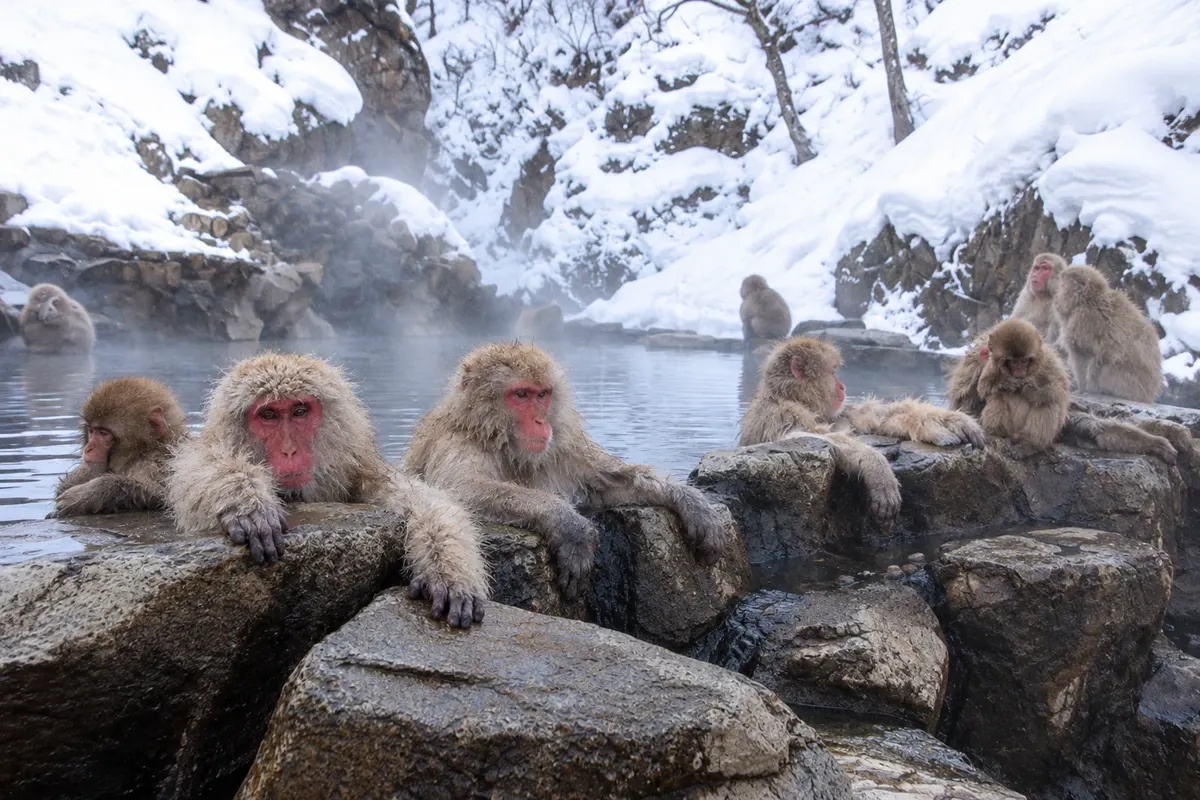
Nature reserve · Yamanouchi, Nagano
Jigokudani Monkey Park
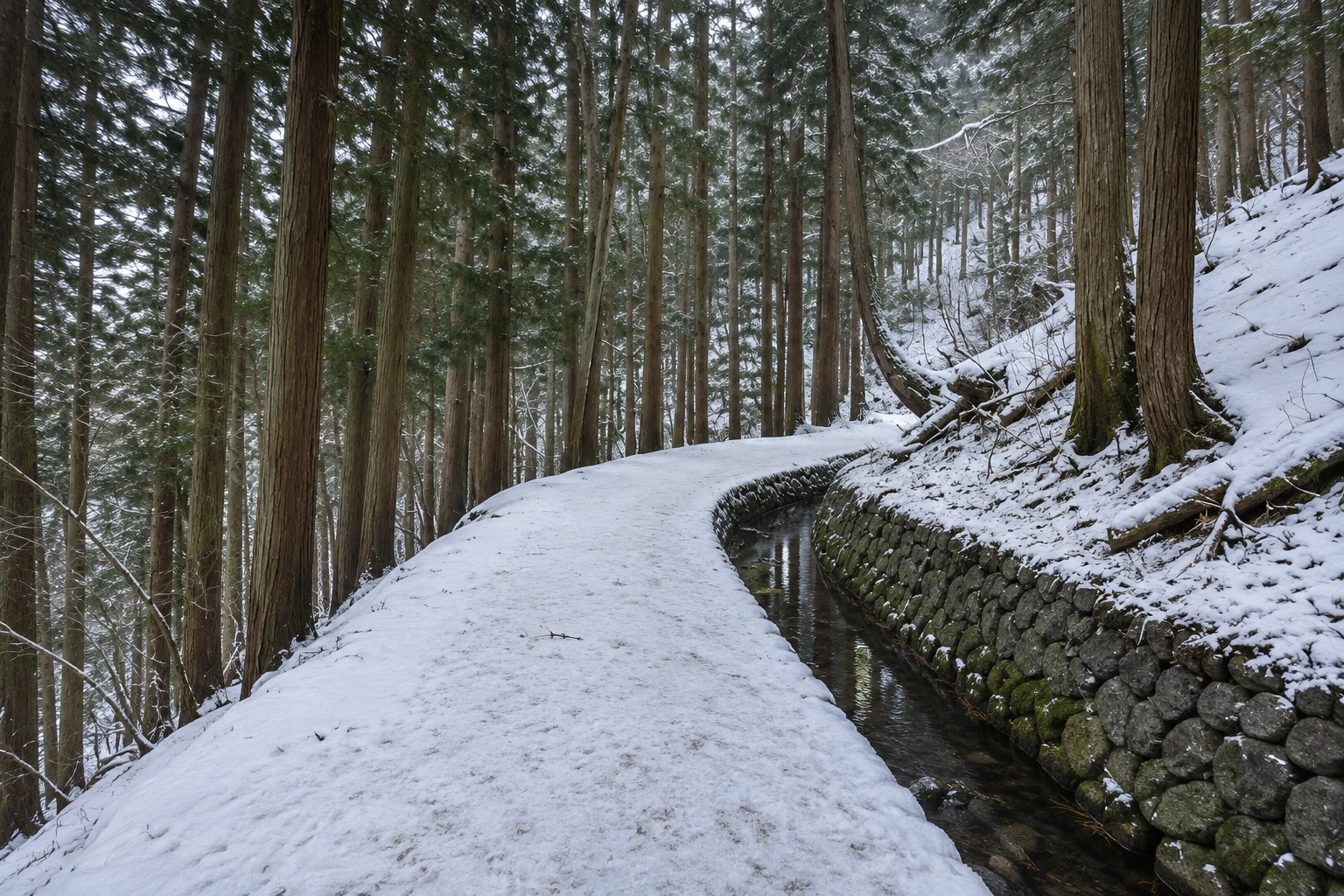
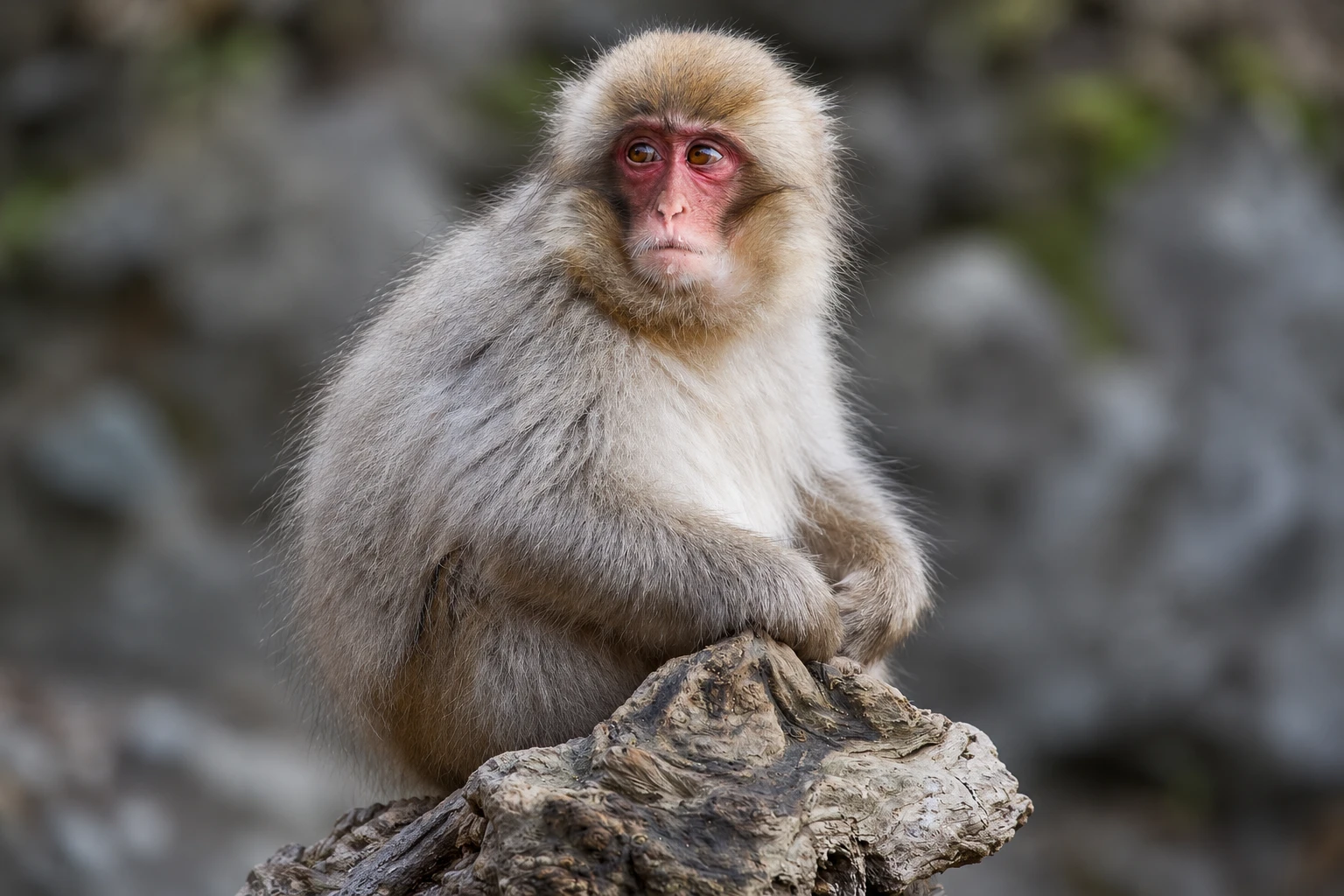
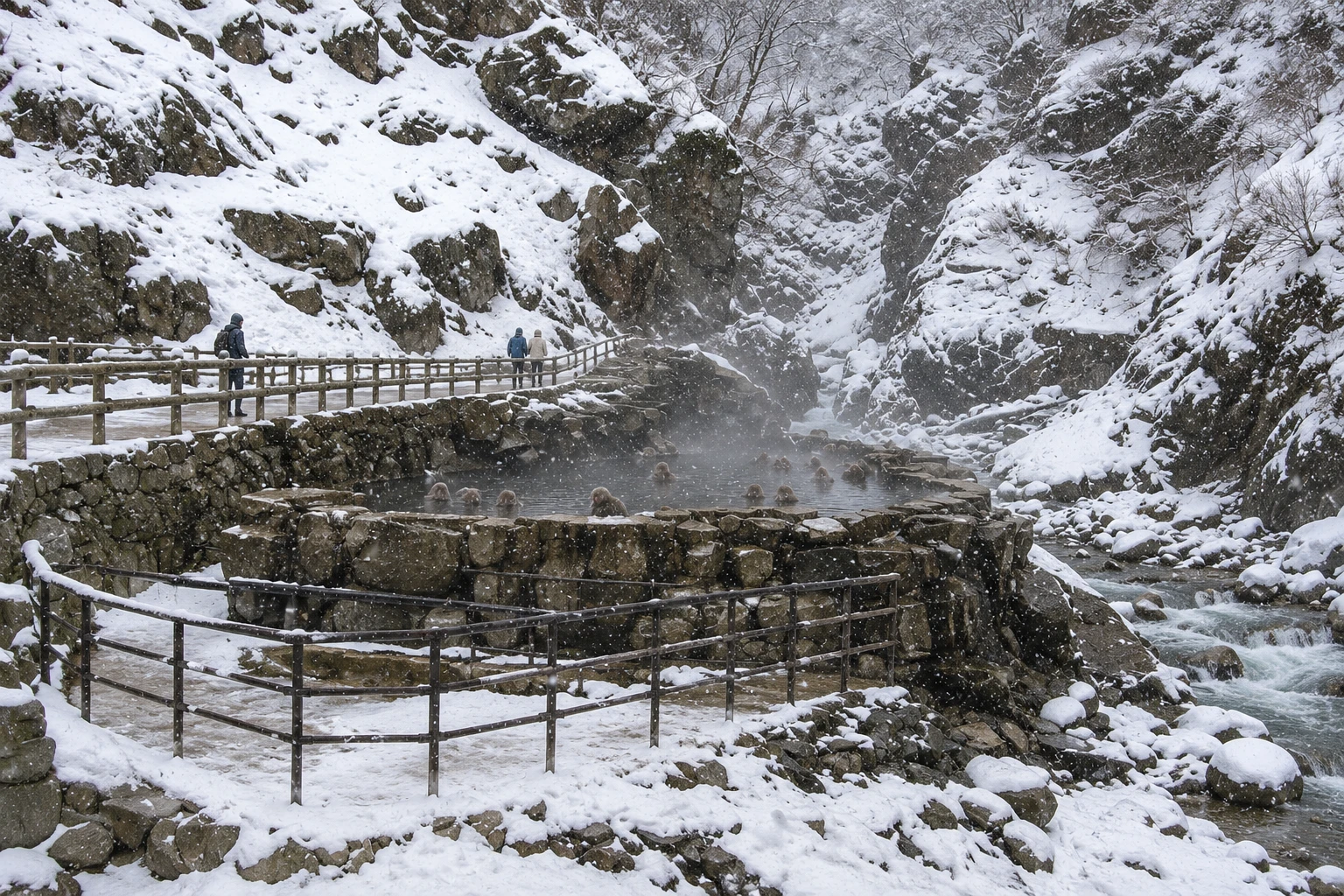
Park in the Yokoyu River valley, at about 850 meters altitude, where wild Japanese macaques come down from the forest and often bathe in a hot spring, especially in winter. It is reached by a trail of about 1.6 km.
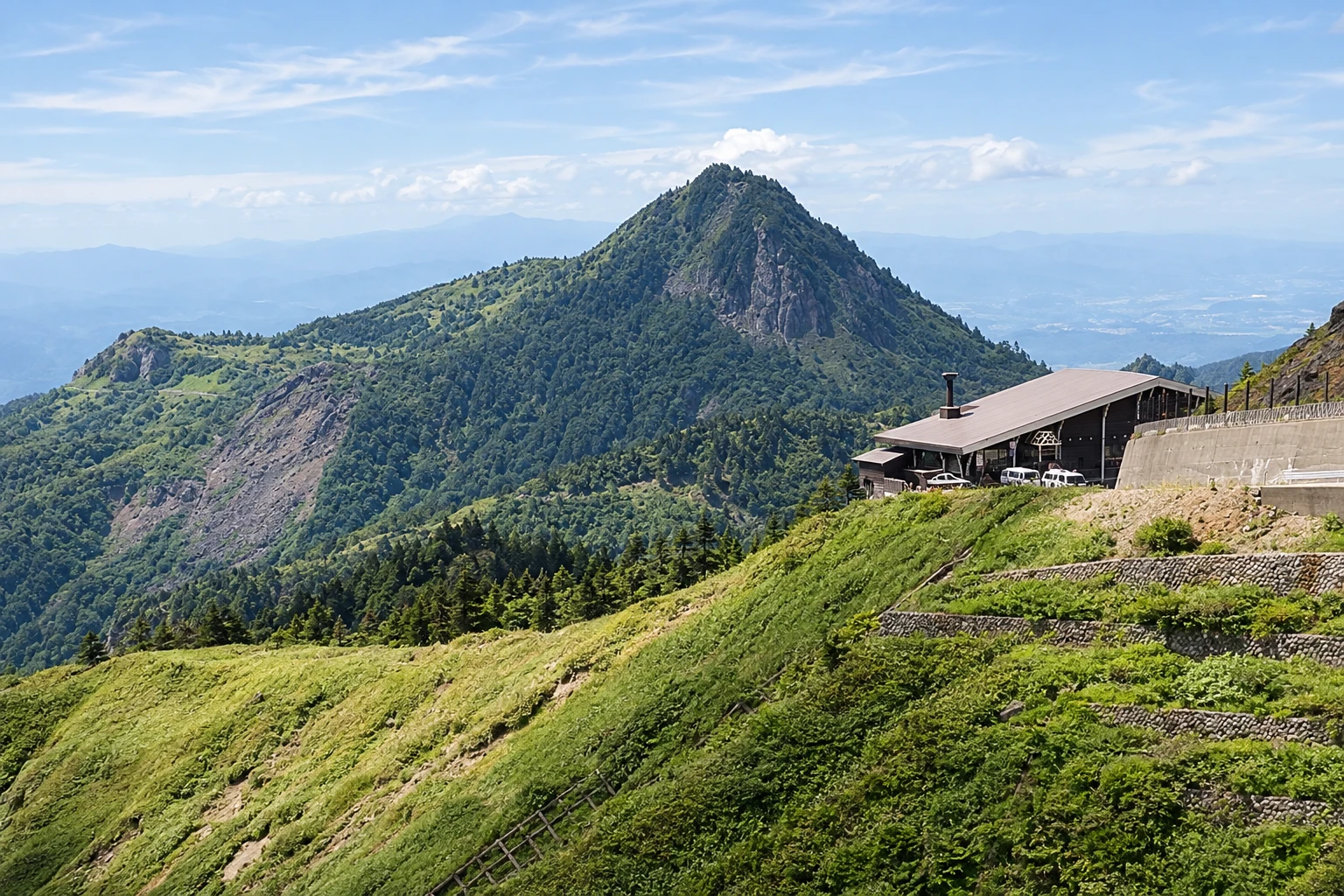
Illustrative images. The pictures in this guide are illustrations based on the real place, not photographs, and may differ from it.

A look at the place
Jigokudani Monkey Park in pictures
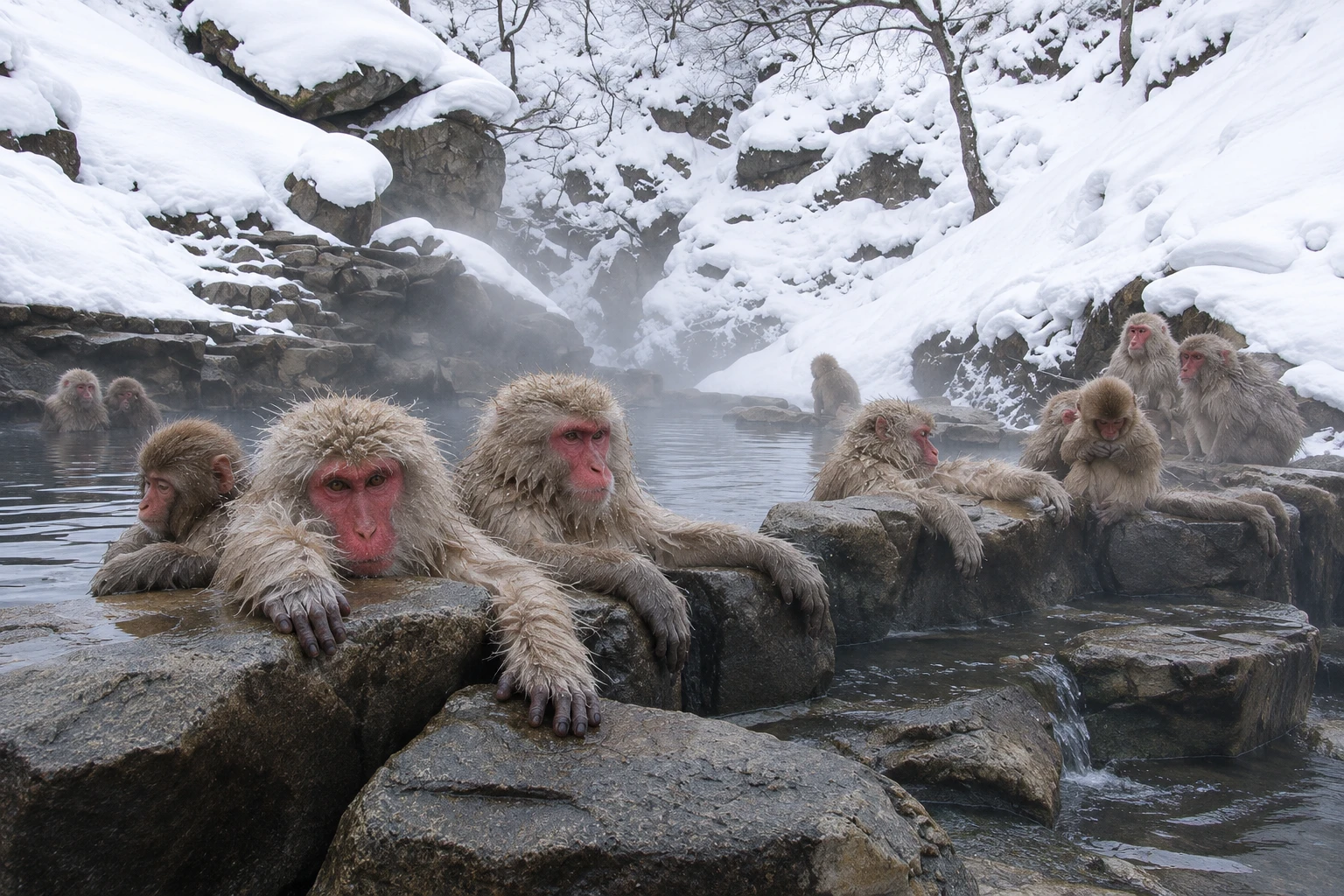
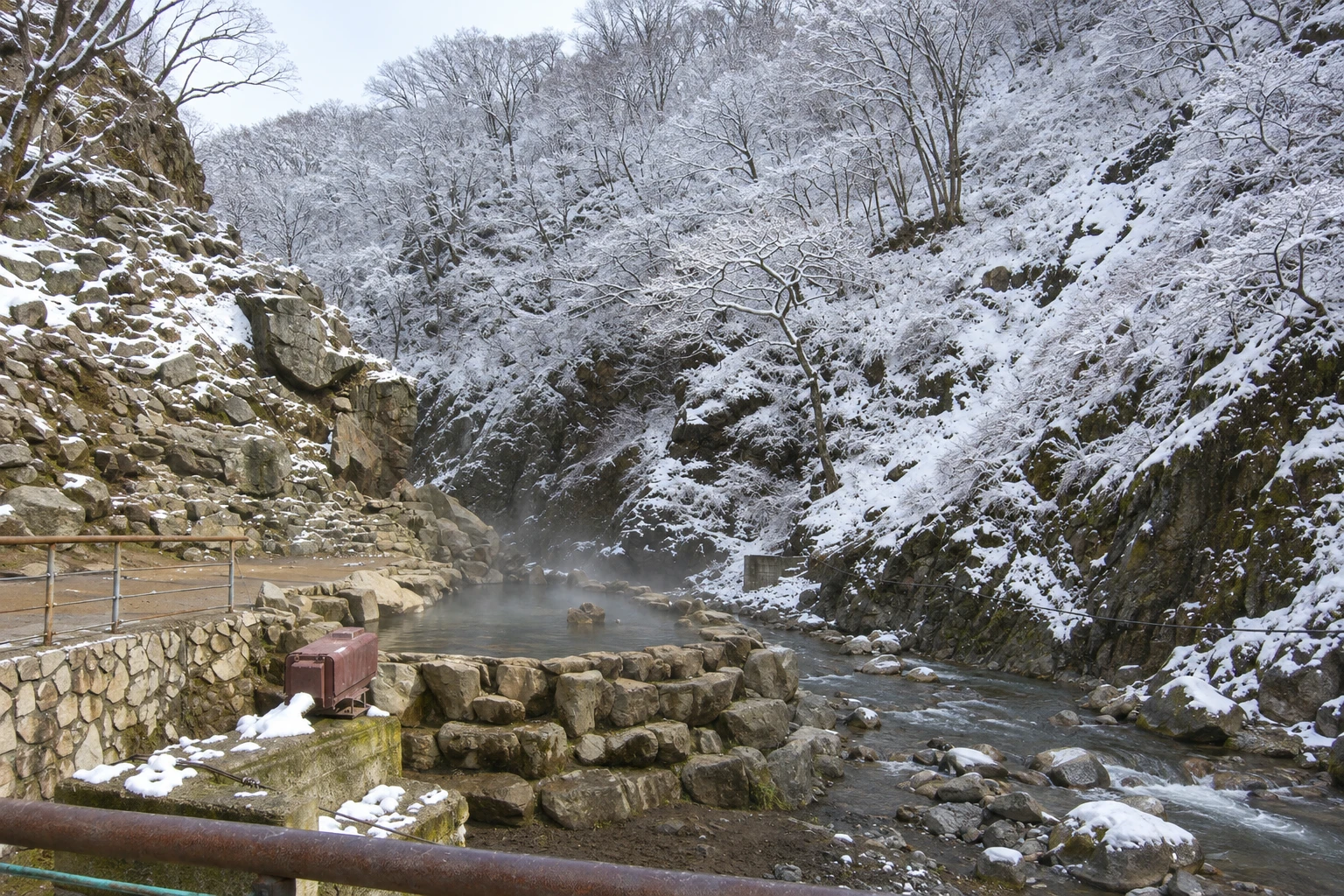
These pictures are illustrations based on the real place, not photographs. They may differ from the place.
Click the picture to enlarge it.
Discover
About Jigokudani Monkey Park
Jigokudani, the “valley of hell”, got its name from the steam and hot springs that emerge from the steep slopes of the Yokoyu River valley in Yamanouchi. The park opened in 1964 to observe a troop of Japanese macaques, the primate species that lives the farthest north in the world besides humans. Soon after, the macaques began entering a hot spring to warm themselves in winter, a behavior that attracted photographers and scientists from several countries.
The animals are wild and live in the surrounding forest. Park staff give a small amount of food to encourage them to come down into the viewing area, and the hot spring is a few meters from the path. In winter, with the valley covered in snow, they tend to spend more time in the water; during the rest of the year they enter less often but play, groom each other and care for the infants, which are born in spring.
Access is on foot. From the Kanbayashi Onsen road, a trail of about 1.6 km goes through a cedar forest, almost flat, to the valley, and the final section descends by steps to the entrance. In winter, the trail can have snow and ice. The park is open year-round, with shorter hours in winter.
The rules require distance: do not touch the monkeys, do not stare them in the eyes, do not show food, and do not use selfie sticks near them. The monkeys do not appear every day, and the park reports conditions on its website.
Before you go
Practical information
Cidade Turismo reviews its information regularly, but something may have changed. Check with the place before planning your trip.
How much time to set aside
About 2 to 3 hours, including the round-trip walk.
Best time
December to March, on cold days, when the monkeys tend to stay longer in the spring. Early morning has fewer people. In spring the infants appear. The presence of monkeys is not guaranteed: check the day’s conditions.
How to get there
From Yudanaka, a local bus to Kanbayashi Onsen or to the park stop, and a walk of about 30 to 40 minutes along the forest trail. Express buses from Nagano Station stop in the area in about 45 minutes.
Tip
Wear sturdy footwear and, in winter, chains or non-slip soles. Keep food stored in your backpack and maintain distance from the monkeys. Check the day’s conditions on the website before you go. In winter, the park often gives entry priority to those who buy tickets online.
Official website
Get your questions answered
Frequently asked questions about Jigokudani Monkey Park
Are the Jigokudani monkeys wild?
Yes. They live in the surrounding forest and come down to the park area, where staff provide a small amount of food. You must not touch or feed them.
When do the monkeys go into the water at Jigokudani?
They tend to spend more time in the hot spring in the cold months, from December to March. During the rest of the year they enter less often, and some days they may not appear.
Is the trail to Jigokudani difficult?
It’s almost flat, about 1.6 km through the forest with steps at the end, taking 30 to 40 minutes. In winter there may be snow and ice.
Is there an entrance fee for Jigokudani Park?
Yes, there is an admission fee at the park entrance; check the current rates.
Beyond the guide


