

 Brazil
 Antarctica
 Argentina
 Bolivia
 Chile
 Colombia
 Ecuador
 Guyana
 French Guiana
 Falkland Islands (Malvinas)
 Paraguay
 Peru
 Suriname
 Uruguay
 Venezuela
 Germany
 Austria
 Belgium
 Croatia
 Denmark
 Slovakia
 Slovenia
 Spain
 Finland
 France
 Greece
 the Netherlands
 Hungary
 Ireland
 Iceland
 Italy
 Luxembourg
 Norway
 Poland
 Portugal
 the United Kingdom
 the Czech Republic
 Sweden
 Switzerland
 Turkey
 Bermuda
 Canada
 the United States
 Greenland
 Mexico
 Saint Pierre and Miquelon
 the Dominican Republic
 South Africa
 Egypt
 Australia
 Fiji
 New Zealand
 Papua New Guinea
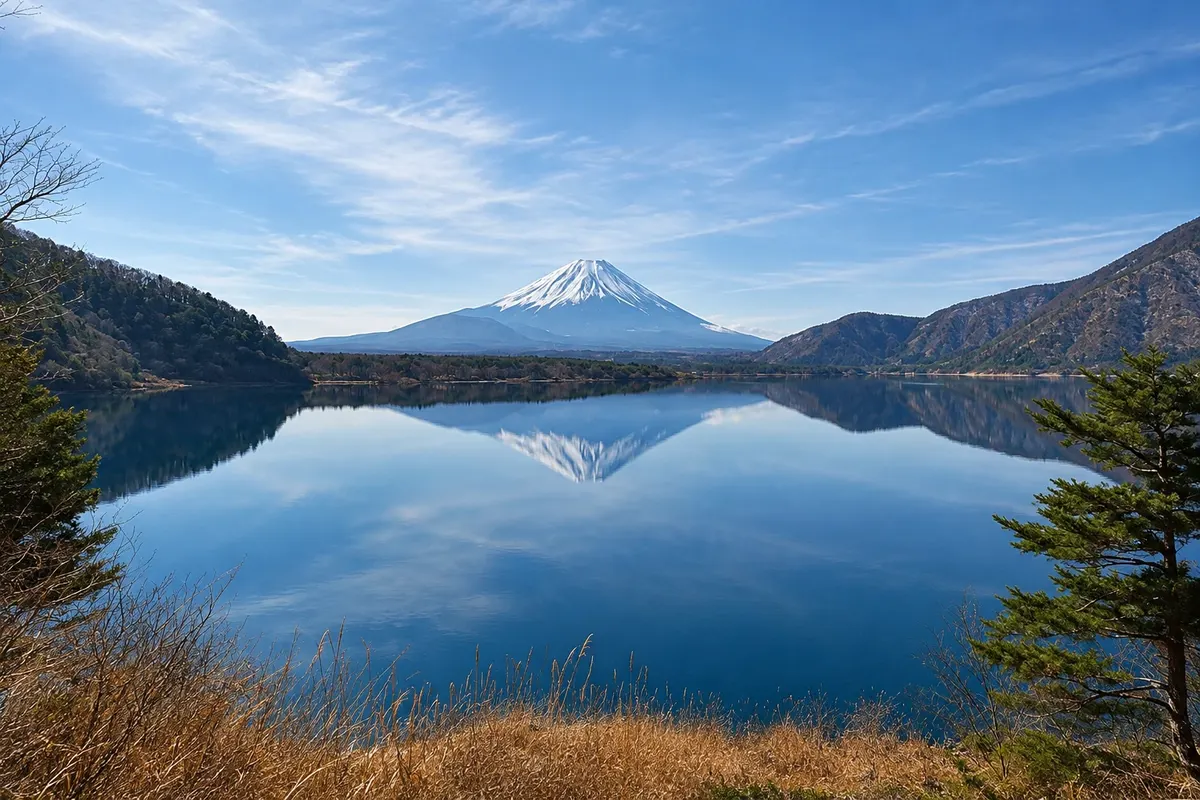
Lake · Fujikawaguchiko, Yamanashi
Lakes Sai, Shoji and Motosu
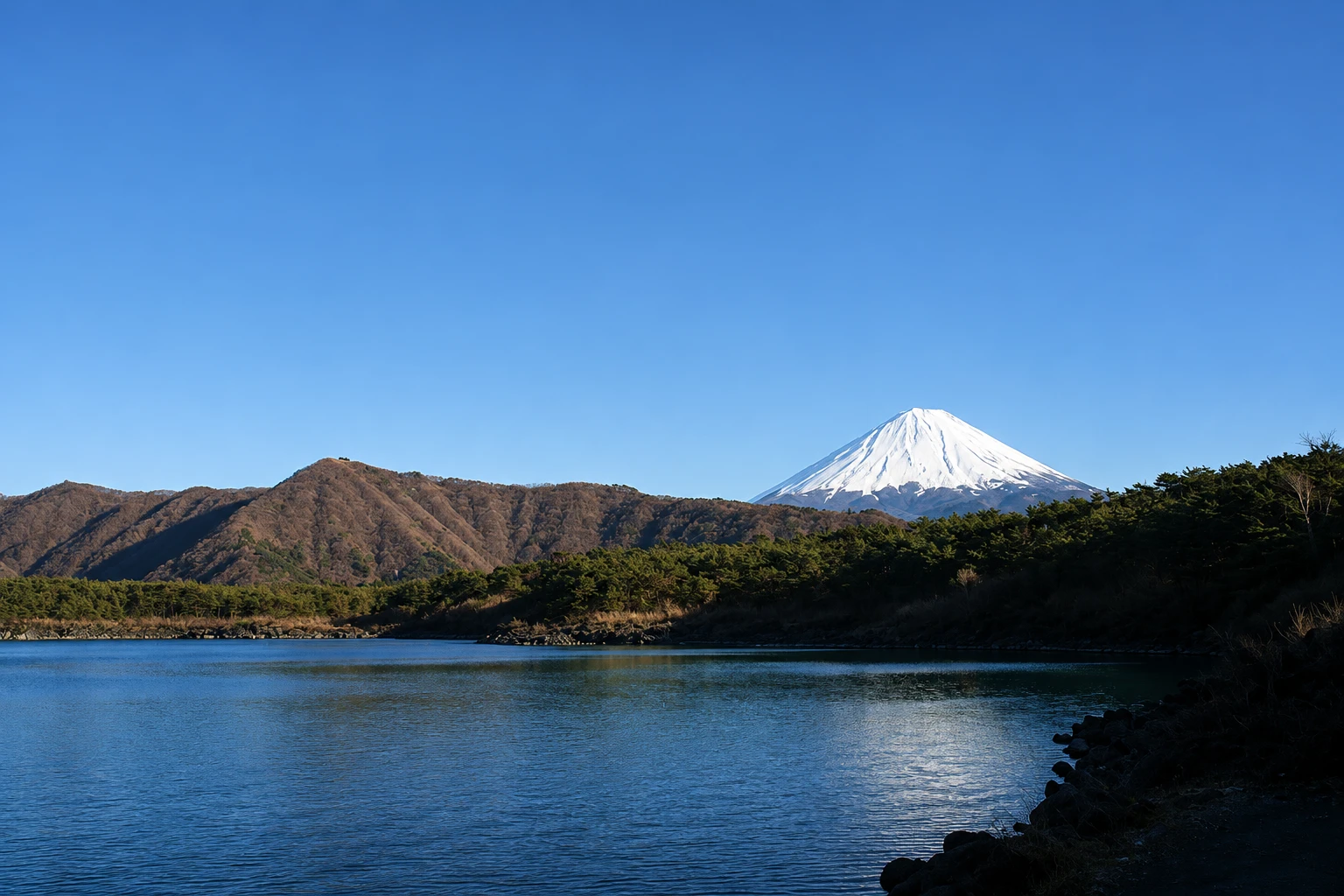
The three lakes west of Lake Kawaguchi, quieter, with Fuji views, the Aokigahara forest over the lava and lava caves of ice and wind.
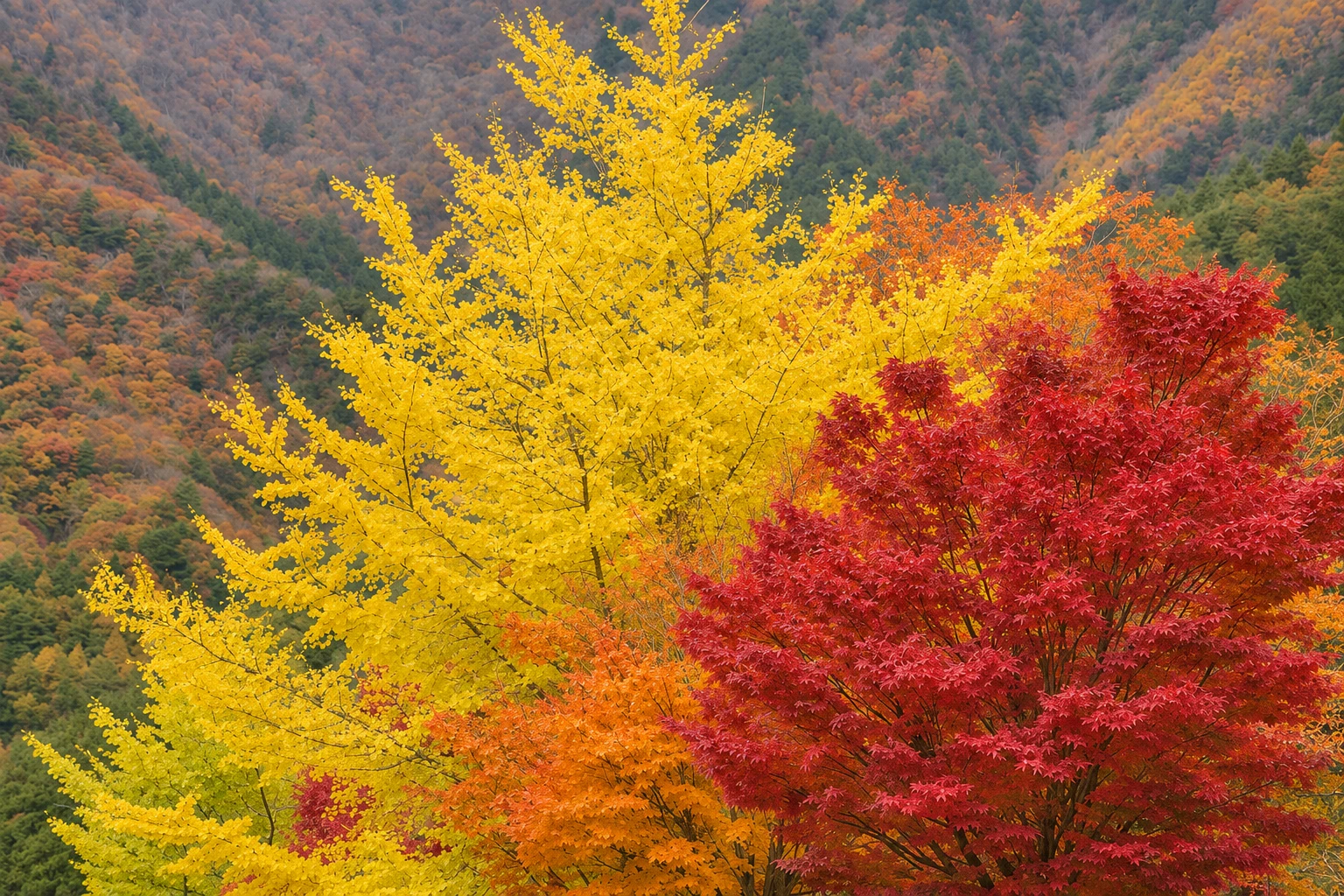
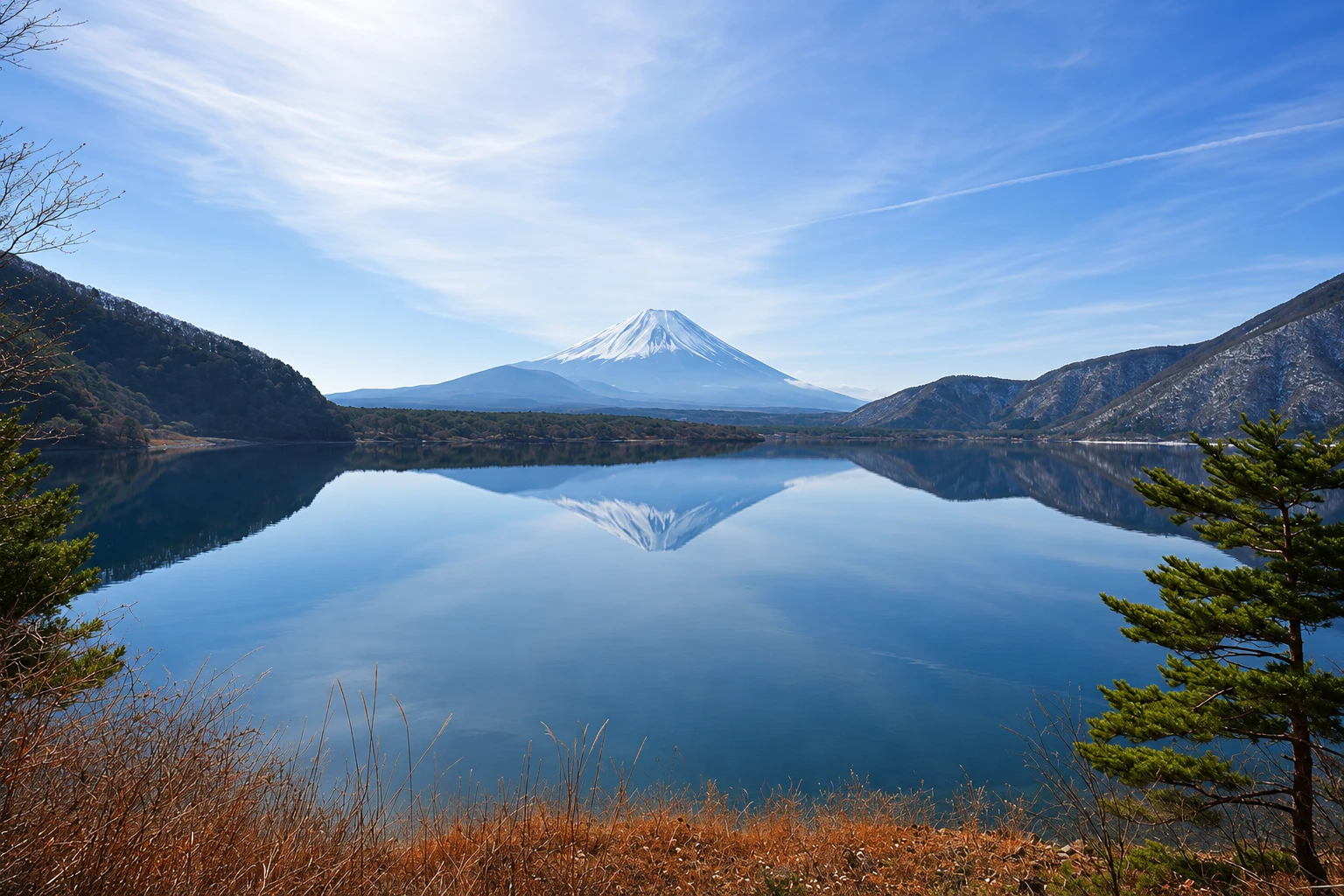
Illustrative images. The pictures in this guide are illustrations based on the real place, not photographs, and may differ from it.

A look at the place
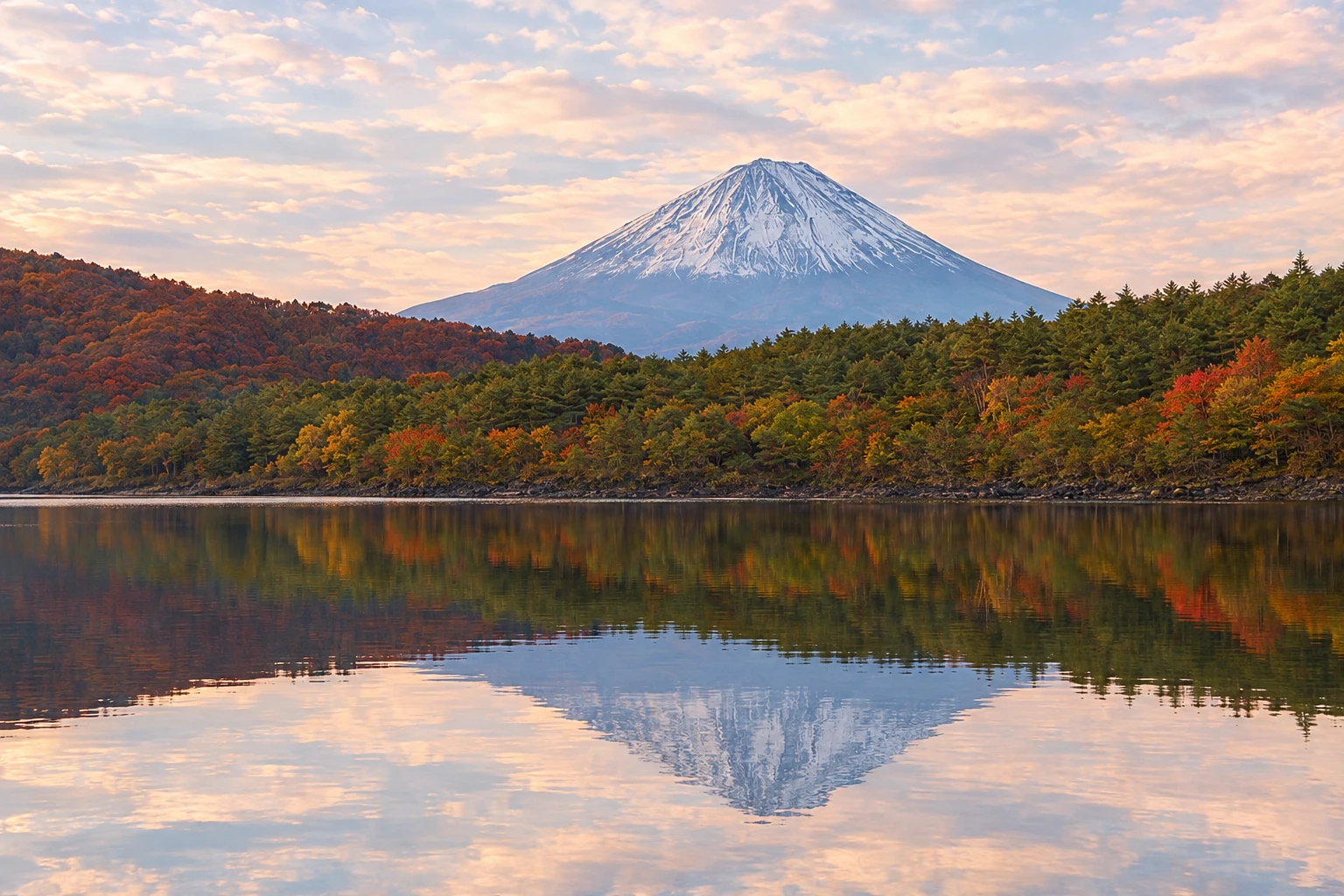
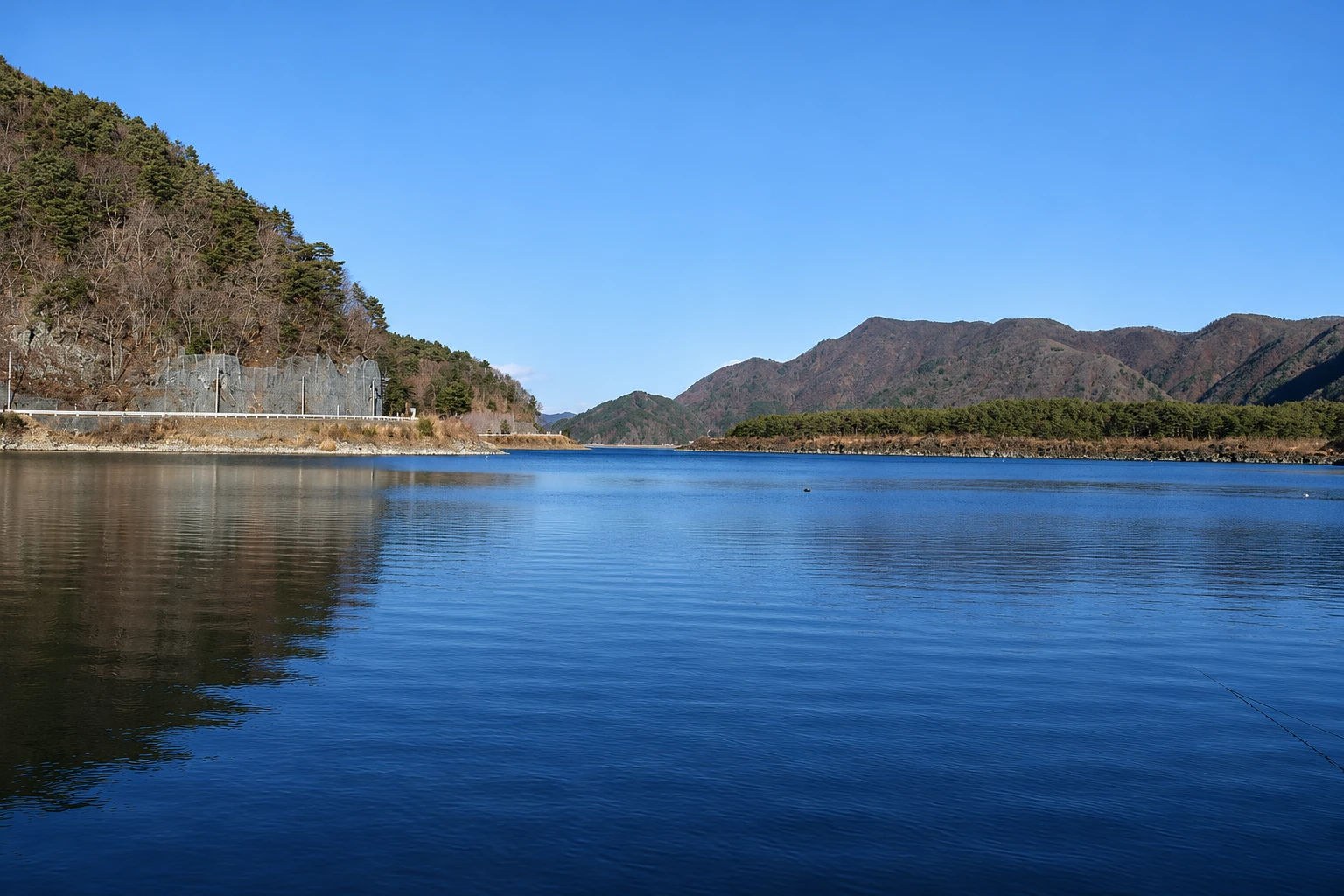
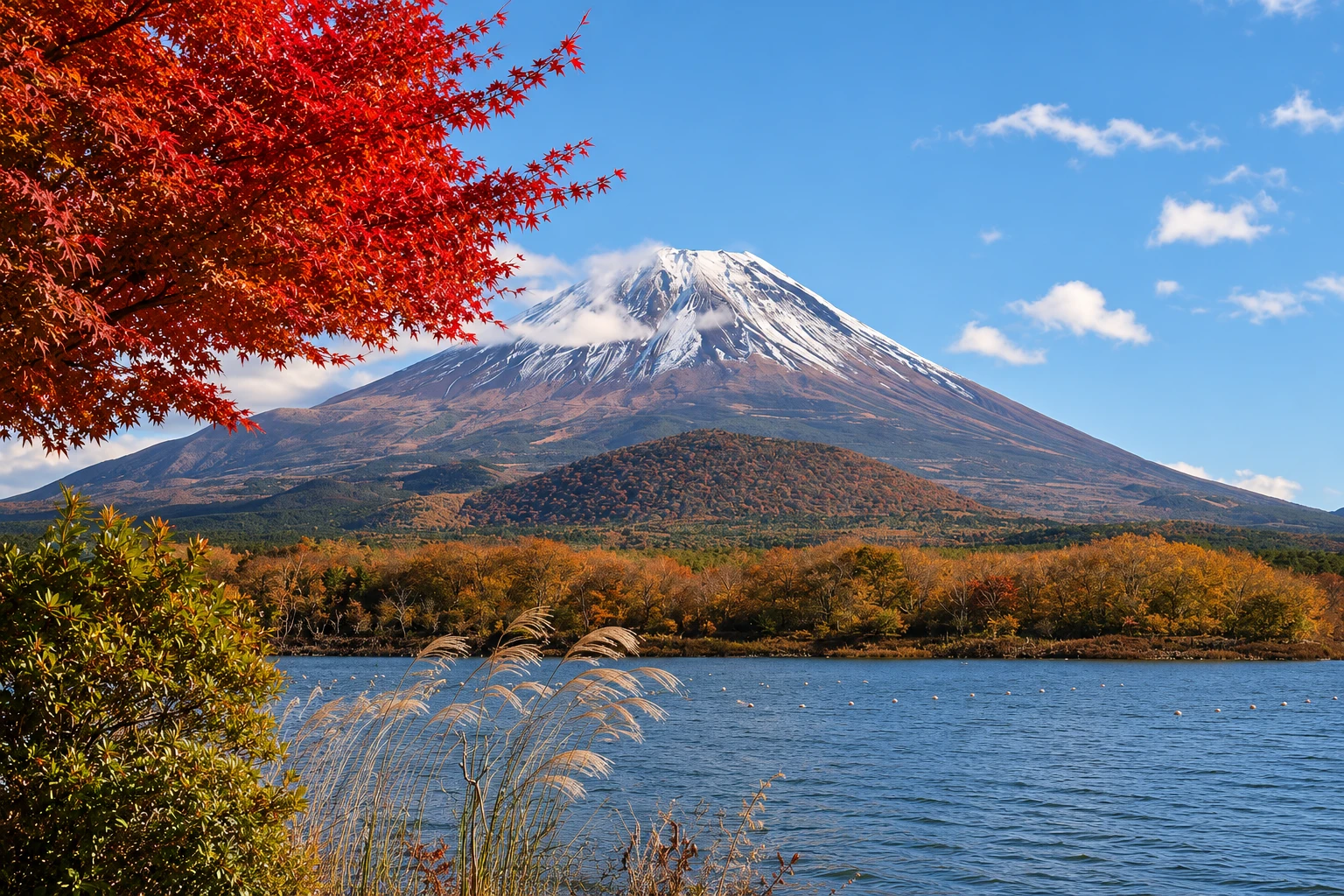
Lakes Sai, Shoji and Motosu in pictures
These pictures are illustrations based on the real place, not photographs. They may differ from the place.
Click the picture to enlarge it.
Discover
About Lakes Sai, Shoji and Motosu
To the west of Lake Kawaguchi are three of the Fuji Five Lakes: Sai (Saiko), Shoji (Shojiko) and Motosu (Motosuko). Sai and Shoji used to be a single lake, split by lava from a large 9th-century eruption, and the three are connected underground: their water levels rise and fall together. They are less developed than Kawaguchi, with campgrounds, small inns and forested shores.
Lake Sai is the closest, with calm waters used for kayaking and fishing. Between it and Mount Fuji lies the Aokigahara forest, which grew over lava and has a rocky ground covered in moss. At the forest’s edge, two lava caves can be visited from the inside: Fugaku Wind Cave and Narusawa Ice Cave, where ice remains all year.
Lake Shoji is the smallest of the five, surrounded by mountains, with a view of Fuji that appears behind a smaller hill, Omuro, which earned it the nickname “Fuji with the child on its lap.” Lake Motosu, the deepest and clearest of the group, has the Nakanoshima viewpoint on its northern shore, offering a view of the cone over the water, and nearby there is a pink moss flower festival, generally from April to May.
The three lakes are linked by the road that circles Fuji to the north and by sightseeing buses that depart from Kawaguchiko Station. The landscape is quieter and more rural than Kawaguchi’s, and the area is popular for camping, paddling and hiking.
Before you go
Practical information
Cidade Turismo reviews its information regularly, but something may have changed. Check with the place before planning your trip.
How much time to set aside
Half a day to see the three lakes and one of the caves; a full day if you plan to hike.
Best time
Early morning, when Fuji is often visible, especially in autumn and winter. The pink moss festival near Lake Motosu typically runs from mid-April to May. In winter, the shores can have ice.
How to get there
The green sightseeing buses, the Saiko Sightseeing Bus, depart from Kawaguchiko Station and reach Lake Sai in about 30–40 minutes; services to Shoji and Motosu are less frequent. By car, Lake Motosu is about 25 km from the station.
Tip
Visit Fugaku Wind Cave and the Ice Cave in the same outing: they are about a 15-minute walk from each other. Bring warm clothing, because interior temperatures stay near zero even in summer.
Get your questions answered
Frequently asked questions about Lakes Sai, Shoji and Motosu
Which of the Five Lakes has the most famous view of Fuji?
Lake Kawaguchi is the most visited. Lake Motosu, with the Nakanoshima viewpoint, has one of the most classic views of the cone over the water.
What are the lava caves near Lake Sai?
They are lava tubes formed by an eruption in the 9th century: the Fugaku Wind Cave and the Narusawa Ice Cave, where ice remains year-round. Both are open to visitors.
How do you get to lakes Sai, Shoji and Motosu?
By sightseeing bus from Kawaguchiko Station, or by car via the road that runs around Fuji on the north side.
When is the pink moss (shibazakura) festival at Fuji?
Generally from mid-April to May, near Lake Motosu. Check the dates for the current year.
Are lakes Sai, Shoji and Motosu quieter than Kawaguchi?
Yes. They have fewer accommodations and more forest and camping areas, and receive fewer visitors.
Beyond the guide


