

 Brazil
 Antarctica
 Argentina
 Bolivia
 Chile
 Colombia
 Ecuador
 Guyana
 French Guiana
 Falkland Islands (Malvinas)
 Paraguay
 Peru
 Suriname
 Uruguay
 Venezuela
 Germany
 Austria
 Belgium
 Croatia
 Denmark
 Slovakia
 Slovenia
 Spain
 Finland
 France
 Greece
 the Netherlands
 Hungary
 Ireland
 Iceland
 Italy
 Luxembourg
 Norway
 Poland
 Portugal
 the United Kingdom
 the Czech Republic
 Sweden
 Switzerland
 Turkey
 Bermuda
 Canada
 the United States
 Greenland
 Mexico
 Saint Pierre and Miquelon
 the Dominican Republic
 South Africa
 Egypt
 Australia
 Fiji
 New Zealand
 Papua New Guinea
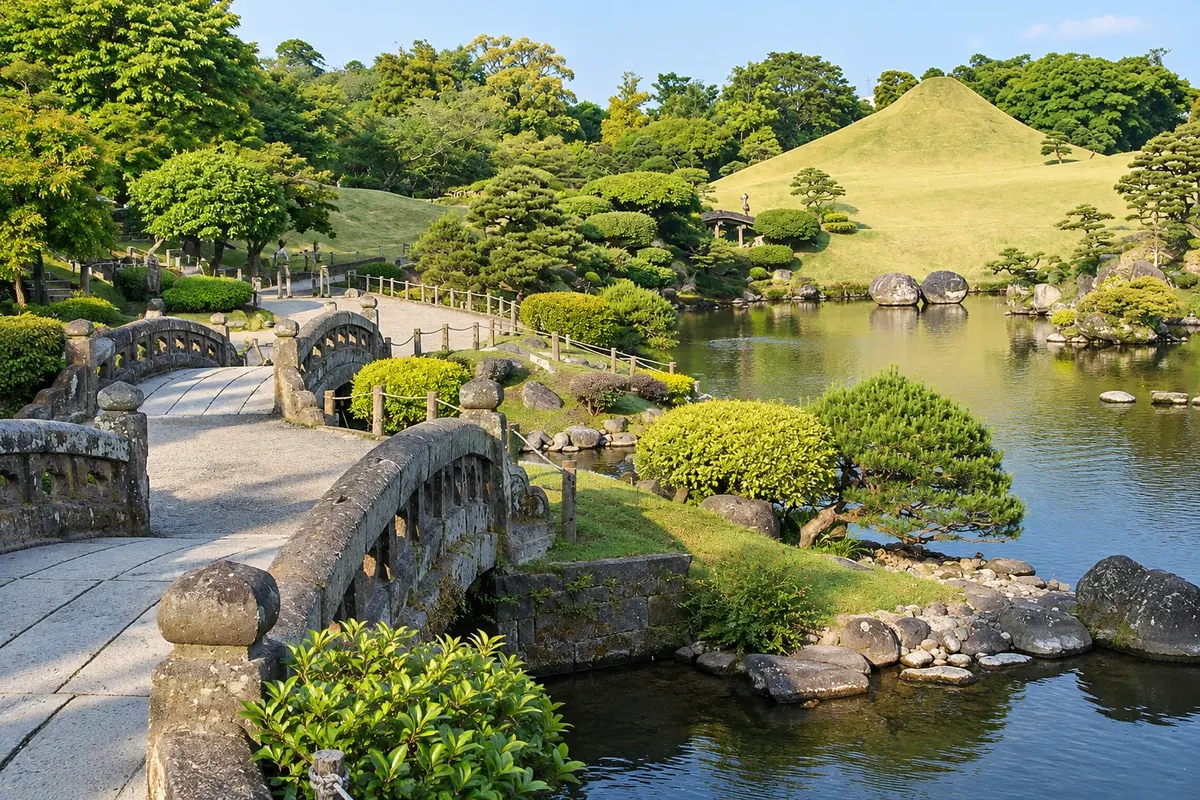
Garden · Kumamoto, Kumamoto
Suizenji Garden (Suizenji Jōju-en)
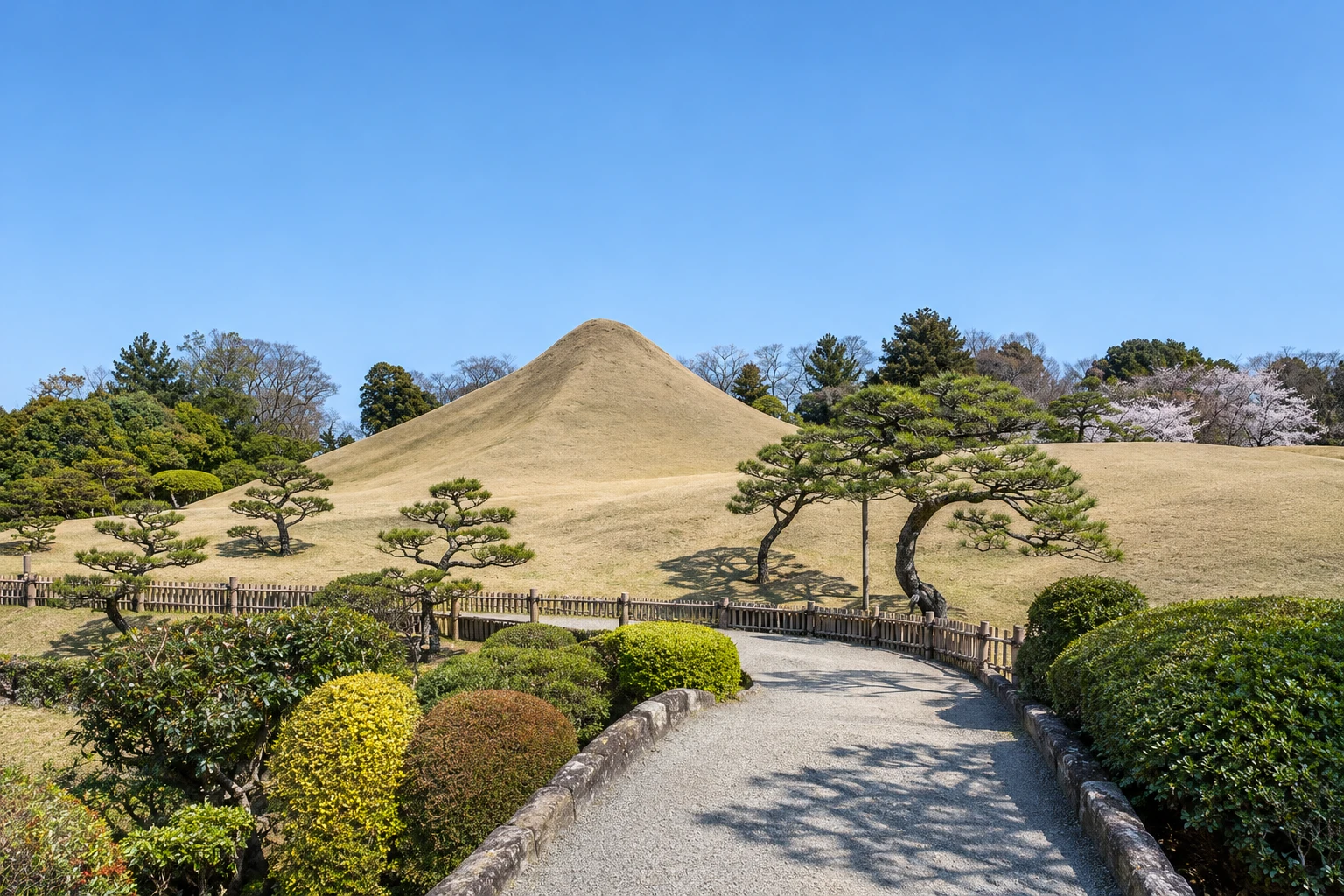
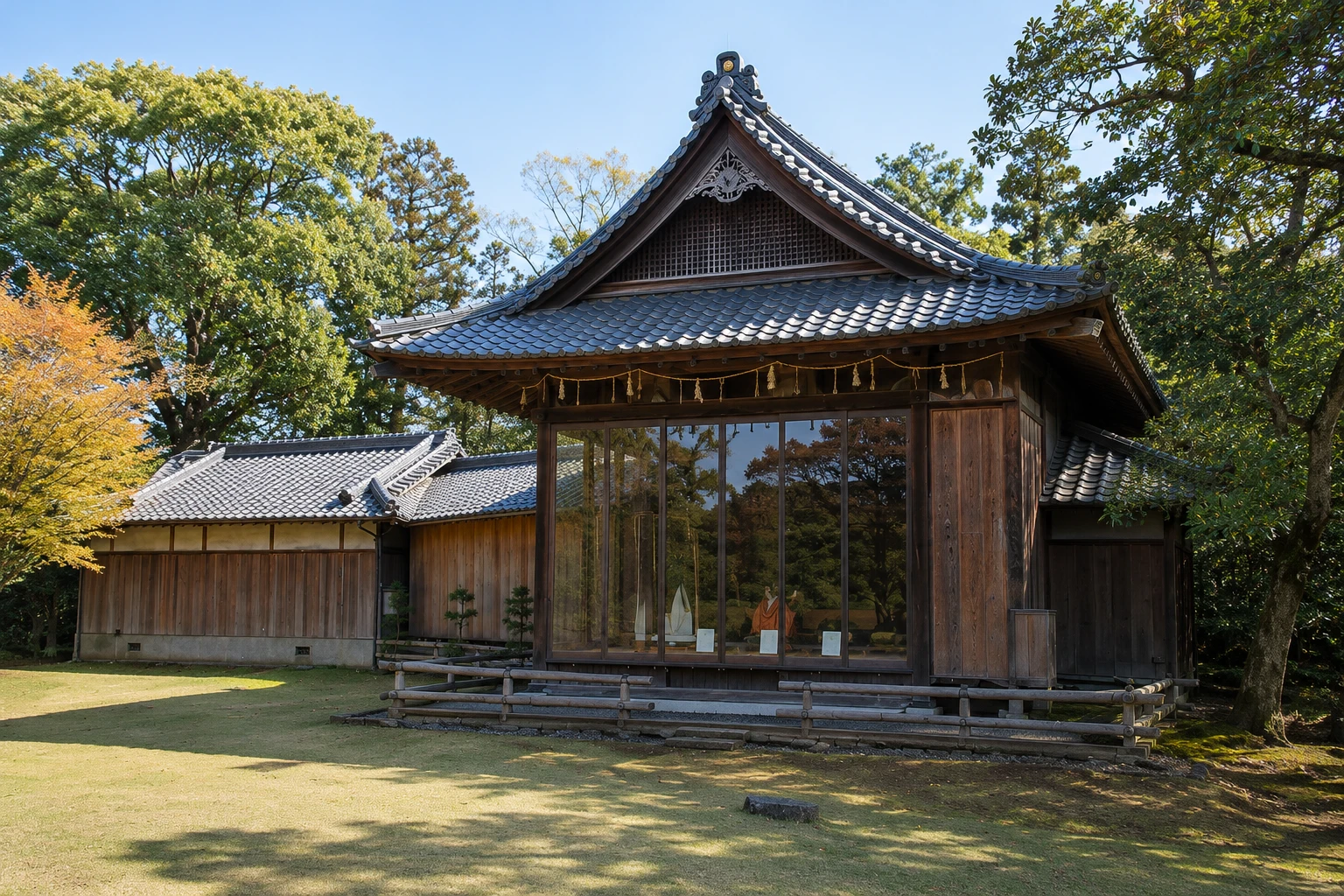
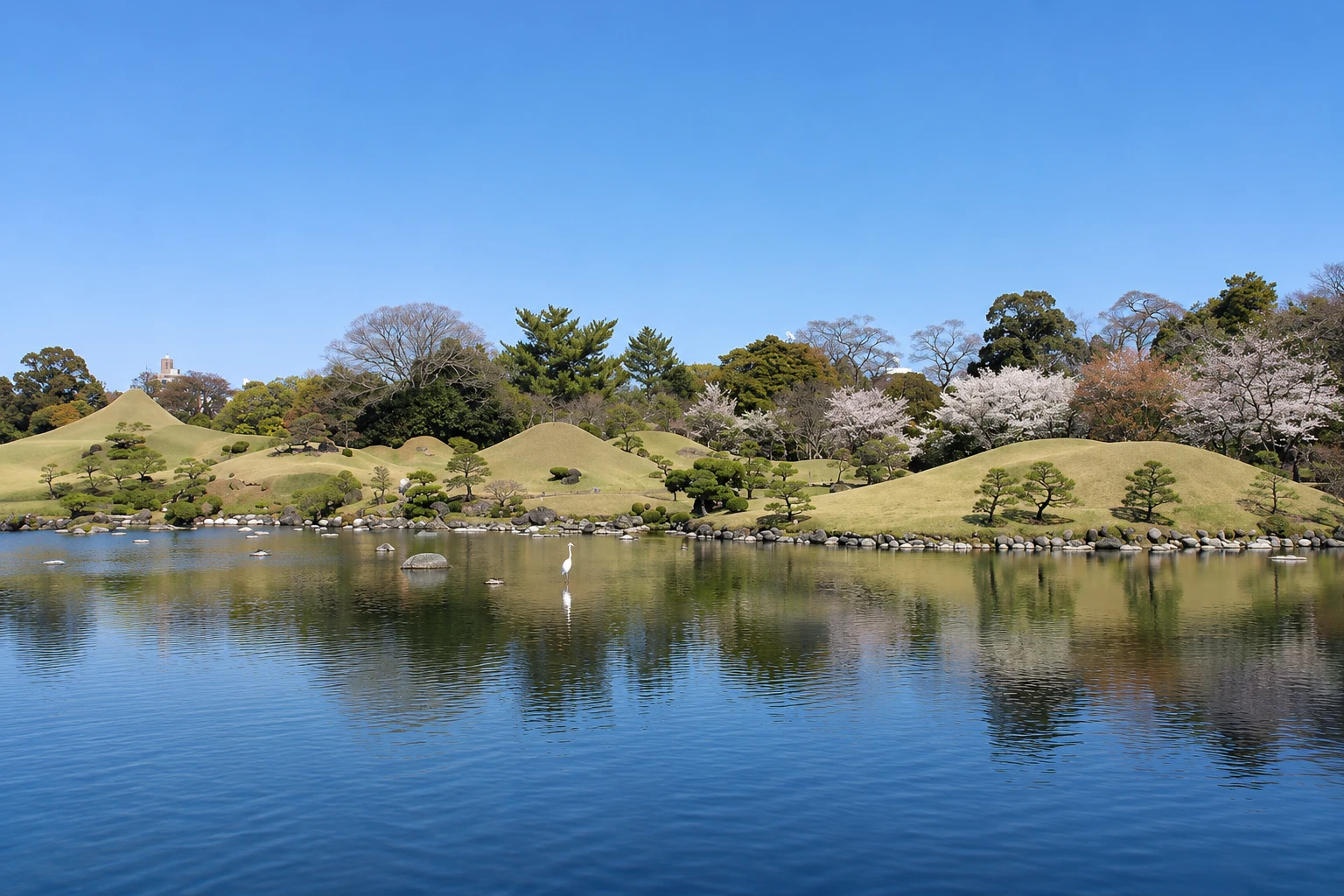
A strolling garden of the Hosokawa lords, created in the 17th century around a spring-fed pond, featuring a Mount Fuji–shaped hill, a shrine and a tea house brought from Kyoto.
Illustrative images. The pictures in this guide are illustrations based on the real place, not photographs, and may differ from it.

A look at the place
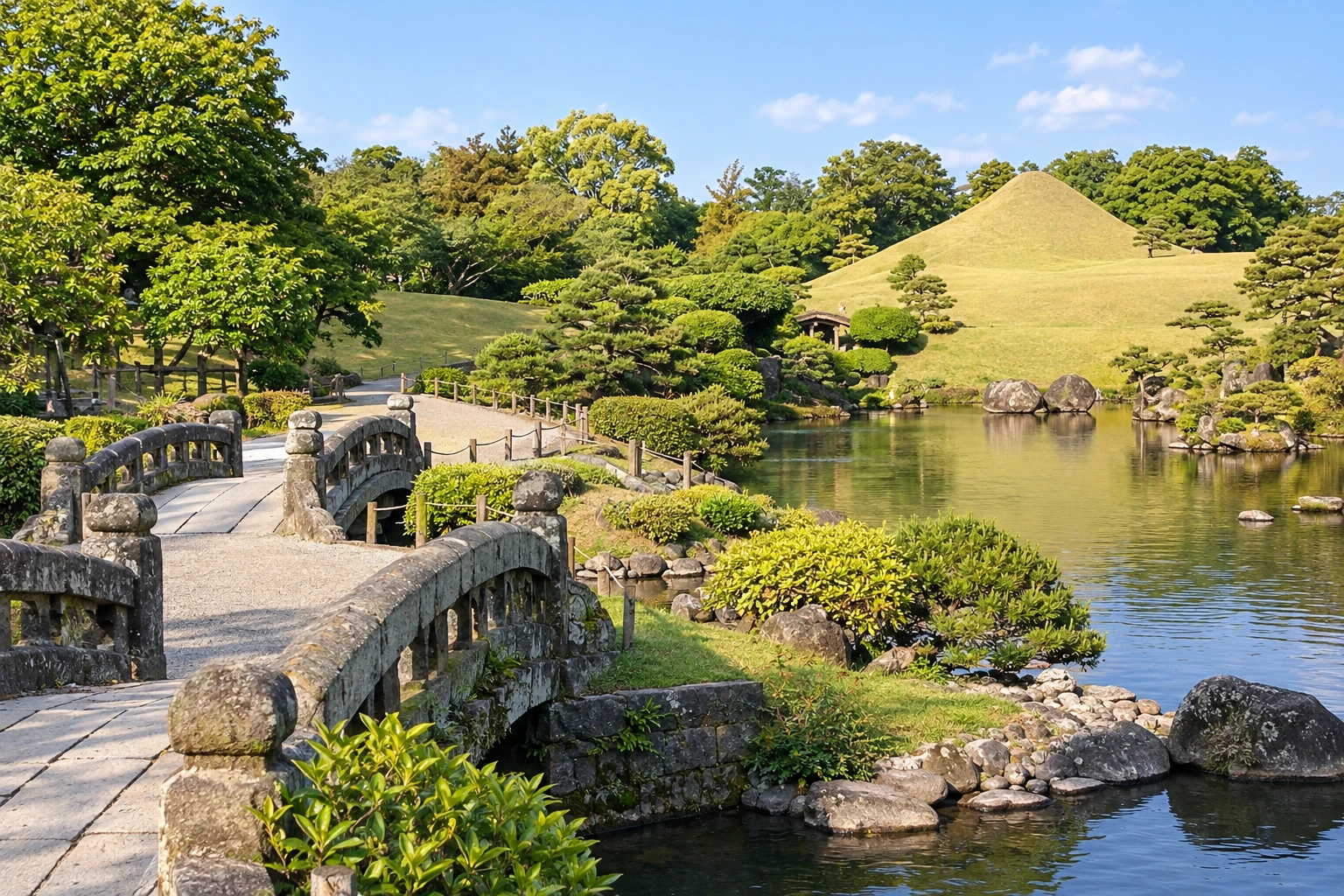
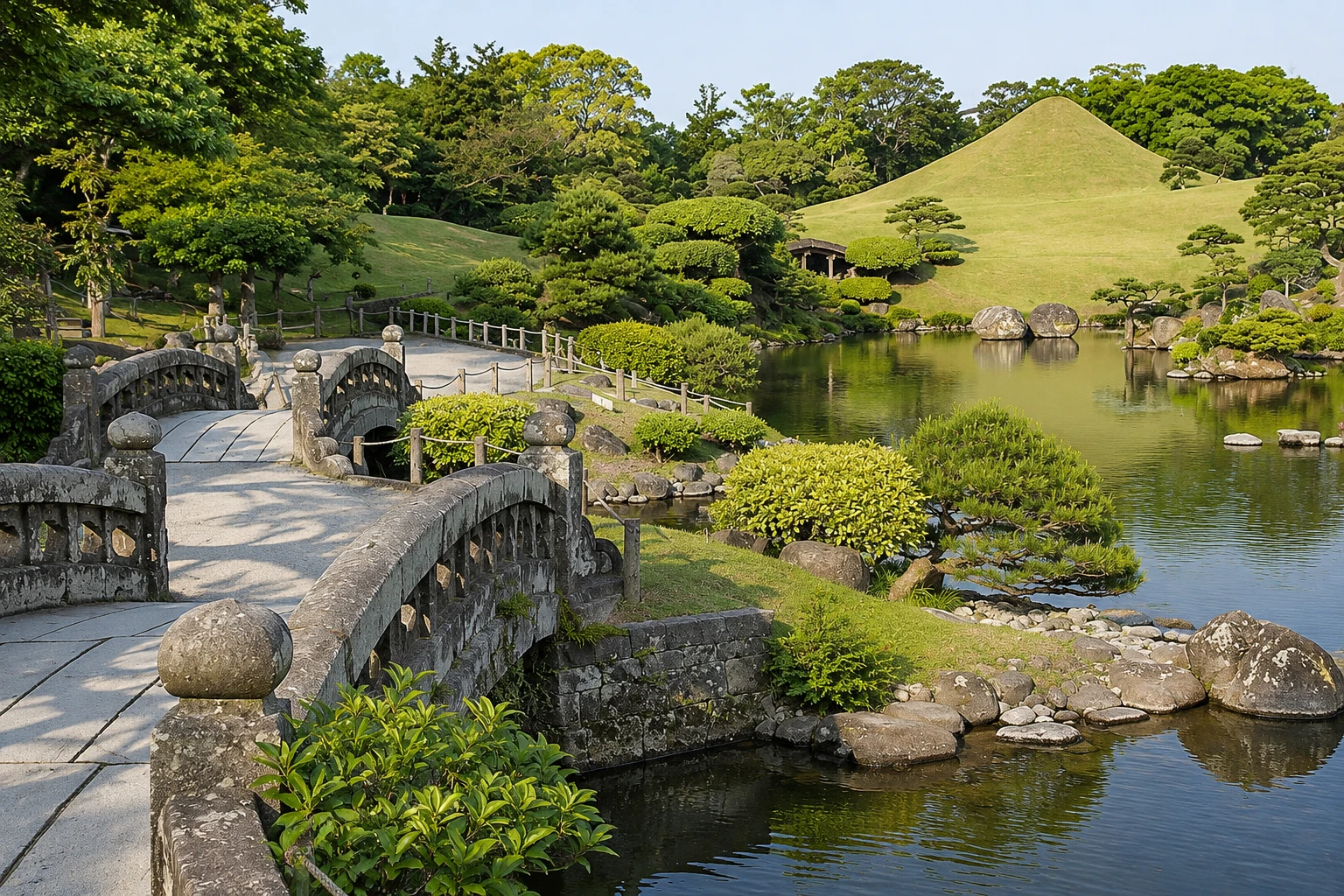
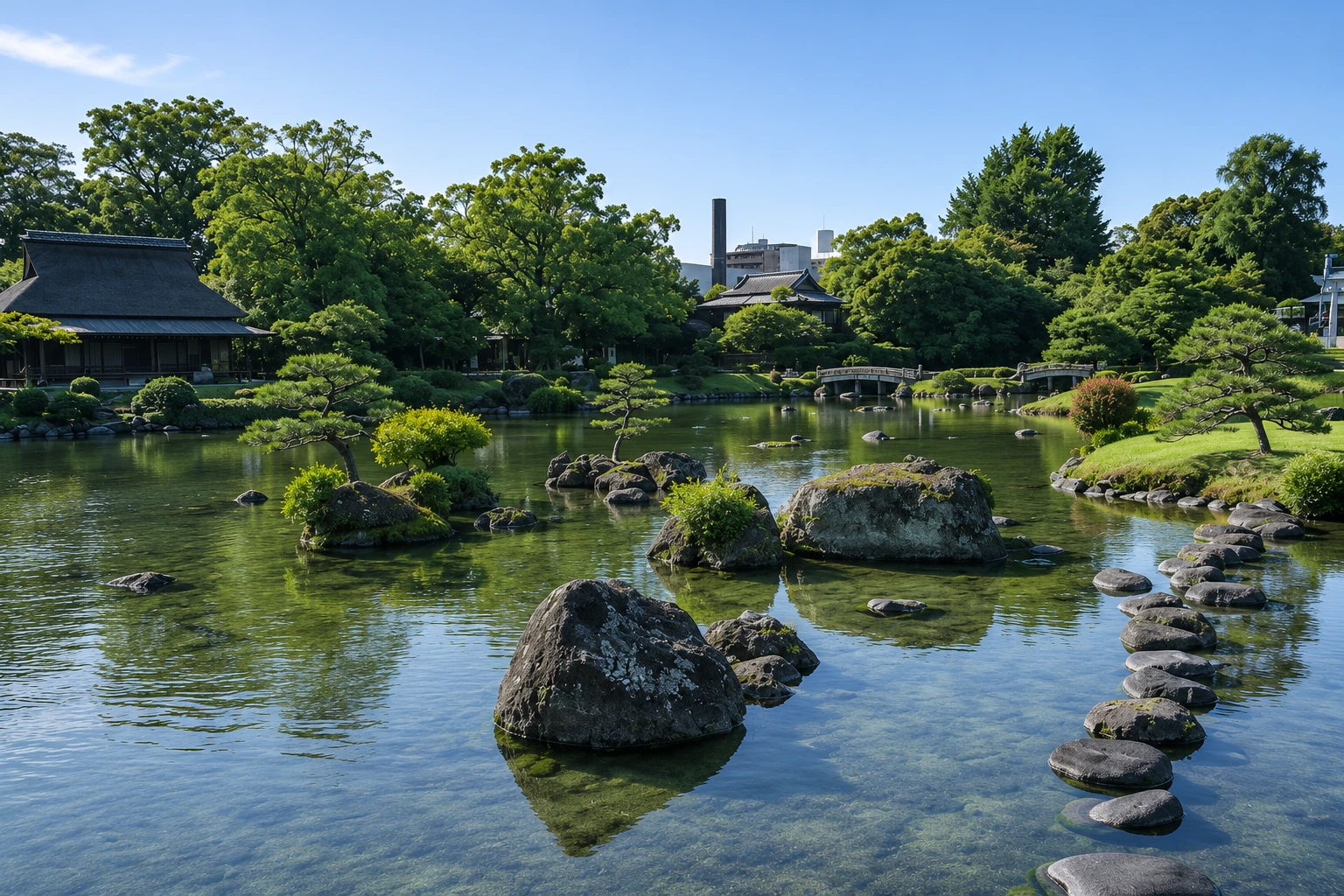
Suizenji Garden (Suizenji Jōju-en) in pictures
These pictures are illustrations based on the real place, not photographs. They may differ from the place.
Click the picture to enlarge it.
Discover
About Suizenji Garden (Suizenji Jōju-en)
Suizenji Garden, officially Suizenji Jojuen, is about 4 km east of Kumamoto Castle. It began in 1636 when Hosokawa Tadatoshi, the domain lord, developed grounds around a temple that gave the place its name, and subsequent generations enlarged it until it became a promenade garden.
At the center is a clear-water pond fed by underground springs that come from Aso, with carp and a pale-stone bottom. Around it a path runs past rolling lawns, clipped pines and stone bridges. A grass-covered conical hill represents Mount Fuji, and tradition says other spots recall the stops along the old Tokaido road between Edo and Kyoto.
On the grounds is Izumi Shrine, dedicated to the Hosokawa lords. The tea house Kokin Denju no Ma was moved from the imperial palace in Kyoto and rebuilt on the lakeshore; there you can have green tea with a sweet while looking at the water and the little Fuji.
The visit is short and peaceful, along gravel paths, and pairs well with the castle on the same day. At the entrance there is a street of souvenir shops, and near the garden a spring-fed well where locals fill bottles. The park around Lake Ezu, a few kilometers away, is fed by the same springs and is used by locals for walks.
Before you go
Practical information
Cidade Turismo reviews its information regularly, but something may have changed. Check with the place before planning your trip.
How much time to set aside
About 1 hour; add another half hour if you have tea at the tea house.
Best time
Morning, when the light is on the pond and there are fewer visitors. In late March some cherry trees often bloom; in November the trees at the edges change color. Check opening hours before you go.
How to get there
The tram from Kumamoto Station or from the city center reaches Suizenji Koen stop in about 25–30 minutes; the entrance is a few minutes on foot.
Tip
Visit the castle in the morning and the garden in the afternoon, with tea at Kokin Denju no Ma to rest. From the shrine side, the little Fuji appears reflected in the pond.
Official website
Get your questions answered
Frequently asked questions about Suizenji Garden (Suizenji Jōju-en)
What does the hill in Suizenji Garden represent?
The grass-covered conical hill represents Mount Fuji. Tradition says other points in the garden recall stops along the old Tokaido road.
Where does the water for Suizenji’s pond come from?
From underground springs fed by water that infiltrates the Aso area. That is why the pond is so clear.
Can you have tea at Suizenji Garden?
Yes, at the Kokin Denju no Ma tea house on the lakeshore, where you can have whisked green tea and a sweet for an additional charge.
How long by tram from the castle to Suizenji?
About 20 minutes by tram from the city center. The stop is Suizenji Koen.
Beyond the guide


