

 Brazil
 Antarctica
 Argentina
 Bolivia
 Chile
 Colombia
 Ecuador
 Guyana
 French Guiana
 Falkland Islands (Malvinas)
 Paraguay
 Peru
 Suriname
 Uruguay
 Venezuela
 Germany
 Austria
 Belgium
 Croatia
 Denmark
 Slovakia
 Slovenia
 Spain
 Finland
 France
 Greece
 the Netherlands
 Hungary
 Ireland
 Iceland
 Italy
 Luxembourg
 Norway
 Poland
 Portugal
 the United Kingdom
 the Czech Republic
 Sweden
 Switzerland
 Turkey
 Bermuda
 Canada
 the United States
 Greenland
 Mexico
 Saint Pierre and Miquelon
 the Dominican Republic
 South Africa
 Egypt
 Australia
 Fiji
 New Zealand
 Papua New Guinea
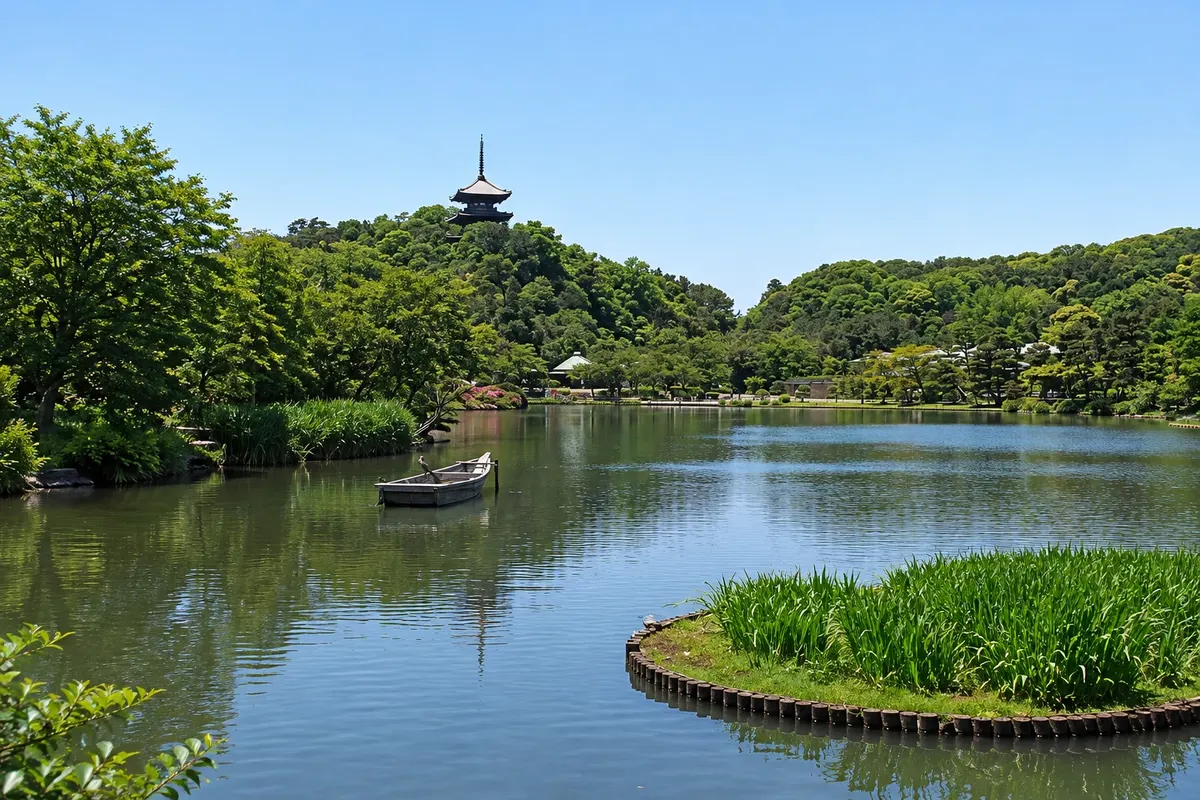
Garden · Yokohama, Kanagawa
Sankei-en Garden
A Japanese garden created by a silk merchant, with historic buildings brought from Kyoto and Kamakura, including a three-story pagoda, set around ponds.
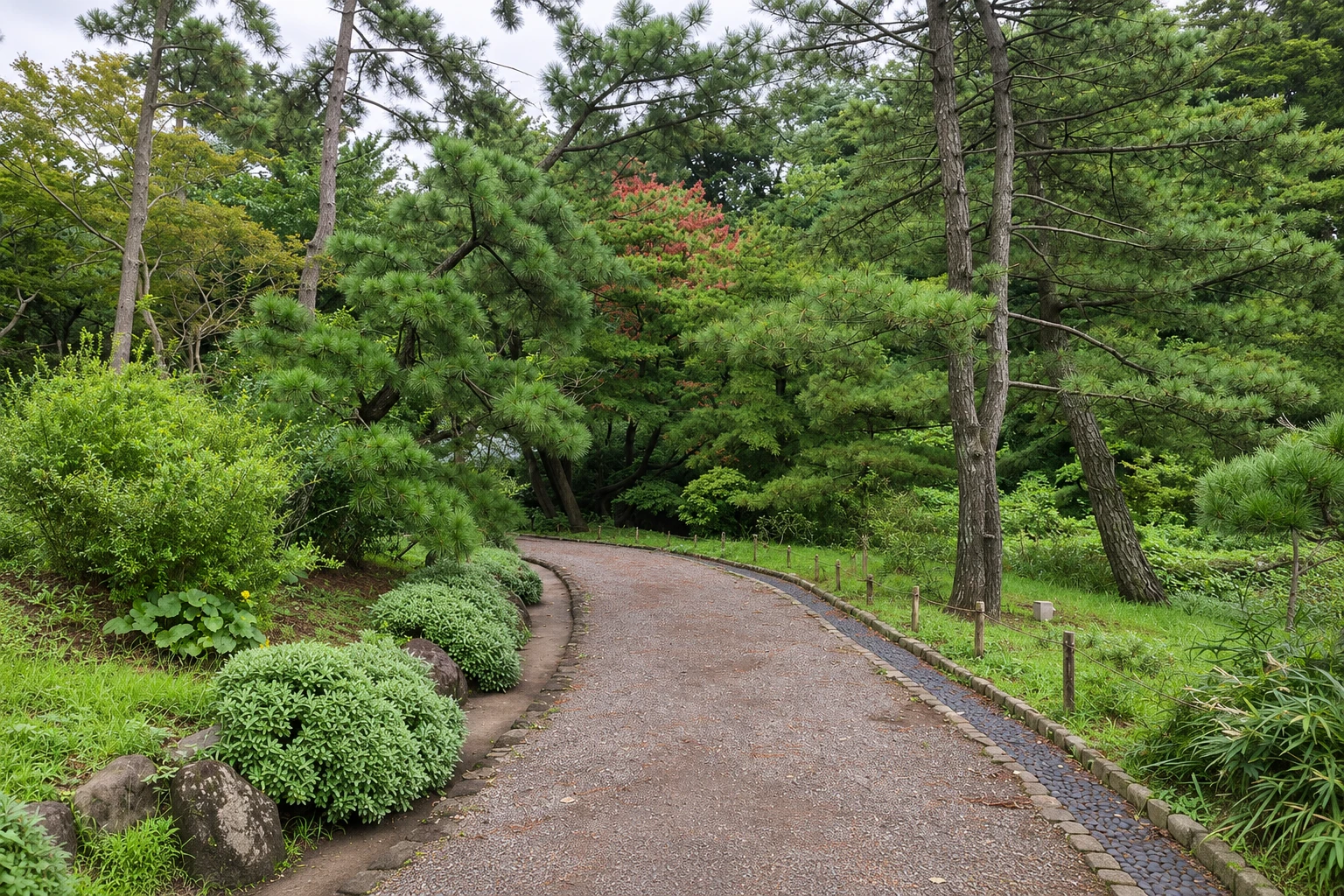
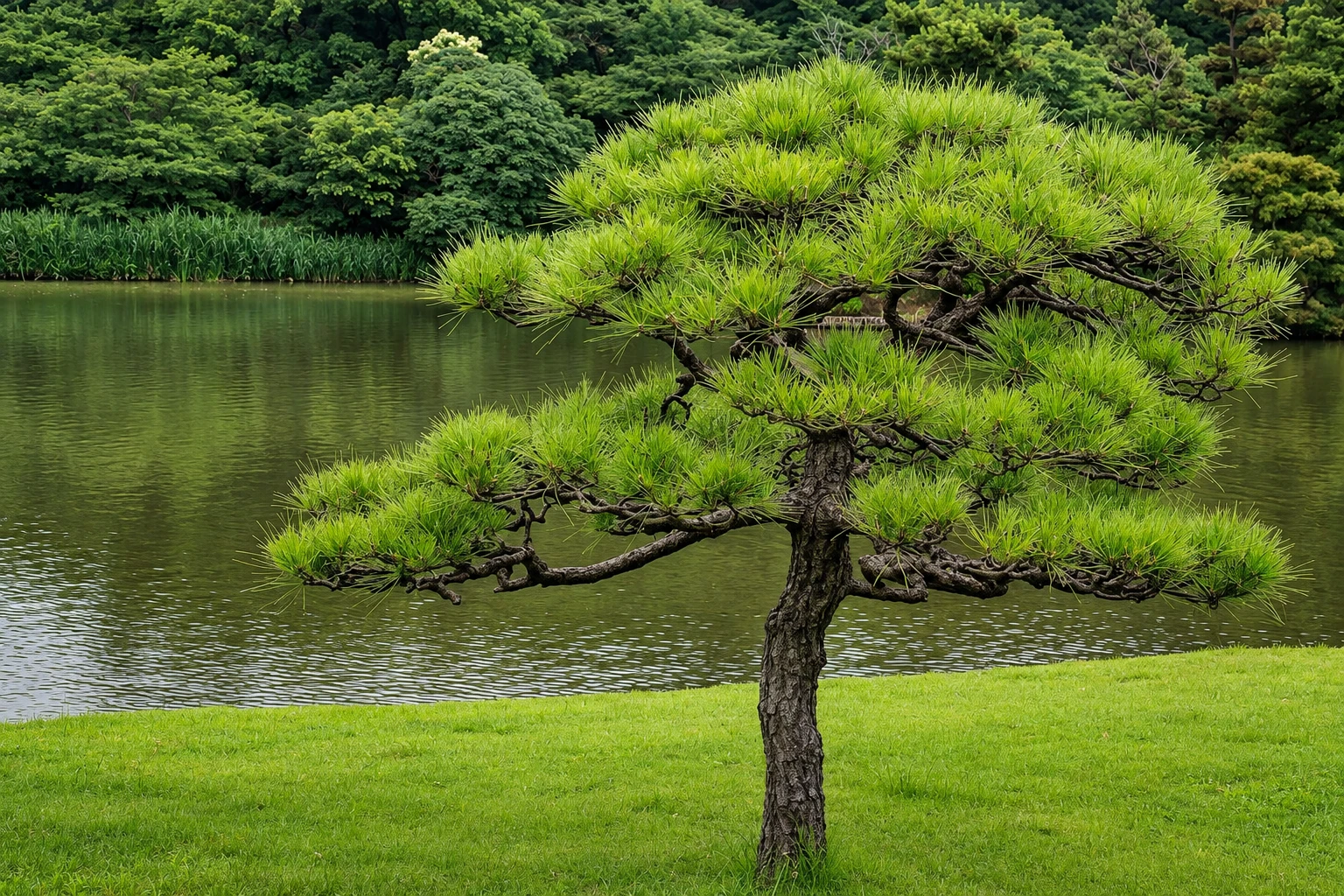
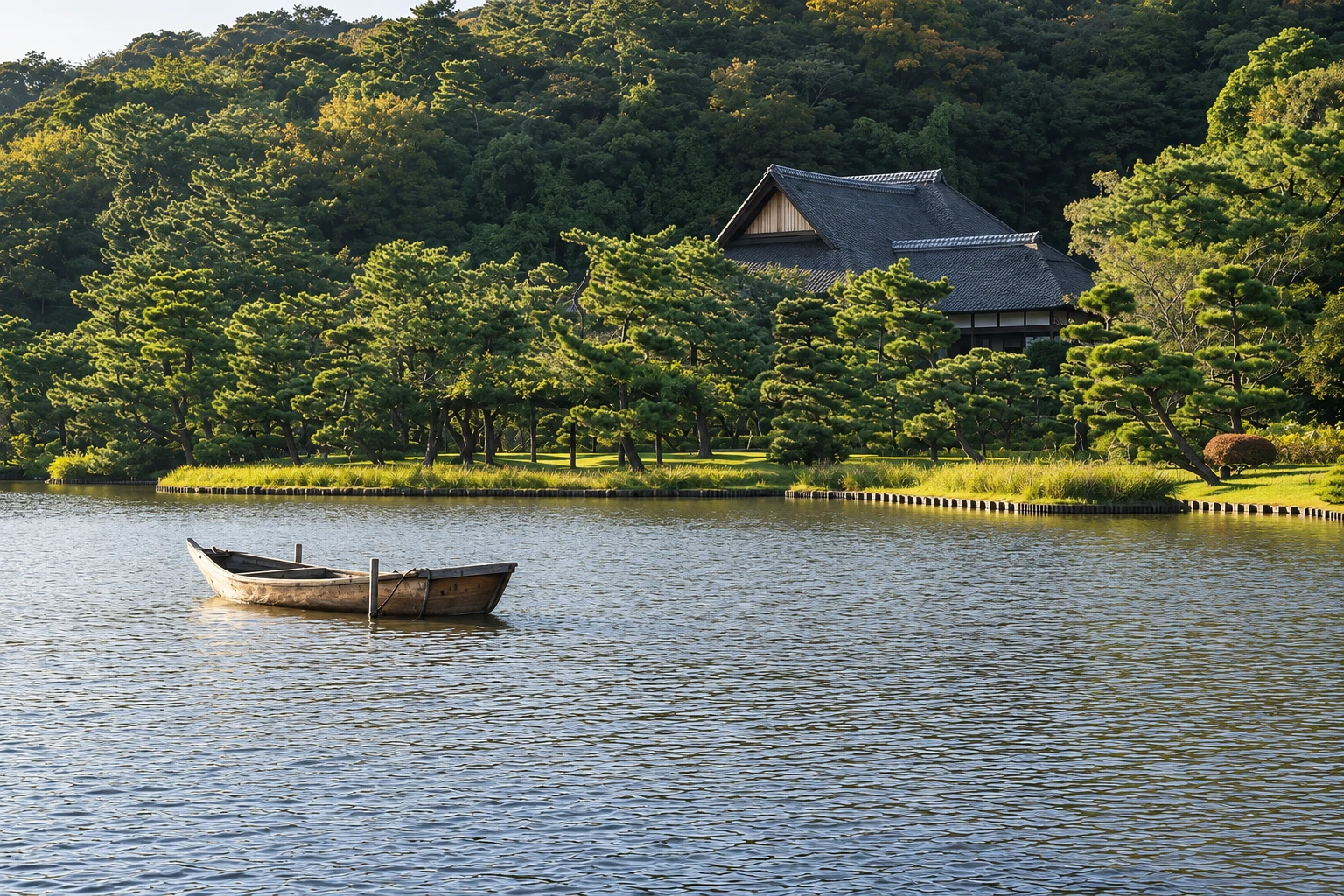
Illustrative images. The pictures in this guide are illustrations based on the real place, not photographs, and may differ from it.

A look at the place
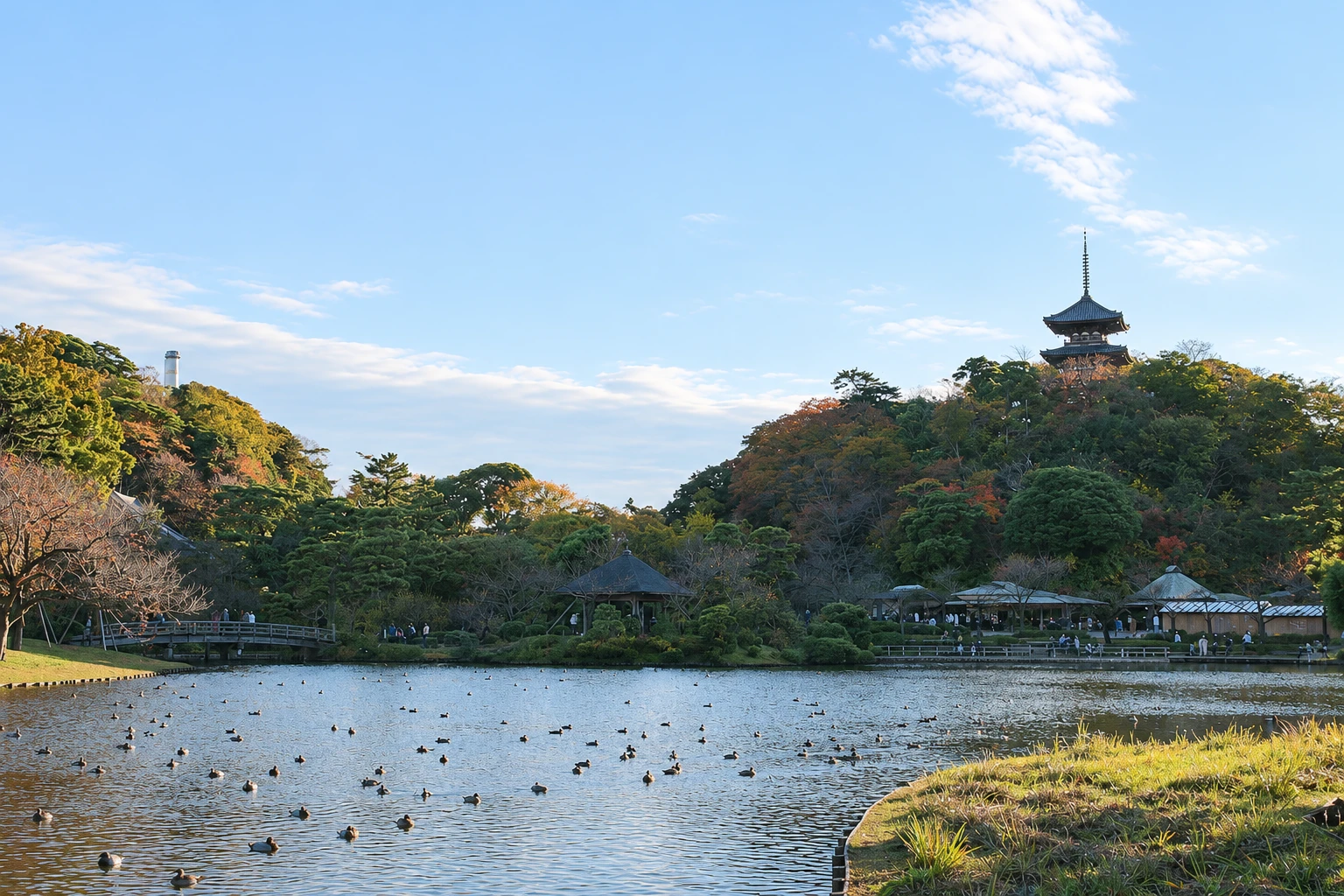
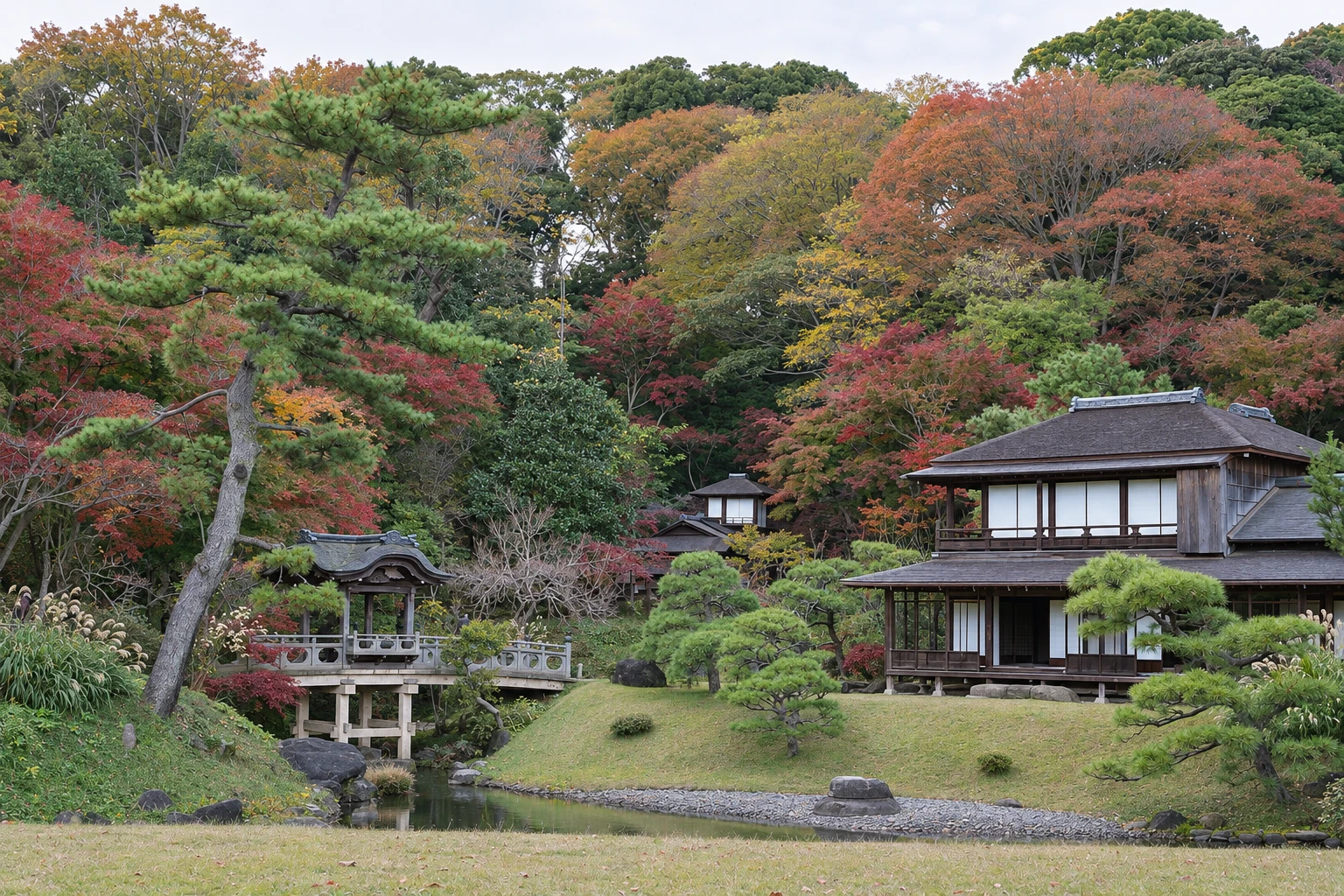
Sankei-en Garden in pictures
These pictures are illustrations based on the real place, not photographs. They may differ from the place.
Click the picture to enlarge it.
Discover
About Sankei-en Garden
Sankei-en is a Japanese garden in the Honmoku district, in southern Yokohama, created by silk merchant Hara Tomitaro, known by his art name Sankei. He purchased the site at the end of the 19th century and opened the outer part of the garden to the public in 1906. The garden covers about 17 hectares of ponds, valleys and hills.
Over decades, Hara brought historic buildings from various parts of Japan to the garden, dismantling and reassembling them there. There are about 17 structures, several designated Important Cultural Properties. The most prominent is the three-story pagoda, dating from the 15th century and transferred from a temple in Kyoto; it stands atop a hill and is reflected in the main pond.
The inner, more secluded garden contains the Rinshunkaku, a 17th-century feudal lord’s residence, and the Choshukaku, a tea pavilion, as well as tea houses and a temple hall. The outer area has thatched-roof farmhouses, the main pond—home to herons and ducks—and paths that climb the hills.
Hara was also a collector and patron of artists, and the garden hosted painters and tea masters. The seasons change the scenery: plum blossoms in February, cherry blossoms in April, lotus in July and maples in November. In some seasons, the historic houses open their interiors to visitors.
Before you go
Practical information
Cidade Turismo reviews its information regularly, but something may have changed. Check with the place before planning your trip.
How much time to set aside
From 1 hour 30 minutes to 2 hours.
Best time
Plum trees usually bloom in February, cherry trees in early April, lotus in July and maples in late November. Some buildings open their interiors only in special seasons: check before you go.
How to get there
Buses from Yokohama and Sakuragicho stations stop at Honmoku Sankeien-mae, about a 5–10 minute walk away, with a travel time of 30–40 minutes. There are also buses from JR Negishi Station.
Tip
Start by walking around the main pond with the pagoda in the background, then visit the inner garden. A tea house in the garden serves sweets and green tea with a view of the water.
Official website
Get your questions answered
Frequently asked questions about Sankei-en Garden
What does Sankei-en have?
A Japanese garden with about 17 historic buildings brought from various parts of Japan, such as a three-story pagoda from Kyoto, a feudal lord’s residence and farmhouses.
How to get to Sankei-en?
By bus from Yokohama or Sakuragicho stations to Honmoku Sankeien-mae, about a 30–40 minute ride.
How long does a visit to Sankei-en take?
About 1h30 to 2 hours.
What is the best time to visit Sankei-en?
February for the plum blossoms, April for the cherry blossoms, July for the lotus and November for the maples.
Who created Sankei-en?
Silk merchant Hara Tomitaro, known as Sankei, who opened the garden to the public in 1906.
Beyond the guide


