

 Brazil
 Antarctica
 Argentina
 Bolivia
 Chile
 Colombia
 Ecuador
 Guyana
 French Guiana
 Falkland Islands (Malvinas)
 Paraguay
 Peru
 Suriname
 Uruguay
 Venezuela
 Germany
 Austria
 Belgium
 Croatia
 Denmark
 Slovakia
 Slovenia
 Spain
 Finland
 France
 Greece
 the Netherlands
 Hungary
 Ireland
 Iceland
 Italy
 Luxembourg
 Norway
 Poland
 Portugal
 the United Kingdom
 the Czech Republic
 Sweden
 Switzerland
 Turkey
 Bermuda
 Canada
 the United States
 Greenland
 Mexico
 Saint Pierre and Miquelon
 the Dominican Republic
 South Africa
 Egypt
 Australia
 Fiji
 New Zealand
 Papua New Guinea
Park · Yokohama, Kanagawa
Yamashita Park
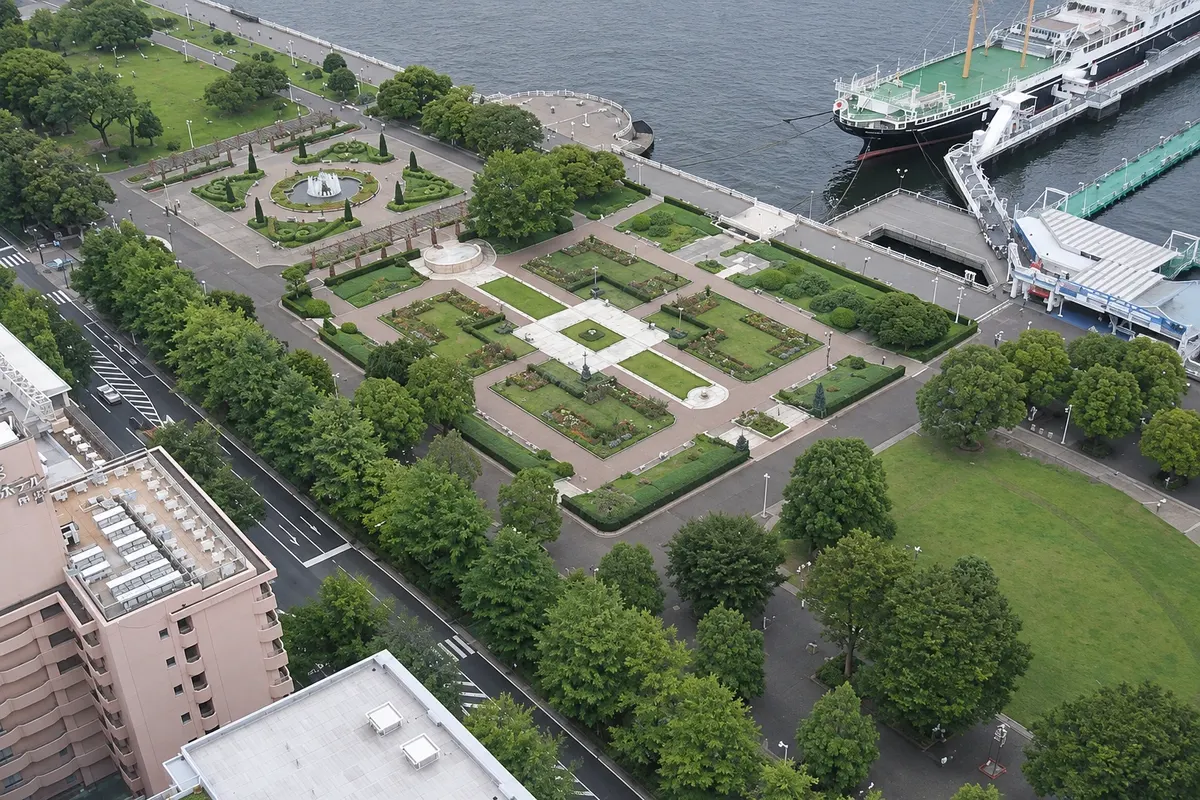
The waterfront park in Yokohama built on the rubble from the 1923 earthquake, featuring the Hikawa Maru ship, rose gardens and a view of Osanbashi Pier.
Illustrative images. The pictures in this guide are illustrations based on the real place, not photographs, and may differ from it.

A look at the place
Yamashita Park in pictures
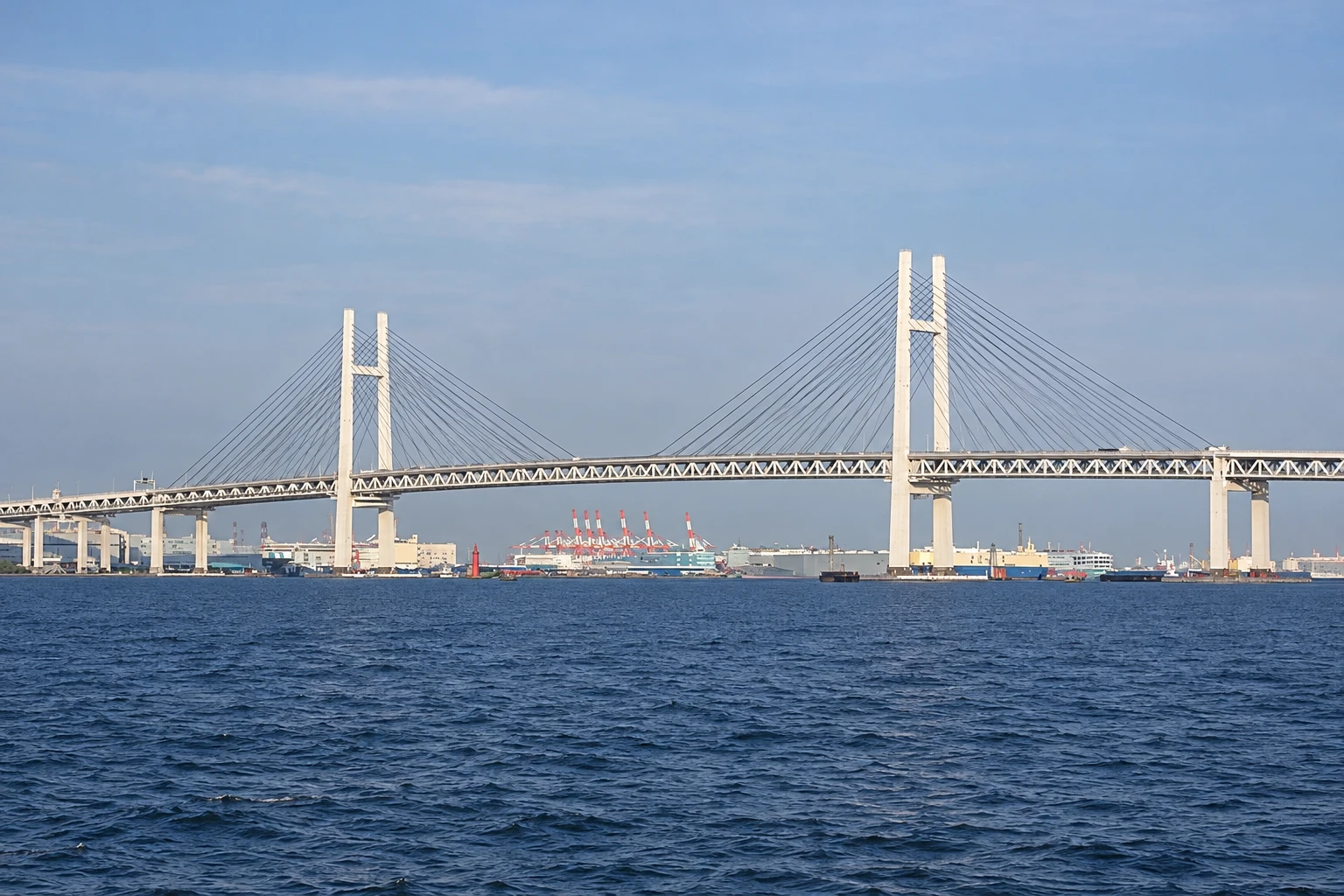
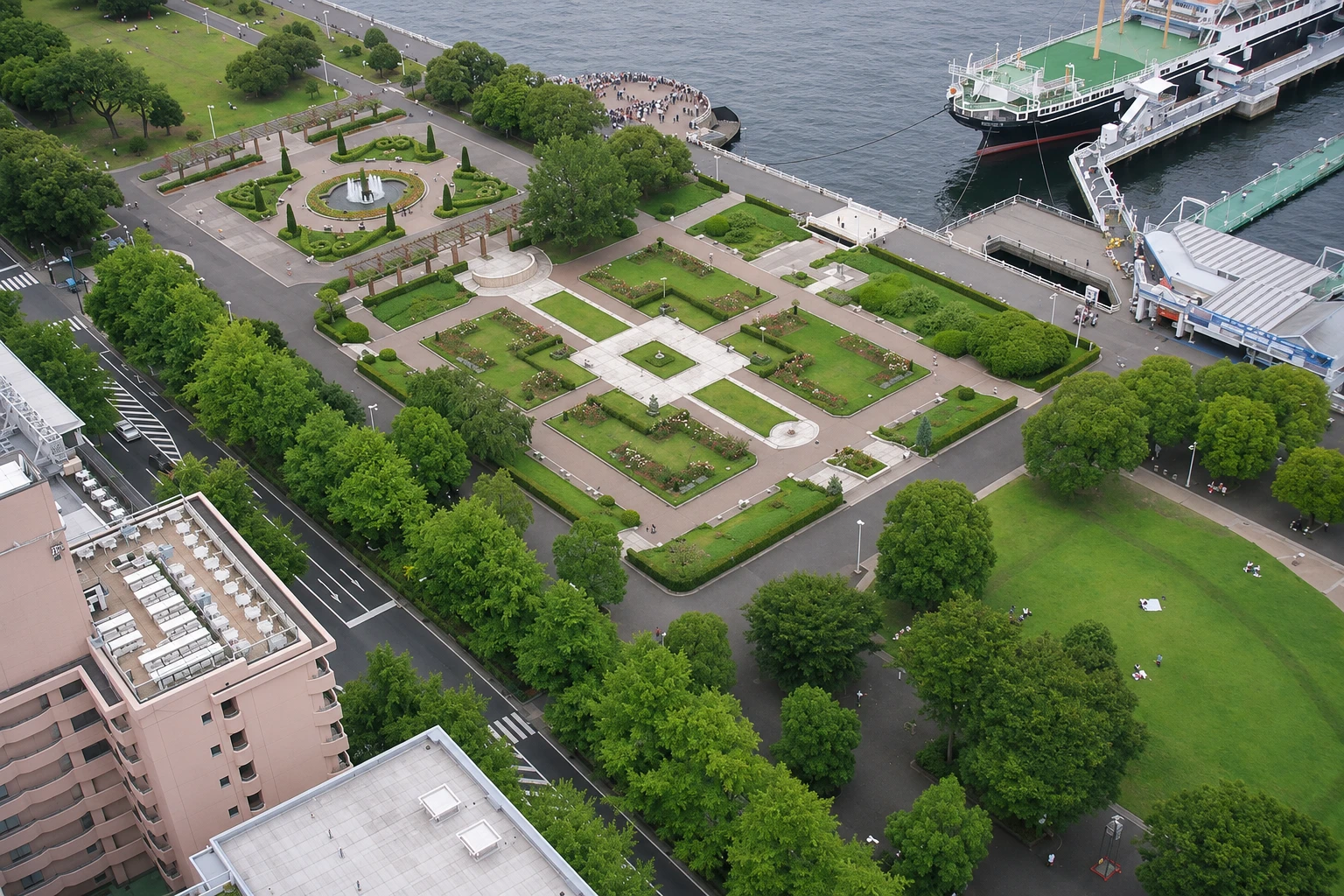
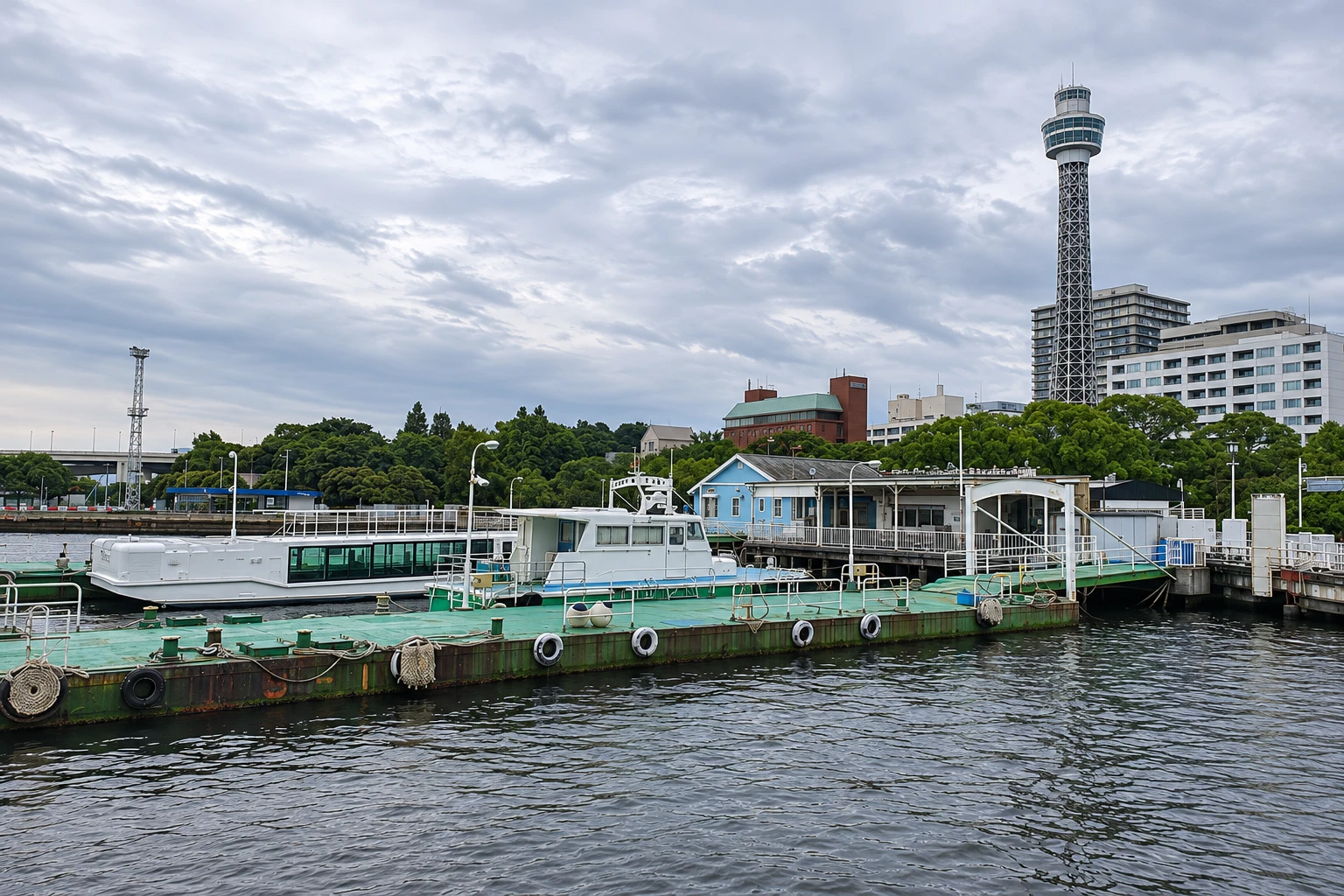
These pictures are illustrations based on the real place, not photographs. They may differ from the place.
Click the picture to enlarge it.
Discover
About Yamashita Park
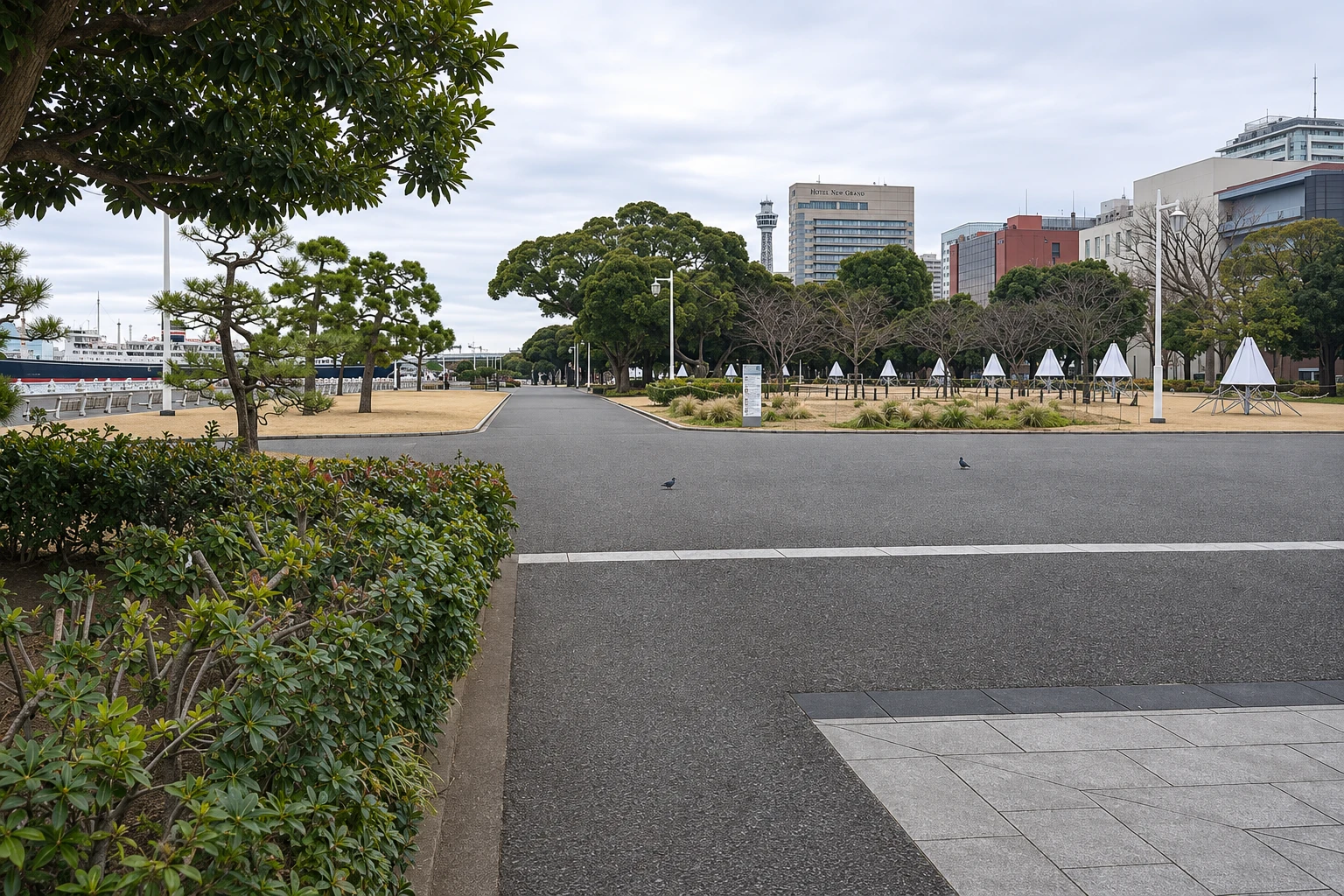
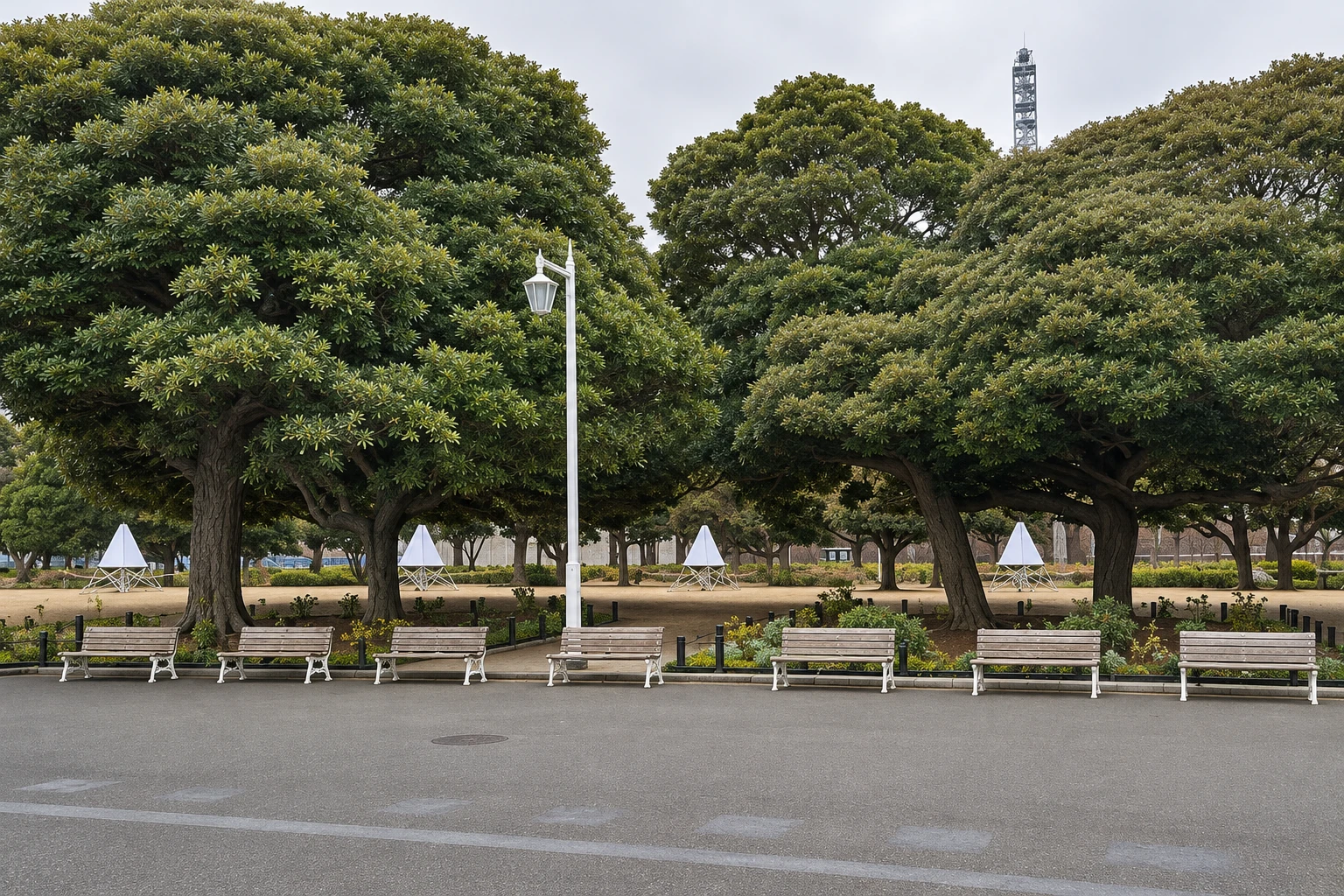
Yamashita Park (Yamashita Koen) stretches about 1 km along Yokohama’s waterfront. It was built using debris from the Great Kanto Earthquake, which destroyed much of the city in 1923, and opened to the public in the early 1930s. It is the city’s best-known seaside park, with lawns, benches facing the water and views of the ships.
Moored alongside the park is the Hikawa Maru, a 1930 passenger liner that used to run between Yokohama and Seattle. It is now a museum: you can visit the Art Deco first-class rooms, the cabins, the engine room and the bridge.
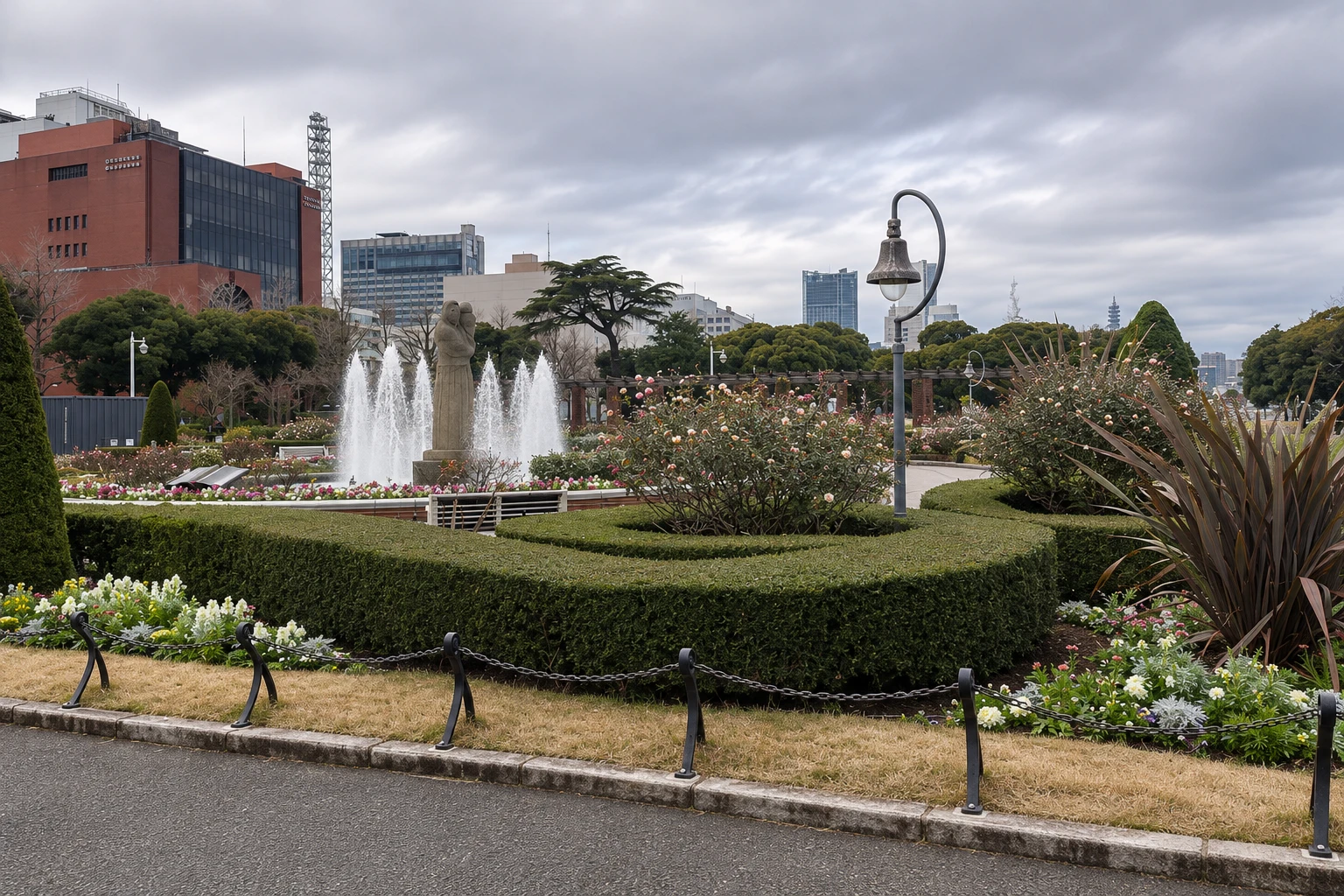
The park has rose gardens that typically bloom in May and October, fountains and several statues, including the Red Shoes Girl, inspired by a children’s song. Across the avenue is the Marine Tower, an observation tower, and at the western tip is Osanbashi Pier, a cruise ship terminal with a wavy wooden-deck roof open to pedestrians, from where you can see the Minato Mirai waterfront.
The park is the departure point for pleasure boats around the bay and for water buses to Minato Mirai. In summer it hosts festivals and on certain dates there are fireworks over the harbor. At night, the view of the illuminated waterfront is one of the city’s highlights.
Before you go
Practical information
Cidade Turismo reviews its information regularly, but something may have changed. Check with the place before planning your trip.
How much time to set aside
From 1 to 1.5 hours with the Hikawa Maru; an additional 30 minutes for Osanbashi Pier.
Best time
The roses usually bloom in May and October. Late afternoon and evening offer views of the illuminated waterfront. The Hikawa Maru is closed some days of the week: check before you go.
How to get there
Motomachi-Chukagai Station on the Minatomirai Line is about a 3-minute walk away. From the Chinatown the walk takes a few minutes; from Minato Mirai, about 20 minutes along the waterfront.
Tip
Walk along the Osanbashi deck at dusk to see Minato Mirai light up. Combine the park with Chinatown and the climb up Yamate Hill.
Official website
Get your questions answered
Frequently asked questions about Yamashita Park
What is the Hikawa Maru?
A 1930 passenger ship moored in Yamashita Park and open as a museum, with Art Deco rooms, cabins and an engine room.
How to get to Yamashita Park?
By Motomachi-Chukagai Station on the Minatomirai Line, about a 3-minute walk away.
When do the roses at Yamashita Park bloom?
Generally in May and October.
What is the Osanbashi Pier?
Yokohama’s cruise ship terminal, with a wavy wooden deck open to pedestrians and views of the waterfront.
Do you need to pay to enter Yamashita Park?
There is no entrance fee to the park. The Hikawa Maru and the Marine Tower charge admission.
Beyond the guide


