

 Brazil
 Antarctica
 Argentina
 Bolivia
 Chile
 Colombia
 Ecuador
 Guyana
 French Guiana
 Falkland Islands (Malvinas)
 Paraguay
 Peru
 Suriname
 Uruguay
 Venezuela
 Germany
 Austria
 Belgium
 Croatia
 Denmark
 Slovakia
 Slovenia
 Spain
 Finland
 France
 Greece
 the Netherlands
 Hungary
 Ireland
 Iceland
 Italy
 Luxembourg
 Norway
 Poland
 Portugal
 the United Kingdom
 the Czech Republic
 Sweden
 Switzerland
 Turkey
 Bermuda
 Canada
 the United States
 Greenland
 Mexico
 Saint Pierre and Miquelon
 the Dominican Republic
 South Africa
 Egypt
 Australia
 Fiji
 New Zealand
 Papua New Guinea
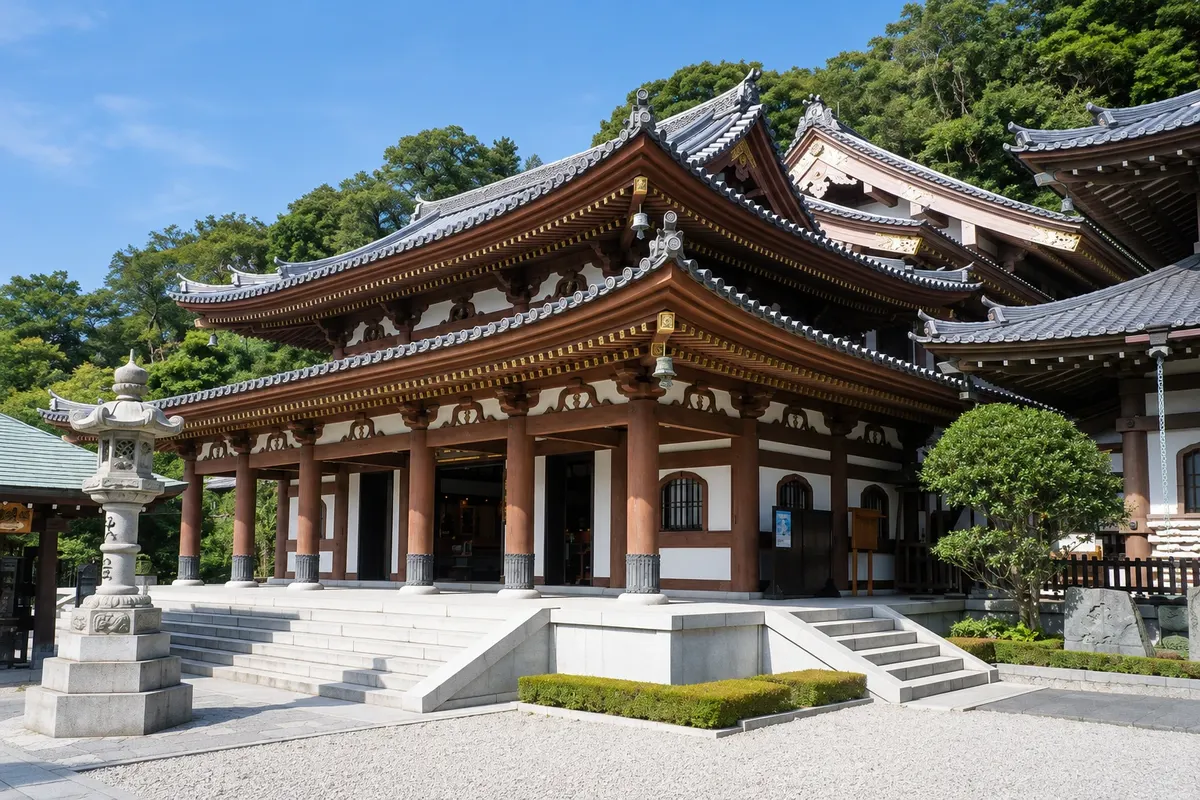
Temple · Kamakura, Kanagawa
Hase-dera
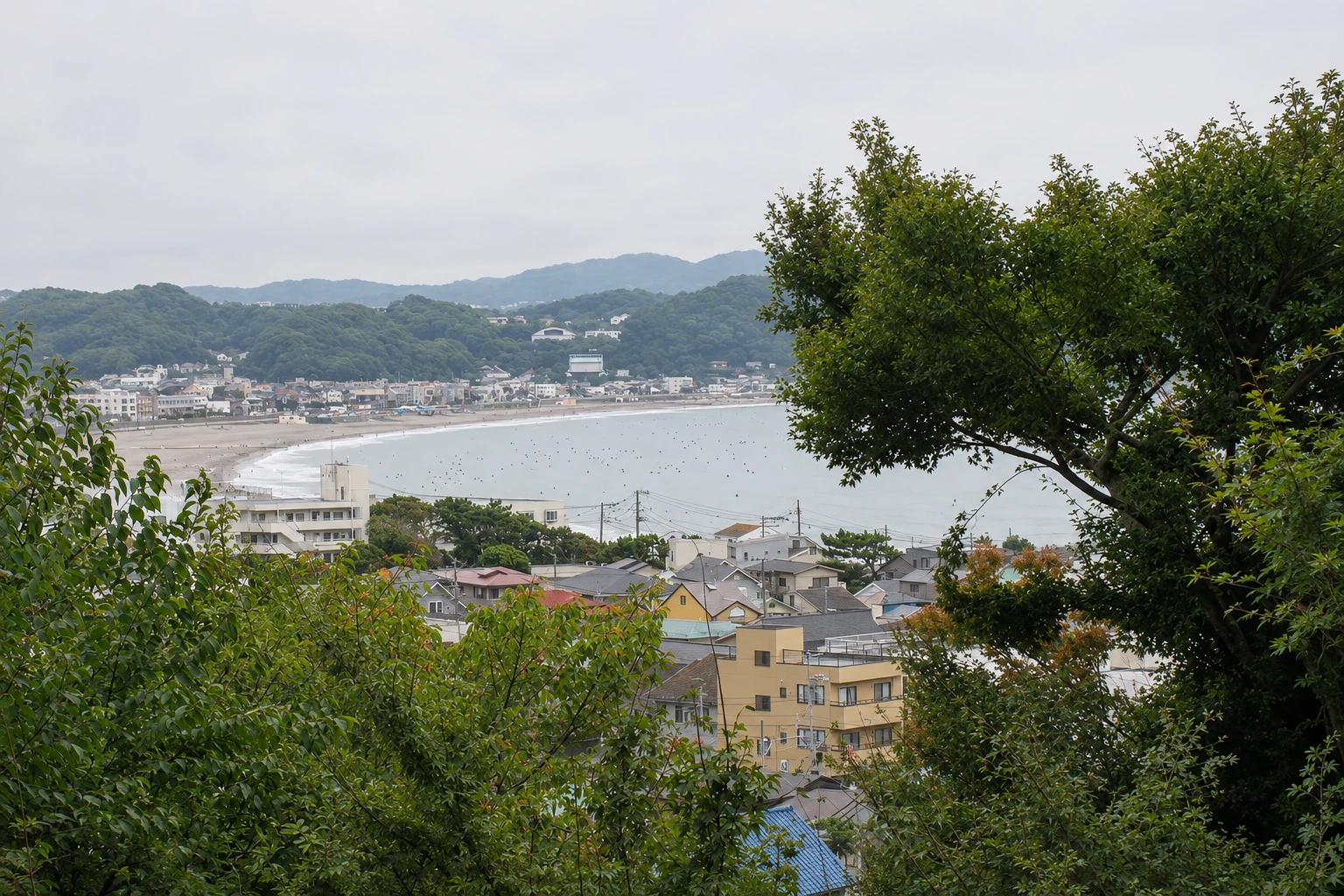
A temple on the Hase hillside with a wooden Kannon about 9 meters tall, the Benten cave, June hydrangeas and a view over Kamakura Bay.
Illustrative images. The pictures in this guide are illustrations based on the real place, not photographs, and may differ from it.

A look at the place
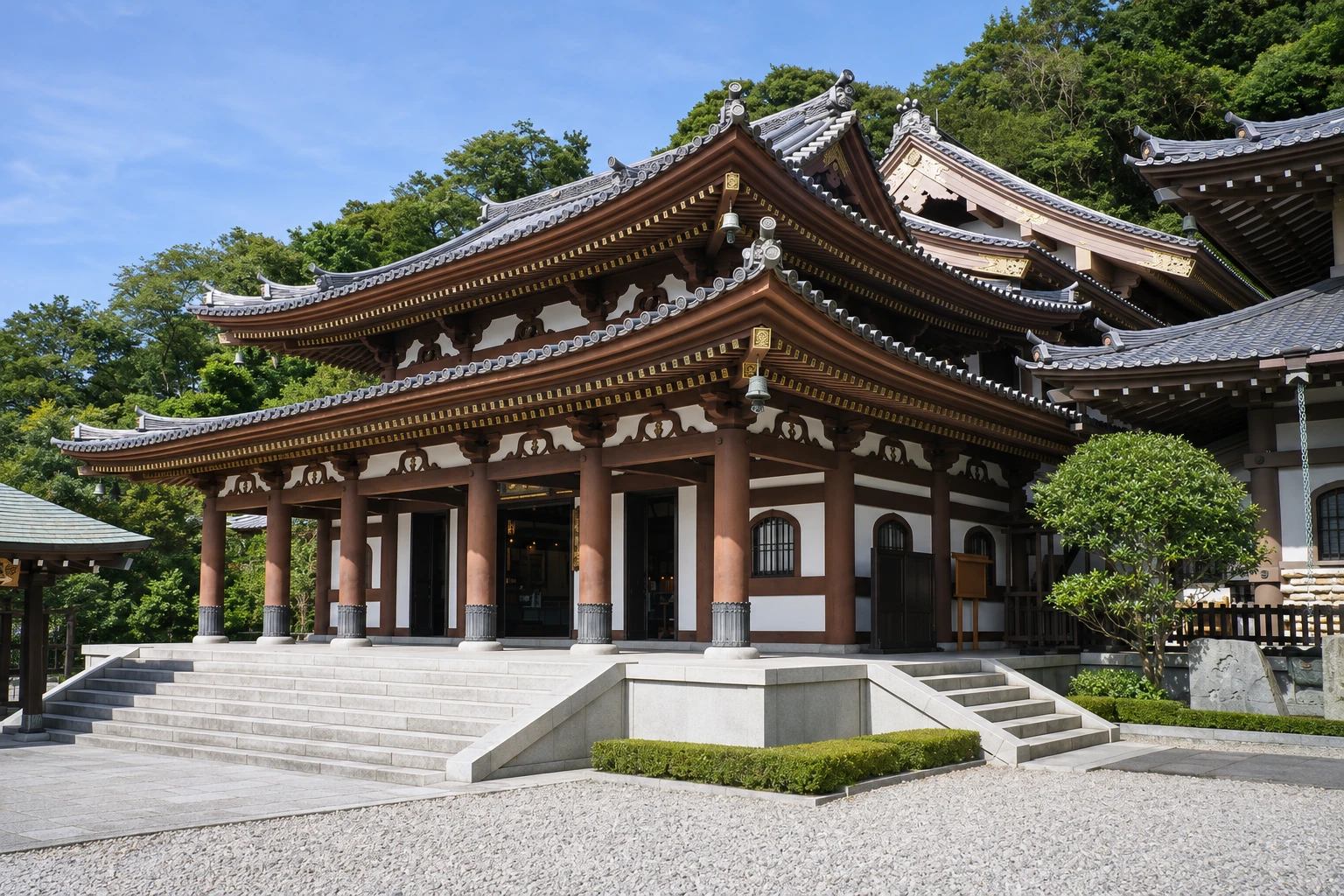
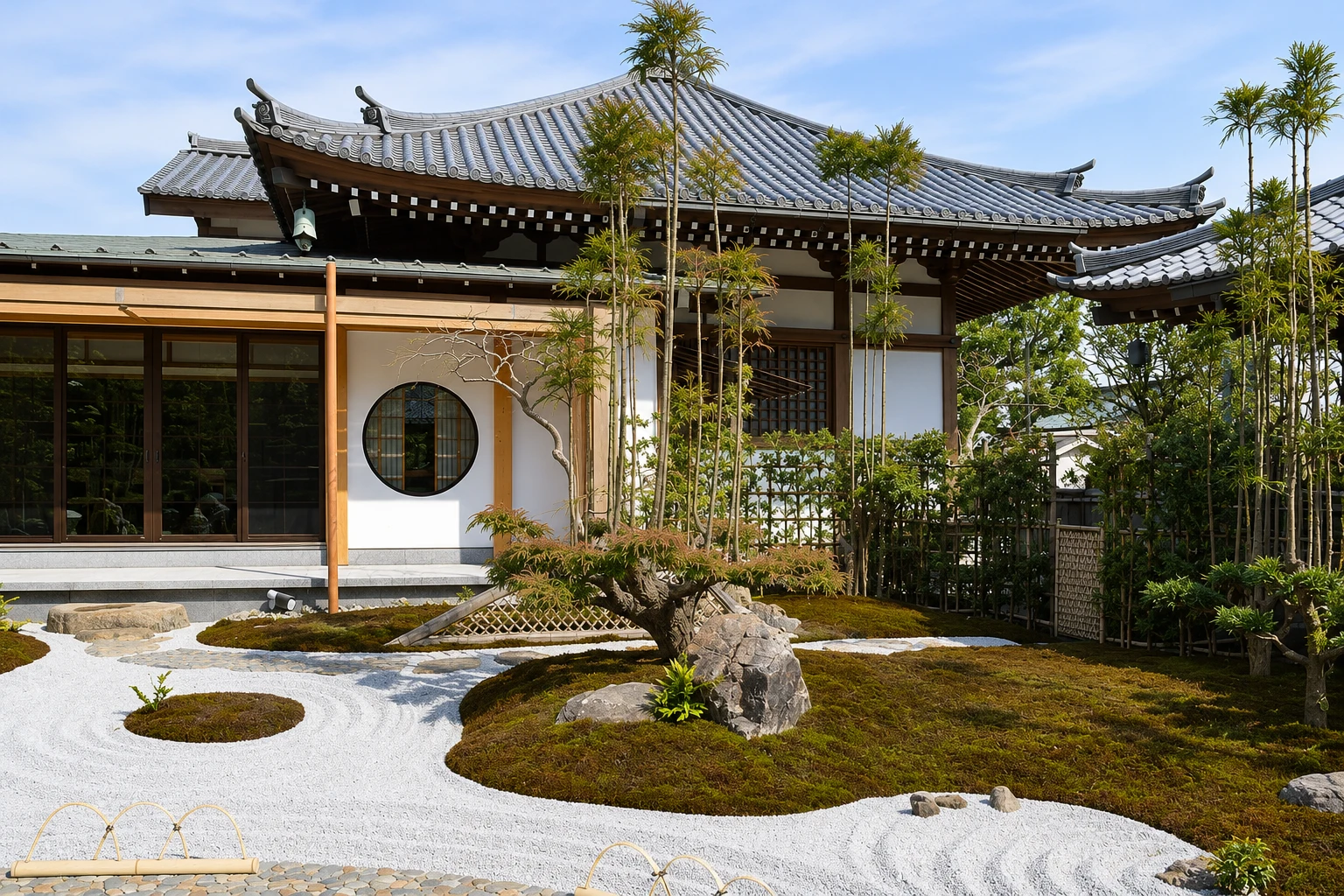
Hase-dera in pictures
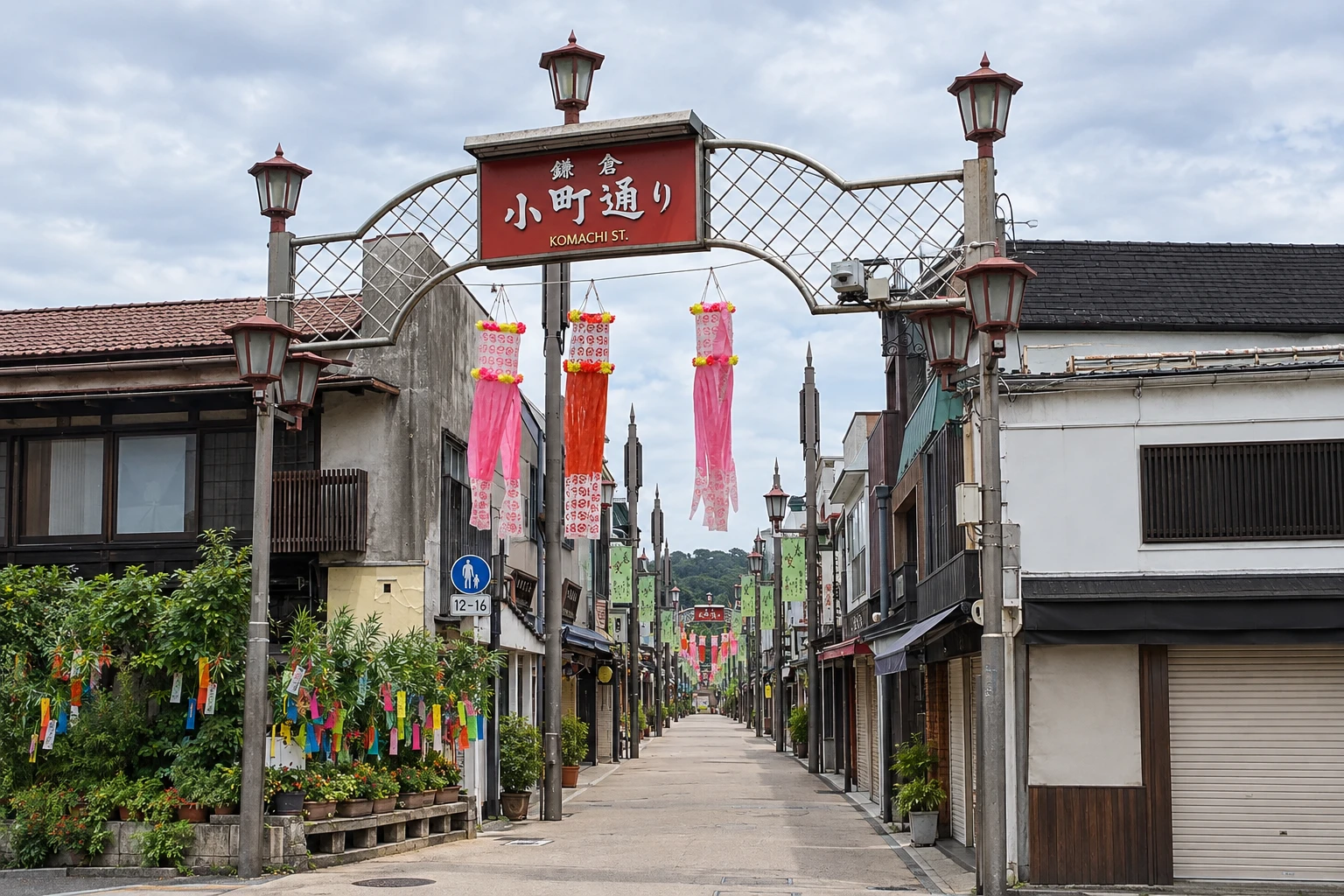
These pictures are illustrations based on the real place, not photographs. They may differ from the place.
Click the picture to enlarge it.
Discover
About Hase-dera
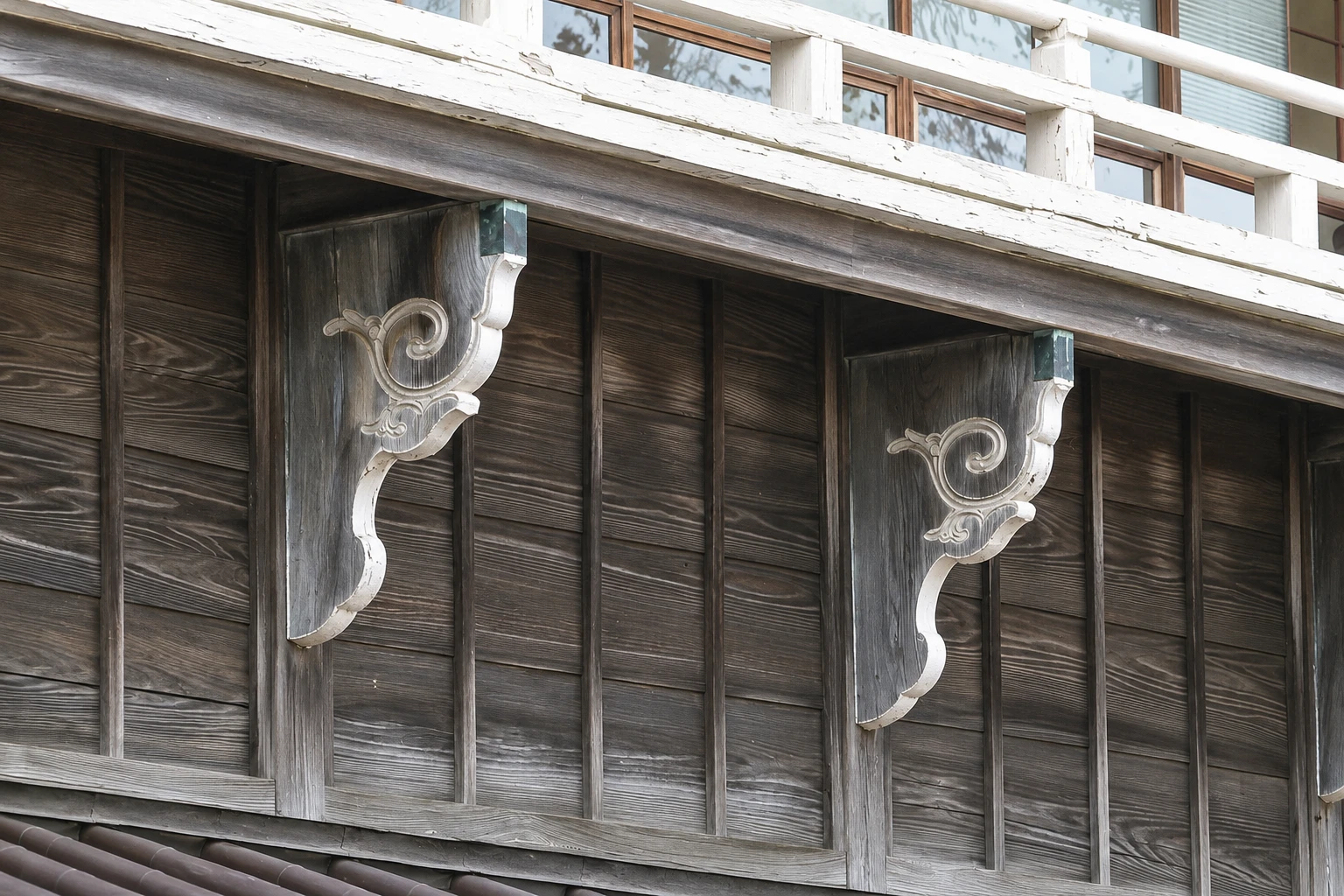
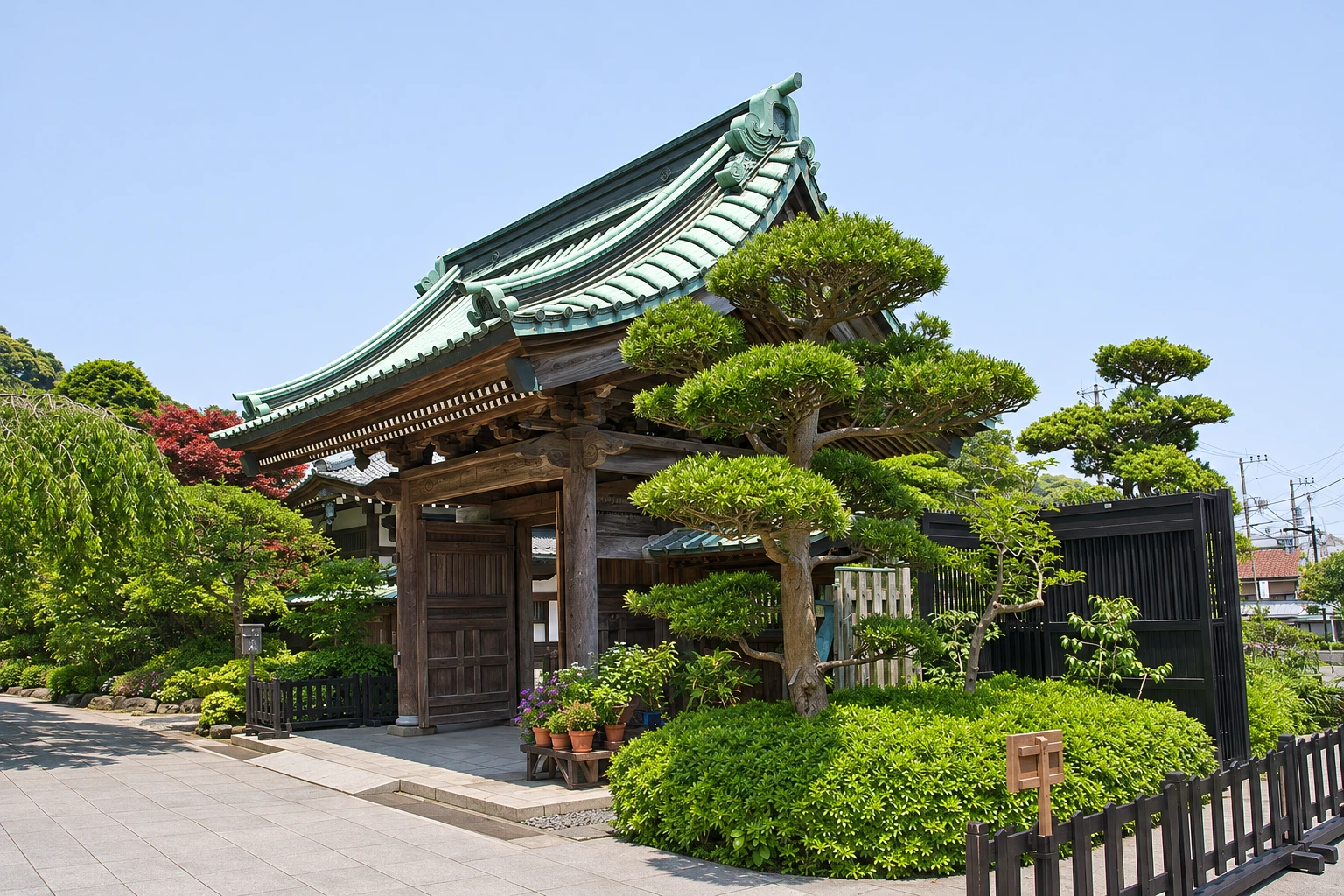
Hase-dera is a Buddhist temple on the hillside of the Hase neighborhood, a few minutes from the Great Buddha. Tradition places its founding in the 8th century. The temple is dedicated to Kannon, the deity of mercy, and houses one of the largest wooden statues in Japan: an eleven-faced, gilded Kannon about 9 meters tall, in a dim hall high on the grounds.
The temple climbs the slope in several levels. At the lower part, a garden with ponds, carp and bridges welcomes visitors. In the middle, hundreds of small Jizo statues, the deity who protects children, were placed by parents in memory of lost children. At the top are the Kannon hall, the temple museum and a terrace with views over Yuigahama Bay and the city.
In the Benten cave, carved into the rock, there are statues of the goddess Benzaiten and other deities lit by candles; in some sections you must stoop to pass. Beside it, the sutra hall has a rotating shelf of Buddhist texts.
In June, the hillside path lined with thousands of hydrangeas attracts crowds, and the temple may issue timed tickets to control entry. In spring and autumn, the garden has cherry trees and maples, and on some evenings there is special illumination.
Before you go
Practical information
Cidade Turismo reviews its information regularly, but something may have changed. Check with the place before planning your trip.
How much time to set aside
From 1 to 1h30.
Best time
In June the hydrangeas bloom, drawing large crowds and possible entry control by timed ticket. Mornings are less crowded. The upper terrace has views of the bay year-round; in late afternoon the low light illuminates the sea.
How to get there
The temple is about a 5-minute walk from Hase station on the Enoden. From the Great Buddha, the walk takes about 10 minutes, descending the main street.
Tip
Climb to the upper terrace for the bay view and have lunch at the temple restaurant, which has windows facing the sea. During hydrangea season, arrive right at opening.
Official website
Get your questions answered
Frequently asked questions about Hase-dera
What to see at Hase-dera?
The eleven-faced wooden Kannon of about 9 meters, the Benten cave, the Jizo statues, the garden and the terrace with a view over the bay.
When do the hydrangeas bloom at Hase-dera?
Generally in June. The temple becomes very crowded and may issue timed tickets for the hydrangea path.
How do you get to Hase-dera?
Get off the Enoden at Hase stop and walk about 5 minutes.
How long does a visit to Hase-dera take?
About 1 to 1.5 hours.
Can you visit Hase-dera and the Great Buddha together?
Yes. They are about a 10-minute walk from each other in the Hase neighborhood.
Beyond the guide


