

 Brazil
 Antarctica
 Argentina
 Bolivia
 Chile
 Colombia
 Ecuador
 Guyana
 French Guiana
 Falkland Islands (Malvinas)
 Paraguay
 Peru
 Suriname
 Uruguay
 Venezuela
 Germany
 Austria
 Belgium
 Croatia
 Denmark
 Slovakia
 Slovenia
 Spain
 Finland
 France
 Greece
 the Netherlands
 Hungary
 Ireland
 Iceland
 Italy
 Luxembourg
 Norway
 Poland
 Portugal
 the United Kingdom
 the Czech Republic
 Sweden
 Switzerland
 Turkey
 Bermuda
 Canada
 the United States
 Greenland
 Mexico
 Saint Pierre and Miquelon
 the Dominican Republic
 South Africa
 Egypt
 Australia
 Fiji
 New Zealand
 Papua New Guinea
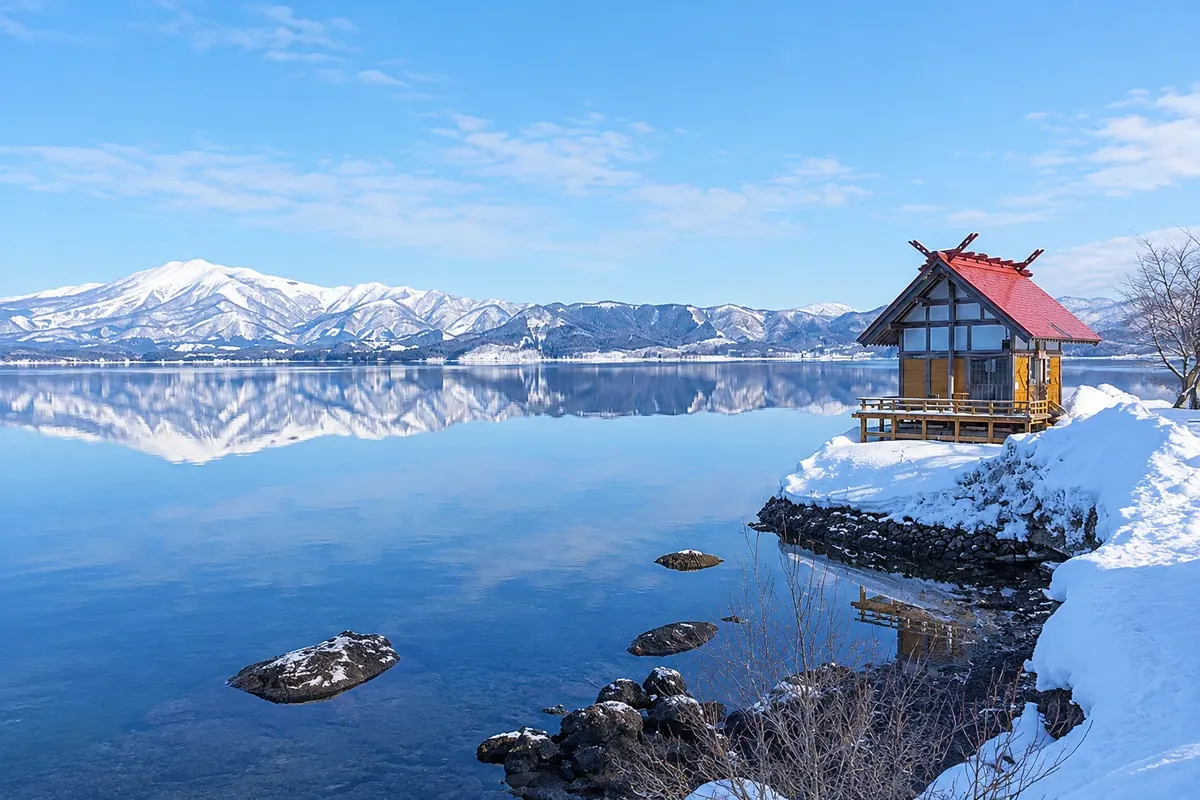
Lake · Semboku, Akita
Lake Tazawa
Round crater lake, 423 meters deep, the deepest in Japan, with dark blue water that does not freeze, featuring the golden statue of Tatsuko and a red torii at the water’s edge.
Illustrative images. The pictures in this guide are illustrations based on the real place, not photographs, and may differ from it.

A look at the place
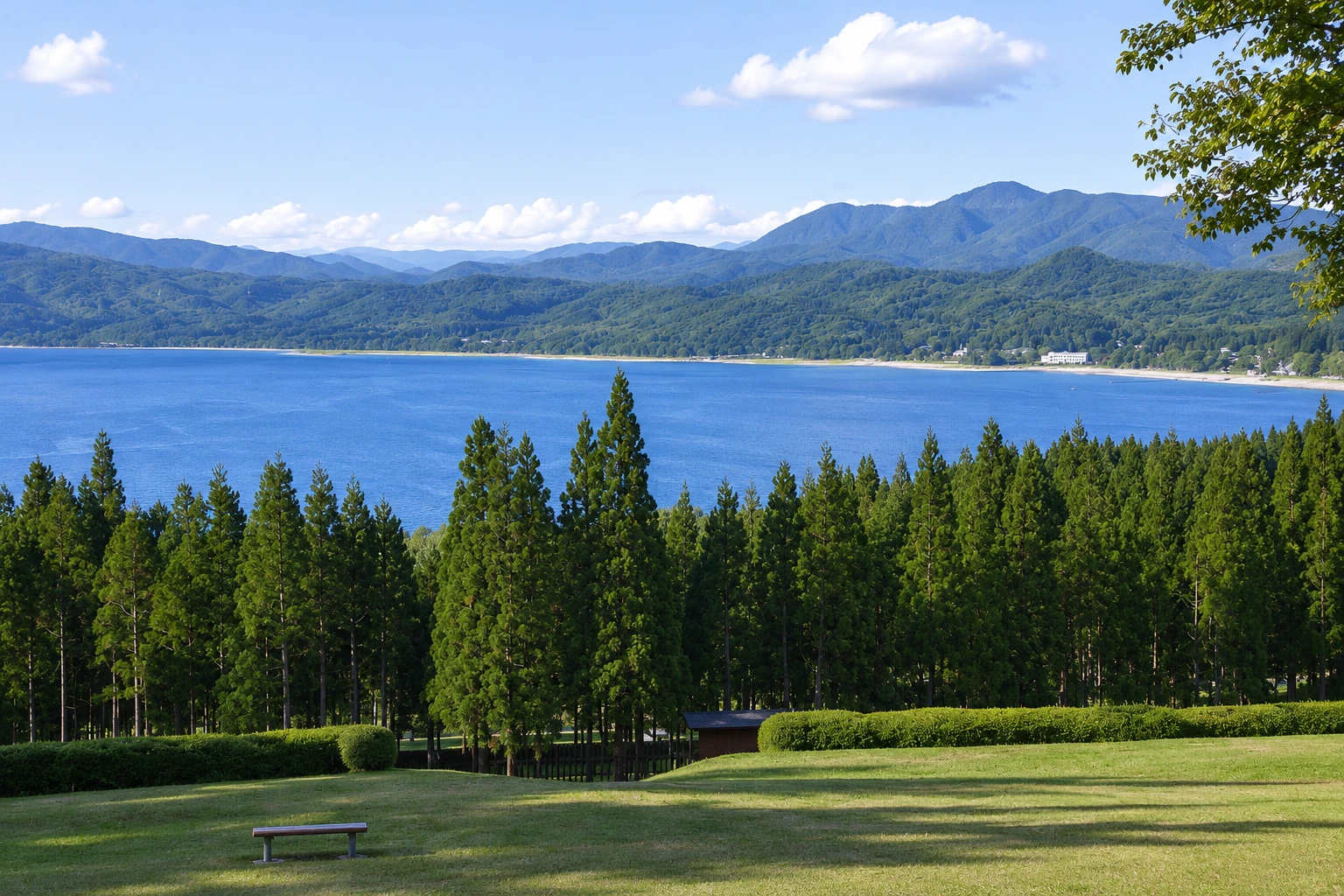
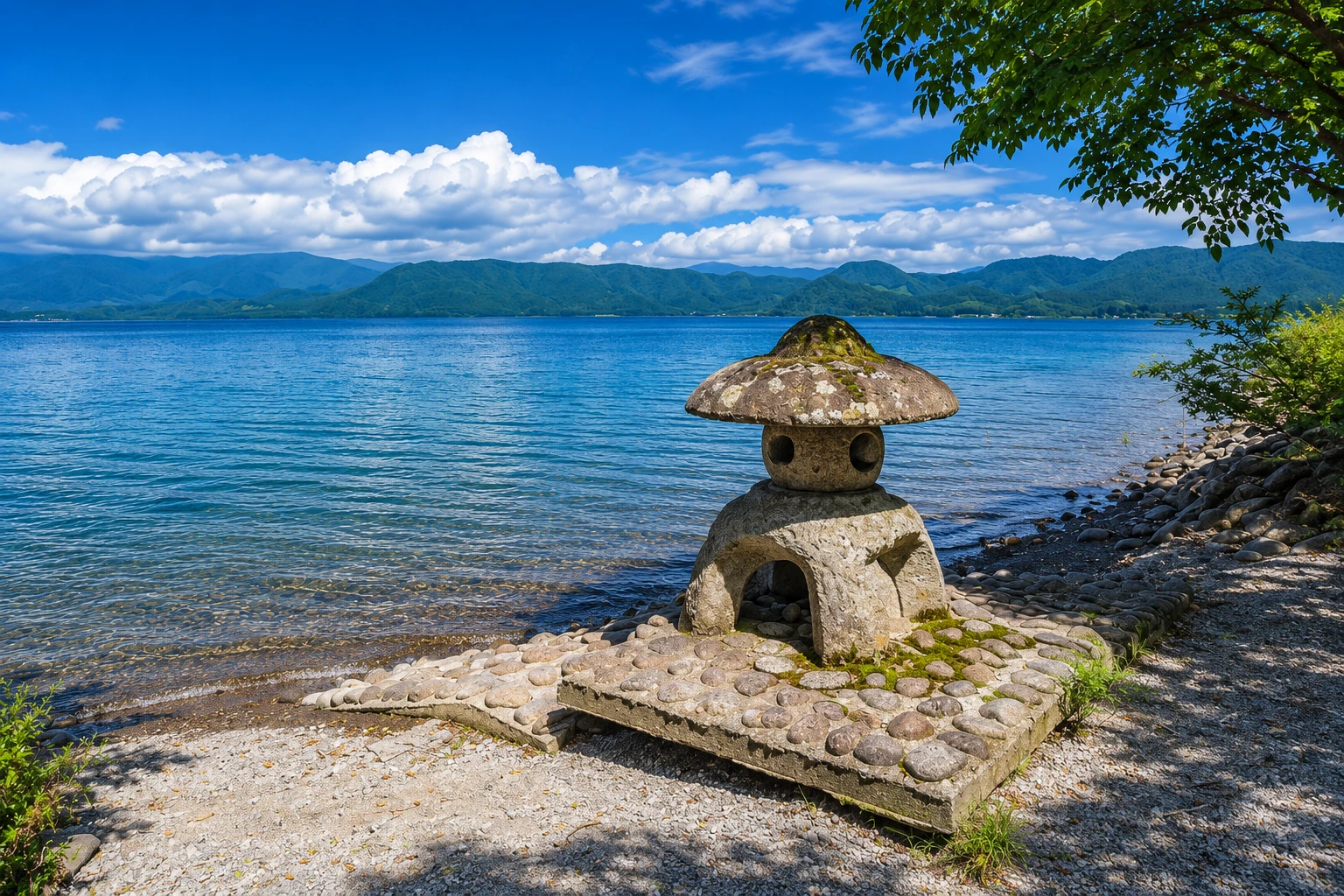
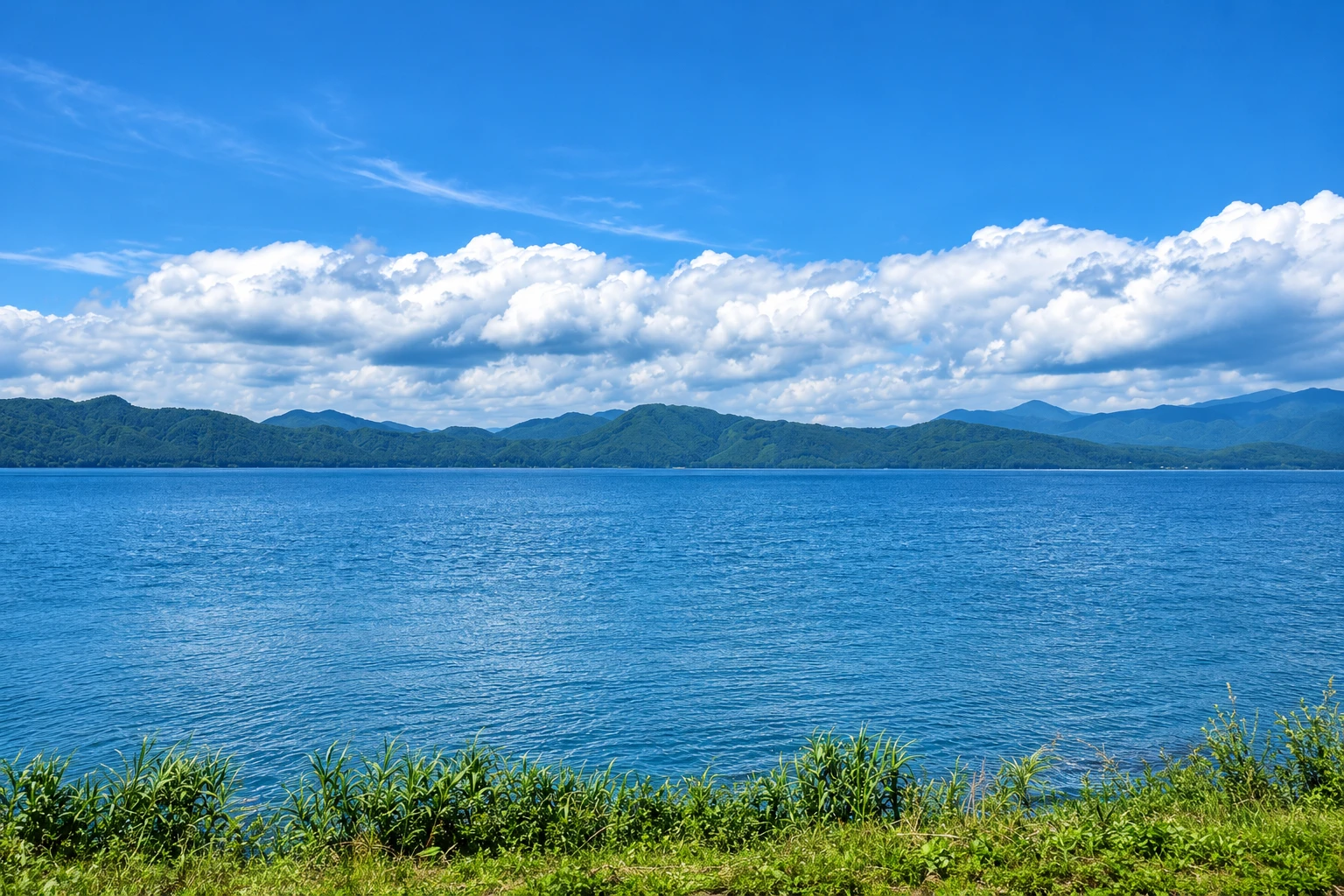
Lake Tazawa in pictures
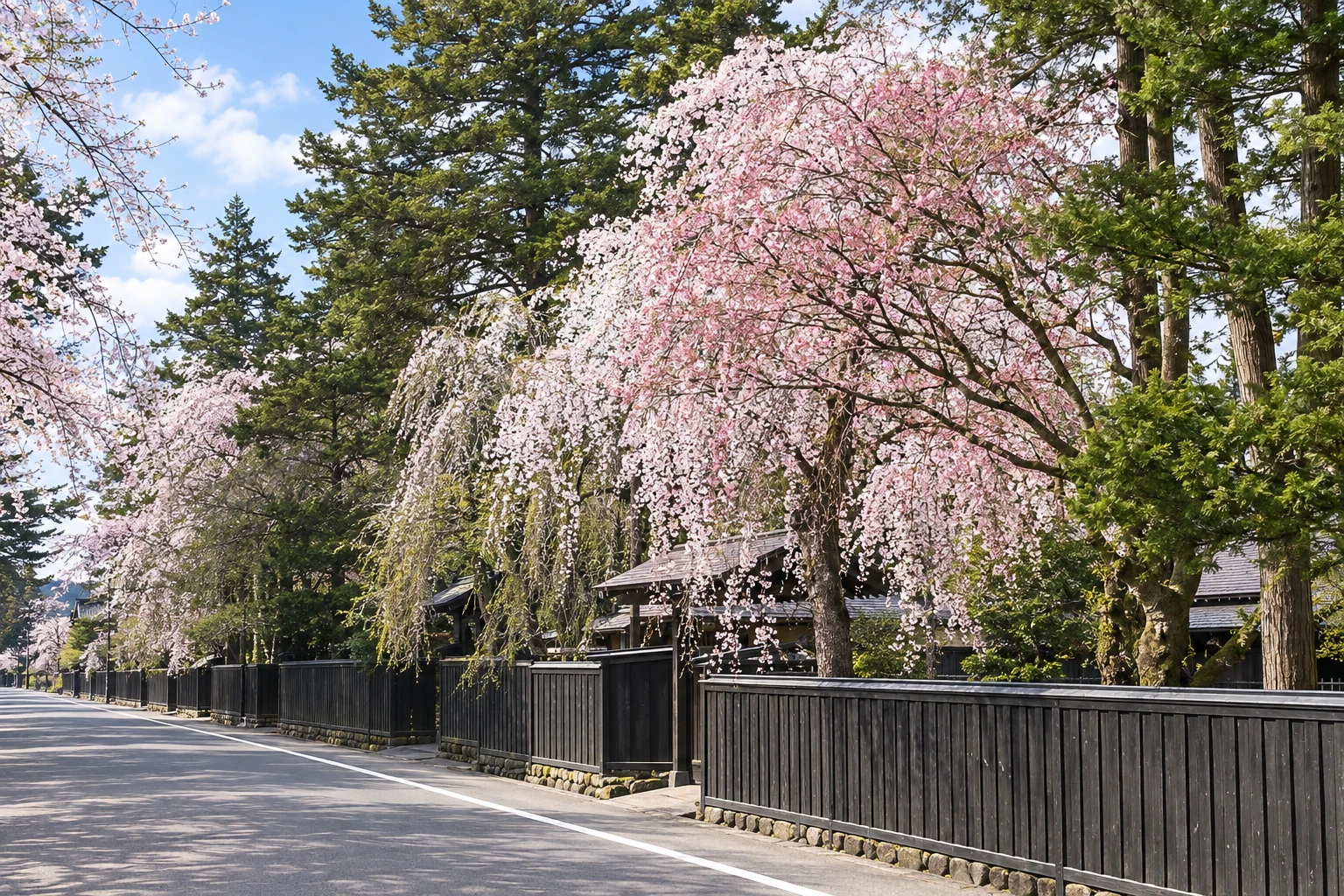
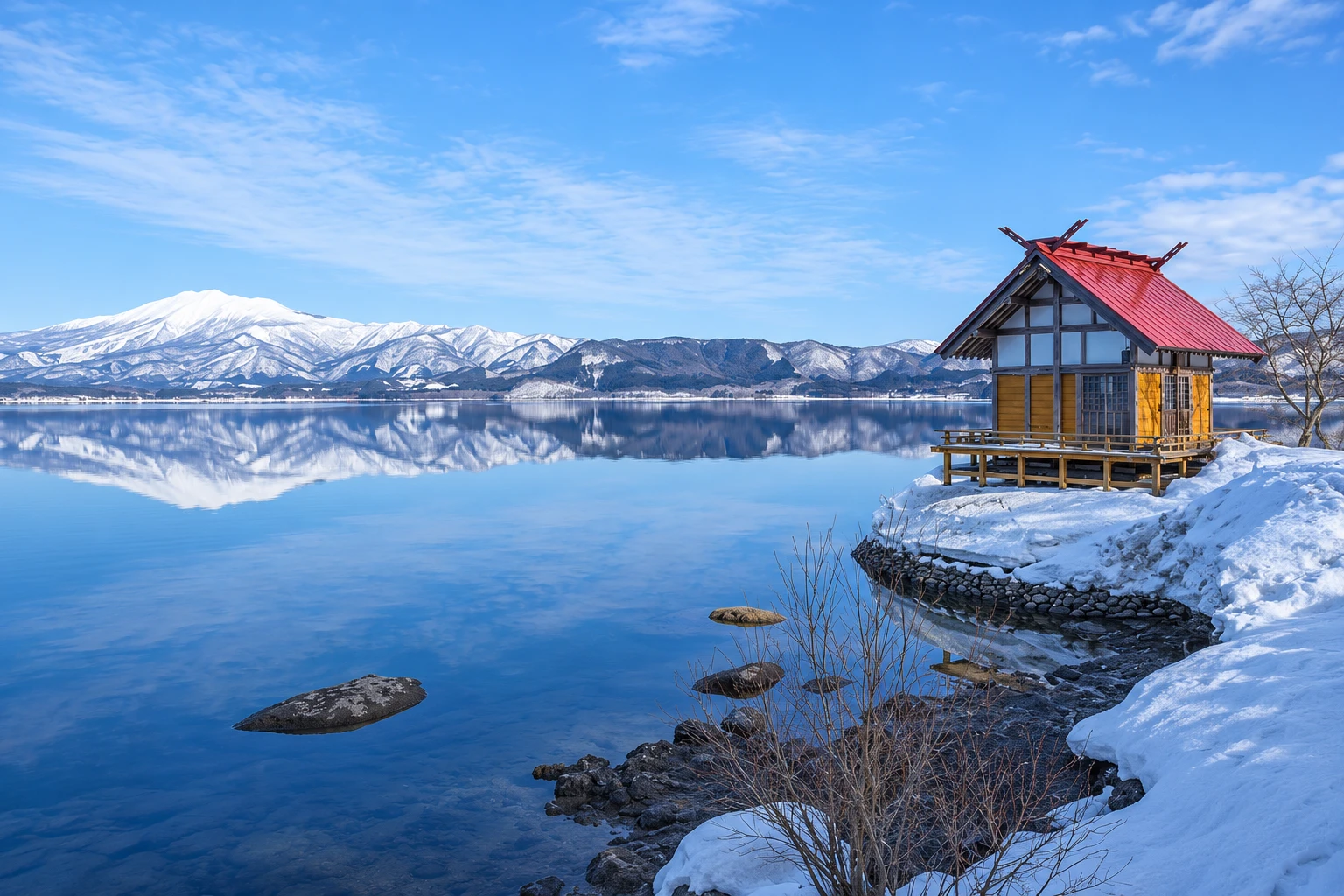
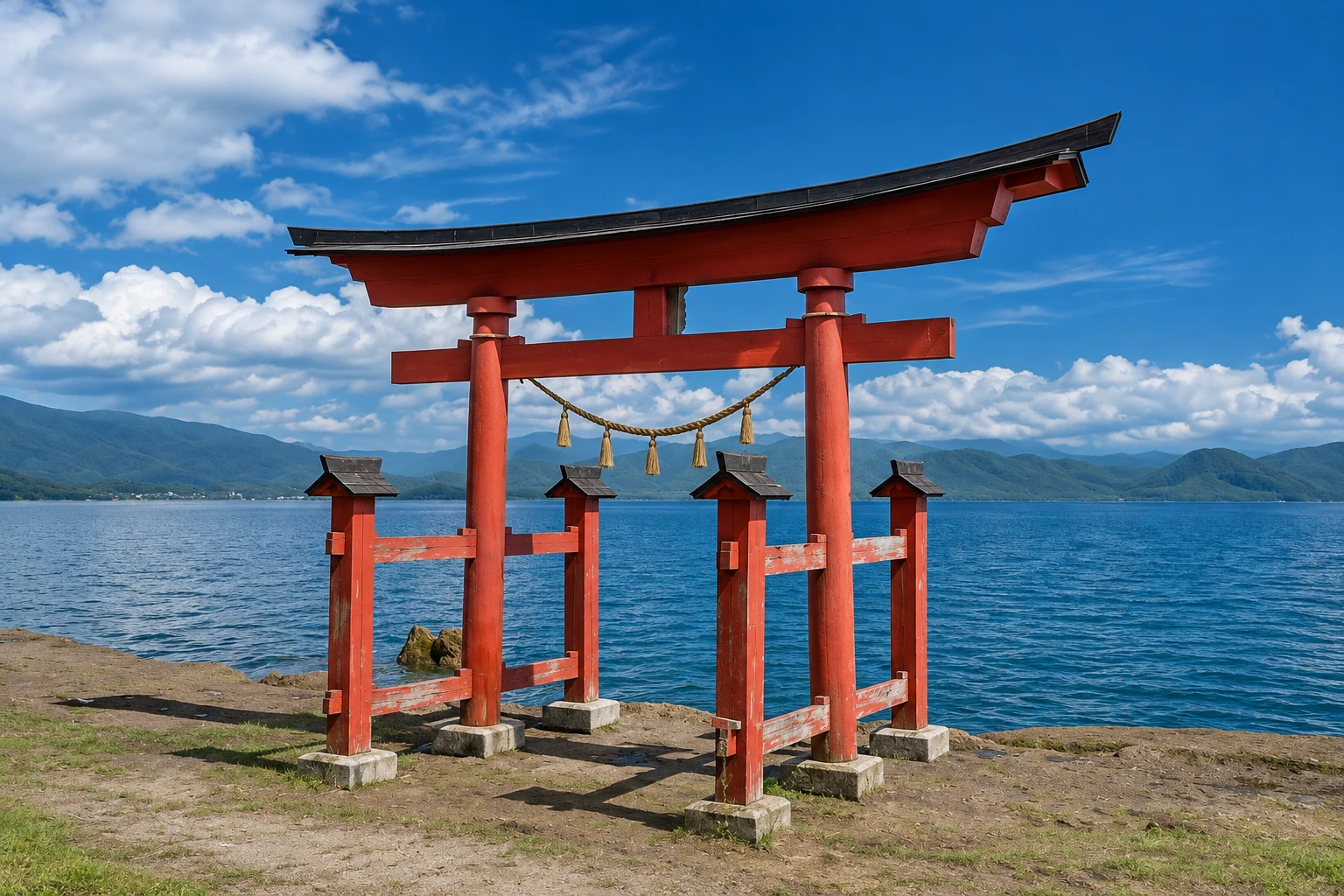
These pictures are illustrations based on the real place, not photographs. They may differ from the place.
Click the picture to enlarge it.
Discover
About Lake Tazawa
Lake Tazawa lies about 20 km north of Kakunodate, at roughly 250 m above sea level, in a volcanic basin among mountains. It is almost circular, with about 20 km of shoreline, and a maximum depth of 423 m, the deepest in Japan. Because it is so deep, the water often does not freeze in winter even when snow covers the surroundings.
The color ranges from light blue near the shores to a deep dark blue in the center. The water used to be clearer; in the 20th century, acidic hot-spring water piped to irrigation killed the local trout species, the kunimasu, later rediscovered in Lake Sai near Mount Fuji. The story is told at the visitor center.
On the west shore, at Katajiri, stands the golden statue of Tatsuko (1968), representing the young woman of the local legend: to keep her beauty forever she drank from a spring and became the dragon that lives in the lake. On the north side, the Gozanoishi shrine has a red torii in the water, with stones and pines, another classic view.
A road circles the lake, with beaches, picnic areas and bicycle and boat rentals in season. Buses from Tazawako Station go to the east shore and some run around the lake. In the background, Mount Komagatake, the highest in Akita, has summer trails with flowers and access to Nyuto Onsen via its slopes.
Before you go
Practical information
Cidade Turismo reviews its information regularly, but something may have changed. Check with the place before planning your trip.
How much time to set aside
2–3 hours to see the Tatsuko statue, the Gozanoishi shrine and a stop at the shore; half a day for the full circuit.
Best time
June to September on clear days, when the water shows its best colors. October brings fall foliage. In winter the lake often does not freeze and the surroundings are snowy, but boats stop and bus services are reduced. Check departures before you go.
How to get there
From Tazawako Station (the Komachi shinkansen), buses take about 15 minutes to the east shore at Tazawako-han, and some buses circle the lake via Katajiri and Gozanoishi. By car, the loop is about 20 km.
Tip
Rent a bicycle on the east shore and cycle around the lake, stopping at the Tatsuko statue and the Gozanoishi torii. Outside summer, check the schedules of the few buses that make the full circuit.
Get your questions answered
Frequently asked questions about Lake Tazawa
What is the depth of Lake Tazawa?
423 meters, the deepest among Japan’s lakes. That’s why the water usually doesn’t freeze in winter.
Who is Tatsuko, of the golden statue at Lake Tazawa?
She’s the woman from a local legend who drank water from a spring to keep her beauty forever and became the lake’s dragon. The statue, from 1968, stands on the west shore.
How do you get to Lake Tazawa?
By Komachi bullet train to Tazawako Station and then a bus to the shore, about 15 minutes. By car, the road goes all the way around the lake.
Can you swim in Lake Tazawa?
In summer there are beaches on the east shore used for swimming and water sports. The water is cold and deep near the shore; respect the designated areas.
Beyond the guide


