

 Brazil
 Antarctica
 Argentina
 Bolivia
 Chile
 Colombia
 Ecuador
 Guyana
 French Guiana
 Falkland Islands (Malvinas)
 Paraguay
 Peru
 Suriname
 Uruguay
 Venezuela
 Germany
 Austria
 Belgium
 Croatia
 Denmark
 Slovakia
 Slovenia
 Spain
 Finland
 France
 Greece
 the Netherlands
 Hungary
 Ireland
 Iceland
 Italy
 Luxembourg
 Norway
 Poland
 Portugal
 the United Kingdom
 the Czech Republic
 Sweden
 Switzerland
 Turkey
 Bermuda
 Canada
 the United States
 Greenland
 Mexico
 Saint Pierre and Miquelon
 the Dominican Republic
 South Africa
 Egypt
 Australia
 Fiji
 New Zealand
 Papua New Guinea
Historic district · Semboku, Akita
Kakunodate Samurai District
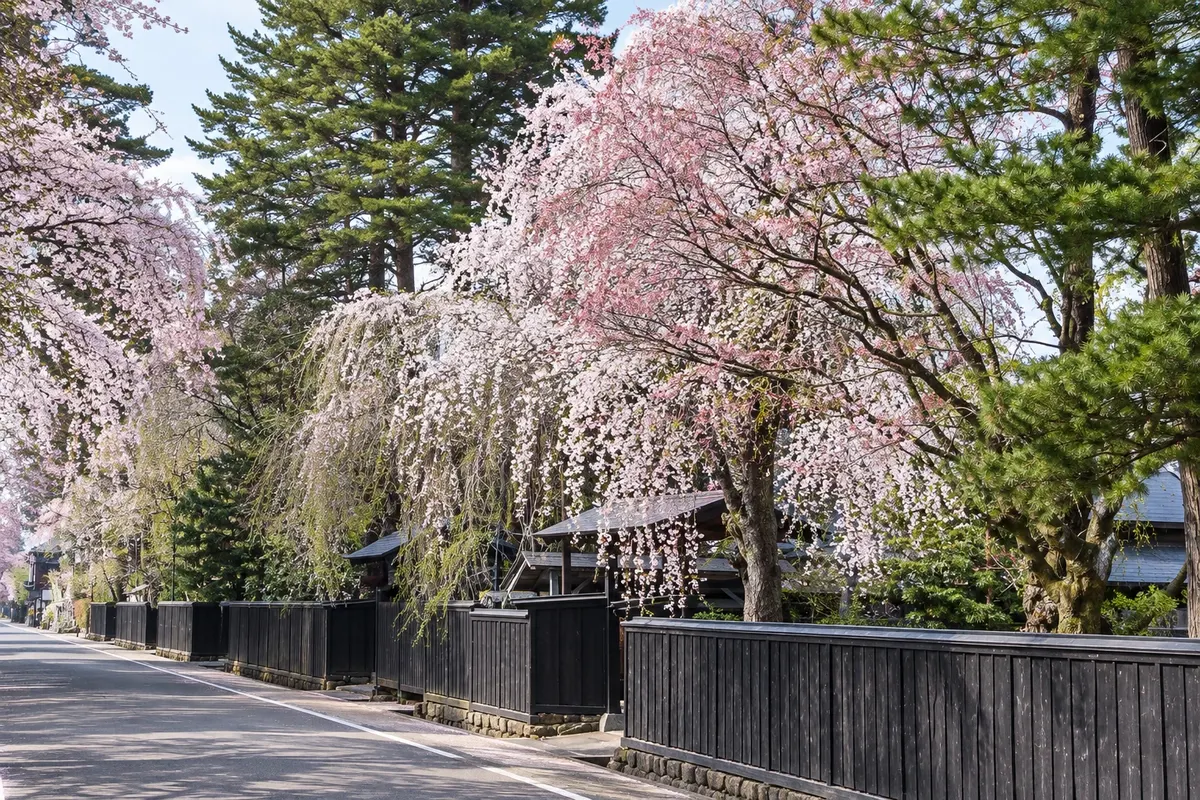
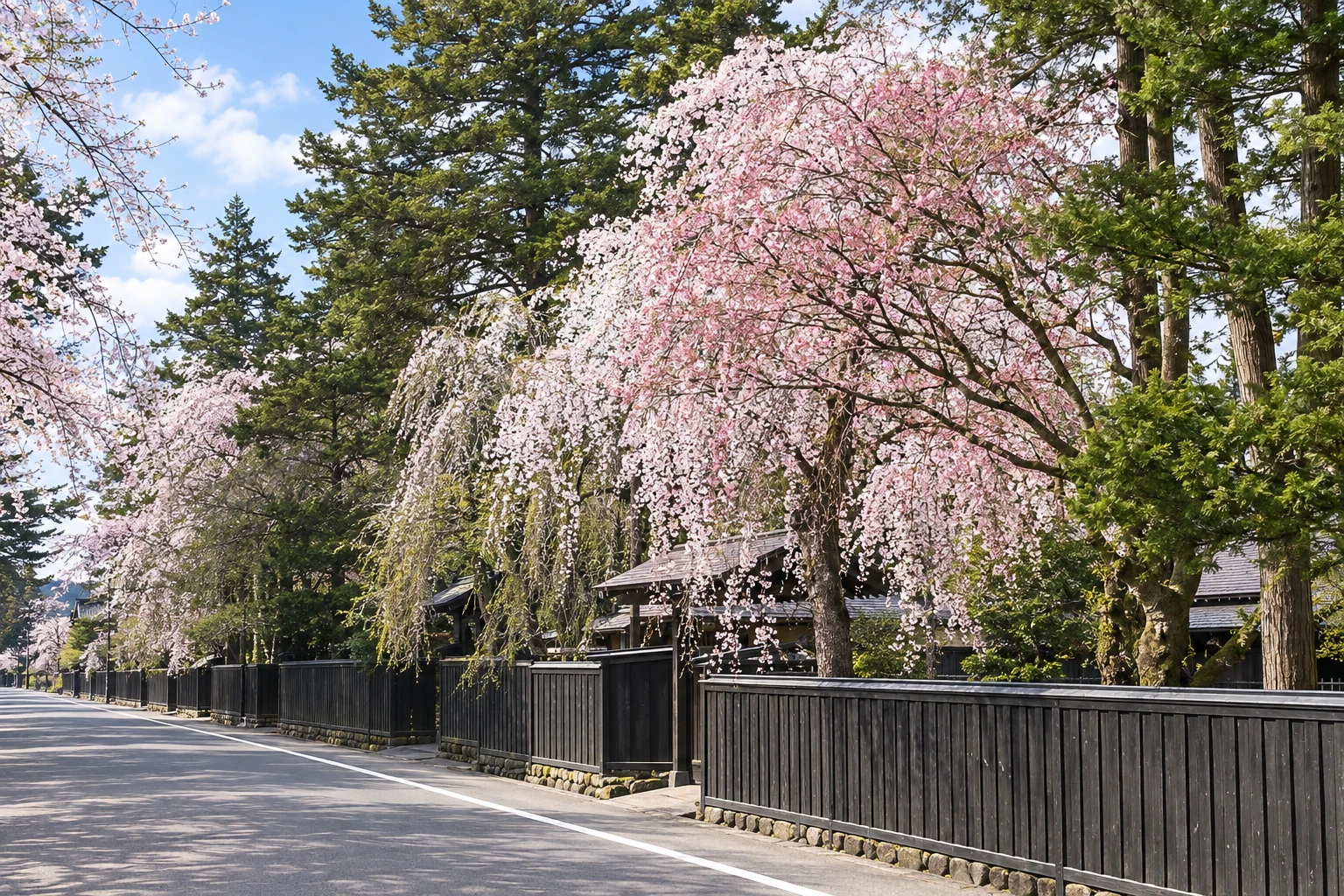
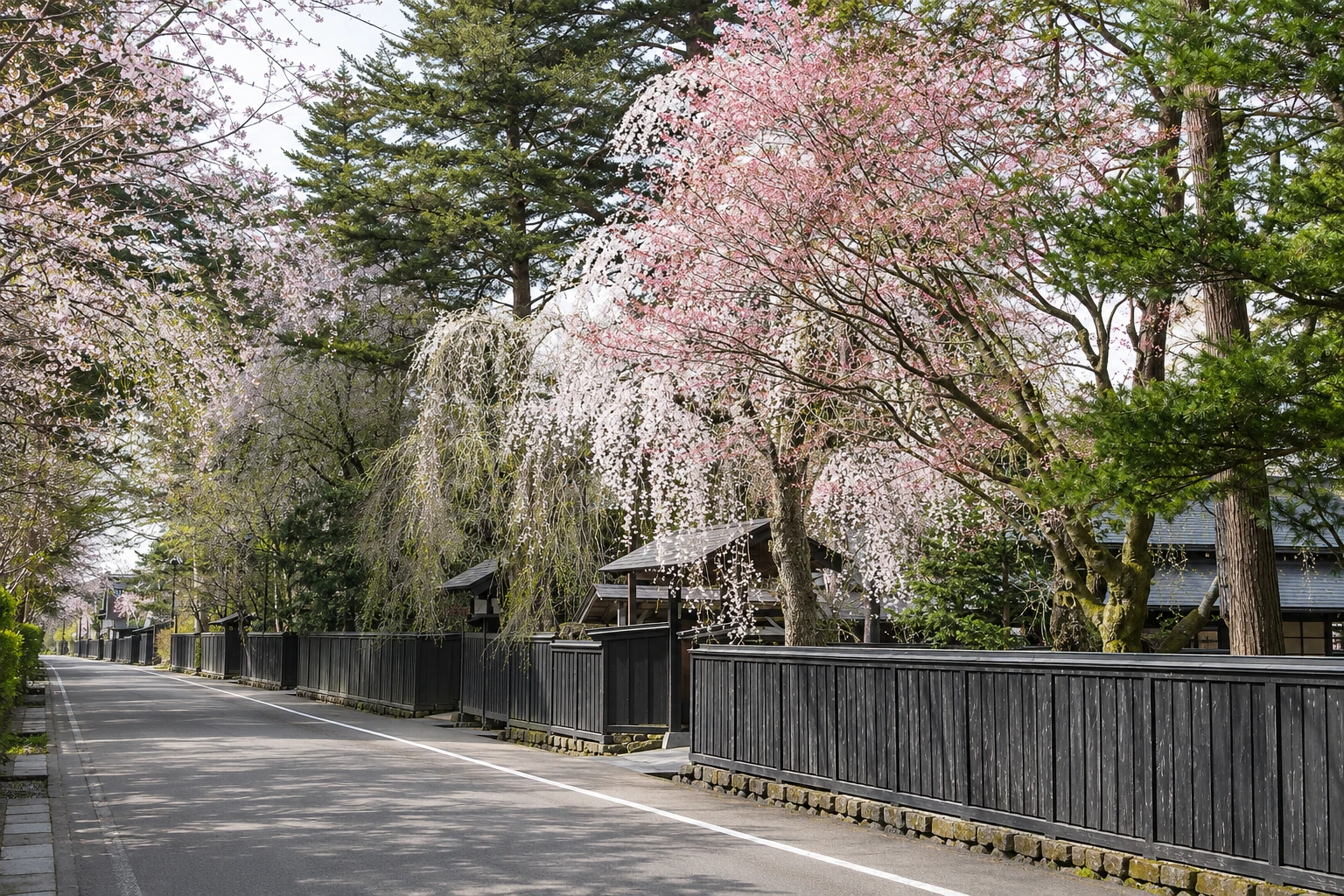
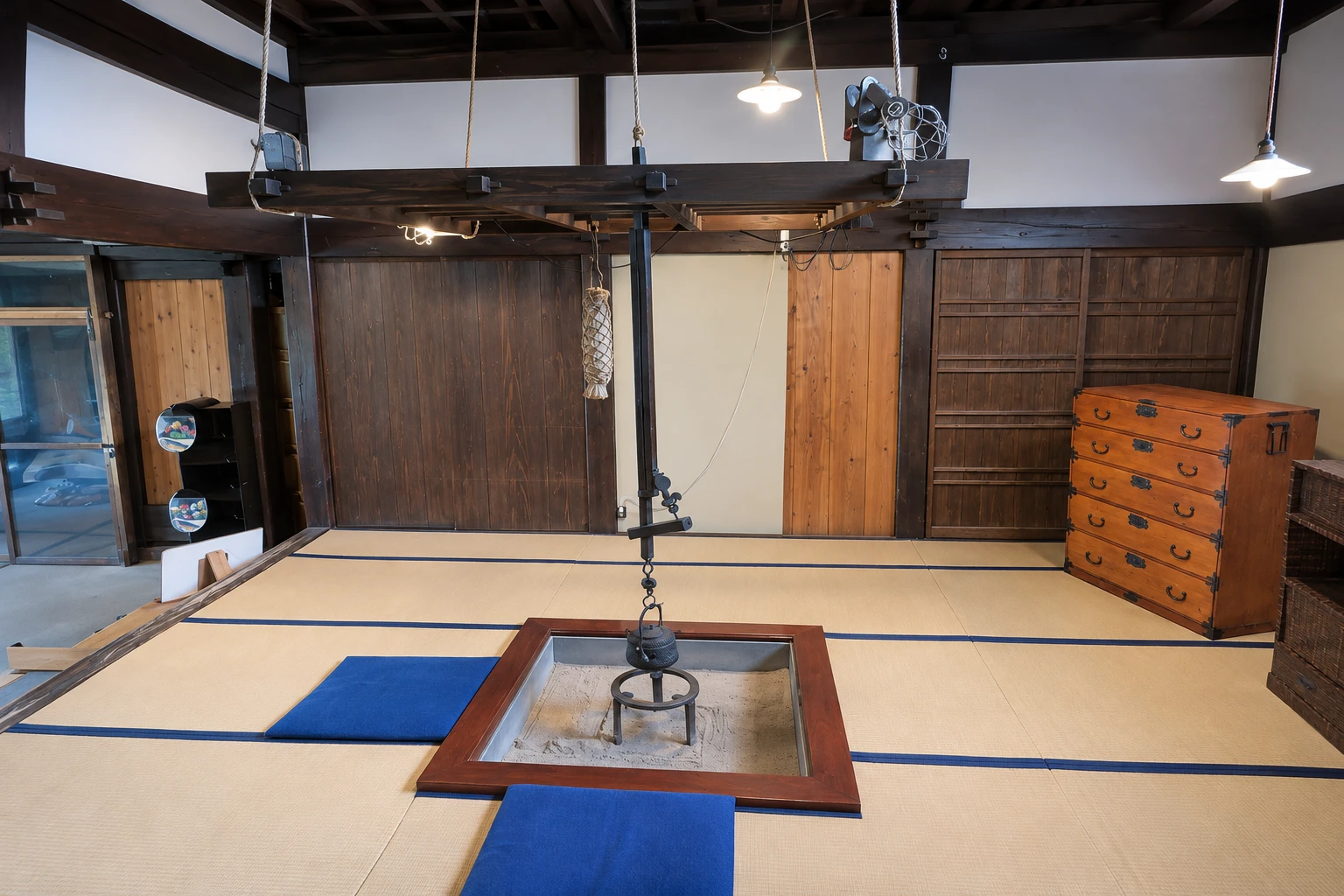
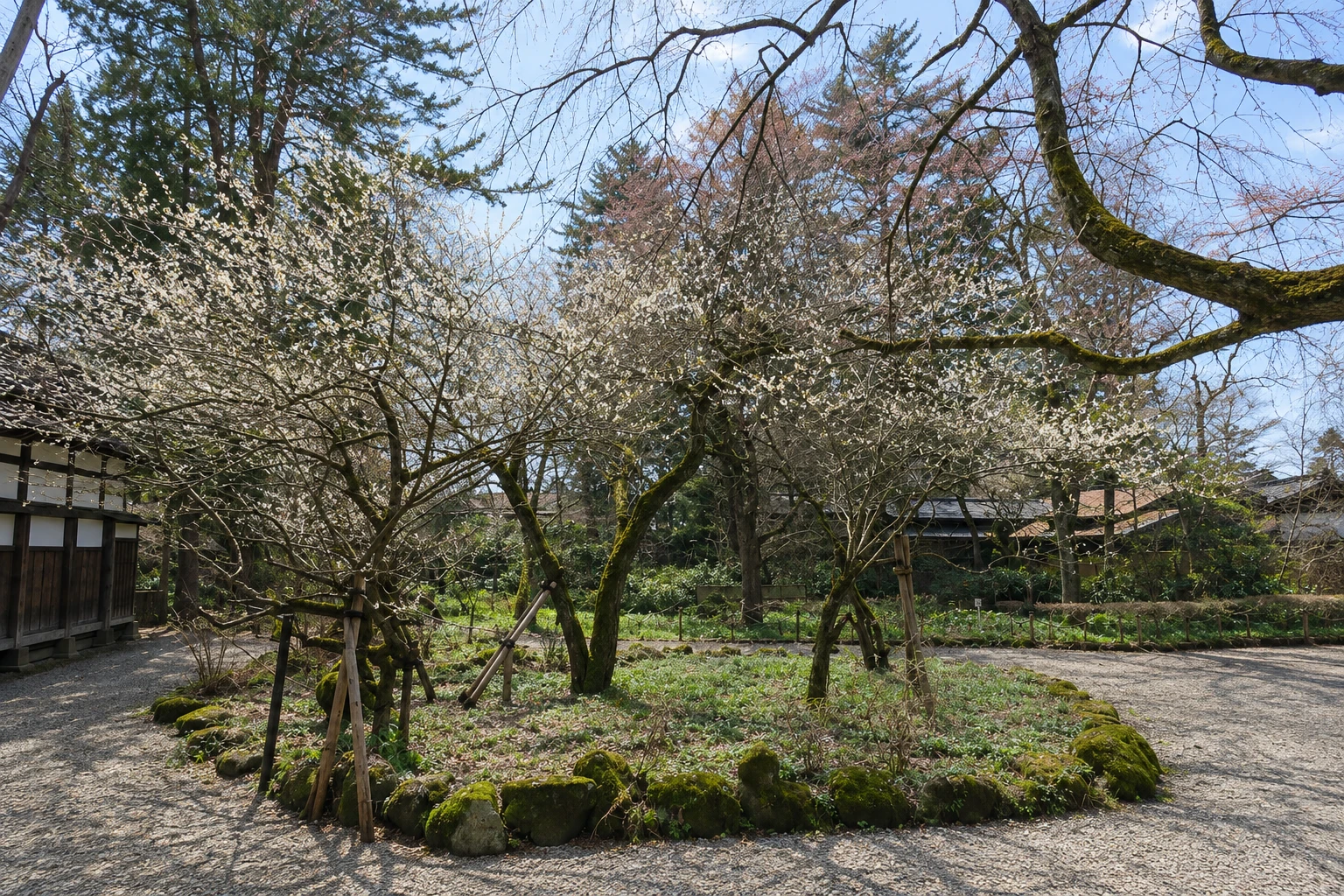
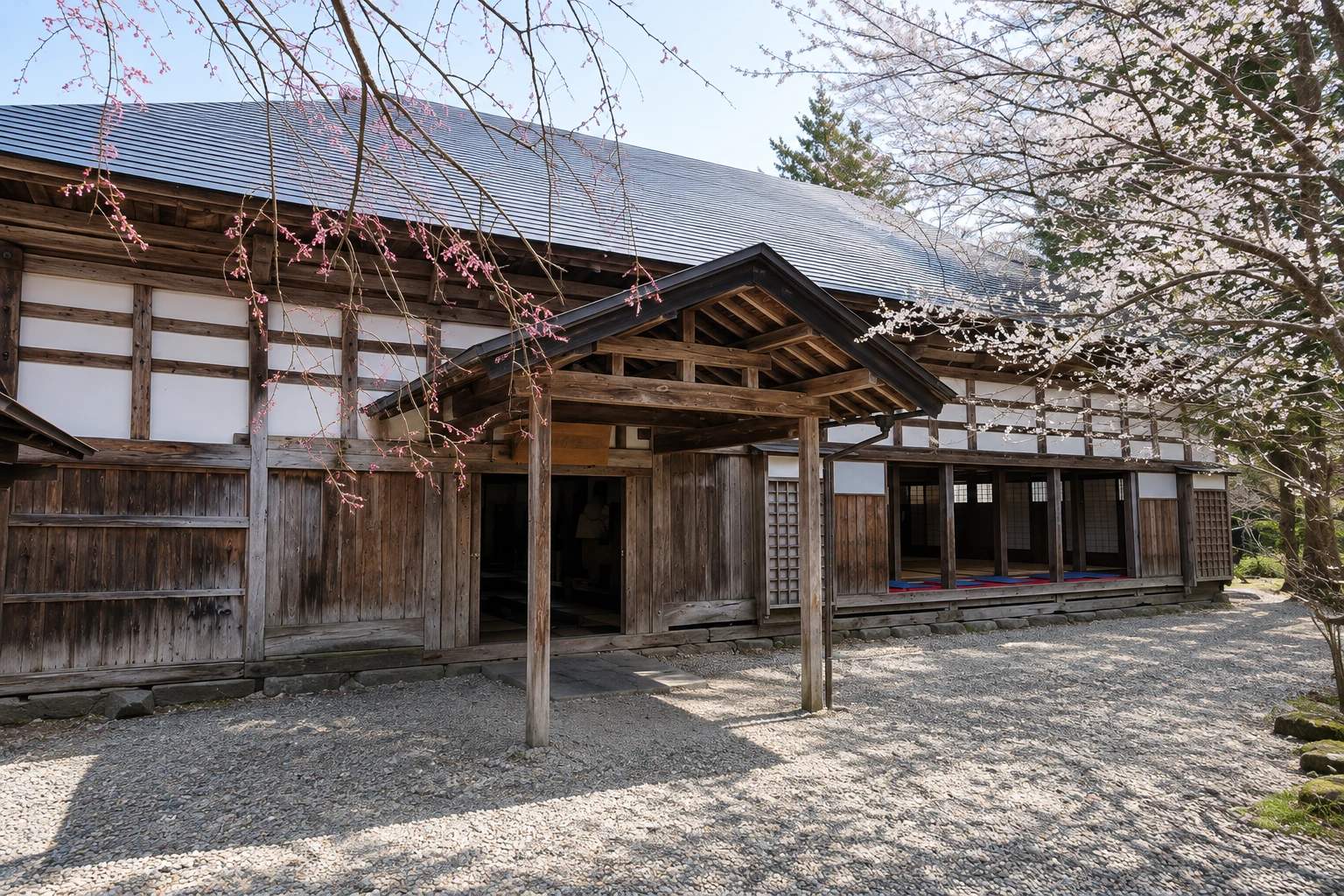
Wide streets with black wooden fences, gates and samurai houses from the Edo period, shaded by weeping cherry trees and centennial trees, with several residences open to visitors.
Illustrative images. The pictures in this guide are illustrations based on the real place, not photographs, and may differ from it.

A look at the place
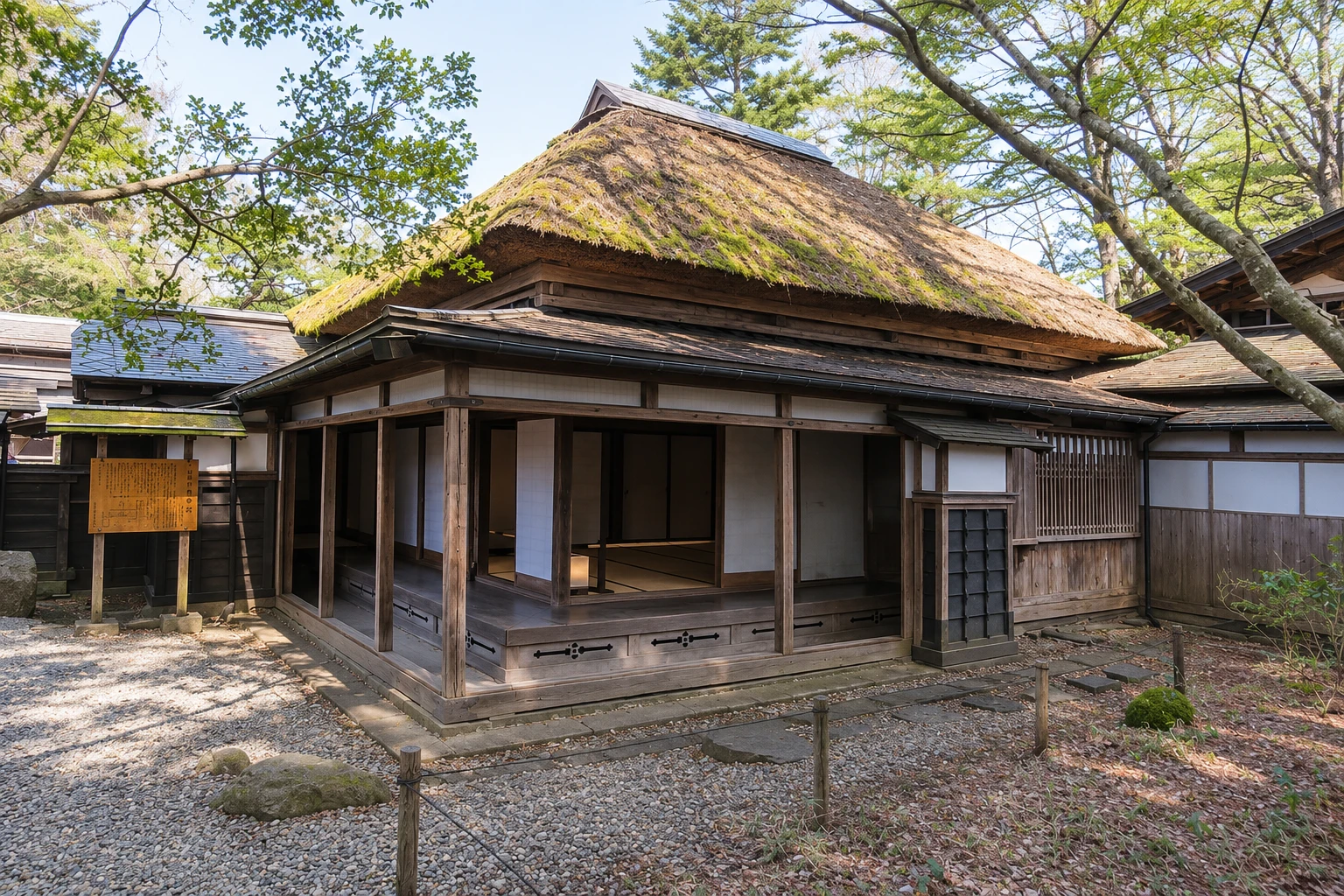
Kakunodate Samurai District in pictures
These pictures are illustrations based on the real place, not photographs. They may differ from the place.
Click the picture to enlarge it.
Discover
About Kakunodate Samurai District
The Kakunodate samurai district, called Uchimachi, was laid out in 1620, when Lord Ashina Yoshikatsu rebuilt the town at the foot of a hill. The town was divided by a firebreak: to the north, the samurai residences; to the south, the merchants. The samurai area is protected as a Traditional Buildings Preservation Area.
The main street, Bukeyashiki-dori, is wide and straight, with wooden fences painted black, gatehouses with roofs and gardens of pines, firs and maples. In spring, weeping cherry trees, some over 300 years old and traditionally said to originate from saplings brought from Kyoto, lean over the fences. The cherry trees of the district and those along the Hinokinai River are designated a National Natural Monument.
Six houses usually open to visitors. The Aoyagi house is the largest, with several buildings turned into museums of weapons, armor, antiques and crafts; the Ishiguro house, one of the oldest, is still inhabited by descendants and displays reception rooms and documents. The Iwahashi, Kawarada, Odano and Matsumoto houses are smaller and usually do not charge admission.
The kabazaiku museum, dedicated to the polished cherry-bark craft typical of Kakunodate, with demonstrations, is also in the district. To the south, the merchants’ area preserves thick-walled storehouses, the kura, and miso and shoyu shops. A stroll through the district, visiting two or three houses, takes half a day at an unhurried pace.
Before you go
Practical information
Cidade Turismo reviews its information regularly, but something may have changed. Check with the place before planning your trip.
How much time to set aside
About 2 to 3 hours, including the main street and two or three open houses.
Best time
During the weeping cherry bloom, generally from late April to early May; the exact date varies by year. October and November bring the fall foliage. In winter, snow on the black fences attracts photographers, but some houses may close. Confirm opening hours before you go.
How to get there
From Kakunodate Station, it’s about a 20-minute walk to the start of the samurai house street. In season, rickshaws and rental bicycles are available near the station.
Tip
Arrive early during cherry season: the street becomes crowded by midday. Enter the Aoyagi house to understand the district, then walk the quieter side streets down to the Hinokinai River.
Get your questions answered
Frequently asked questions about Kakunodate Samurai District
Which samurai houses in Kakunodate are worth a visit?
The Aoyagi house, the largest, with museums of weapons and antiques, and the Ishiguro house, still inhabited by descendants. The Iwahashi, Kawarada, Odano and Matsumoto houses are smaller and quick to see.
How long does a visit to the samurai district take?
2–3 hours for the main street and two or three houses. With the kabazaiku museum and the Hinokinai River, half a day.
Are the cherry trees in Kakunodate old?
Some weeping cherry trees in the district are over 300 years old. Together with those along the Hinokinai River, they form a National Natural Monument.
Is the samurai district far from the station?
It’s about a 20-minute walk from the station along flat streets. Bicycles are available to rent in season.
Beyond the guide


