

 Brazil
 Antarctica
 Argentina
 Bolivia
 Chile
 Colombia
 Ecuador
 Guyana
 French Guiana
 Falkland Islands (Malvinas)
 Paraguay
 Peru
 Suriname
 Uruguay
 Venezuela
 Germany
 Austria
 Belgium
 Croatia
 Denmark
 Slovakia
 Slovenia
 Spain
 Finland
 France
 Greece
 the Netherlands
 Hungary
 Ireland
 Iceland
 Italy
 Luxembourg
 Norway
 Poland
 Portugal
 the United Kingdom
 the Czech Republic
 Sweden
 Switzerland
 Turkey
 Bermuda
 Canada
 the United States
 Greenland
 Mexico
 Saint Pierre and Miquelon
 the Dominican Republic
 South Africa
 Egypt
 Australia
 Fiji
 New Zealand
 Papua New Guinea
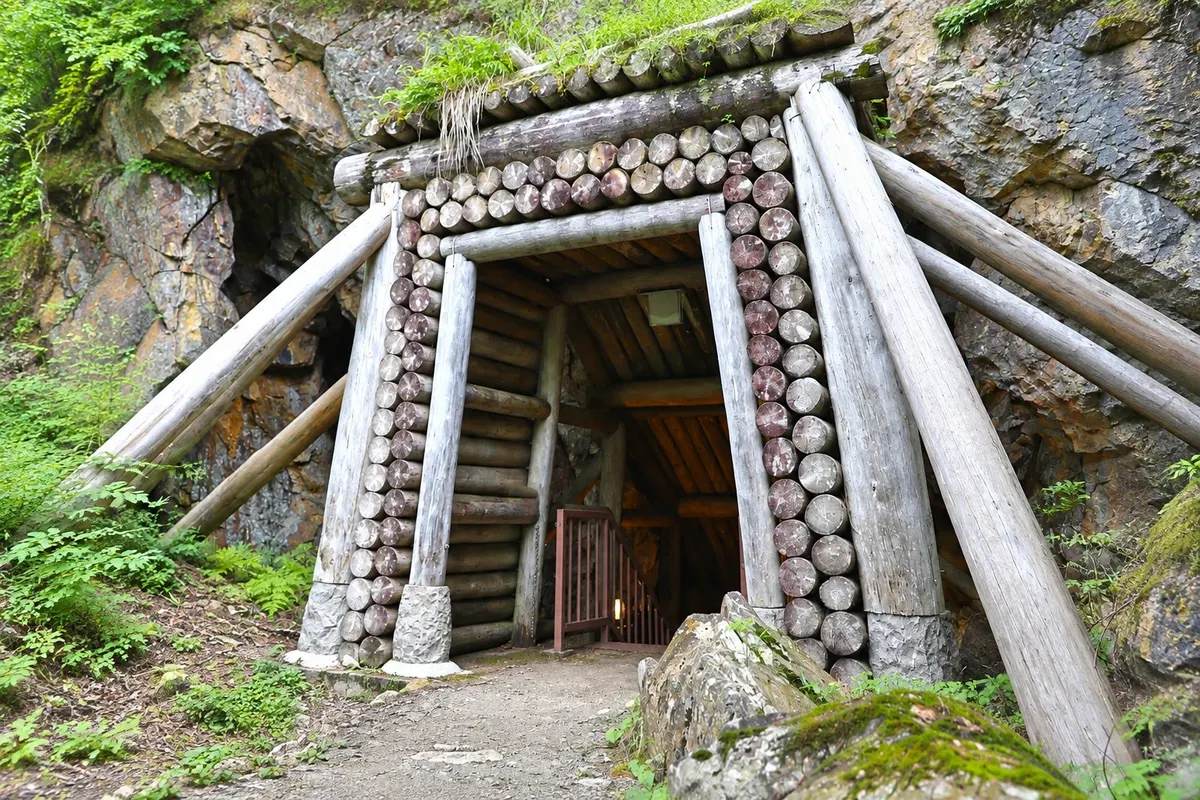
Historic site · Obanazawa, Yamagata
Nobesawa Silver Mine
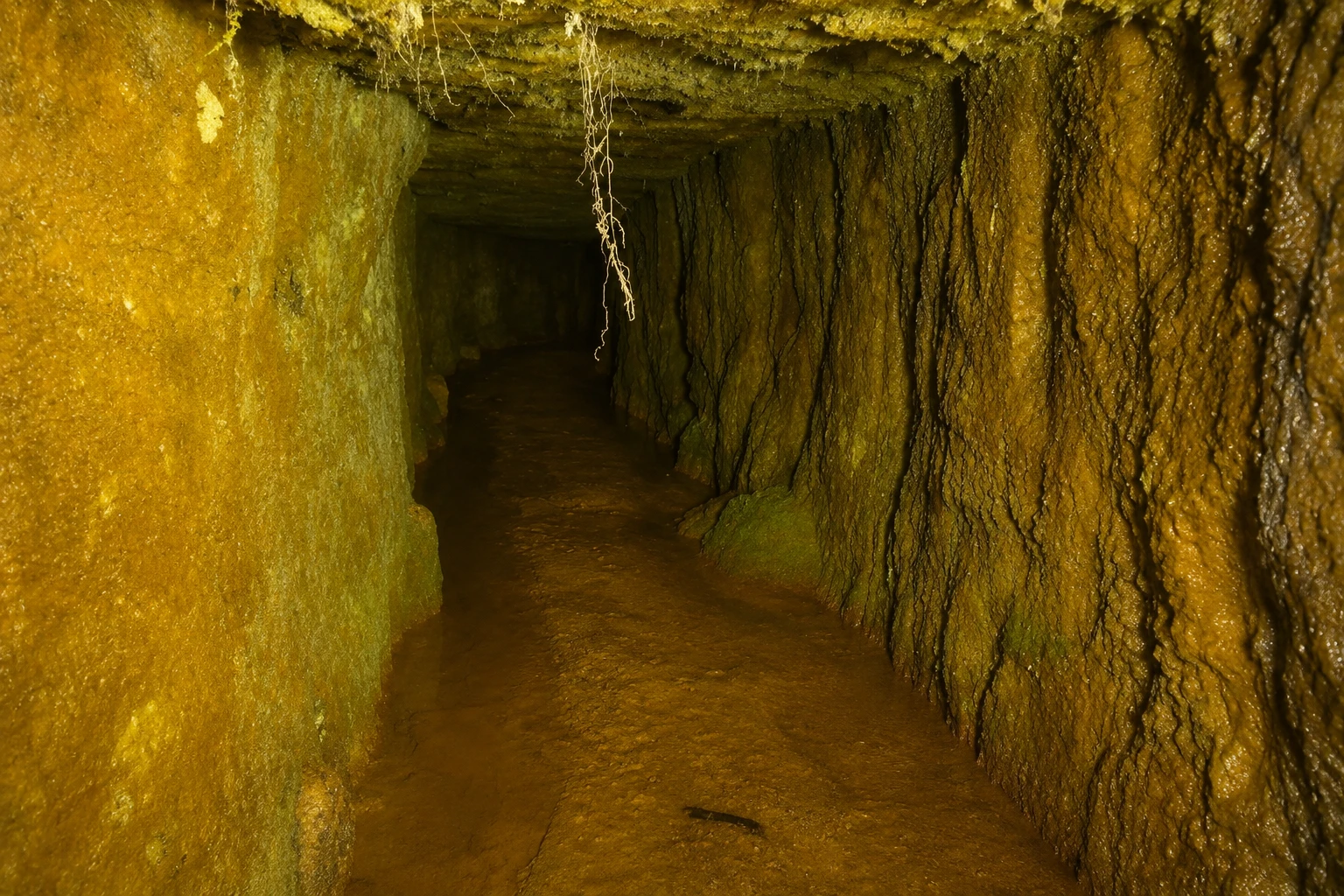
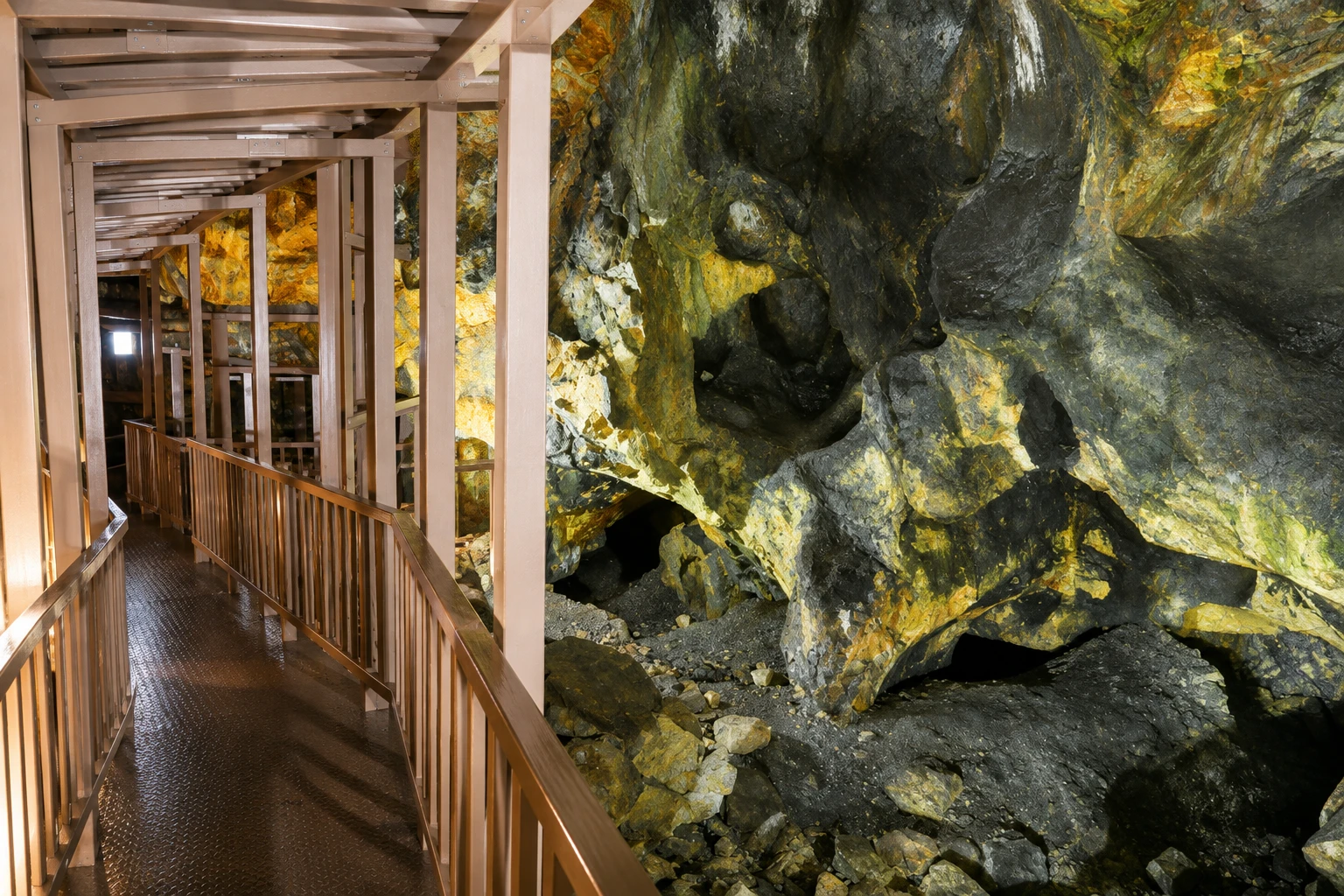
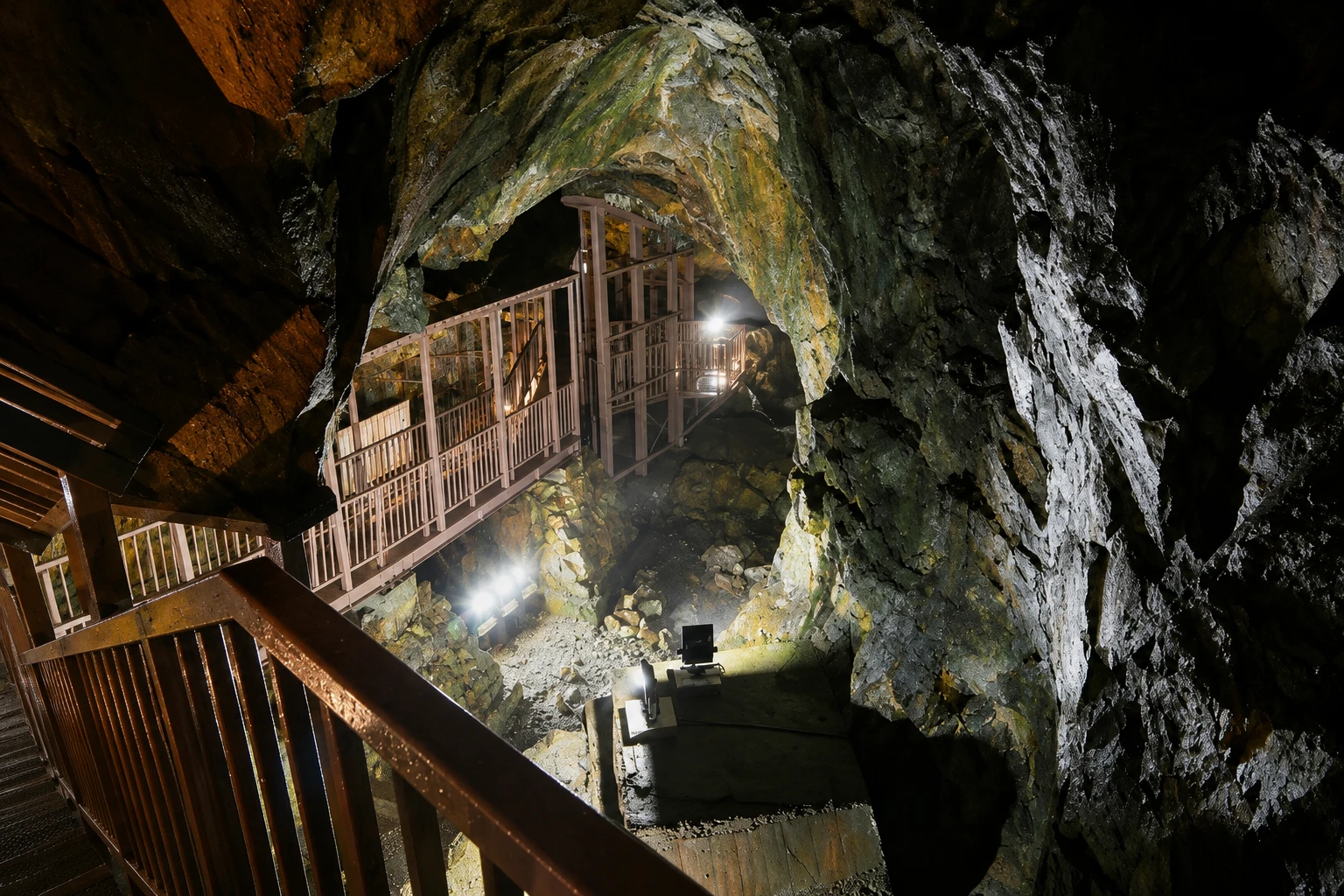
Ruins of the silver mine that gave rise to Ginzan Onsen, high in the valley, with tunnels cut into the rock that can be seen from inside at the end of a trail that passes Shirogane Falls.
Illustrative images. The pictures in this guide are illustrations based on the real place, not photographs, and may differ from it.

A look at the place
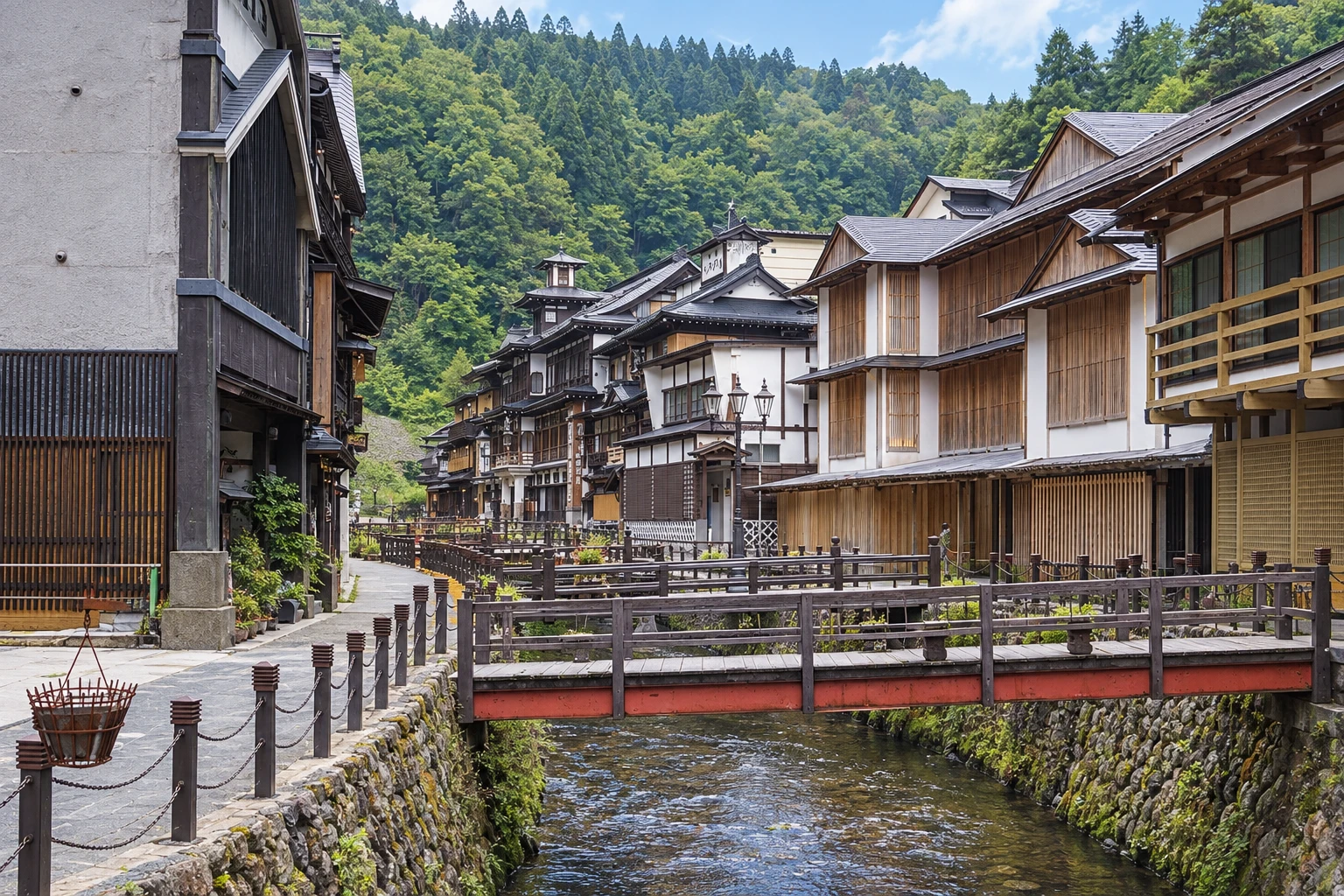
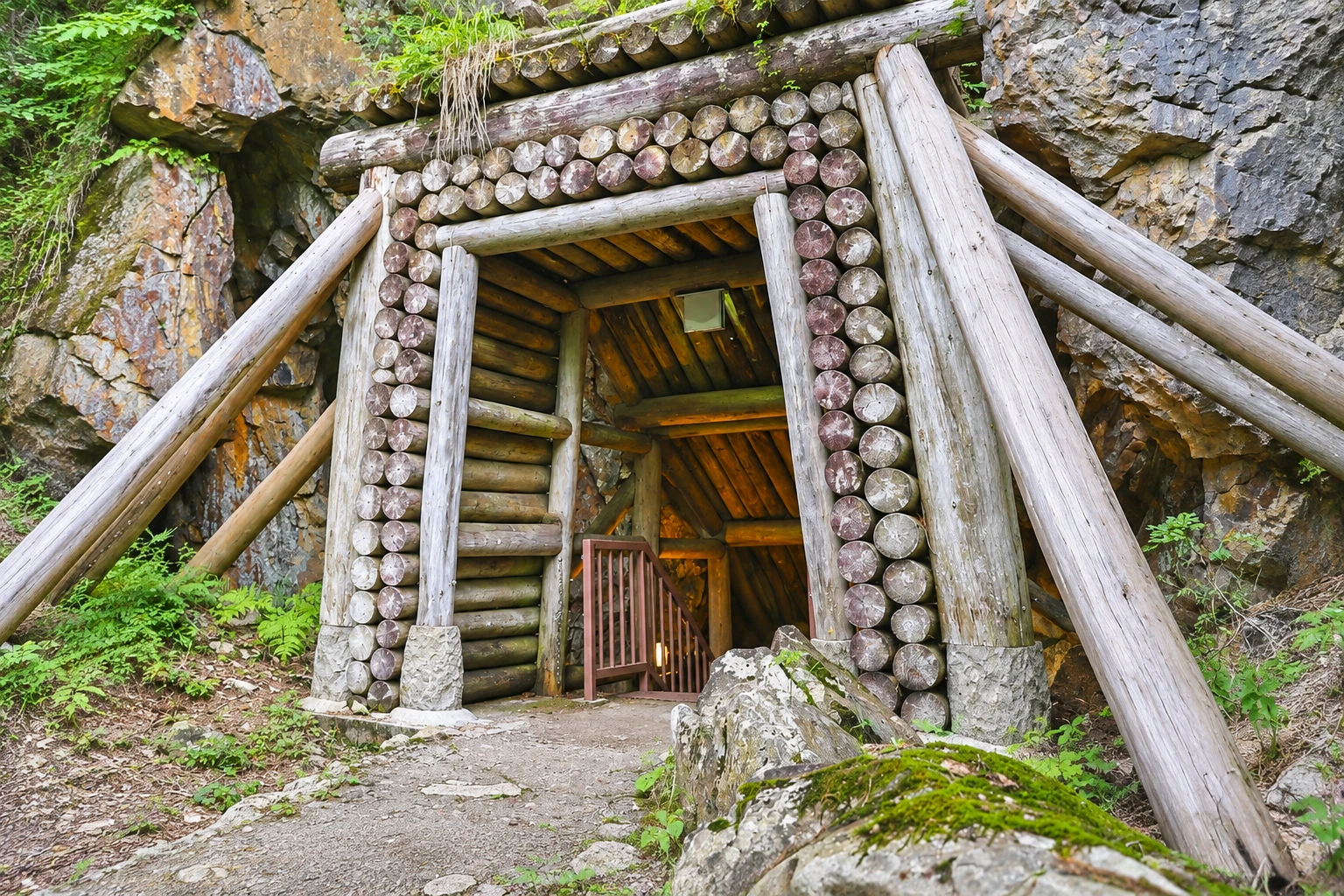
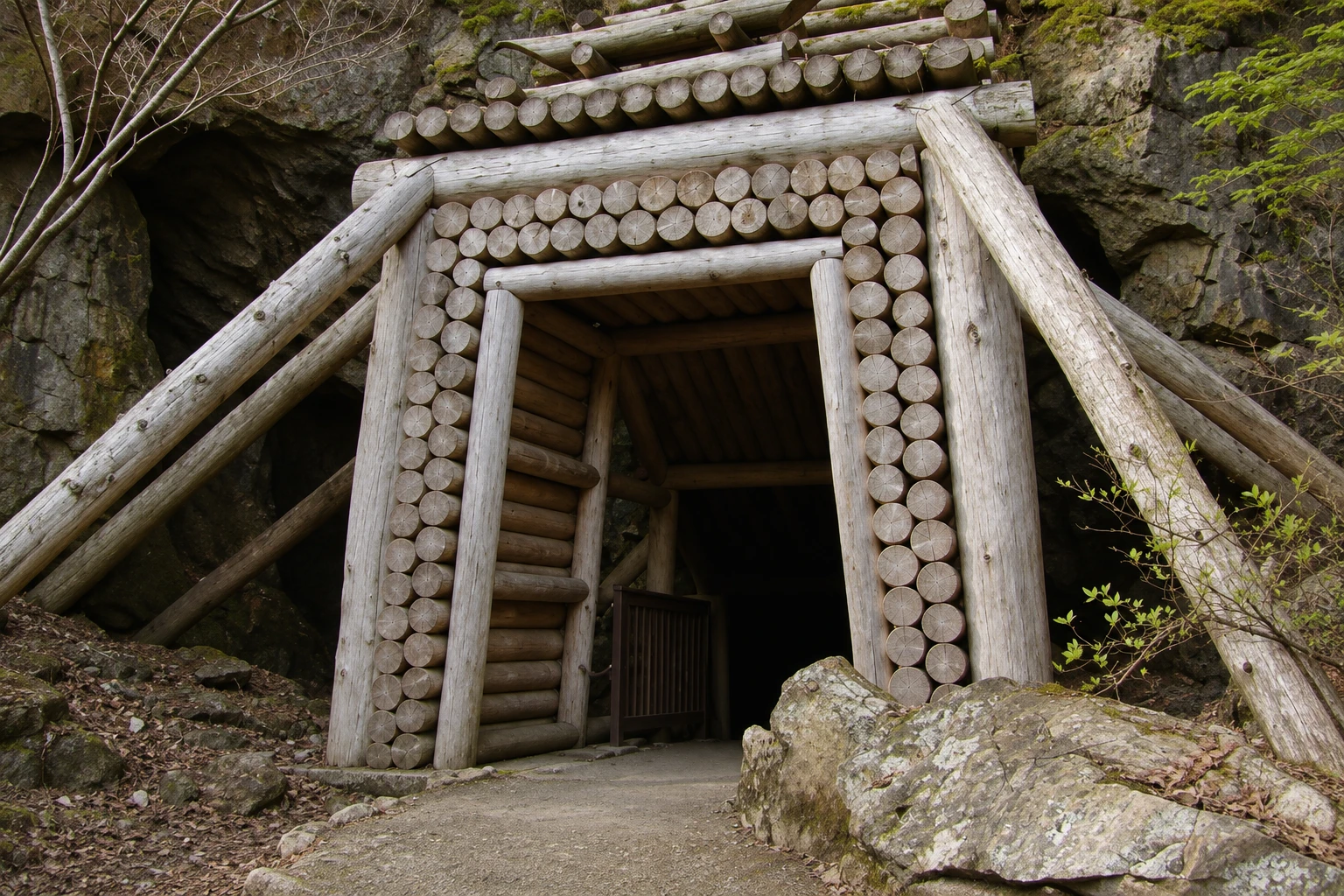
Nobesawa Silver Mine in pictures
These pictures are illustrations based on the real place, not photographs. They may differ from the place.
Click the picture to enlarge it.
Discover
About Nobesawa Silver Mine
The Nobesawa silver mine (Japanese: Nobesawa Ginzan) sits high in the Ginzan River valley, a short walk from the end of the hot-spring village. Mining began around the 15th century, and by the early 17th century the mine was one of Japan’s largest, with thousands of workers living in the valley. Production fell later in that century and the mine was abandoned.
What remains are dozens of adits and shafts cut into the rock, protected as a Prefectural Historic Site. One adit is open to visitors, lit and fitted with walkways, allowing you to enter a few meters into the mountain to see tool marks and the narrow shape of the tunnels. Signs explain how extraction worked and the miners’ lives.
The path starts at Shirogane Falls at the end of Ginzan Onsen’s street and follows a trail along the river, through trees and moss-covered rocks, with wooden bridges. It’s a short, cool walk in summer, with autumn foliage in October. Benches and viewpoints along the route help you take in the valley.
There is usually no admission fee to enter the tunnel, but access depends on the season: in winter, snow can close the trail and the adit. The mine provides the village’s historical context, and the visit pairs well with a hot-spring bath afterwards.
Before you go
Practical information
Cidade Turismo reviews its information regularly, but something may have changed. Check with the place before planning your trip.
How much time to set aside
About 45 minutes to one hour round trip from the village.
Best time
From May to November, when the trail is free of snow; October brings the valley’s autumn colors. In winter, from December to March, the trail and adit may be closed. Confirm conditions before you go.
How to get there
On foot from the end of Ginzan Onsen’s street: pass Shirogane Falls and follow the riverside trail for about 15 minutes.
Tip
Bring a small flashlight and sturdy footwear; the gallery floor is wet. Do the walk during daylight and leave the village street for late afternoon, when the lanterns are lit.
Get your questions answered
Frequently asked questions about Nobesawa Silver Mine
Can the Nobesawa mine be visited from inside?
One of the adits is usually open, with lighting and walkways, allowing you to go a few meters into the rock. In winter, access can be closed due to snow.
How long does the trail to the mine take?
About a 15-minute walk from Shirogane Waterfall, at the end of Ginzan Onsen’s street, along a trail by the river.
When did the Nobesawa mine operate?
Mining began around the 15th century and reached its peak in the early 17th century. Production declined later in the 17th century.
Is there an admission fee for the Nobesawa mine?
There is usually no charge to enter the gallery open to visitors. Confirm access conditions in the village.
Beyond the guide


