

 Brazil
 Antarctica
 Argentina
 Bolivia
 Chile
 Colombia
 Ecuador
 Guyana
 French Guiana
 Falkland Islands (Malvinas)
 Paraguay
 Peru
 Suriname
 Uruguay
 Venezuela
 Germany
 Austria
 Belgium
 Croatia
 Denmark
 Slovakia
 Slovenia
 Spain
 Finland
 France
 Greece
 the Netherlands
 Hungary
 Ireland
 Iceland
 Italy
 Luxembourg
 Norway
 Poland
 Portugal
 the United Kingdom
 the Czech Republic
 Sweden
 Switzerland
 Turkey
 Bermuda
 Canada
 the United States
 Greenland
 Mexico
 Saint Pierre and Miquelon
 the Dominican Republic
 South Africa
 Egypt
 Australia
 Fiji
 New Zealand
 Papua New Guinea
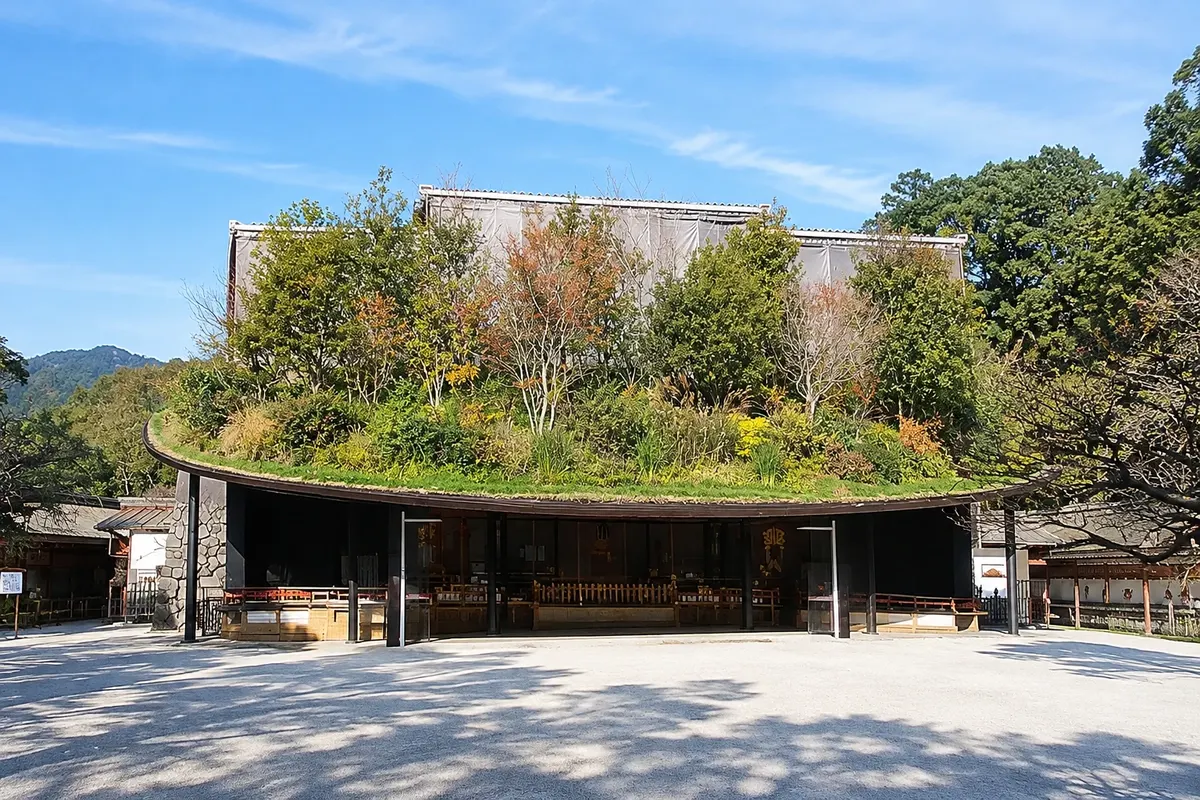
Shrine · Dazaifu, Fukuoka
Dazaifu Tenmangū Shrine
Sanctuary built over the tomb of Sugawara no Michizane, a 9th-century scholar venerated as the god of learning. It has a main hall from the 16th century, arched bridges over a pond, and more than six thousand plum trees.
Illustrative images. The pictures in this guide are illustrations based on the real place, not photographs, and may differ from it.

A look at the place
Dazaifu Tenmangū Shrine in pictures
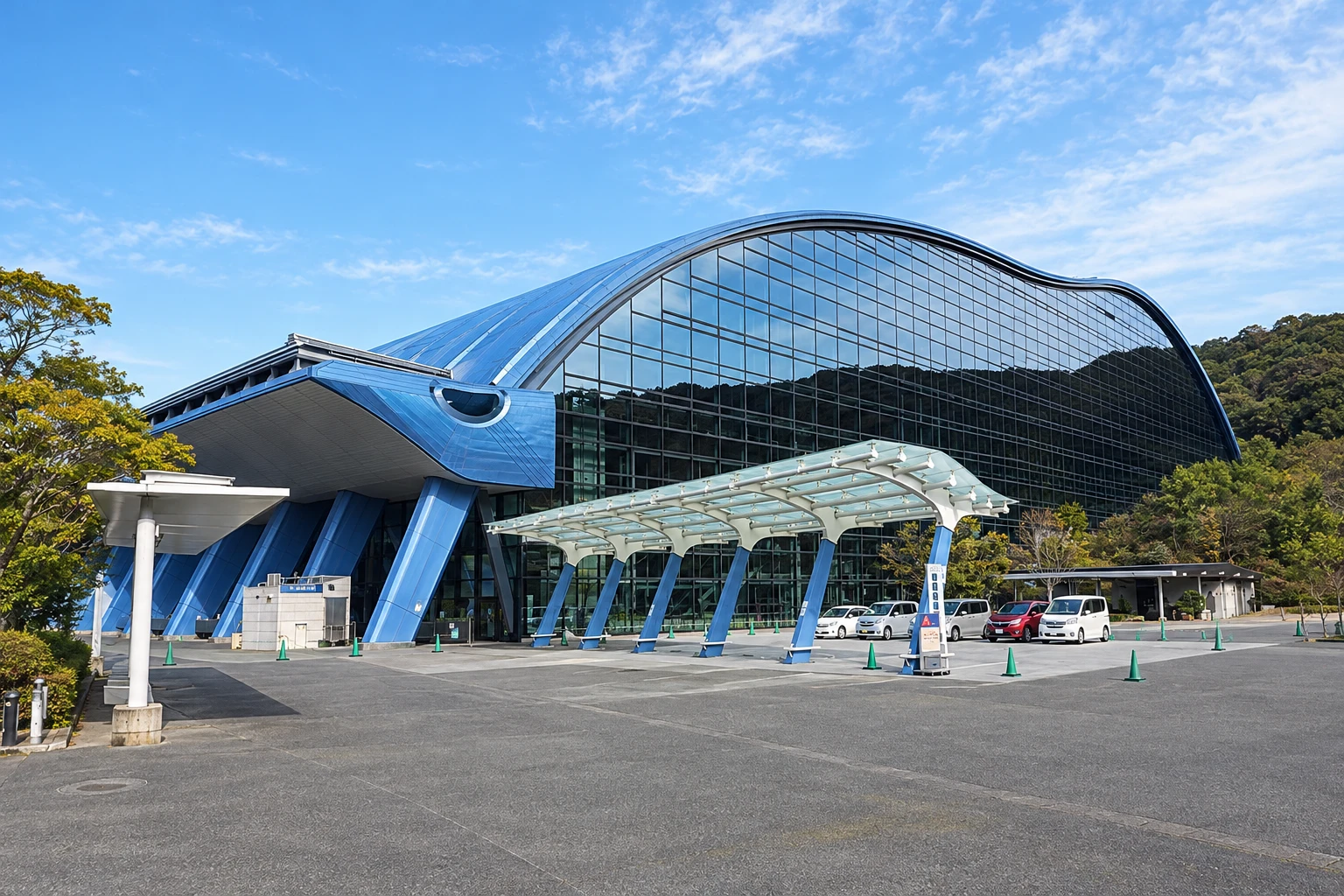
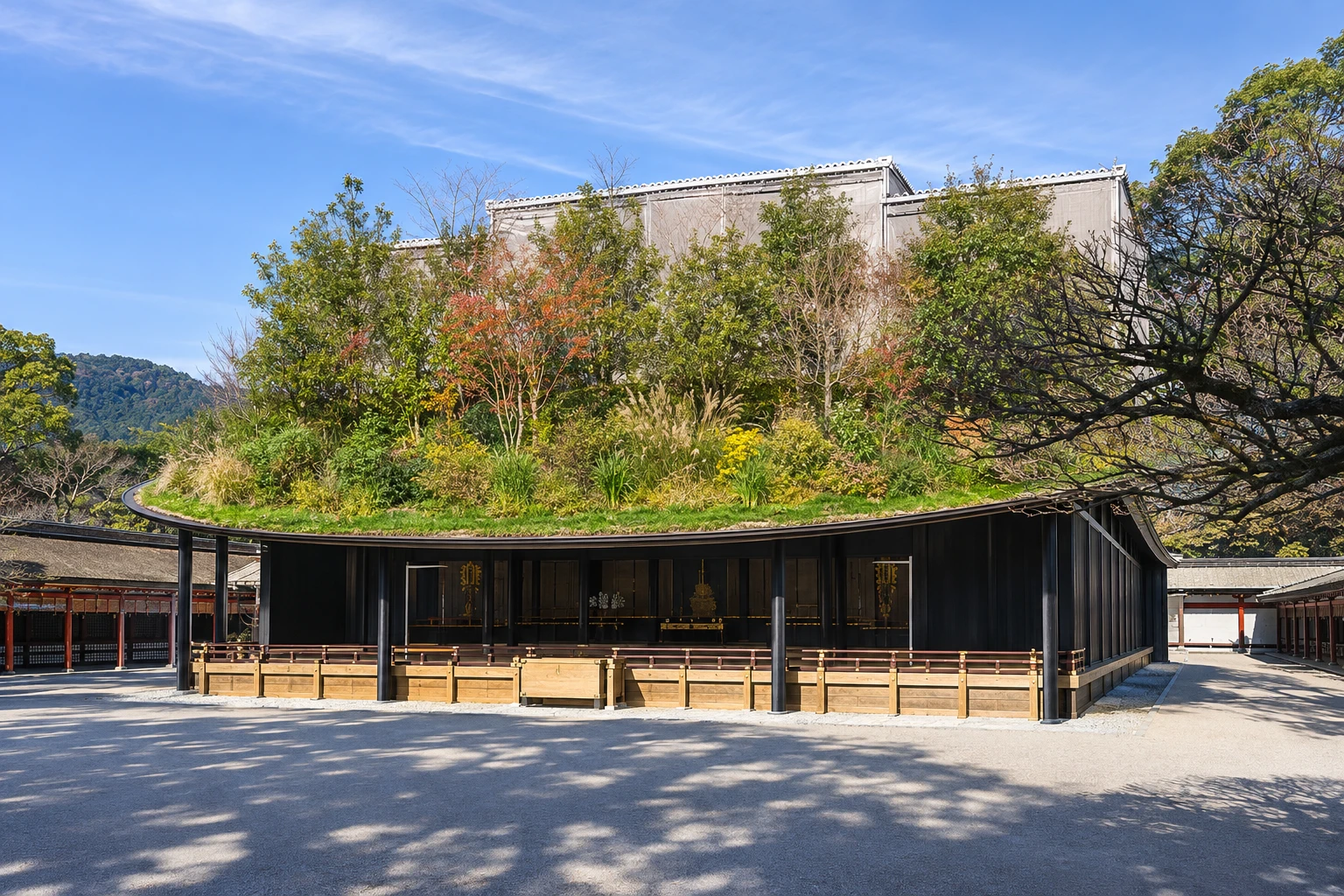
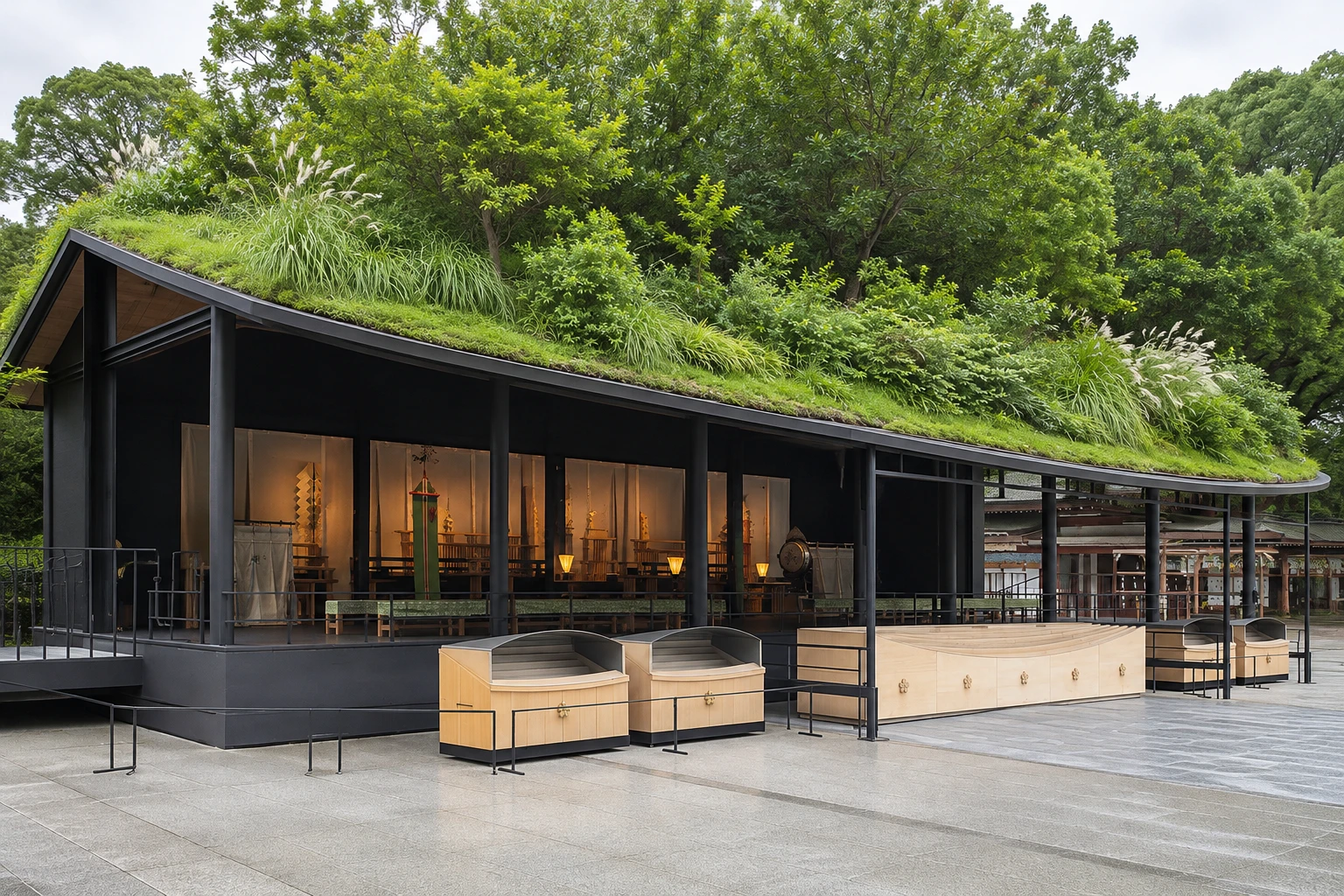
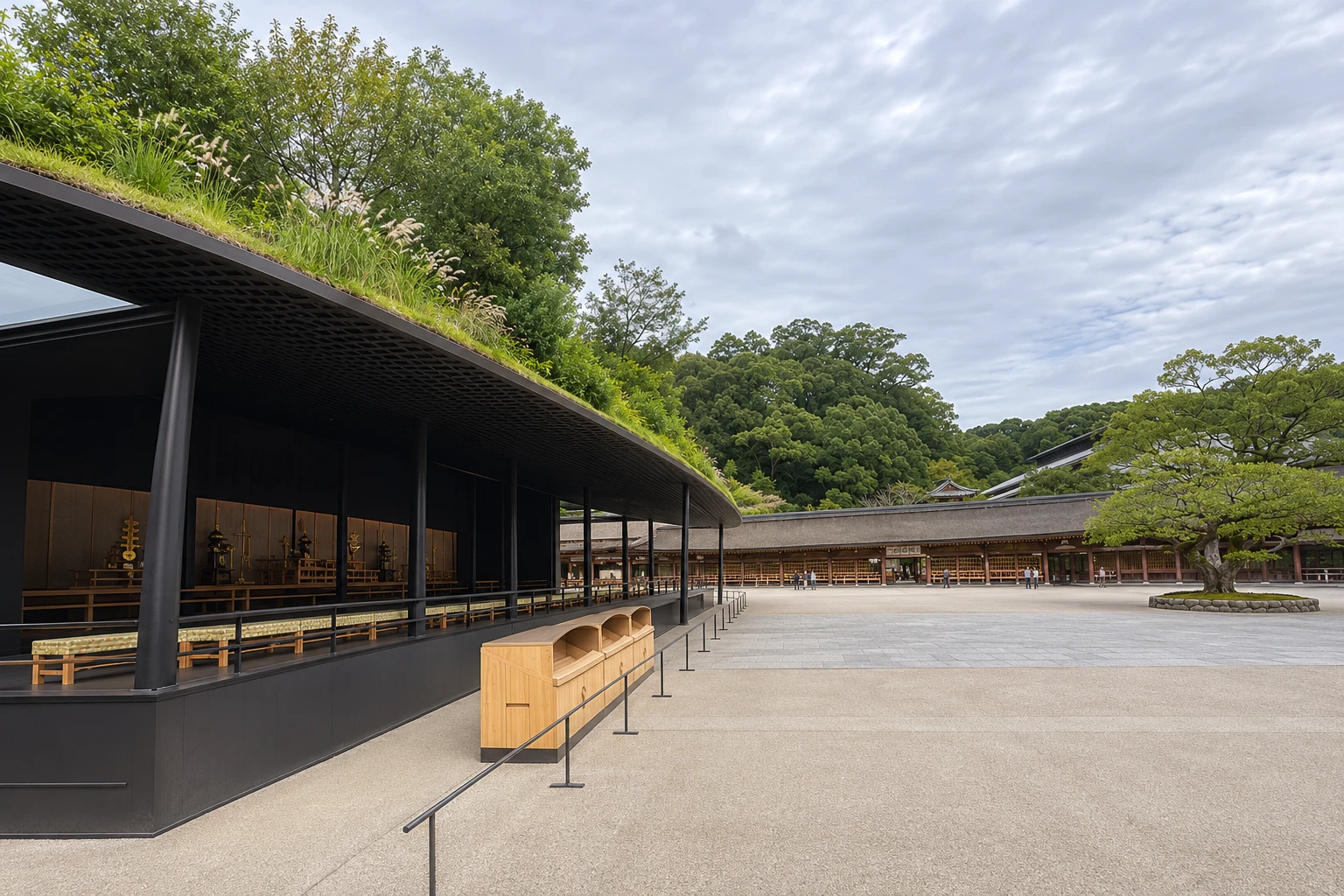
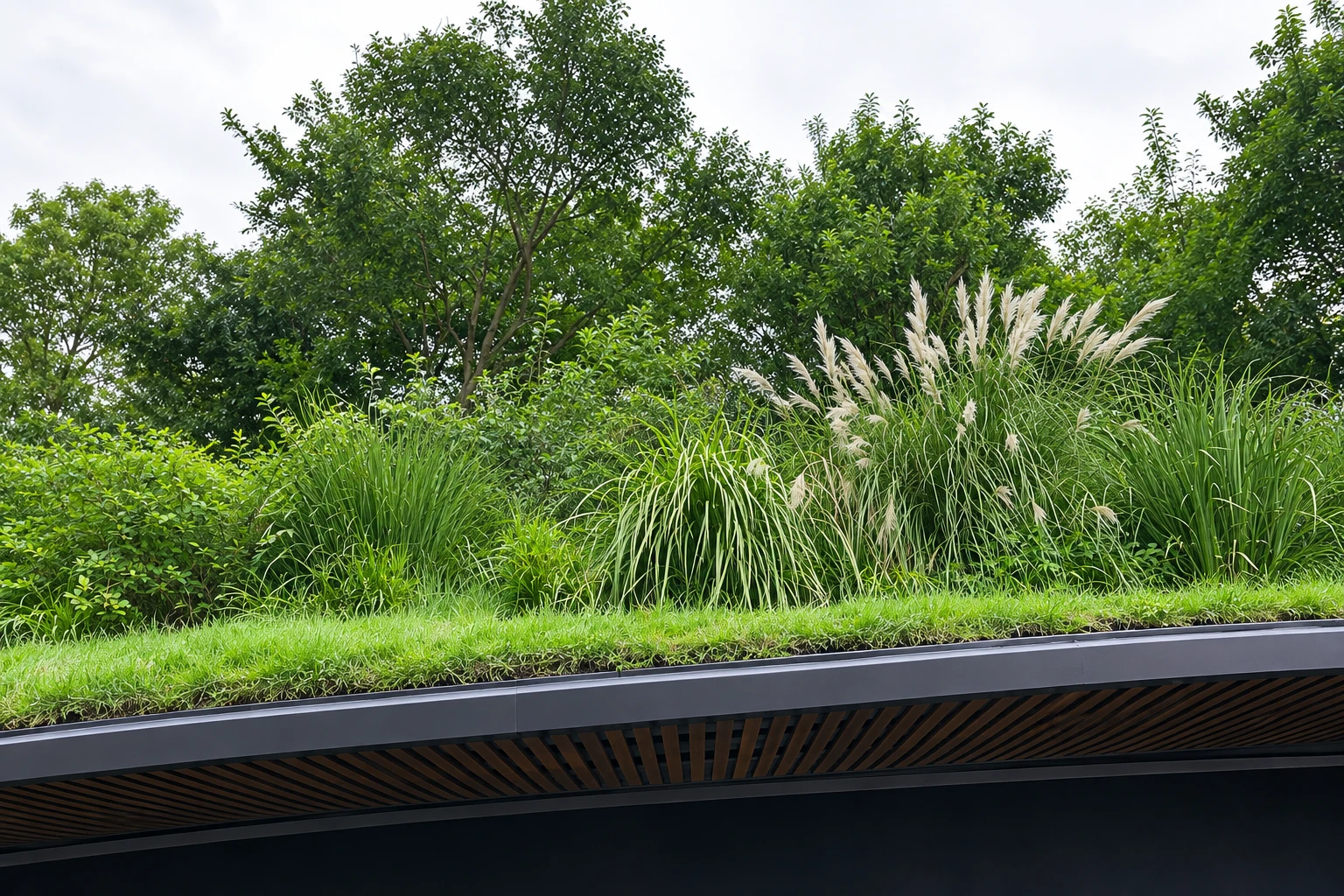
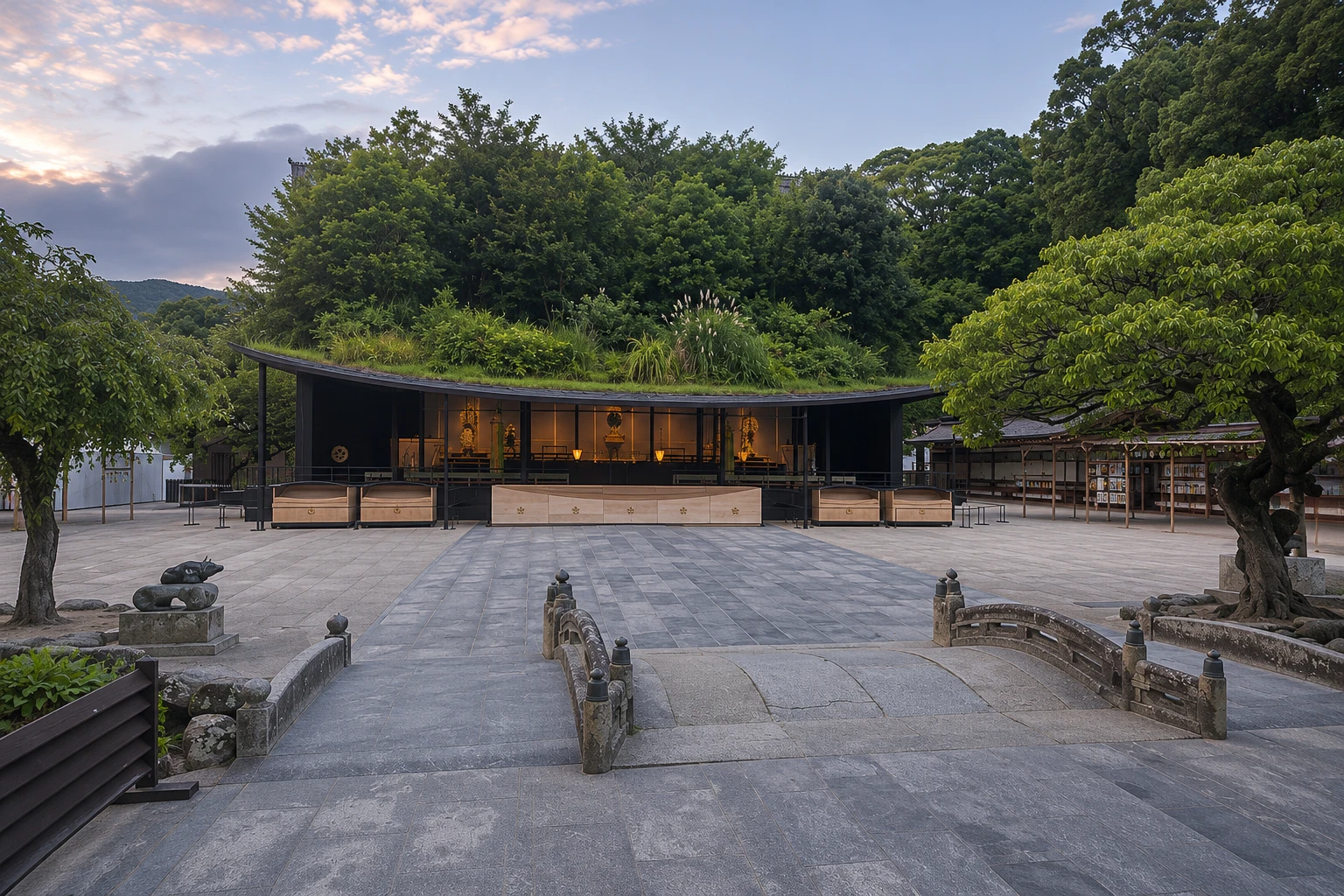
These pictures are illustrations based on the real place, not photographs. They may differ from the place.
Click the picture to enlarge it.
Discover
About Dazaifu Tenmangū Shrine
Dazaifu Tenmangu was founded in 905 over the tomb of Sugawara no Michizane, a scholar, poet and high court official from Kyoto who was exiled to Dazaifu and died there in 903. After his death, a series of disasters in the capital were attributed to his spirit, and Michizane came to be worshiped as Tenjin, the deity of scholarship and letters. It is the foremost Tenmangu shrine in Japan, and students come from across the country to pray for success in exams.
The approach follows the shopping street that leads from the station, then the Shinji-ike pond, crossed by three bridges that symbolize the past, present and future. The main hall, dating to 1591, has a cypress-bark roof and colorful decoration and is an important cultural property. To its right stands the Tobiume, the “flying plum tree,” which legend says flew from Kyoto to accompany Michizane into exile.
The grounds contain more than six thousand plum trees of about 200 varieties, which usually bloom from February to early March, as well as camphor trees over a thousand years old. Prayer plaques, the ema, accumulate by the thousands with students’ wishes. Statues of oxen, an animal associated with Michizane, are touched by visitors in the belief that they bring wisdom.
The main hall undergoes long, periodic restoration works; during those phases a temporary hall receives worshipers. A walkway with an escalator and an illuminated tunnel connects the shrine to the Kyushu National Museum.
Before you go
Practical information
Cidade Turismo reviews its information regularly, but something may have changed. Check with the place before planning your trip.
How much time to set aside
From 1 to 1h30.
Best time
From February to early March, when the plum trees usually bloom, or early in the morning at any time to avoid groups. New Year and the exam season, January to March, attract large crowds.
How to get there
About a 5-minute walk from Dazaifu Station on the Nishitetsu line, roughly a 30-minute train ride from Tenjin in Fukuoka.
Tip
Arrive early, before the tour buses, and try the umegae-mochi on the approach street. Walk the elevated passage to the Kyushu National Museum and return via Komyozen-ji temple.
Official website
Get your questions answered
Frequently asked questions about Dazaifu Tenmangū Shrine
Why do students visit Dazaifu Tenmangu?
The shrine is dedicated to Sugawara no Michizane, worshiped as Tenjin, the deity of scholarship. Students pray for exam success and leave prayer plaques.
When do the plum trees bloom in Dazaifu?
They usually bloom from February to early March, with more than six thousand trees on the grounds. Exact timing varies with each year’s winter.
Is there an entrance fee for Dazaifu Tenmangu?
There is no charge to enter the shrine. The treasure museum has a separate admission fee.
Is the main hall of Dazaifu Tenmangu open?
The main hall undergoes periodic restorations; during those times a temporary hall receives worshipers. Check the website before you go.
Beyond the guide


