

 Brazil
 Antarctica
 Argentina
 Bolivia
 Chile
 Colombia
 Ecuador
 Guyana
 French Guiana
 Falkland Islands (Malvinas)
 Paraguay
 Peru
 Suriname
 Uruguay
 Venezuela
 Germany
 Austria
 Belgium
 Croatia
 Denmark
 Slovakia
 Slovenia
 Spain
 Finland
 France
 Greece
 the Netherlands
 Hungary
 Ireland
 Iceland
 Italy
 Luxembourg
 Norway
 Poland
 Portugal
 the United Kingdom
 the Czech Republic
 Sweden
 Switzerland
 Turkey
 Bermuda
 Canada
 the United States
 Greenland
 Mexico
 Saint Pierre and Miquelon
 the Dominican Republic
 South Africa
 Egypt
 Australia
 Fiji
 New Zealand
 Papua New Guinea
Historic site · Fukui, Fukui
Ichijodani Asakura Family Historic Ruins
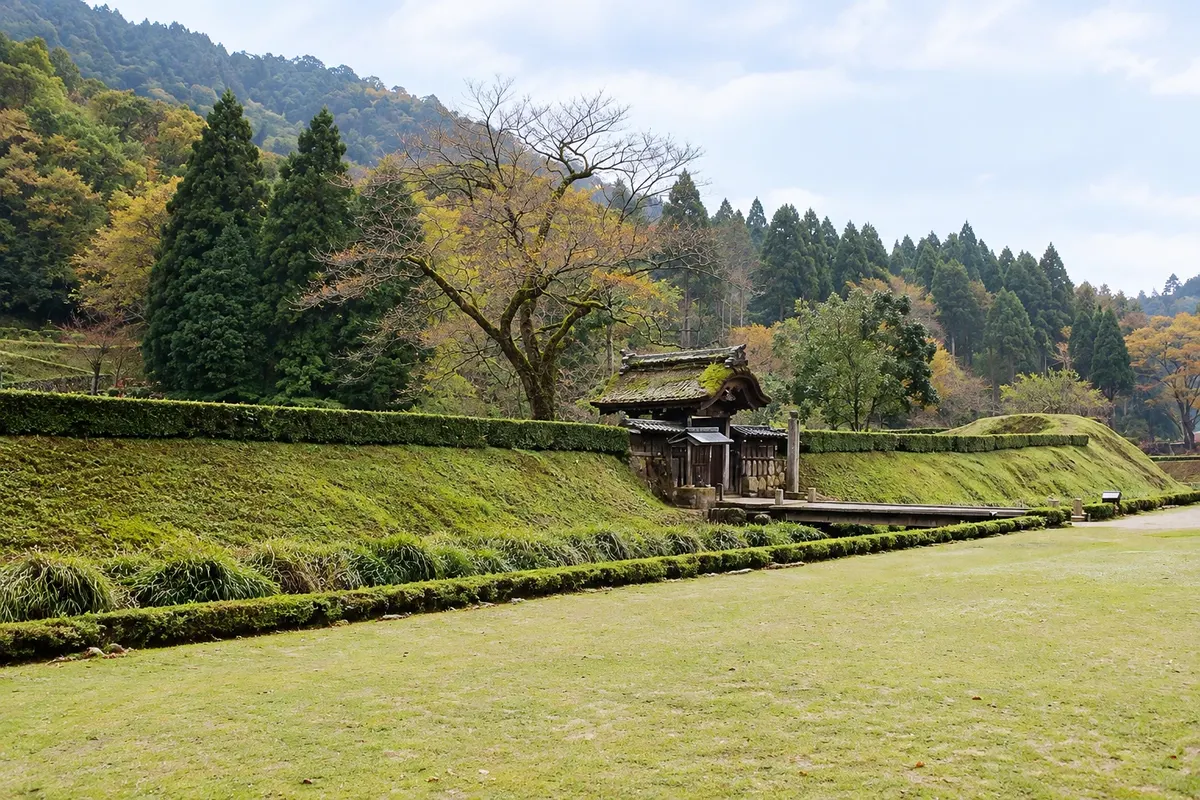
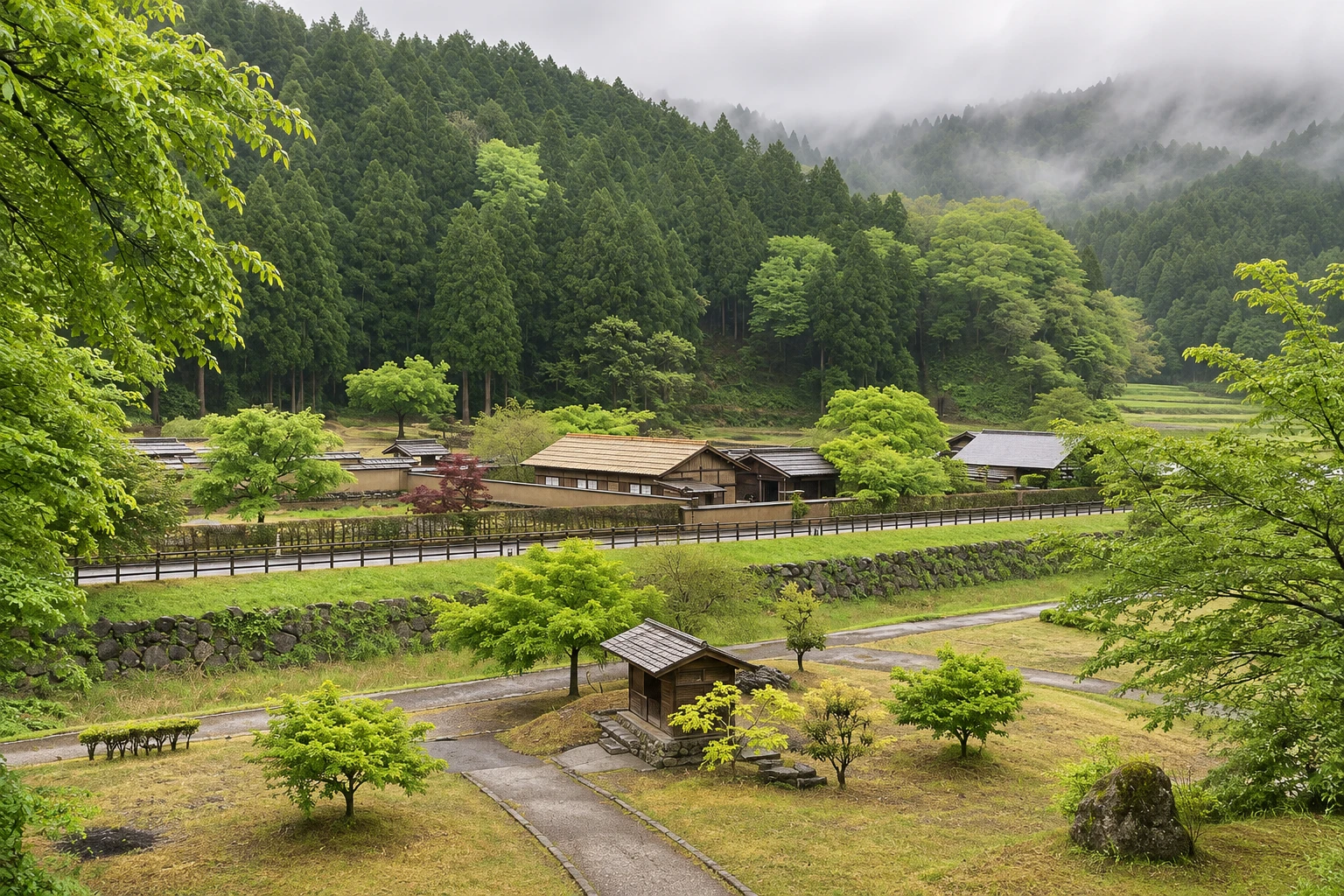
Ruins of the Asakura family town, destroyed by Oda Nobunaga in 1573, in a narrow valley near Fukui, with rock gardens, excavated foundations, a reconstructed street of houses and a museum.
Illustrative images. The pictures in this guide are illustrations based on the real place, not photographs, and may differ from it.

A look at the place
Ichijodani Asakura Family Historic Ruins in pictures
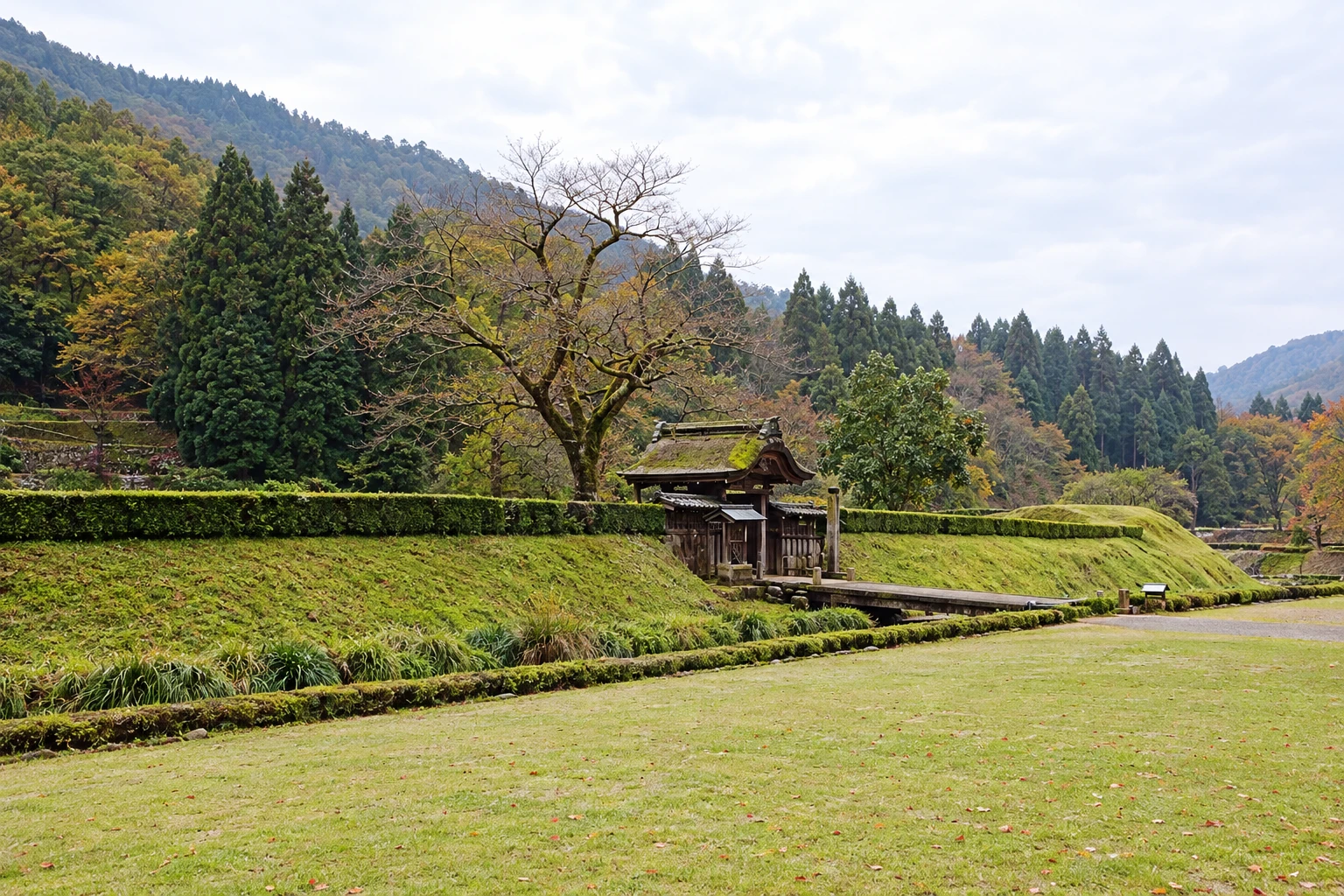
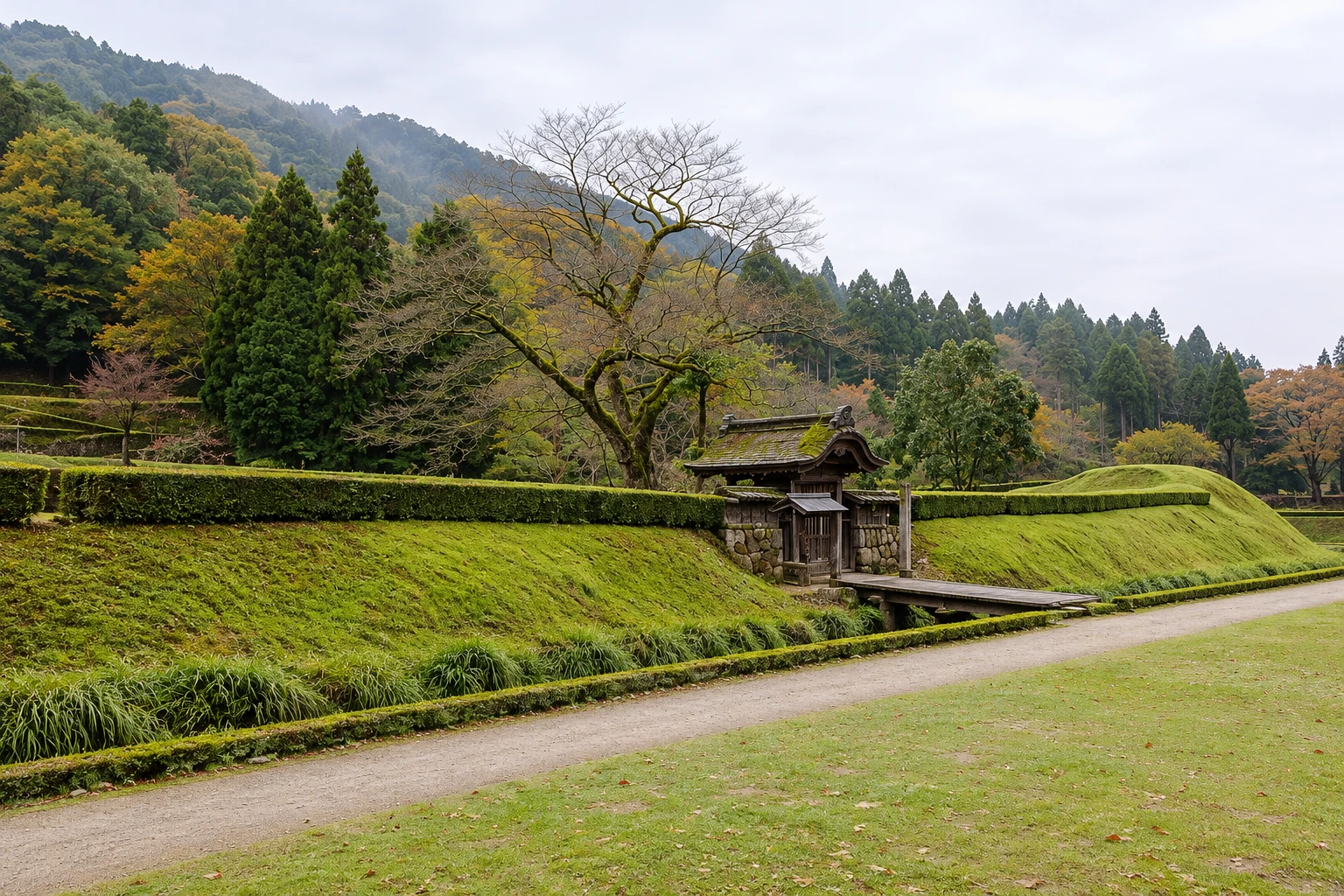
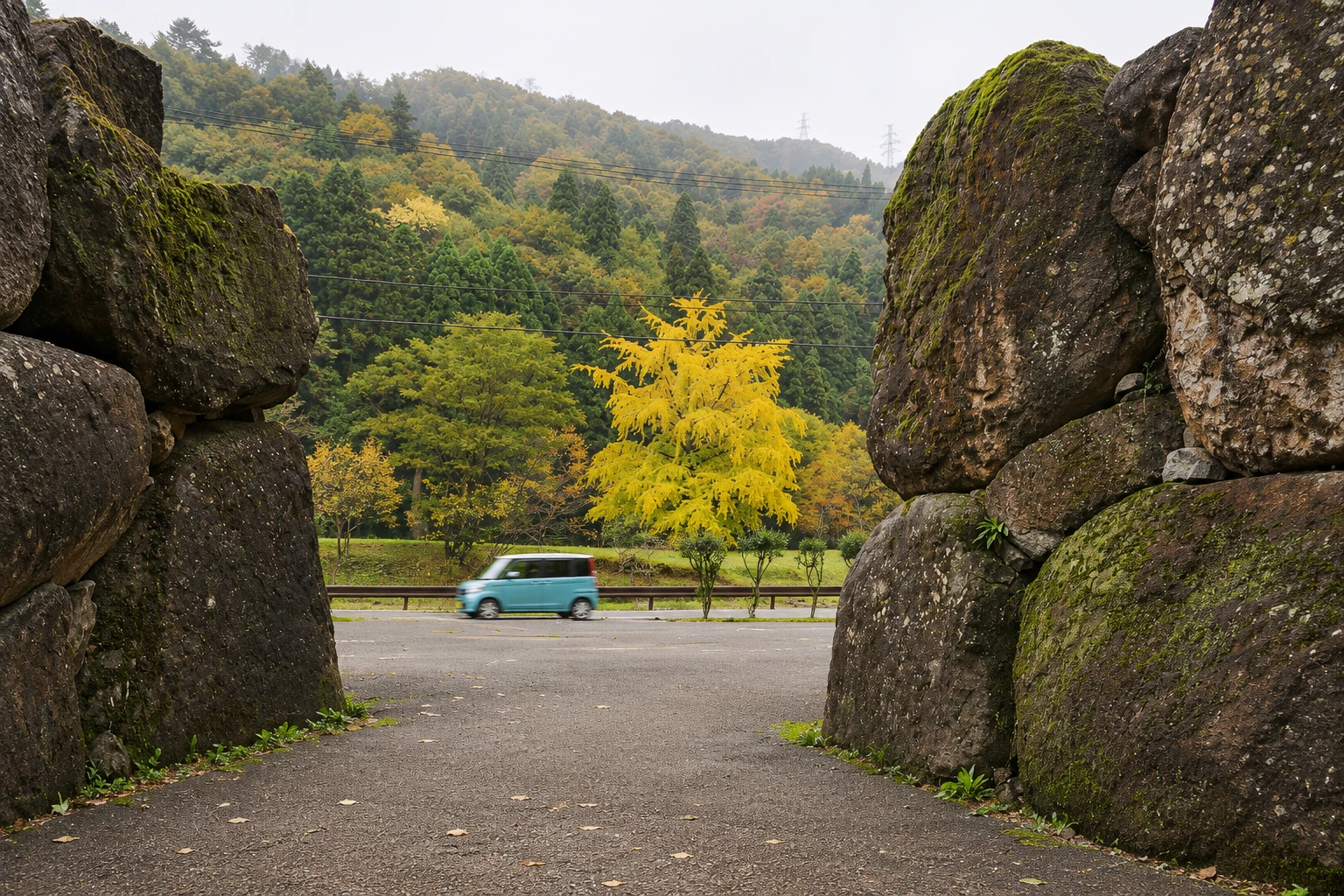
These pictures are illustrations based on the real place, not photographs. They may differ from the place.
Click the picture to enlarge it.
Discover
About Ichijodani Asakura Family Historic Ruins
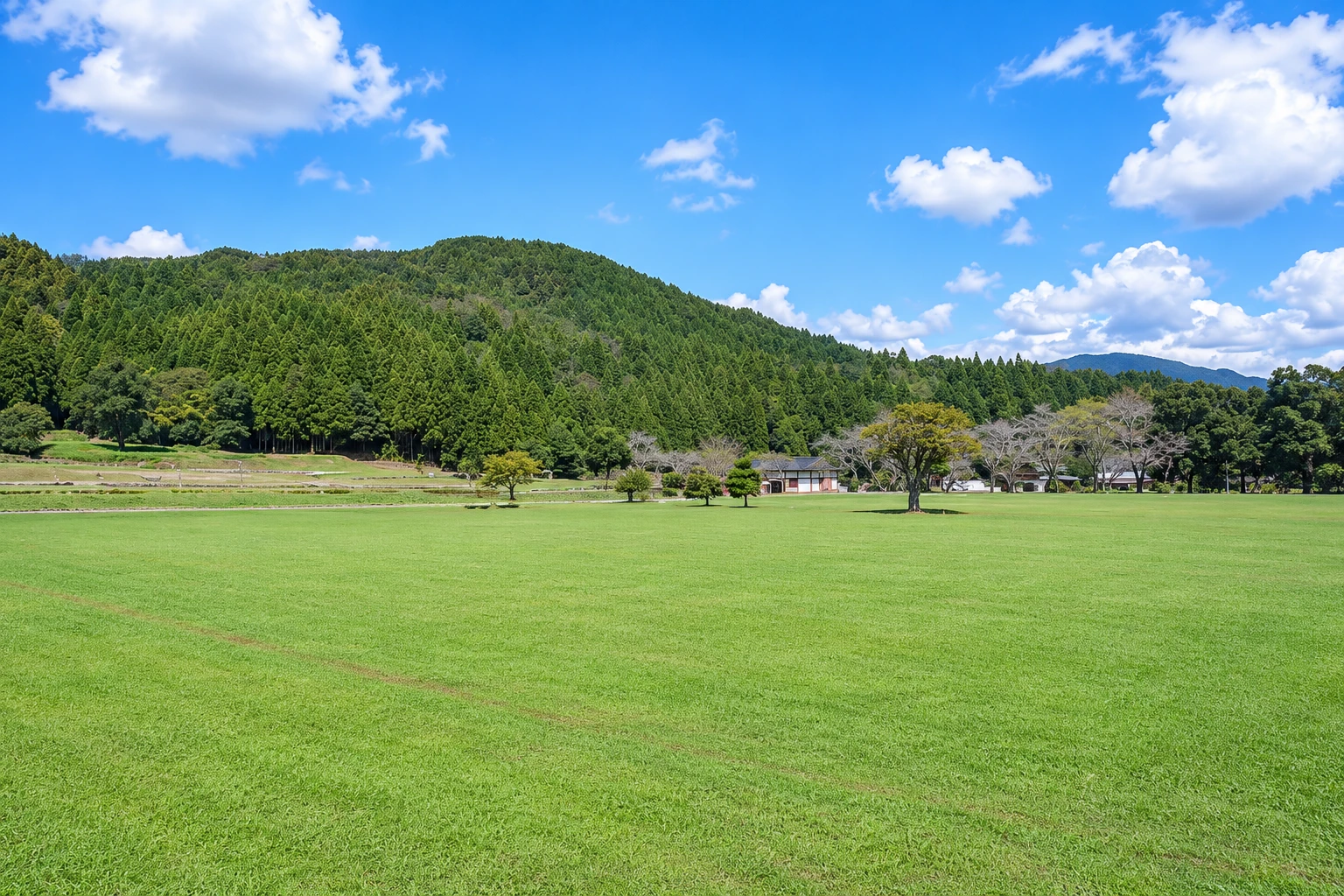
Ichijodani is a narrow valley about 10 km southeast of Fukui city center. From 1471 to 1573 it was the seat of the Asakura family, who ruled Echizen Province and built a town there with samurai residences, temples, workshops and commerce, protected by stone gates at both ends of the valley and by a castle on the mountainside. In 1573 Oda Nobunaga defeated the Asakura and burned the town, which was later buried beneath rice fields.
Excavations beginning in the 1960s revealed streets, houses, wells and thousands of objects, and the site was designated a Special Historic Site. Four stone gardens from Asakura residences, with rocks and dry waterfalls, are among the oldest in the country and are a Place of Scenic Beauty (Special). The Karamon gate, built later on the site of the main residence entrance, is the site’s best-known image.
A roughly 200-meter section of street was reconstructed based on the excavations, with samurai and merchant houses, earthen walls and wells. Inside, figures and objects show daily life in the 16th century, and on some dates staff dress in period costume.
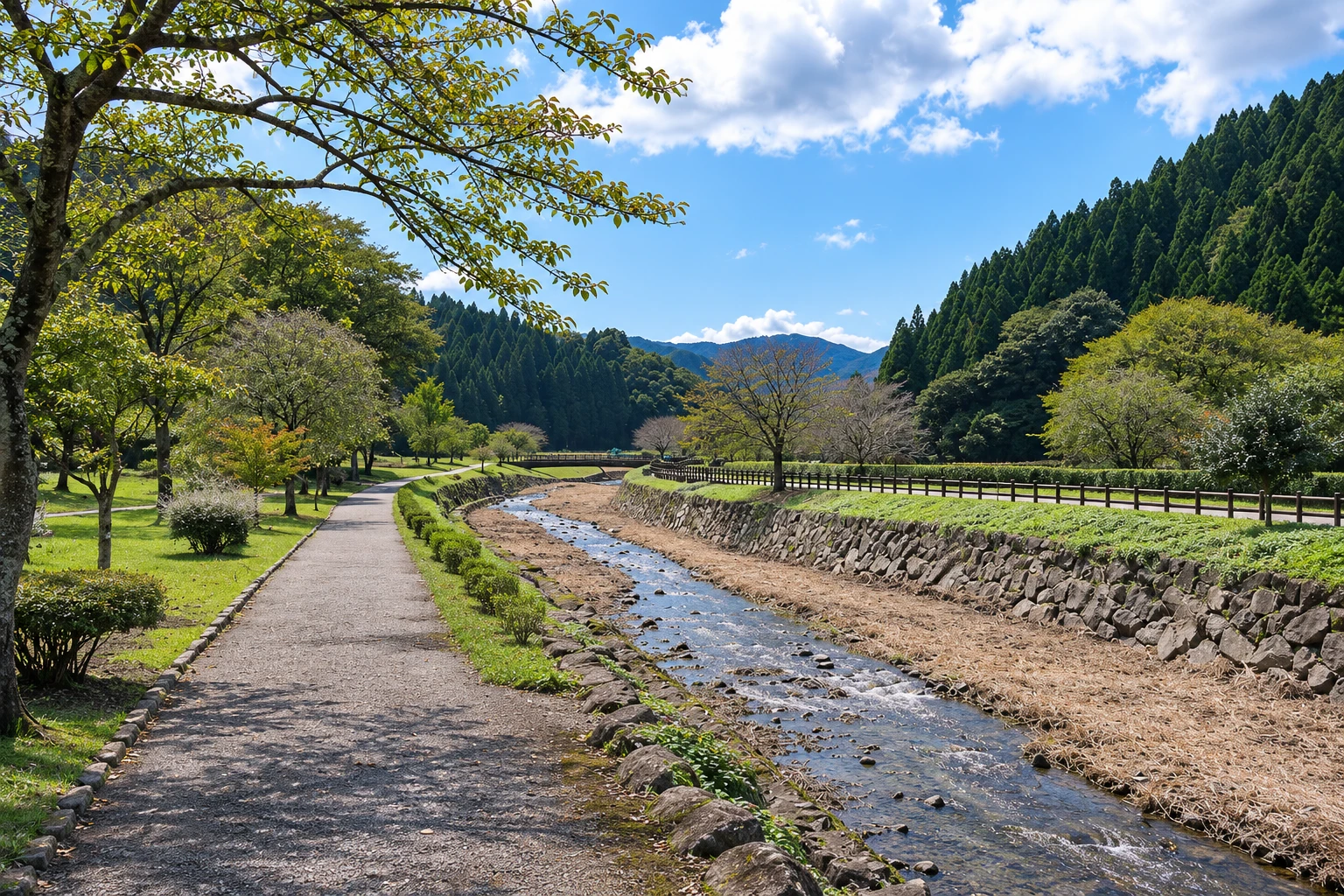
The Ichijodani Ruins Museum, near Ichijodani Station, displays finds from the excavations and a life-size reconstruction of part of an Asakura residence. A walking visit through the valley among the gardens, ruins and reconstructed street takes a few hours, and in autumn the maples color the slopes.
Before you go
Practical information
Cidade Turismo reviews its information regularly, but something may have changed. Check with the place before planning your trip.
How much time to set aside
About 2 to 3 hours, including the museum.
Best time
Spring and autumn are best for walking the valley. In winter snow can cover the ruins and make paths difficult. Check the museum and reconstructed street opening hours.
How to get there
Buses run from Fukui Station to site stops in about 30 minutes, or take the JR Etsumi-Hoku line to Ichijodani Station, with limited departures.
Tip
Start at the museum to understand the town layout, then walk through the valley to the reconstructed street and the Karamon gate.
Official website
Get your questions answered
Frequently asked questions about Ichijodani Asakura Family Historic Ruins
What are the Ichijodani ruins?
The remains of the Asakura family town, which ruled the region from 1471 to 1573 until it was destroyed by Oda Nobunaga.
How do you get to Ichijodani from Fukui?
By bus, about 30 minutes, or by train on the JR Etsumi-hoku line, which has few departures per day.
What is there to see in Ichijodani?
The Asakura rock gardens, excavated foundations, the reconstructed street, the Karamon gate and the ruins museum.
How much time should you allow for Ichijodani?
About 2 to 3 hours, including the museum and a walk through the valley.
Beyond the guide


