

 Brazil
 Antarctica
 Argentina
 Bolivia
 Chile
 Colombia
 Ecuador
 Guyana
 French Guiana
 Falkland Islands (Malvinas)
 Paraguay
 Peru
 Suriname
 Uruguay
 Venezuela
 Germany
 Austria
 Belgium
 Croatia
 Denmark
 Slovakia
 Slovenia
 Spain
 Finland
 France
 Greece
 the Netherlands
 Hungary
 Ireland
 Iceland
 Italy
 Luxembourg
 Norway
 Poland
 Portugal
 the United Kingdom
 the Czech Republic
 Sweden
 Switzerland
 Turkey
 Bermuda
 Canada
 the United States
 Greenland
 Mexico
 Saint Pierre and Miquelon
 the Dominican Republic
 South Africa
 Egypt
 Australia
 Fiji
 New Zealand
 Papua New Guinea
Archaeological site · Aomori, Aomori
Sannai-Maruyama Site
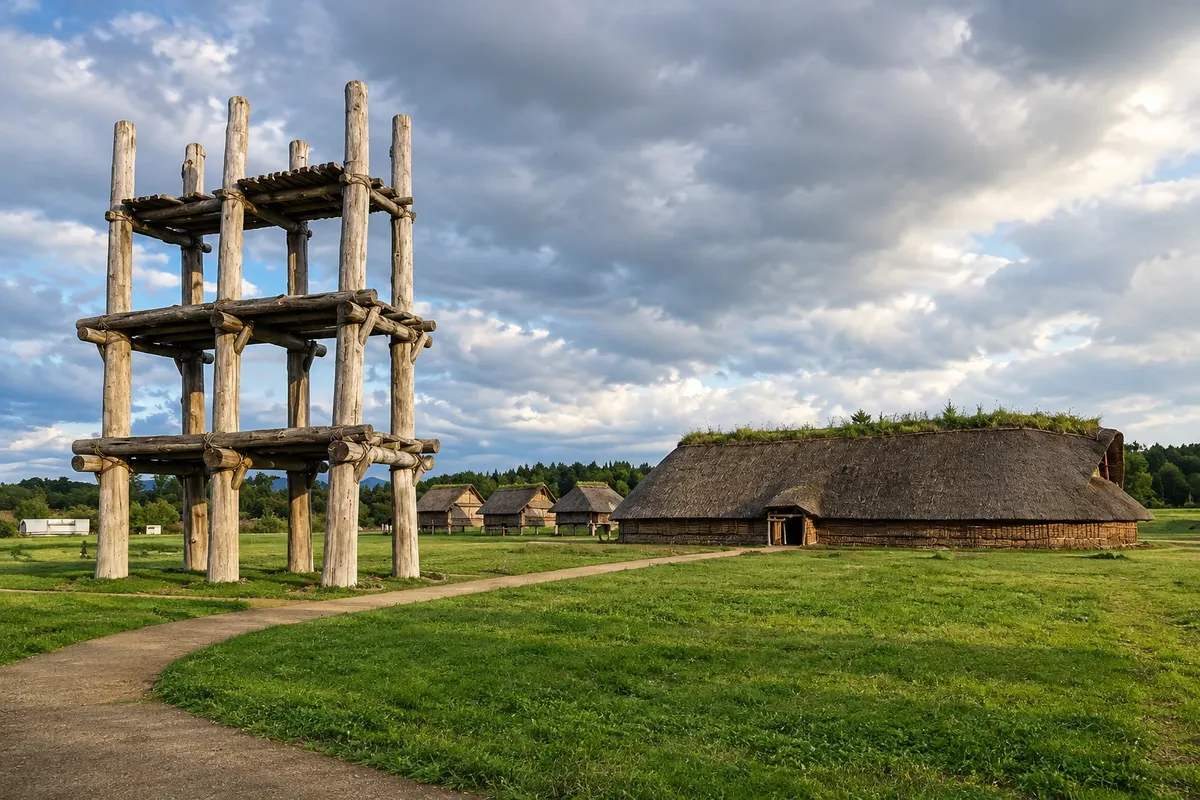
The largest known village from the Jomon period, inhabited for about 1,500 years more than 4,000 years ago, with reconstructed houses and a large wooden tower and the Jiyukan museum. UNESCO World Heritage.
Illustrative images. The pictures in this guide are illustrations based on the real place, not photographs, and may differ from it.

A look at the place
Sannai-Maruyama Site in pictures
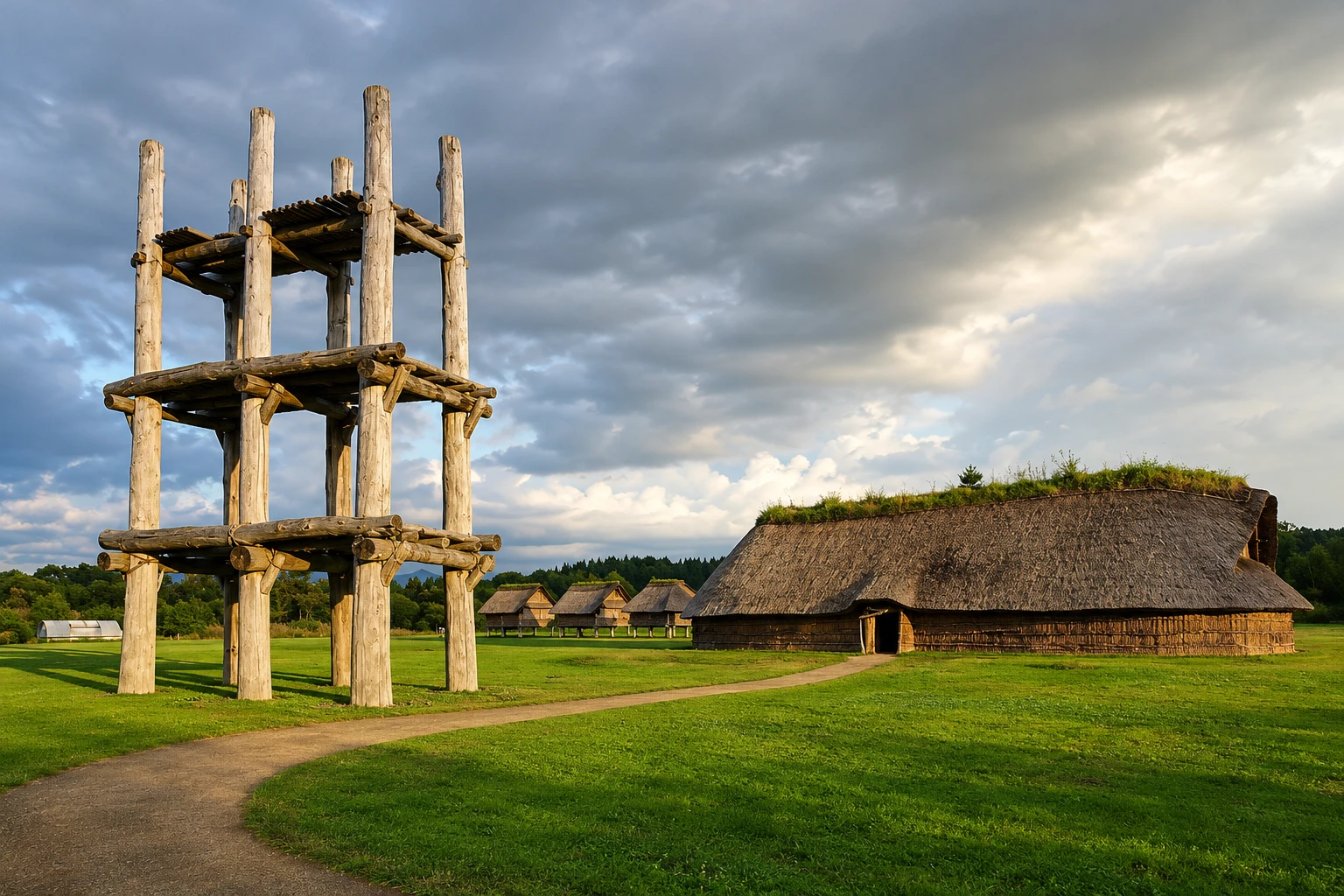
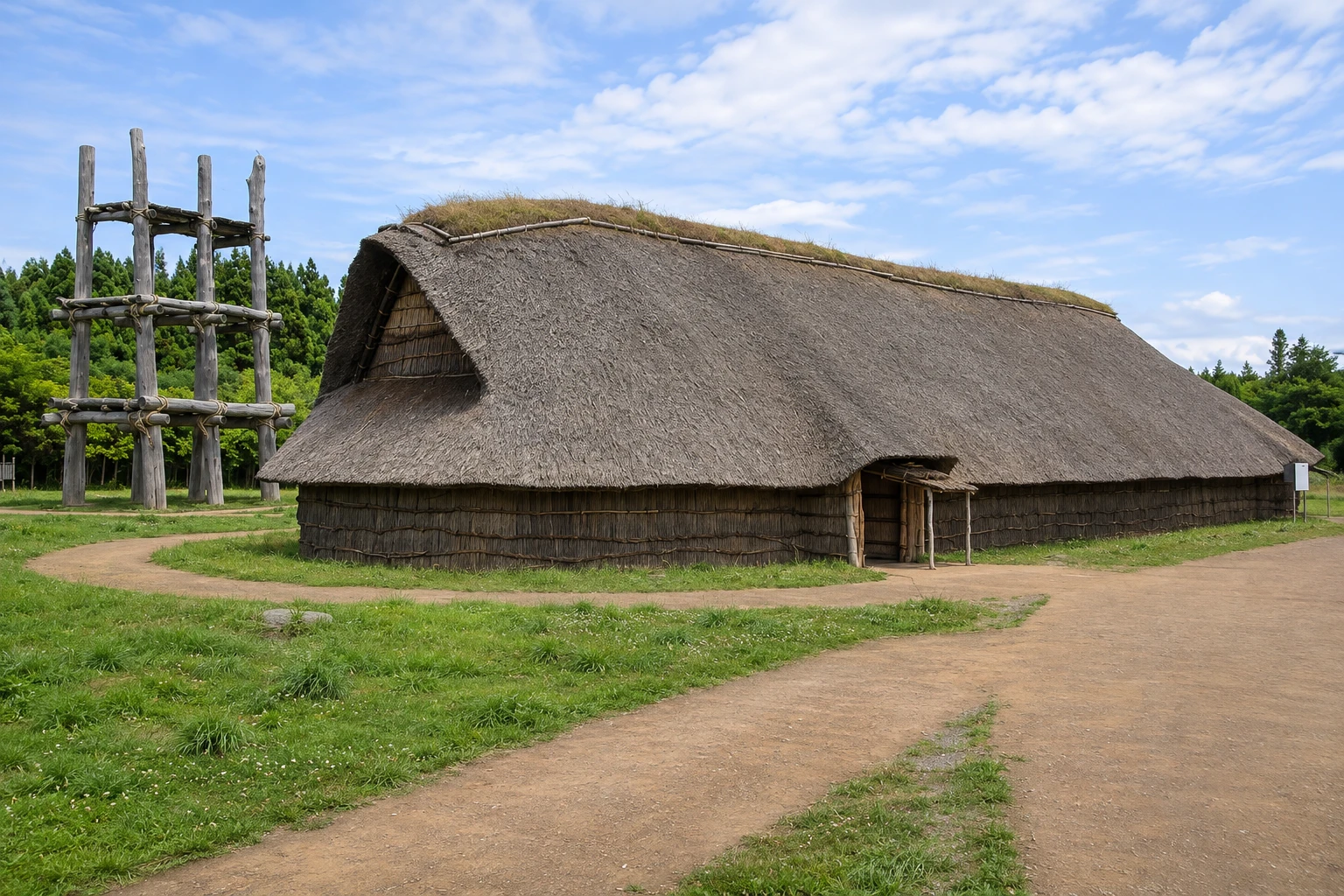
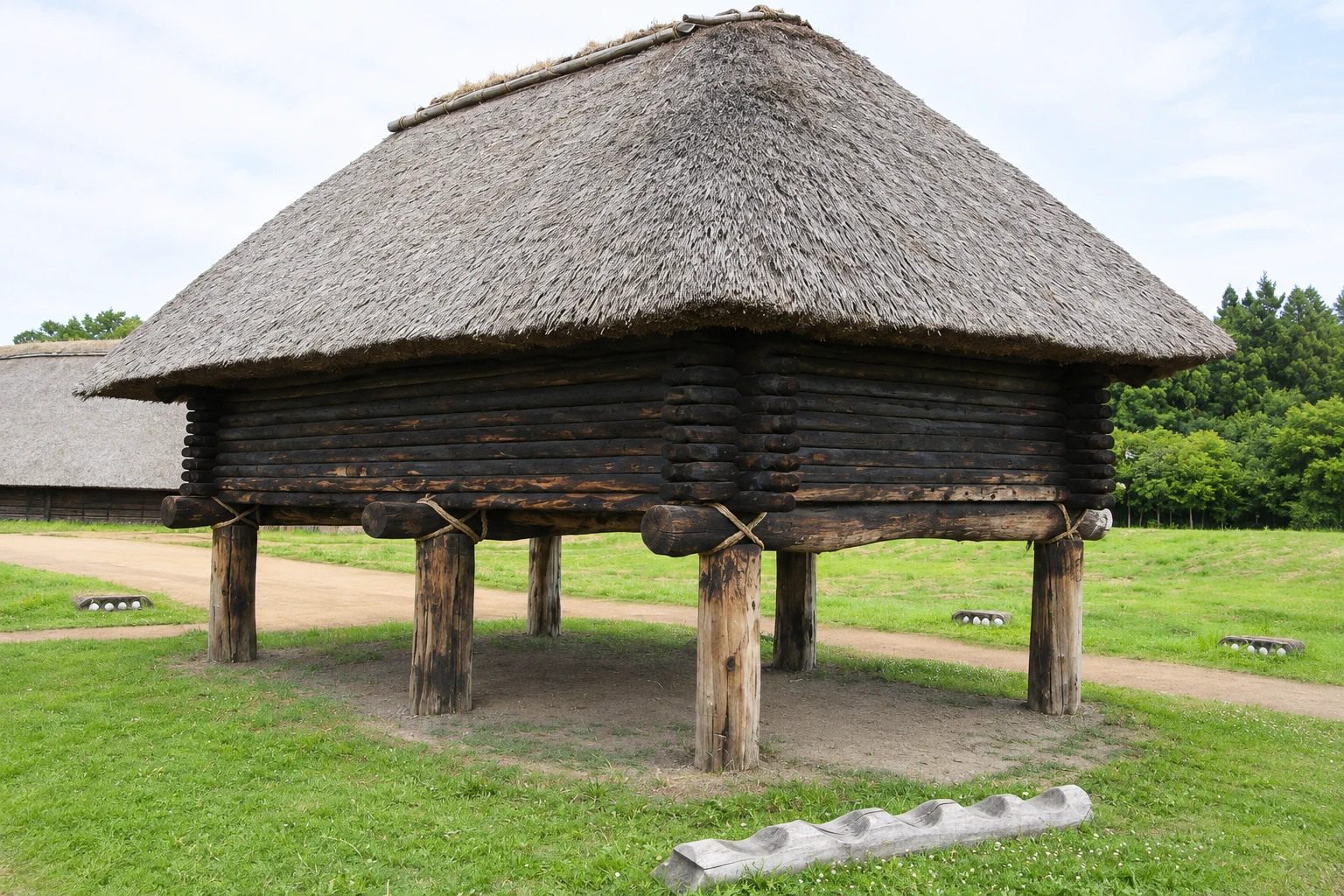
These pictures are illustrations based on the real place, not photographs. They may differ from the place.
Click the picture to enlarge it.

Discover
About Sannai-Maruyama Site
Sannai-Maruyama is the archaeological site of a large Jomon-period village, the culture of hunters, fishers and gatherers that lived in the Japanese archipelago for millennia. The village was occupied from around 3900 to 2200 BCE, on the southwestern outskirts of present-day Aomori. It was discovered in the 1990s during stadium construction, which was halted to preserve the site.
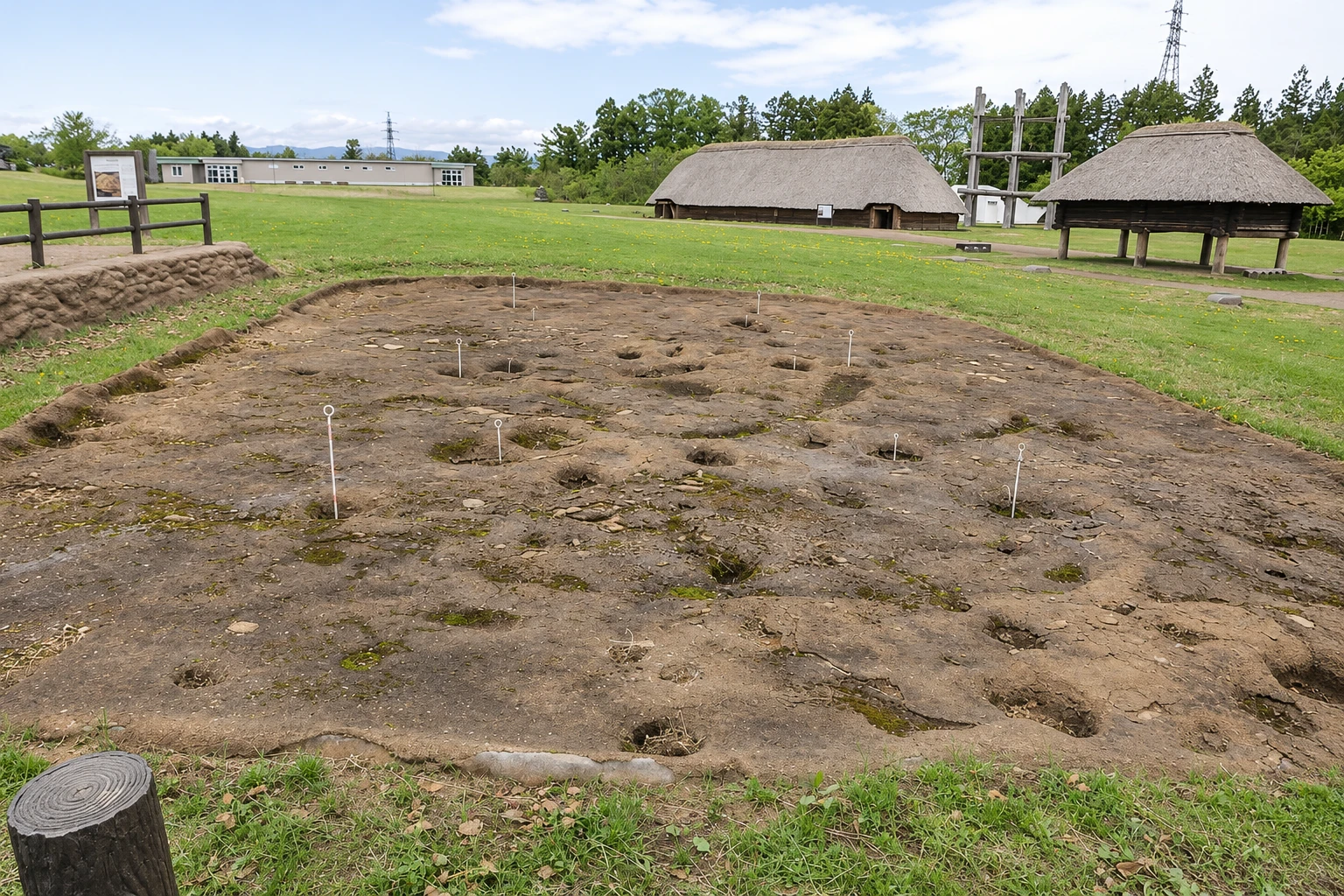
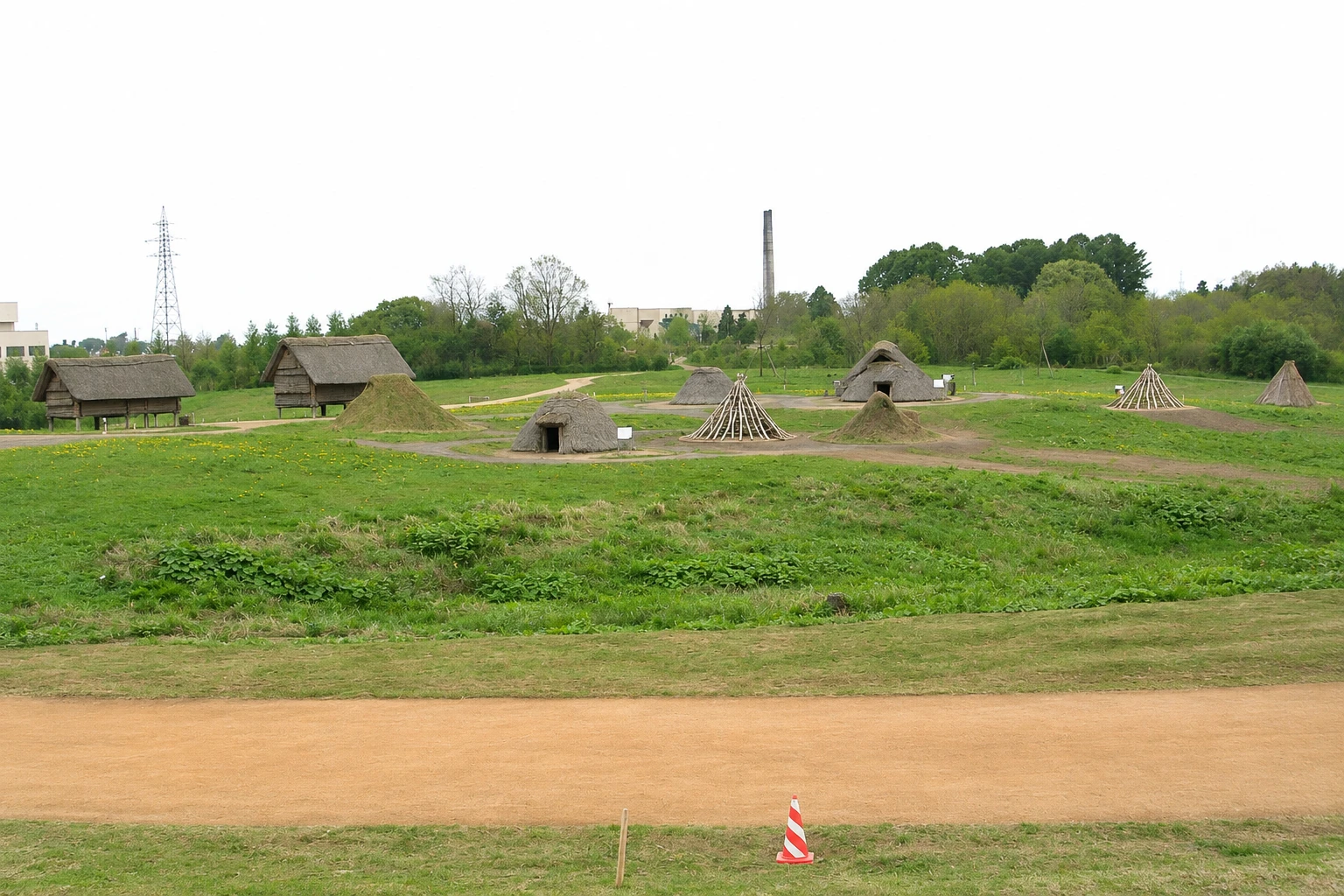
Excavations revealed semi-subterranean houses, longhouses used as communal spaces, raised storage buildings, adult and child burials, midden areas and pathways. The best-known feature is the set of six pillar holes about 1 meter in diameter, which held chestnut trunks; a large three-story wooden structure has been reconstructed on them, dominating the site. Its original function is unknown.
The grounds include several full-size reconstructed buildings, including a longhouse and thatched and earthen-roof houses you can enter. One excavation area is covered and shows soil layers with objects in situ. In 2021 the site was inscribed as part of the Jomon Prehistoric Sites in Northern Japan on the UNESCO World Heritage list.
The visitor center, the Sannai Maruyama Jomon Jiyukan, houses pottery, dogu clay figures, lacquer objects, bones and seeds found there, which show a diet based on nuts, fish and game. Guided tours and craft workshops are available. The Aomori Museum of Art is next door, a few minutes’ walk away.
Before you go
Practical information
Cidade Turismo reviews its information regularly, but something may have changed. Check with the place before planning your trip.
How much time to set aside
About 1 hour 30 minutes, including the grounds and the Jiyukan museum.
Best time
From May to October, when the outdoor area is free of snow. In winter, the museum remains open and the site is covered in white. Confirm opening hours and guided tours before you go.
How to get there
From Aomori Station, city buses to Sannai-Maruyama take about 30 minutes. From Shin-Aomori Station it's about a 10-minute bus ride or taxi. There is parking available.
Tip
Start at the Jiyukan Museum, which provides the context, then go out to the site. Combine it with the Aomori Museum of Art next door for a half-day visit.
Official website
Get your questions answered
Frequently asked questions about Sannai-Maruyama Site
How old is the village of Sannai-Maruyama?
It was occupied from about 3900 to 2200 BCE, that is, roughly 5,900 to 4,200 years ago, for about 1,700 years.
What is the large wooden tower at Sannai-Maruyama?
It is a reconstruction of a structure made from six large chestnut trunks, based on the pillar-hole patterns found in the excavation. Its original function is unknown.
Is Sannai-Maruyama a UNESCO site?
Yes. In 2021 it was inscribed on the UNESCO list as part of the Jomon Prehistoric Sites in Northern Japan, which brings together 17 sites in Hokkaido and northern Tohoku.
How do you get from Aomori Station to Sannai-Maruyama?
By city bus, in about 30 minutes. From Shin-Aomori Station (the shinkansen) the trip is shorter, about 10 minutes.
Beyond the guide


