

 Brazil
 Antarctica
 Argentina
 Bolivia
 Chile
 Colombia
 Ecuador
 Guyana
 French Guiana
 Falkland Islands (Malvinas)
 Paraguay
 Peru
 Suriname
 Uruguay
 Venezuela
 Germany
 Austria
 Belgium
 Croatia
 Denmark
 Slovakia
 Slovenia
 Spain
 Finland
 France
 Greece
 the Netherlands
 Hungary
 Ireland
 Iceland
 Italy
 Luxembourg
 Norway
 Poland
 Portugal
 the United Kingdom
 the Czech Republic
 Sweden
 Switzerland
 Turkey
 Bermuda
 Canada
 the United States
 Greenland
 Mexico
 Saint Pierre and Miquelon
 the Dominican Republic
 South Africa
 Egypt
 Australia
 Fiji
 New Zealand
 Papua New Guinea
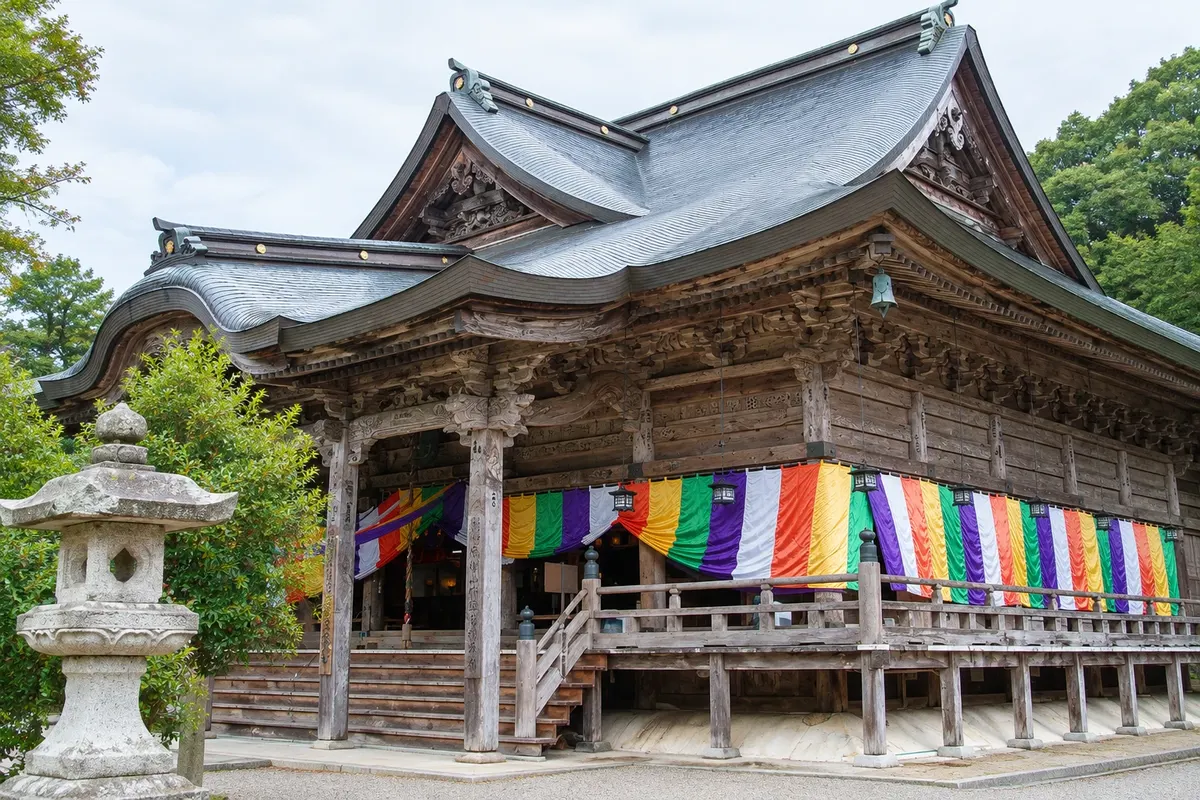
Temple · Miyazu, Kyoto
Nariai-ji Temple
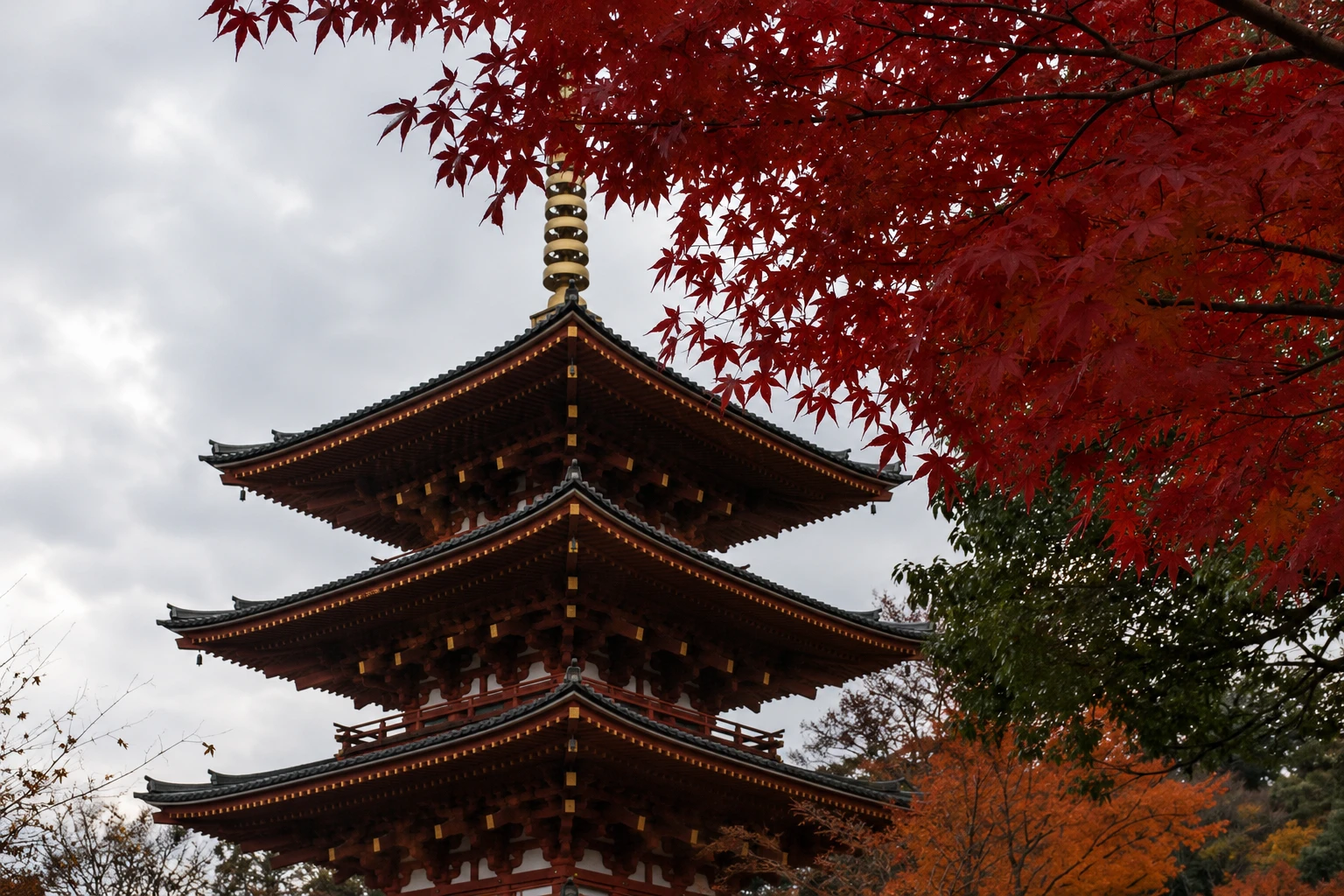
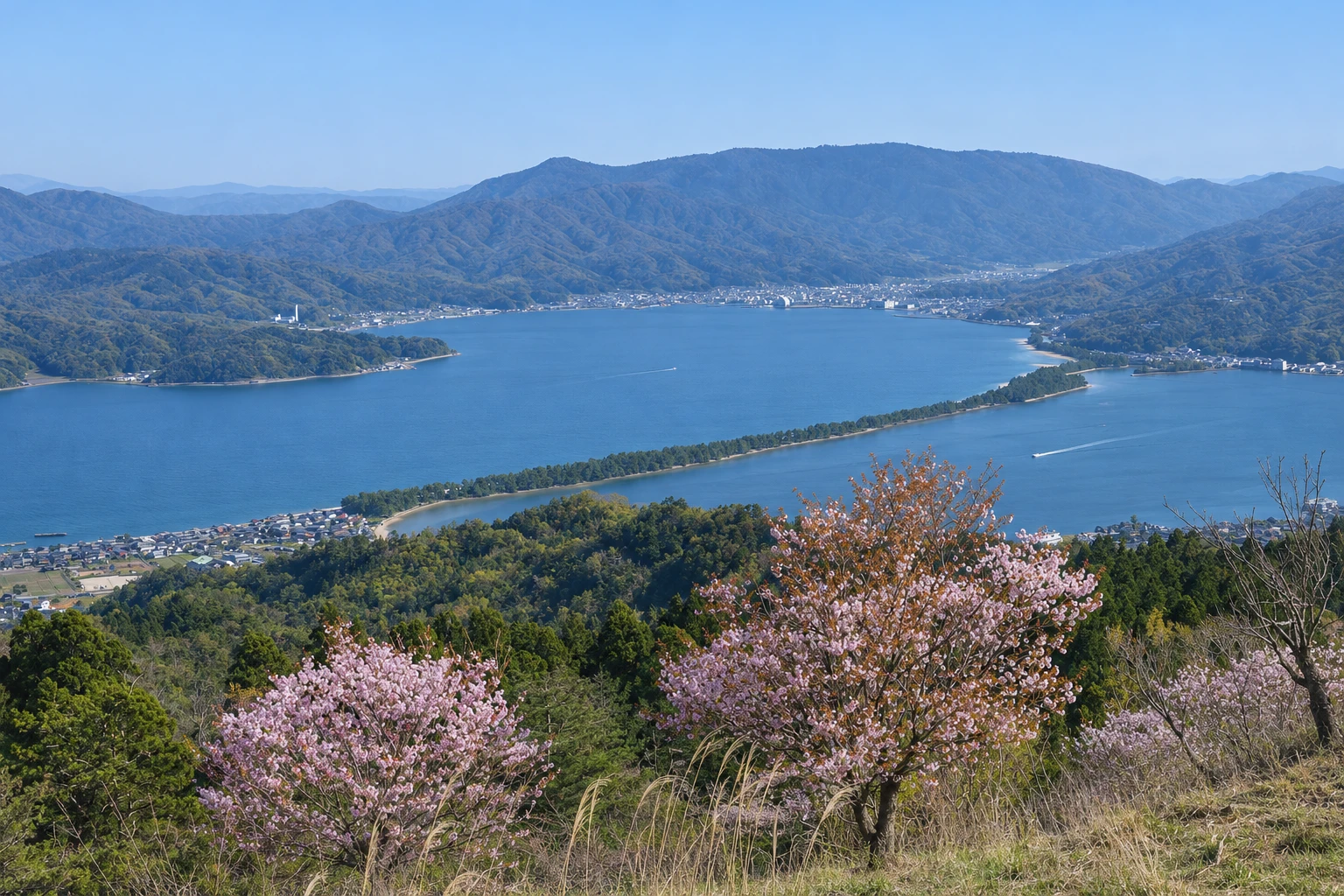
A Buddhist temple on Mount Nariai above Amanohashidate, a stop on the Saigoku 33 Kannon pilgrimage in western Japan, with a five-story pagoda and the highest viewpoint over the bay.
Illustrative images. The pictures in this guide are illustrations based on the real place, not photographs, and may differ from it.

A look at the place
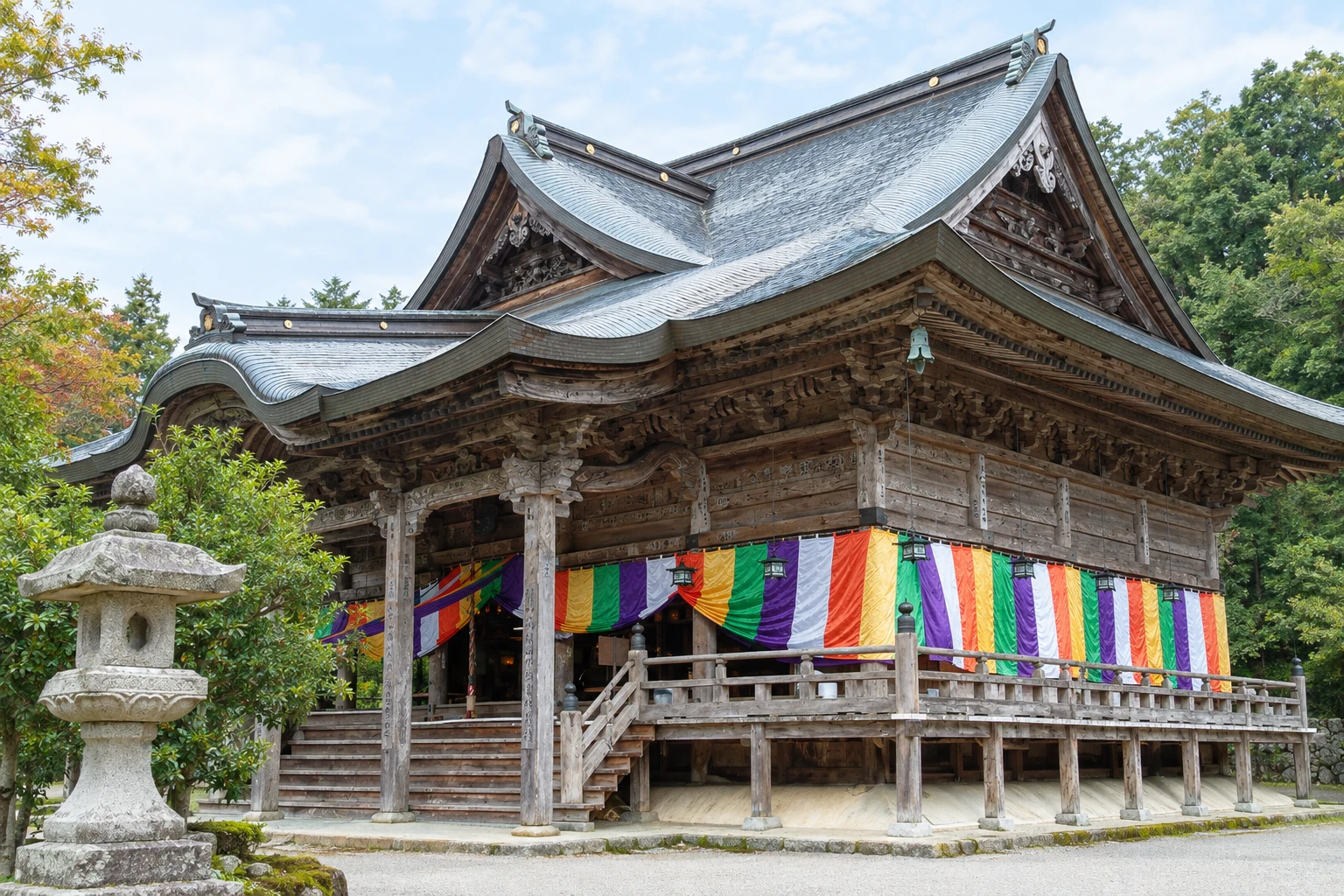
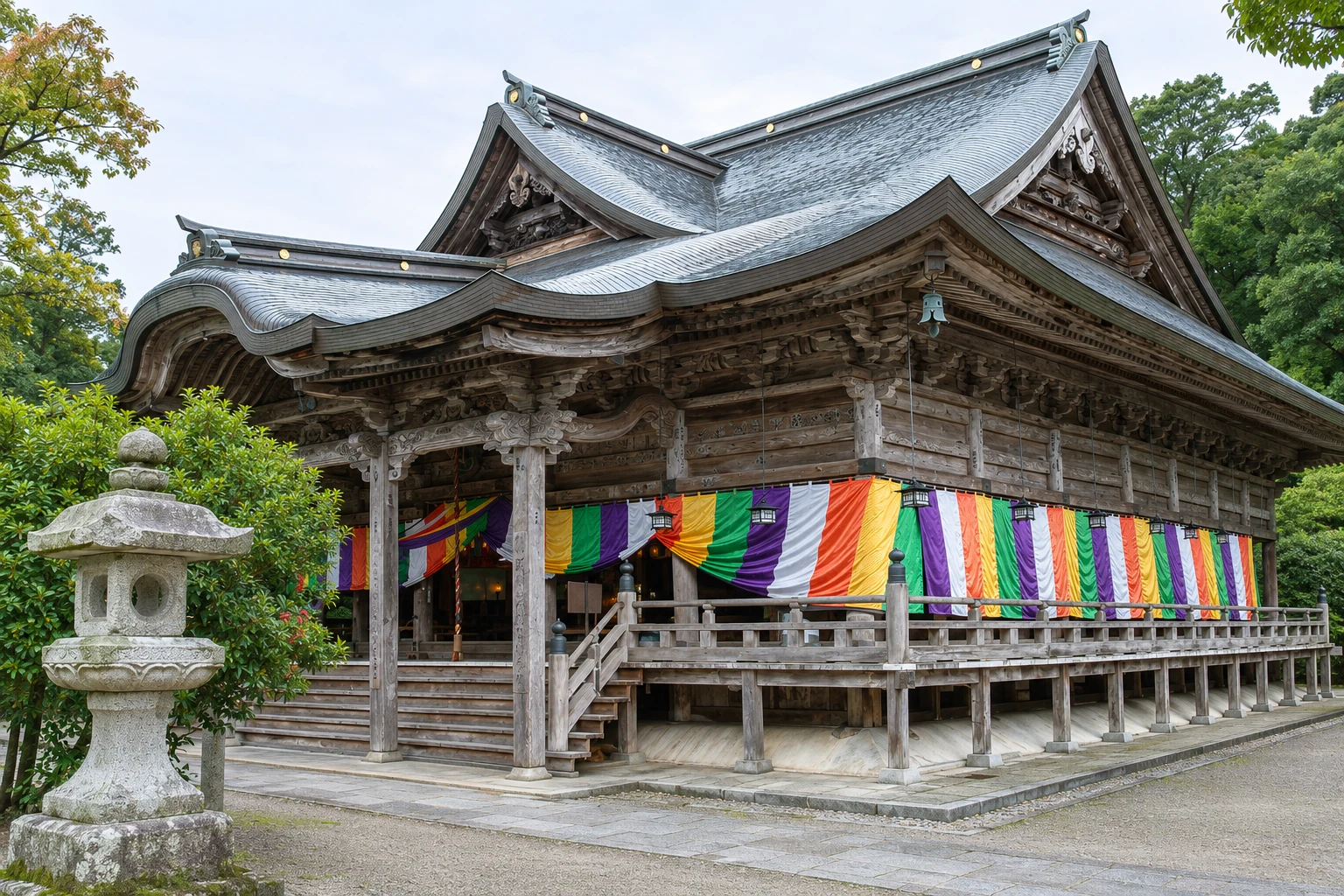
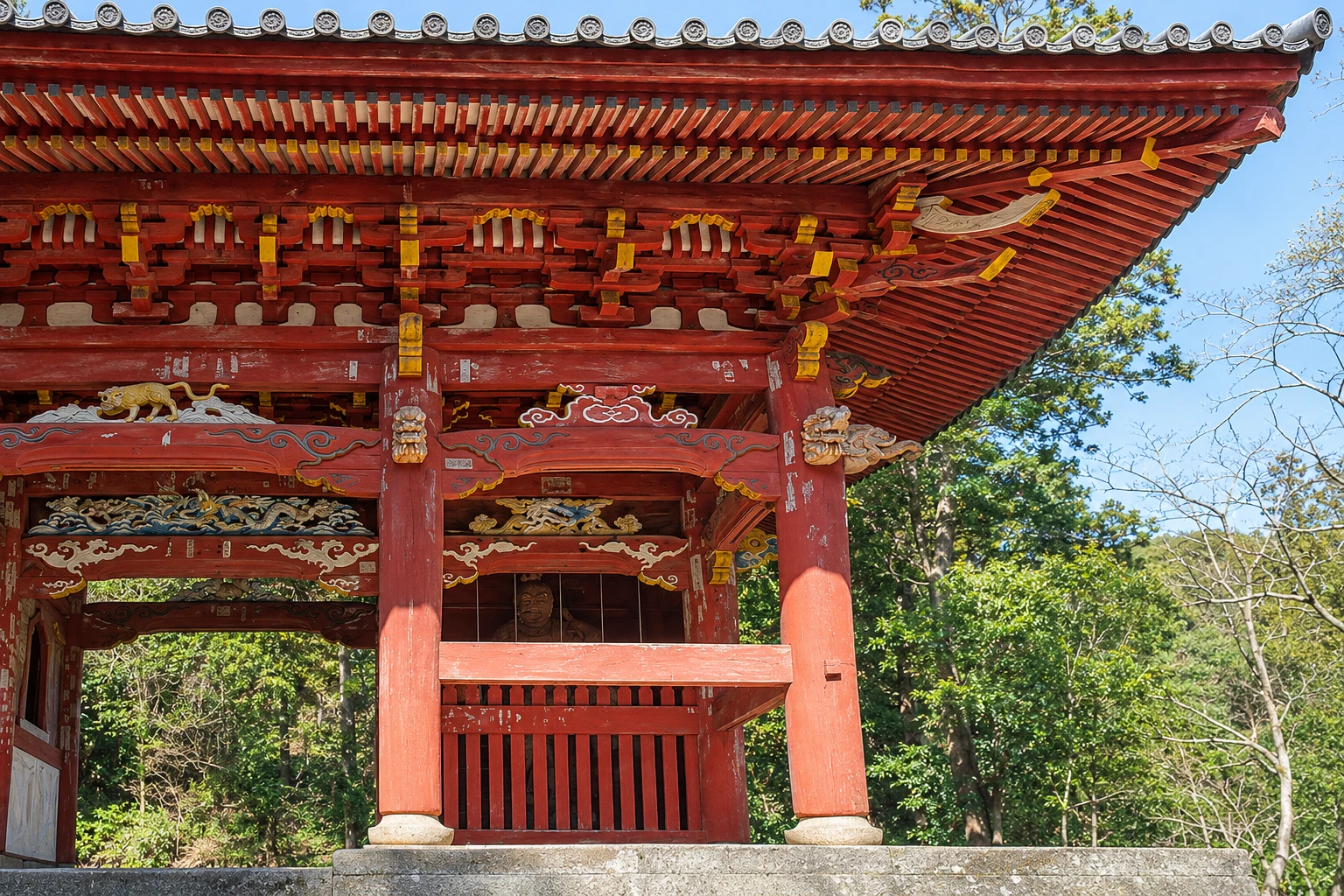
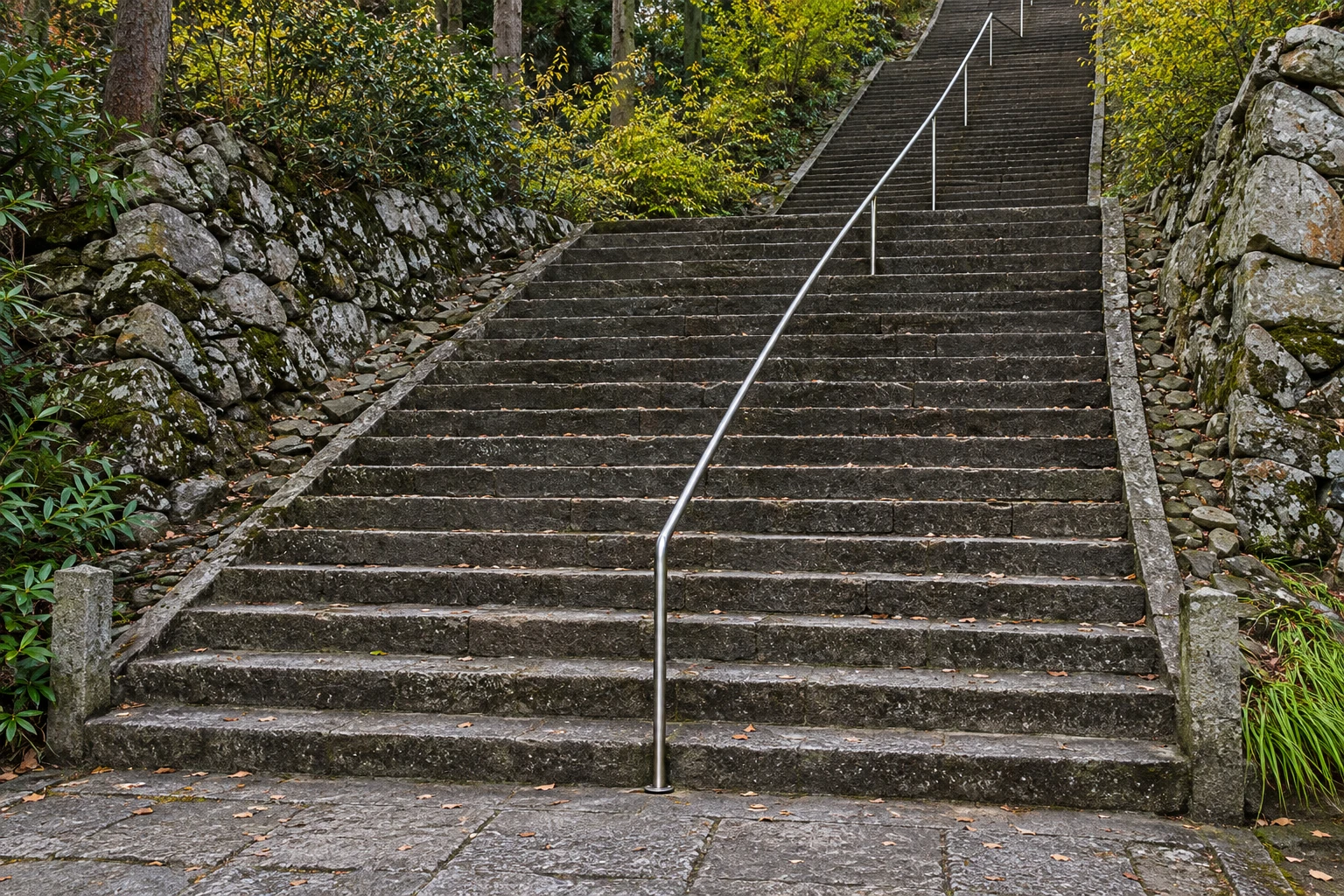
Nariai-ji Temple in pictures
These pictures are illustrations based on the real place, not photographs. They may differ from the place.
Click the picture to enlarge it.
Discover
About Nariai-ji Temple
Nariai-ji sits at about 340 meters above sea level on Mount Nariai, above Kasamatsu Park. Tradition says it was founded in the early 8th century and is the 28th temple of the Saigoku pilgrimage, which links 33 temples dedicated to Kannon, the bodhisattva of compassion, in western Japan. The name, which means something like “wish granted,” comes from a legend about a monk who survived a snowy winter thanks to a miracle.
The grounds spread along the slope, with the main wooden hall, a bell tower whose bell, according to another local legend, is not rung, and a five-story pagoda rebuilt at the end of the 20th century, its bright color standing out against the mountain greenery. The main hall houses old sculptures, including a wooden dragon attributed to sculptor Hidari Jingoro.
A little above the temple, a panoramic lookout offers the highest view of Amanohashidate, with the entire sandbar below, Miyazu Bay, and the mountains of the Tango Peninsula. In autumn the maples on the grounds usually color in November, and in winter the temple is often covered in snow.
The visit is calm, with fewer people than the lower viewpoints. For pilgrims, the temple stamps the pilgrimage book. The return to Kasamatsu Park can be made by bus or on foot via a mountain road.
Before you go
Practical information
Cidade Turismo reviews its information regularly, but something may have changed. Check with the place before planning your trip.
How much time to set aside
About 1 hour, including the lookout.
Best time
On clear days, for the view from above; in November, for the maples. Buses that climb from Kasamatsu Park run infrequently; check schedules in advance.
How to get there
From Kasamatsu Park, a bus to the temple takes about 7 minutes. By car, via the mountain road from Fuchu.
Tip
Climb to the lookout above the temple for the highest view of the bay. Combine with Kasamatsu Park on the way down.
Official website
Get your questions answered
Frequently asked questions about Nariai-ji Temple
How do you get to Nariai-ji Temple?
By bus from Kasamatsu Park in about 7 minutes, or by car via the mountain road.
Can you see Amanohashidate from Nariai-ji?
Yes. The lookout above the temple provides the highest view of the sandbar and the bay.
Is Nariai-ji part of any pilgrimage?
Yes, the Saigoku pilgrimage, which links 33 Kannon temples in western Japan. It is the 28th temple.
How long does a visit to Nariai-ji take?
About 1 hour, including the temple, the pagoda, and the lookout.
Beyond the guide


