

 Brazil
 Antarctica
 Argentina
 Bolivia
 Chile
 Colombia
 Ecuador
 Guyana
 French Guiana
 Falkland Islands (Malvinas)
 Paraguay
 Peru
 Suriname
 Uruguay
 Venezuela
 Germany
 Austria
 Belgium
 Croatia
 Denmark
 Slovakia
 Slovenia
 Spain
 Finland
 France
 Greece
 the Netherlands
 Hungary
 Ireland
 Iceland
 Italy
 Luxembourg
 Norway
 Poland
 Portugal
 the United Kingdom
 the Czech Republic
 Sweden
 Switzerland
 Turkey
 Bermuda
 Canada
 the United States
 Greenland
 Mexico
 Saint Pierre and Miquelon
 the Dominican Republic
 South Africa
 Egypt
 Australia
 Fiji
 New Zealand
 Papua New Guinea
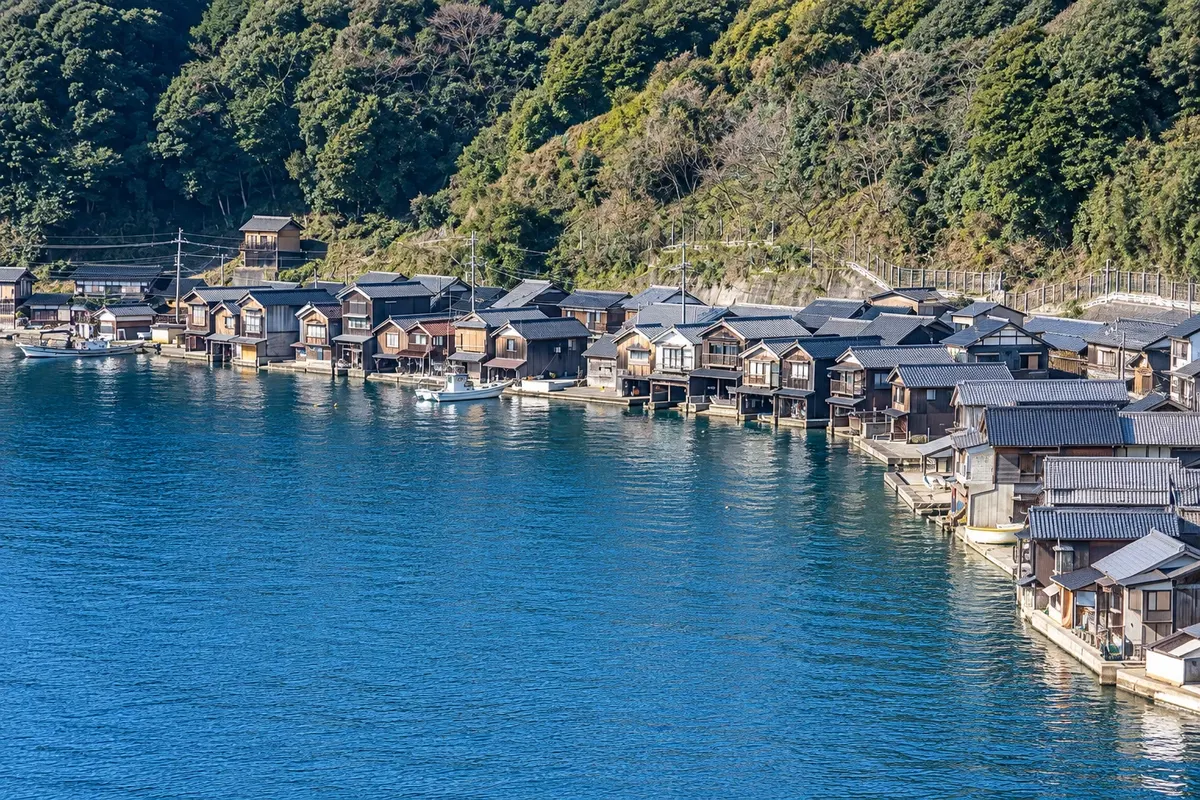
Historic village · Ine, Kyoto
Ine Funaya
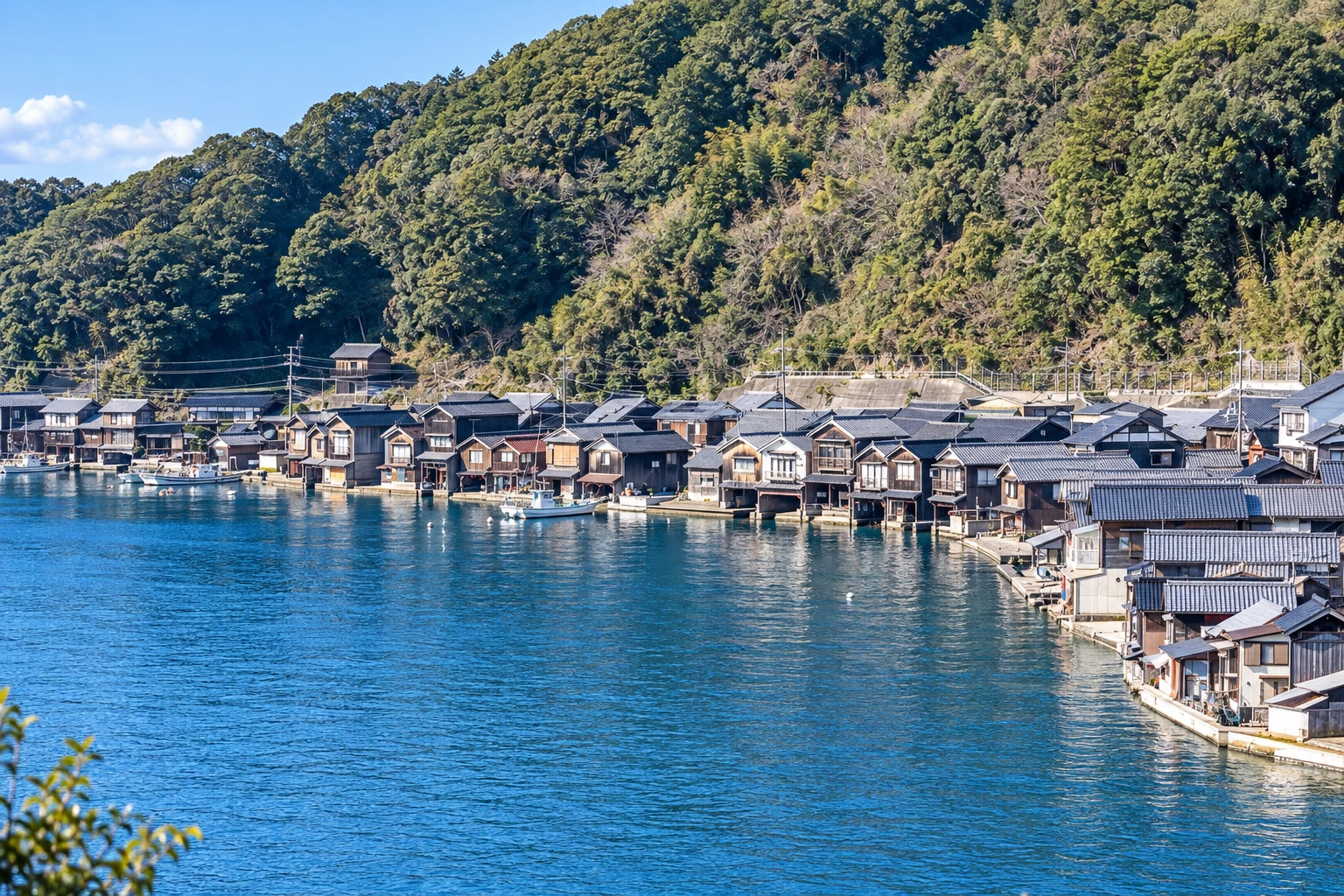
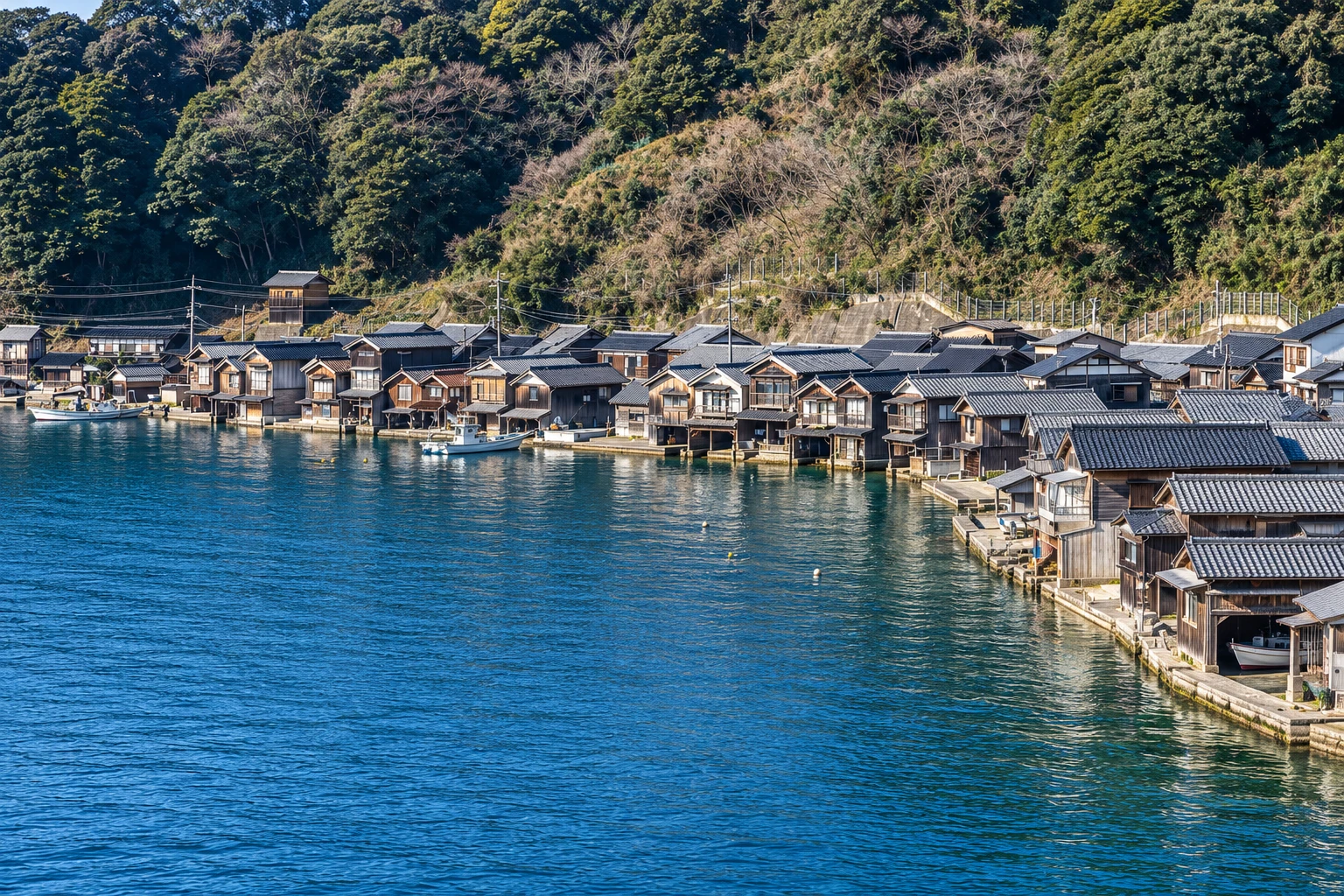
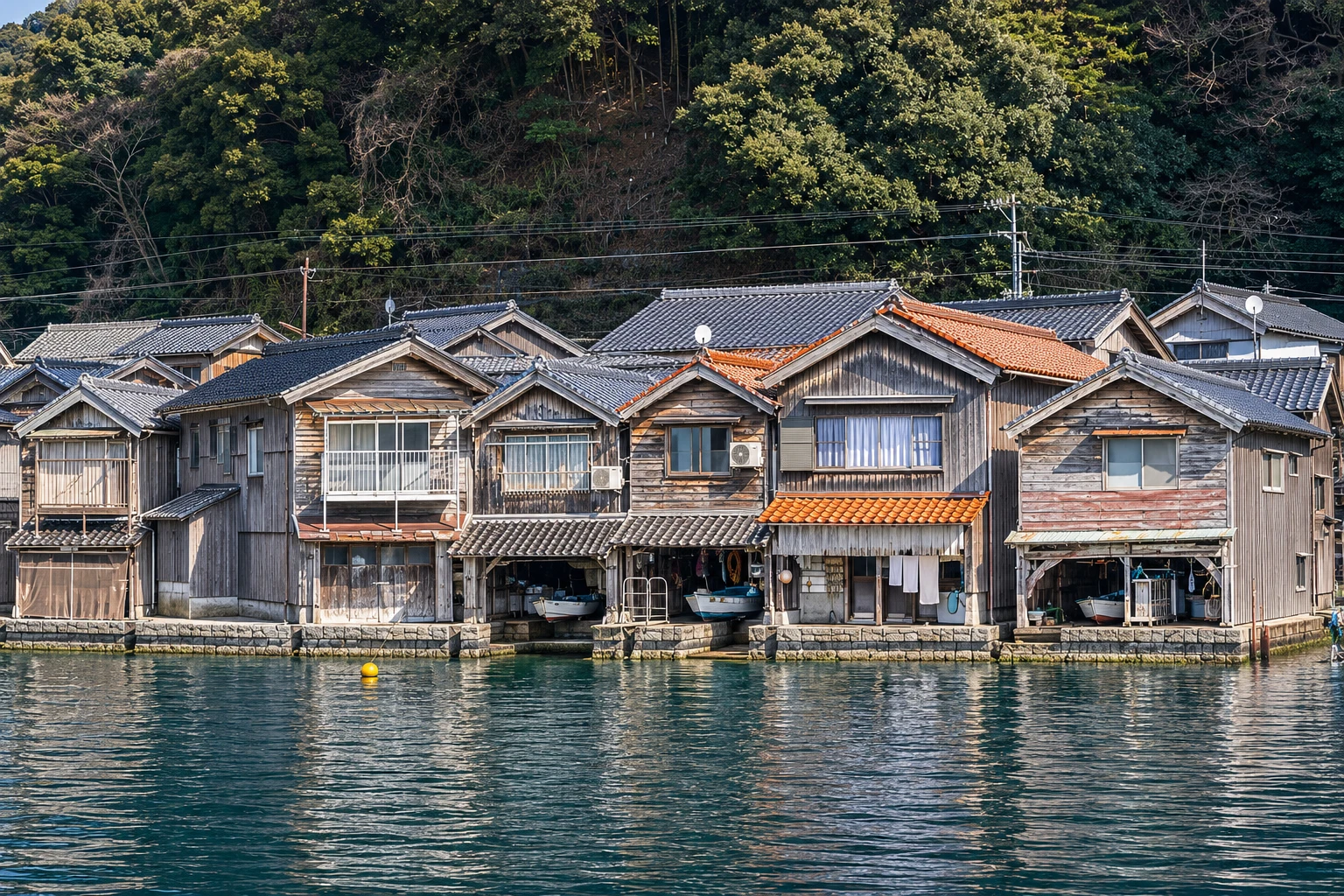
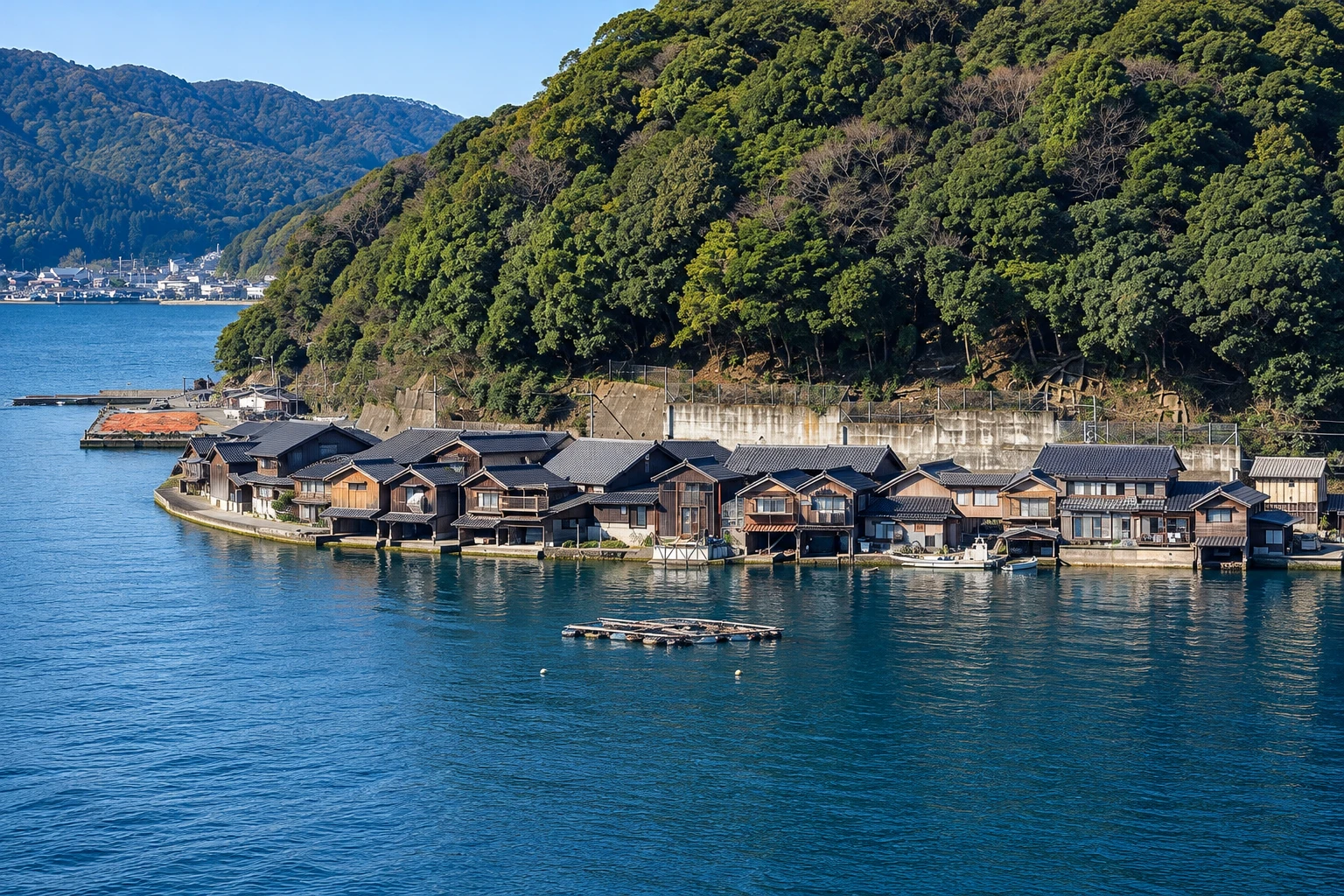
About 230 fishermen’s houses with boat garages on the ground floor, built over the water around Ine Bay, a fishing village protected as an architectural heritage site.
Illustrative images. The pictures in this guide are illustrations based on the real place, not photographs, and may differ from it.

A look at the place
Ine Funaya in pictures
These pictures are illustrations based on the real place, not photographs. They may differ from the place.
Click the picture to enlarge it.
Discover
About Ine Funaya
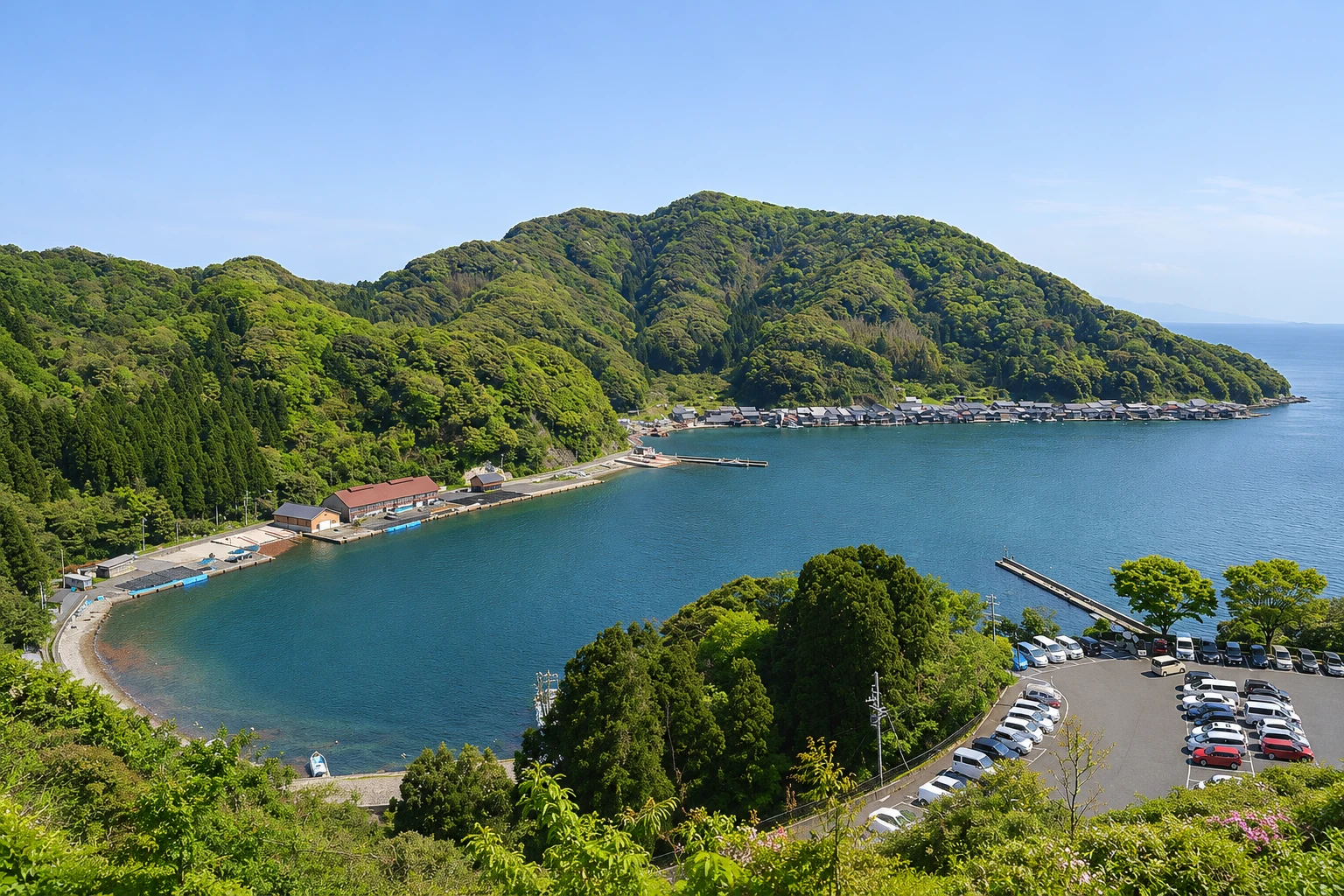
Ine Bay lies at the eastern tip of the Tango Peninsula, facing south and sheltered from the open sea by Aoshima Island at the entrance. The water is usually calm year-round and the tide varies little, which allowed houses to be built on the water’s edge. For about 5 km, the funaya line up side by side, facing the sea with a narrow street behind them.
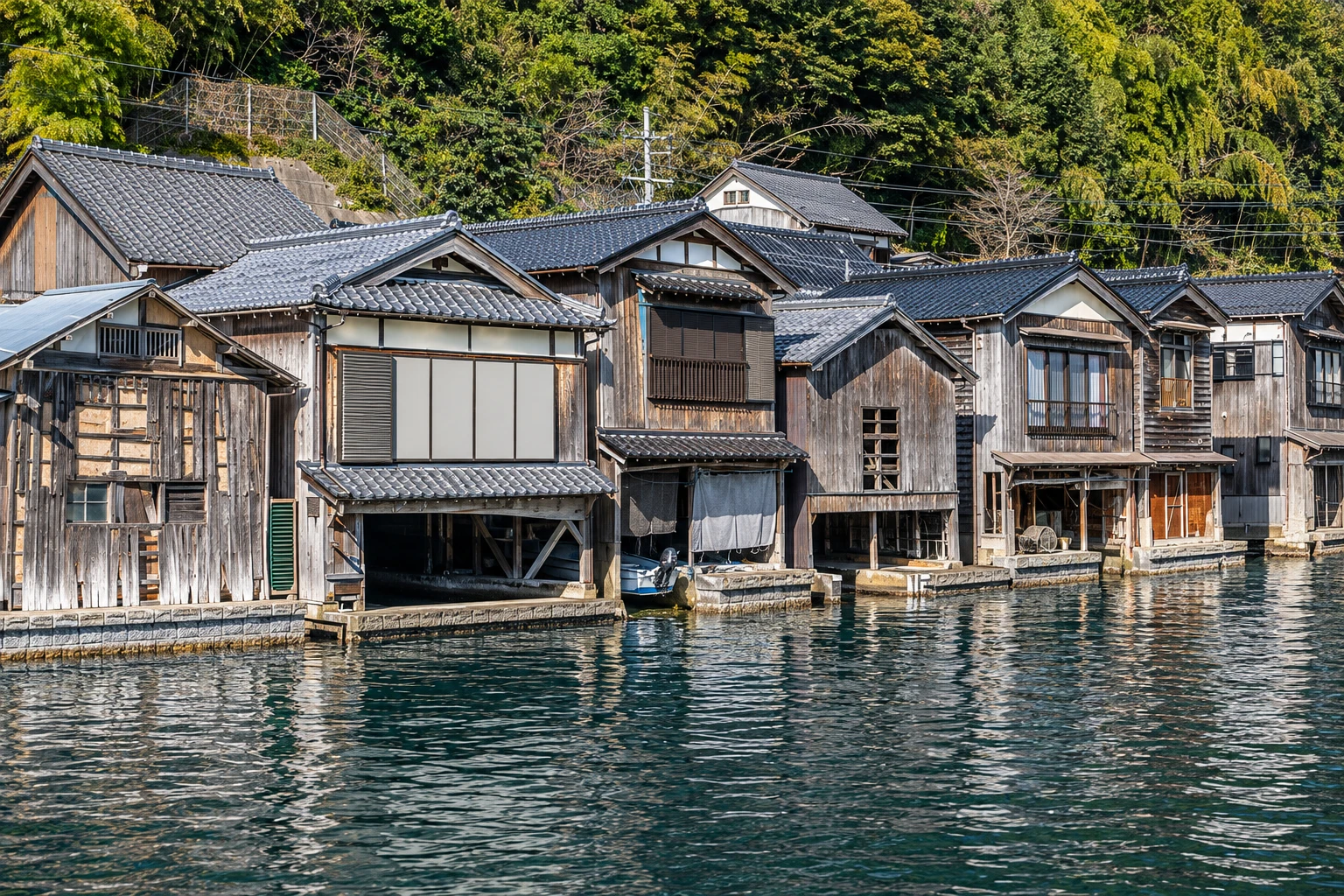
Each funaya has, on the ground floor, a ramp that leads into the water where the boat is kept and nets are dried, and on the upper floor a storage room or a bedroom. The family’s living quarters are on the other side of the street, in the main houses. Many funaya date from the 19th and early 20th centuries, with dark wooden walls and tile roofs. In 2005, Ine was the first fishing village recognized by the government as a preserved group of traditional buildings.
The most common way to see the funaya is from the sea. Sightseeing boats depart from the village pier and circle the bay in about 25 to 30 minutes, often followed by seagulls. Local fishermen also take visitors out in small boats that pass close to the houses. By land, the main street runs through the village, and Funaya no Sato, atop a hill, has a viewpoint over the whole bay.
The funaya are still fishermen’s houses, and the village has little commerce: a few cafés and fish restaurants in restored funaya. Staying overnight in Ine lets you see the bay early in the morning when the boats set out for fishing.
Before you go
Practical information
Cidade Turismo reviews its information regularly, but something may have changed. Check with the place before planning your trip.
How much time to set aside
From 2 hours to half a day by boat.
Best time
On calm sea days, in the morning or late afternoon. Sightseeing boats may not run in strong wind. Check the boat and bus return schedules.
How to get there
Buses run from Amanohashidate Station to the Ine stops in about 1 hour. The sightseeing-boat pier is next to the Ine-wan Meguri stop.
Tip
Take the boat first to get a sense of the bay, then walk the street. Respect residents’ privacy: the funaya are homes.
Official website
Get your questions answered
Frequently asked questions about Ine Funaya
How long is the sightseeing-boat ride around Ine Bay?
About 25 to 30 minutes, circling the bay in front of the funaya.
Why were the funaya built over the water?
Because the bay is calm and the tide varies little. That way fishermen could store their boats directly on the ground floor of the house.
Where is the viewpoint over Ine Bay?
At Funaya no Sato, on a hill near the village entrance, with a view over the entire bay.
Does Ine have restaurants?
Few: some cafés and fish restaurants in restored funaya. On weekdays some may be closed; check beforehand.
Beyond the guide


