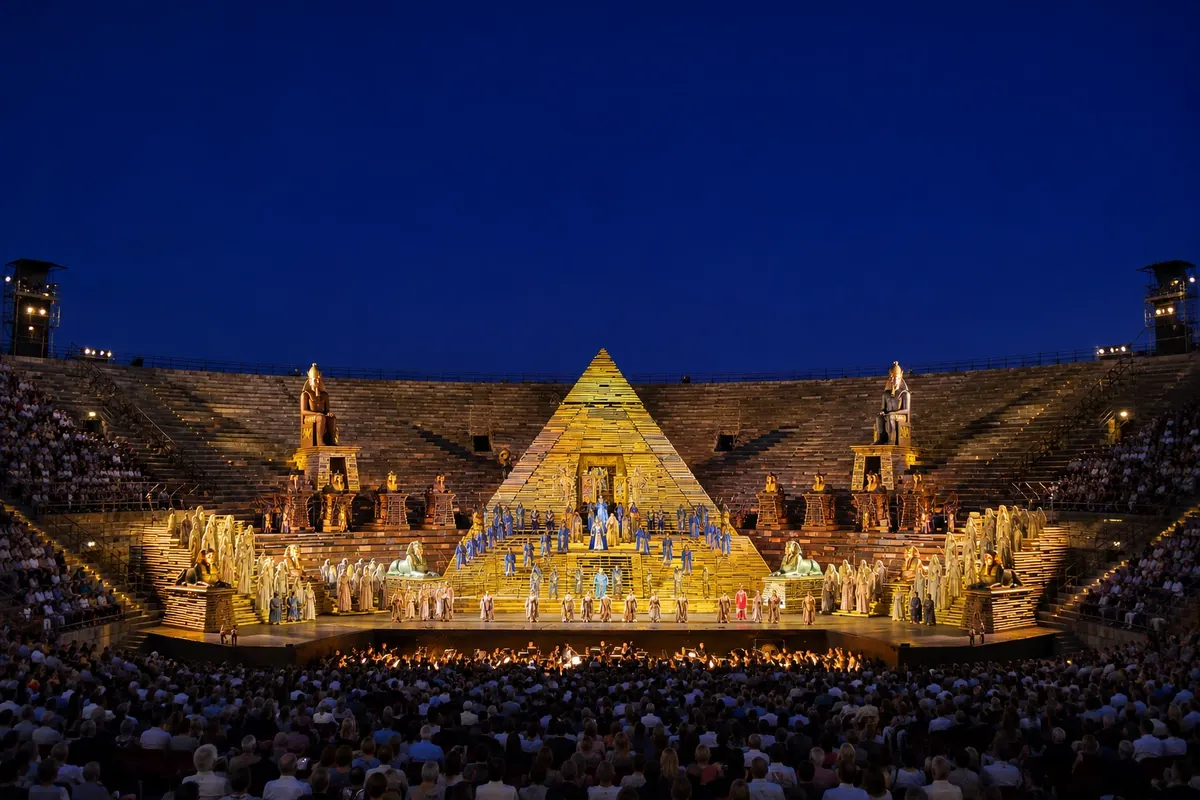
Dish · Florence
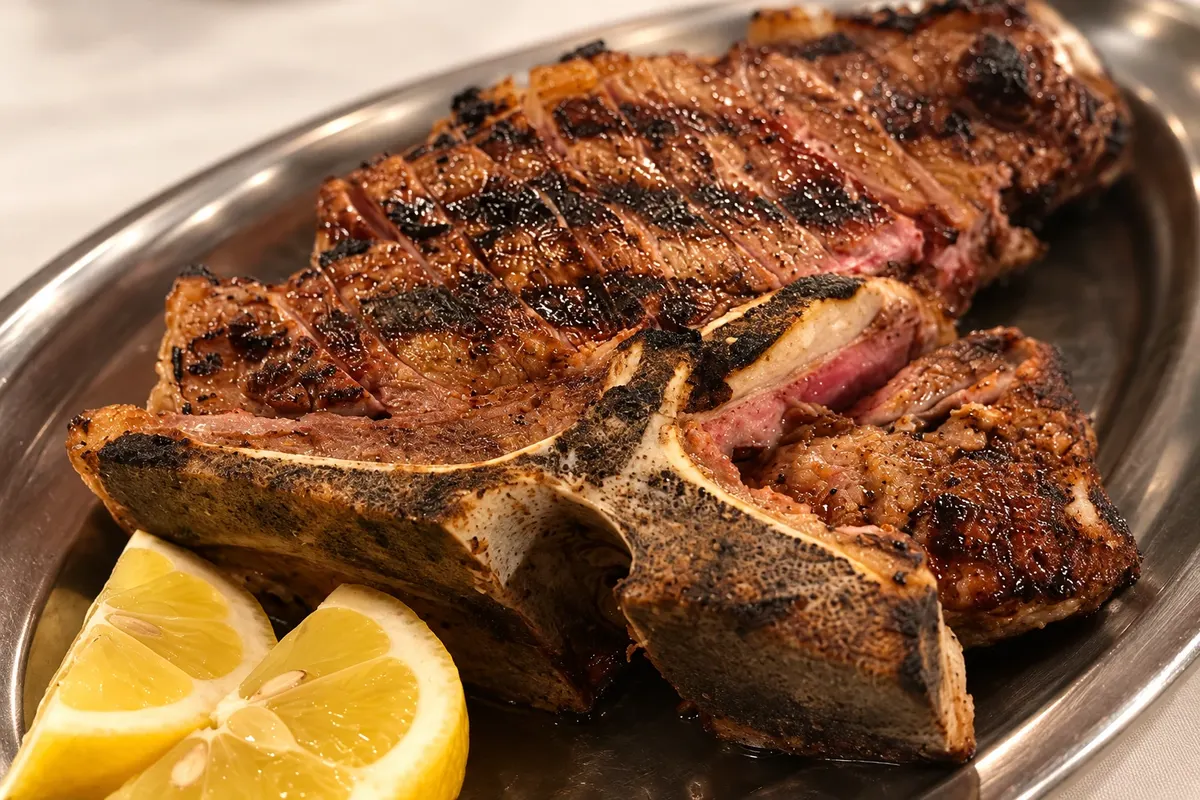
Bistecca alla fiorentina
Thick T-bone beef steak, grilled over embers and served rare, seasoned only with salt and olive oil. It’s named after Florence and is usually ordered to share.

 Search
 Brazil
 Antarctica
 Argentina
 Bolivia
 Chile
 Colombia
 Ecuador
 Guyana
 French Guiana
 Falkland Islands (Malvinas)
 Paraguay
 Peru
 Suriname
 Uruguay
 Venezuela
 Germany
 Austria
 Belgium
 Croatia
 Denmark
 Slovakia
 Slovenia
 Spain
 Finland
 France
 Greece
 the Netherlands
 Hungary
 Ireland
 IcelandItaly
 Luxembourg
 Norway
 Poland
 Portugal
 the United Kingdom
 the Czech Republic
 Sweden
 Switzerland
 Turkey
 Bermuda
 Canada
 the United States
 Greenland
 Mexico
 Saint Pierre and Miquelon
 the Dominican Republic
 JapanTurkey
 South Africa
 Egypt
 Australia
 Fiji
 New Zealand
 Papua New Guinea
Popular festival · Florence
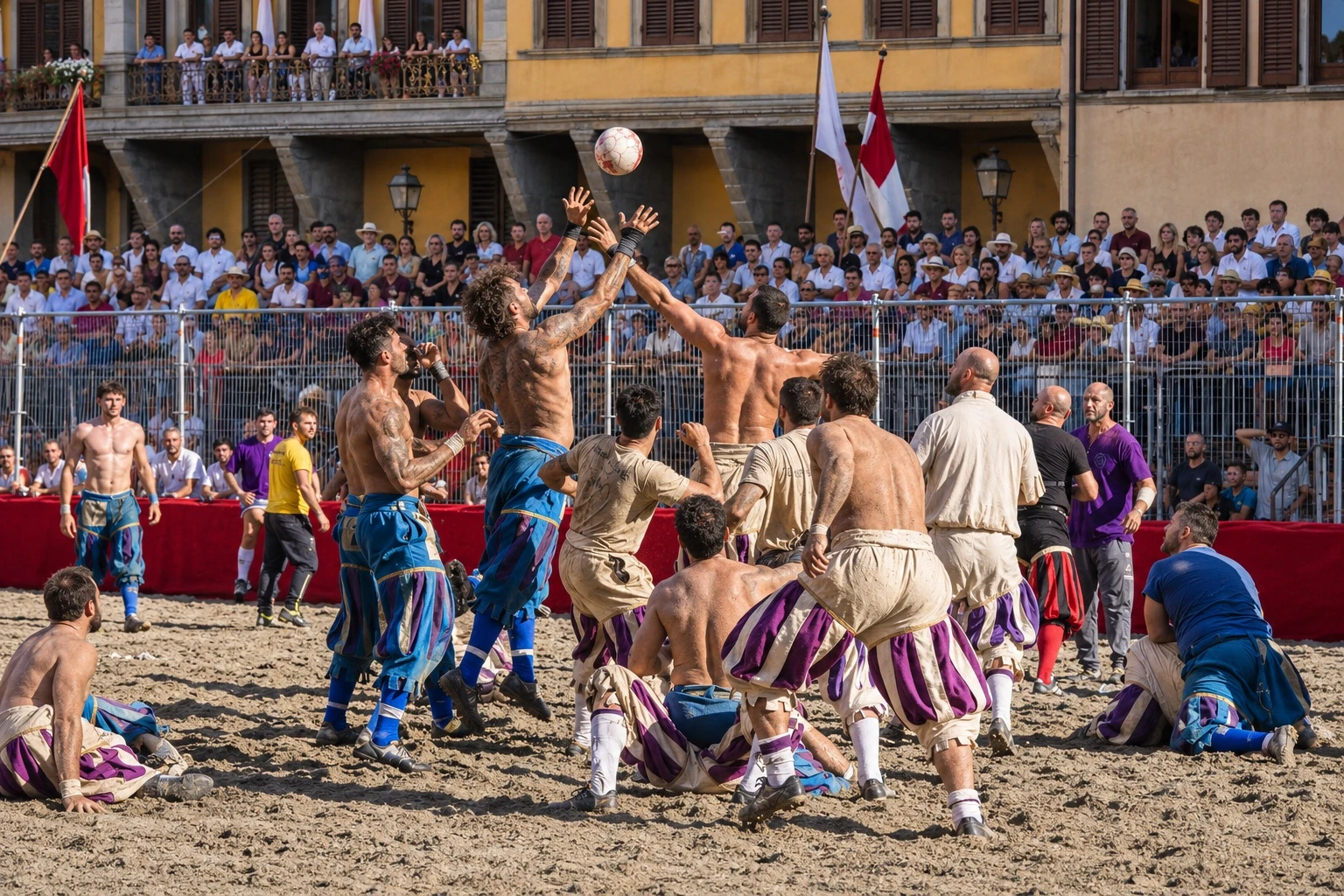
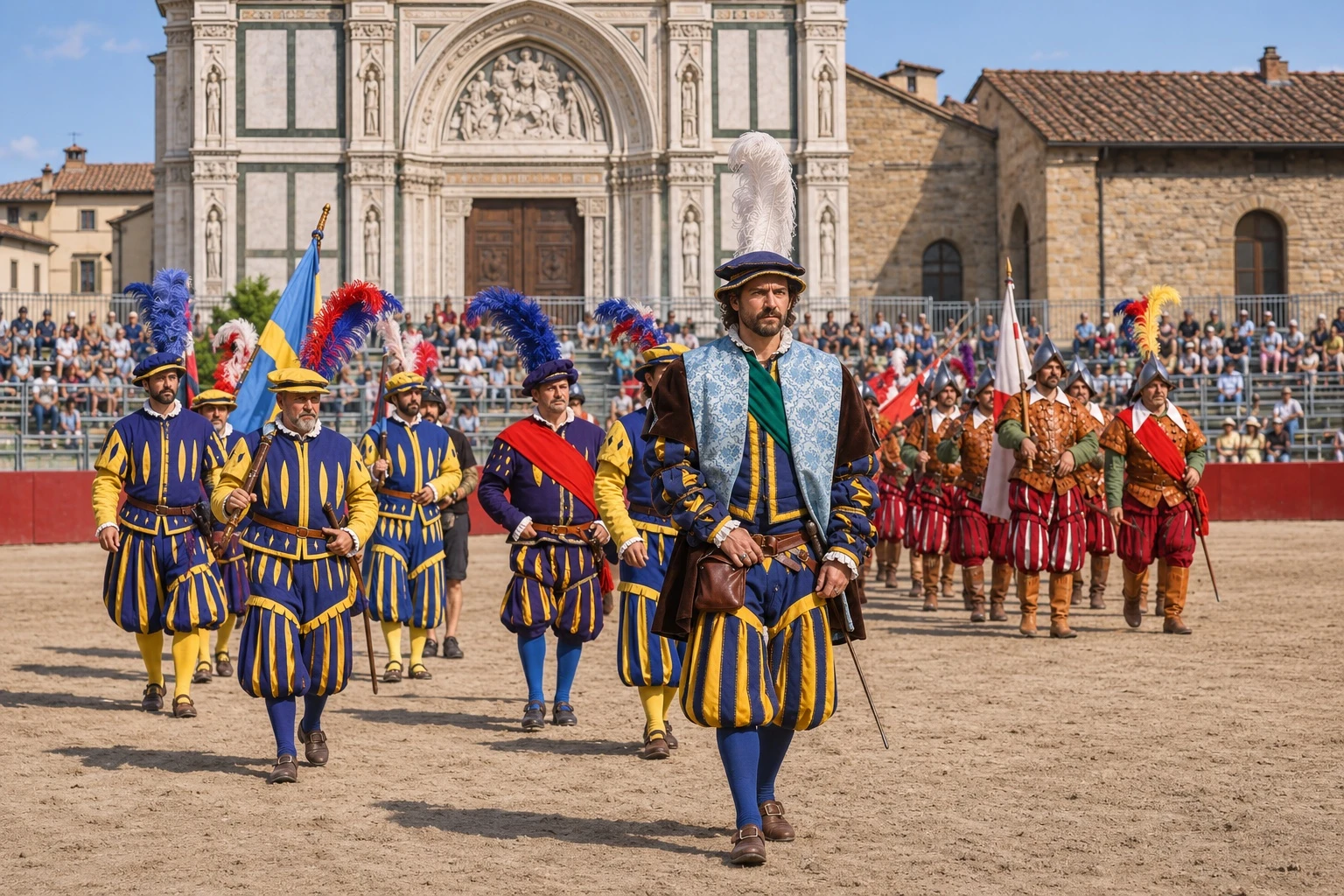
In June, Piazza Santa Croce in Florence becomes a sand arena for Calcio Storico, a Renaissance ball game played by the city’s four historic districts. The final takes place on the feast day of St. John, the city’s patron saint, and the celebrations end with fireworks that night.
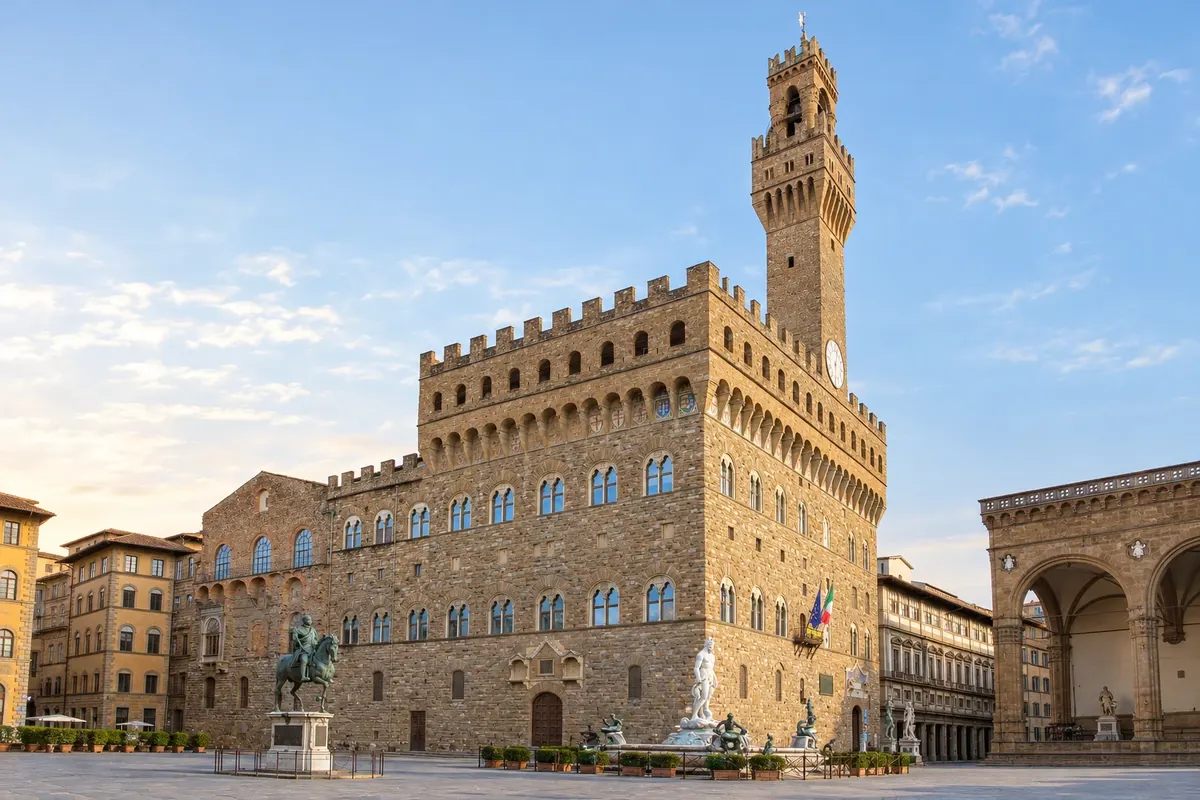
In the photo: Florence
Illustrative images. The pictures in this guide are illustrations based on the real place, not photographs, and may differ from it.

Click the picture to enlarge it.
Calcio Storico Fiorentino — Florence
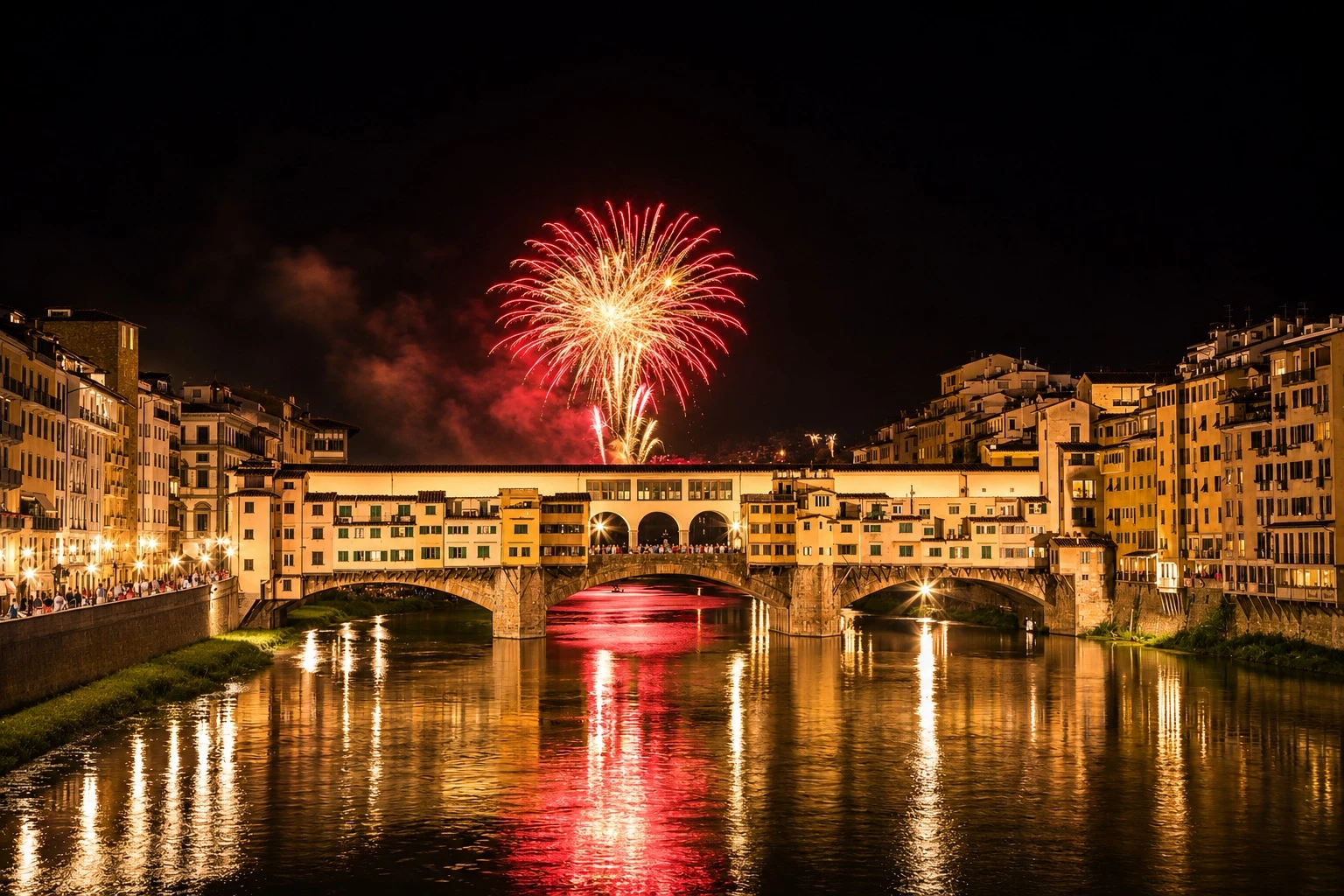
In June. The final is on June 24, the feast day of St. John, Florence’s patron saint.
June
Dates change every year: check this year's date before you travel.
The festival
Calcio Storico is a ball game that combines soccer, rugby, and wrestling. It has been played in Florence since the Renaissance. The story goes that in February 1530, while the imperial army had the city under siege, the Florentines played a match in Piazza Santa Croce to show the enemy they were not afraid.
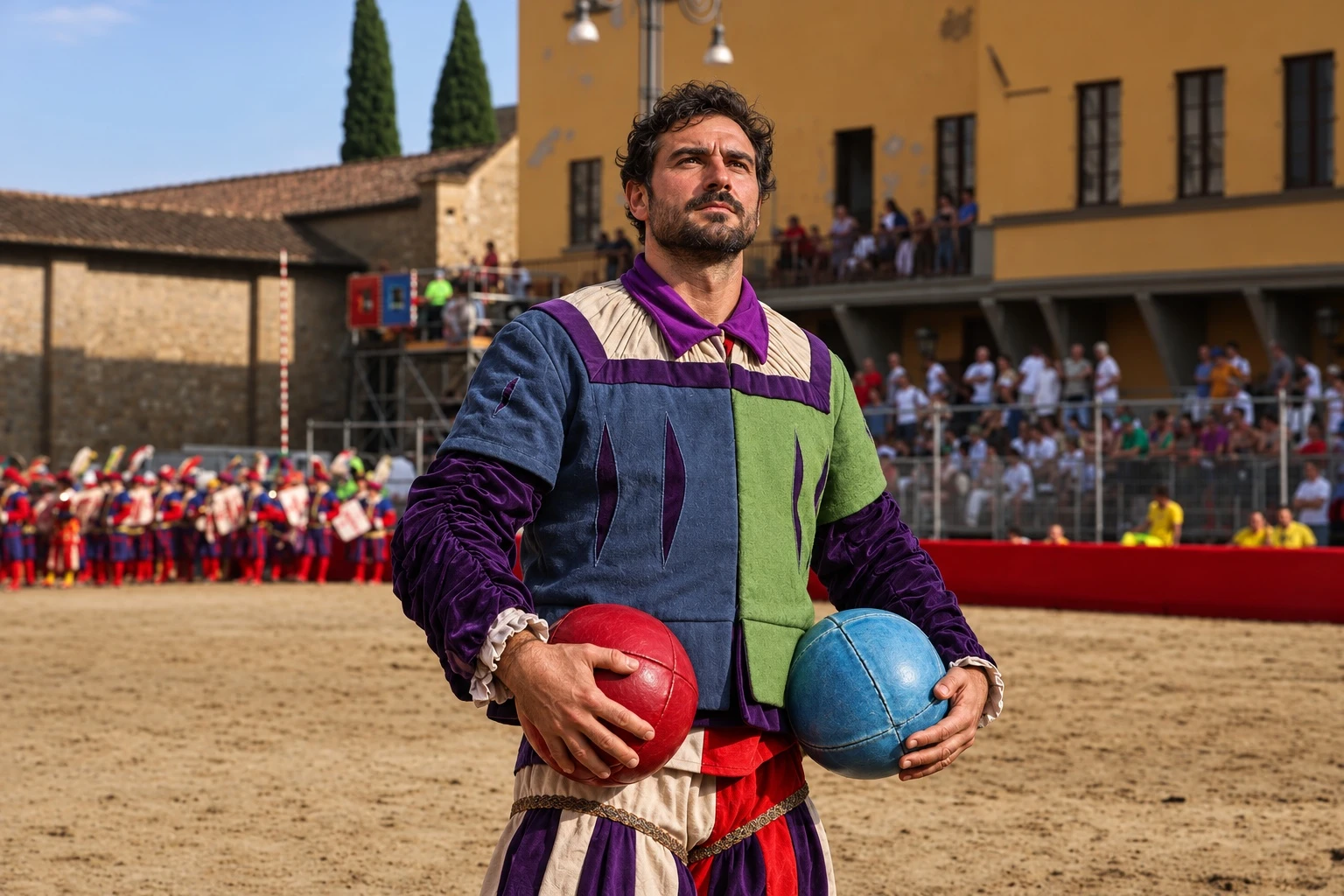
Today, the tournament brings together teams from the city’s four historic districts: the Blues of Santa Croce, the Whites of Santo Spirito, the Reds of Santa Maria Novella, and the Greens of San Giovanni. Each team has 27 players, known as calcianti, who wear period clothing. The two semifinals take place in June, and the final is usually held on June 24, the feast day of St. John the Baptist, Florence’s patron saint.
Before each match, hundreds of participants in Renaissance clothing take part in a procession representing the old Florentine Republic. They make their way through the city center to the square, which is covered in sand and lined with stands. During the game, each team tries to get the ball to the far end of the opposing team’s half to score a caccia. The traditional prize is a Chianina heifer.
On June 24, the city celebrates its patron saint with the procession, the final, and, that night, the St. John’s Day fireworks over the Arno River.
It’s worth the trip to see Florence on its feast day, with neighborhood pride on display in Piazza Santa Croce and fireworks at night.
The Florentine Republic procession through the streets of the city center to Santa Croce. The June 24 final in the sand arena in front of the basilica. The St. John’s Day fireworks over the Arno on the night of June 24.
Check the guidelines for spectators in the stands ahead of time. To see the procession, choose a spot along the route to Piazza Santa Croce. In June, bring water and a hat.
Check the city’s official channels for semifinal dates and ticket information. Book your accommodation early for June 24.
In the city
Flavors of Italy
Thick T-bone beef steak, grilled over embers and served rare, seasoned only with salt and olive oil. It’s named after Florence and is usually ordered to share.
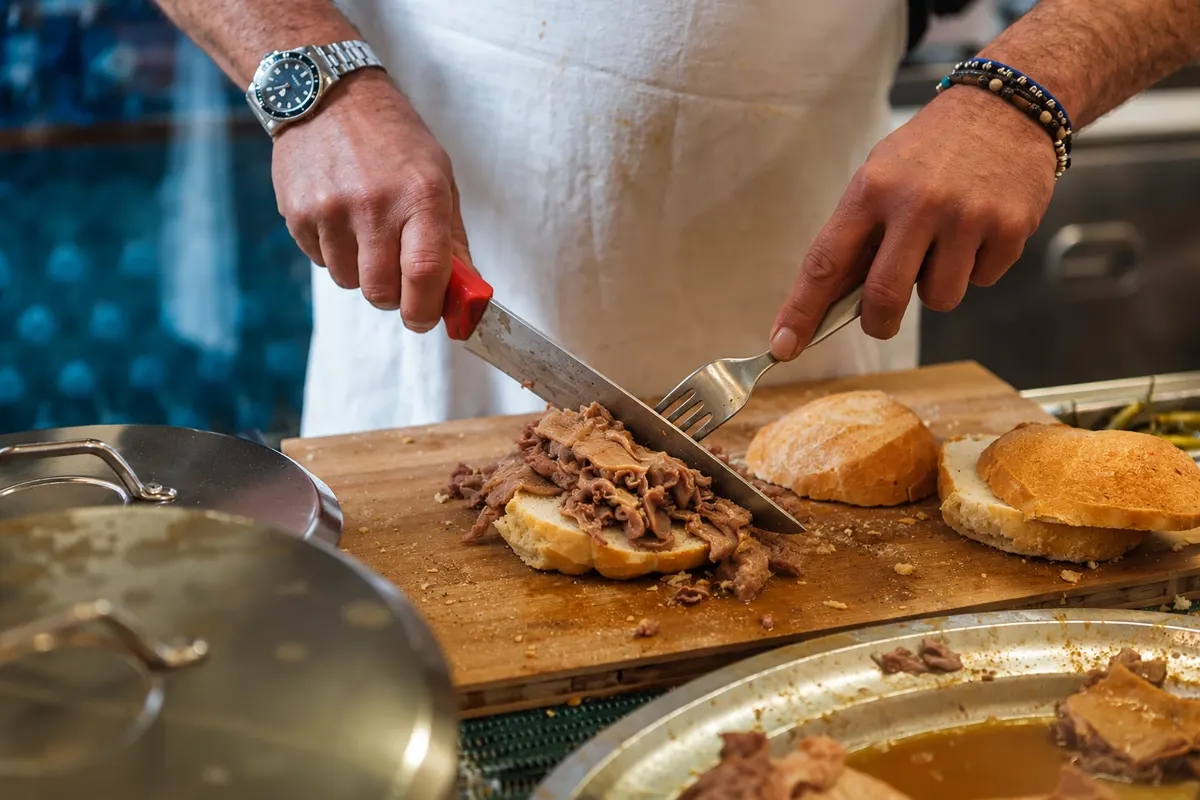
Lampredotto sandwich — the cow’s fourth stomach, slowly cooked in broth and served on a round roll with a green or spicy sauce. It’s Florence’s most typical street food, sold at trippai stalls.
June
Your questions
On June 24, the feast day of St. John, Florence’s patron saint. The semifinals take place a few days earlier in June.
Teams from the four historic districts: the Blues of Santa Croce, the Whites of Santo Spirito, the Reds of Santa Maria Novella, and the Greens of San Giovanni.
In Piazza Santa Croce, which is covered in sand and lined with stands for the tournament.
Festivals and events in Italy
 January/February/March
About two and a half weeks before Lent, between late January and early March, depending on the date of Easter; the last day is Fat Tuesday.
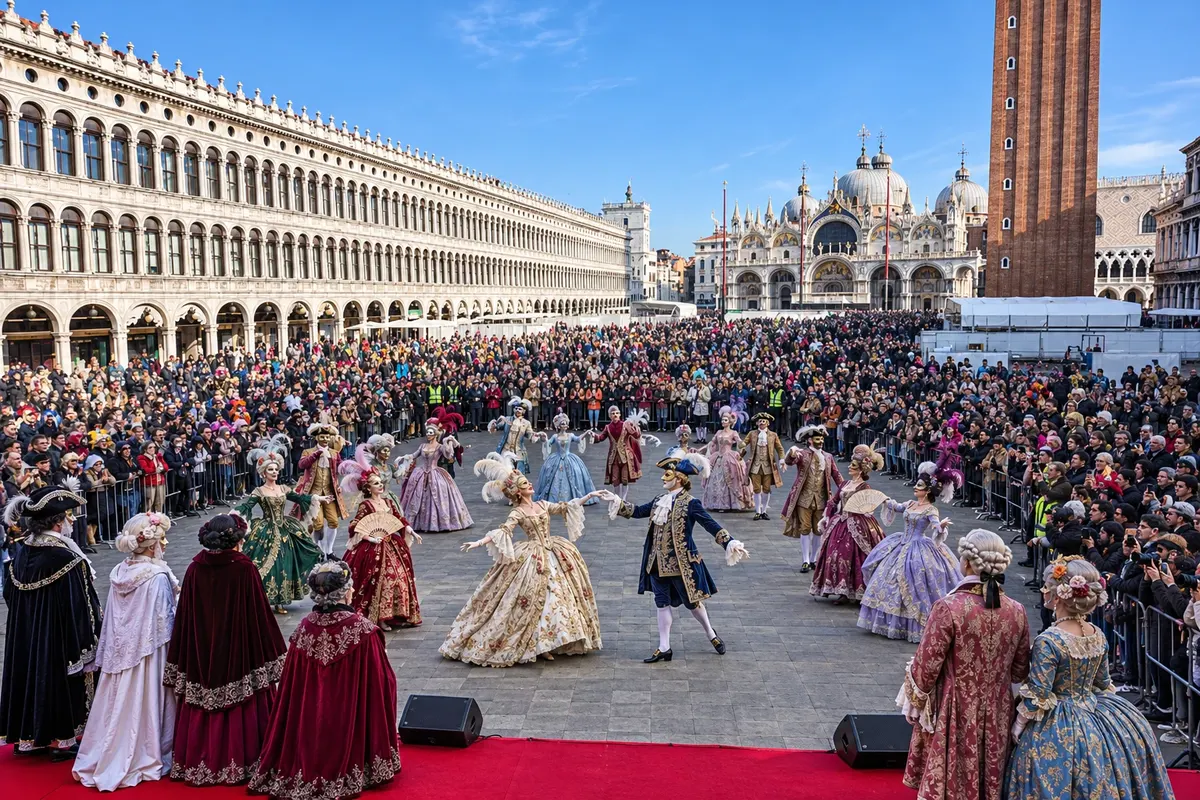
The Venice Carnival takes over the city in the weeks before Ash Wednesday, with masks and period costumes in the streets, processions on the water, the Festa delle Marie and costume parades in St. Mark’s Square.
 March/April
On Easter Sunday morning.
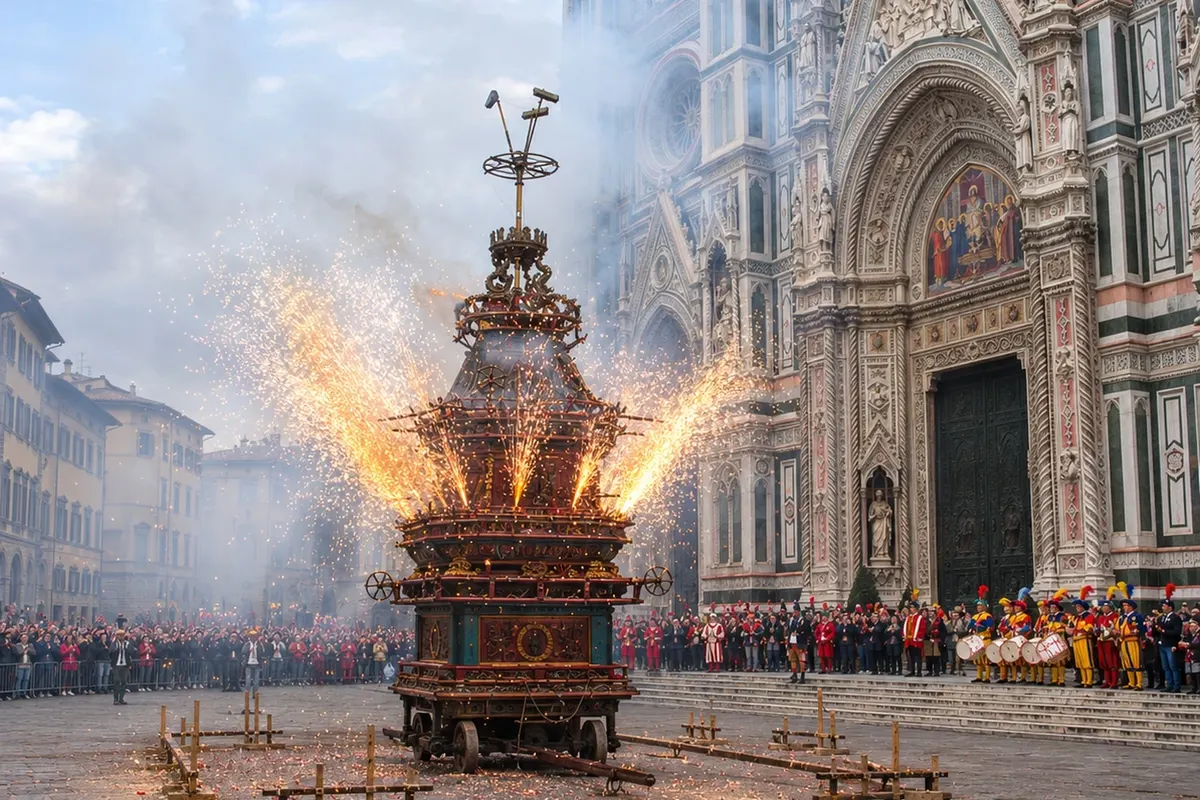
On Easter morning, a tall, ornate cart called the Brindellone is brought to the square in front of Florence Cathedral. During Mass, a mechanical dove is lit at the altar and travels along a wire to the cart, setting off a fireworks display in a tradition that dates back nine centuries.
 May
May 1–4. The main procession takes place on May 1.
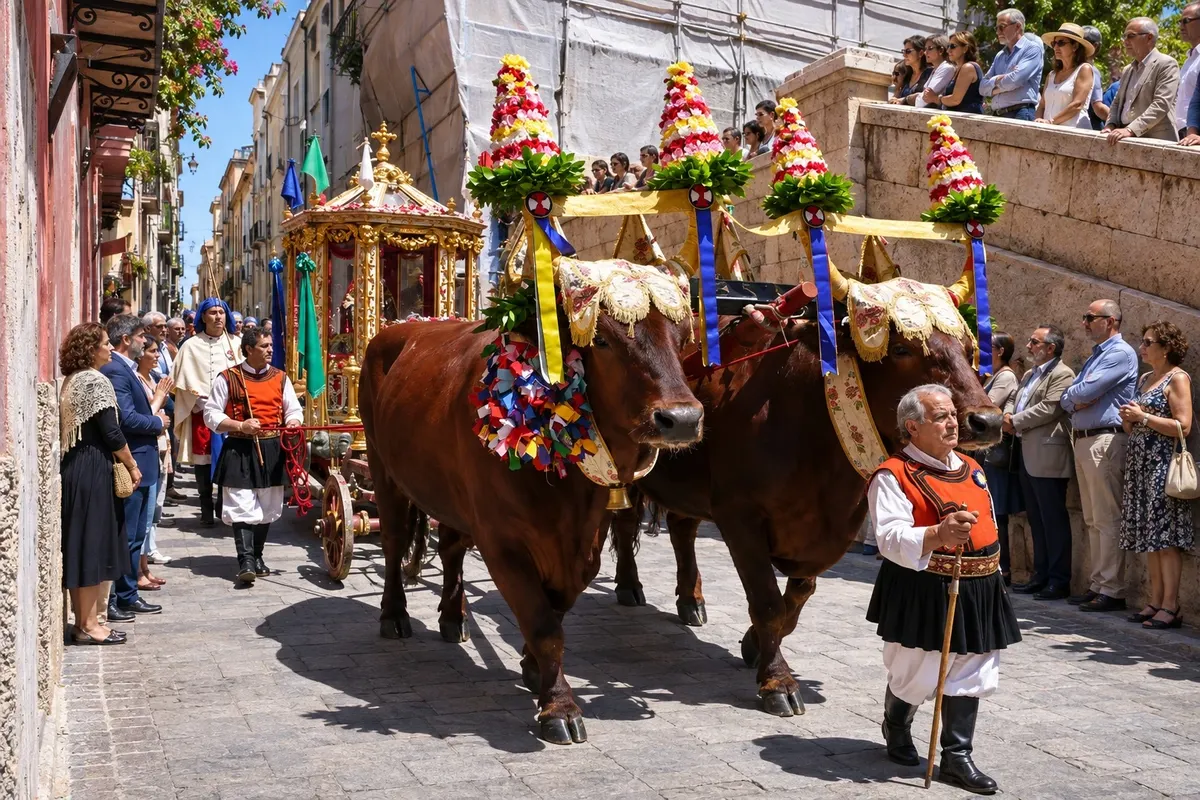
On May 1, Cagliari fulfills a vow it made during the plague of the 17th century. The statue of Sant'Efisio sets out in an ox-drawn carriage, accompanied by decorated carts, riders on horseback, and groups from across Sardinia wearing their traditional dress. The statue then continues on pilgrimage to Nora.
 May
Throughout May, with the races on the last weekend of the month.
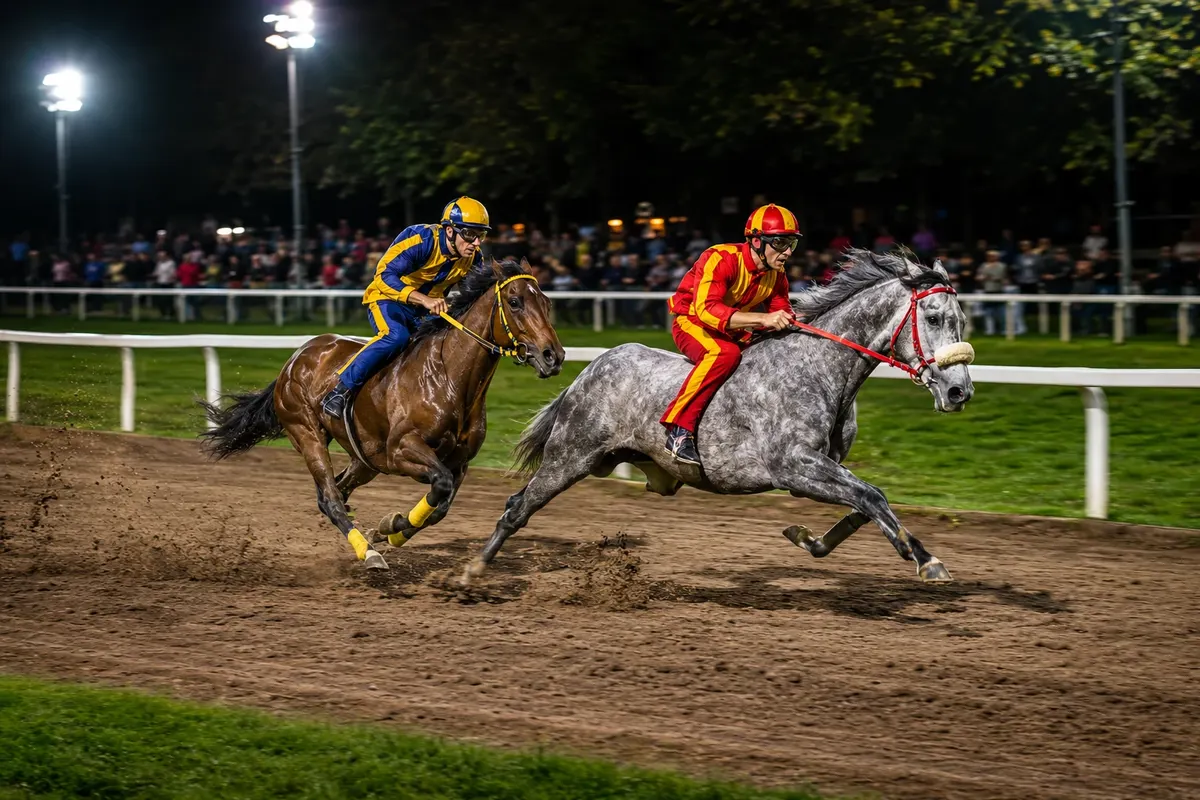
In May, Ferrara’s eight districts, known as contrade, fill the city with Renaissance processions, flag-throwing displays and competitions. The festivities culminate in races in Piazza Ariostea on the last weekend of the month, part of a palio that the city describes as the oldest in the world.
 July
The third weekend in July: the fireworks are on Saturday night, and the religious celebration takes place on Sunday.
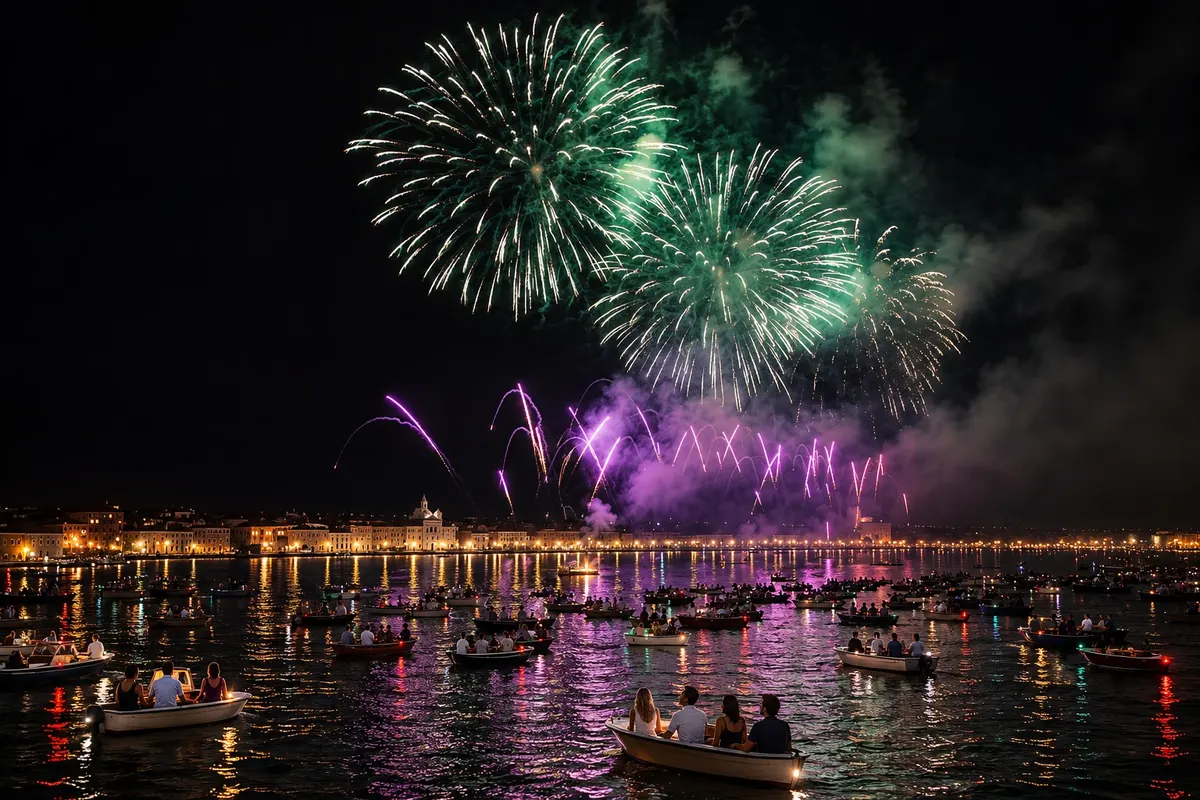
On the third weekend in July, Venice gives thanks for the end of the plague in 1577. A bridge of boats spans the Giudecca Canal to the Church of the Redeemer, residents dine aboard decorated boats in St. Mark’s Basin, and a grand fireworks display lights up the lagoon on Saturday night.
 July
July 10–15. The main procession takes place on the night of July 14.
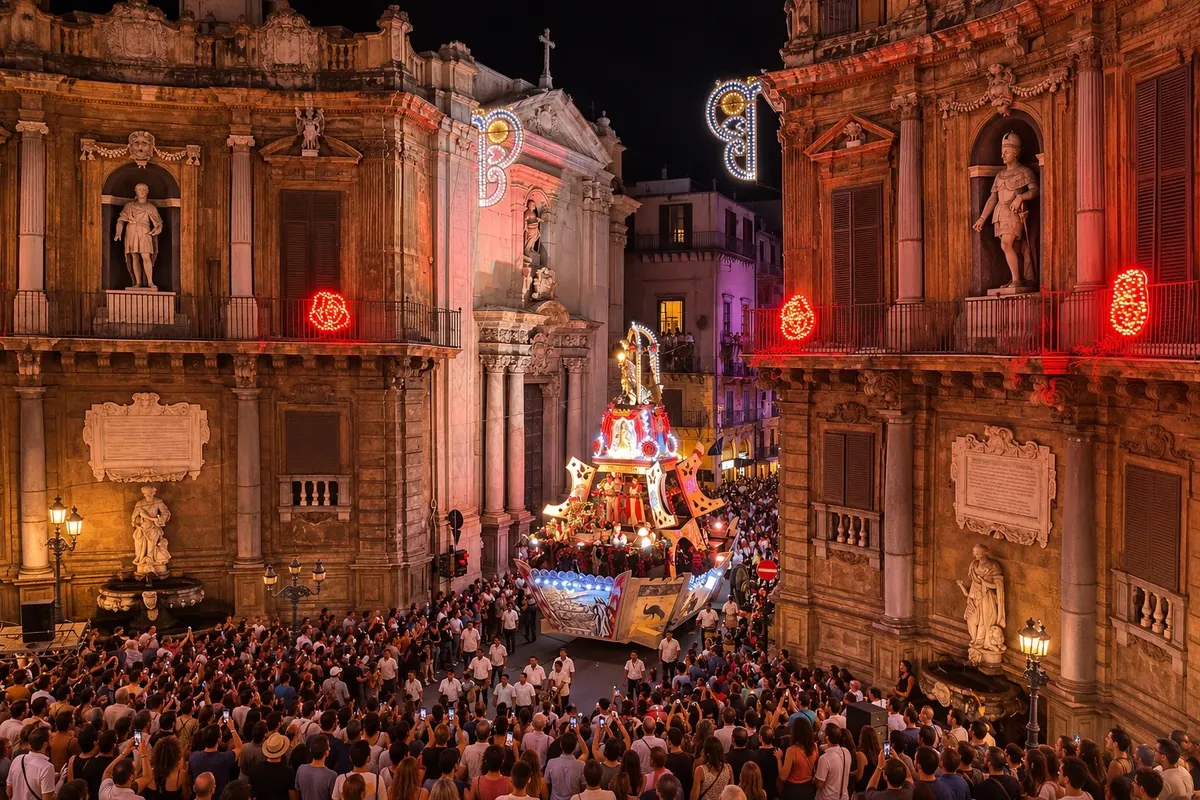
On the night of July 14, Palermo honors Saint Rosalia, known as the Santuzza, whom tradition credits with ending the plague. A triumphal float carries her statue along the Cassaro, the city’s oldest street, amid crowds, music, and performances. The night ends with fireworks over the sea.
Beyond the guide