The festival
What is Venice Carnival
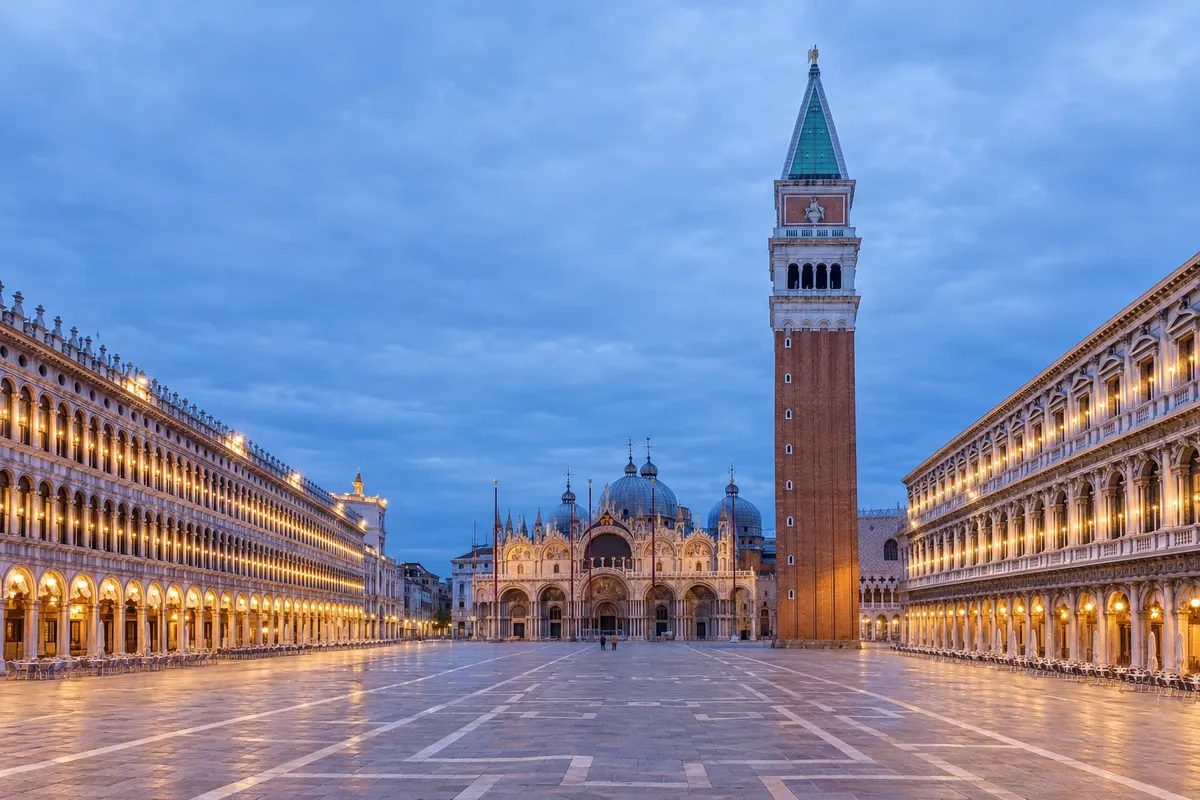
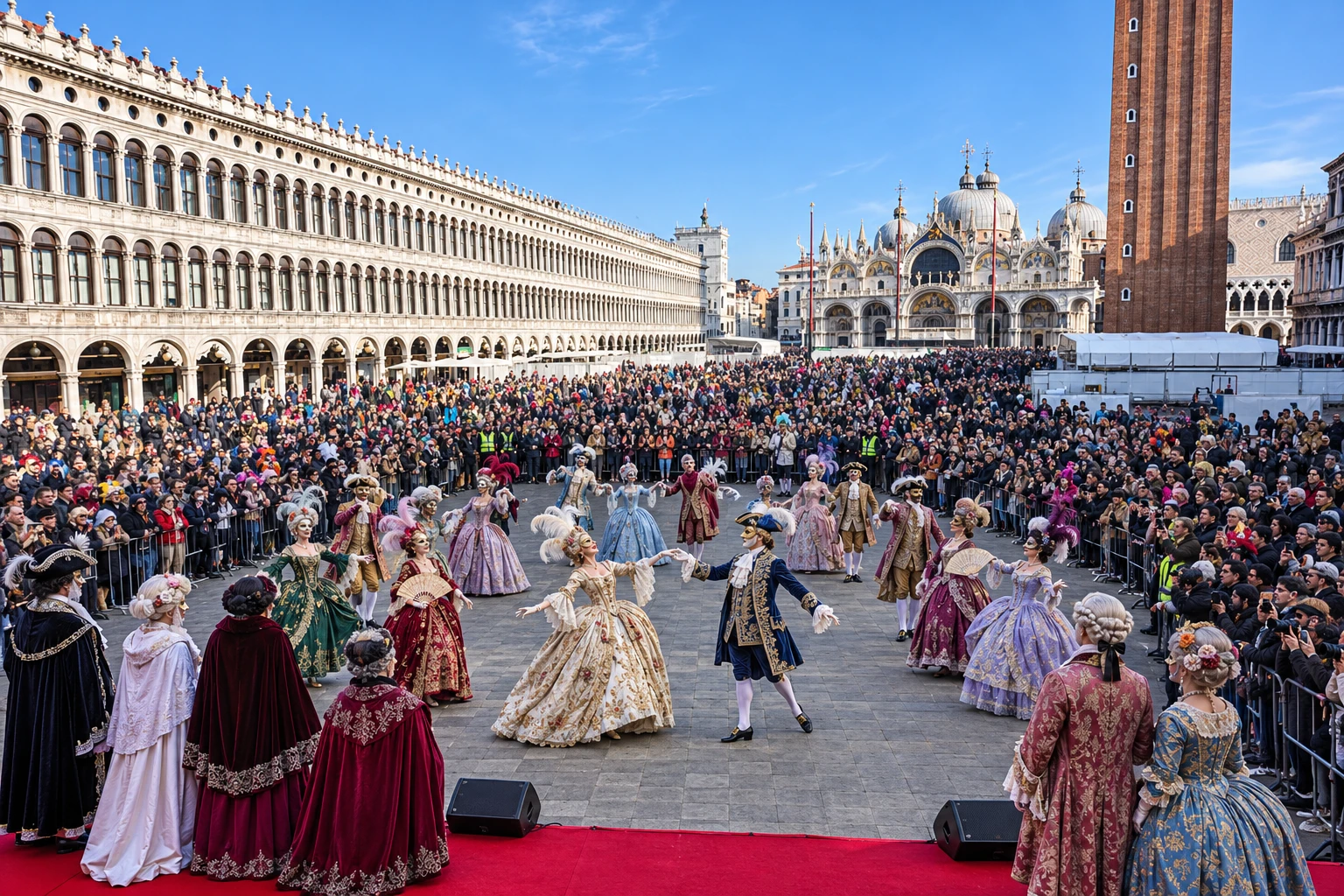
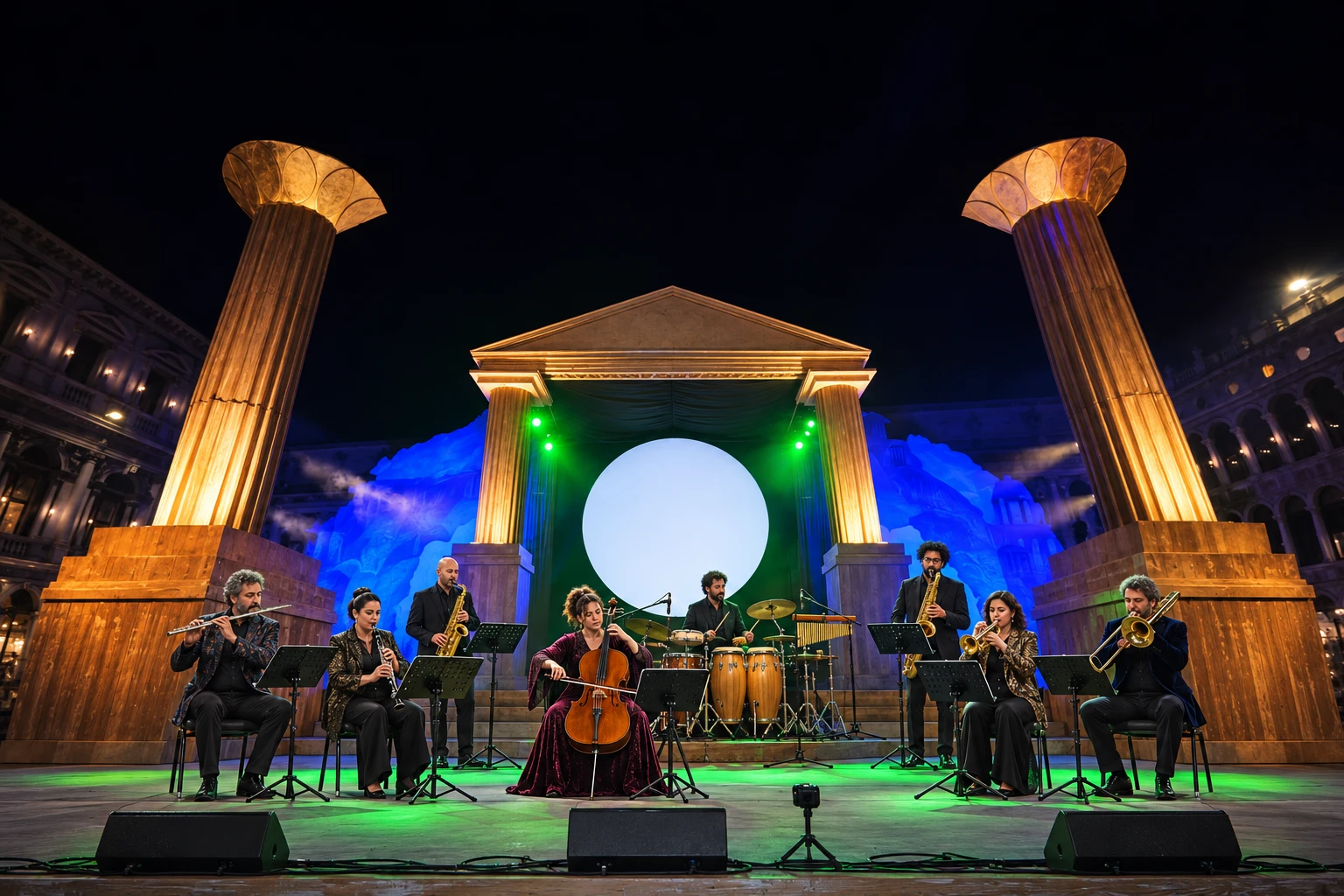
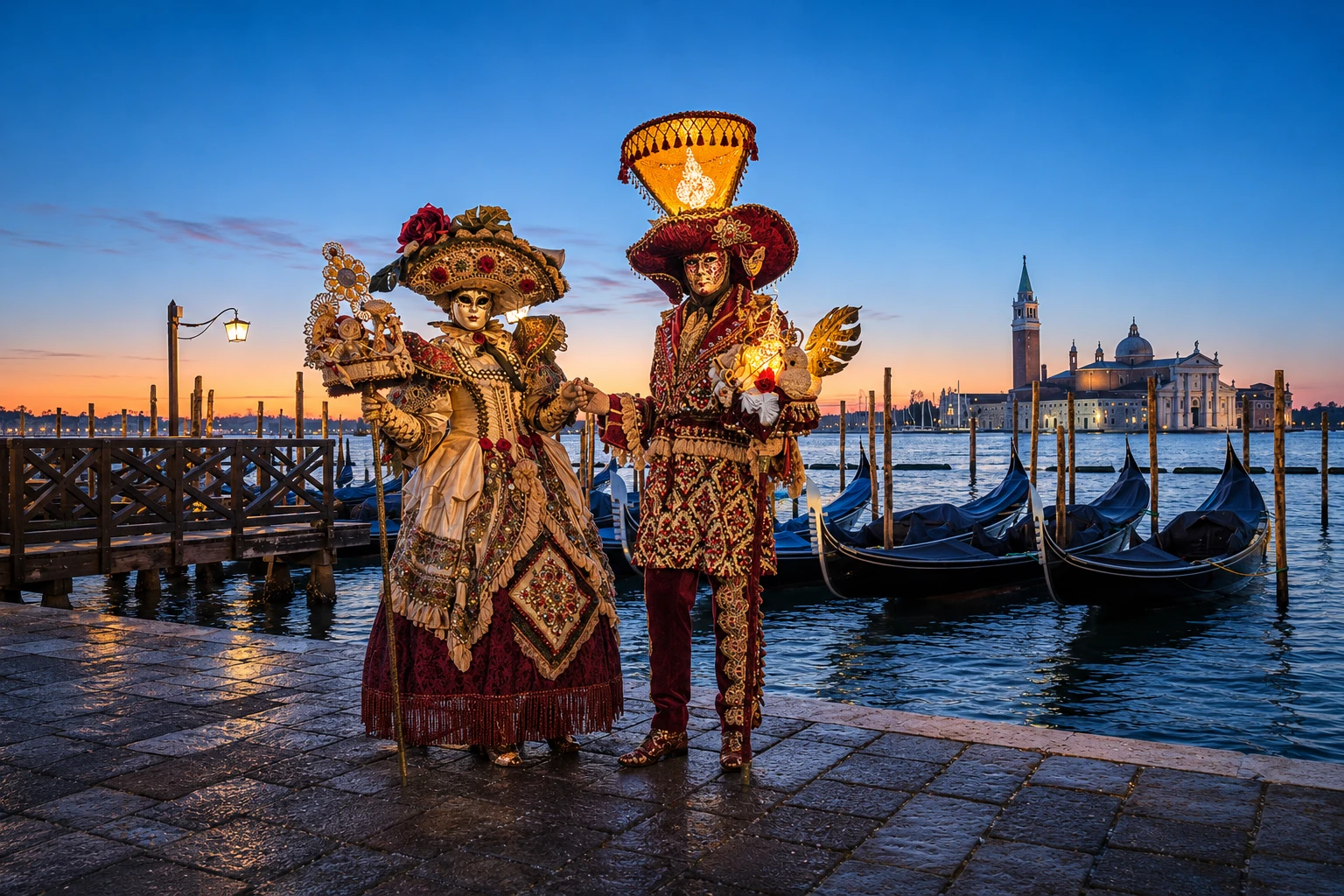
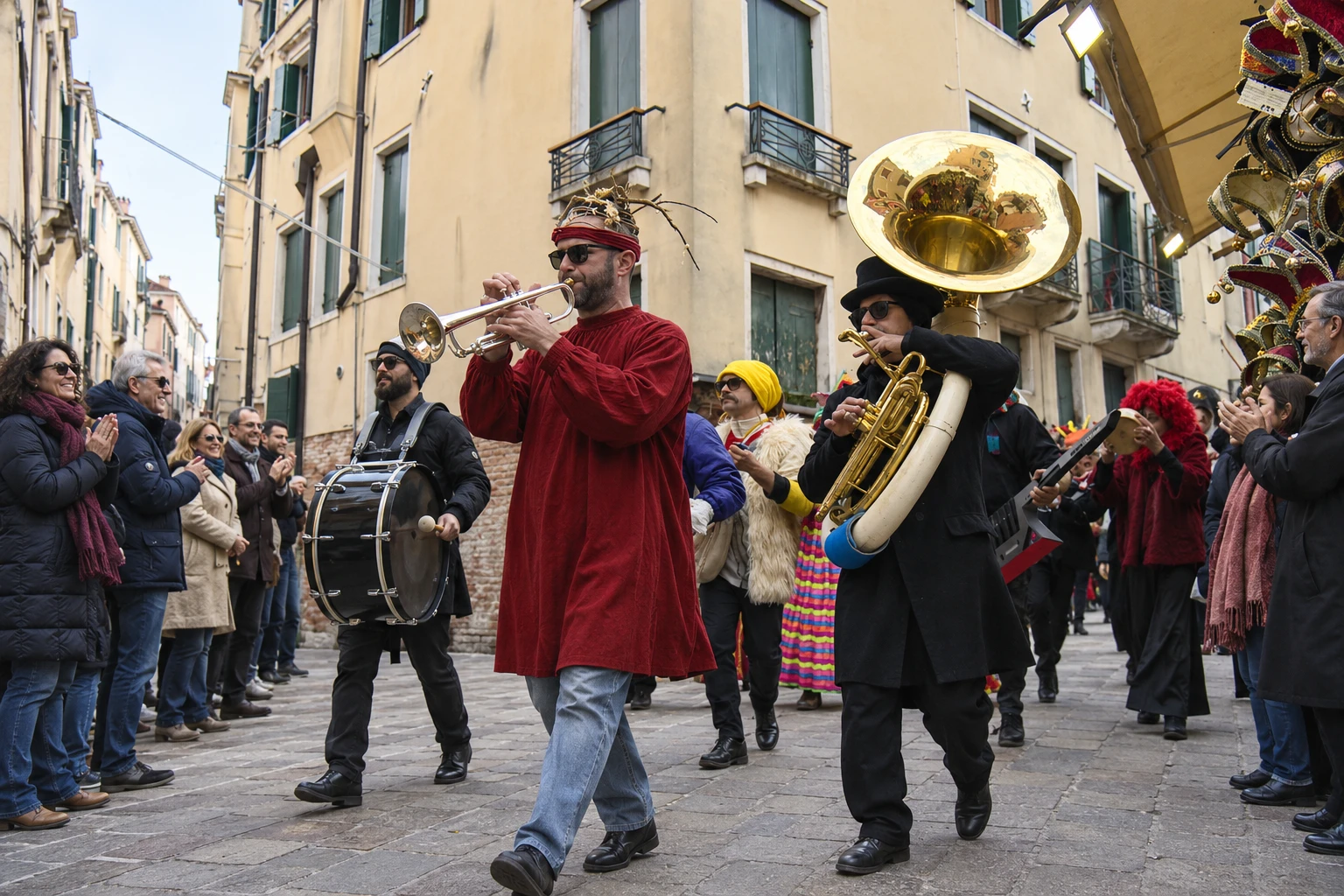
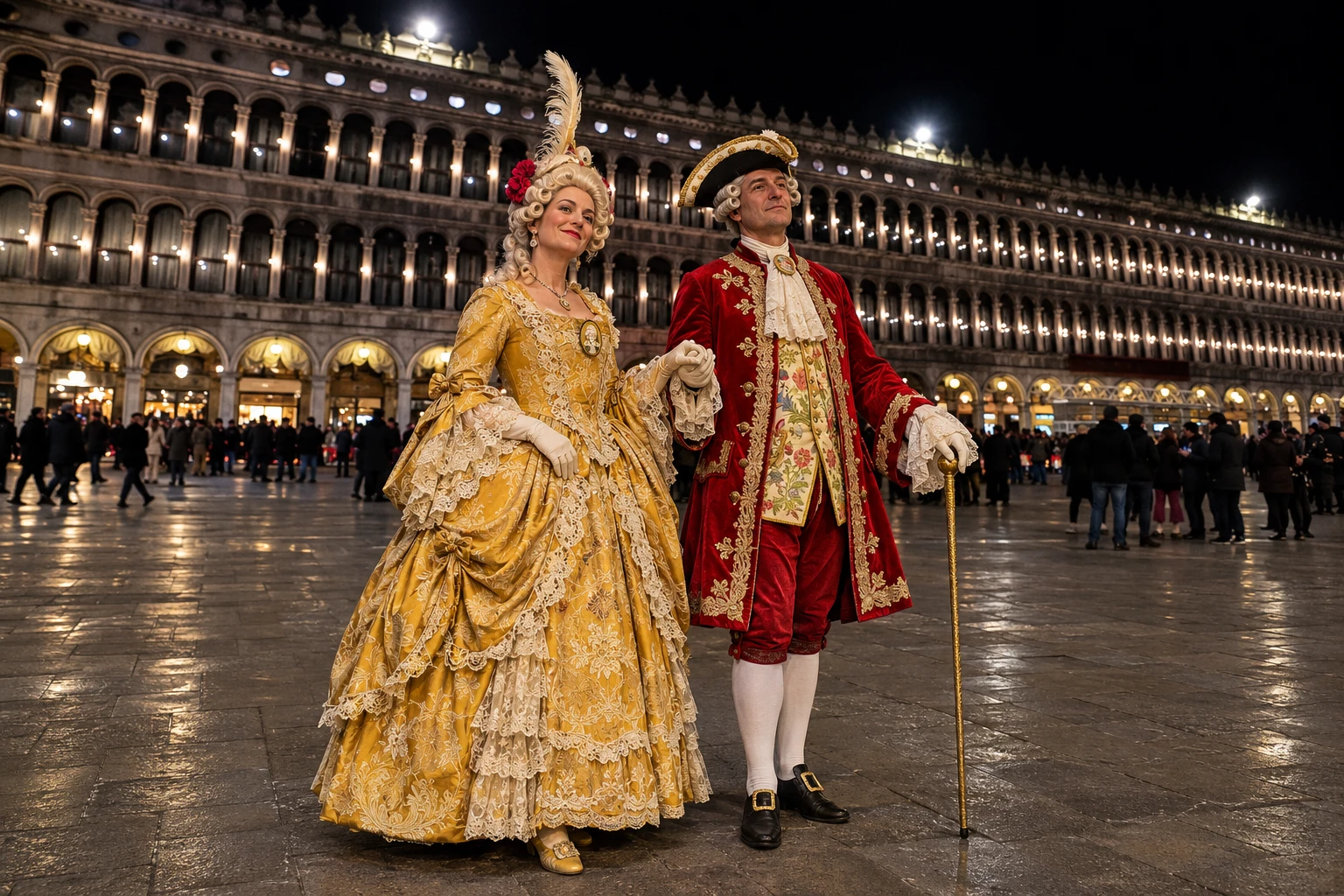
During Carnival, Venice becomes a city of masks again. In the weeks leading up to Ash Wednesday, locals and visitors walk the bridges, campi and alleys with their faces covered and wearing costumes inspired by the 18th century, and St. Mark’s Square (Piazza San Marco) becomes a stage for processions, costume parades and ceremonies that recall the old Republic of Venice. Each edition has a theme chosen by the artistic direction, which guides the official program.
The earliest documents about the Venetian carnival date from the late 11th century. In the following centuries the celebration grew in duration and fame: during the Serenissima, palaces opened their halls for balls, theatres were full, and the mask allowed nobles and common people to mingle without being recognized. After the fall of the Republic at the end of the 18th century, the festival lost momentum and remained for almost two centuries without its former form, until the city revived it in 1979.
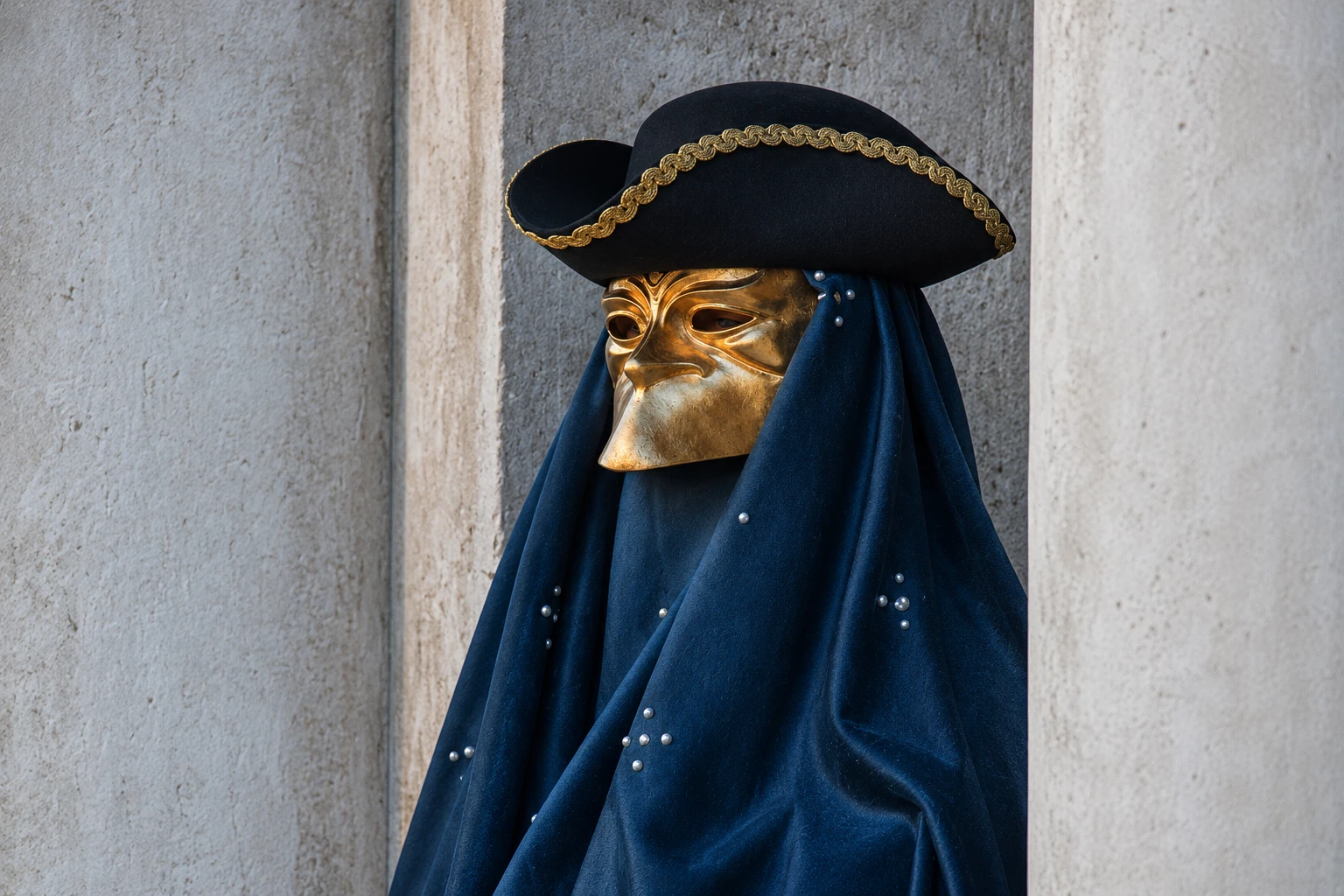
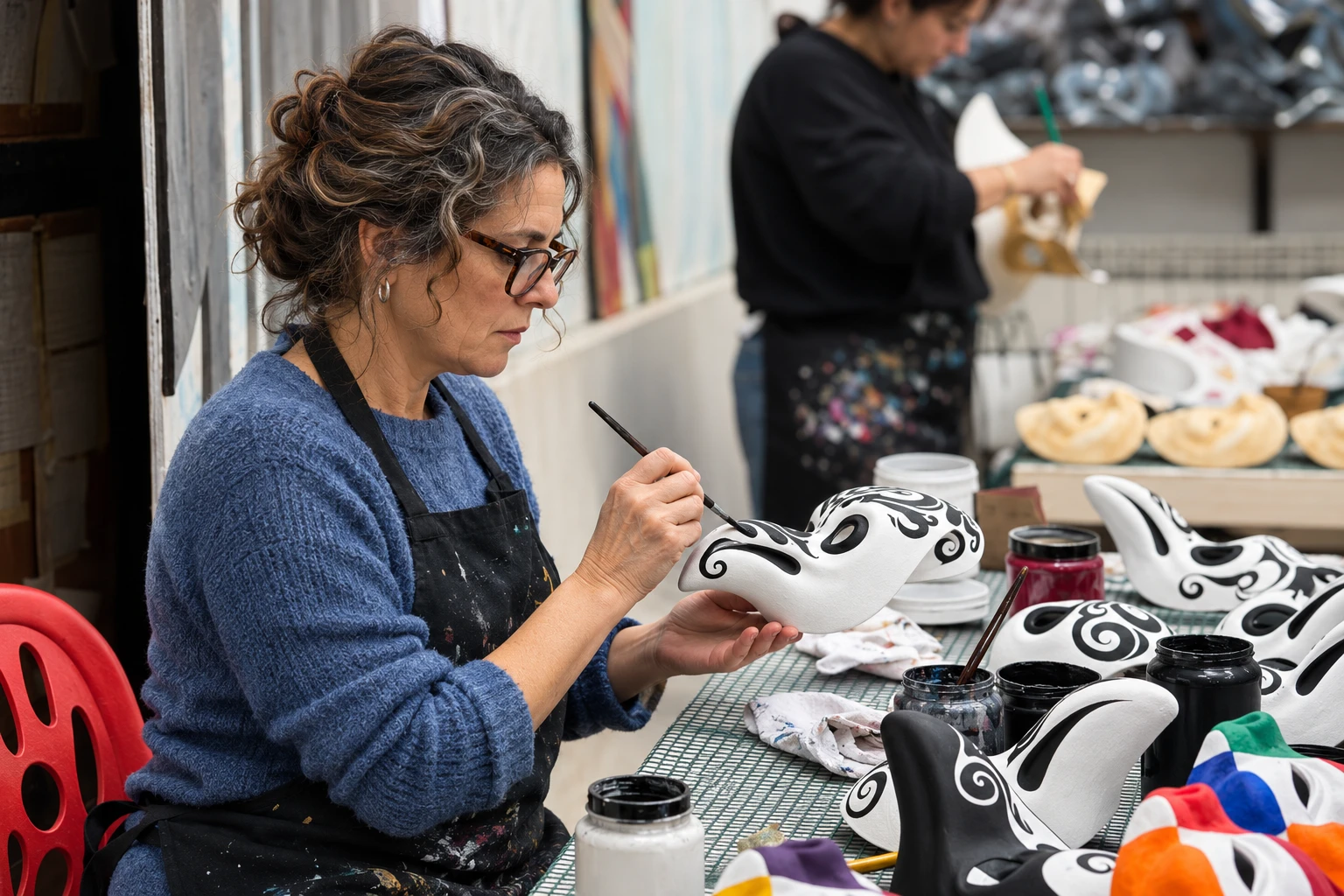
Traditional masks have their own names and histories. The bauta, white and of simple lines, covered the whole face and was worn with the tabarro, a large black cloak, and a tricorne hat, leaving the wearer unrecognizable. The moretta, oval and made of black velvet, was worn by women and fastened by a small button bitten between the teeth, which forced silence. In the gnaga, men dressed as women and wore a cat mask, a playful inversion of roles for a few days. Today the papier-mâché and leather masks from the city’s ateliers coexist with costumes created by visitors themselves, and entire groups travel to Venice just to parade in handmade outfits.
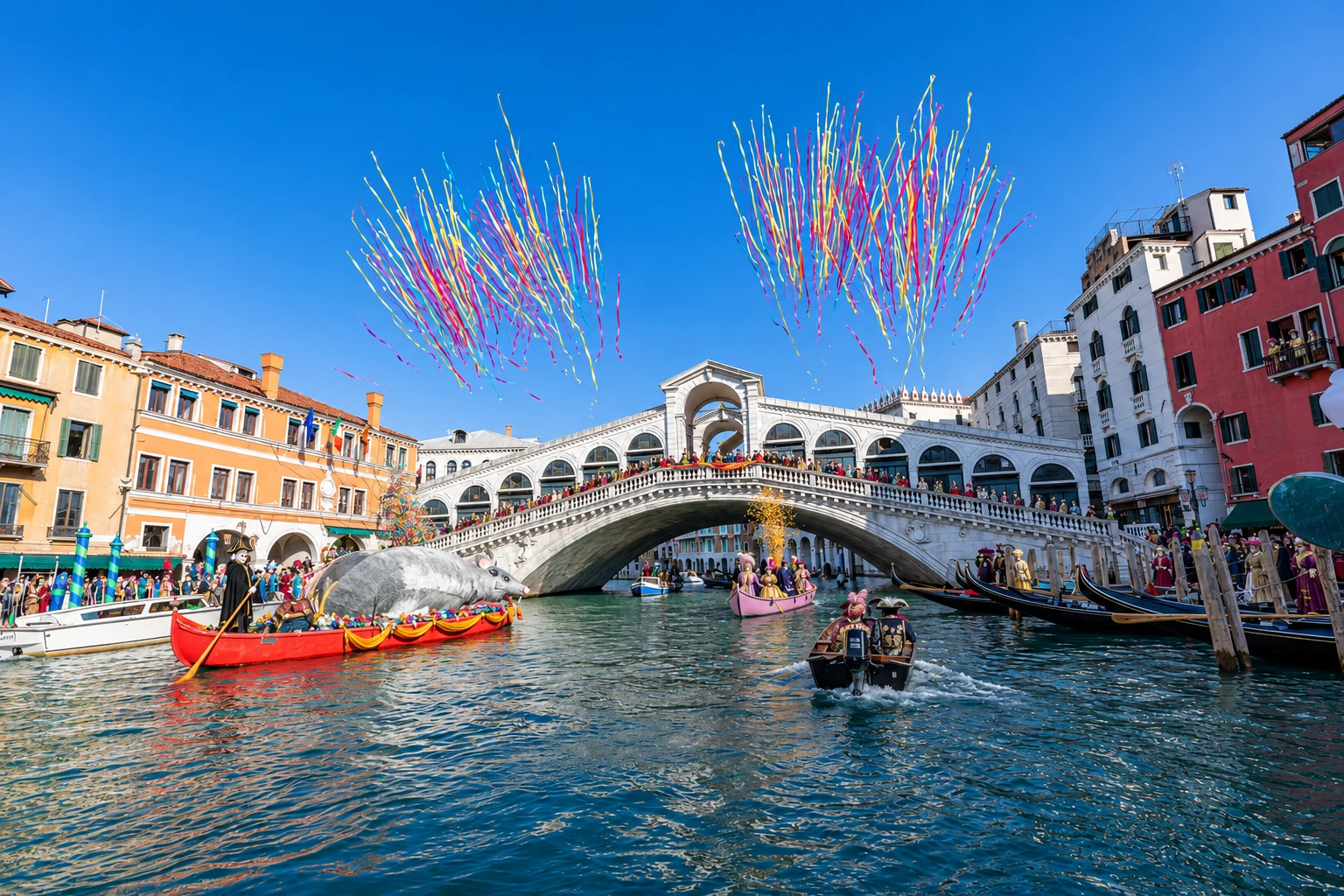
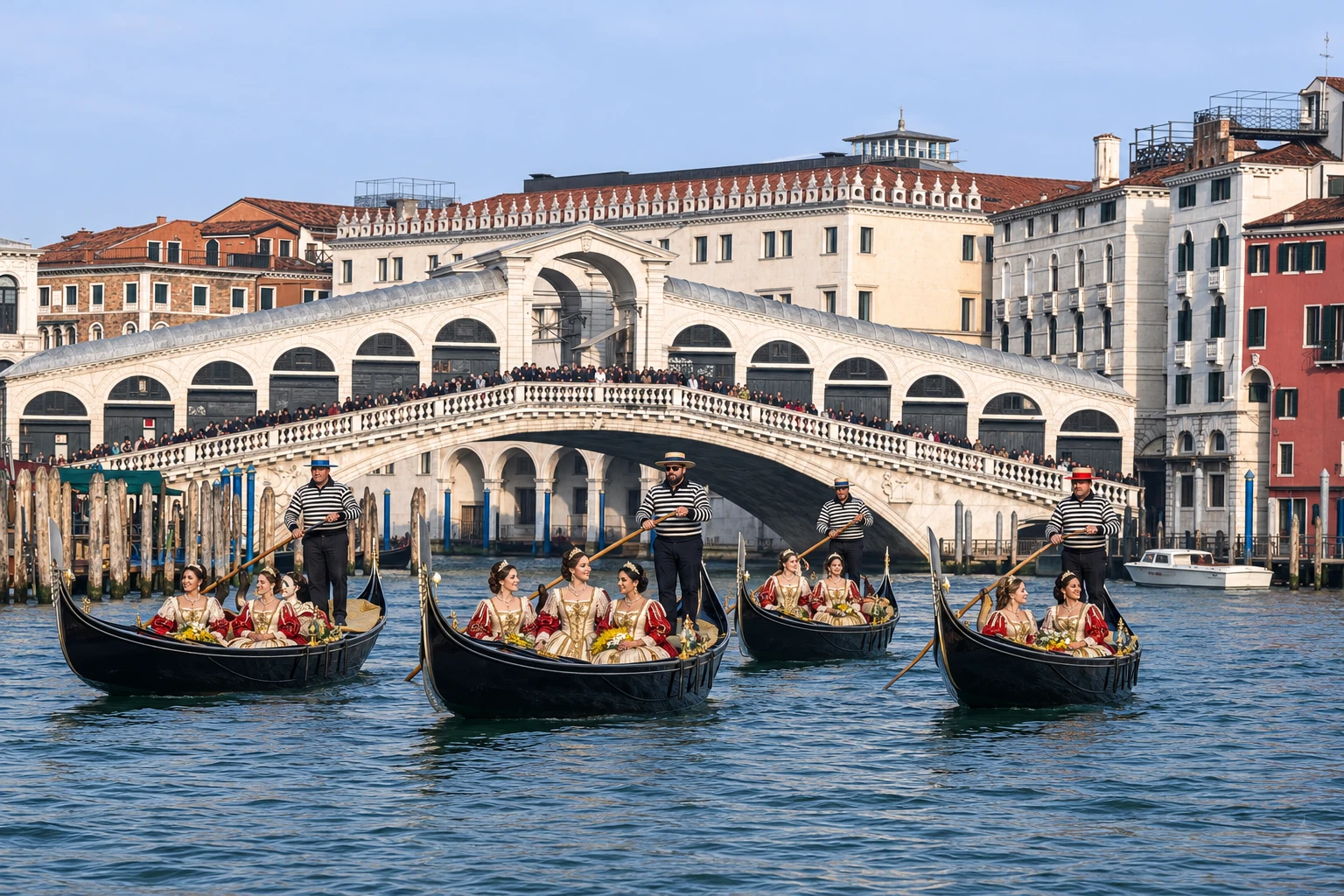
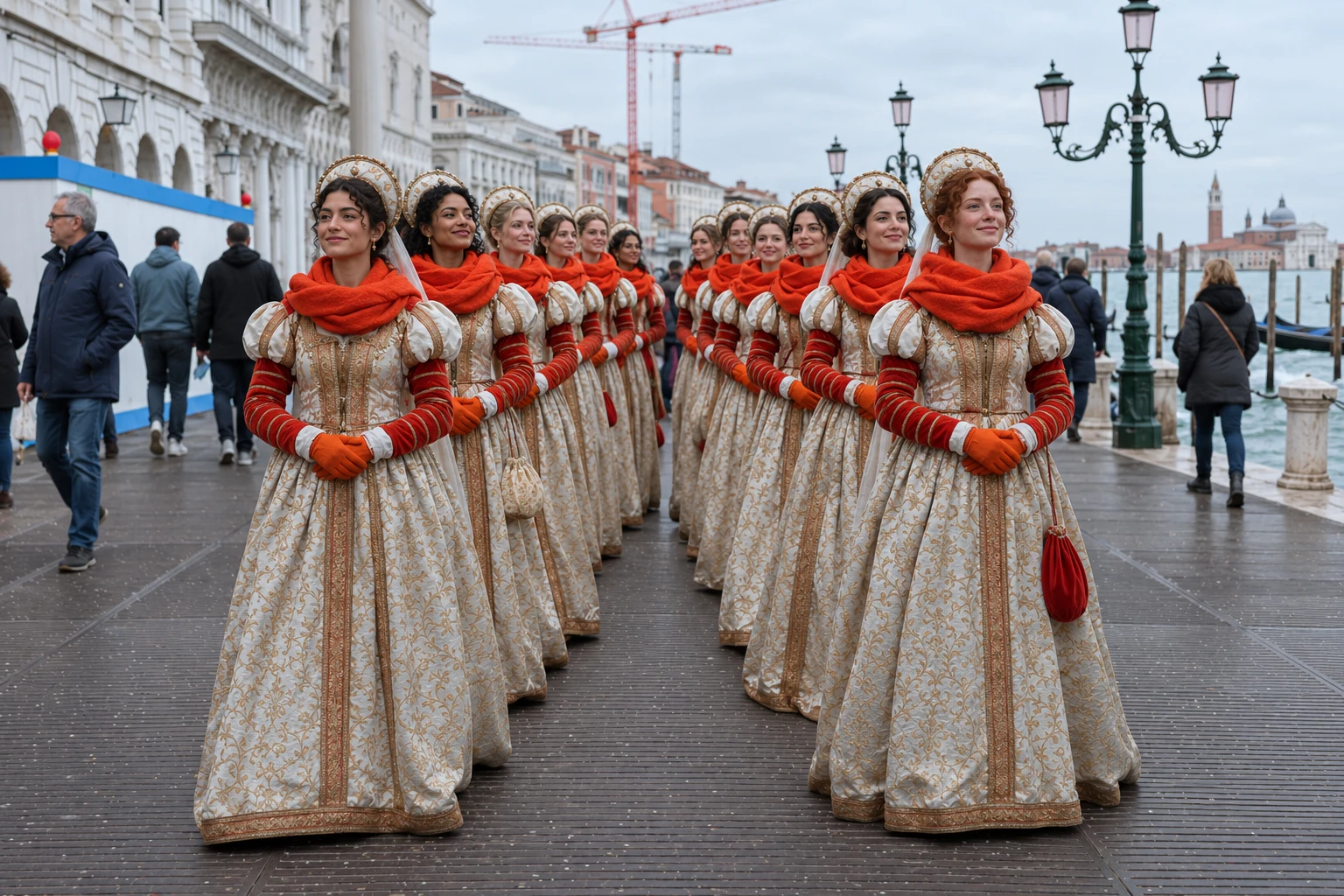
The program mixes tradition and spectacle. Processions and regattas of decorated rowing boats bring the celebration to the canals, with routes announced for each edition. The Festa delle Marie recalls an episode from 973: according to tradition, twelve young Venetian women were kidnapped by pirates on the day they were to receive a nuptial blessing at San Pietro di Castello and were rescued by the doge. Twelve local girls, in period dress, are presented to the public in a procession, and on the final day one of them is proclaimed the Maria of the year. The Flight of the Angel is part of the festival’s history: a person suspended from a cable descended from St. Mark’s Campanile down to the square. The gesture goes back to 16th‑century acrobatic displays; at one point a wooden dove, the Colombina, replaced the person, until the human flight was resumed in the early 21st century.
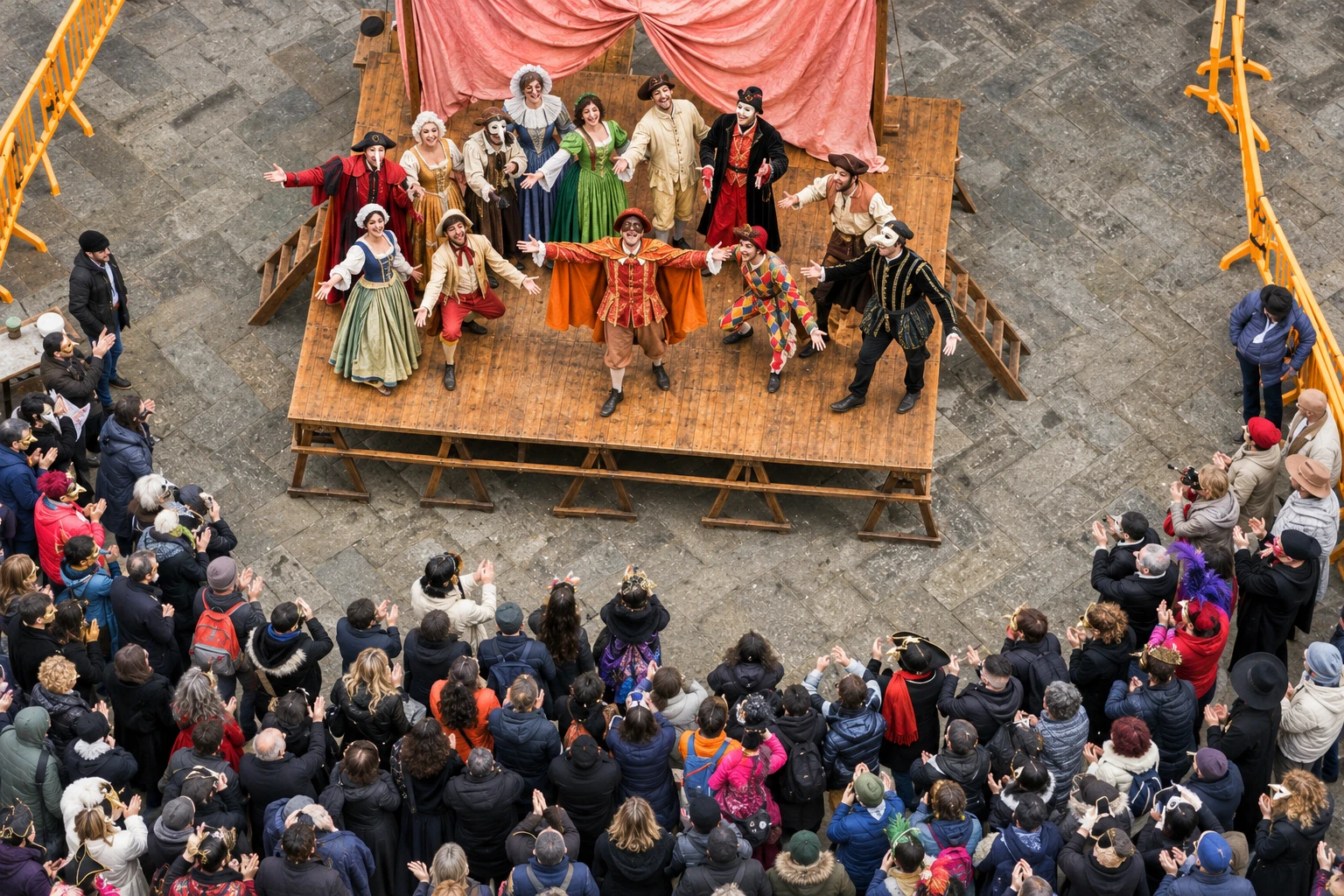
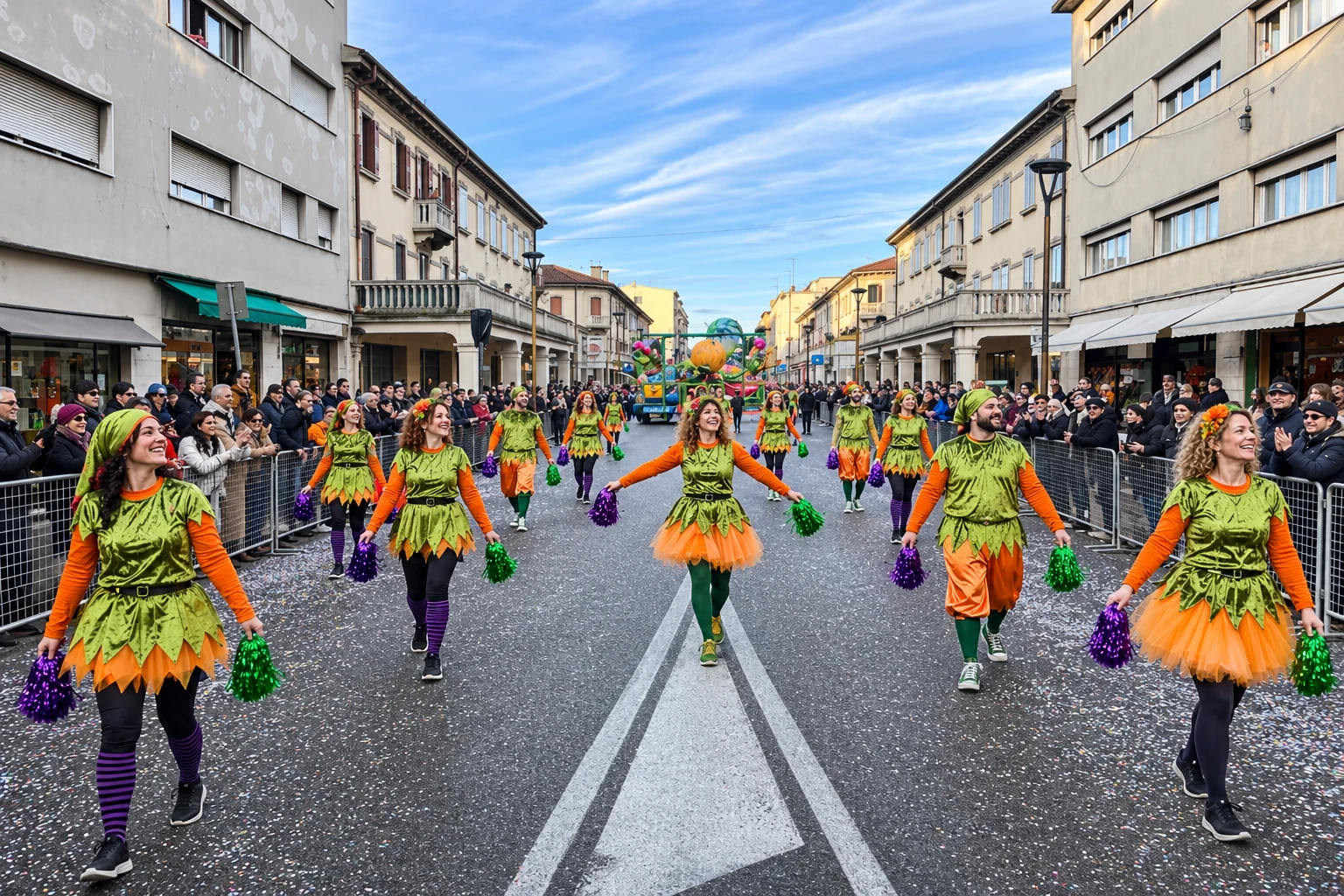
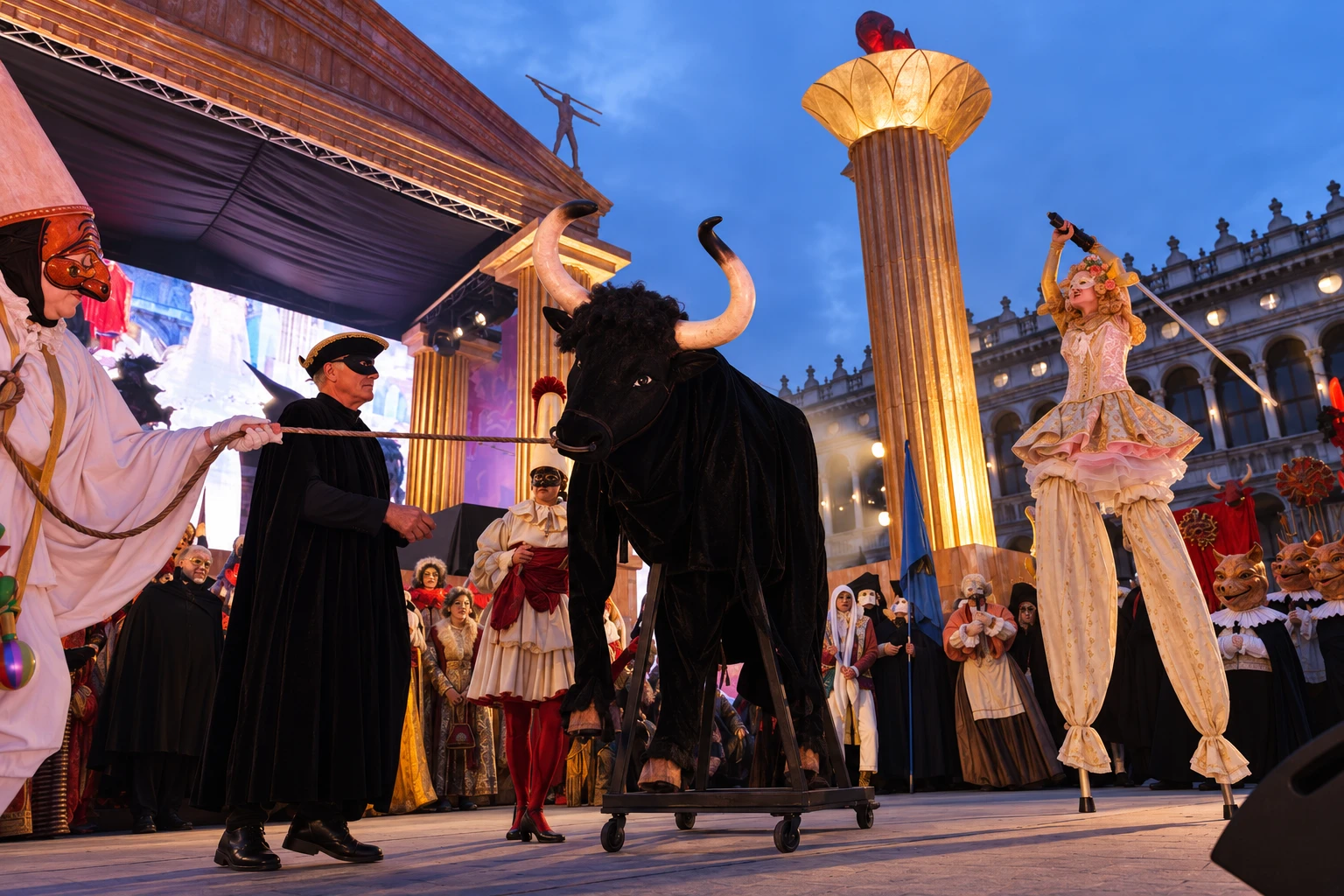
On the fat days, the celebration spreads across the city. On Shrove Thursday, the square reenacts the “cutting off the bull’s head,” a rite that recalls a victory of the doge over the patriarch of Aquileia in 1162: as tribute, the patriarch began sending a bull and twelve pigs every year, and the Italian expression tagliare la testa al toro, meaning to settle a matter once and for all, comes from this custom. There are mask contests on the square’s stage, masked balls in palaces, commedia dell’arte performances on wooden stages in the Piazzetta and music in the campi; in Mestre, on the mainland, there are parades and street performers. Fat Tuesday closes the carnival, with the presentation of the Maria of the year and programming announced for the square.
How to enjoy it
The two weekends of Carnival and the fat days, from Thursday to Tuesday, concentrate the main events and the highest crowds; the weekdays in between are calmer and good for photographing masks at leisure. To attend parades and ceremonies in St. Mark’s Square, arrive early in the morning: on the busiest days access to the square may be controlled, with one‑way routes and temporary closures when it becomes full. The city is best explored on foot and by vaporetto; the lines that serve San Marco and San Zaccaria get crowded, and sometimes walking is faster. An offline map helps in the alleys, where it’s easy to get lost. Dressing up is part of the festival: there are shops and ateliers that sell handmade masks and rent period costumes, but a simple mask is enough to join the atmosphere. Masked participants usually accept photos; ask with a gesture and respect those who prefer to move on. Bring warm, waterproof clothing, gloves and flat shoes with good grip for the bridges and wet stones. To escape the crowds, reserve a morning for the islands of Murano and Burano by vaporetto.
What to eat
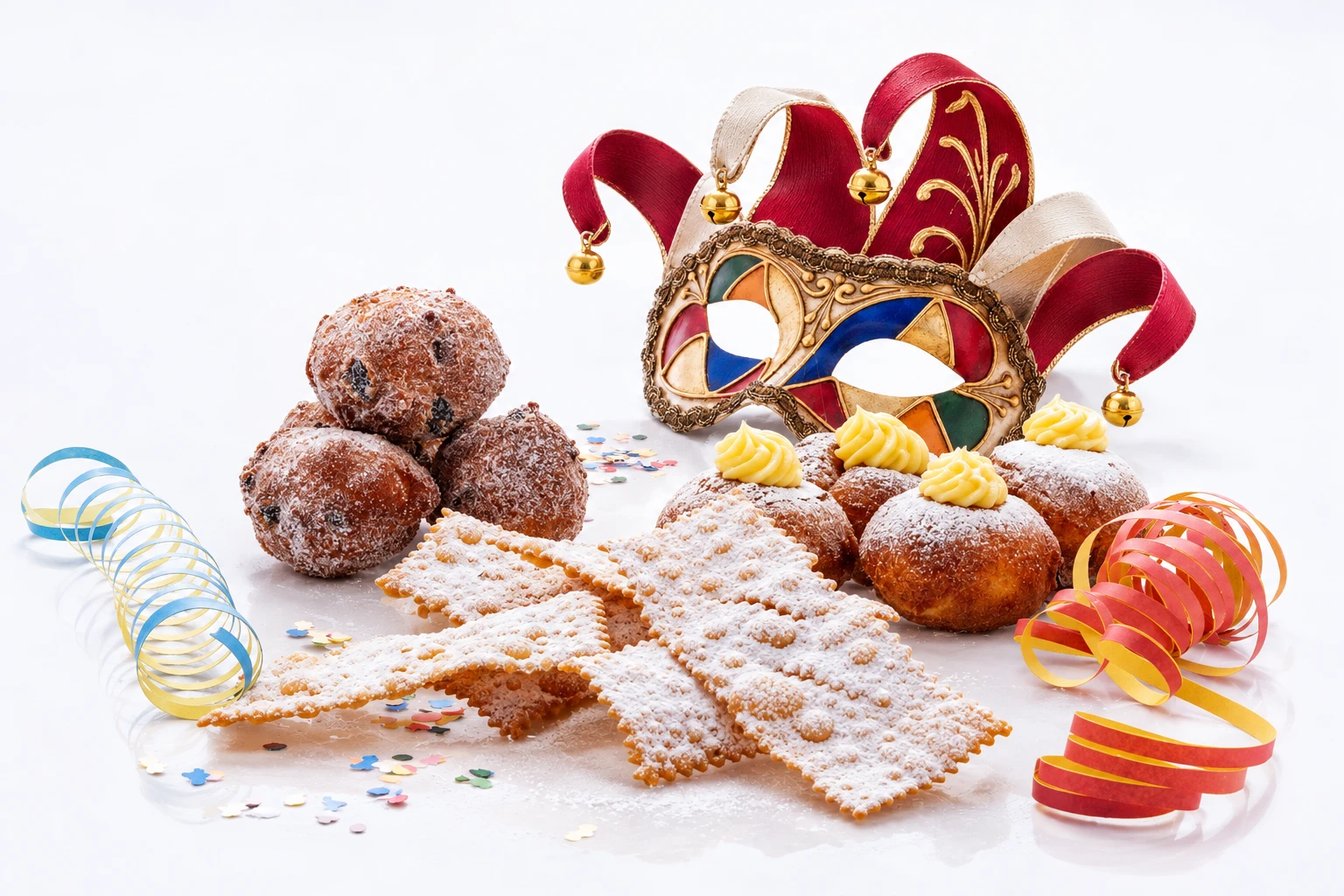
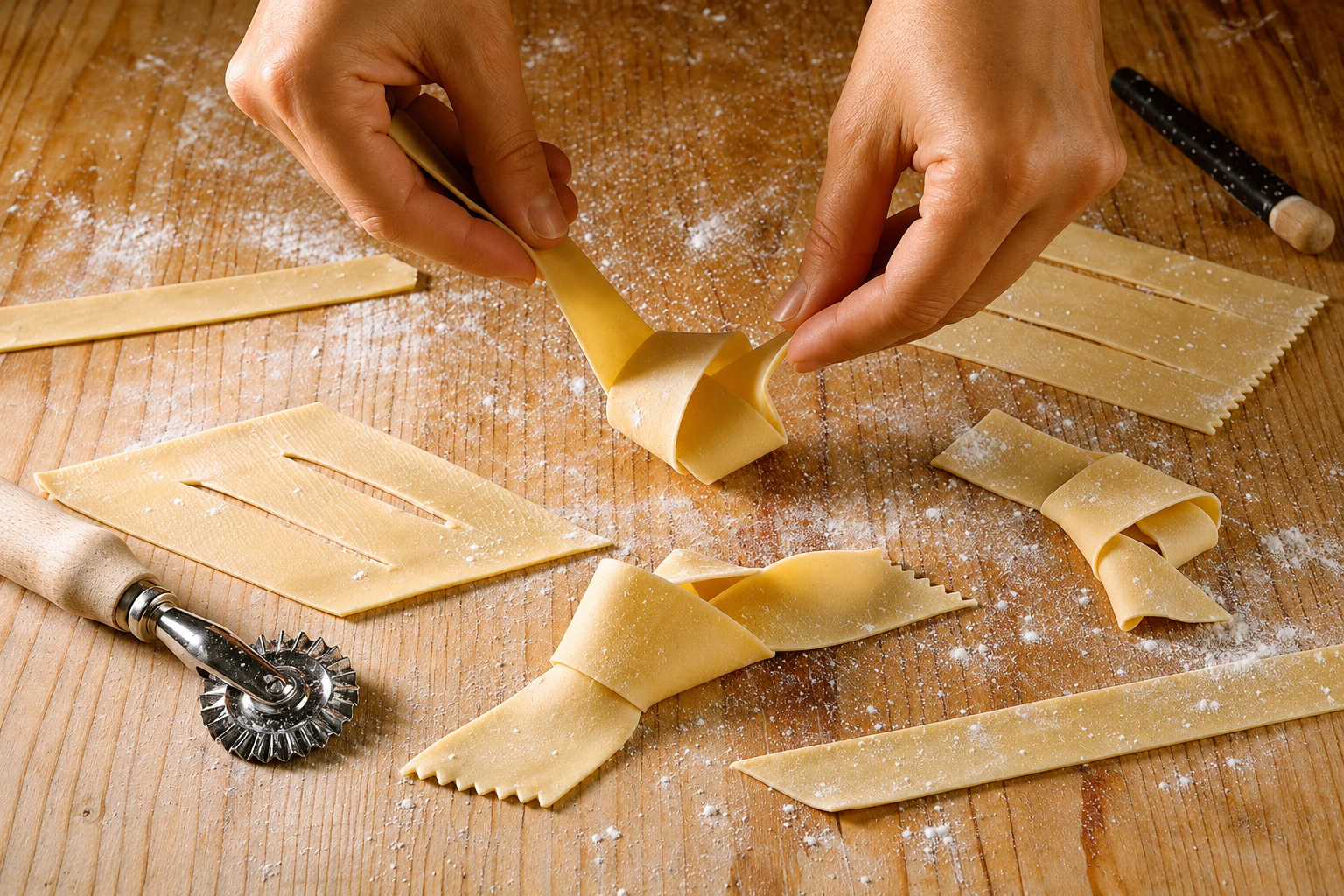
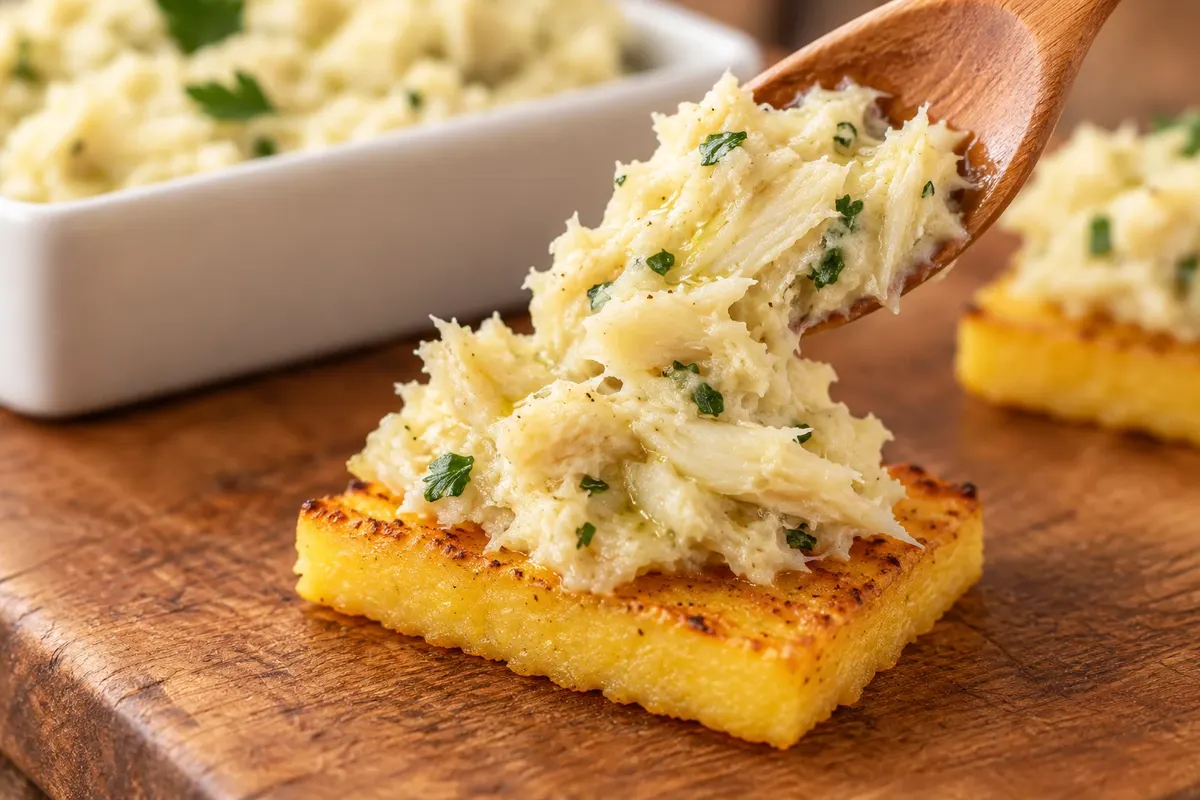
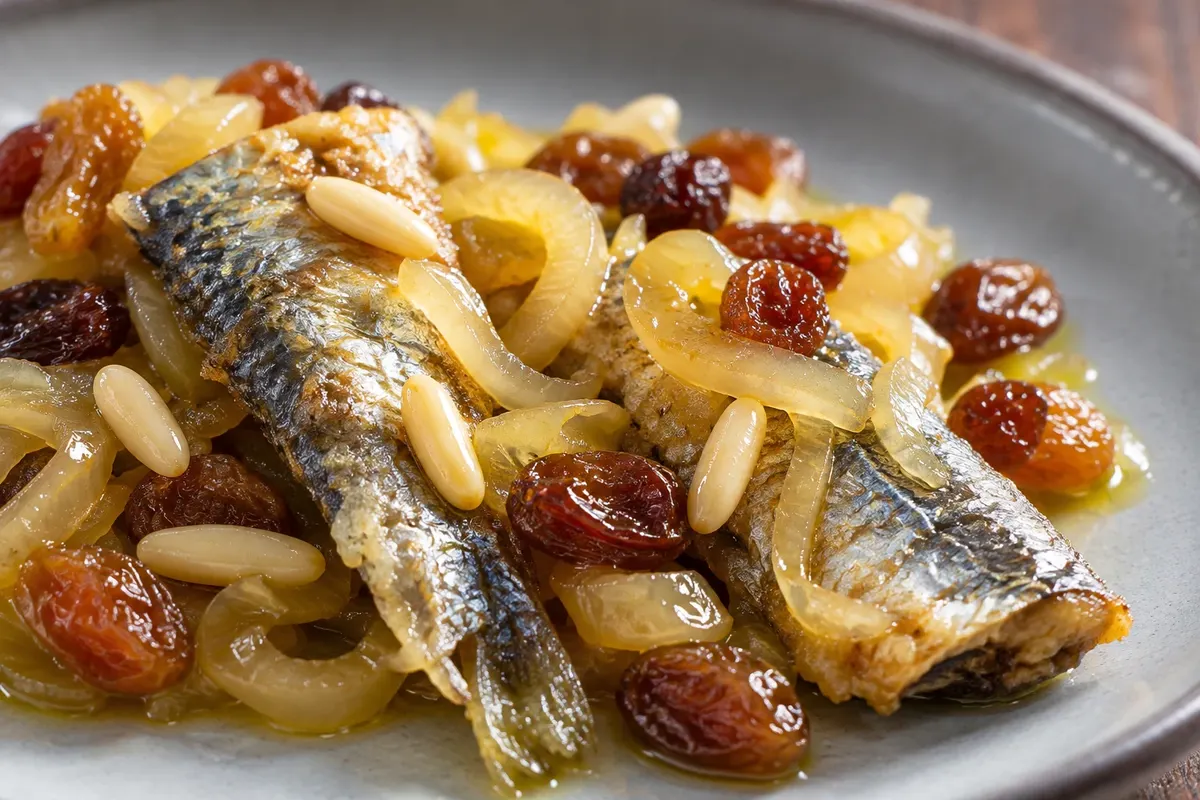
Le frìtole, or frittelle, are the sweet of the Venetian carnival: round fried doughnuts, in the traditional recipe with raisins and pine nuts, and today also filled with cream, zabaglione or chocolate, sold in pastry shops only at this time of year. Galani, thin strips of fried dough, crisp and dusted with powdered sugar, appear in every shop window, as do castagnole, small fried balls rolled in sugar. In the bàcari, the traditional bars, order cicchetti, snacks served at the counter, such as baccalà mantecato on polenta or bread, sarde in saor (sardines with sweet‑and‑sour onion), and fried meatballs, accompanied by an ombra, the Venetians’ small glass of wine, or by a spritz. On a cold day, a thick hot chocolate in a café on the square completes the outing.


 Brazil
 Argentina
 Bolivia
 Chile
 Colombia
 Ecuador
 Guyana
 French Guiana
 Falkland Islands (Malvinas)
 Paraguay
 Peru
 Suriname
 Uruguay
 Venezuela
 Germany
 Austria
 Belgium
 Croatia
 Denmark
 Spain
 Finland
 France
 Greece
 the Netherlands
 Hungary
 Ireland
 Iceland
 Luxembourg
 Norway
 Poland
 Portugal
 the United Kingdom
 the Czech Republic
 Sweden
 Switzerland
 Turkey
 Canada
 the United States
 Mexico
 the Dominican Republic
 South Africa
 Australia
 Fiji
 New Zealand
 Papua New Guinea