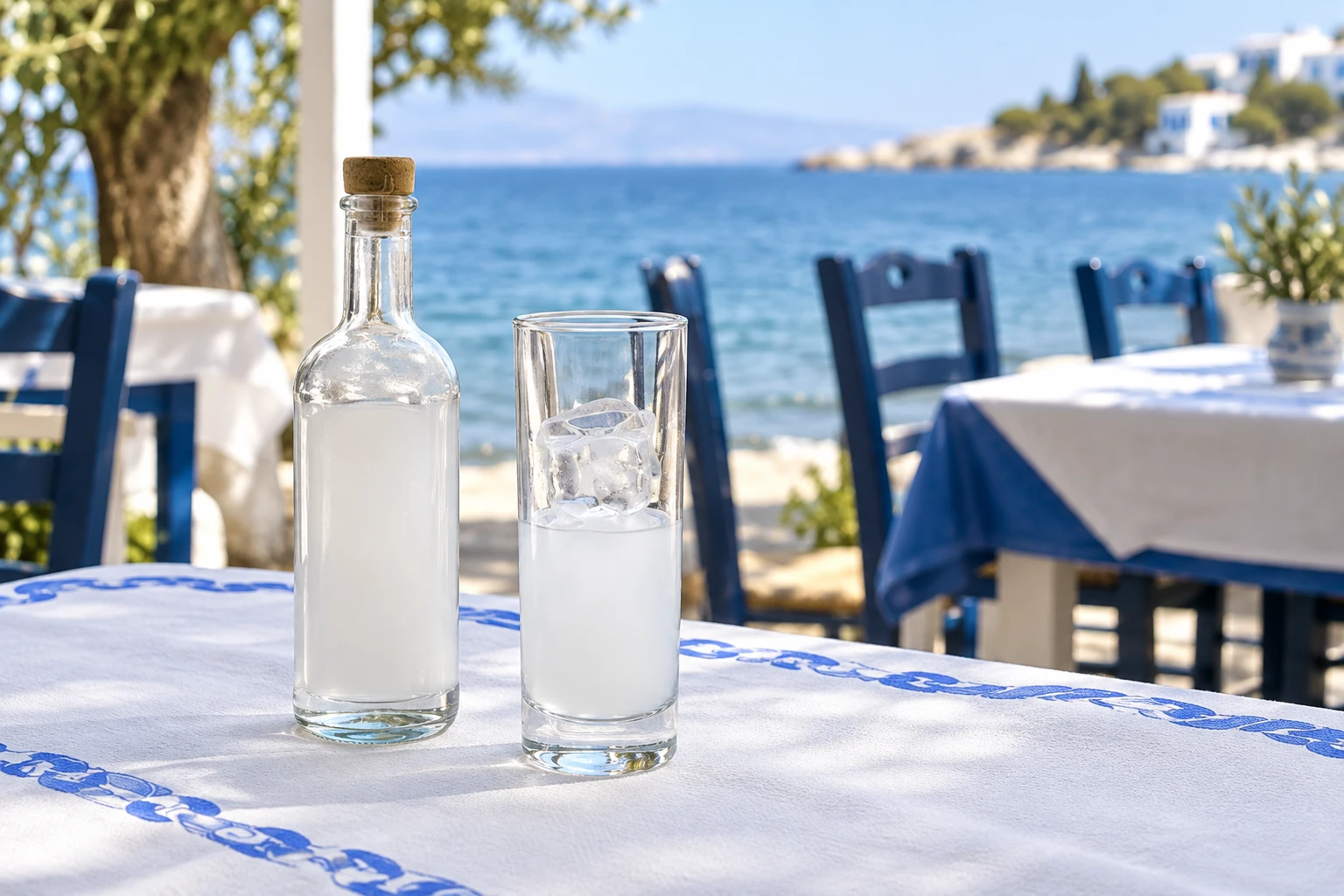
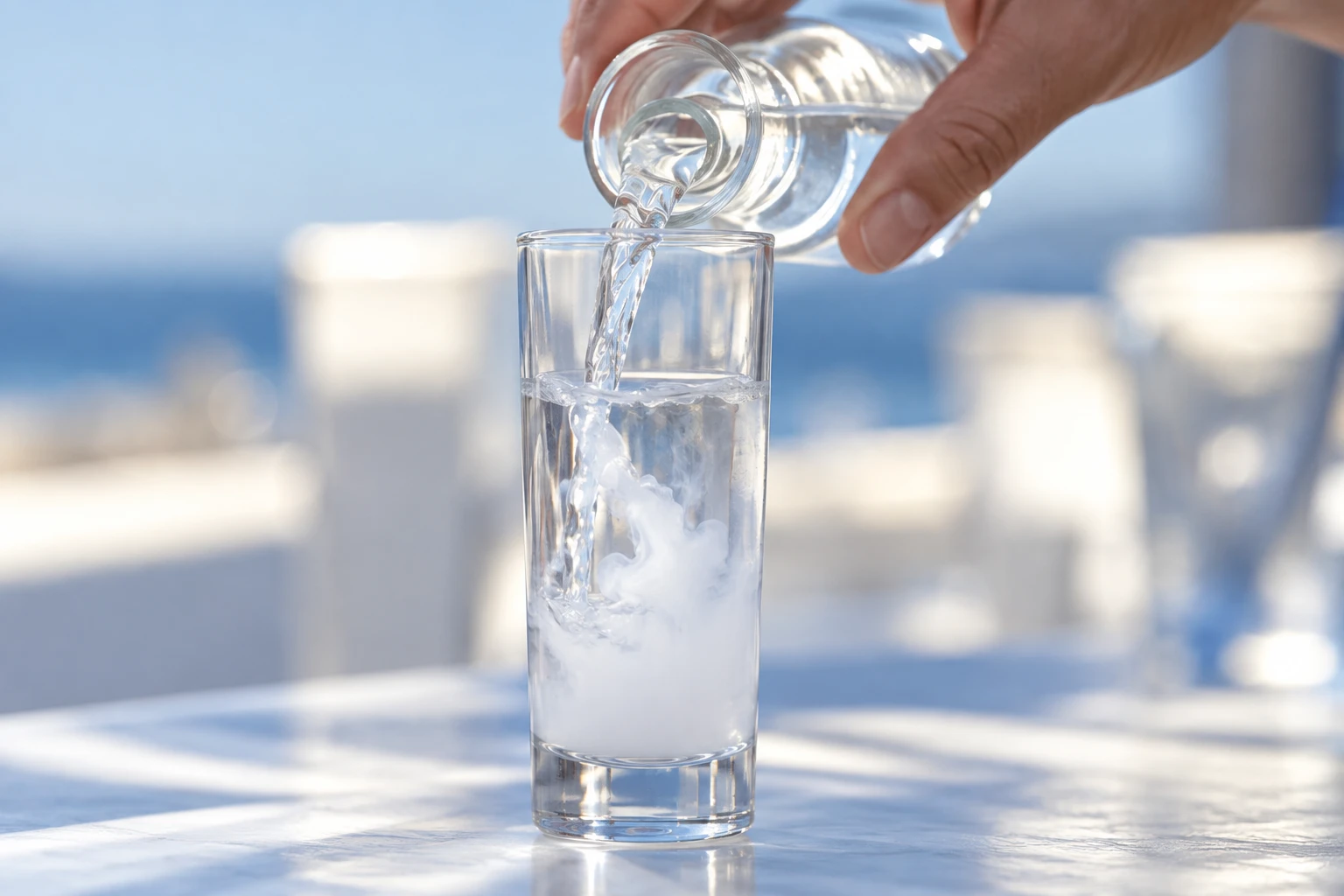
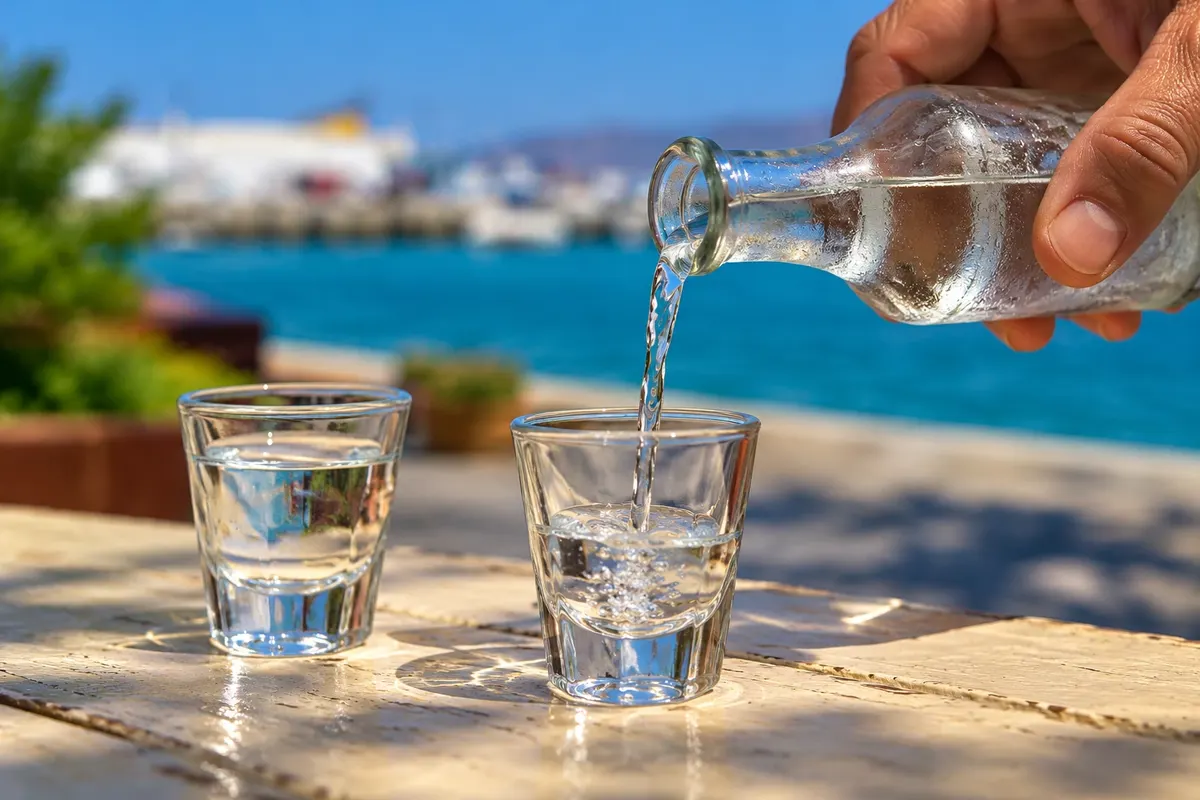
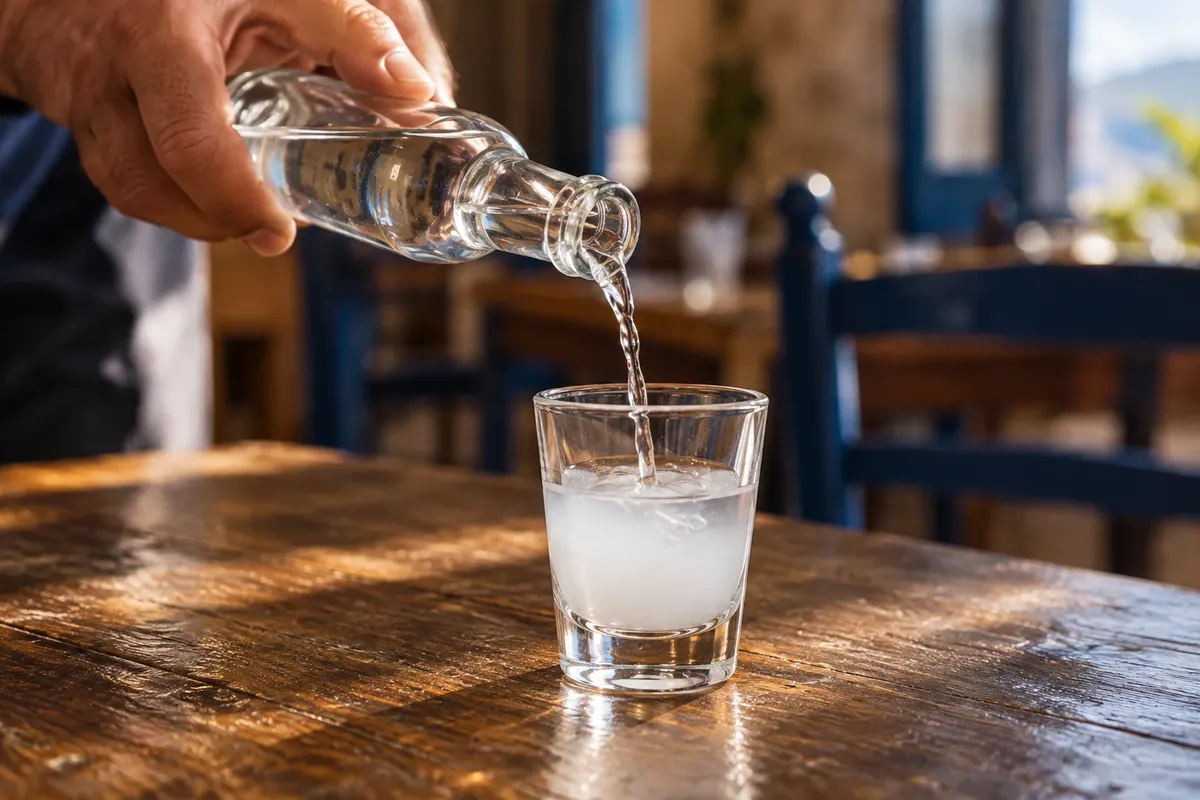
Ouzo is based on a neutral spirit that receives the aroma of anise seeds and, depending on the producer, fennel, mastic from Chios, coriander, cardamom, clove or other herbs and seeds. Part of that spirit is flavored by distillation in stills, many of them copper; rules require that the flavored distillate represent at least 20% of the final alcohol content. The drink is clear; with water or ice it acquires a white, opaque color, an effect of the anise.
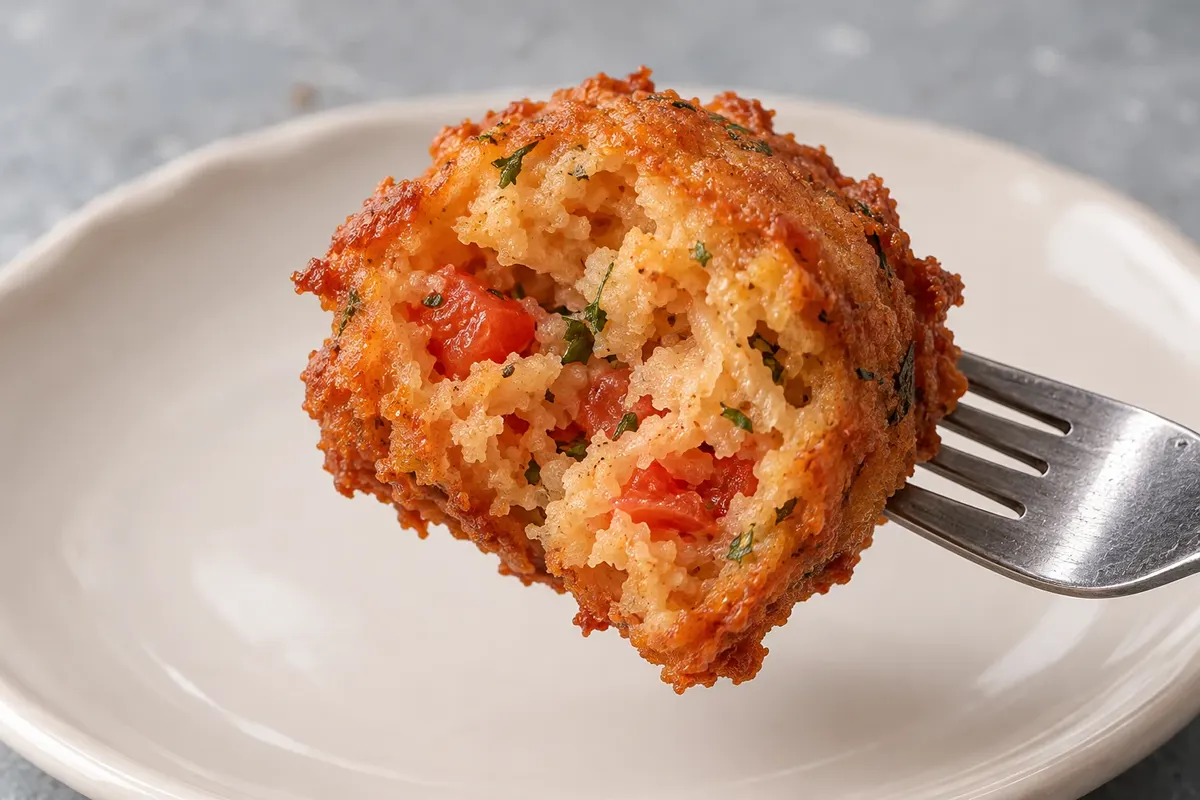
Ouzo is sipped slowly from small glasses, neat, with a little cold water or with ice, always accompanied by food: olives, cheeses, grilled octopus, sardines, small fried fish and other mezedes. In ouzeris, tavernas dedicated to the drink and its snacks, and at seaside tables, it is part of long meals and conversation.
The European geographical indication Ouzo stipulates that the drink can only be produced in Greece and Cyprus, with the production steps and bottling carried out entirely in one of those countries. The technical file cites the Greek definition consolidated in 1986 and the Cypriot regulation of 2001. Besides the general indication, there are specific indications for the ouzo of Mytilene and for that of Plomari, both on the island of Lesbos, and for those of Kalamata, Thrace and Macedonia. Because common ouzo is made and consumed across the country, it represents Greece as a whole.
The origin of the name is debated. The drink descends from pomace and anise distillates made in the region for centuries, and took its current form in the 19th century.


 Brazil
 Argentina
 Bolivia
 Chile
 Colombia
 Ecuador
 Guyana
 French Guiana
 Falkland Islands (Malvinas)
 Paraguay
 Peru
 Suriname
 Uruguay
 Venezuela
 Germany
 Austria
 Belgium
 Croatia
 Denmark
 Spain
 Finland
 France
 the Netherlands
 Hungary
 Ireland
 Iceland
 Italy
 Luxembourg
 Norway
 Poland
 Portugal
 the United Kingdom
 the Czech Republic
 Sweden
 Switzerland
 Turkey
 Canada
 the United States
 Mexico
 the Dominican Republic
 South Africa
 Australia
 Fiji
 New Zealand
 Papua New Guinea