
 Brazil

 Search
Brazil
 Antarctica
 Argentina
 Bolivia
 Chile
 Colombia
 Ecuador
 Guyana
 French Guiana
 Falkland Islands (Malvinas)
 Paraguay
 Peru
 Suriname
 Uruguay
 Venezuela
 Germany
 Austria
 Belgium
 Croatia
 Denmark
 Slovakia
 Slovenia
 Spain
 FinlandFrance
 Greece
 the Netherlands
 Hungary
 Ireland
 Iceland
 Italy
 Luxembourg
 Norway
 Poland
 Portugal
 the United Kingdom
 the Czech Republic
 Sweden
 Switzerland
 Turkey
 Bermuda
 Canada
 the United States
 Greenland
 Mexico
 Saint Pierre and Miquelon
 the Dominican RepublicTurkey
 South Africa
 Egypt
 Australia
 Fiji
 New Zealand
 Papua New Guinea
Saint-Malo, Brittany
Natural Phenomenon
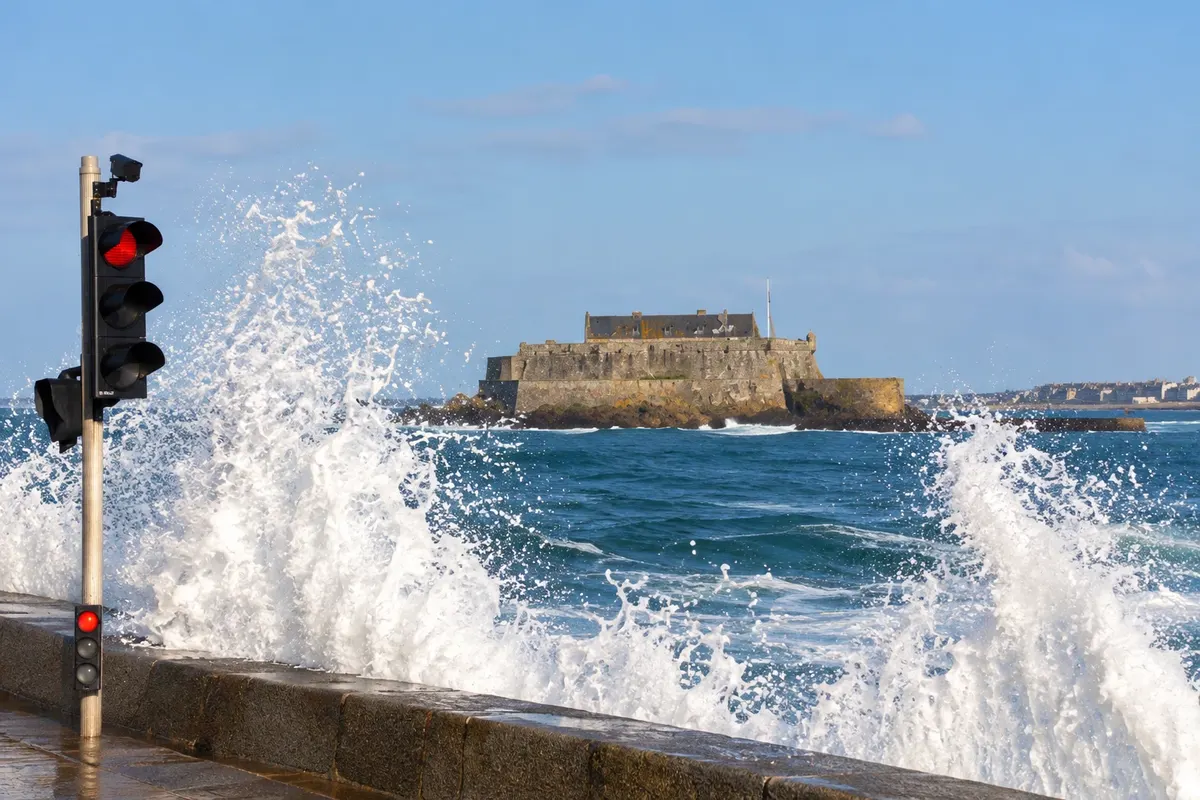
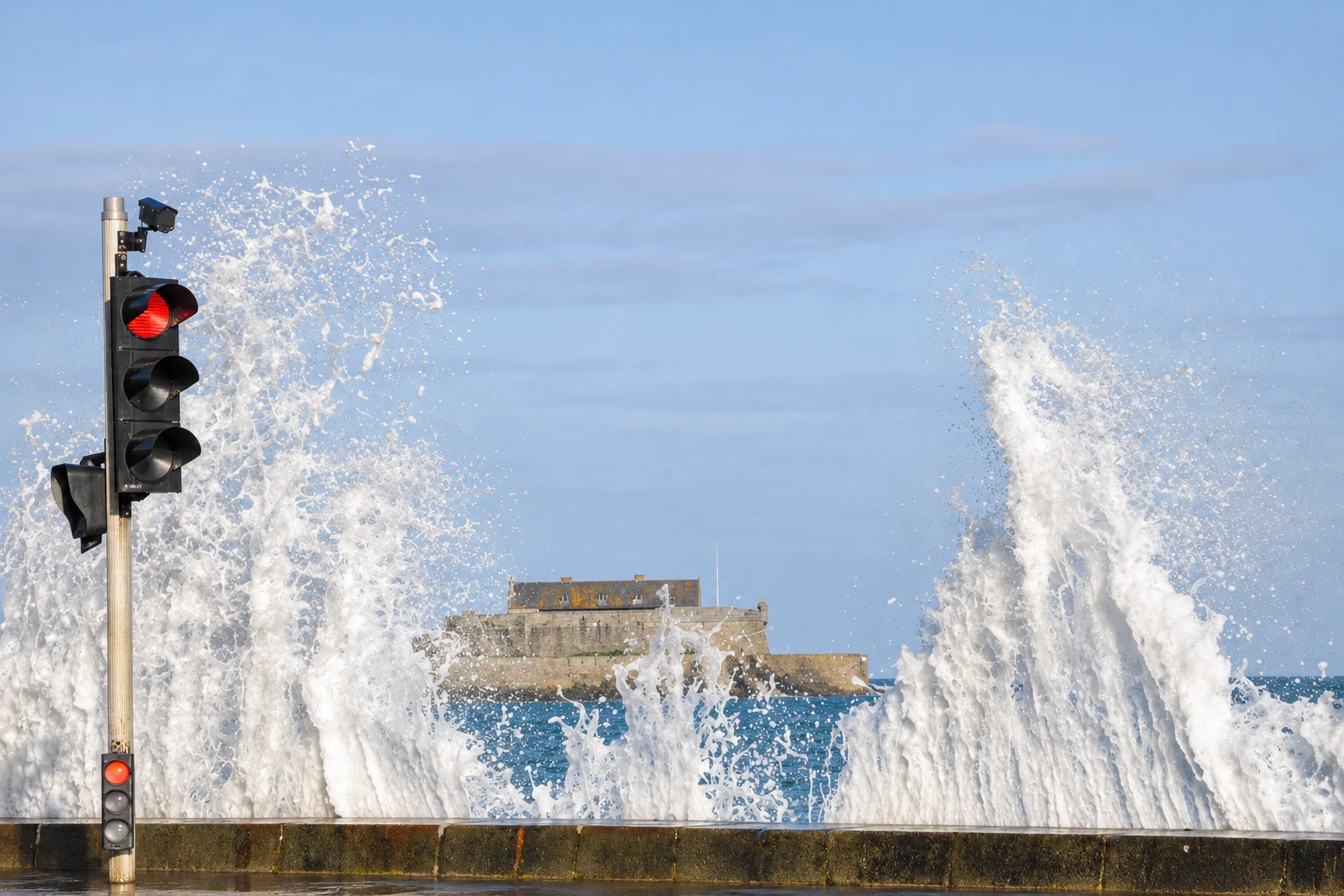
The large tides of Saint-Malo, with about 13 meters between high and low tide: when they occur, the walk on foot to Grand Bé and the waves on the ramparts.
Illustrative images. The pictures in this guide are illustrations based on the real place, not photographs, and may differ from it.
A look at the place
These pictures are illustrations based on the real place, not photographs. They may differ from the place.
Click the picture to enlarge it.
Discover
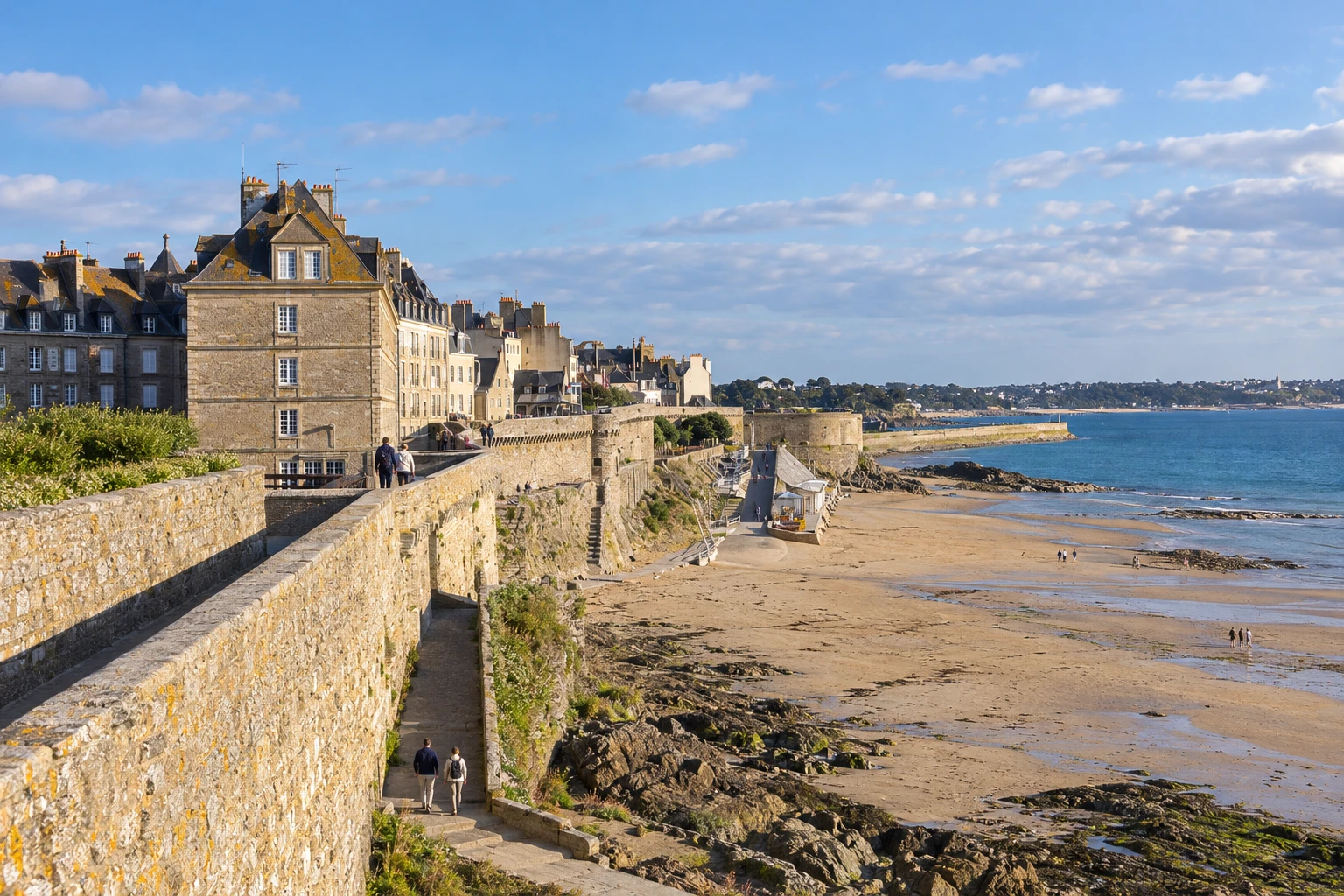
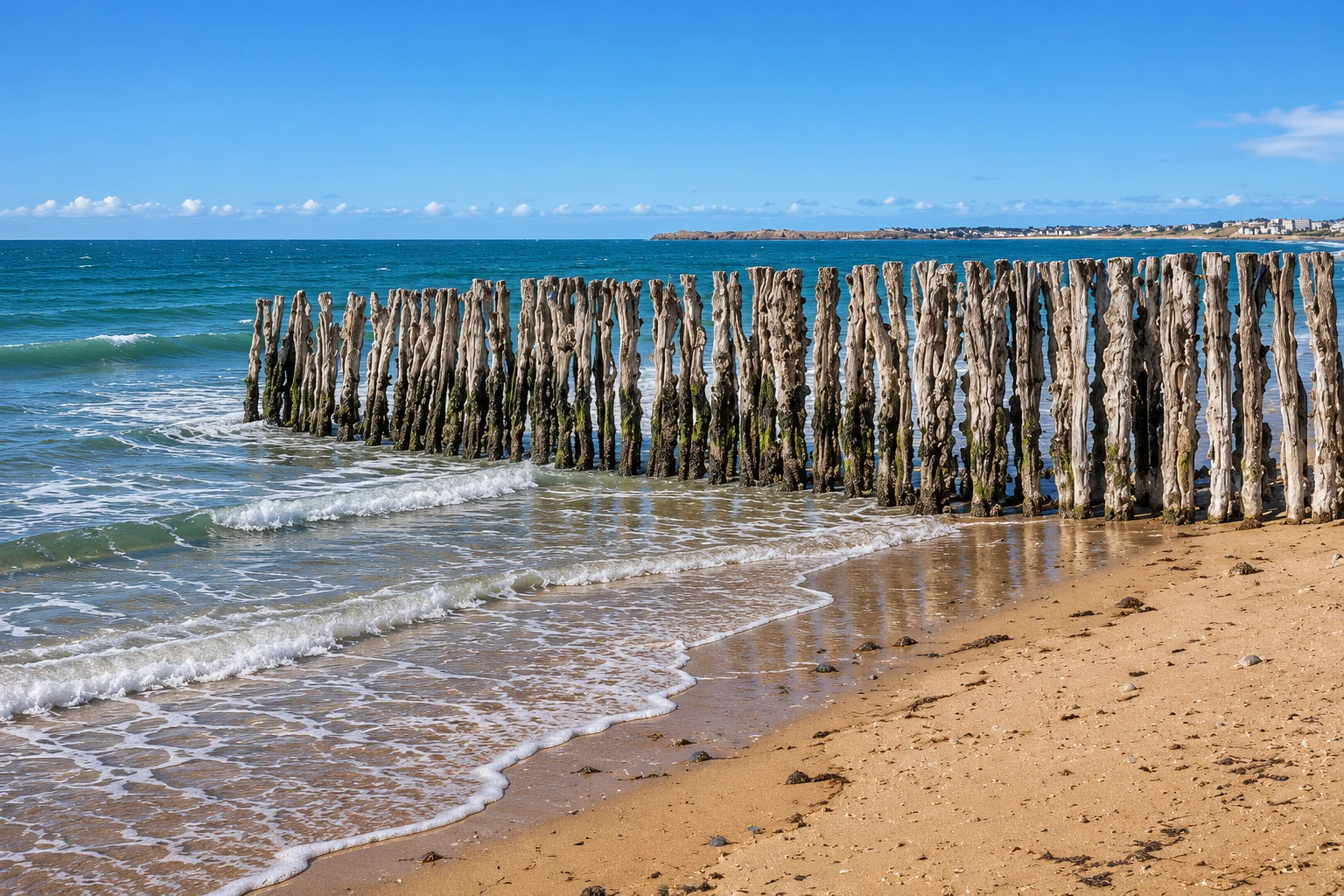
Saint-Malo, on the coast of Brittany in northern France, has some of the largest tides in Europe. In the bay, the difference between high and low tide can reach about 13 meters during the big tides. Twice a day the sea advances and recedes, and the landscape around the walled city changes completely.
Tides are considered "big" when the coefficient is above 100. They usually happen near the full moon and the new moon, several times a year, and the strongest ones generally occur near the equinoxes, in March and September. The tide timetable is published in advance and shows the days and times of each event.
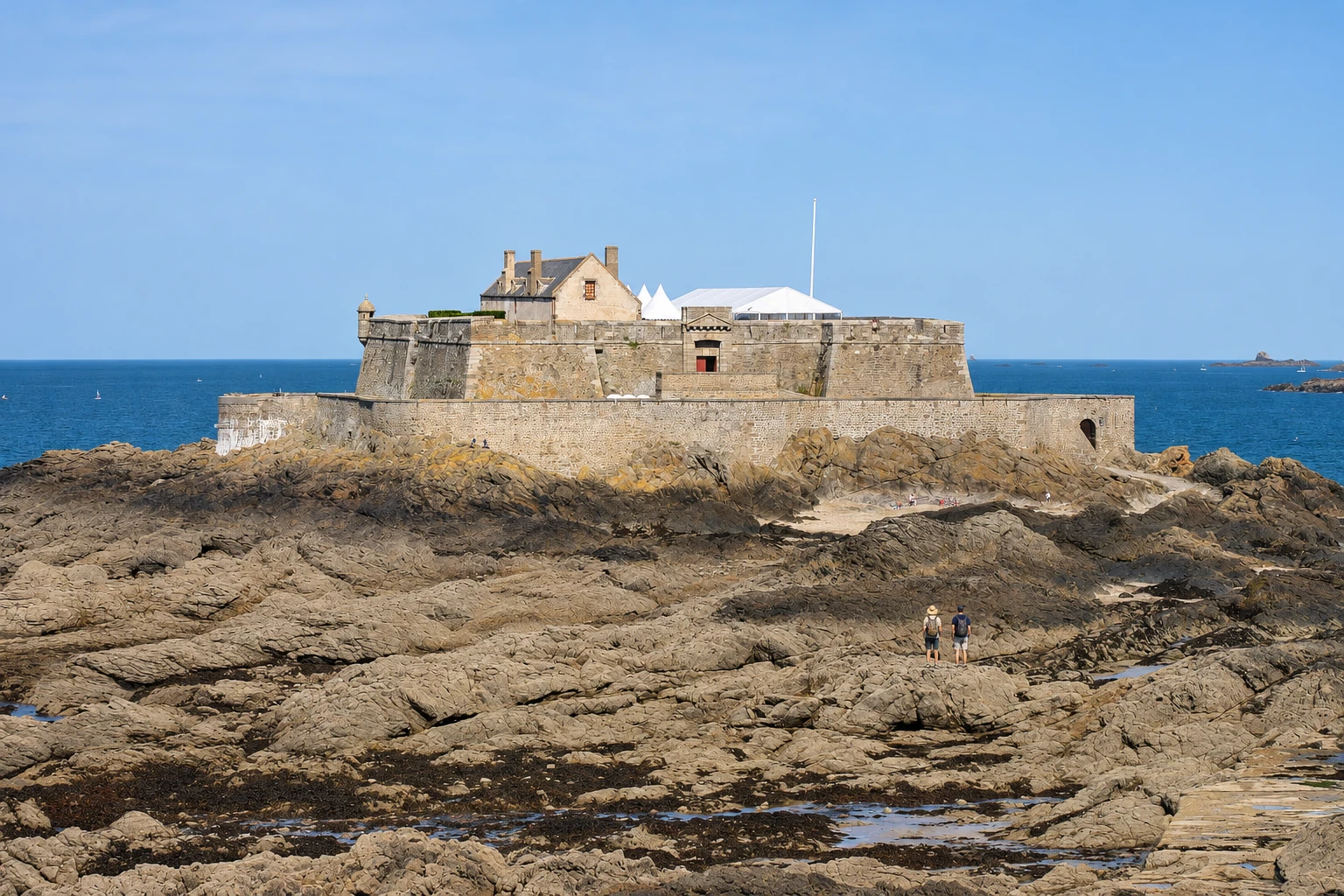
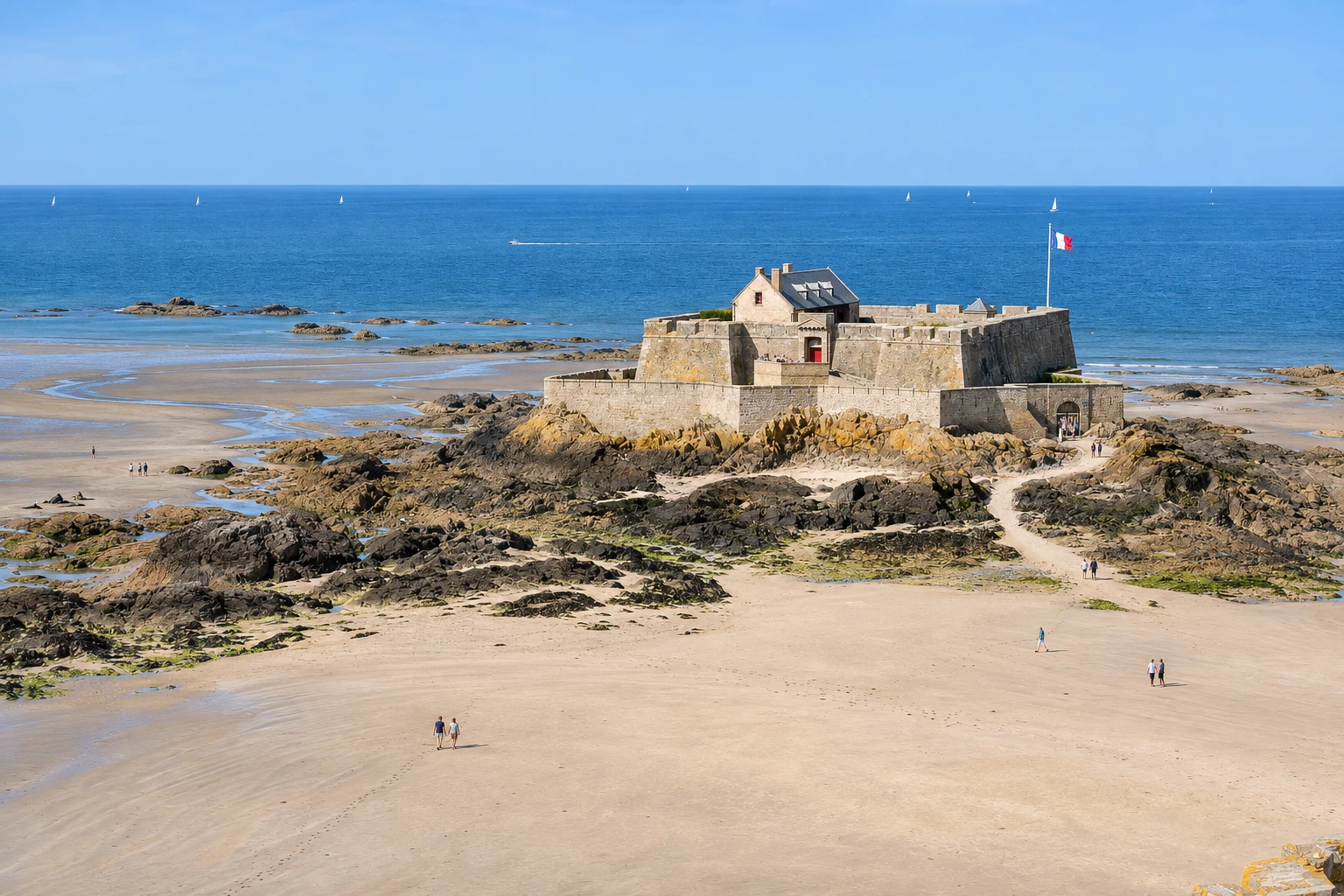
At low tide, the exposed sand links the town to islets that are isolated at high tide. You can walk to Grand Bé, where Chateaubriand’s tomb is, and to Fort National, the fort designed by Vauban. The crossing closes when the sea rises, and you must return beforehand.
At high tide, with wind and waves, the water hits the ramparts and the breakwater of the Sillon, the long avenue along the beach, and waves can wash over the promenade. The spectacle often draws many people on the ramparts and on the Sillon, facing Fort National.
Near the town, the Rance tidal power station, between Saint-Malo and Dinard, has used the tides to generate electricity since 1966. To the east, the Mont-Saint-Michel bay also has very large tides, and the two visits combine well on the same trip.
Before you go
Cidade Turismo reviews its information regularly, but something may have changed. Check with the place before planning your trip.
The months when it usually happens. It depends on the weather and on nature: it is not guaranteed.
One to two hours to watch the tide rise from the ramparts and the Sillon; half a day to walk to Grand Bé and Fort National at low tide and return.
Big tides occur several times a year, near the full moon and the new moon; the strongest ones are usually near the equinoxes, in March and September. Check the tide timetable before you go.
Saint-Malo has a train station with connections to Paris and Rennes. The ramparts, the Sillon and the beach from which you go to Grand Bé are within walking distance of the walled town.
Check the tide time on the day and return from Grand Bé and Fort National before the sea rises. At high tide with waves, keep away from the edge of the breakwater.
Get your questions answered
Several times a year, near the full moon and the new moon. The strongest ones are usually near the equinoxes, in March and September.
On big tides it can reach about 13 meters, one of the largest in Europe.
Yes, at low tide, across the sand. The crossing closes when the sea rises: check the tide time before you go.
From the ramparts and the Sillon, facing Fort National—always keeping away from the water’s edge.
Other places
Brazil
 Canada
Beyond the guide


