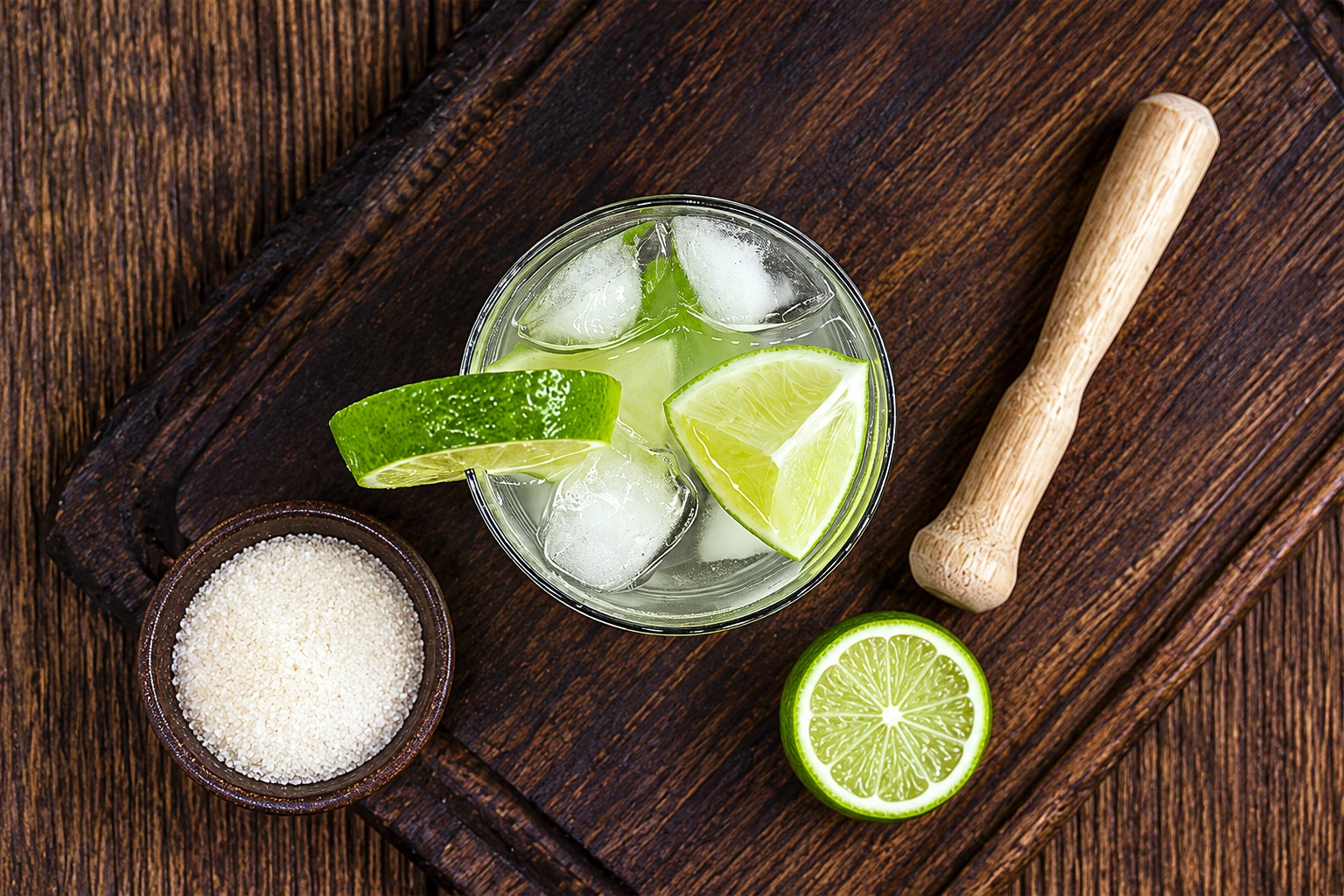
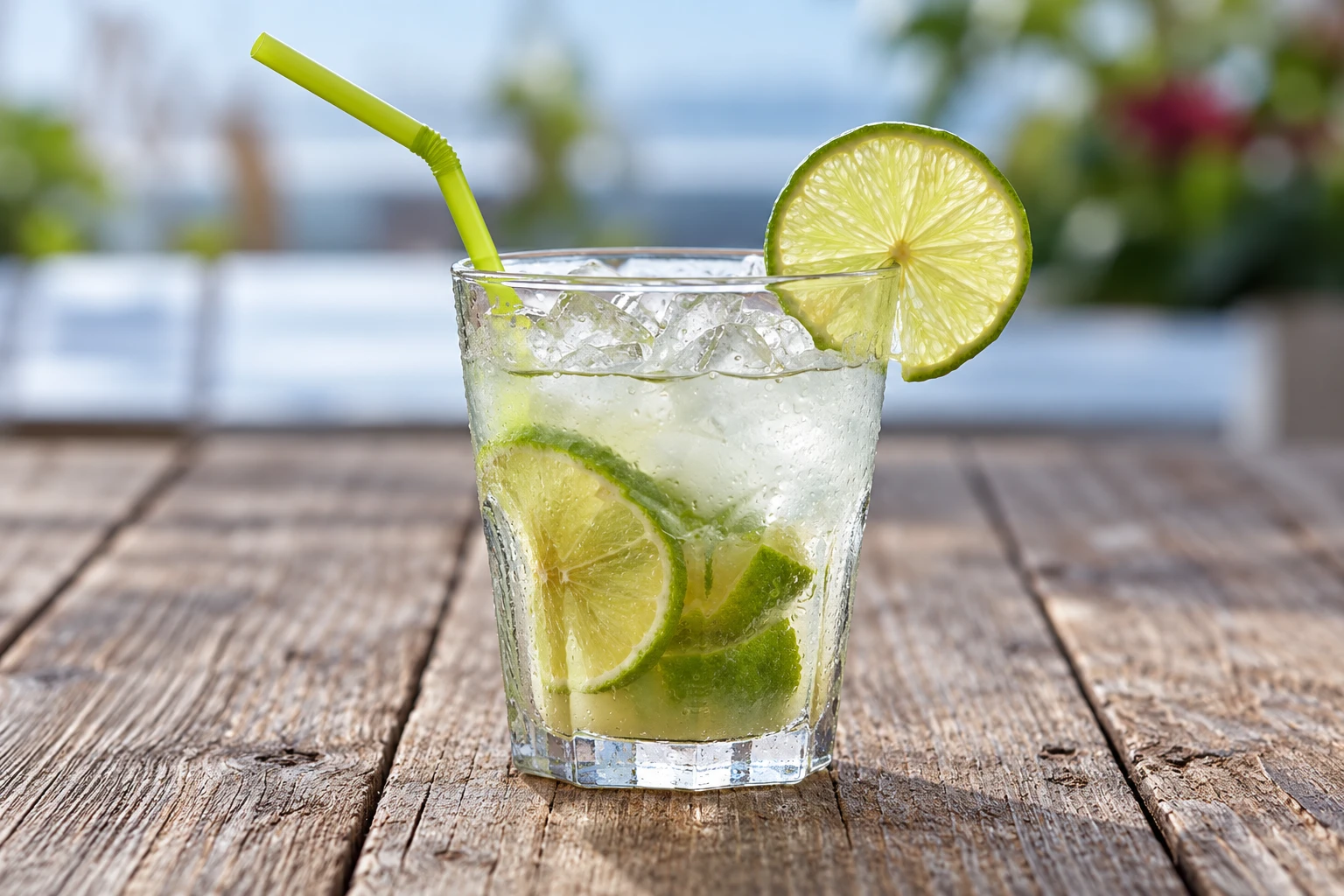
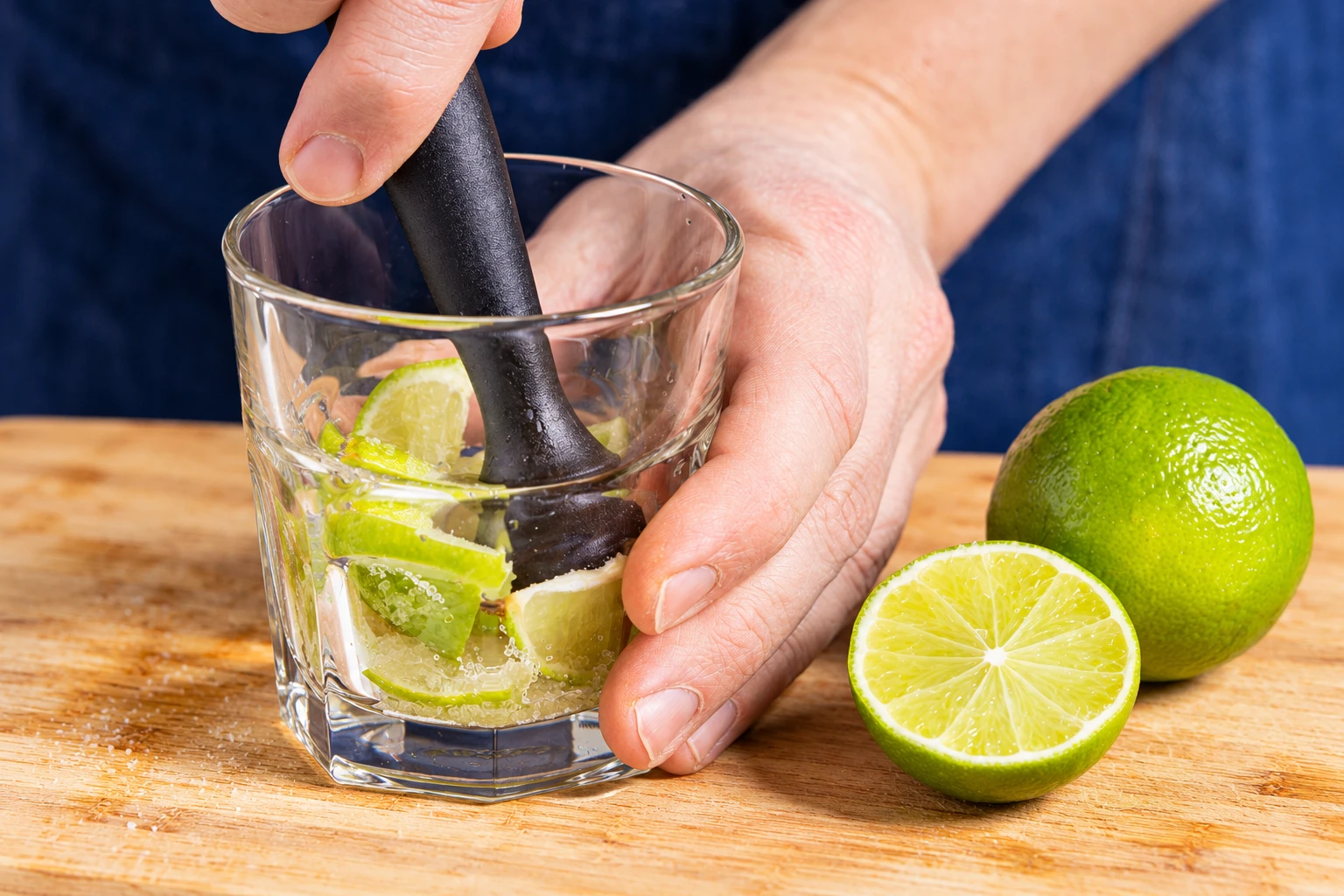
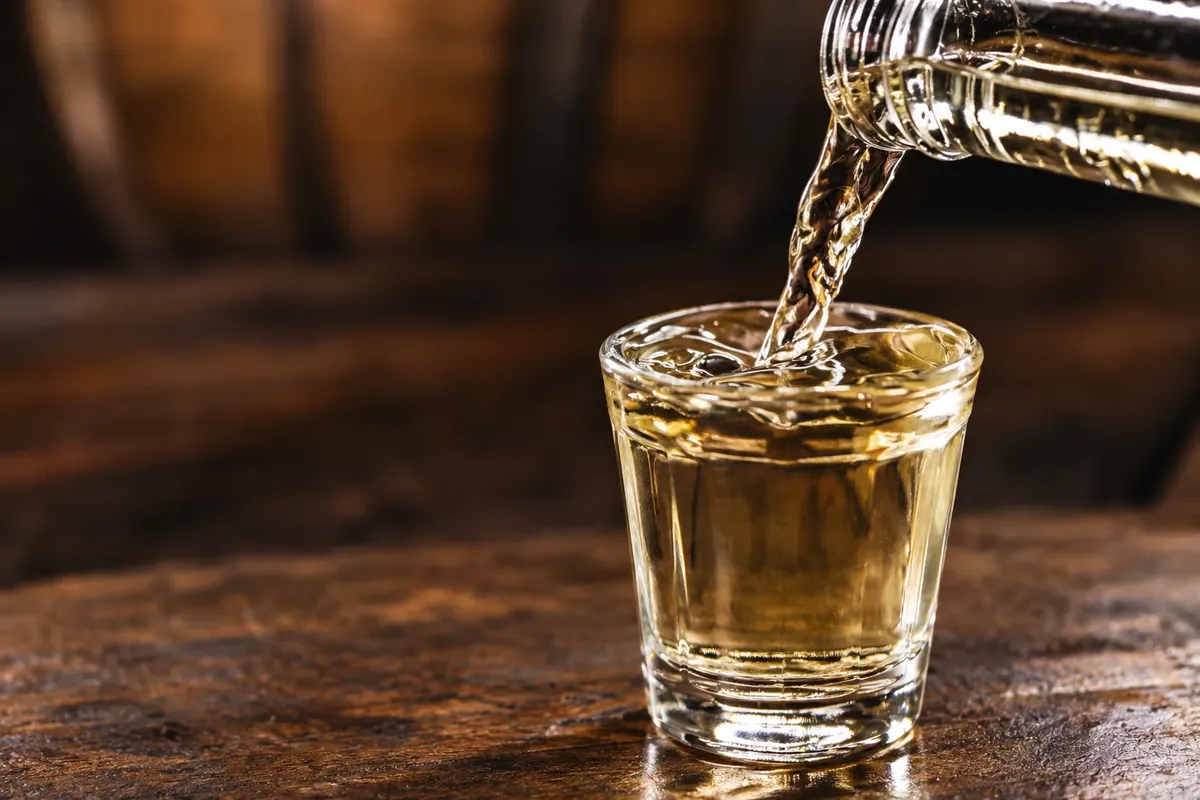
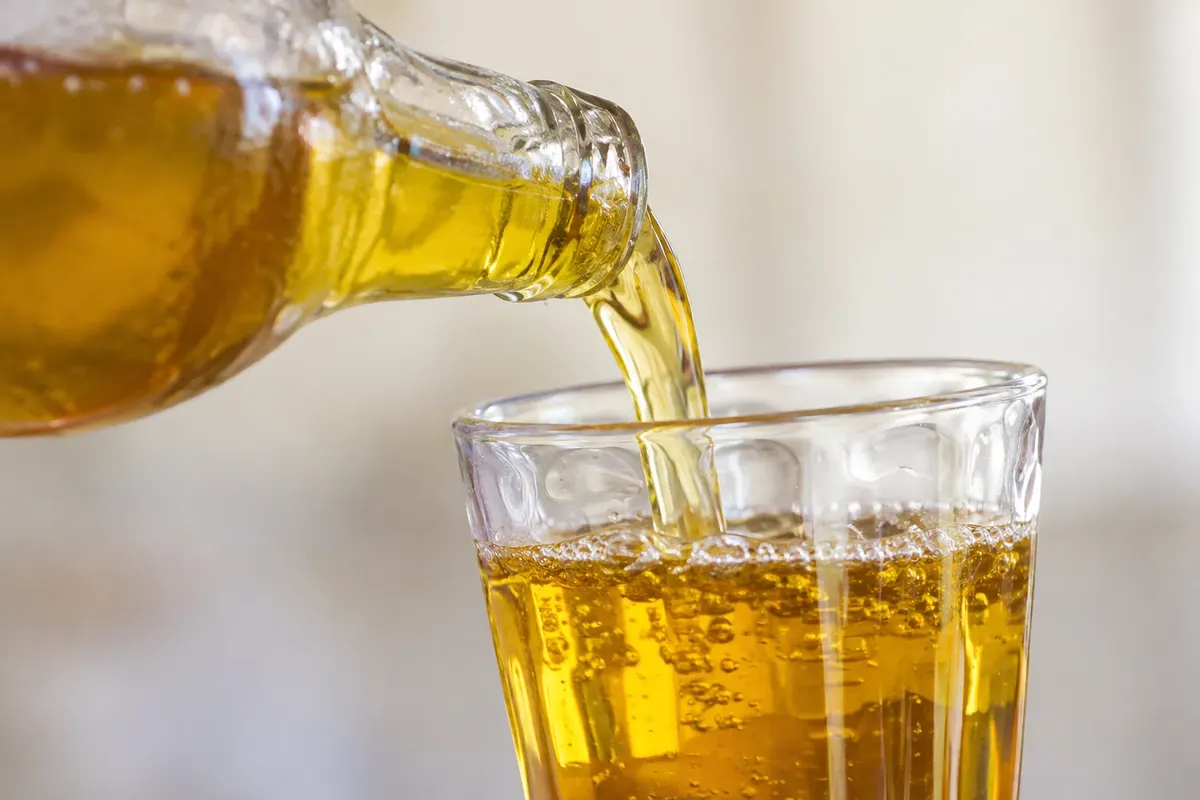
The caipirinha is made in the glass in which it will be served. The lime, usually tahiti, is cut into wedges, with or without the white pith, and mashed with sugar until it releases the juice. Then cachaça, the sugarcane spirit, and plenty of ice, either in cubes or crushed, are added. It is stirred and served without straining, with the pieces of lime left in the bottom. The result is tart, sweet and strong at the same time, and every bar and home has its preferred balance: more or less sugar, lime with or without pith, ice whole or crushed.
Few drinks are defined by law. The federal beverage regulation, approved by Decree 12,709 on October 31, 2025, states in article 74 that caipirinha is the typical drink of the Federative Republic of Brazil, with an alcohol by volume of 15% to 36%, made with cachaça, lime and sugar. The text addresses industrialized caipirinha sold bottled, but repeats a definition that already appeared in the previous regulations from 2003 and 2009.
The origin has no documentary proof. The most repeated versions place it in the interior of São Paulo in the early 20th century, sometimes as a farmhouse drink, sometimes as a homemade remedy made with lime, garlic and honey that would have lost the garlic and gained sugar and ice. None of these versions is proven. The name is the diminutive of caipira, a word used for a country dweller.
From the coast to the interior, caipirinha is on the menu of bars, beach kiosks, restaurants and family gatherings. The same technique works with other fruits, such as passion fruit, strawberry, kiwi or cashew apple, and with other spirits: with vodka the drink is often called caipiroska, and with sake, sakerinha. By the regulation’s definition, however, caipirinha is only the one made with cachaça and lime. It is a strong drink, meant to be sipped slowly, preferably with food.


 Argentina
 Bolivia
 Chile
 Colombia
 Ecuador
 Guyana
 French Guiana
 Falkland Islands (Malvinas)
 Paraguay
 Peru
 Suriname
 Uruguay
 Venezuela
 Germany
 Austria
 Belgium
 Croatia
 Denmark
 Spain
 Finland
 France
 Greece
 the Netherlands
 Hungary
 Ireland
 Iceland
 Italy
 Luxembourg
 Norway
 Poland
 Portugal
 the United Kingdom
 the Czech Republic
 Sweden
 Switzerland
 Turkey
 Canada
 the United States
 Mexico
 the Dominican Republic
 South Africa
 Australia
 Fiji
 New Zealand
 Papua New Guinea