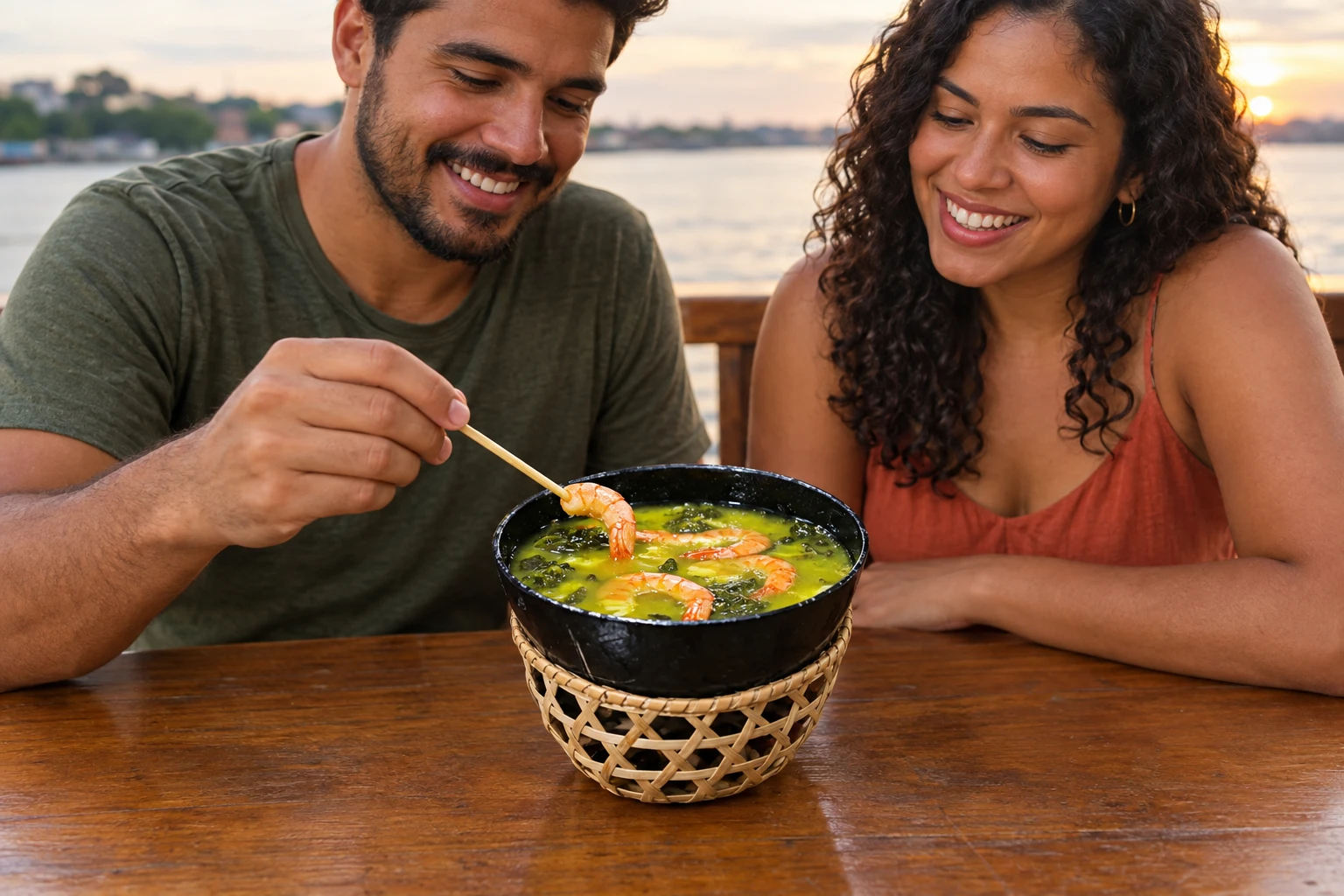
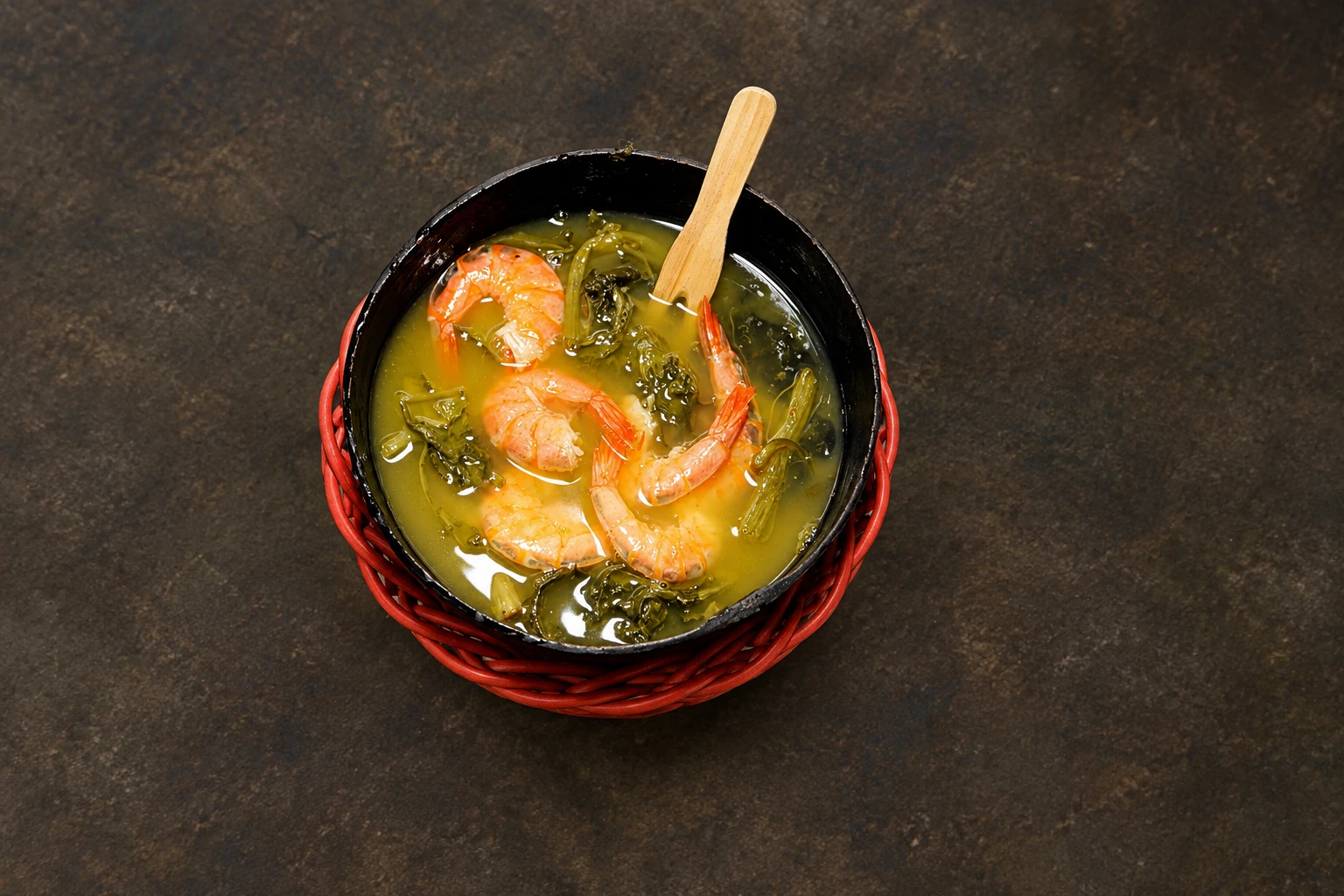
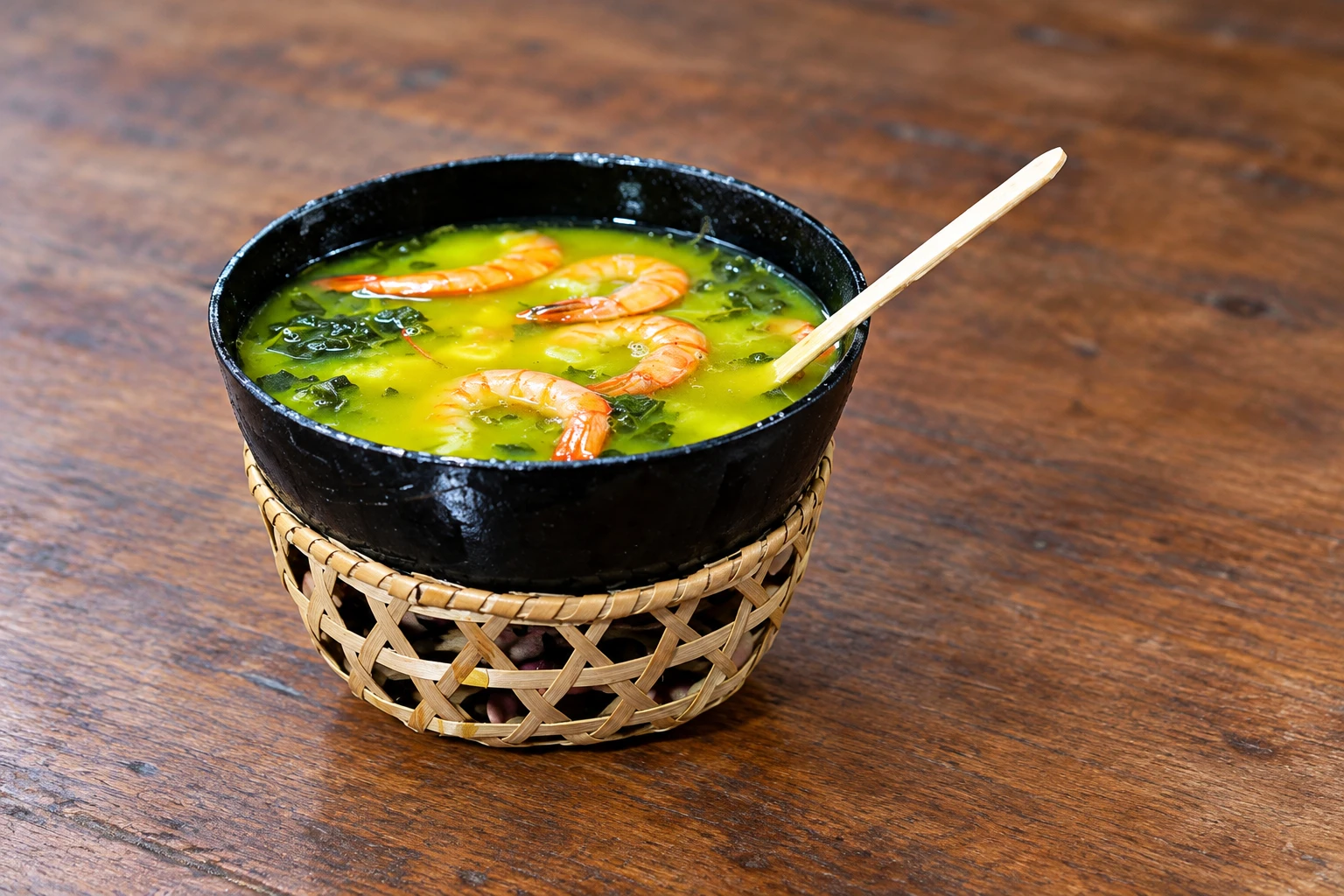
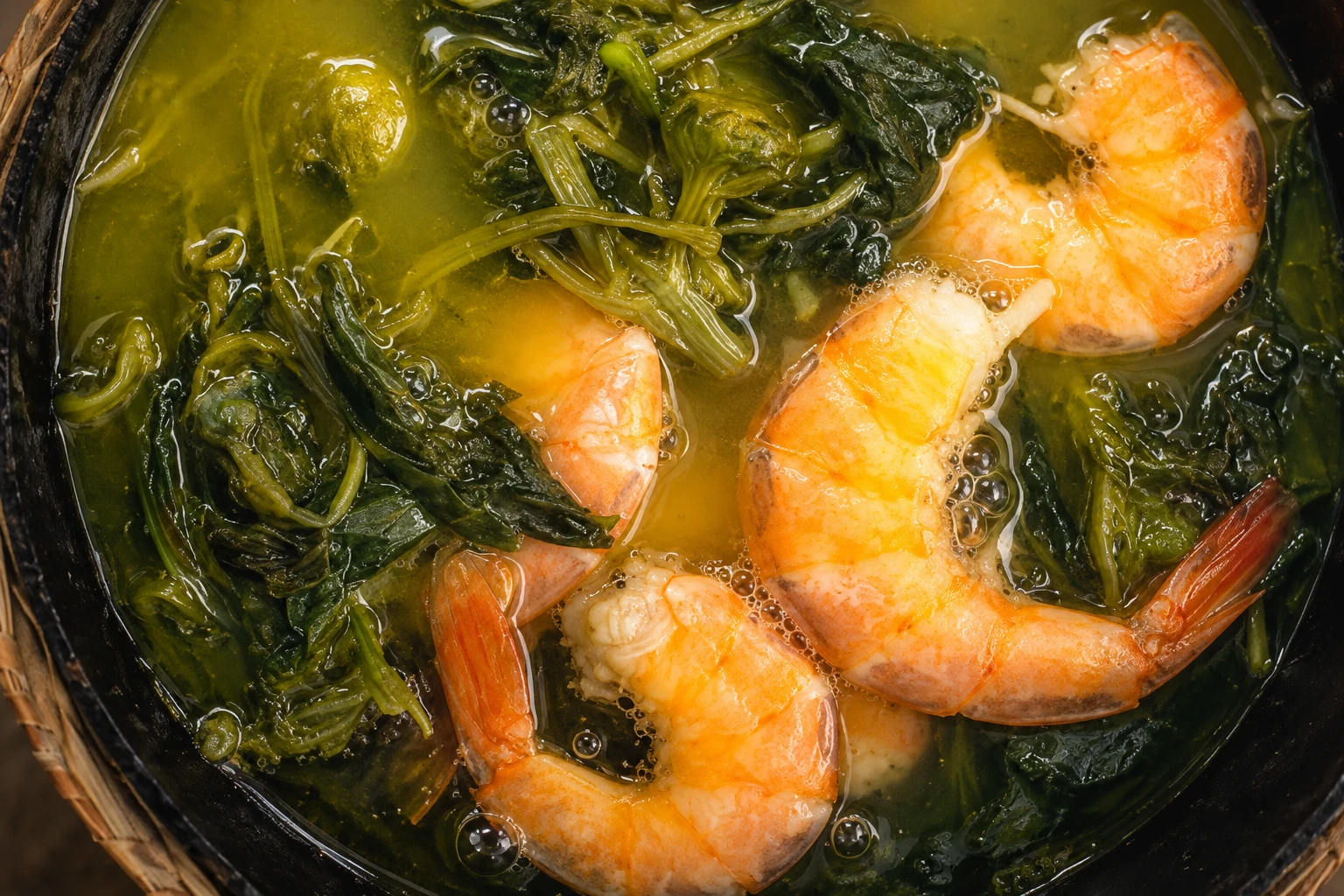
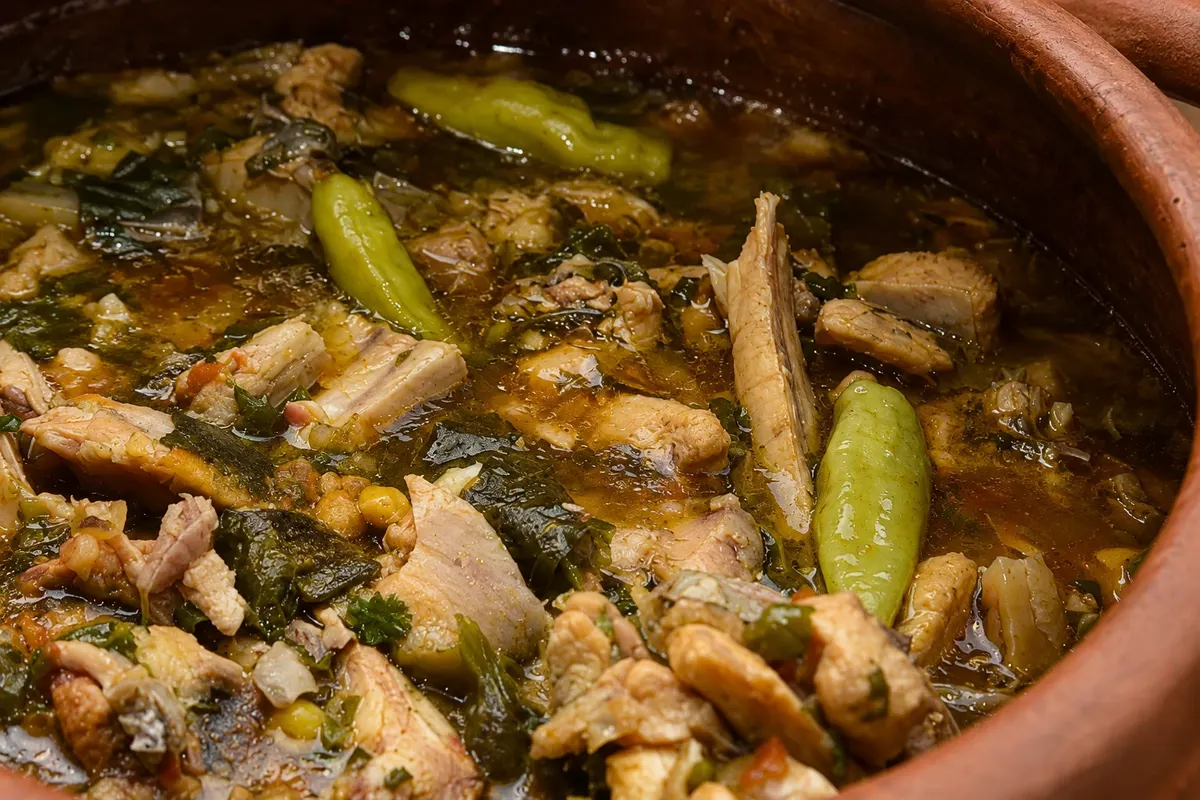
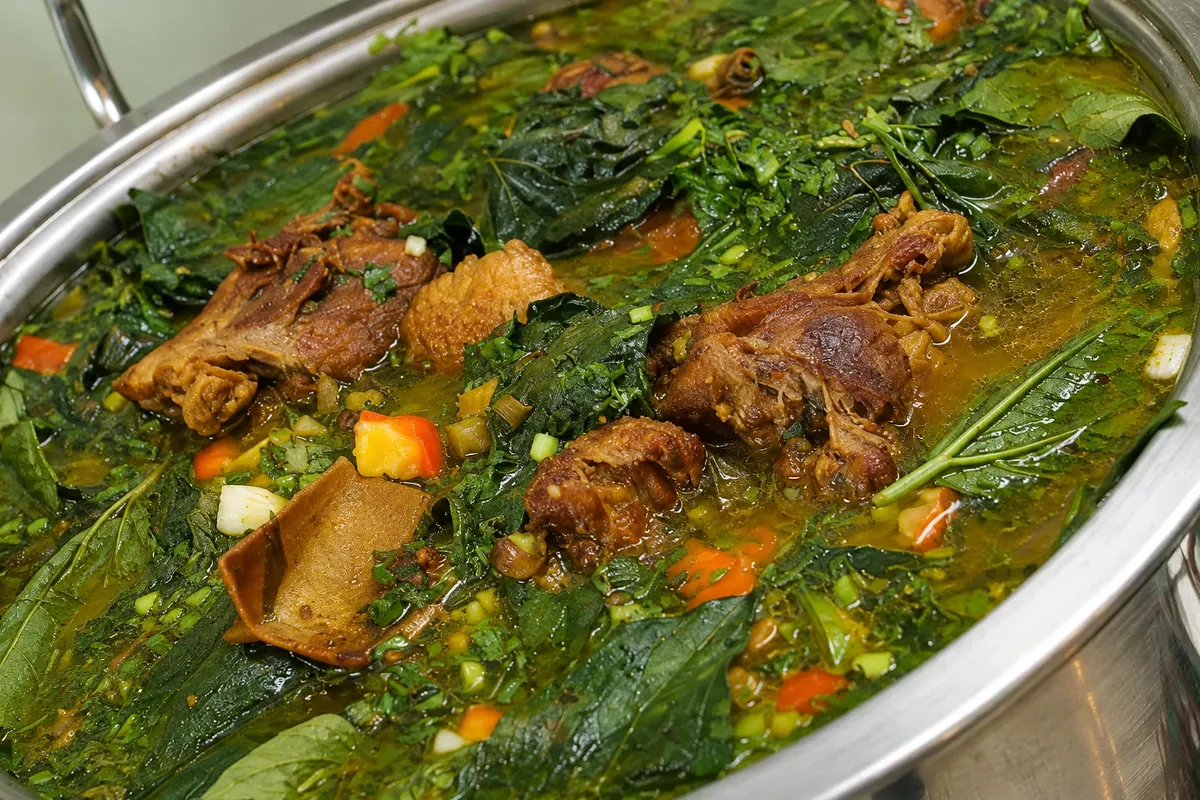
Tacacá is served in a cuia, the bowl made from the fruit of the cuieira. It contains hot tucupi, the yellow broth extracted from bitter cassava, manioc masa (goma), cooked jambu leaves and dried shrimp. Jambu causes a slight numbing and tingling in the mouth, which is part of the dish’s appeal.
Its origin is indigenous, linked to tucupi and manioc broths of the Amazon. In Belém, tacacá became a daily habit: tacacazeiras set up their stalls on corners and in squares, and business grows in the late afternoon, even in the heat. Each vendor has her own balance of goma and tucupi, and many learned the craft from mothers and grandmothers.
This work is recognized at several levels. Pará included tacacá among the typical foods in the state’s cultural heritage and, by its own law, declared tacacazeiras intangible heritage. Belém did the same and created Tacacazeira Day on September 13. IPHAN approved the registration of the Tacacazeira Craft in the Northern Region as Cultural Heritage of Brazil.
Tucupi must be cooked for a long time before use, because bitter cassava is toxic raw. The same broth appears in other dishes from Pará, such as pato no tucupi.
It is eaten standing or seated by the stall, drinking the broth directly from the cuia and picking the shrimp and jambu with a skewer.


 Argentina
 Bolivia
 Chile
 Colombia
 Ecuador
 Guyana
 French Guiana
 Falkland Islands (Malvinas)
 Paraguay
 Peru
 Suriname
 Uruguay
 Venezuela
 Germany
 Austria
 Belgium
 Croatia
 Denmark
 Spain
 Finland
 France
 Greece
 the Netherlands
 Hungary
 Ireland
 Iceland
 Italy
 Luxembourg
 Norway
 Poland
 Portugal
 the United Kingdom
 the Czech Republic
 Sweden
 Switzerland
 Turkey
 the United States
 Mexico
 the Dominican Republic
 South Africa
 Australia
 Fiji