
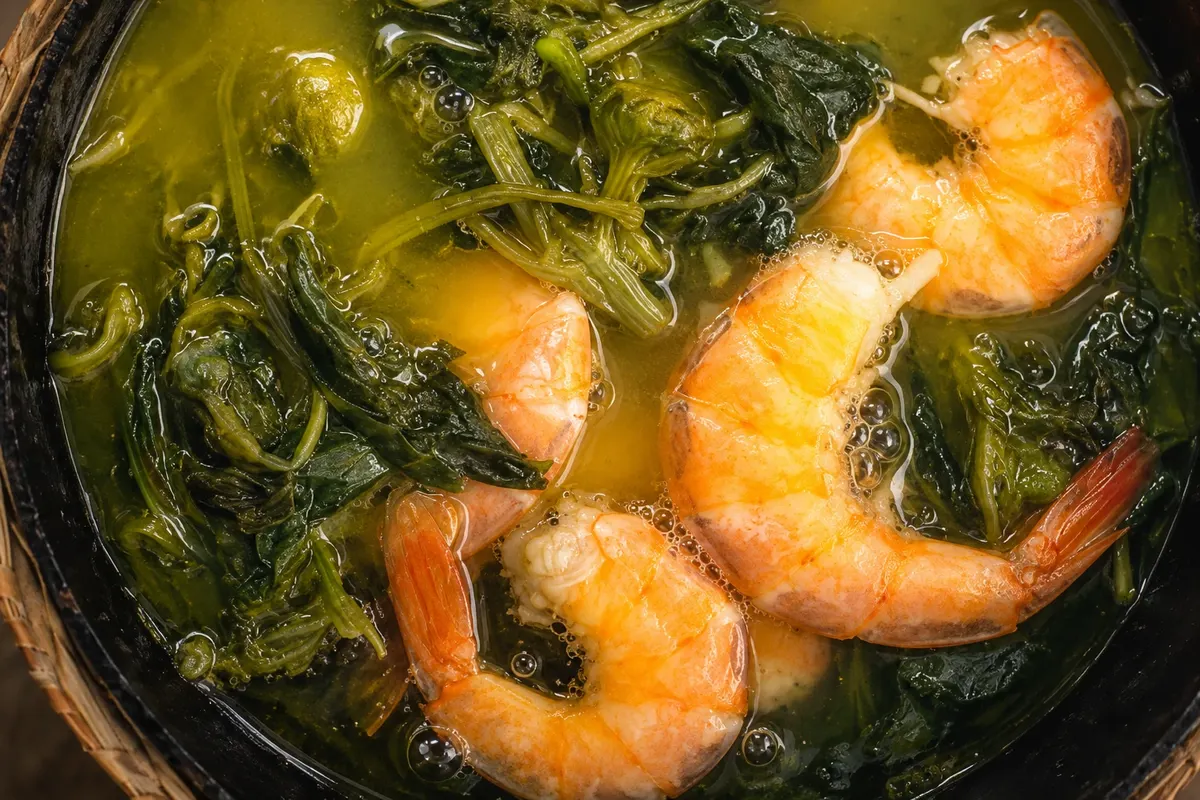
Dish · Belém
Tacacá
Hot tucupi broth with manioc masa, jambu and dried shrimp, served in a cuia. In Belém it is sold by tacacazeiras at street stalls in the late afternoon, and their craft is recognized as cultural heritage.

 Search
Brazil
 Argentina
 Bolivia
 Chile
 Colombia
 Ecuador
 Guyana
 French Guiana
 Falkland Islands (Malvinas)
 Paraguay
 Peru
 Suriname
 Uruguay
 Venezuela
 Germany
 Austria
 Belgium
 Croatia
 Denmark
 Spain
 Finland
 France
 Greece
 the Netherlands
 Hungary
 Ireland
 Iceland
 Italy
 Luxembourg
 Norway
 Poland
 Portugal
 the United Kingdom
 the Czech Republic
 Sweden
 Switzerland
 Turkey
 the United States
 Mexico
 the Dominican RepublicTurkey
 South Africa
 Australia
 Fiji
Flavors · Paraná
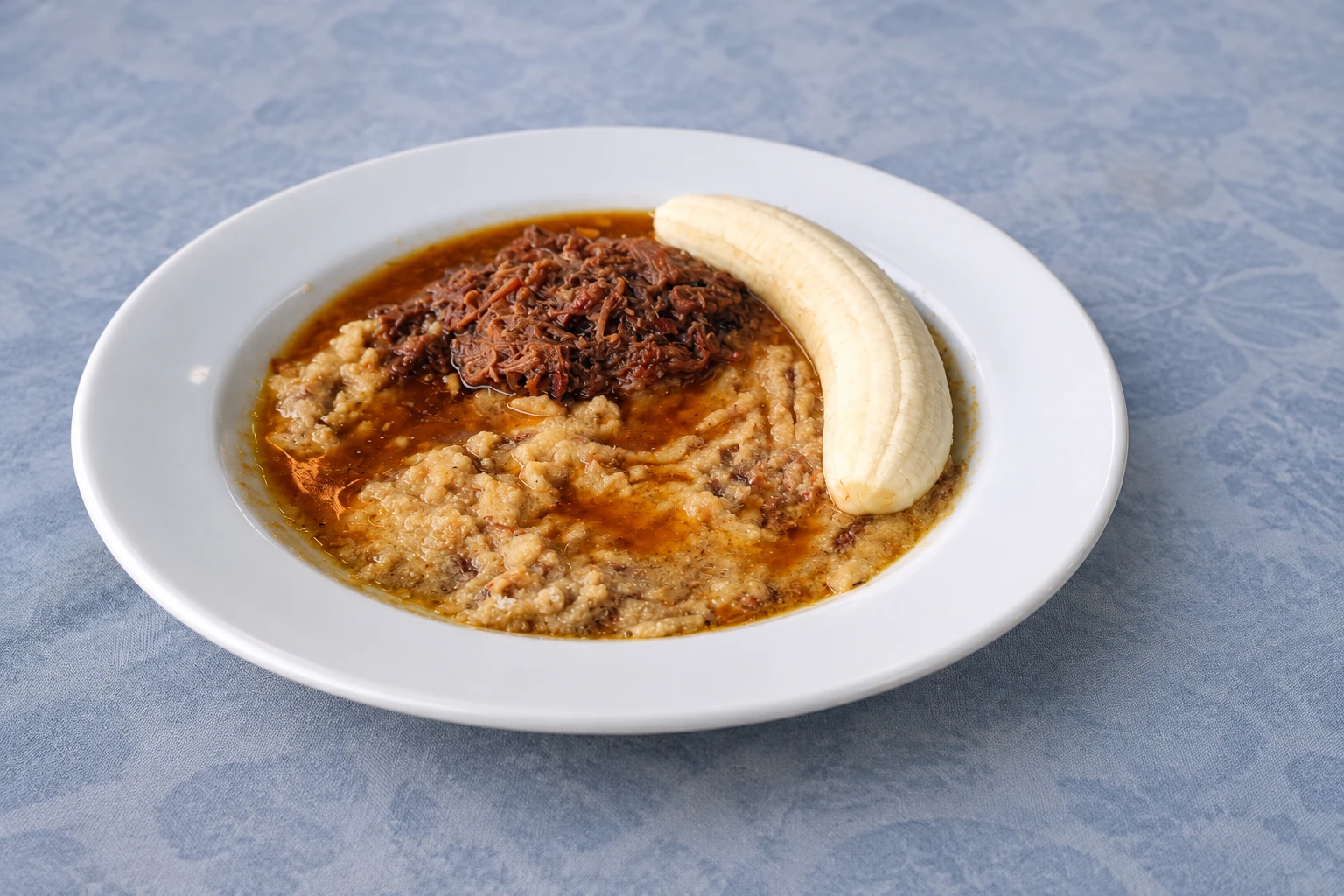
Beef cooked for many hours in a clay pot sealed with a dough made from flour, served with manioc (cassava) flour and banana. A typical dish of the Paraná coast, it has a geographical indication linked to Morretes, Antonina and Paranaguá.
Traditional dish from Paraná
Also known as: barreado do litoral do Paraná
Illustrative images. The pictures in this guide are illustrations based on the real place, not photographs, and may differ from it.

Click a photo to enlarge it.
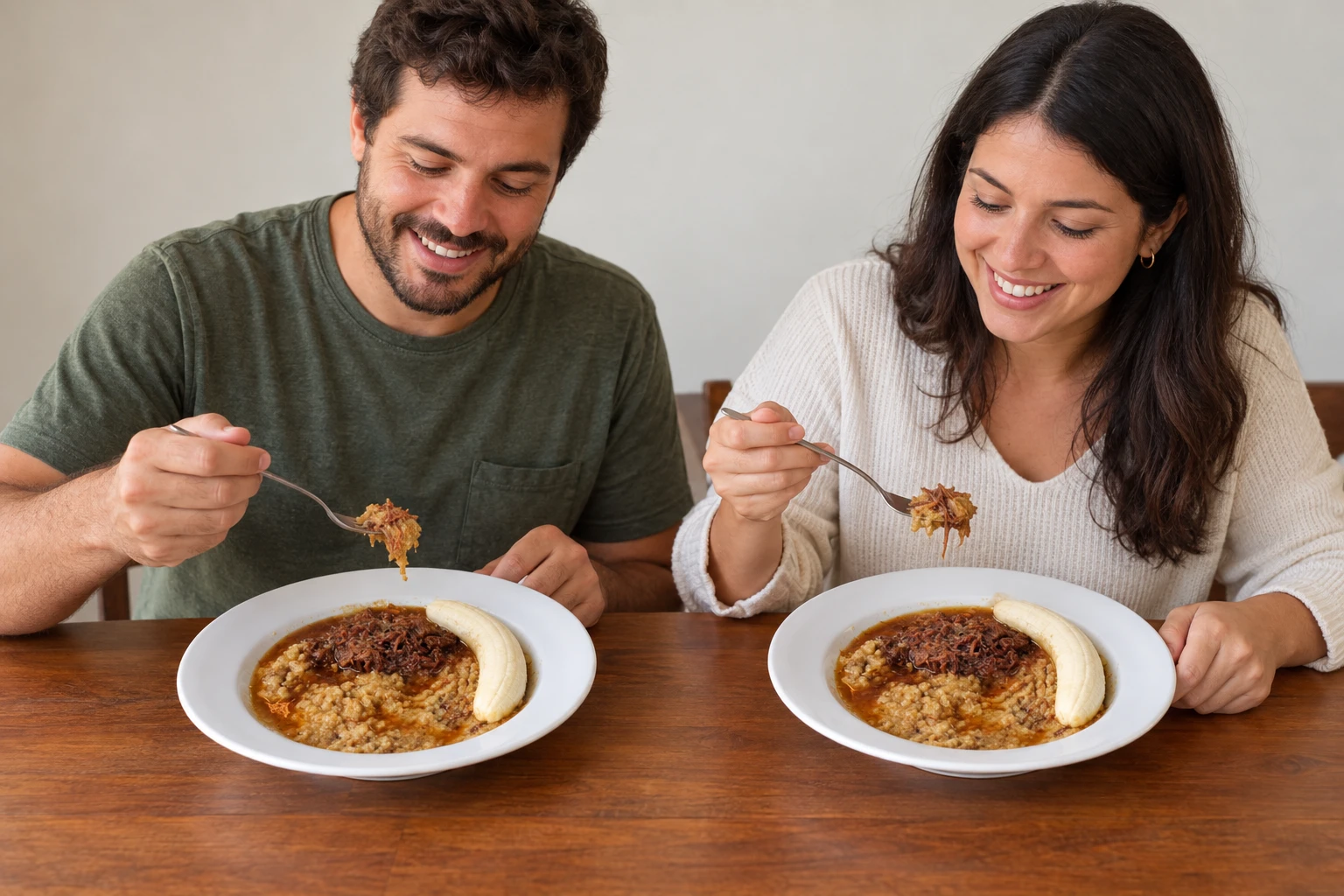
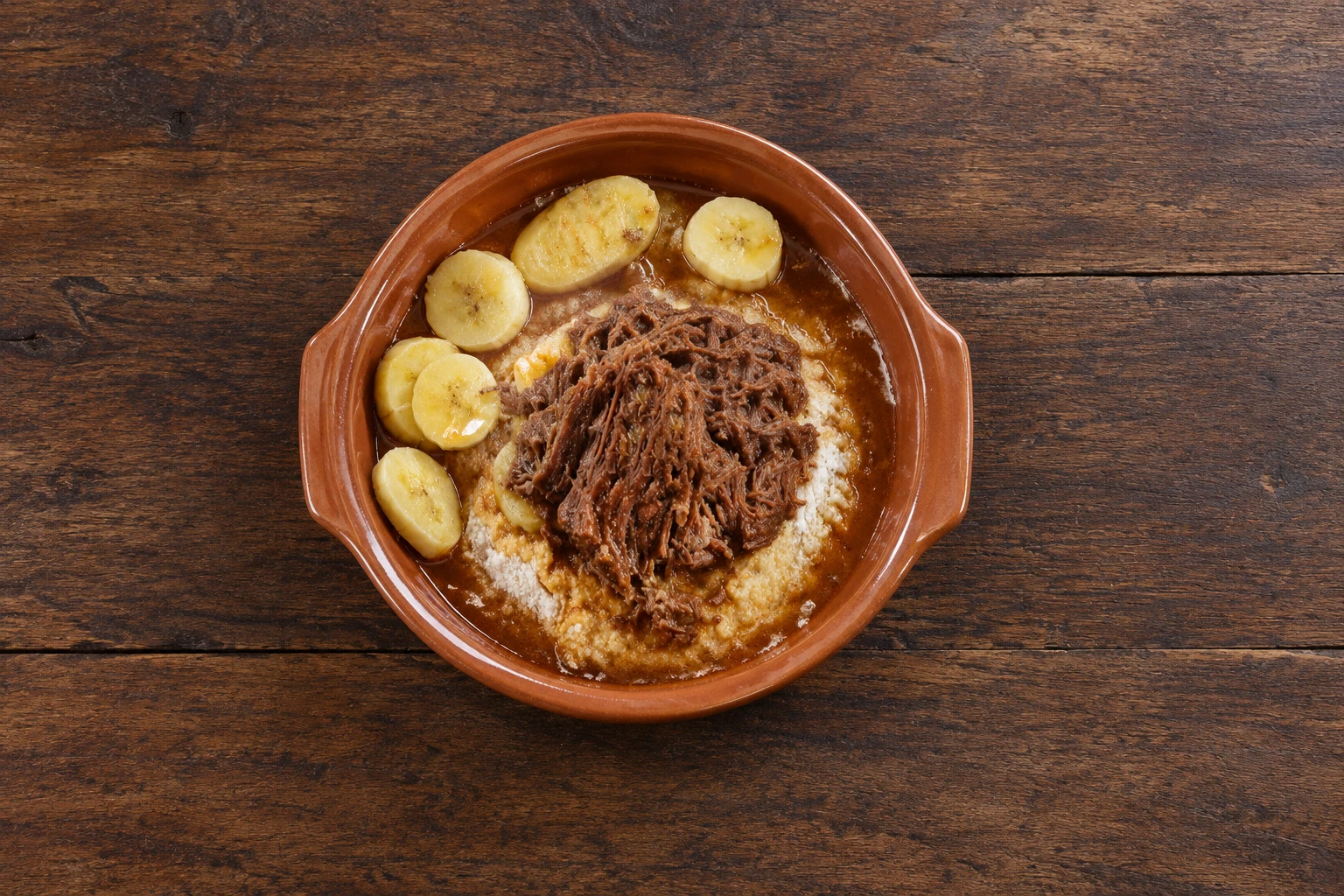
Barreado — Paraná, Brazil
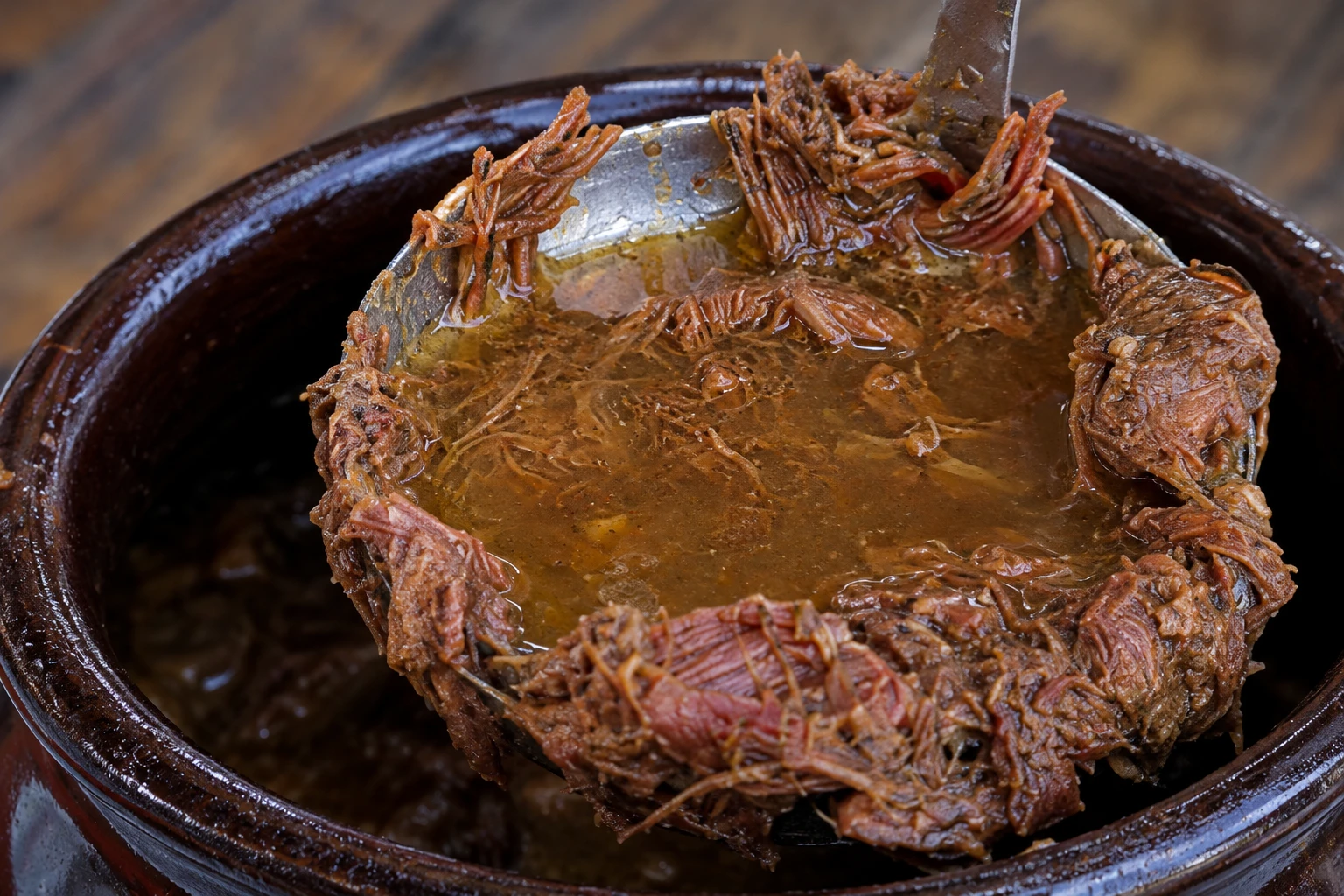
Barreado is beef cut into pieces and seasoned, cooked for many hours in a clay pot. The lid is sealed with a dough made from manioc flour and water—the act of sealing the pot, called "barrear," which gives the dish its name. This prevents steam from escaping, and the meat falls apart in its own broth.
When serving, the tradition is to put manioc flour on the plate and gradually mix in the hot broth until it becomes a pirão (thick porridge), which is eaten with the shredded meat. It is served with banana and rice.
Barreado has been made and eaten for more than 200 years on the Paraná coast. Its origin has more than one explanation: the state government refers to an Azorean heritage adapted to local ingredients; the documentation for the geographical indication also highlights the tropeirismo (troop-driving), which helped the dish become established in the region. It was food for parties, weddings, baptisms and religious festivals.
The INPI recognized the Indication of Origin Litoral do Paraná for barreado, granted to an association of restaurants from Morretes, Antonina and Paranaguá, the municipalities with which the dish is associated. It was Brazil's one-hundredth geographical indication.
Paraná
Indication of Origin Barreado do Litoral do Paraná (INPI), linked to Morretes, Antonina and Paranaguá.
Beef, bacon, onion, garlic, tomato, cumin, bay leaf and seasonings; dough of manioc flour to seal the pot. Served with manioc flour, banana and rice.
With manioc flour on the plate, moistened with the hot broth until it turns into pirão, served together with the meat, banana and rice.
All year round at coastal restaurants; traditionally, food for parties and celebrations.
Your questions
It is beef cooked for many hours in a clay pot with the lid sealed by a dough of flour. It is the typical dish of the Paraná coast.
You put manioc flour on the plate and mix it with the hot broth until it forms a pirão, which is eaten with the meat, banana and rice.
Morretes, Antonina and Paranaguá, on the Paraná coast, are the municipalities covered by the indication of origin for barreado.
Flavors of Brazil
Hot tucupi broth with manioc masa, jambu and dried shrimp, served in a cuia. In Belém it is sold by tacacazeiras at street stalls in the late afternoon, and their craft is recognized as cultural heritage.
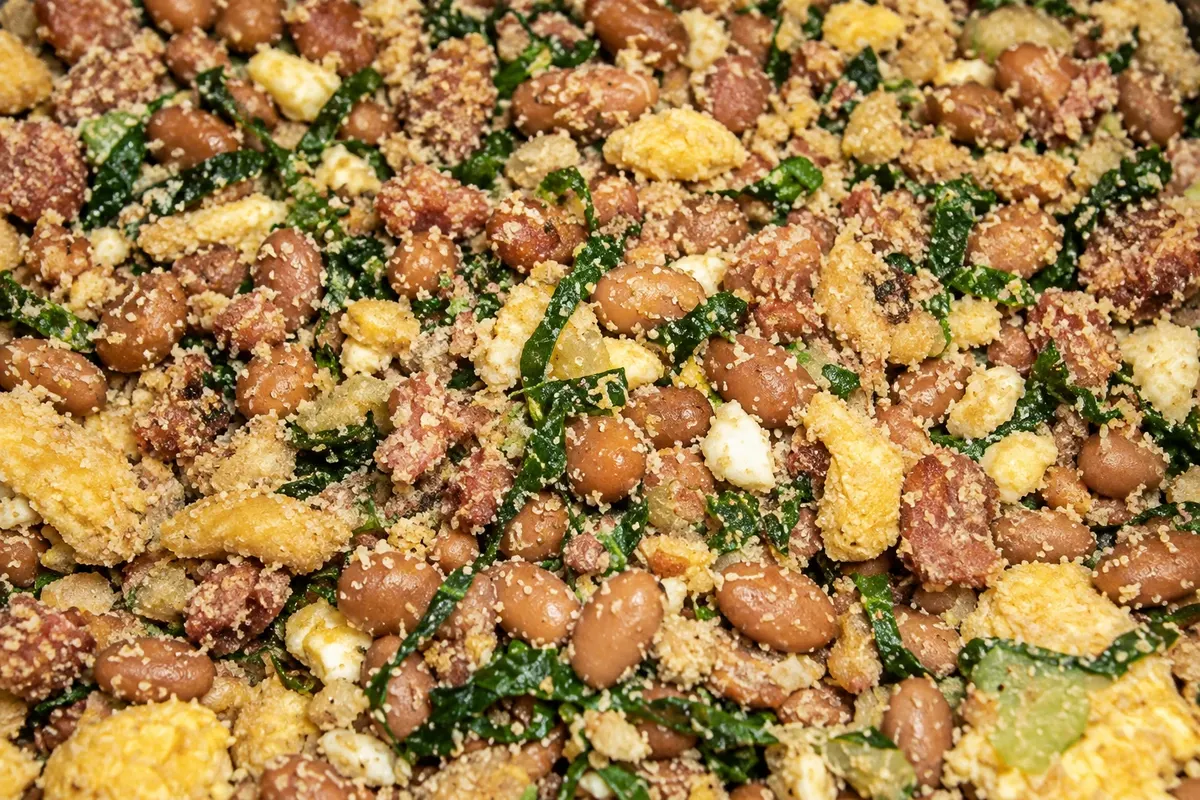
Beans mixed with cassava flour, pork crackling, sausage, egg and collard greens. Inherited from the tropeiros who crossed Minas Gerais, it is the dish that best represents the cuisine of Belo Horizonte, according to a study by the city's tourism observatory.
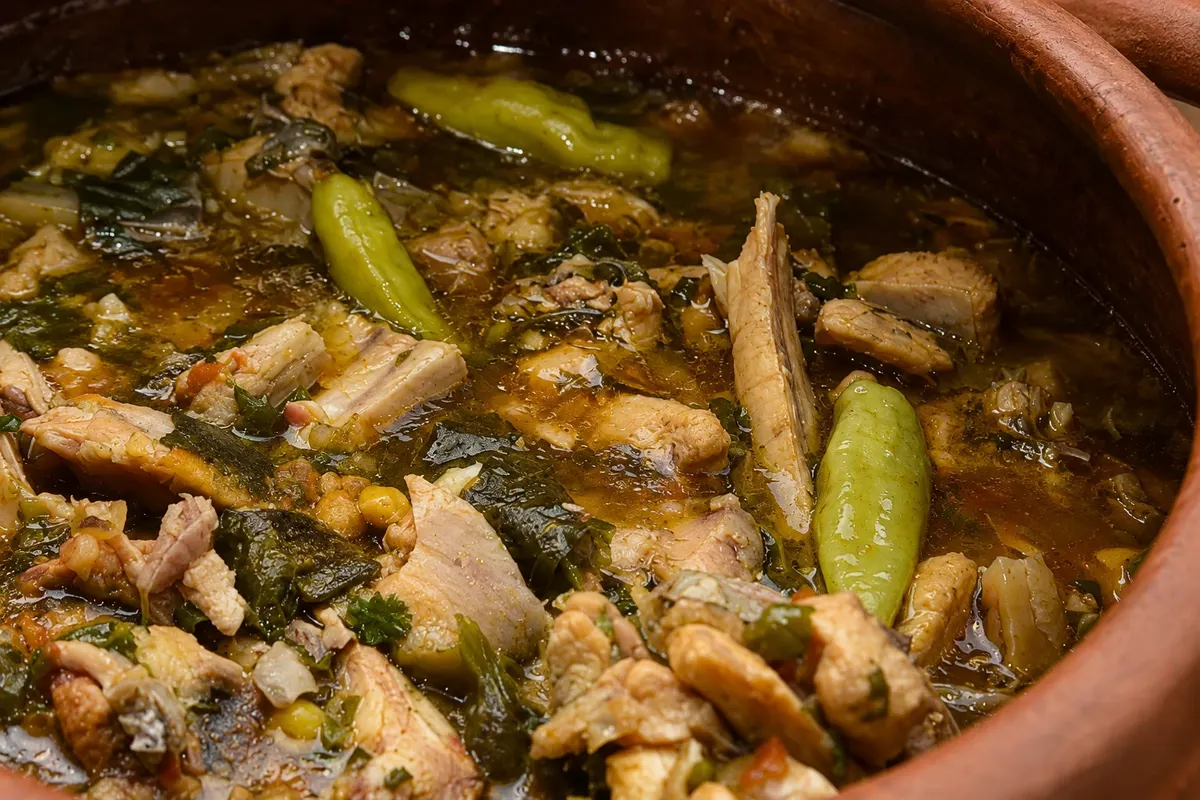
A strong, very spicy broth of fish or game meat with tucupi, of indigenous origin, traditionally made in a clay pot. It is considered sacred by the Macuxi, Wapichana and Taurepang peoples and is a cultural heritage of Boa Vista.
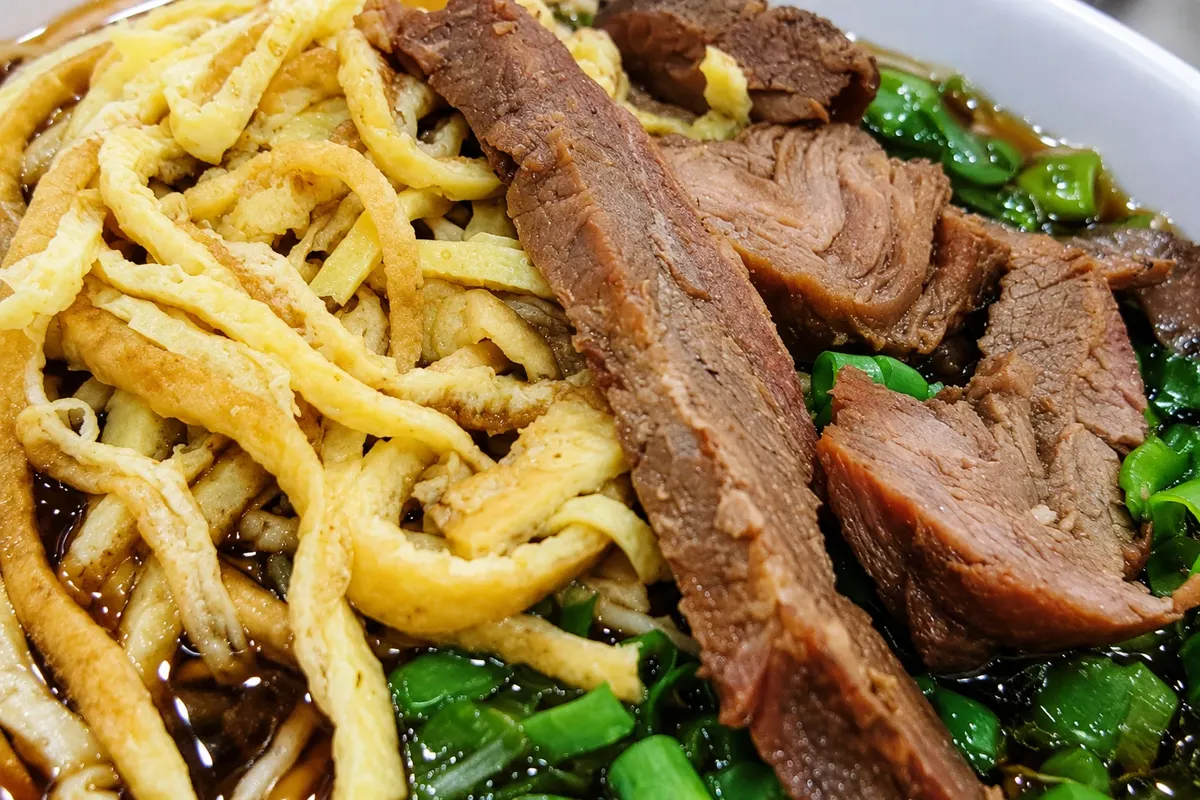
Broth with wheat noodles, sliced meat, omelet and scallions, adapted from the Okinawa recipe by immigrants who arrived in Campo Grande in the early 20th century. It is a typical dish of the city and the subject of an annual festival at the Feira Central.
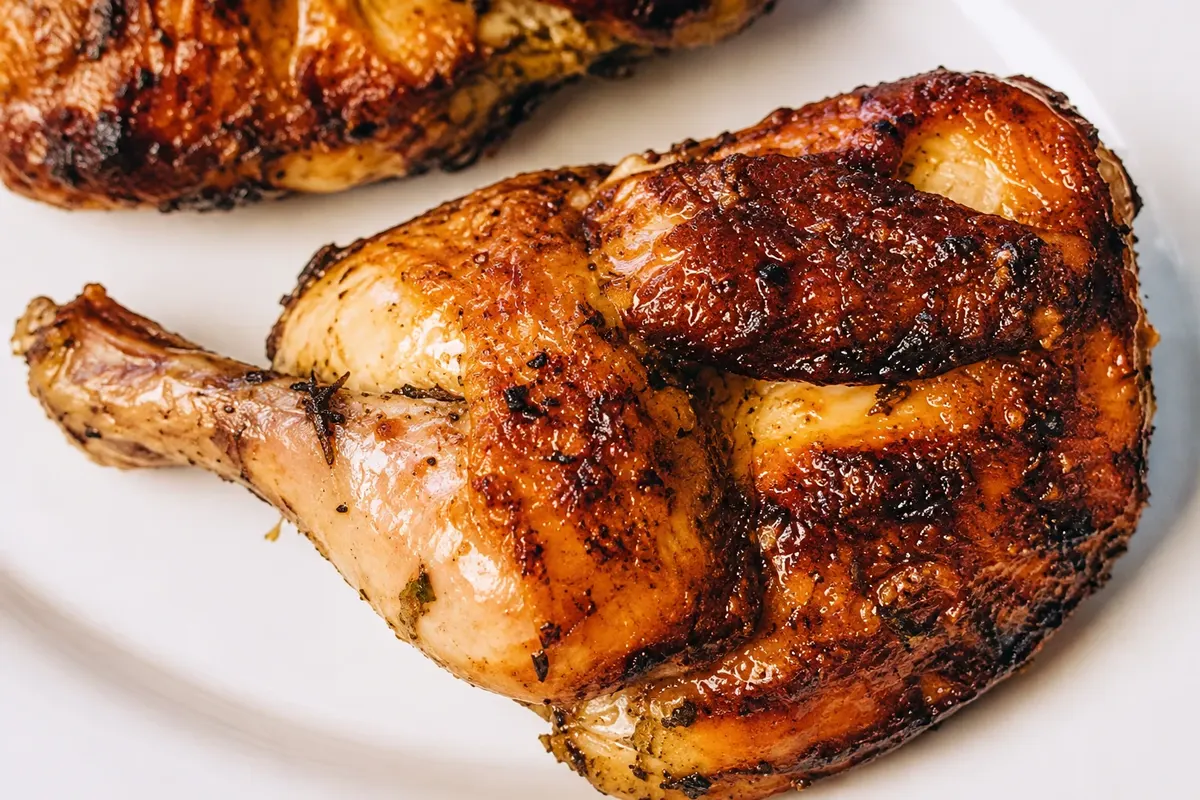
Young chicken marinated with wine and sage and roasted over coals, served in sequence with agnolini soup, polenta and radicci. A tradition of the galeterias of Caxias do Sul in the Serra Gaúcha, related to Italian immigration.
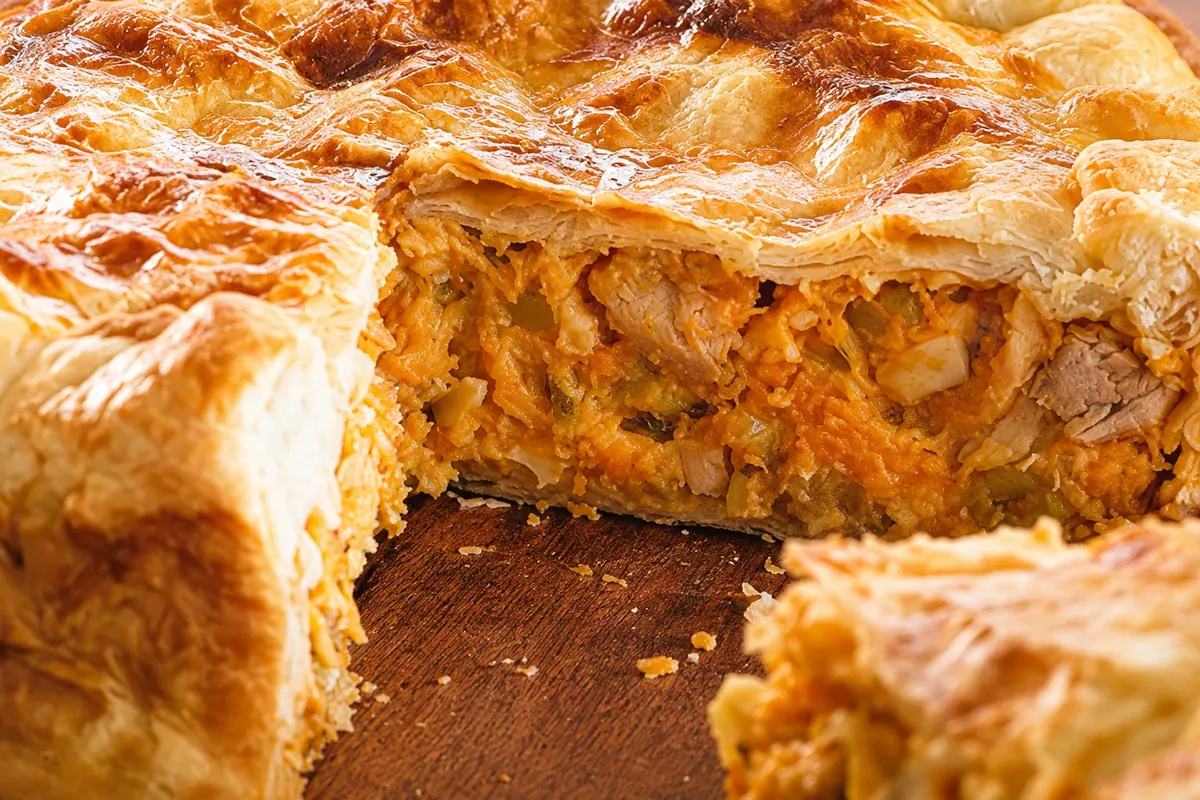
Tall pie with thin crust and a generous filling of chicken, sausage, pork, olive, palm heart, cheese and egg, sometimes with guariroba or pequi. According to tradition, it originated in Cidade de Goiás, the former Vila Boa.
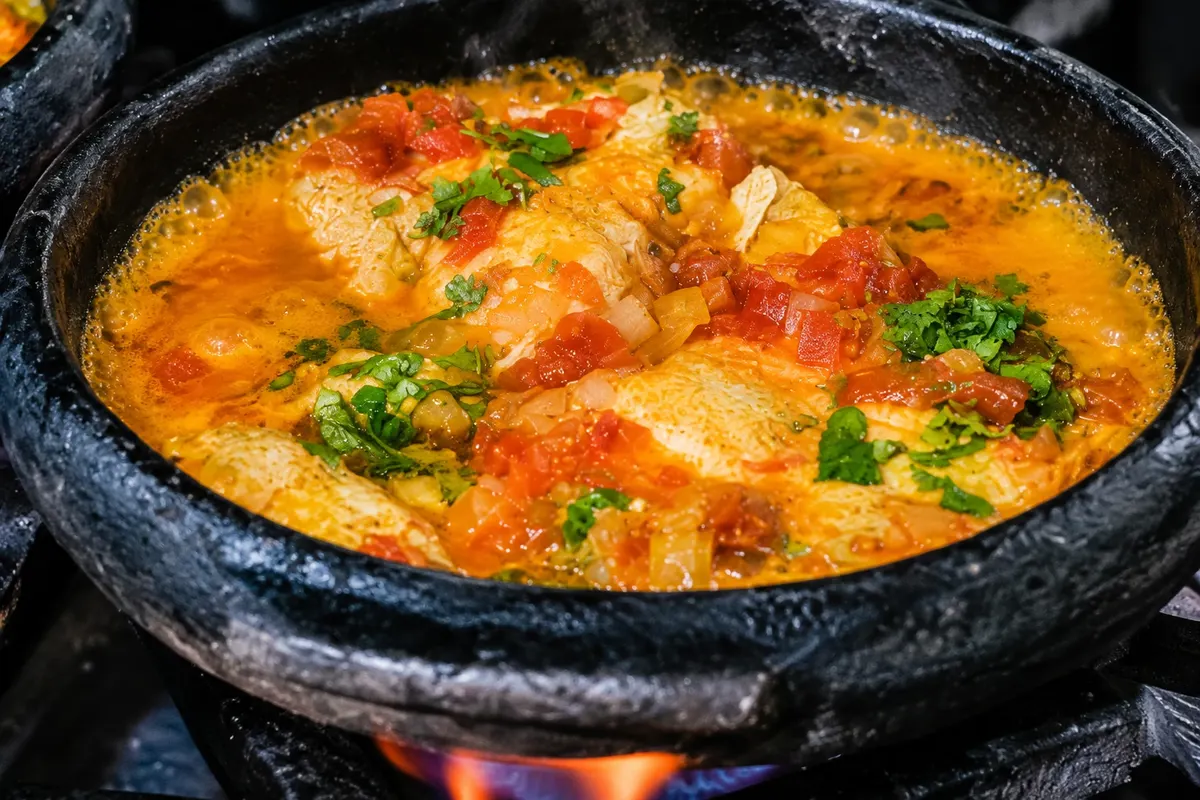
Fish cooked with tomato, onion, cilantro and urucum in a clay pot, without dendê oil or coconut milk. A state law established it as a typical dish of Espírito Santo, and the pot used in the preparation is made by the paneleiras of Goiabeiras, a craft registered by IPHAN.
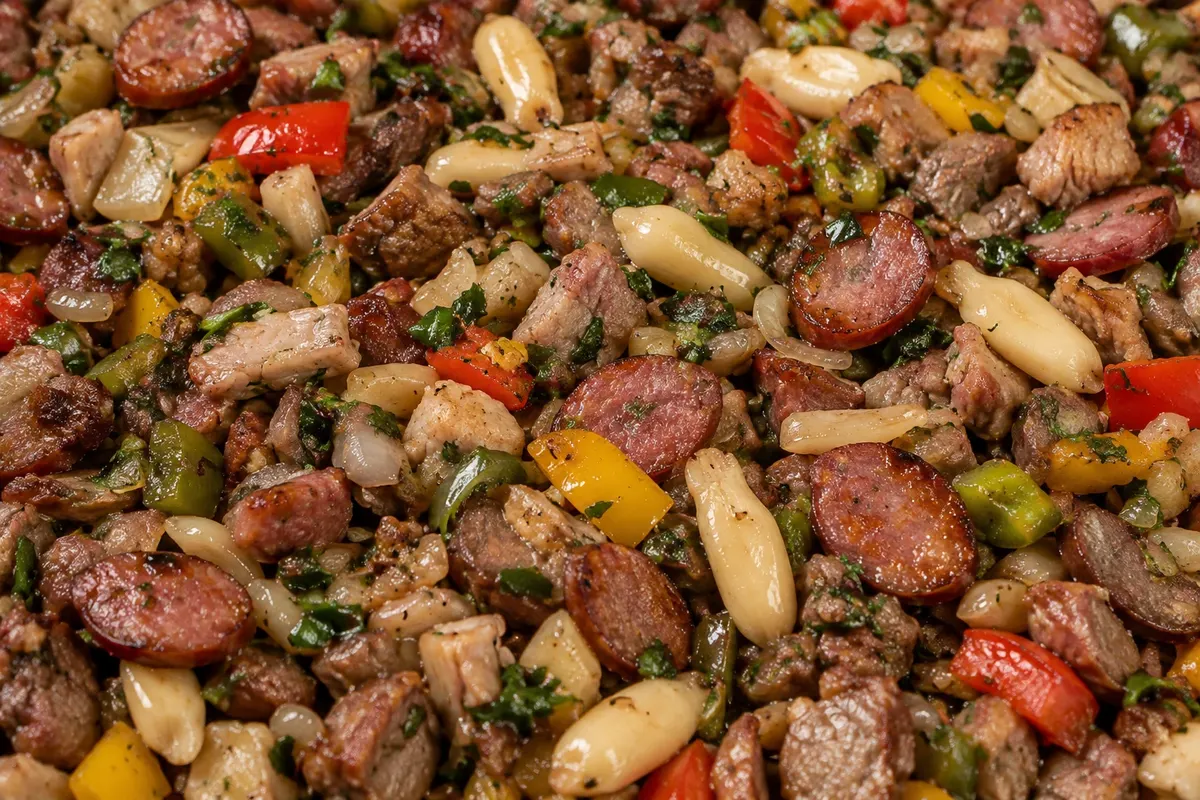
Stew of various meats with cooked pinhão and vegetables, made in an iron pot or on a plow disc. A dish from the Serra Catarinense and the Festa Nacional do Pinhão in Lages, it was declared a cultural heritage of Santa Catarina.
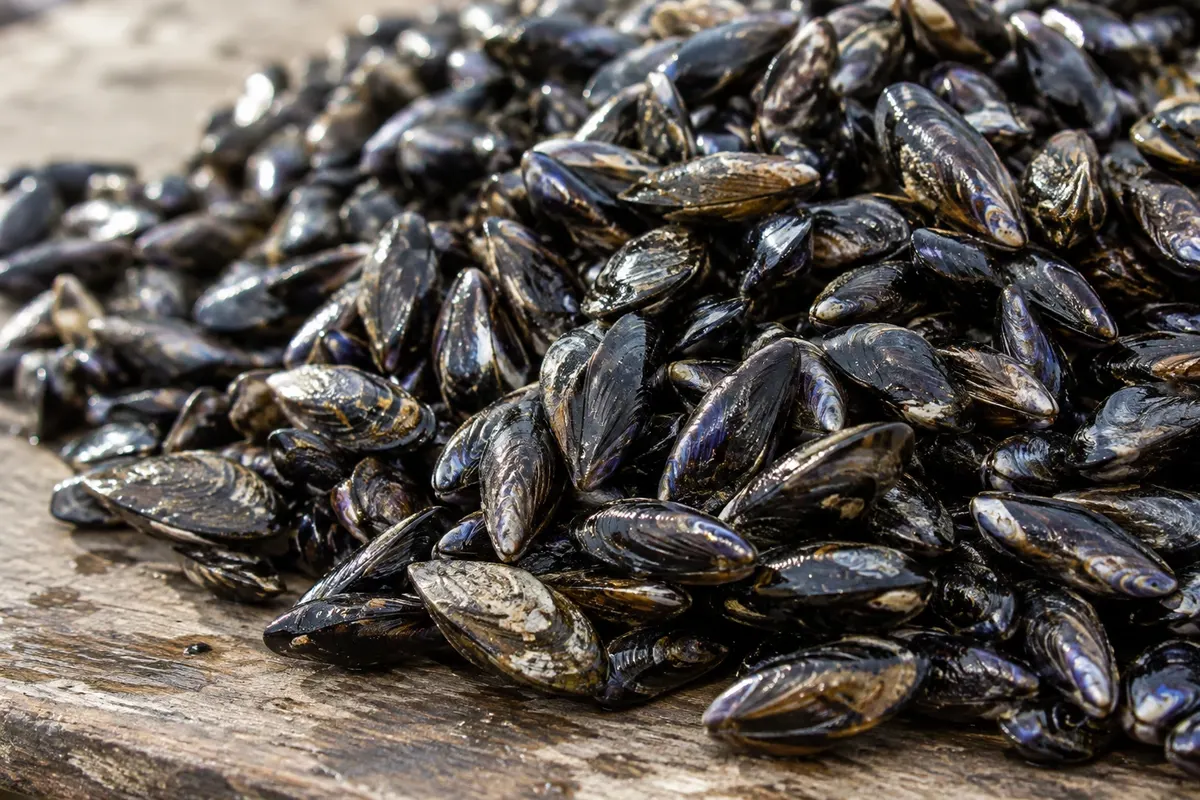
Sururu, a small mollusk from Lagoa Mundaú, cooked still in its shell with coconut milk, tomato, bell pepper and cilantro. It is the most typical way to serve sururu in Maceió; the sururu itself was declared intangible heritage of Alagoas.
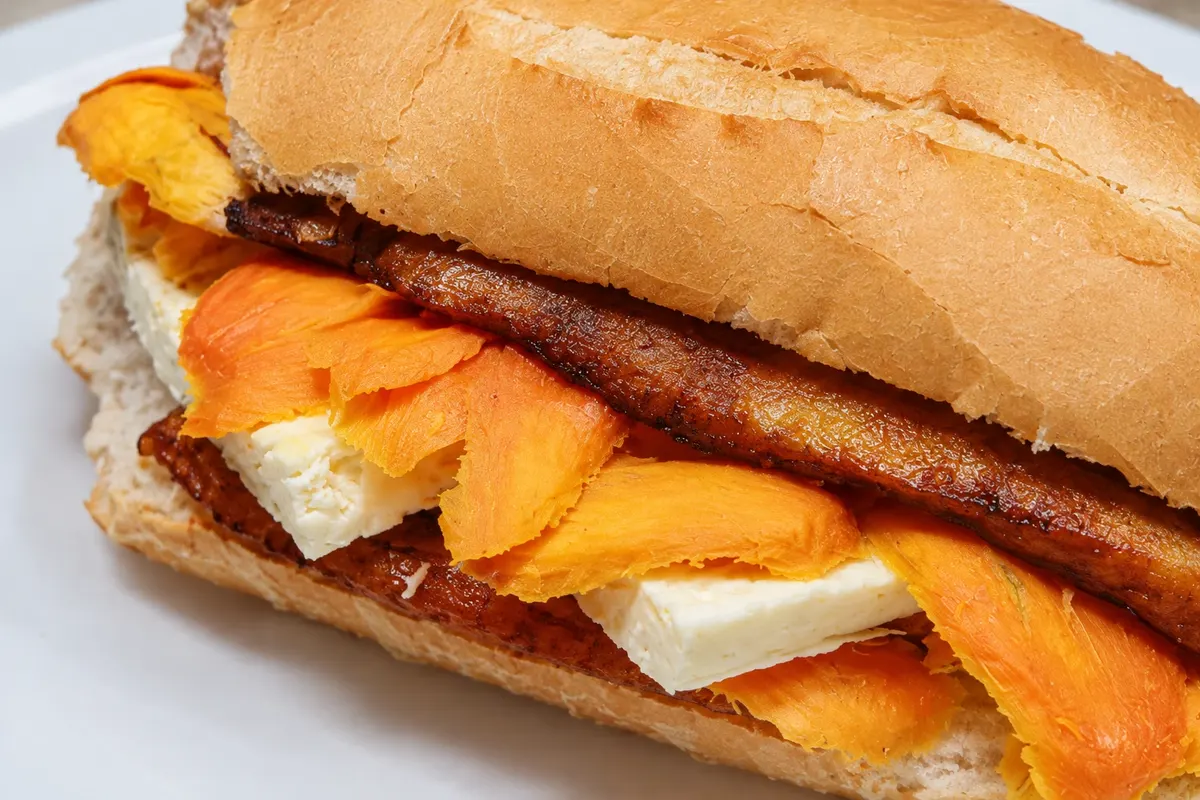
French-roll sandwich with slices of tucumã, queijo coalho and fried pacovã banana. A typical Manaus breakfast, it was declared an intangible cultural heritage of the city by municipal law.
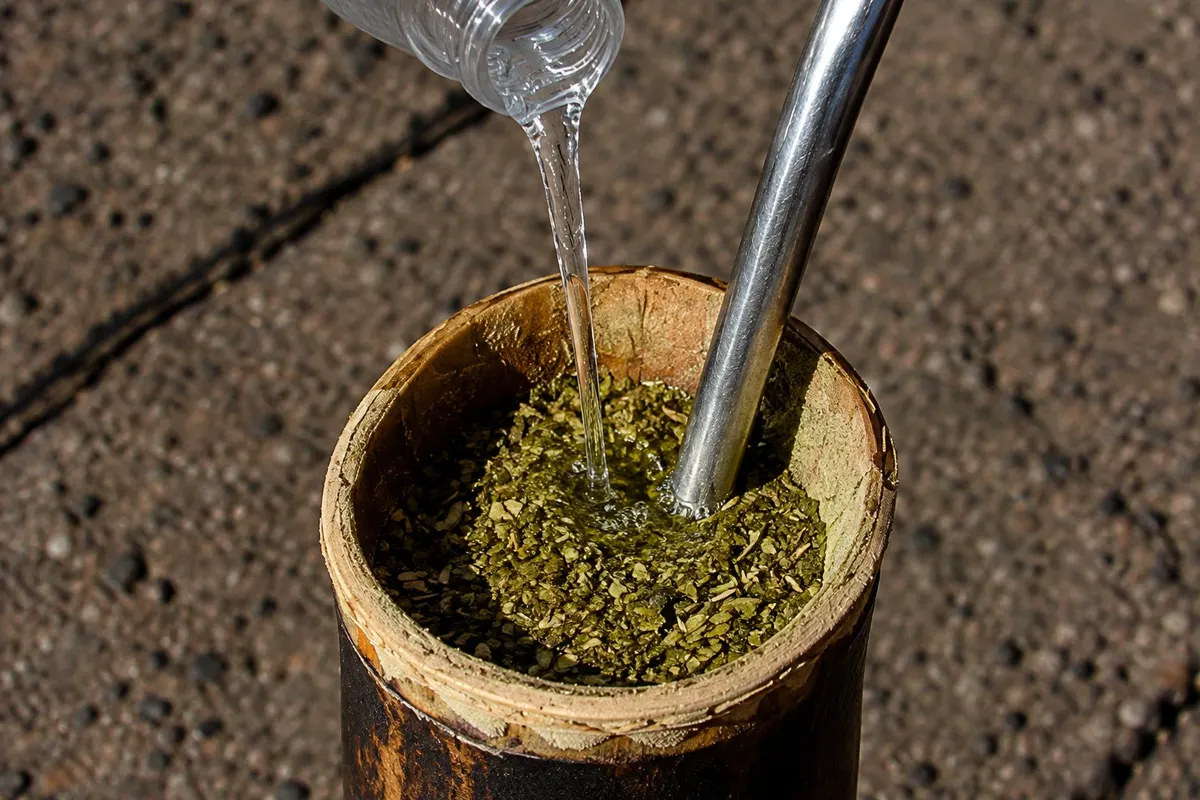
Yerba-mate infused with cold water, drunk from the guampa with a metal straw and passed hand to hand in a circle. A Guarani heritage shared with Paraguay, it is an everyday drink in Mato Grosso do Sul and a cultural heritage of the state.
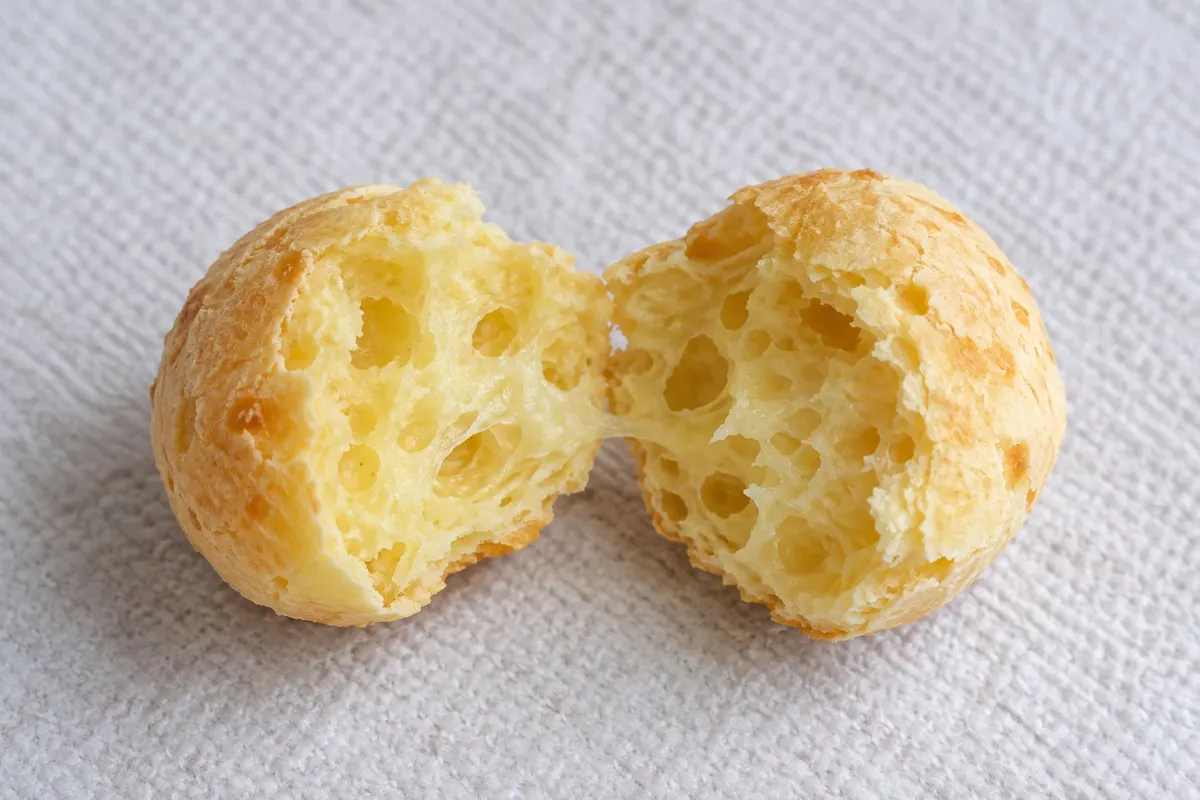
Small baked polvilho roll, cured cheese, eggs, milk and fat, crunchy on the outside and elastic on the inside. A snack tied to the tradition of Minas Gerais farms, it is a symbol of Minas Gerais cuisine and is offered to guests with coffee.
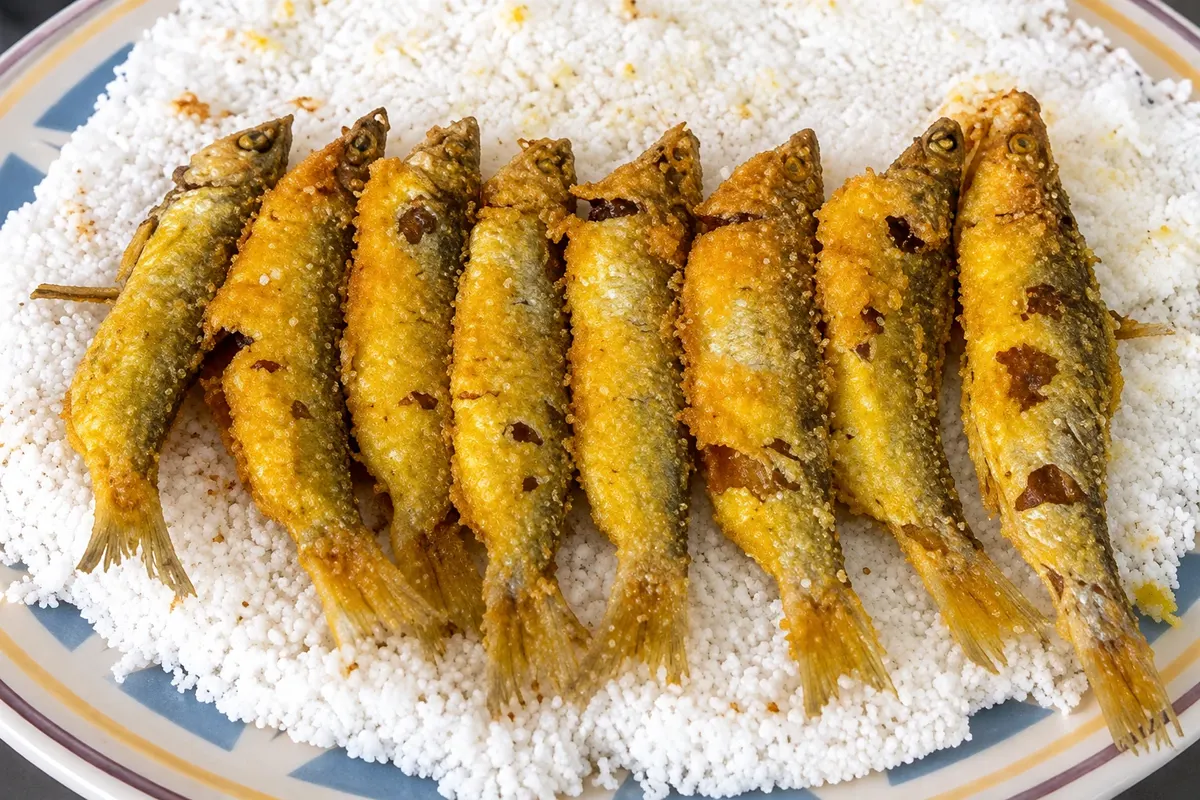
Fried little fish, the gingas, served on tapioca with coconut. Signature dish of Redinha beach in Natal, created by fishermen more than half a century ago and recognized as intangible heritage of the municipality and the state.
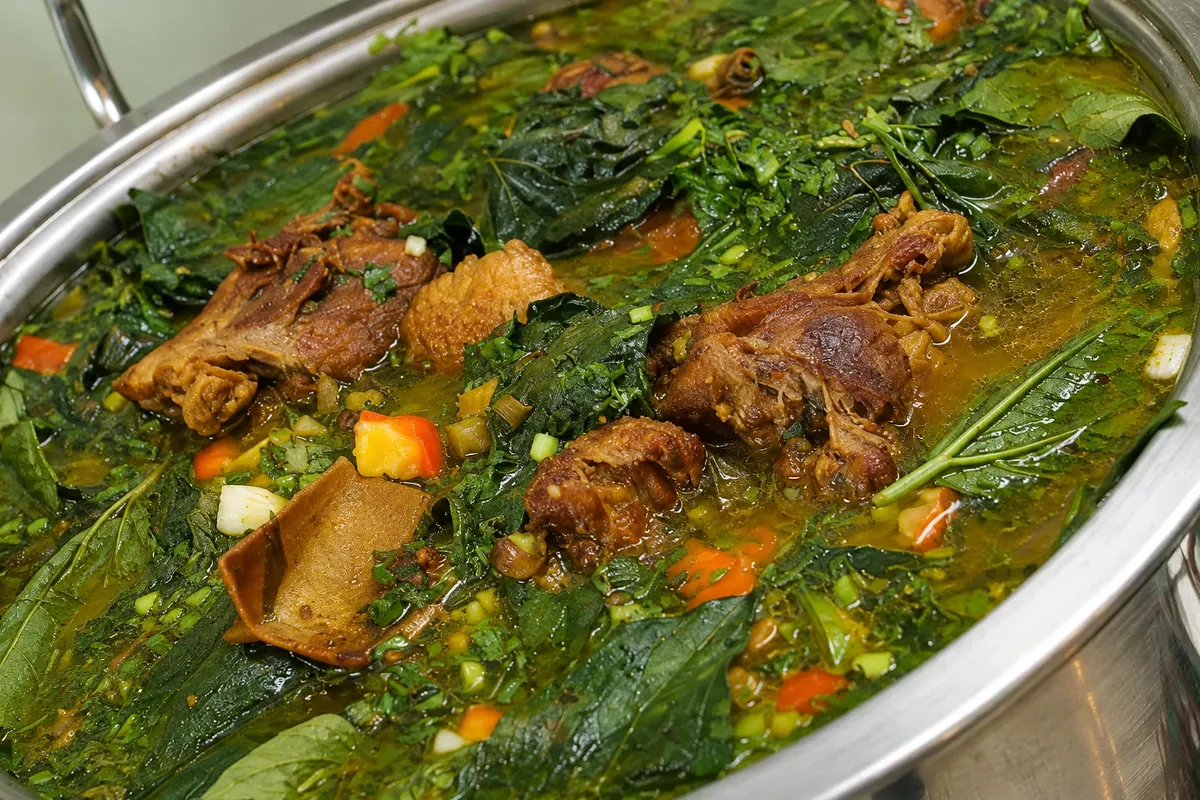
Roast duck then cooked in tucupi with jambu leaves, served with rice and manioc flour. Star of the Círio de Nazaré lunch in October, it is intangible cultural heritage of Pará.

Sugarcane spirit produced in the stills of Paraty, on the southern coast of Rio de Janeiro, where the drink has been made since the colonial period. It was the first cachaça with a geographical indication in the country and later the first Brazilian distilled spirit with a Denomination of Origin.
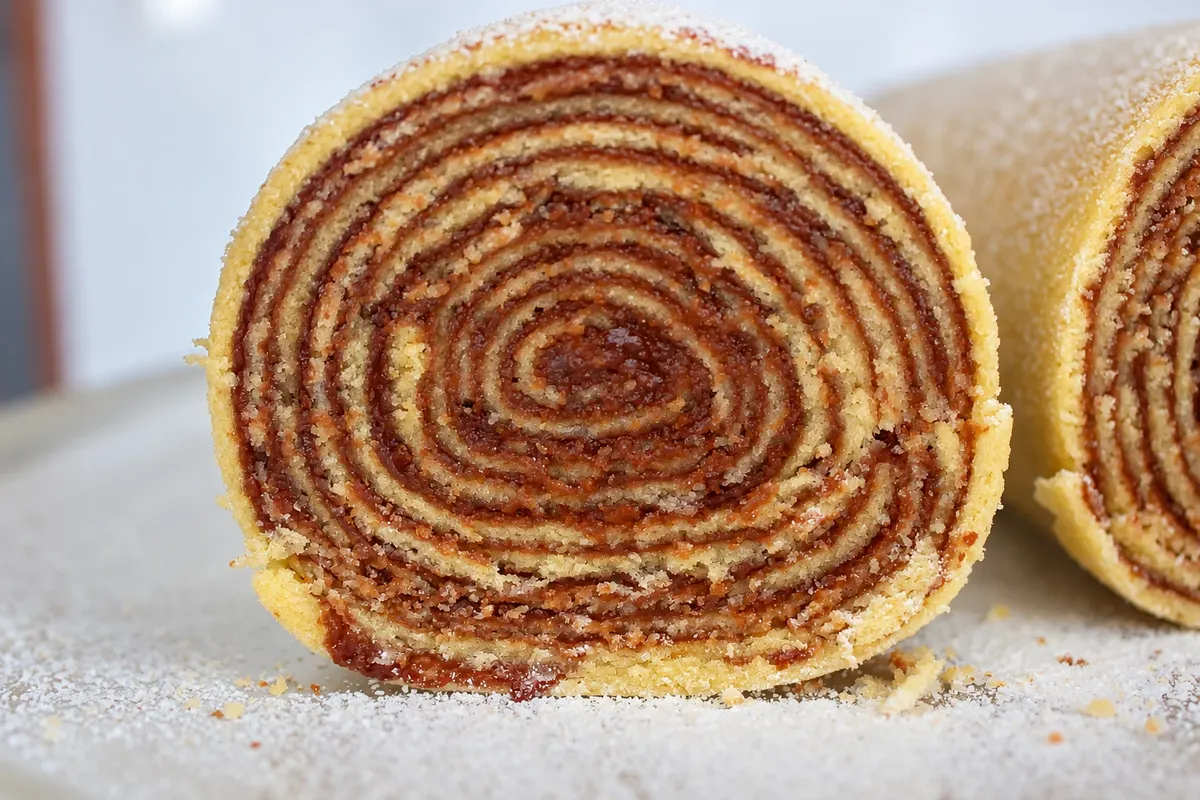
Butter-based cake with an ultra-thin batter, rolled in many layers with guava paste. A Pernambuco adaptation of a Portuguese cake, it is recognized by state law as cultural and intangible heritage of Pernambuco.

Non-alcoholic drink made from clarified cashew juice cooked until it takes on an amber color, bottled and served chilled. The traditional production and practices linked to cajuína in Piauí are Cultural Heritage of Brazil, registered by IPHAN.
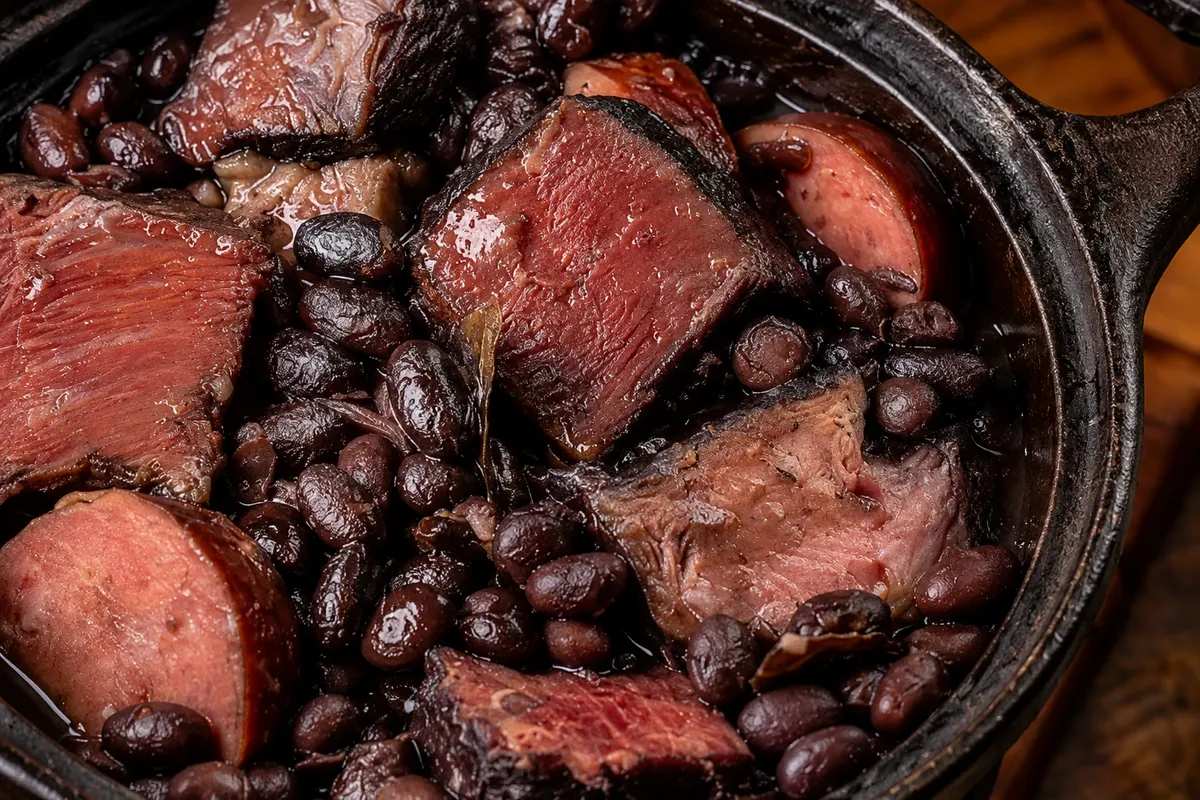
Black beans cooked with salted or smoked beef and pork, served with rice, couve, farofa and orange. In Rio de Janeiro, it is the Saturday dish at botequins and at samba school quadras, and the feijoada carioca is an intangible heritage of the state.
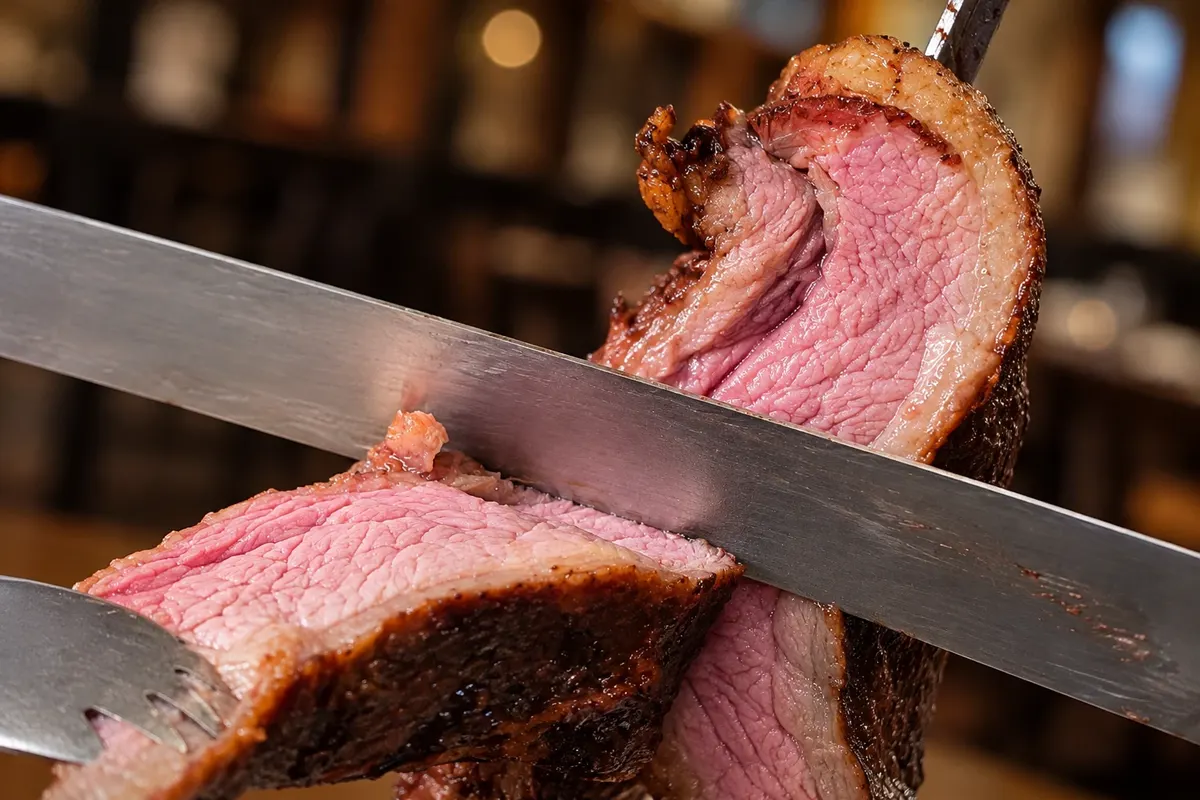
Meat seasoned only with coarse salt and roasted on a skewer or grill over embers, with manual control of the fire. A 2003 state law established churrasco à gaúcha as a typical dish of Rio Grande do Sul and created Barbecue Day on April 24.
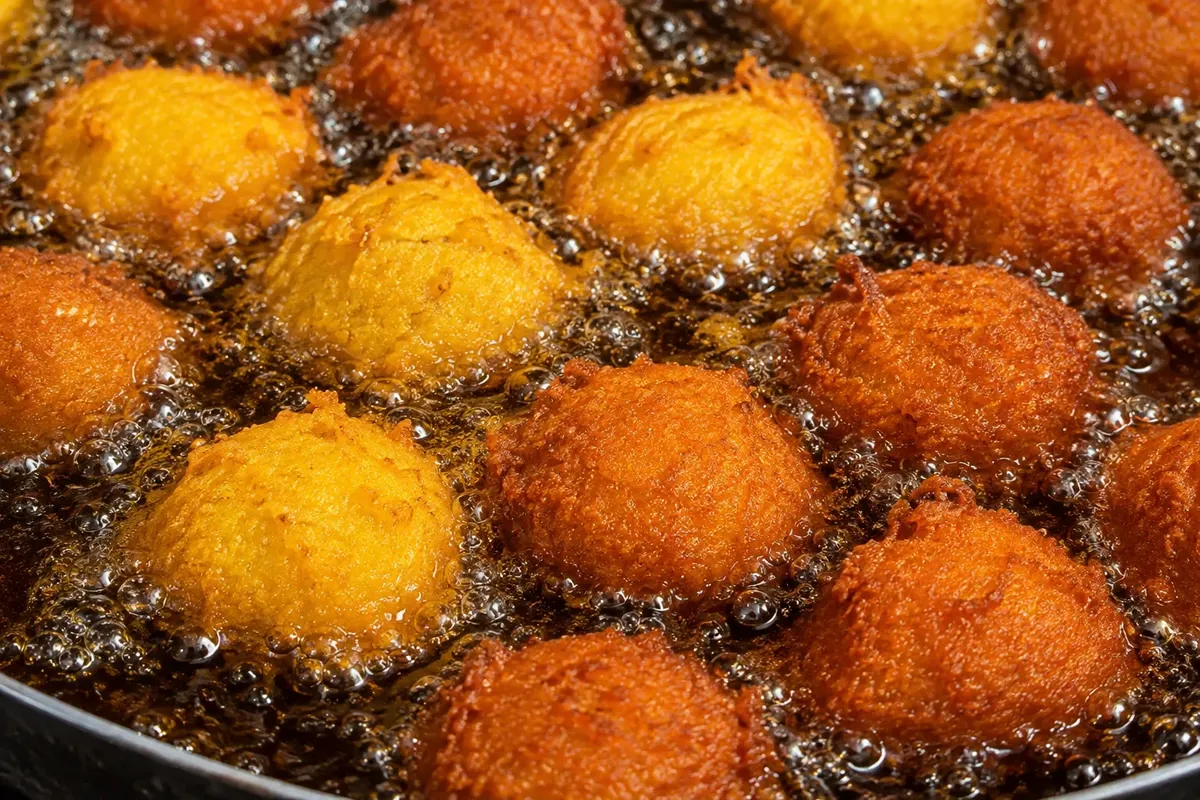
Little fritter made from ground cowpea (feijão-fradinho), fried in dendê oil and filled with vatapá, caruru, dried shrimp and chili. Sold from the baianas’ trays, it is a cultural heritage of Salvador, and the craft of the baianas de acarajé is registered by IPHAN.
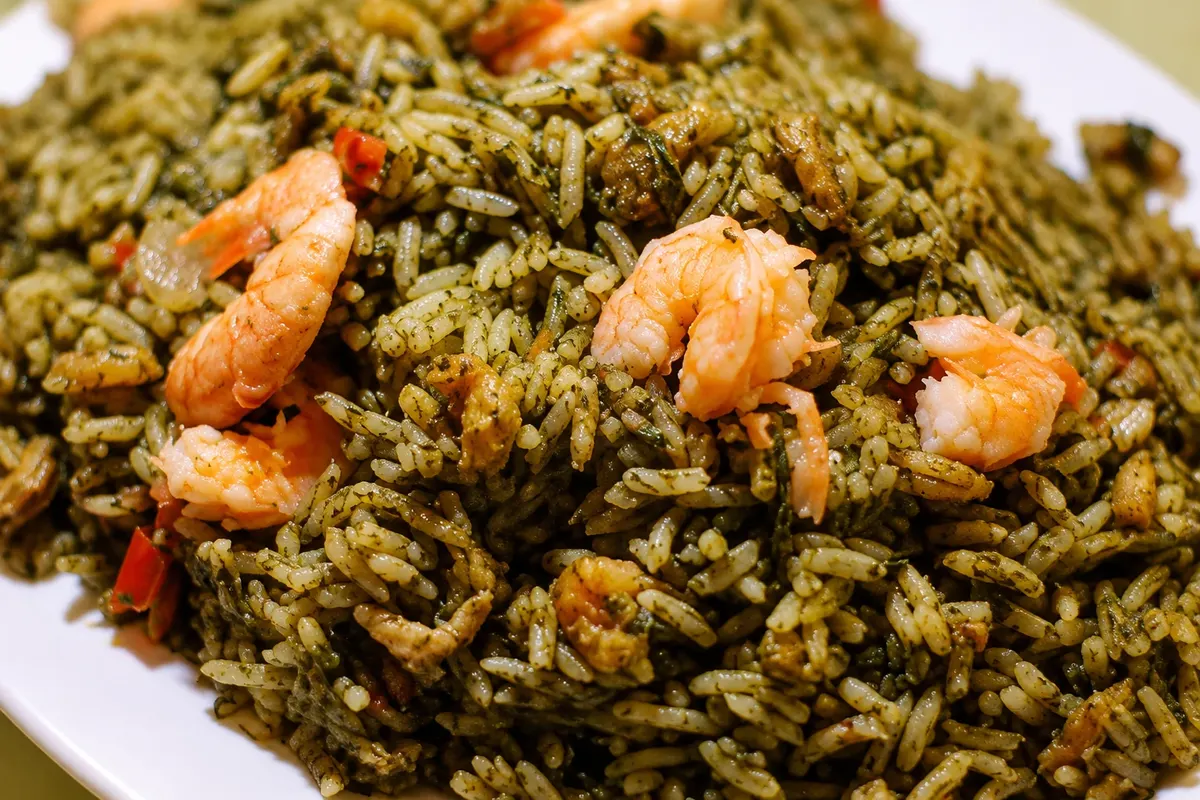
Rice mixed with cuxá, a sauté of vinagreira leaves with toasted sesame, dried shrimp and flour. A signature dish of Maranhão, it was already sold in the streets of São Luís in the 19th century.
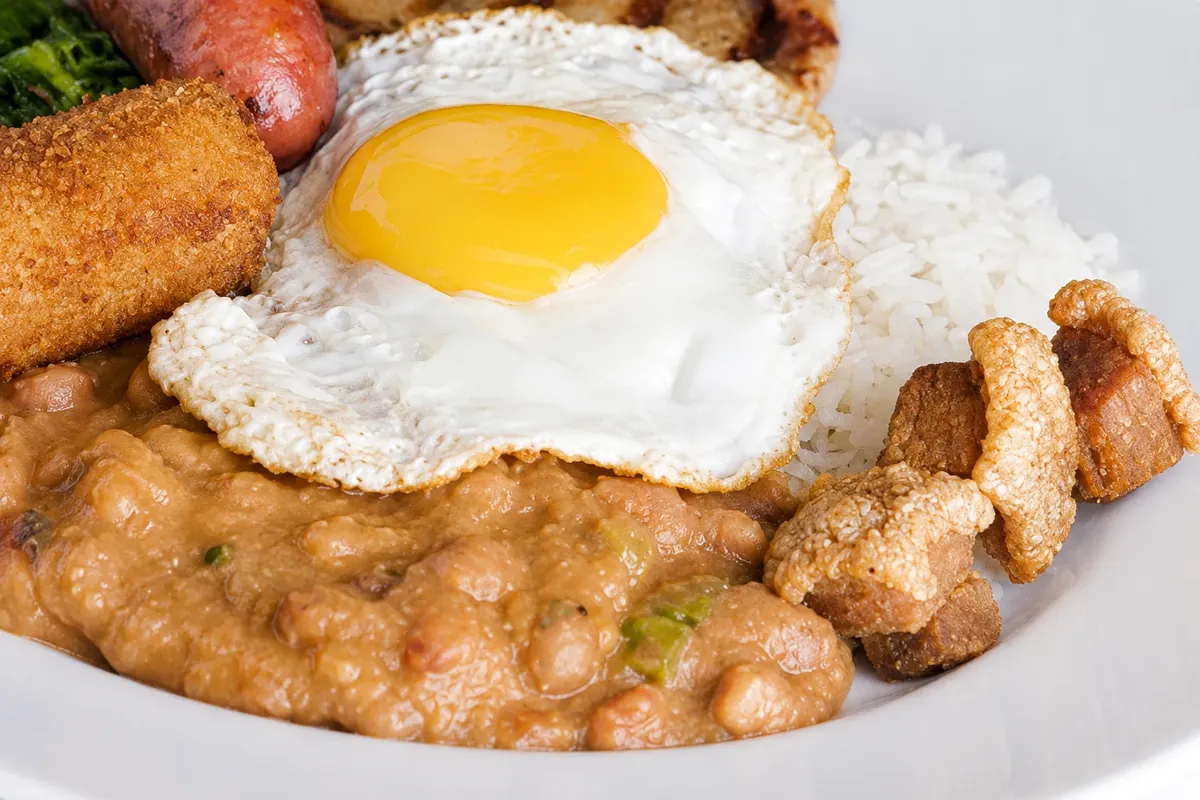
Bean thickened with flour, served with rice, pork chop, pork crackling, collard greens, fried egg, sausage and breaded banana. Monday dish in São Paulo restaurants, it is registered as intangible heritage of the state by Condephaat.
Brazil