



Galeto al primo canto
Young chicken marinated with wine and sage and roasted over coals, served in sequence with agnolini soup, polenta and radicci. A tradition of the galeterias of Caxias do Sul in the Serra Gaúcha, related to Italian immigration.
Food and drink · Caxias do Sul
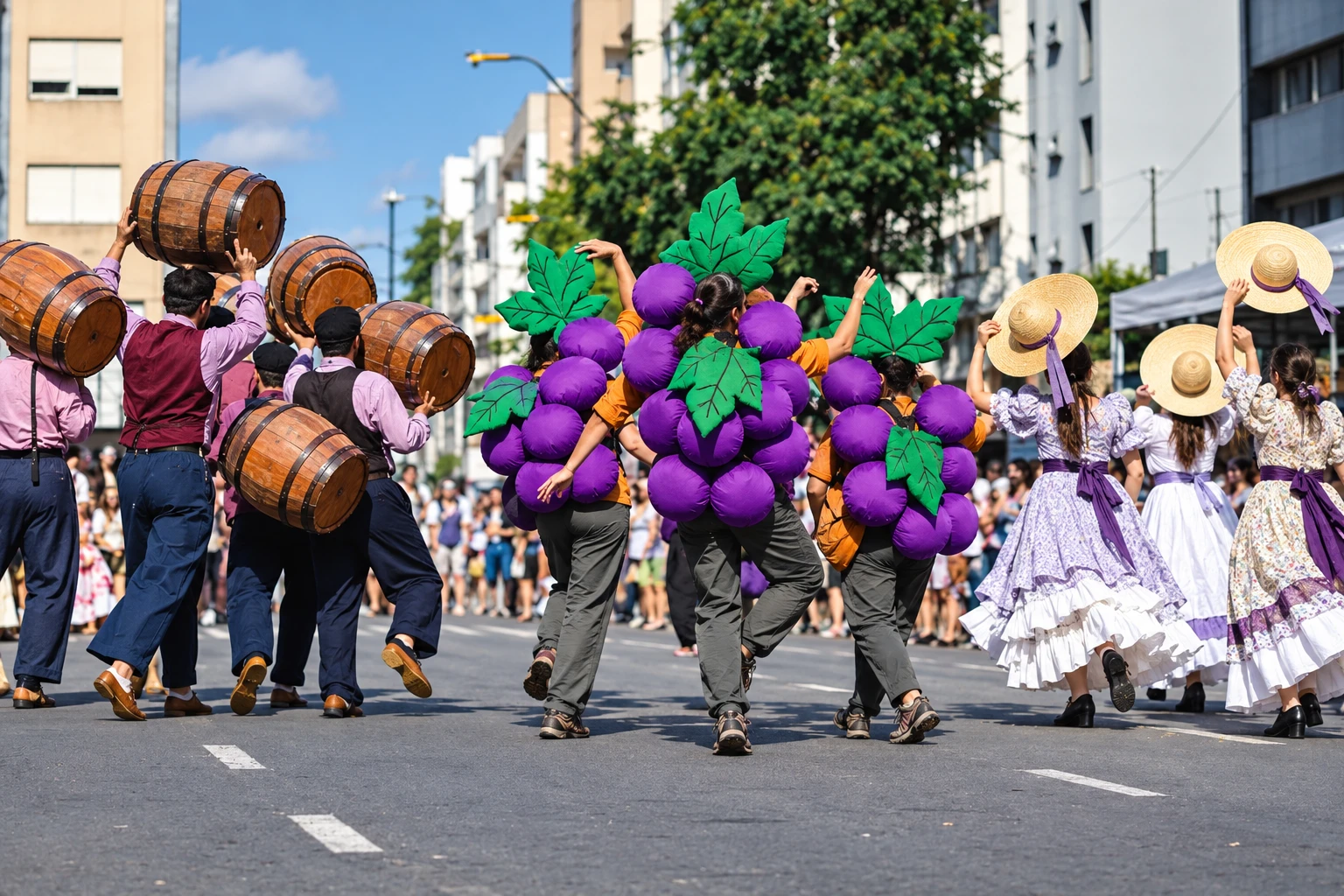
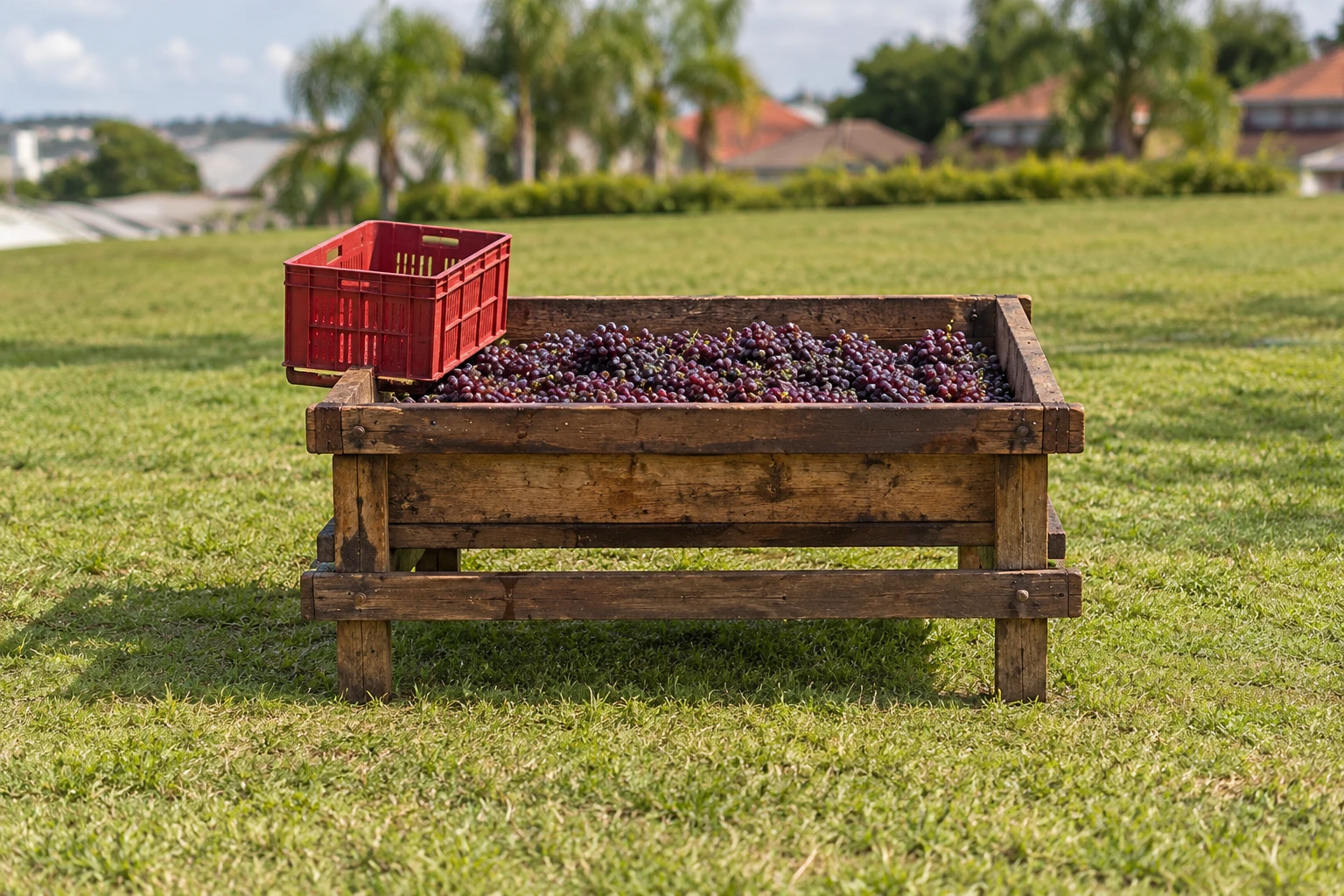
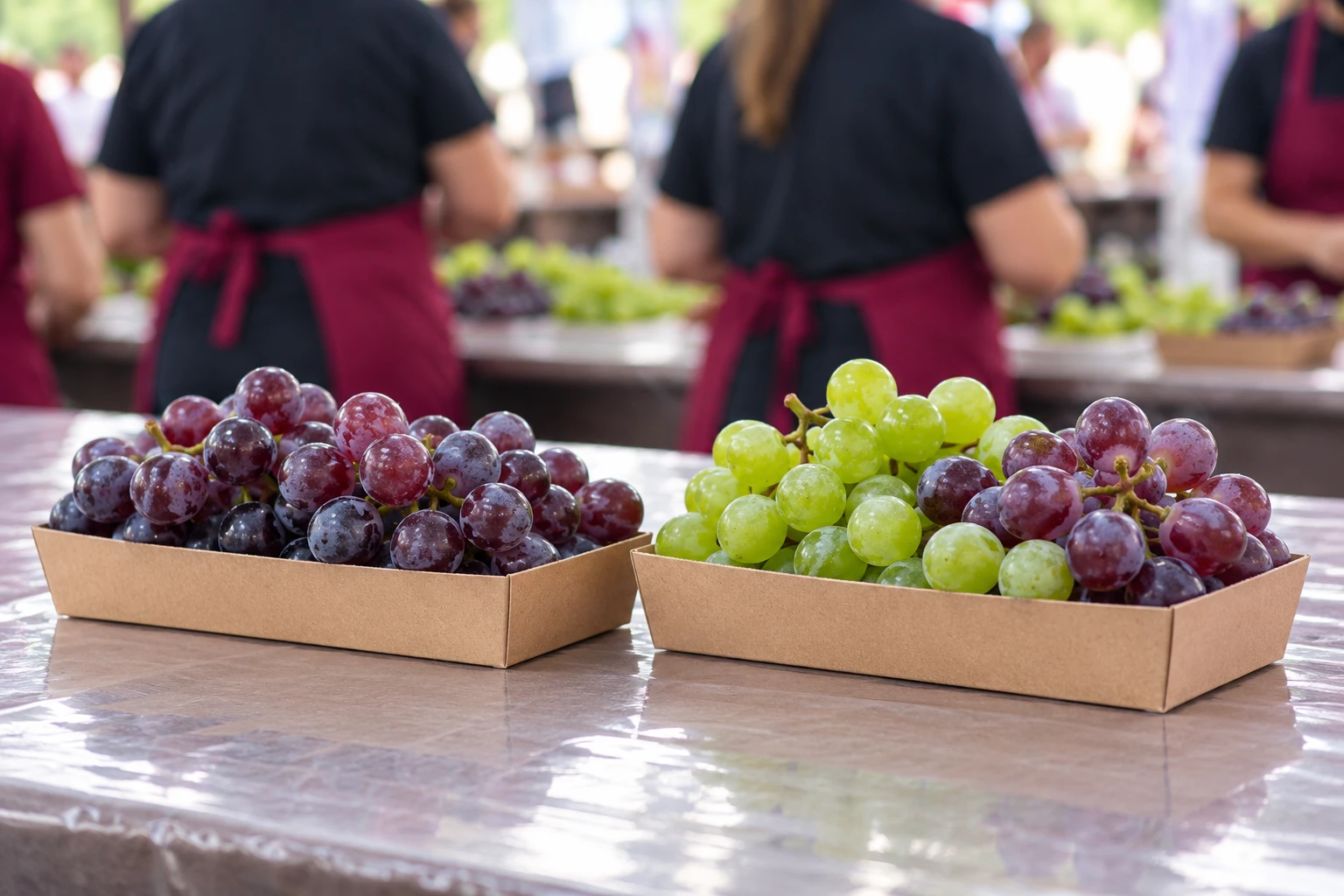
The grape harvest and Italian immigration festival in Caxias do Sul, in the Serra Gaúcha, featuring a parade of floats in the city center, grapes served in the park, colonial food and Italo-Gaucho culture.
In the photo: Caxias do Sul
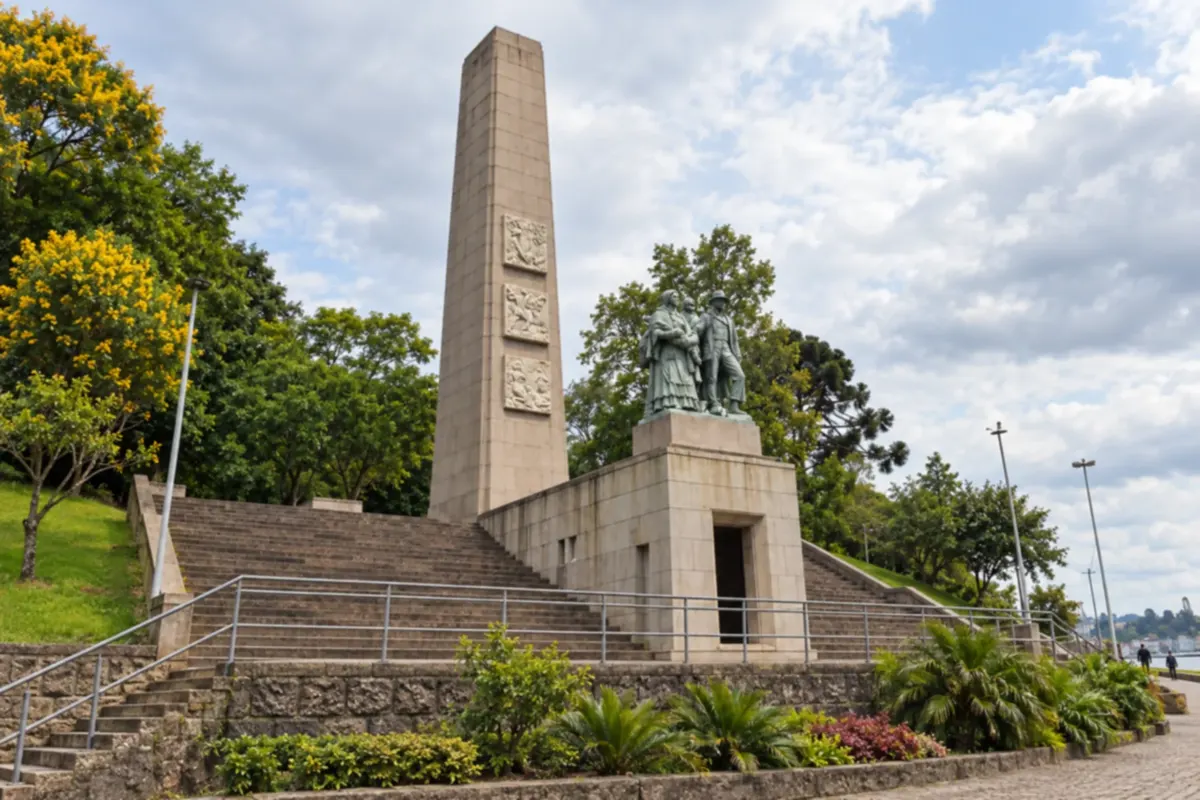
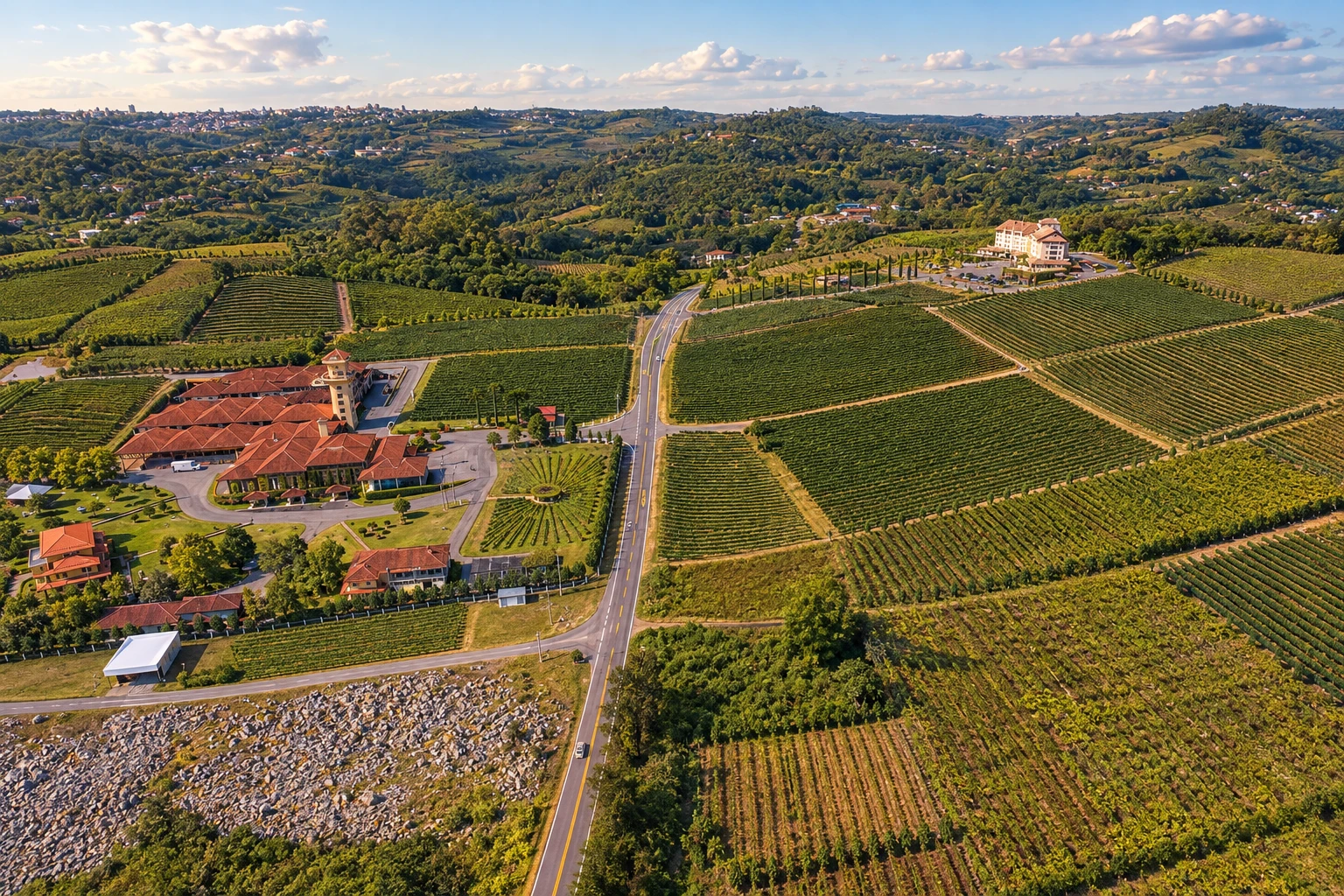
Illustrative images. The pictures in this guide are illustrations based on the real place, not photographs, and may differ from it.
Click a photo to enlarge it.
National Grape Festival — Caxias do Sul
Every two years, in even-numbered years, between mid-February and early March, during the grape harvest.
February/March · every two years
Dates change every year: check this year's date before you travel.
The festival
The National Grape Festival celebrates the harvest and the Italian immigrants who arrived in the Serra Gaúcha from 1875 and made grapes and wine the backbone of the region’s economy. It began as a grape exhibition in 1931 in Caxias do Sul and became one of the oldest festivals in Brazil. It is held every two years, in even-numbered years, at the end of summer, when the vineyards are in full harvest.
The heart of the festival is the Event Park, with exhibition pavilions for grapes, wines, juices and colonial products, an agro-industrial fair, music stages and the Replica of Caxias do Sul 1885, a group of houses, a chapel and a bandstand that reproduces the village from the early years of immigration. During the festival, grapes are distributed to the public, and the cantinas and families from the countryside show the work of the harvest.
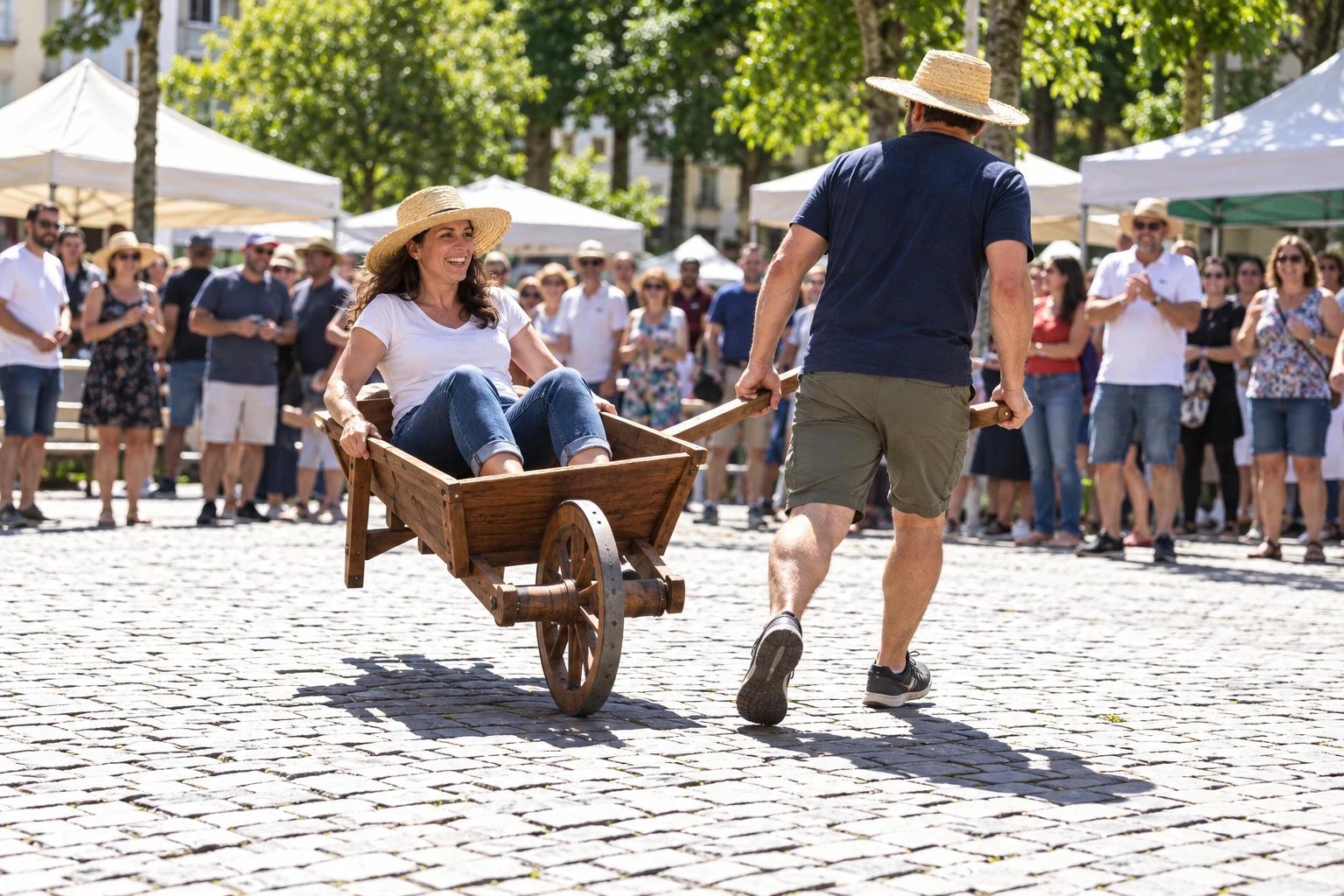
The highlight is the scenic parade, which runs through the streets of the city center on different days. Floats, artistic groups and residents from the districts tell the story of immigration, farm work and community life, and the festival queen and princesses, chosen from among the young women of the city, ride atop the floats. The rural districts also take part with the Colonial Games, competitions inspired by everyday rural life.
The Grape Festival is a good way to get to know the Italo-Gaucho culture of the Serra: the Venetian dialect still heard in families, polenta, galeto and table wine, folk singing and the religiosity of the countryside chapels. Since the festival takes place during the harvest, it is also a good time to visit local wineries and cantinas.
The scenic parade in downtown Caxias do Sul at night. The grape and wine pavilions at the Event Park and the Replica of Caxias do Sul 1885. A colonial meal with polenta, galeto and table wine. A visit to a countryside cantina during the harvest.
Buy parade tickets in advance; the parade is repeated on different dates during the festival. Set aside one day for the Event Park and another for the countryside, where most cantinas and wineries are located. Even in mid-summer, nights in the highlands get cool: bring a light jacket. If you are in Bento Gonçalves, Garibaldi or Gramado, you can reach Caxias do Sul by car in a short time.
Table grapes, juices and wines from the Serra; fried and brustolada polenta, galeto al primo canto, capeletti soup, salami, cheese and colonial cuca.
Caxias do Sul receives many visitors during the festival weeks. Book accommodation early and check the official website for parade dates, which change each edition.
In the city
Flavors of Brazil
February/March
February/MarchFrom Saturday to Carnival Tuesday, beginning with the departure of the Homem da Meia-Noite at midnight between Saturday and Sunday; Carnival falls in February or March, depending on Easter.
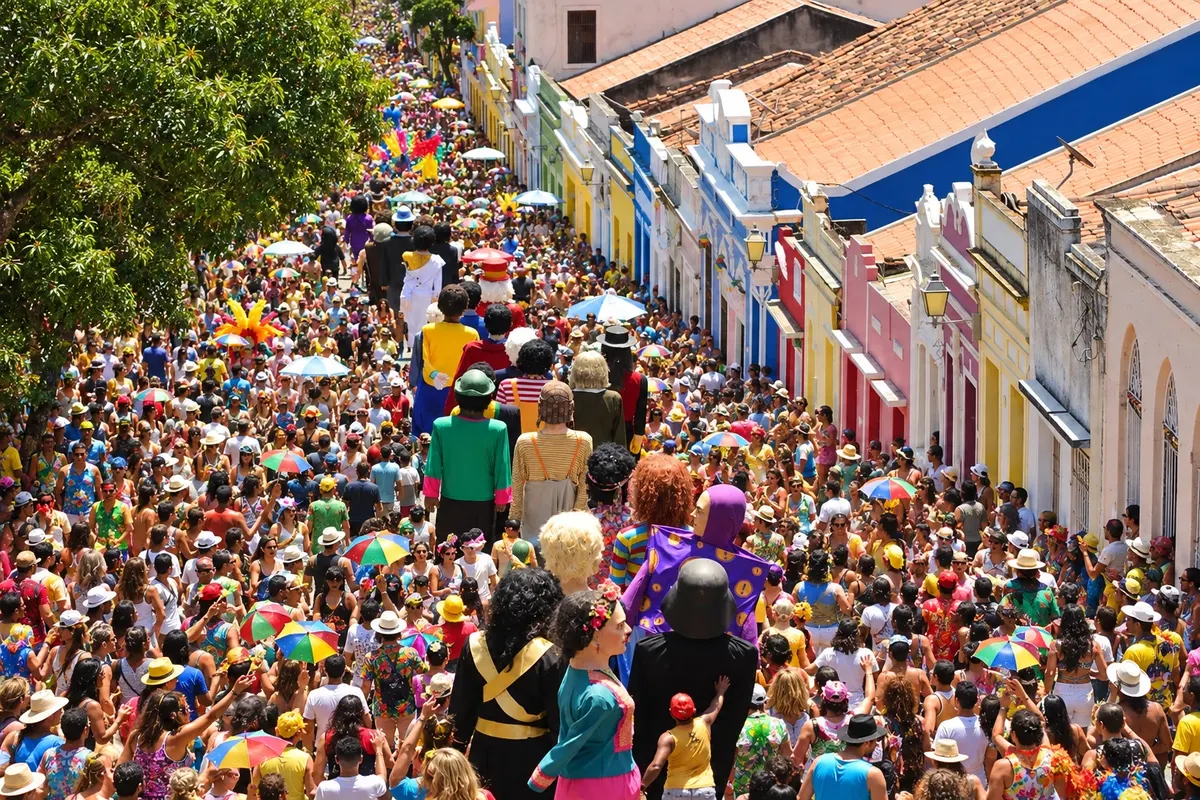
The party on the cobbled hills of Olinda’s historic center, a World Heritage site: blocks and troças without a trio elétrico, frevo orchestras on foot and giant puppets, led by the Homem da Meia-Noite.
February/MarchFrom the Thursday before to Ash Wednesday of Carnival week, which falls in February or March according to Easter.
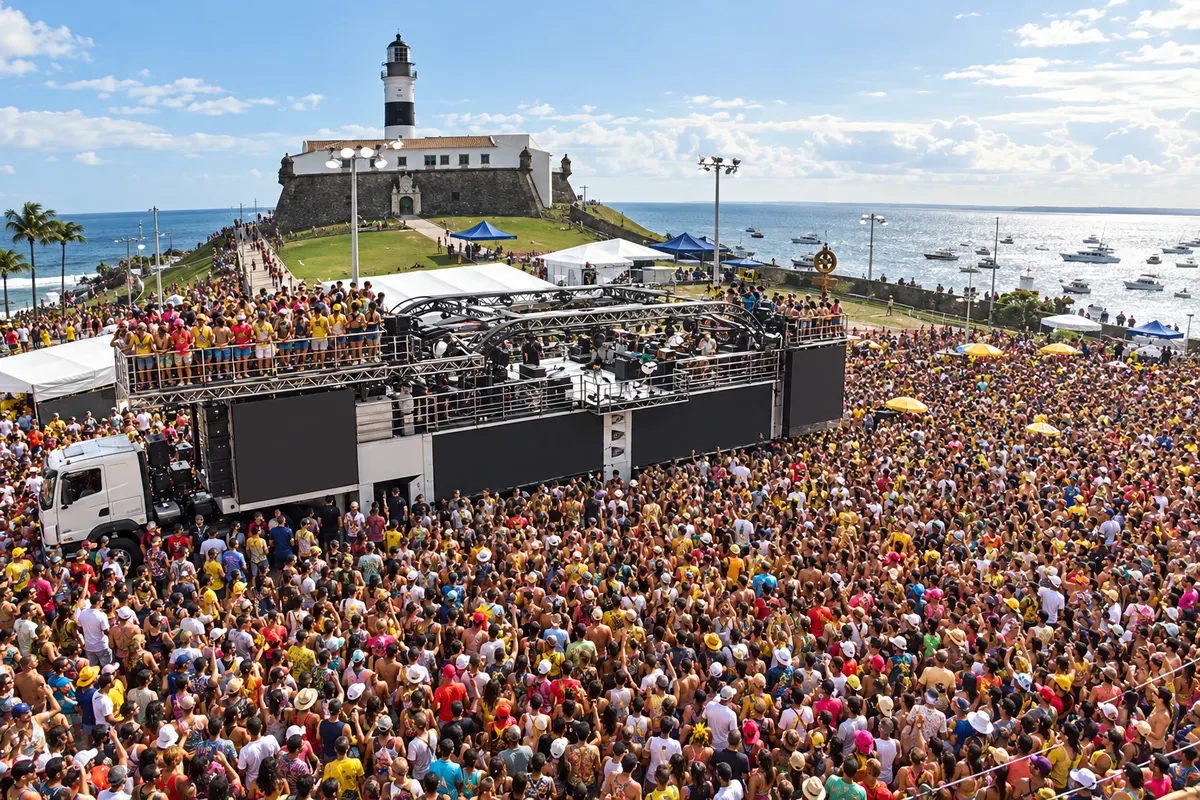
Salvador’s street Carnival, led by trios elétricos and by Afro blocks, across three main circuits: the Barra to Ondina waterfront, the downtown Campo Grande, and the Pelourinho.
February/MarchDuring Carnival week, in February or March, with the official opening at Marco Zero before Sábado de Zé Pereira, when the Galo da Madrugada parades; main programming continues through Tuesday.
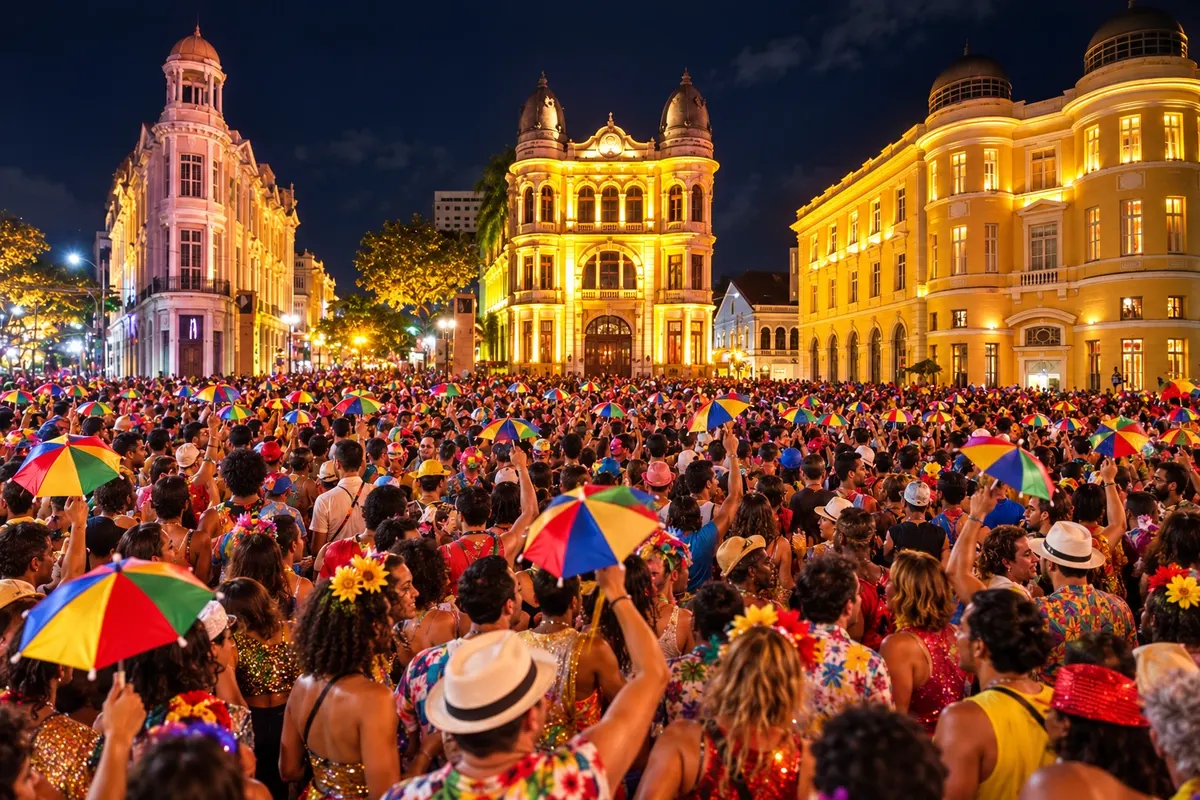
The state capital’s street Carnival, to the sound of frevo and maracatu: the Galo da Madrugada in the center on Sábado de Zé Pereira, the official opening at Marco Zero, and poles with stages and processions spread across the neighborhoods.
Your questions
Every two years, in even-numbered years, between mid-February and early March, during the harvest. Each edition’s schedule is published on the official website.
A parade of floats in the city center, pavilions of grapes, wines and colonial products, the replica of the 1885 village, shows, Italo-Gaucho food and grape distribution to the public.
At the Event Park of the Grape Festival in Caxias do Sul, in the Serra Gaúcha. The scenic parade runs through the streets of the city center.
Festivals and events in Brazil
February/MarchIn February or March, depending on the Carnival calendar, which changes each year with the date of Easter.
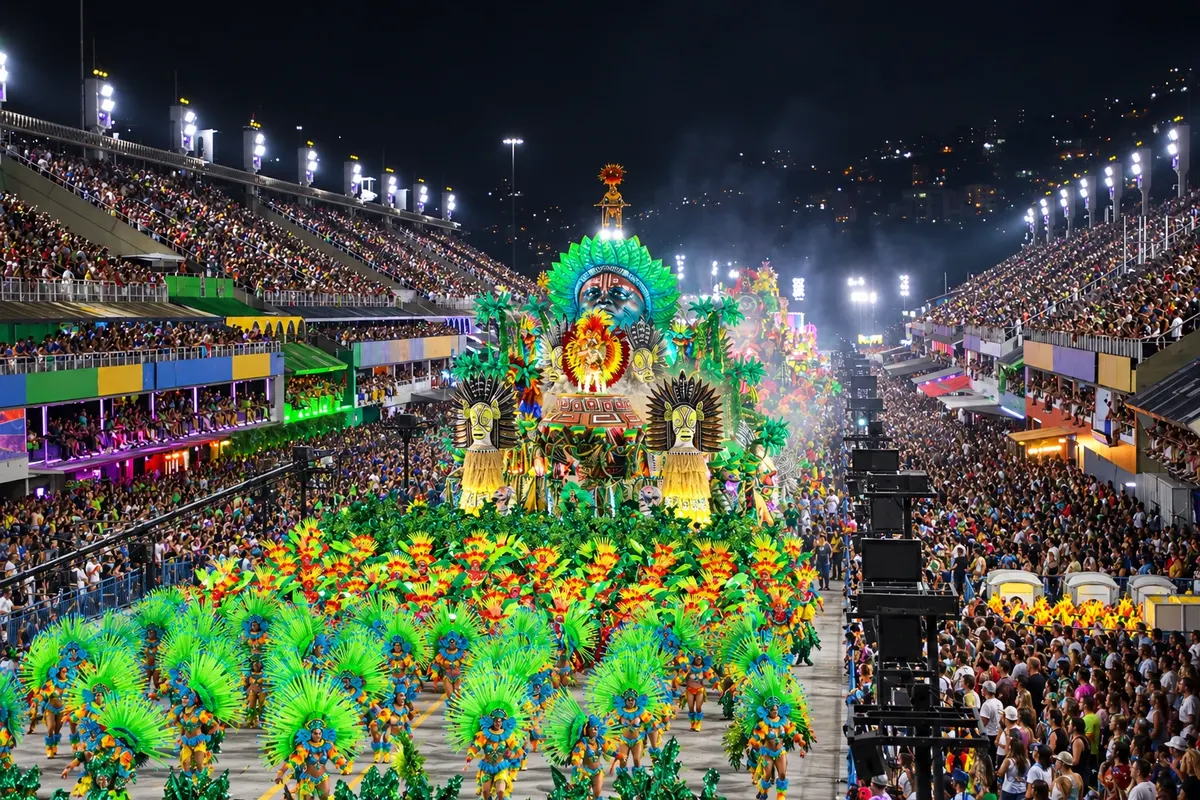
The samba school parades at the Sambódromo da Marquês de Sapucaí and the street blocos spread across the city during Carnival days.
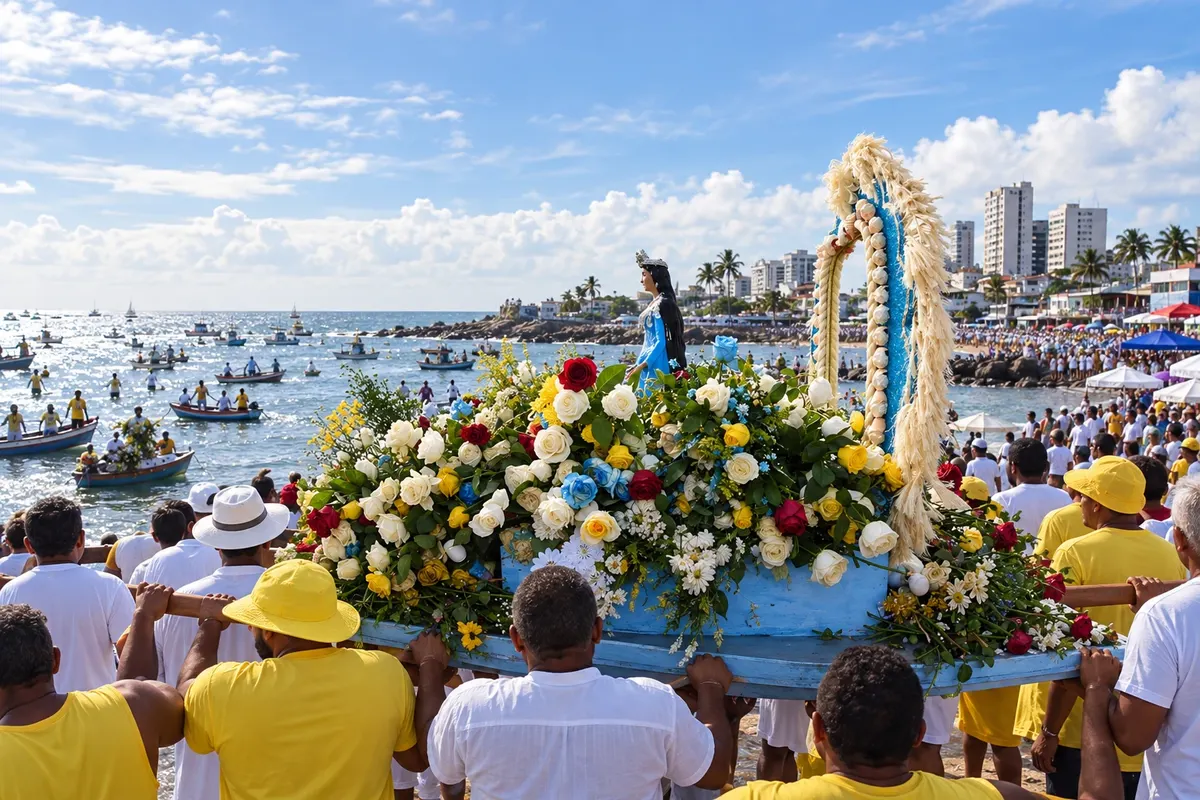
FebruaryOn February 2, with the House of Iemanjá opening to receive offerings on the eve, February 1.
Tribute by the fishermen of Rio Vermelho, in Salvador, to Iemanjá, orixá of the salt waters: devotees and visitors bring flowers and gifts, which are placed in baskets on boats and taken out to the open sea late in the afternoon.
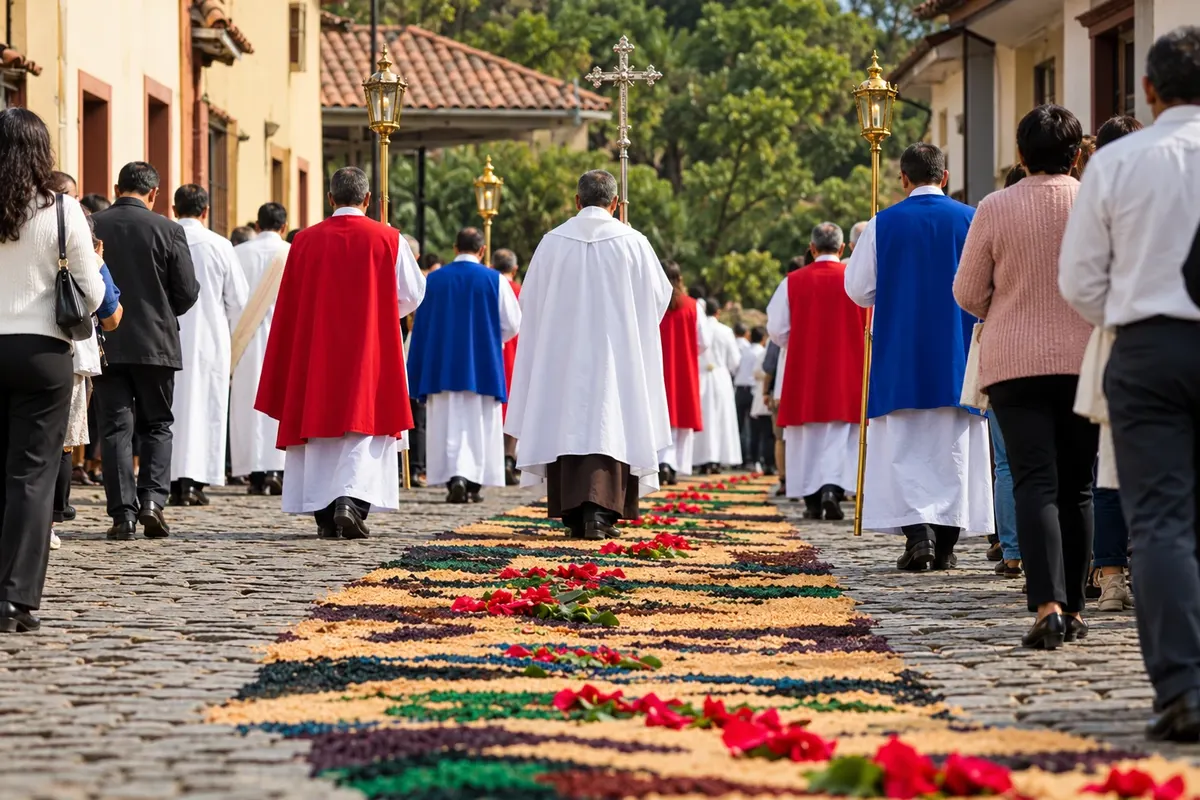
March/AprilFrom Palm Sunday to Easter Sunday, in March or April depending on Easter’s date; the sawdust carpets are made in the early hours of Holy Saturday for Sunday.
Holy Week celebrations in Ouro Preto’s baroque churches and steep streets, with nighttime processions and, on Easter Sunday, streets covered by colorful sawdust carpets made by residents and visitors.
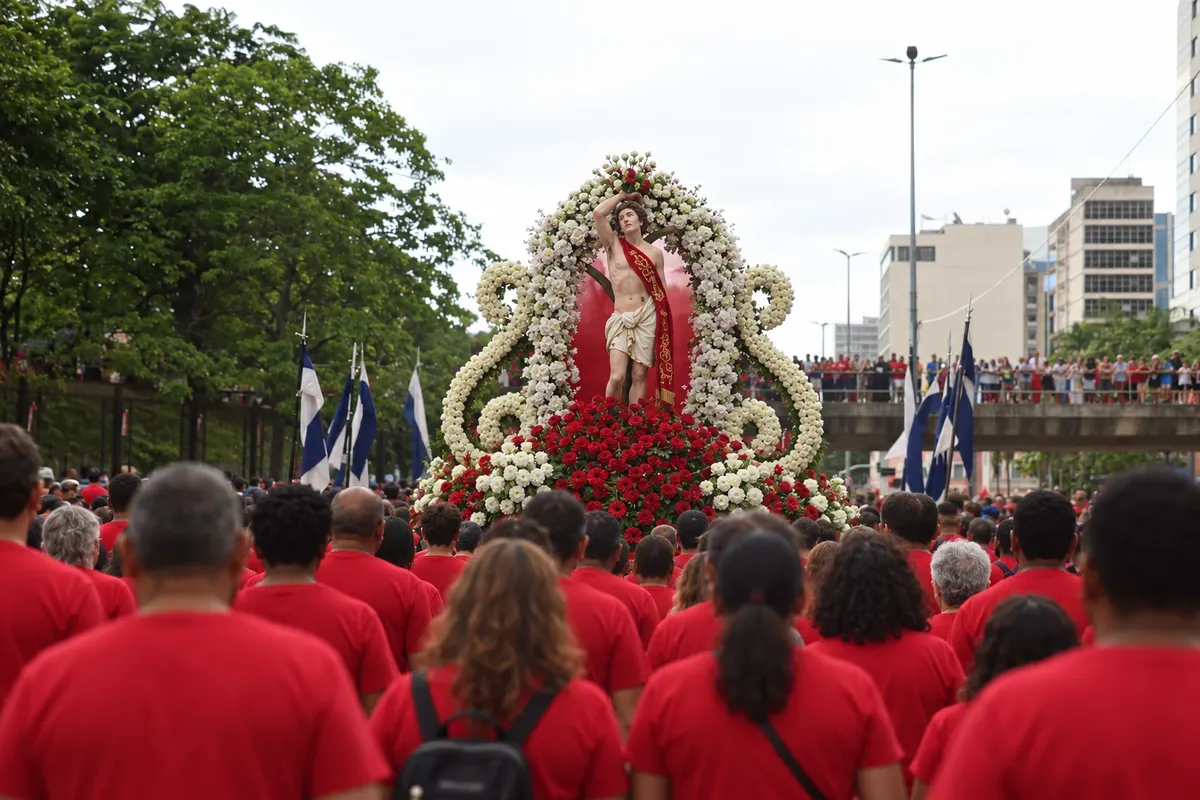
JanuaryOn January 20, the day of the city’s patron saint, which is a municipal holiday in Rio de Janeiro.
The patron saint’s day in Rio de Janeiro, with masses and the procession that carries the saint’s image from Tijuca to the Metropolitan Cathedral in the downtown area.
JanuaryOn the Thursday before the second Sunday after Epiphany (January 6), which is the Sunday of the Feast of the Lord of Bonfim; therefore it always takes place in January, usually on the second or third Thursday of the month.
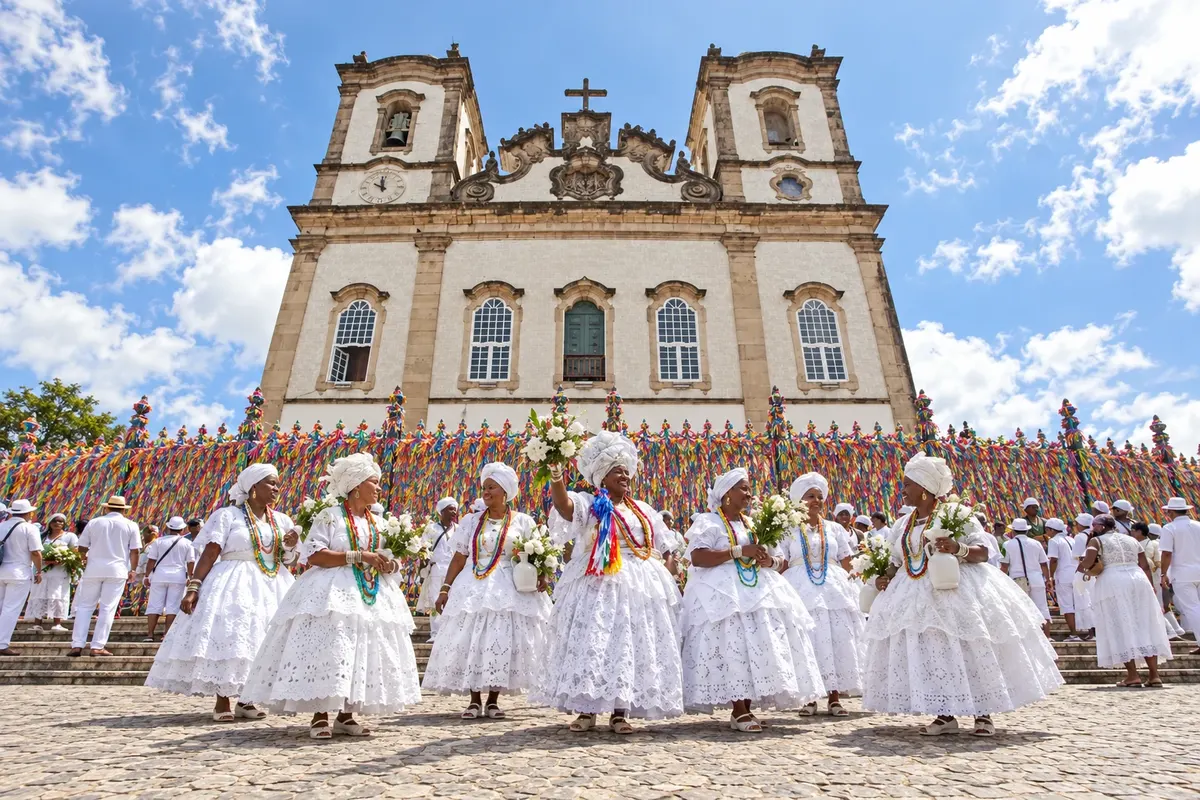
A walking procession of several kilometers from Cidade Baixa to the Sacred Hill in Salvador, where baianas dressed in white wash the steps of the Basilica of the Senhor do Bonfim with scented water.
May/JuneOn the days leading up to Pentecost Sunday, 50 days after Easter; therefore it falls in May or June.
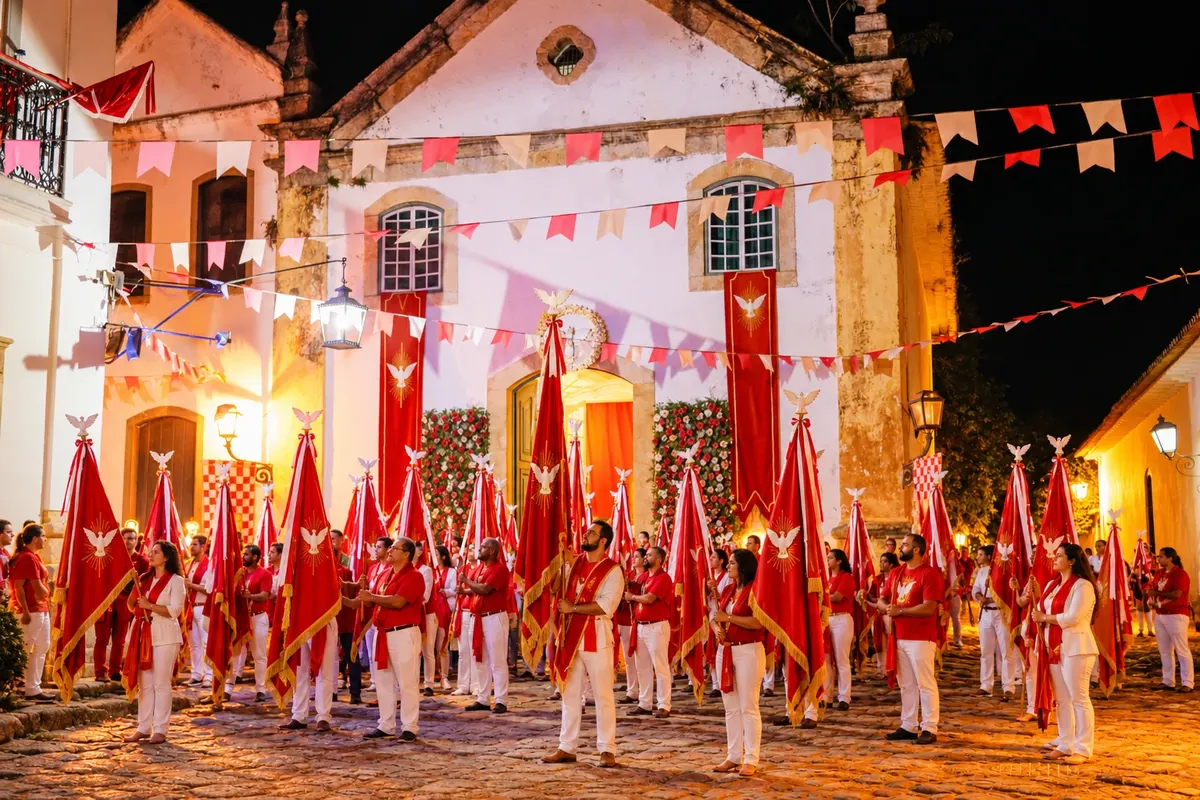
Paraty’s most traditional religious festival, with a novena, processions through the historic center, a solemn Mass and a Sunday Pentecost procession.