The festival
What is Festival of Iemanjá
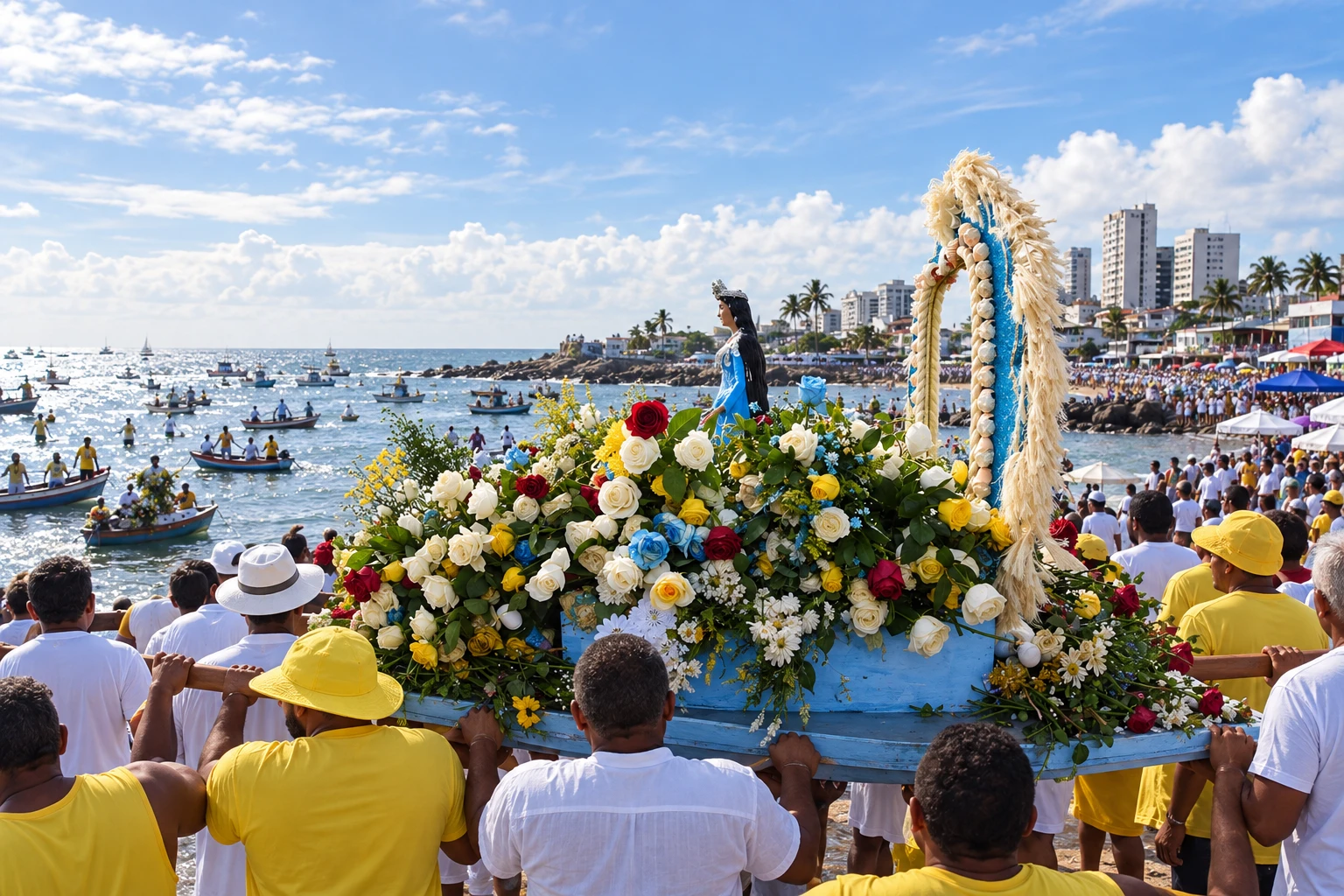
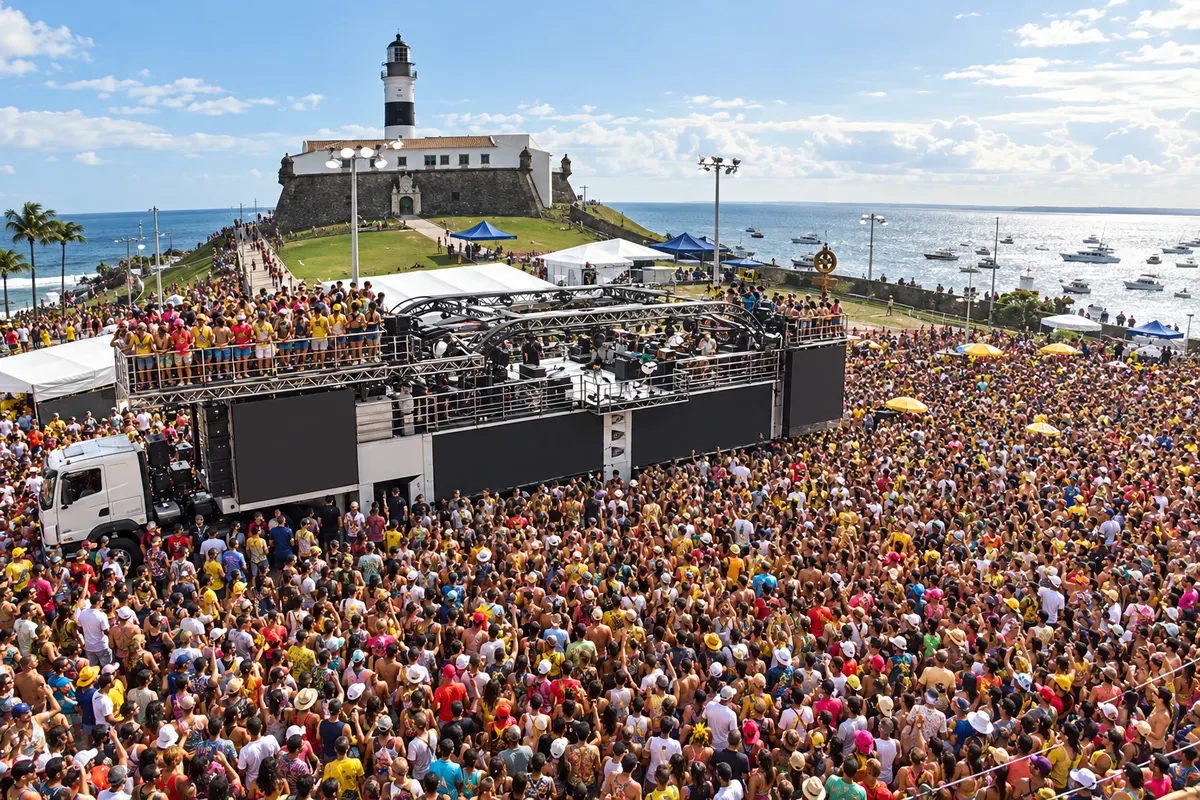
Every February 2, the Rio Vermelho neighborhood along Salvador’s waterfront wakes up to celebrate Iemanjá, the orixá of the salt waters, mother of fish and protector of fishermen. The celebration is organized by the Colônia de Pescadores Z1, with support from the city hall, and is considered the largest festival dedicated to an orixá in Bahia. The date coincides with the day of Our Lady of Candeias, or of Light, in the Catholic calendar.
The tradition in Rio Vermelho dates back to the 1920s, when, during a period of poor fishing, the fishermen of the colony decided to offer gifts to the Mother of the Waters to ask for abundance. Before that, the offering took place together with the festival of Sant’Ana in the same neighborhood. The tribute grew in public and became one of the best-known dates in Salvador’s festive calendar; the festival is recognized as the city’s intangible heritage.
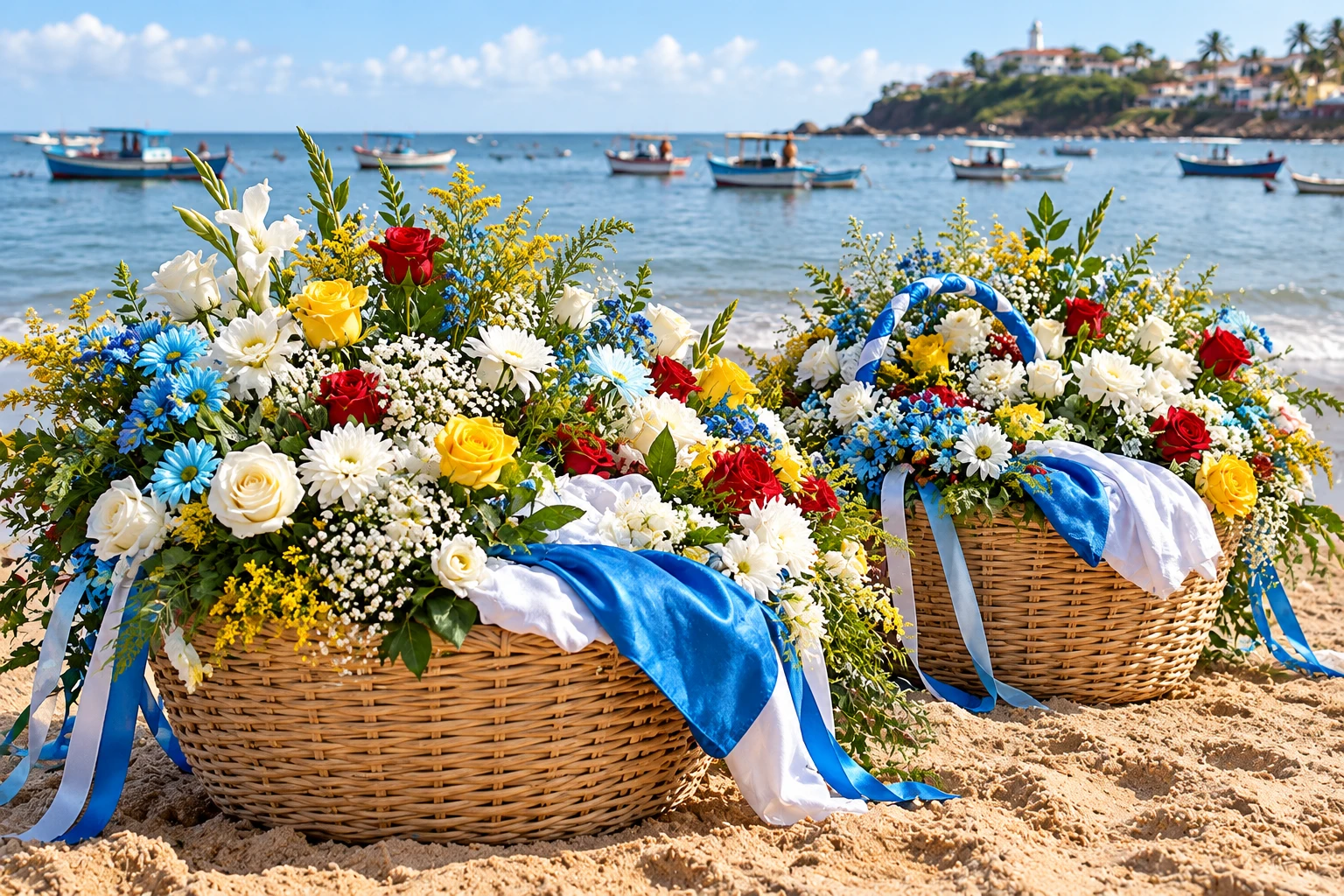
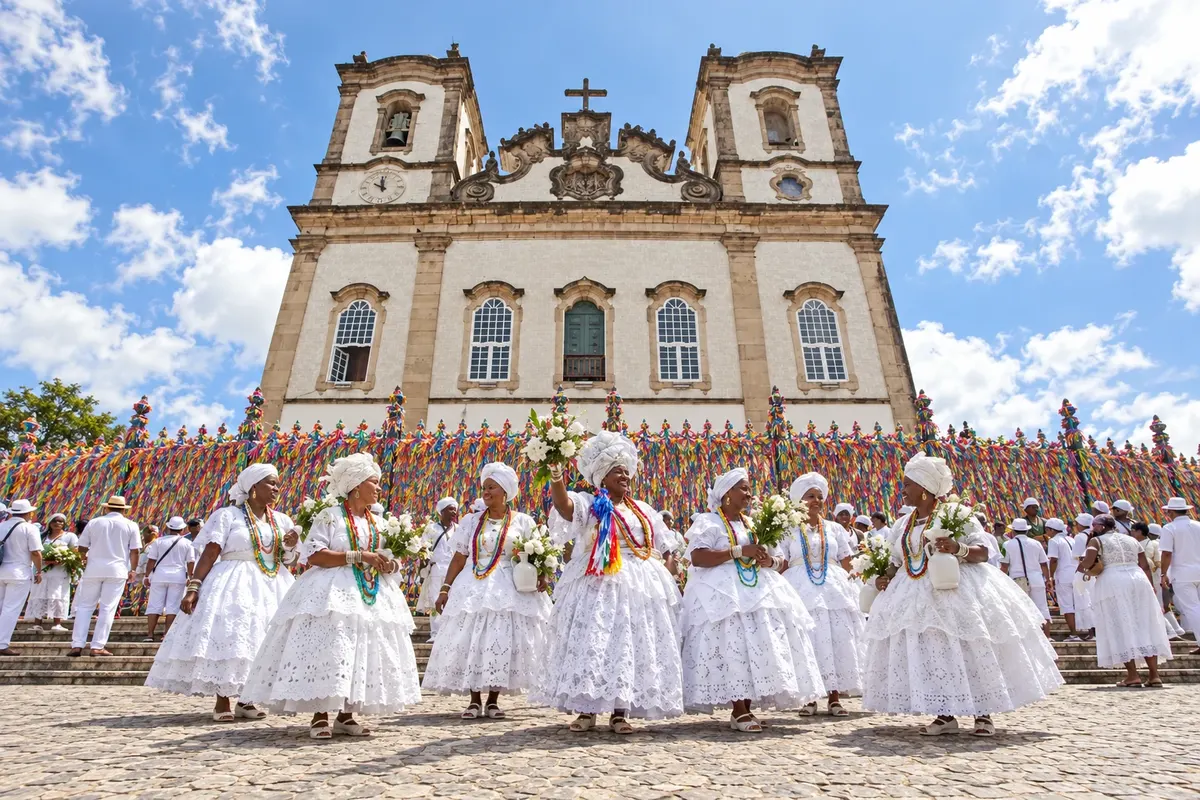
The program begins in the early hours, when the main offering, prepared in a candomblé terreiro, arrives in procession at the fishermen’s colony and is welcomed with a dawn salvo of fireworks. Throughout the day, a long line of people, many dressed in white or blue, bring flowers, perfumes, mirrors, combs and notes with requests to the House of Iemanjá, where the offerings are arranged in large baskets. Others throw flowers directly into the sea, on Praia da Paciência and on the surrounding rocks.
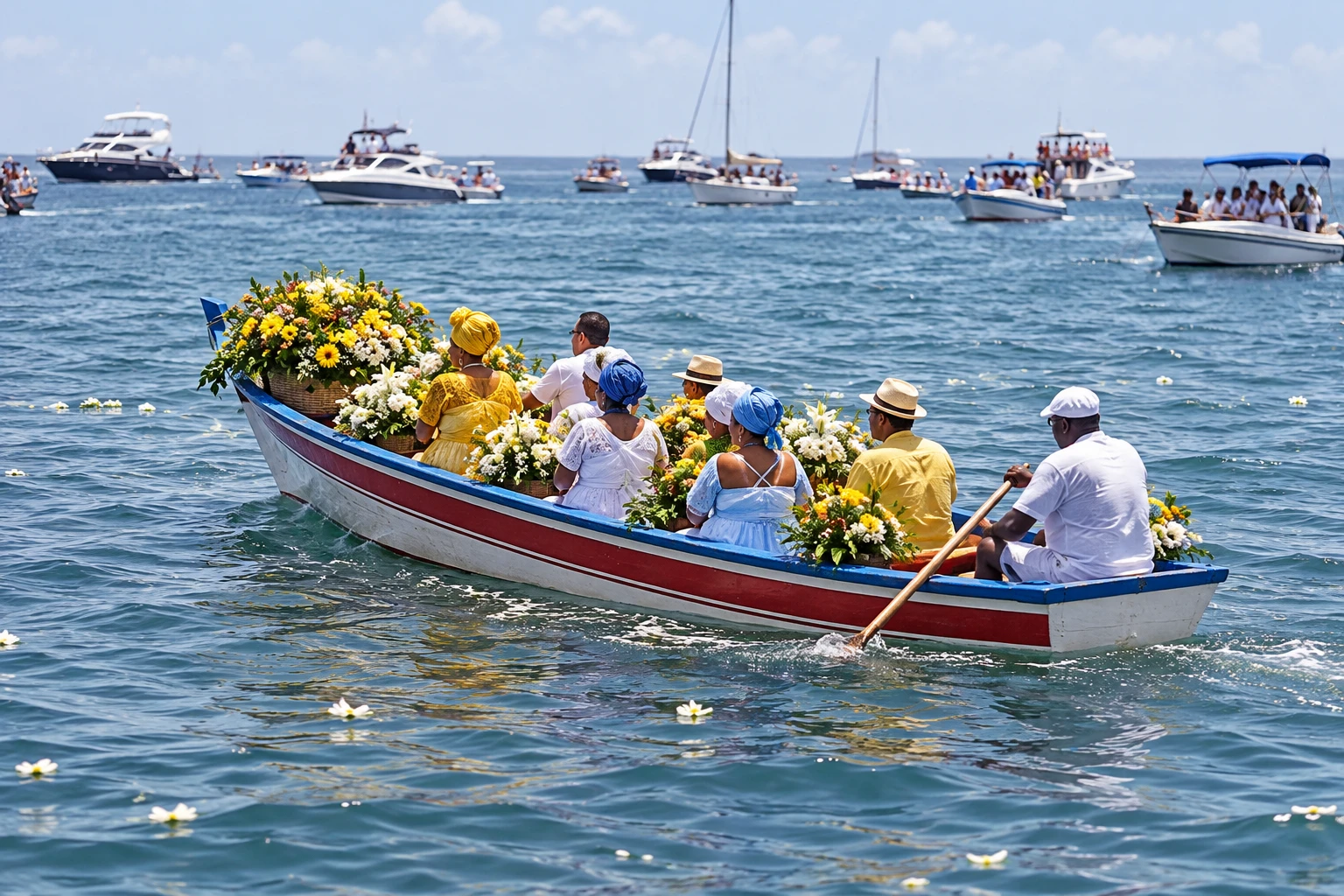
Late in the afternoon, the baskets are taken to the fishermen’s boats, which set out in a maritime procession and deliver the gifts offshore. Meanwhile, Rio Vermelho, the city’s bohemian neighborhood, fills with samba circles, afoxés, bars and parties that continue into the night. For those in Salvador in early February, the festival shows the strength of Afro-Brazilian religions in the life of the city, on the eve of Carnival.

 Argentina
 Bolivia
 Chile
 Colombia
 Ecuador
 Guyana
 French Guiana
 Falkland Islands (Malvinas)
 Paraguay
 Peru
 Suriname
 Uruguay
 Venezuela
 Germany
 Austria
 Belgium
 Croatia
 Denmark
 Spain
 Finland
 France
 Greece
 the Netherlands
 Hungary
 Ireland
 Iceland
 Italy
 Luxembourg
 Norway
 Poland
 Portugal
 the United Kingdom
 the Czech Republic
 Sweden
 Switzerland
 Turkey
 Canada
 the United States
 Mexico
 the Dominican Republic
 South Africa
 Australia
 Fiji
 New Zealand
 Papua New Guinea