



Salvador

Popular festival · Salvador

Salvador Carnival

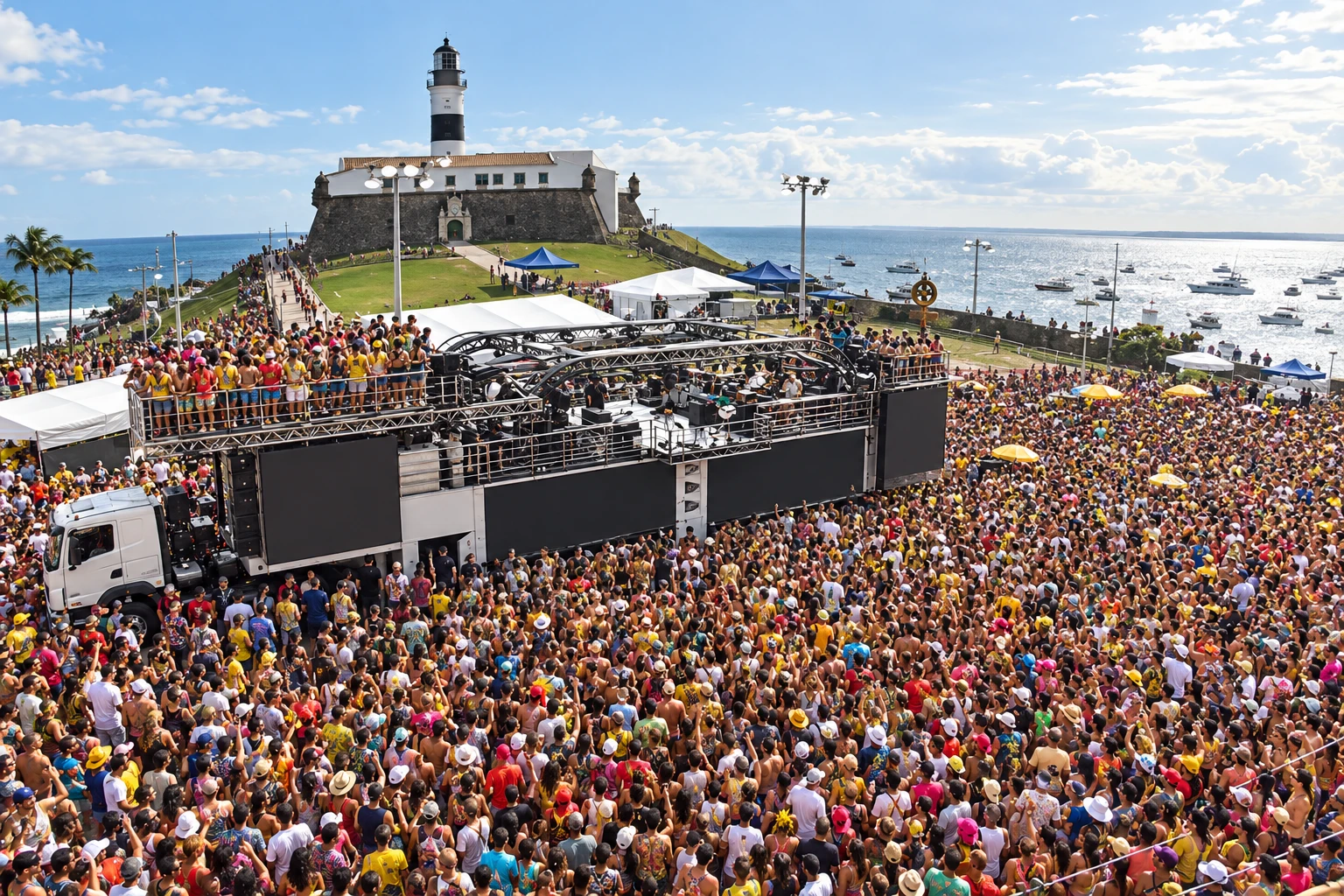
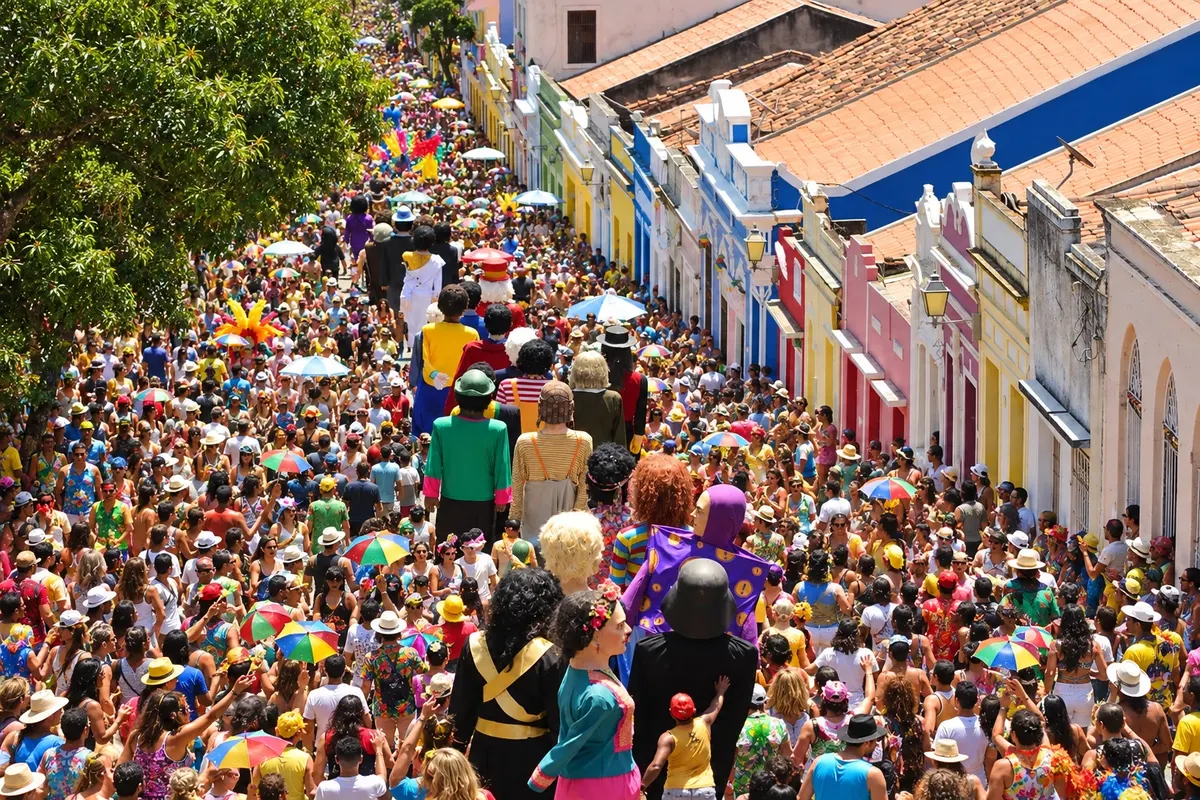
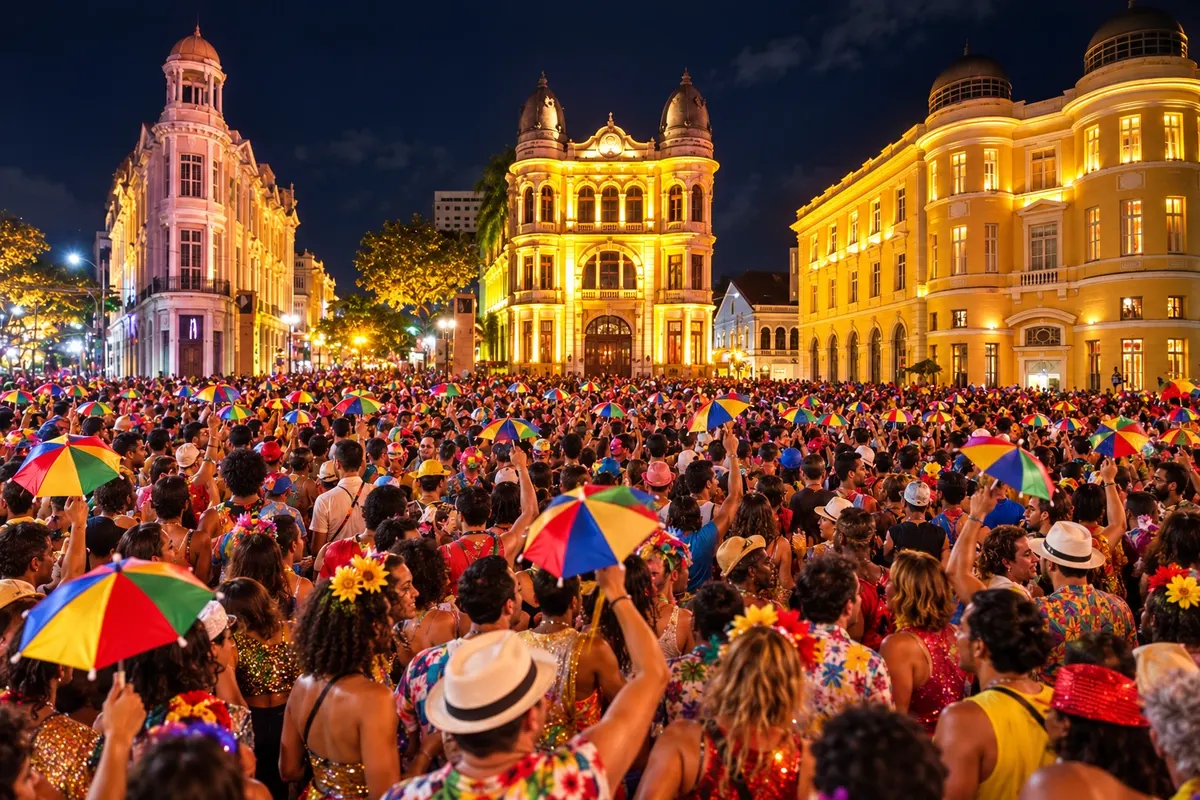
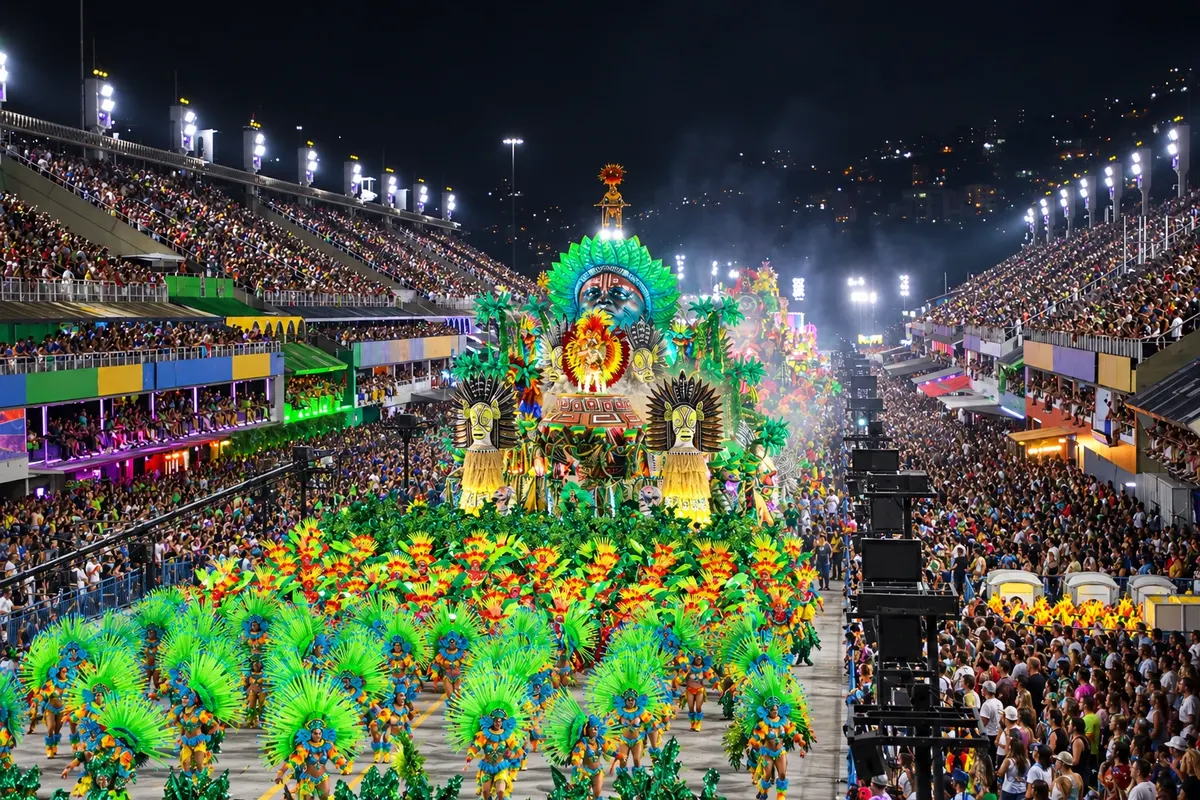
Salvador’s street Carnival, led by trios elétricos and by Afro blocks, across three main circuits: the Barra to Ondina waterfront, the downtown Campo Grande, and the Pelourinho.

In the photo: Salvador

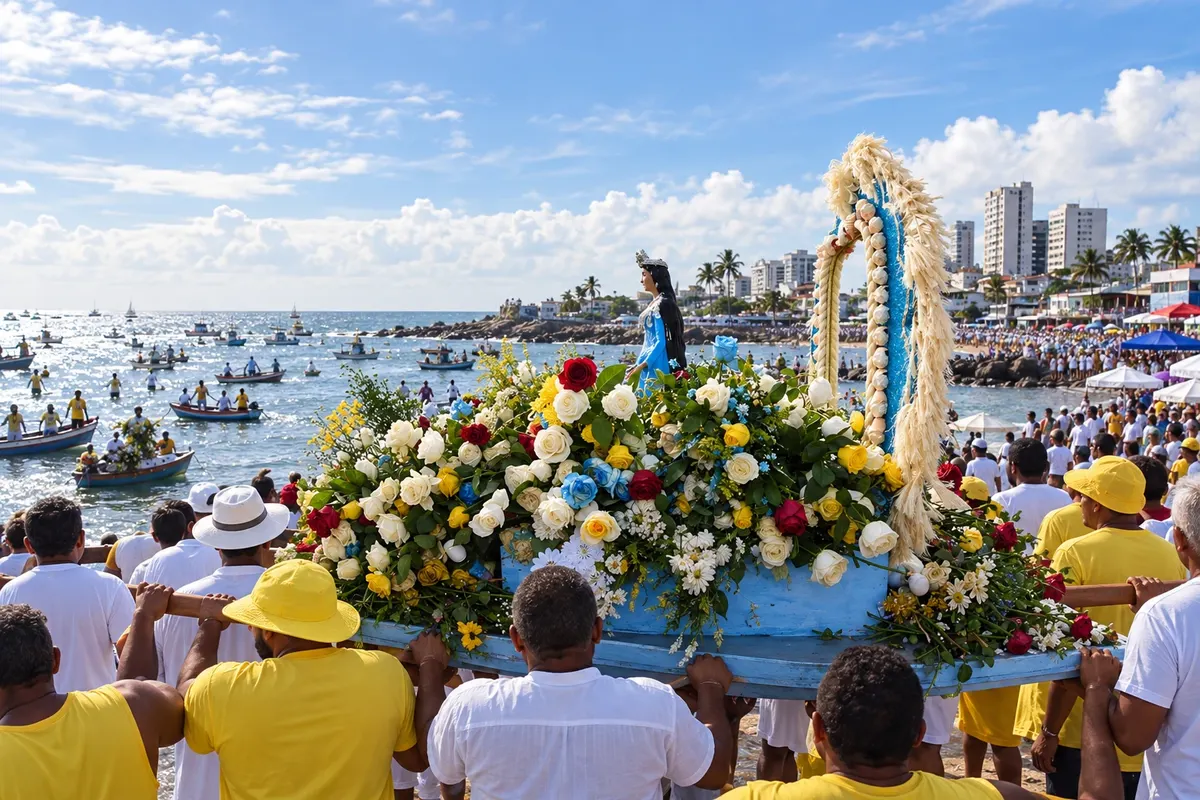
Illustrative images. The pictures in this guide are illustrations based on the real place, not photographs, and may differ from it.

Get it on Google Play

Click a photo to enlarge it.

Bahia
Bahia
Salvador Carnival — Salvador
Salvador Carnival
Salvador Carnival — Salvador
Salvador Carnival
Salvador Carnival — Salvador
Salvador Carnival
Salvador Carnival — Salvador
Salvador Carnival

Salvador Carnival — Salvador

When

From the Thursday before to Ash Wednesday of Carnival week, which falls in February or March according to Easter.

February/March

Where

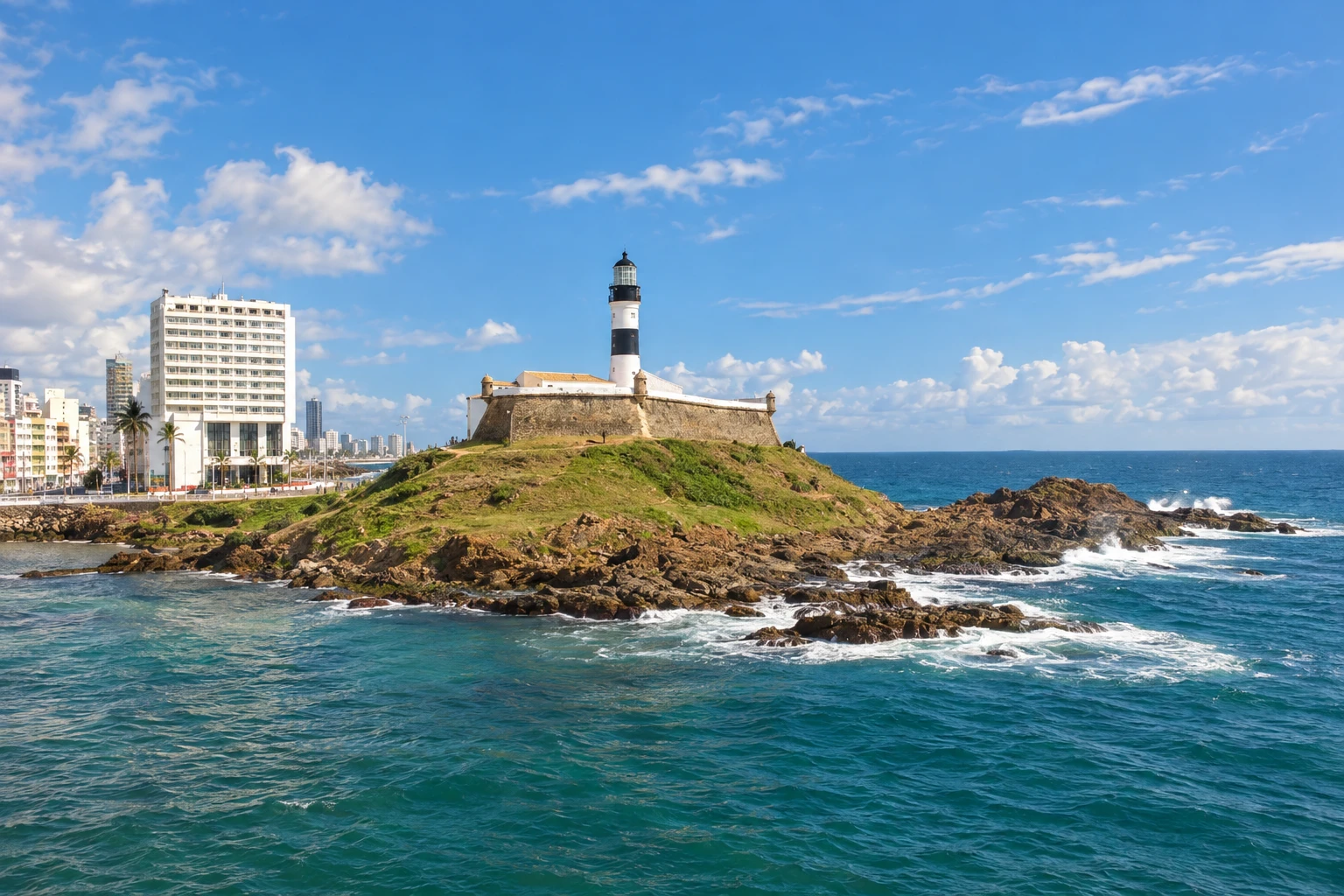
Farol da Barra e Forte de Santo Antônio

Salvador

Bahia

Dates change every year: check this year's date before you travel.

The festival

What is Salvador Carnival

Salvador’s Carnival is a street festival. For six days the city organizes circuits where the trios elétricos pass by—trucks with a stage and sound system that carry the artists on top and pull crowds behind them. There are blocks that parade inside cordoned areas and require an abadá, the identification shirt sold by the block; there are camarotes (boxes) along the route; and there is pipoca, the crowd that follows the trios outside the ropes, without paying.

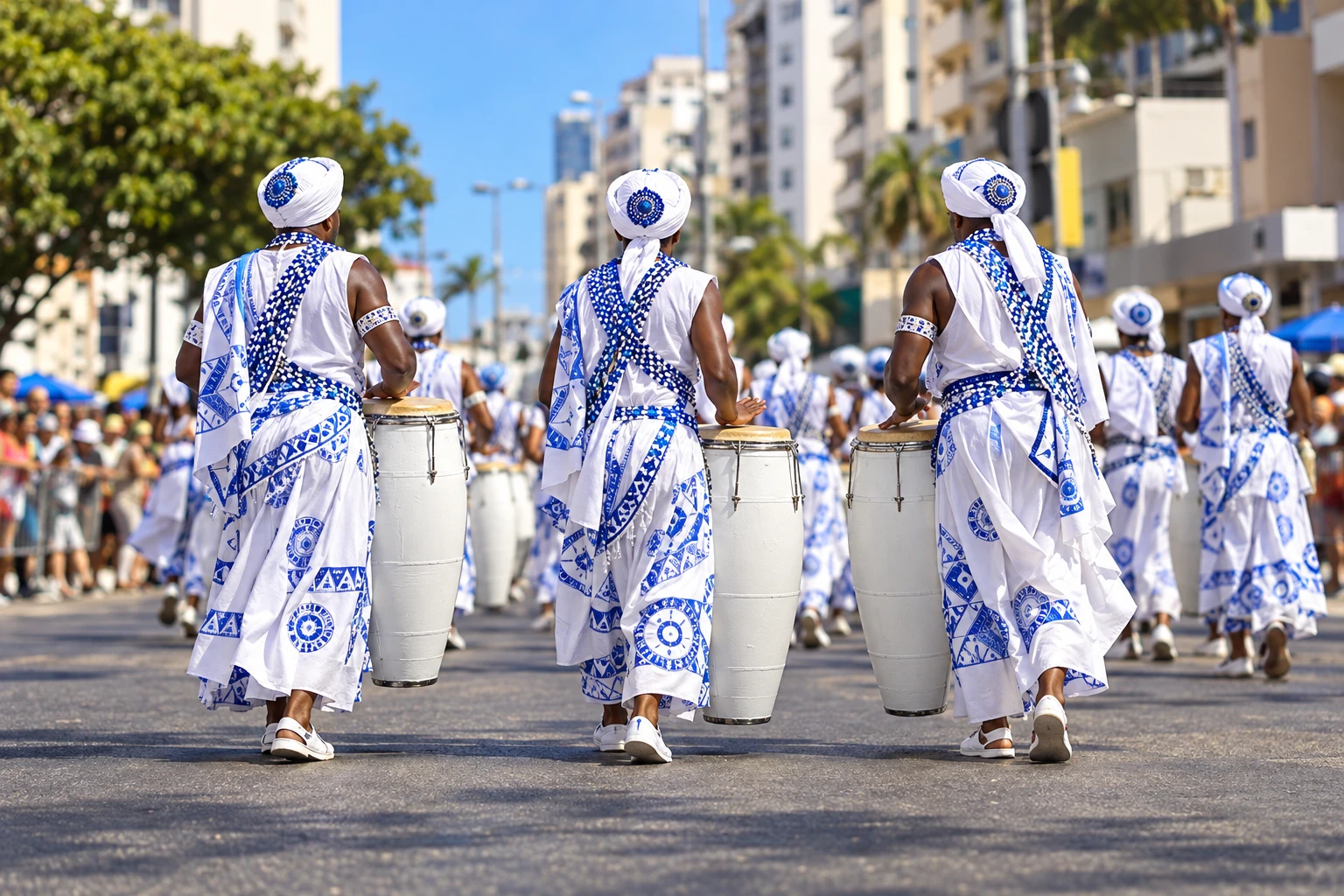
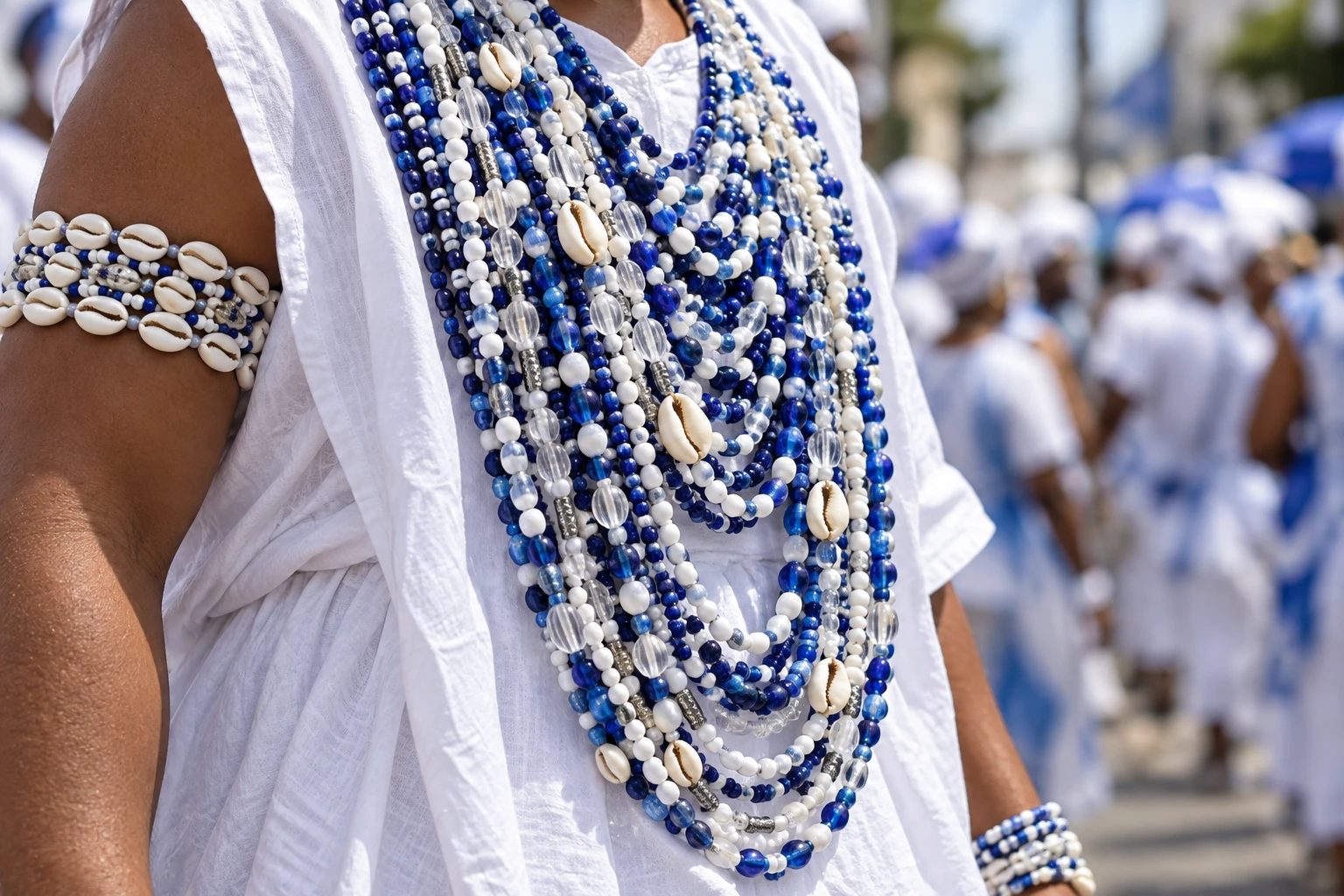
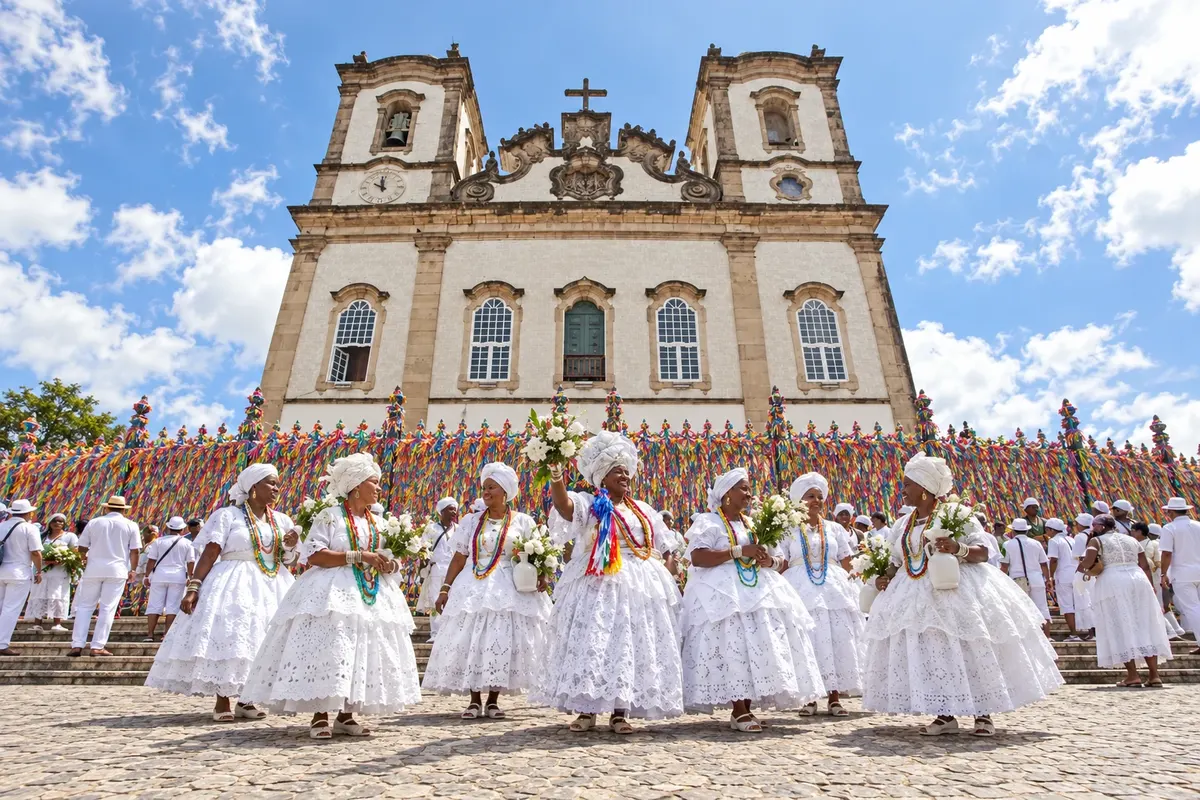
The trio elétrico was born in Salvador in the 1950s, when musicians Dodô and Osmar played on top of a vehicle fitted with electric instruments, also creating the baiana guitar. Since then, Bahian Carnival has had its own sound: first the local frevo, later axé music, the samba-reggae of the Afro blocks and pagode. Afro blocks such as Ilê Aiyê, Olodum and Muzenza, and afoxés like Filhos de Gandhy, with their turbans and blue-and-white necklaces, bring Afro-Bahian culture into the streets and are a central part of the celebration.

The circuits are named after local musicians. The Dodô runs from Farol da Barra to Ondina along the waterfront and concentrates the most sought-after trios. The Osmar, on Campo Grande and Avenida Sete de Setembro, is the oldest and gathers many traditional and Afro blocks. The Batatinha, in the Pelourinho and Historic Center, has no trios: there you’ll hear brass bands, marchinhas and small blocks, in a calmer atmosphere favored by families.

Before the official opening, the city gets into the rhythm with block rehearsals and with the Furdunço and the Fuzuê, cord-free street parades. On Ash Wednesday the Arrastão closes the party on the waterfront, with trios without blocks. For lovers of music and street festivities, Salvador’s Carnival is a classic reason to travel to Bahia.

Share: WhatsApp

What not to miss

A night on the Dodô Circuit, between Barra and Ondina. The departure of Filhos de Gandhy and of an Afro block at Campo Grande. Pelourinho Carnival with brass bands and marchinhas. The Arrastão on Ash Wednesday along the waterfront.

How to enjoy it

Decide beforehand whether you’ll join a block (with an abadá), watch from a camarote, or stay in the pipoca. Staying near your chosen circuit—Barra or Ondina for the Dodô, or downtown for the Campo Grande—lets you go on foot, since the circuit streets are closed to traffic. Wear lightweight clothing and comfortable closed shoes, pack light and drink plenty of water. Check the daily schedule, which the city hall publishes close to the event.

What to eat

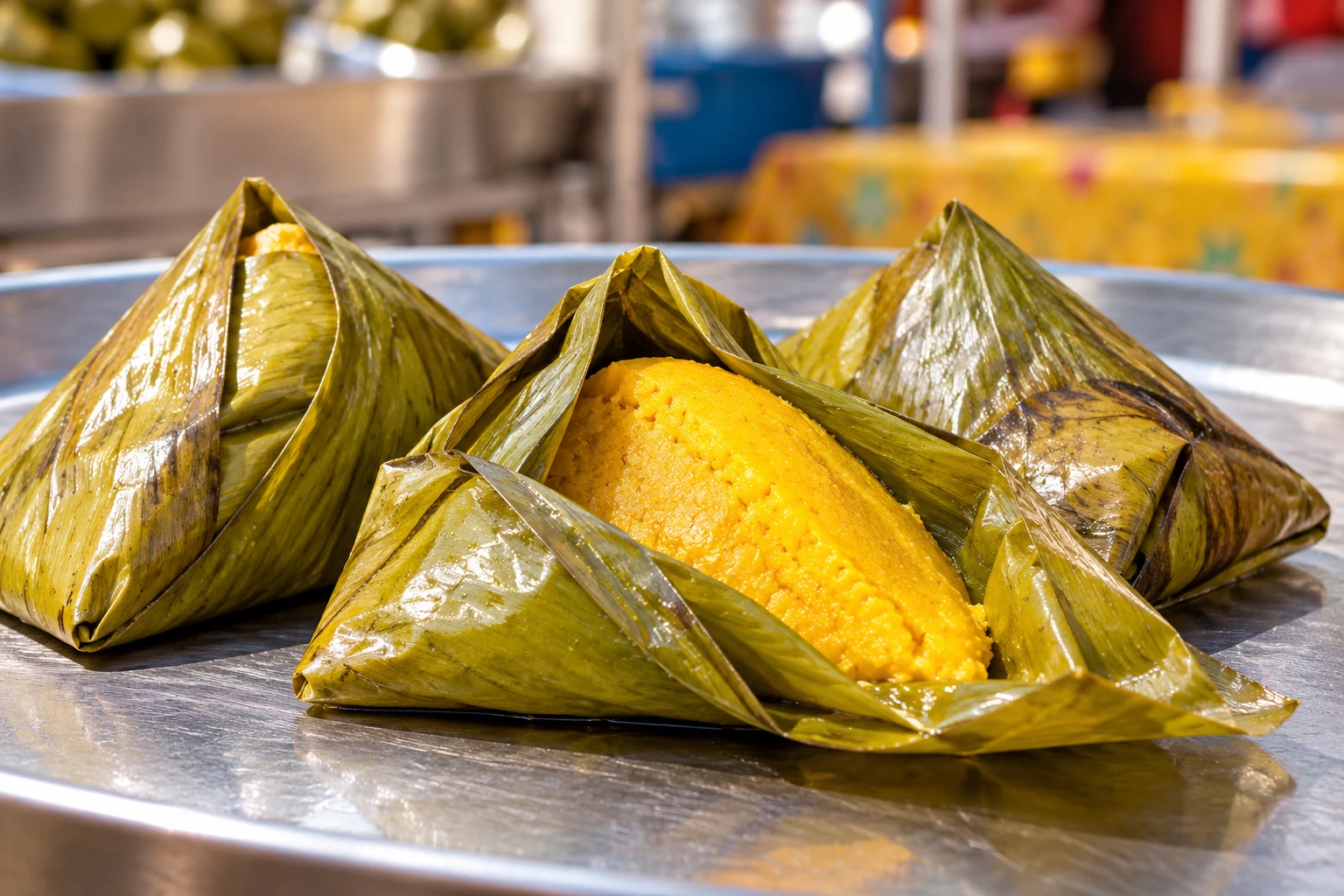
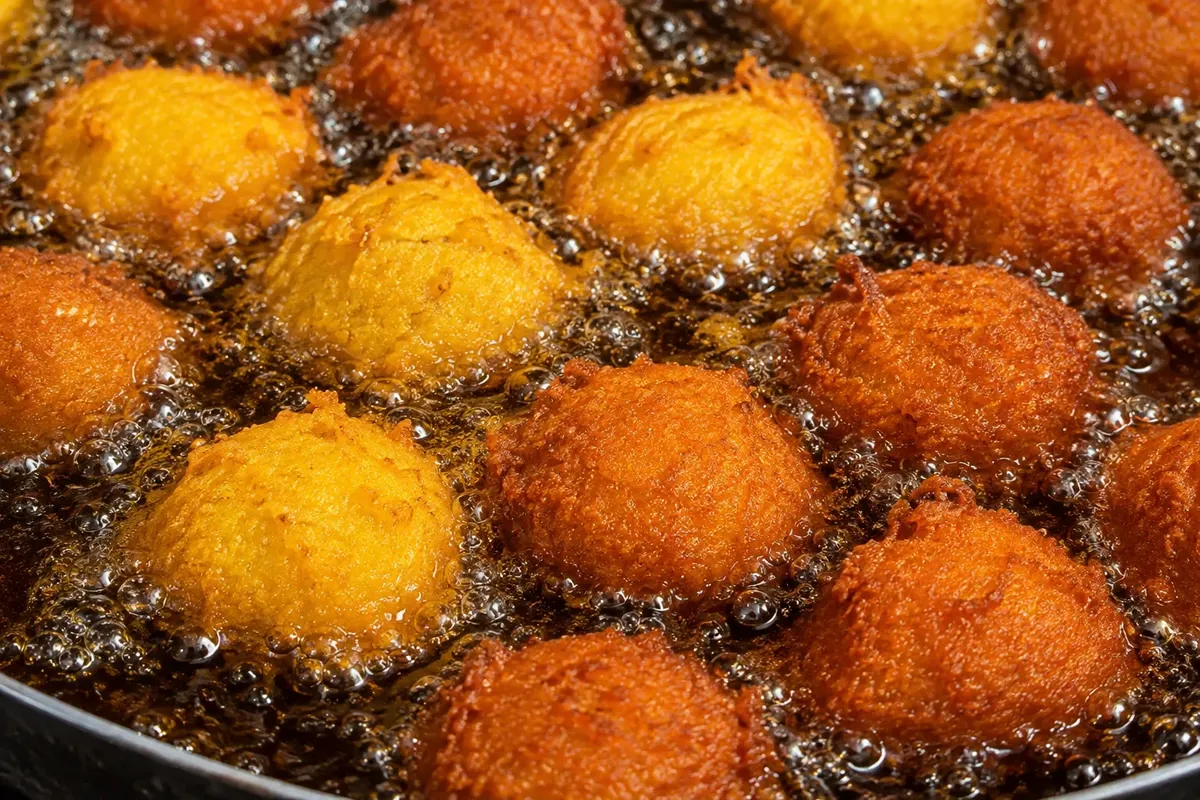
Acarajé, abará and cocada from the baianas’ trays, grilled skewers and queijo coalho on the streets; on circuit rest days, moqueca and other Bahian dishes.

Plan ahead

No other week of the year has such demand in Salvador. Book accommodation and buy abadás and camarote tickets many months in advance; prices and programming change every year.

In the city

Make the most of Salvador

Flavors of Brazil

To try in Salvador

Discover other flavors of Brazil

February/March

Around the same time

Your questions

Questions about Salvador Carnival

When is Salvador’s Carnival?

In February or March, depending on Easter’s date. The official festivities usually run from Thursday to Ash Wednesday, and the city hall announces the program close to the date.

What are the circuits of Salvador’s Carnival?

There are three main ones: the Dodô, on the waterfront between Barra and Ondina; the Osmar, in Campo Grande and Avenida Sete; and the Batatinha, in the Pelourinho, without trios elétricos.

What is an abadá and what is pipoca?

An abadá is the shirt that identifies those who join a block and gives access to the area inside the ropes, next to the trio. Pipoca is the crowd that follows the trios outside the ropes, without paying.

Festivals and events in Brazil

Other festivals

See the full calendar