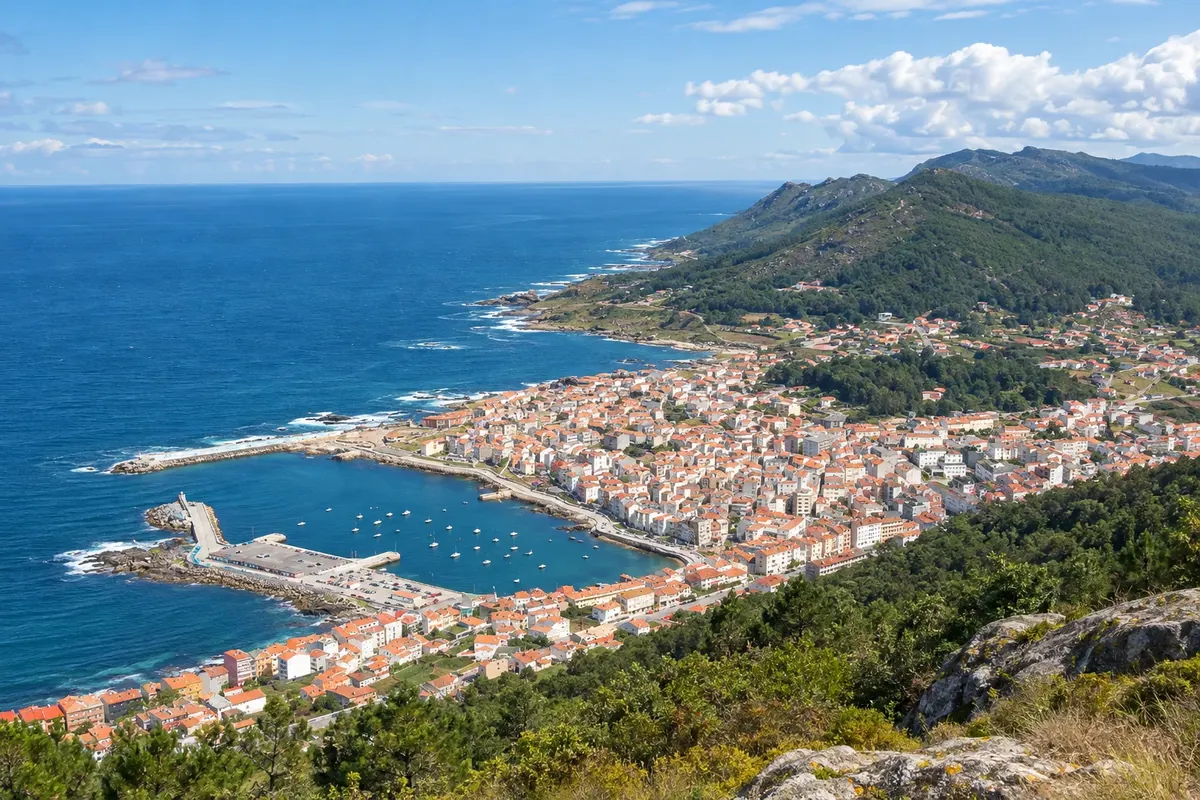
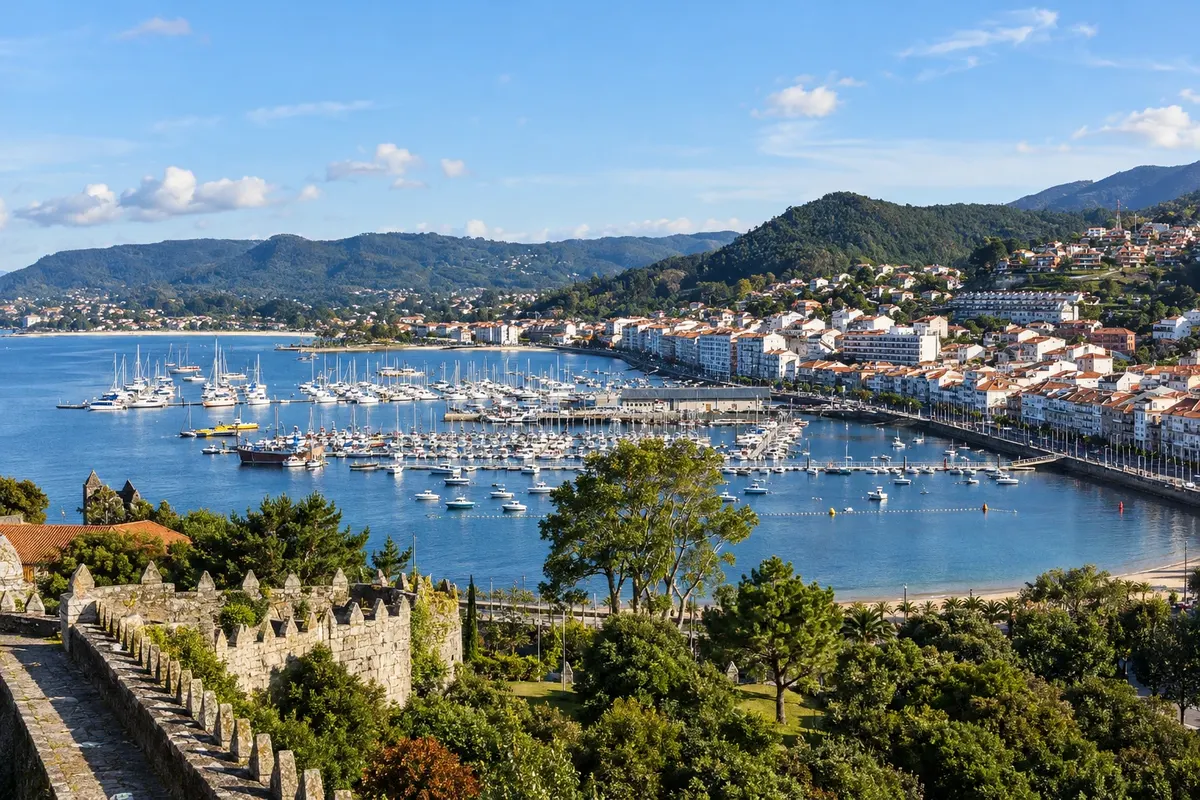
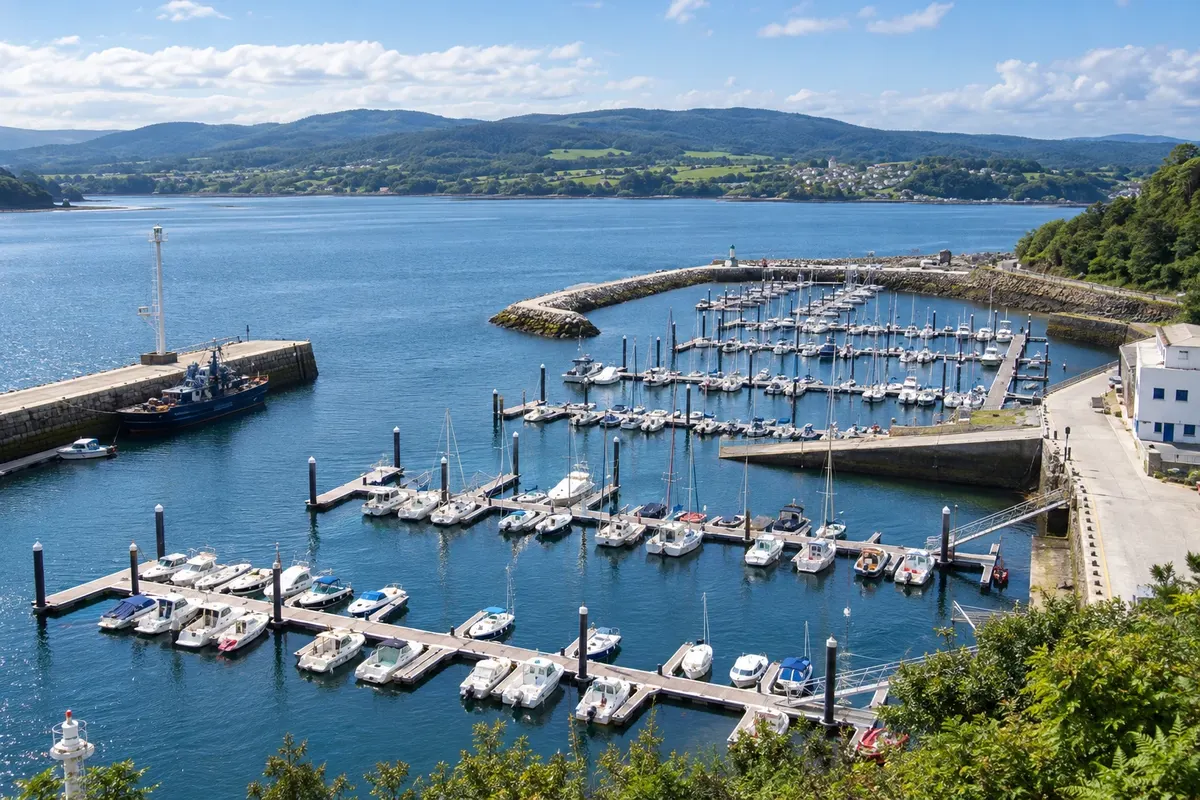
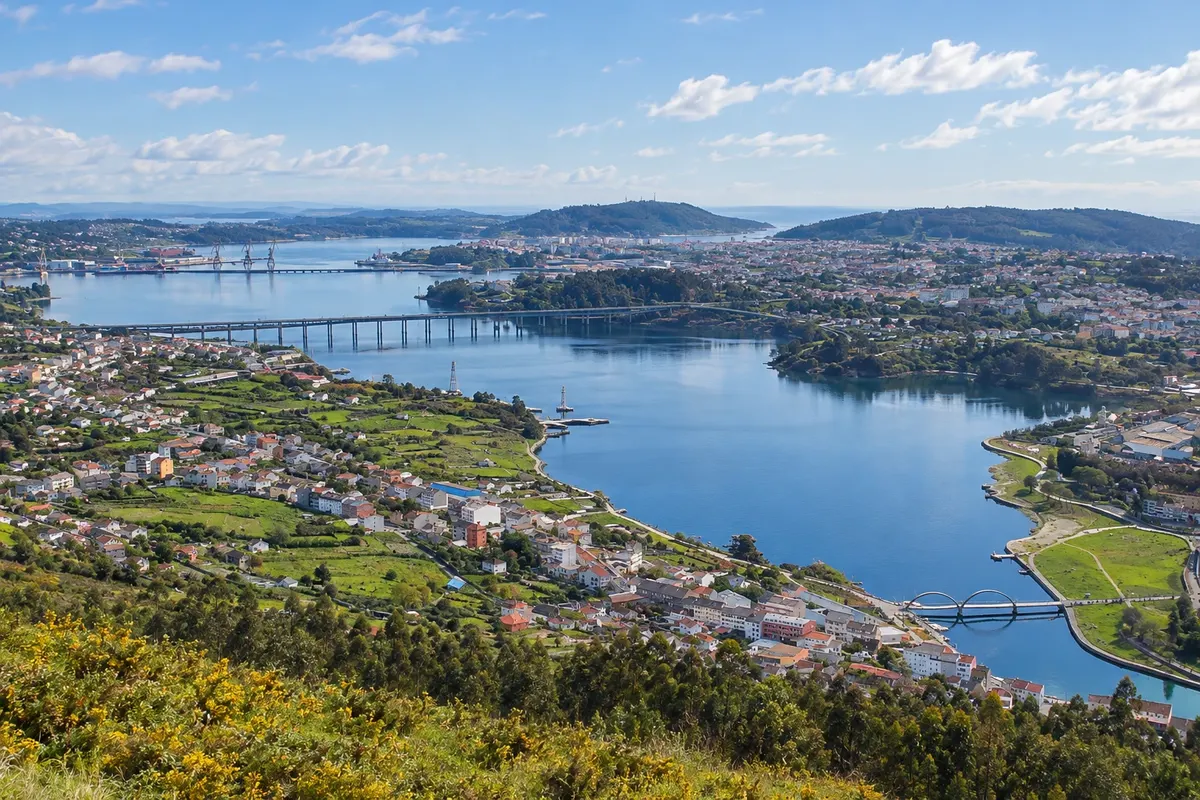
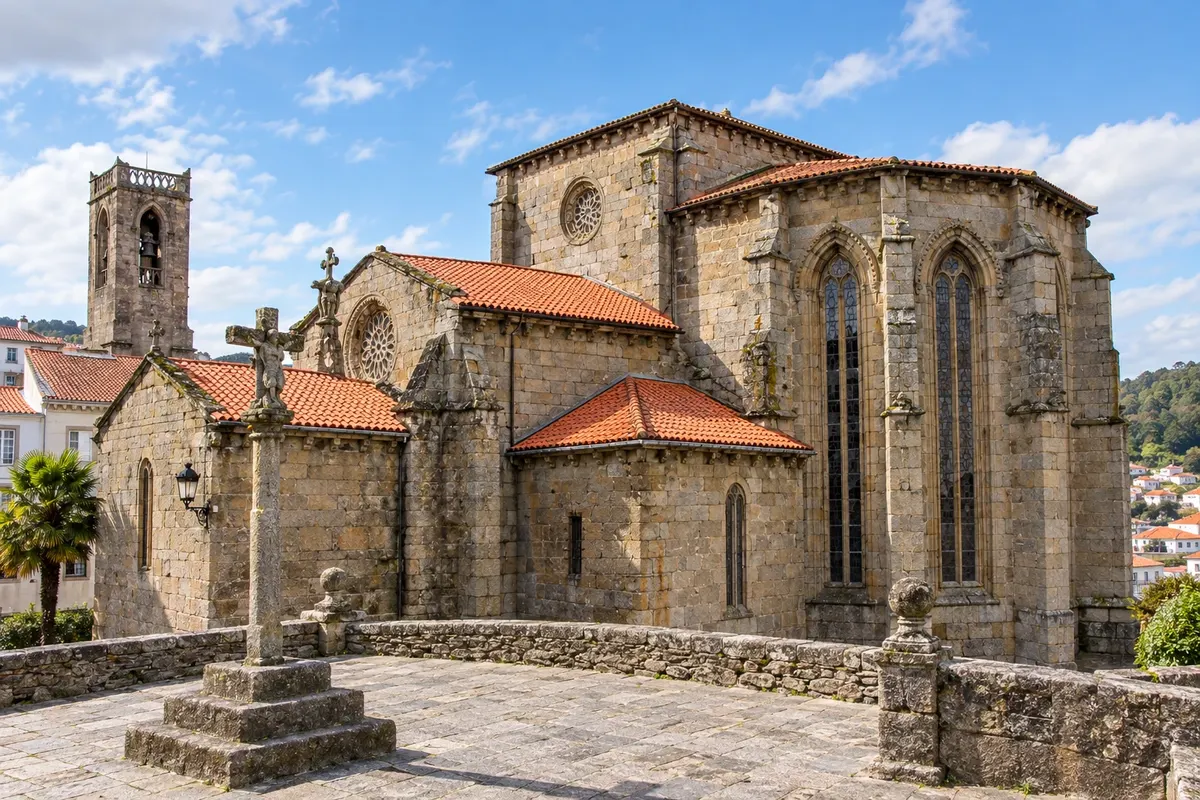
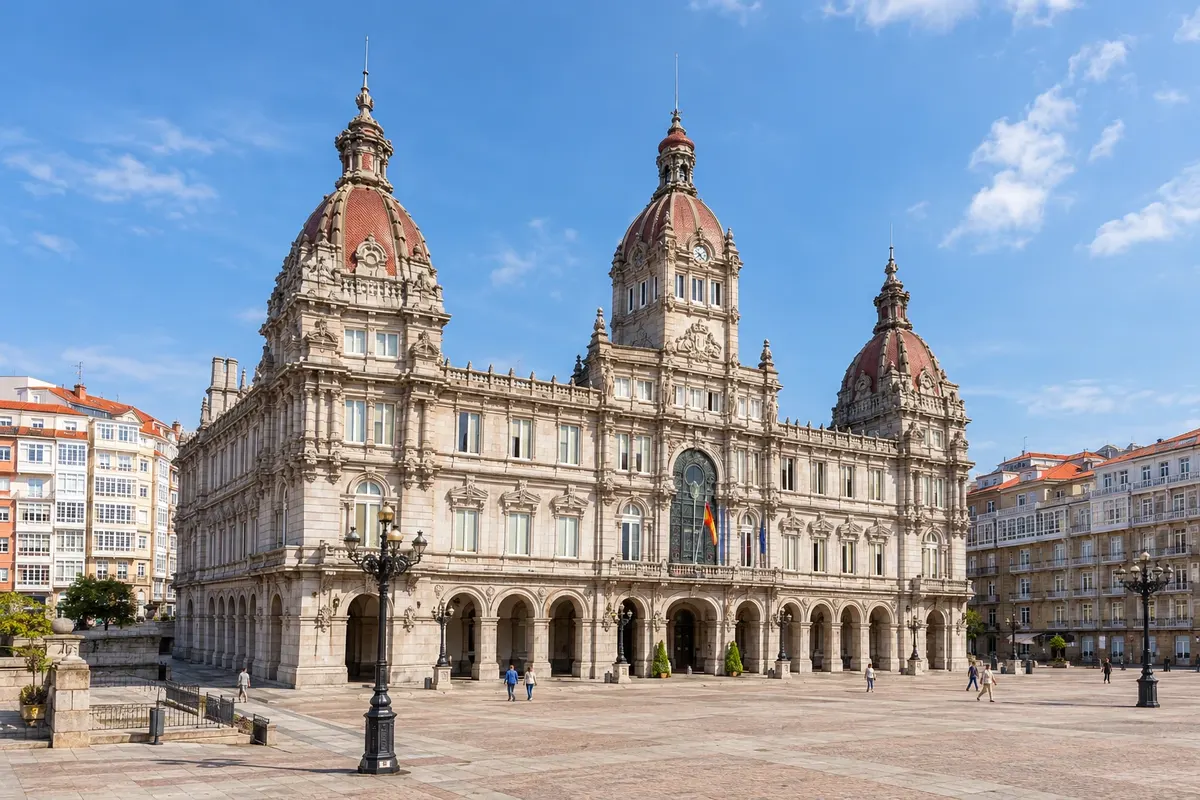
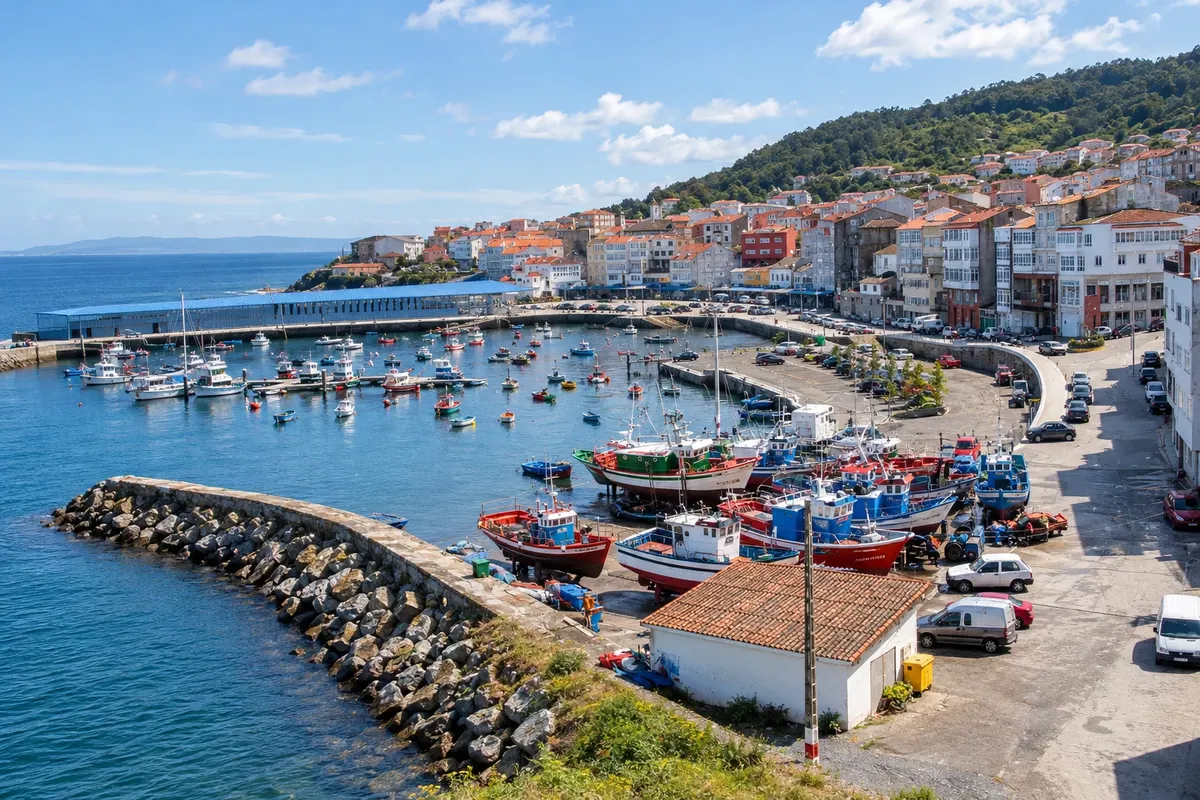
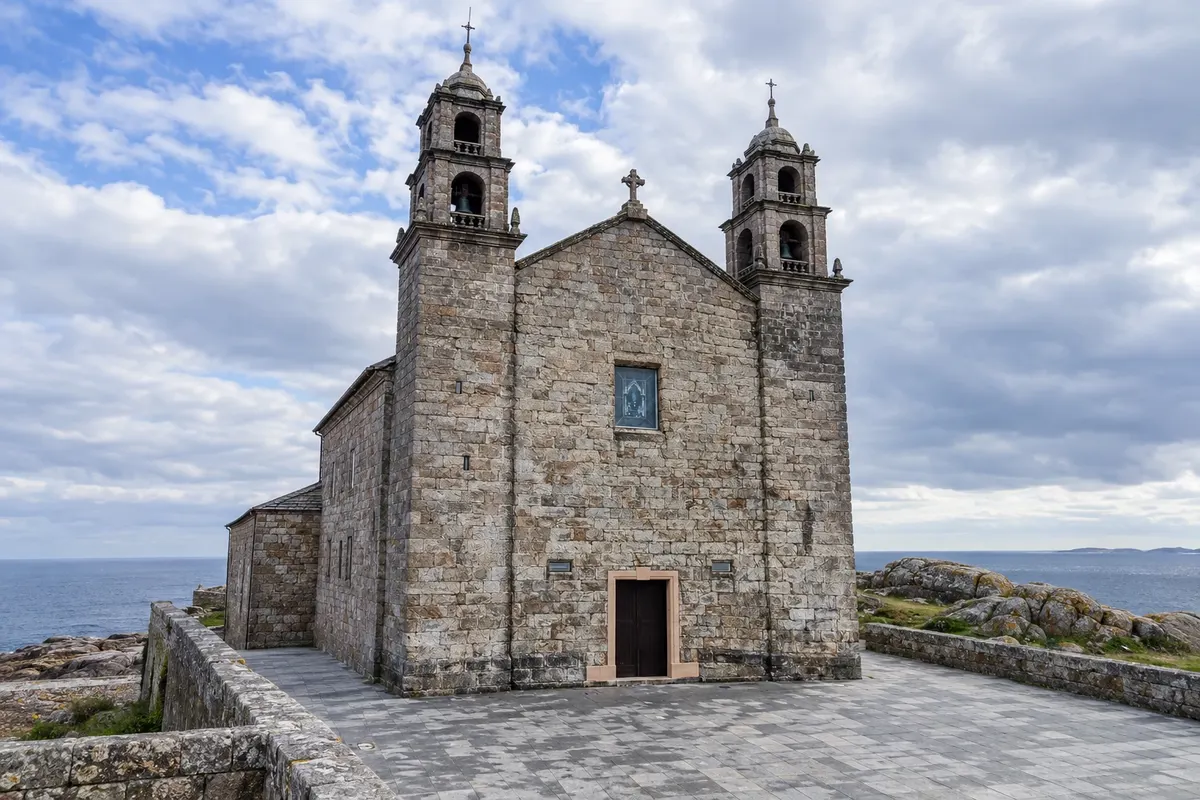
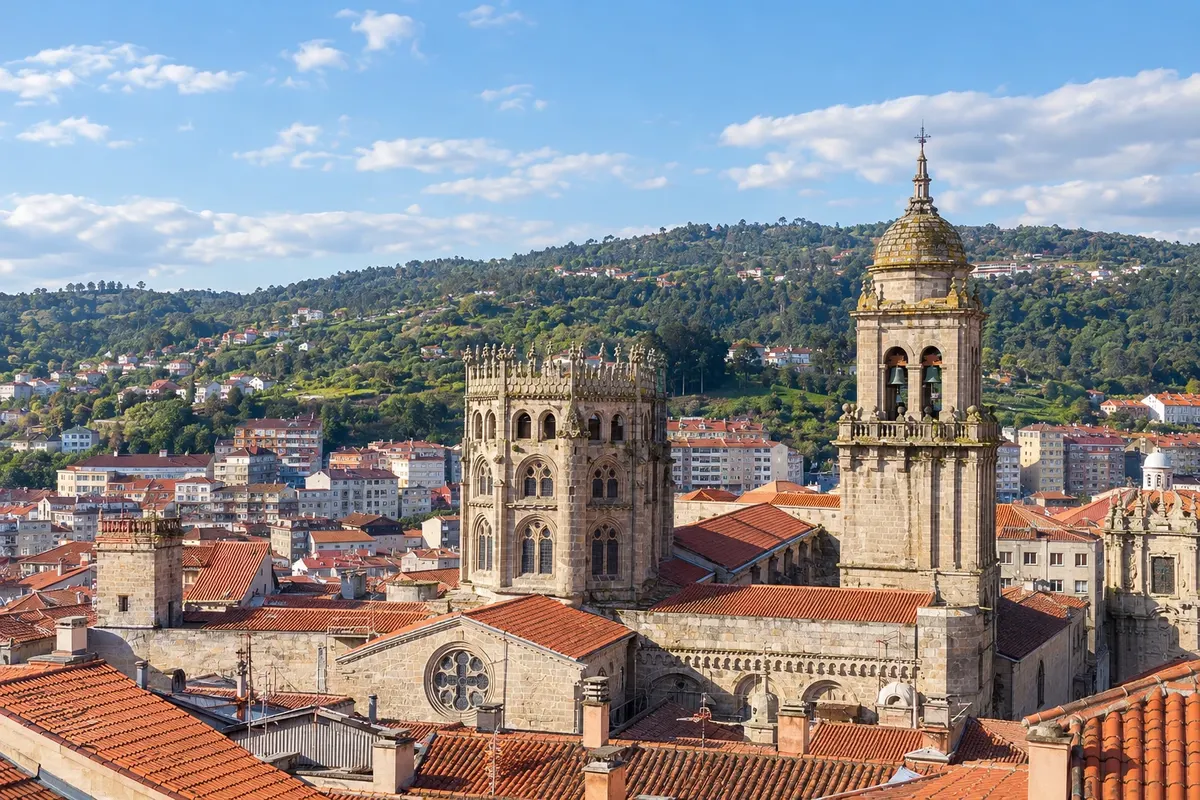
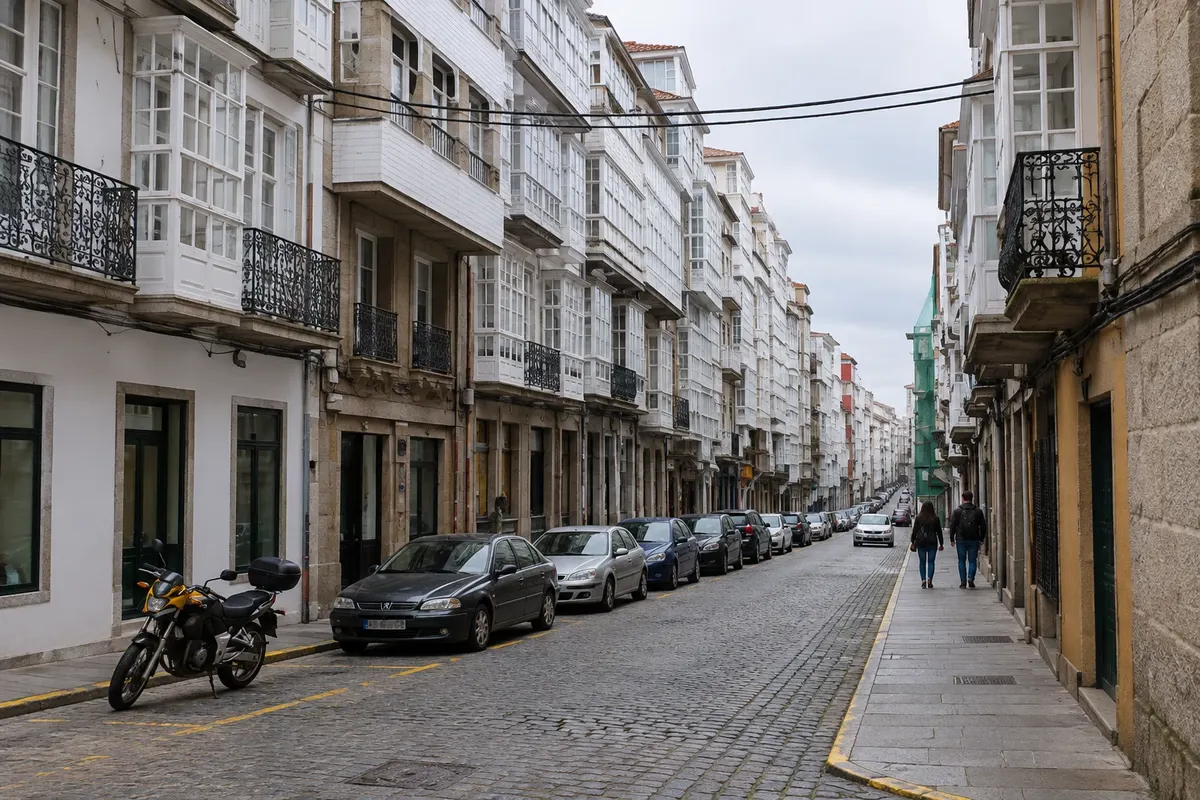
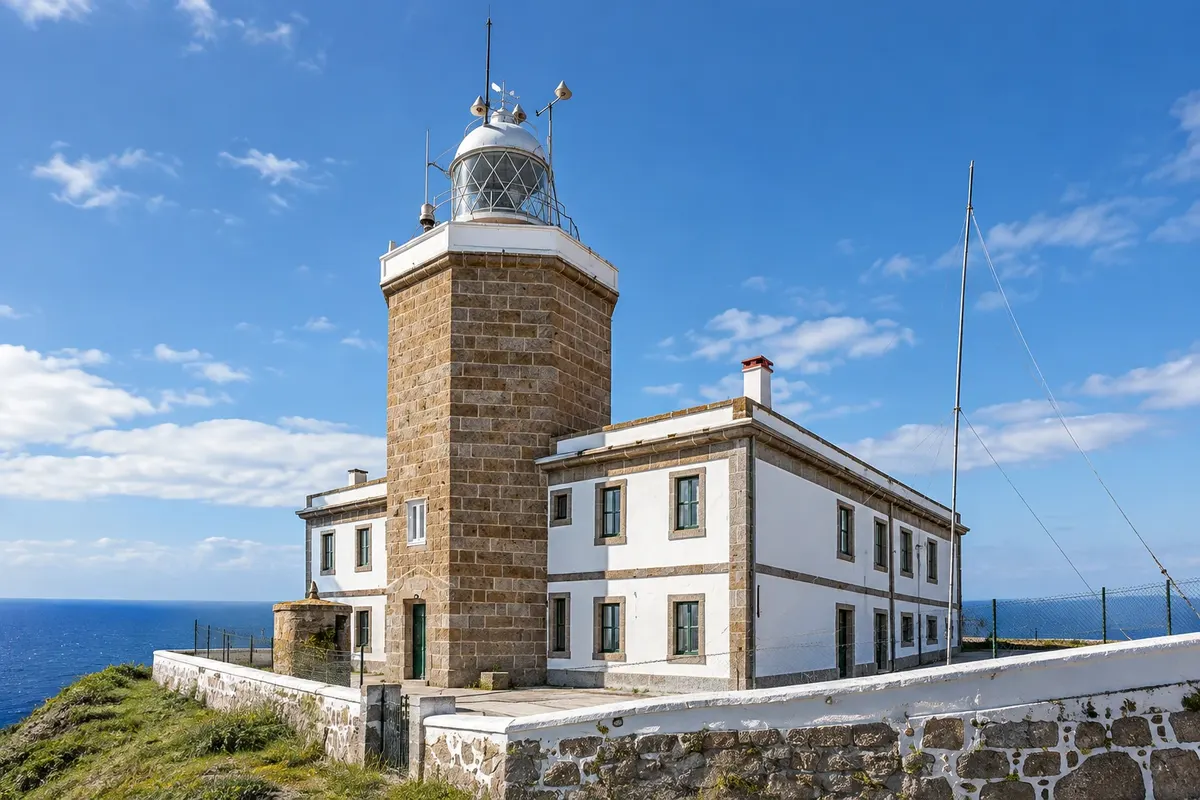
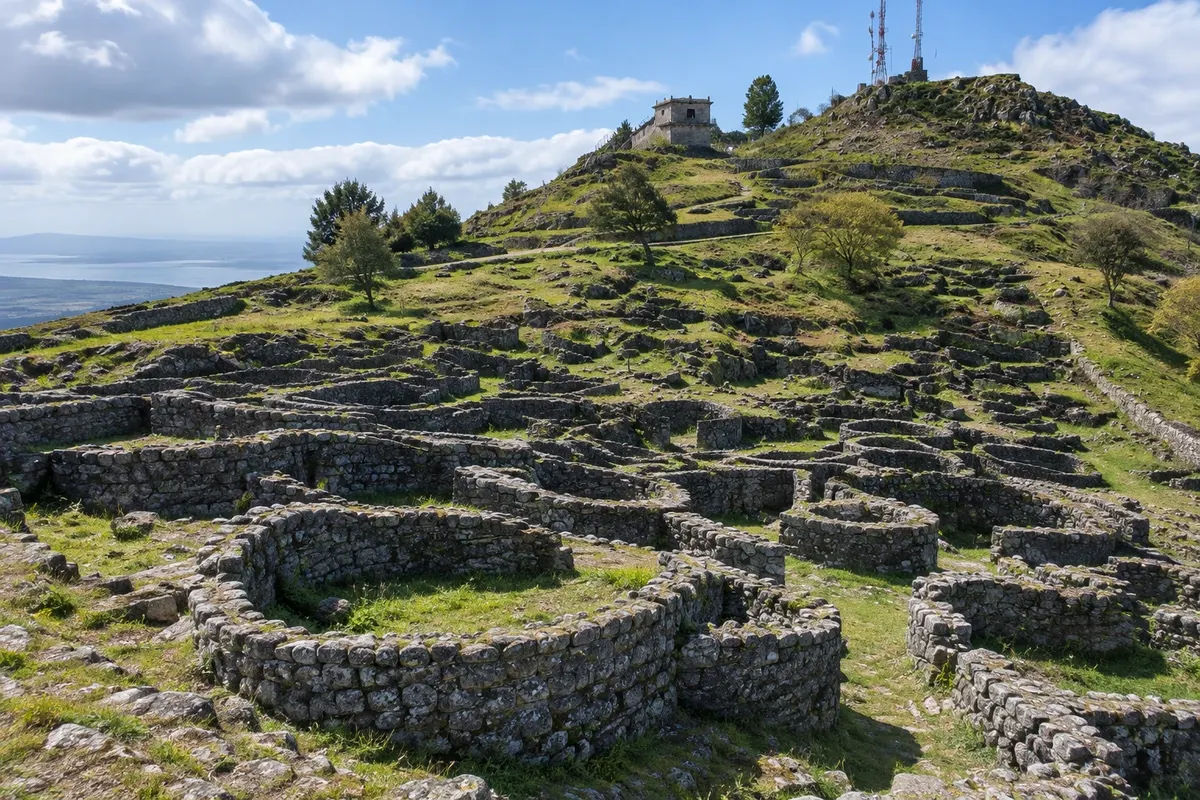
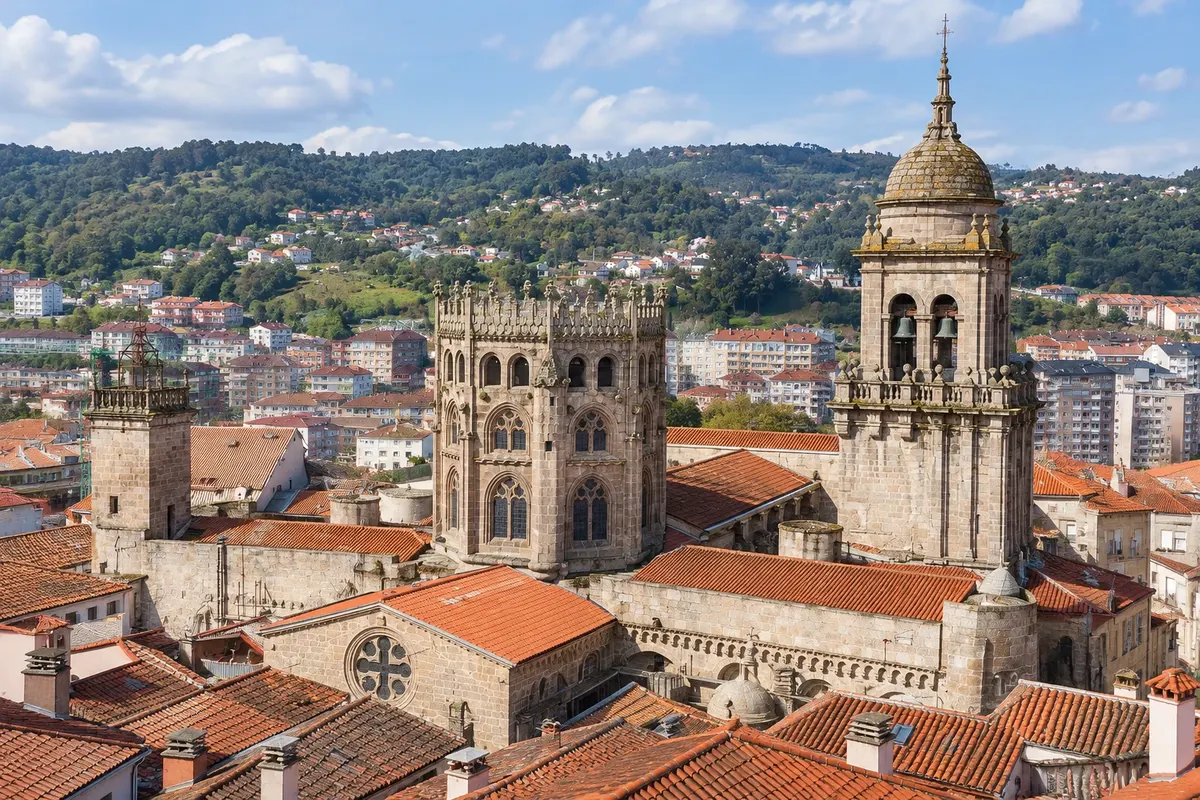
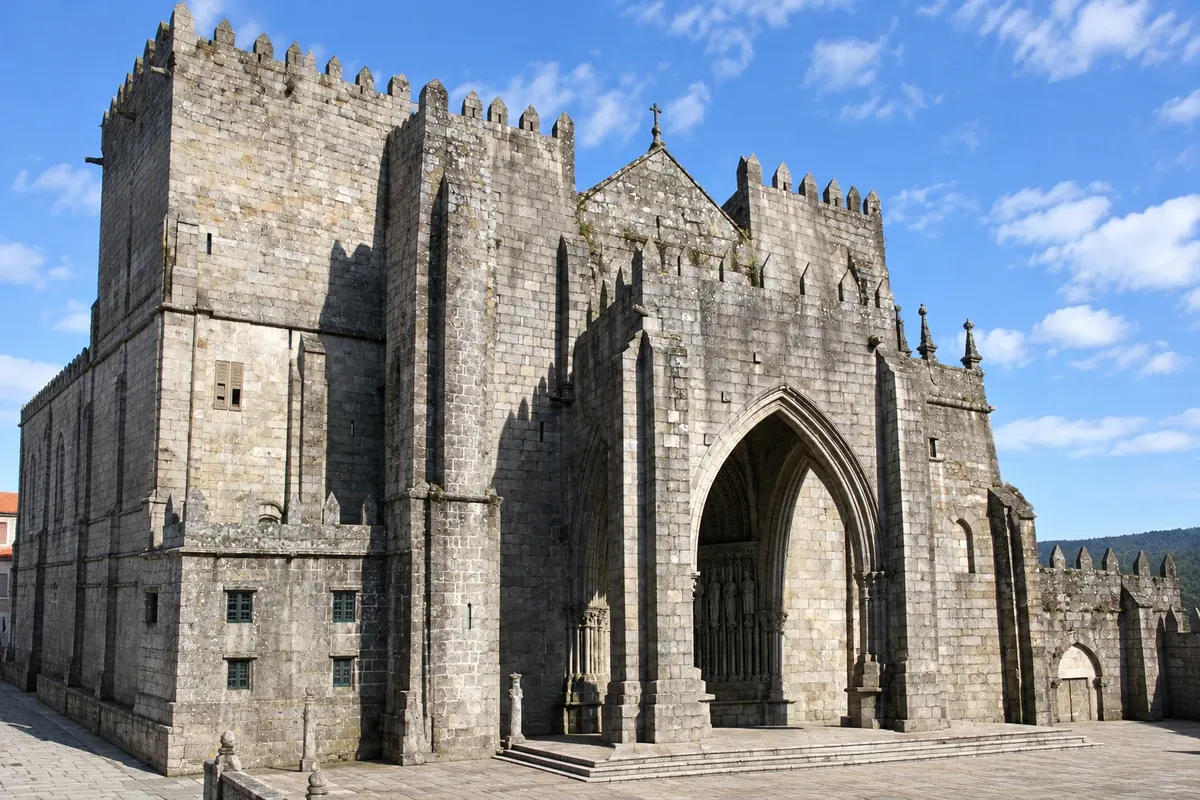
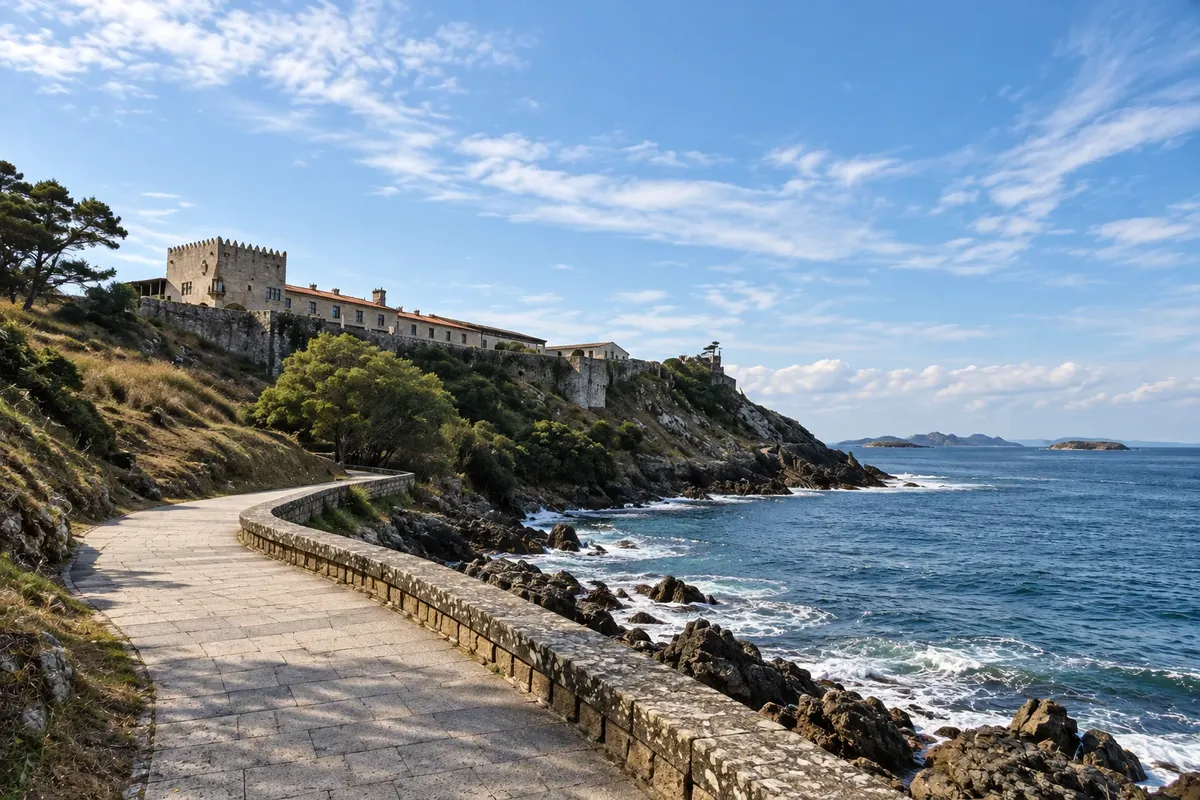
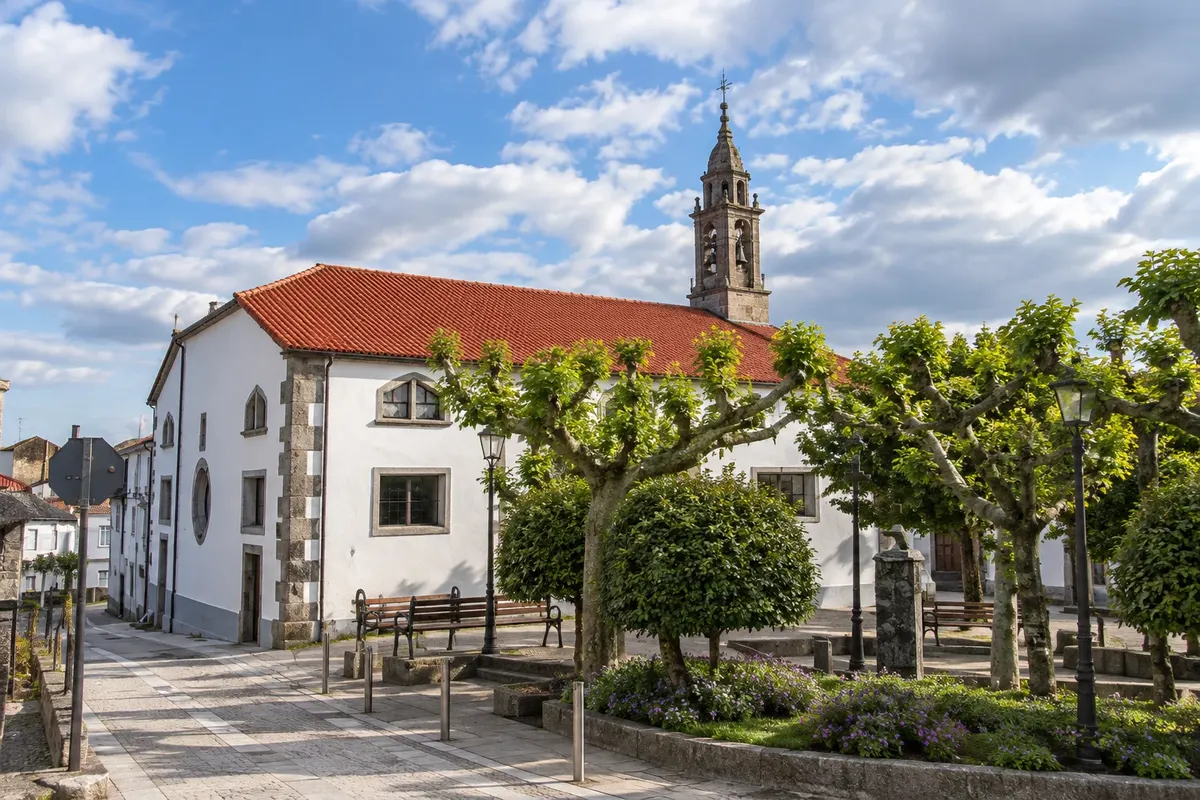
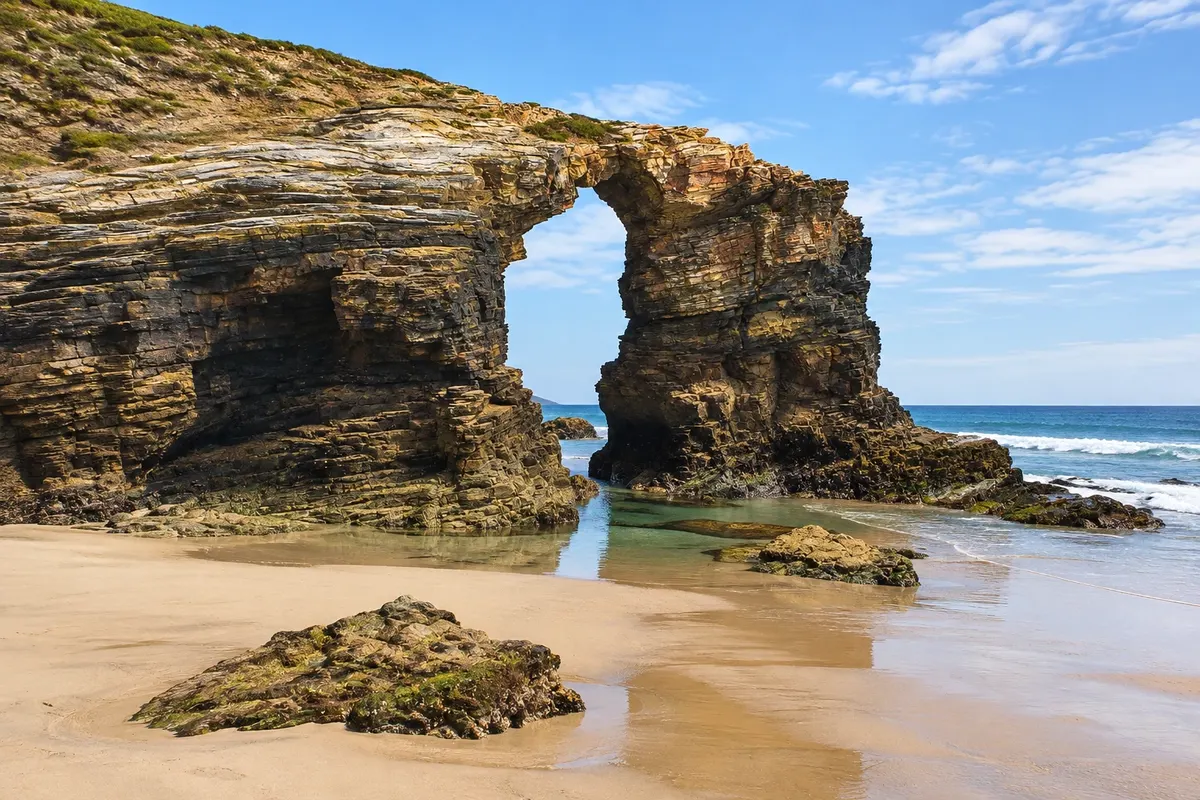
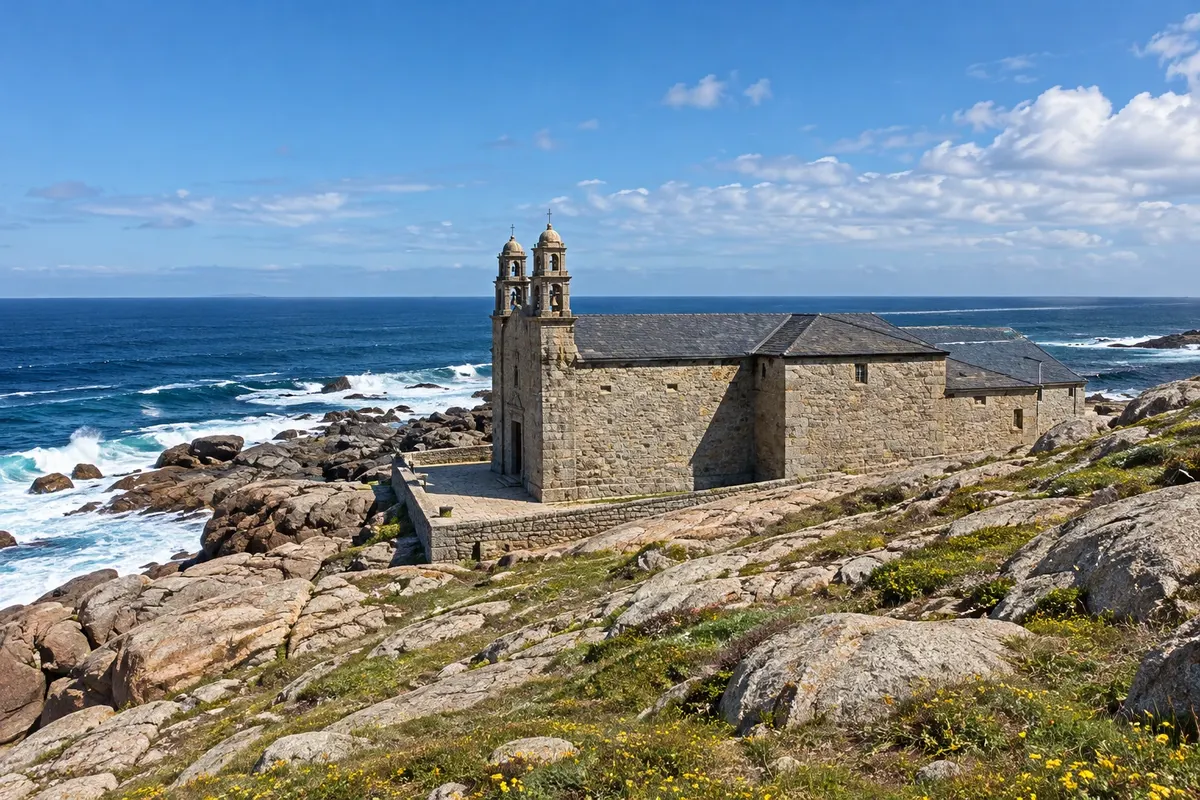
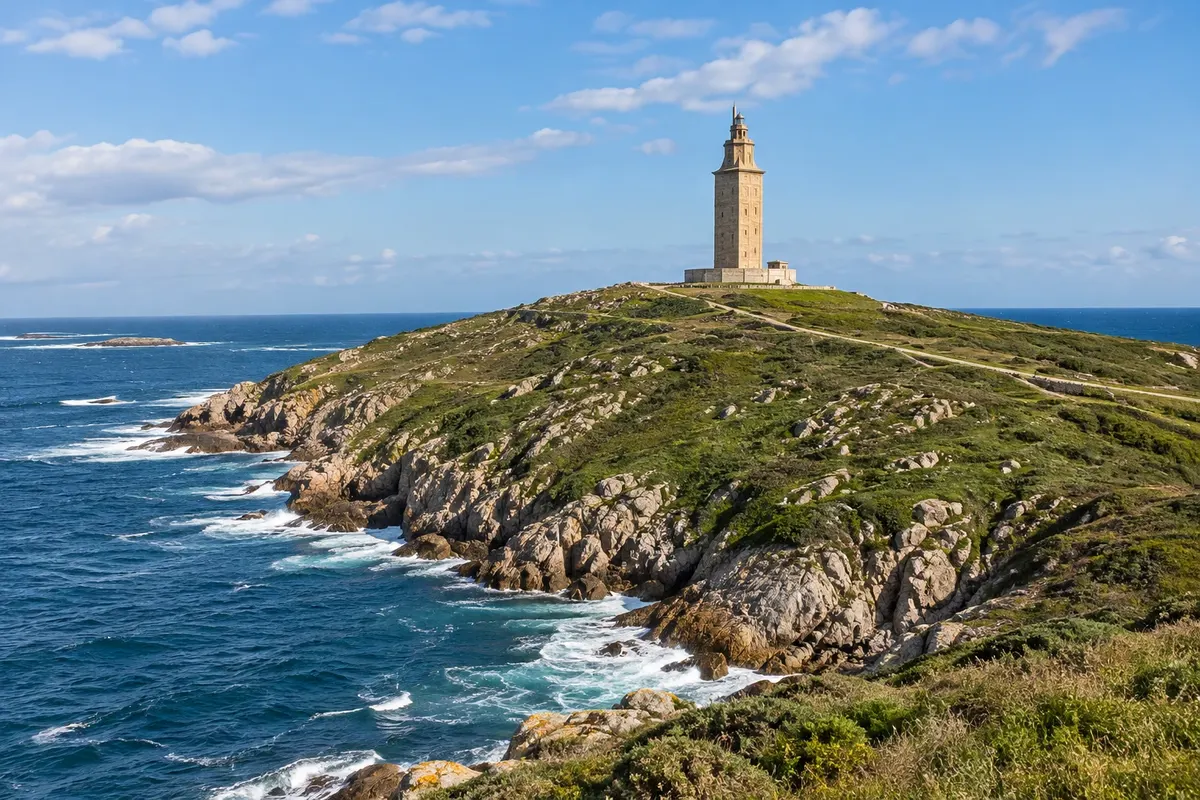
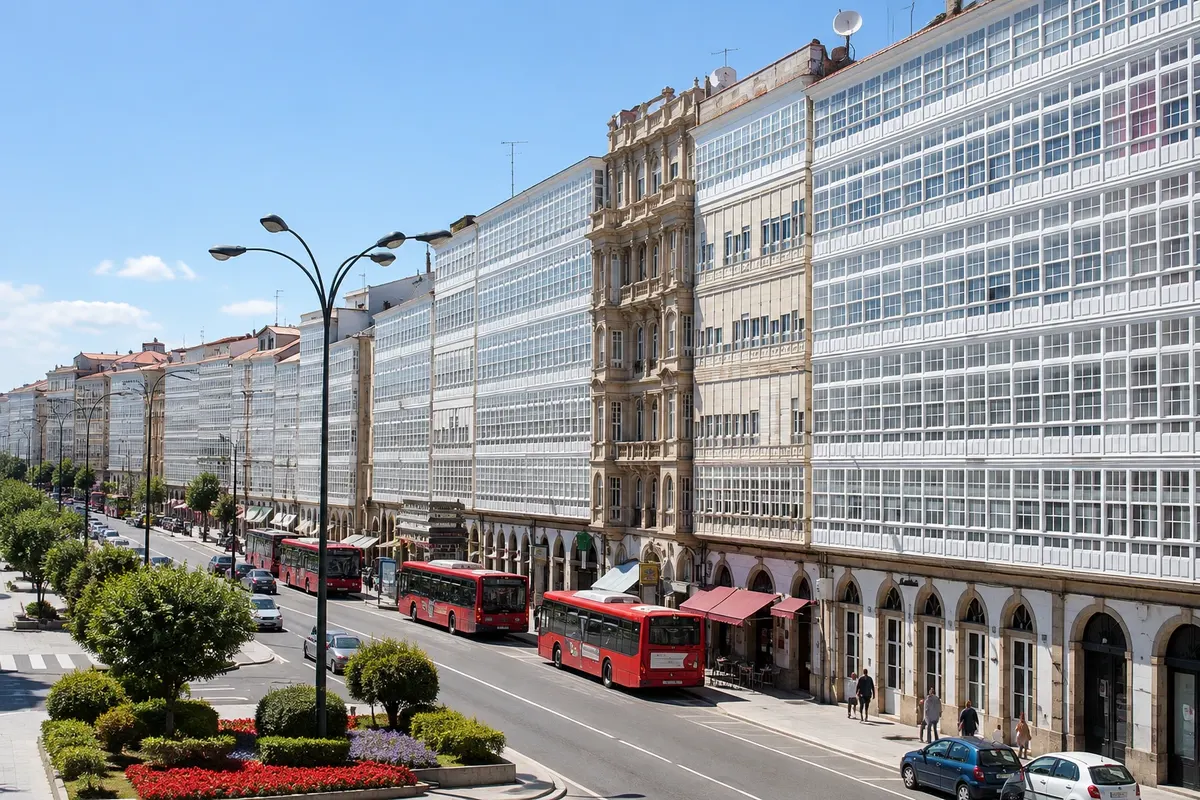
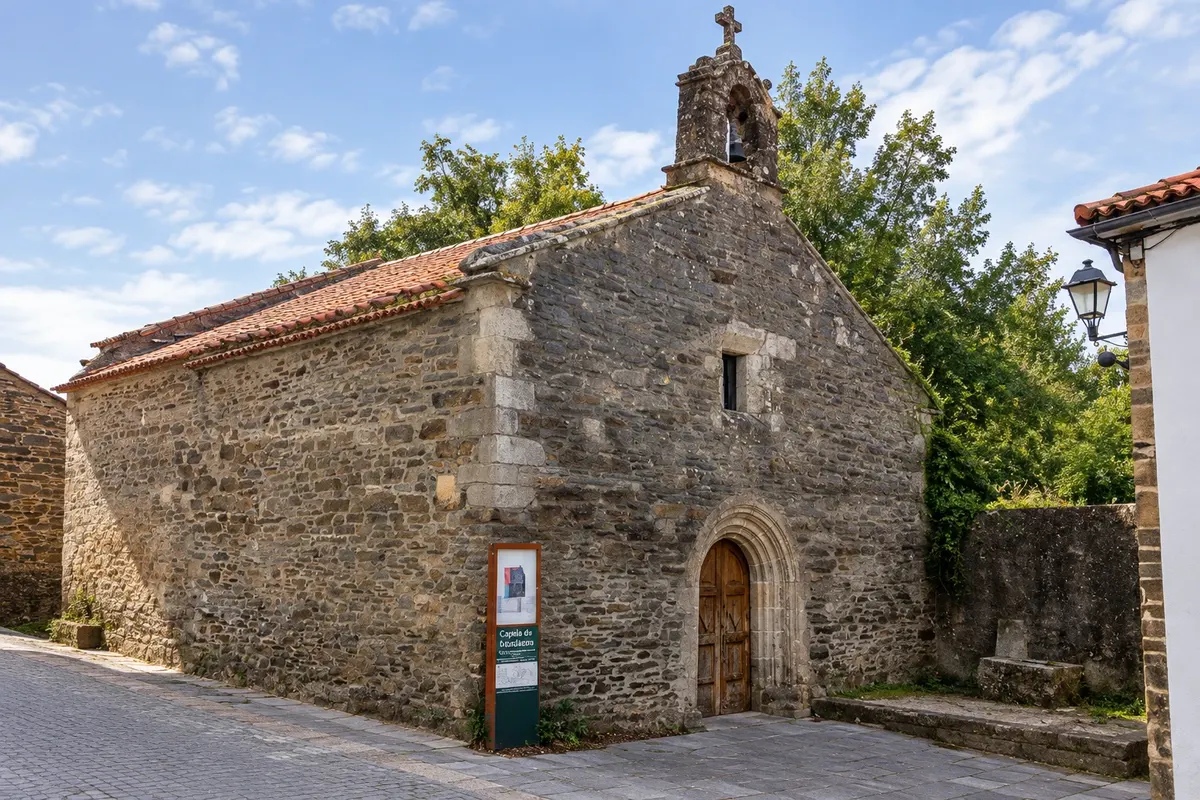
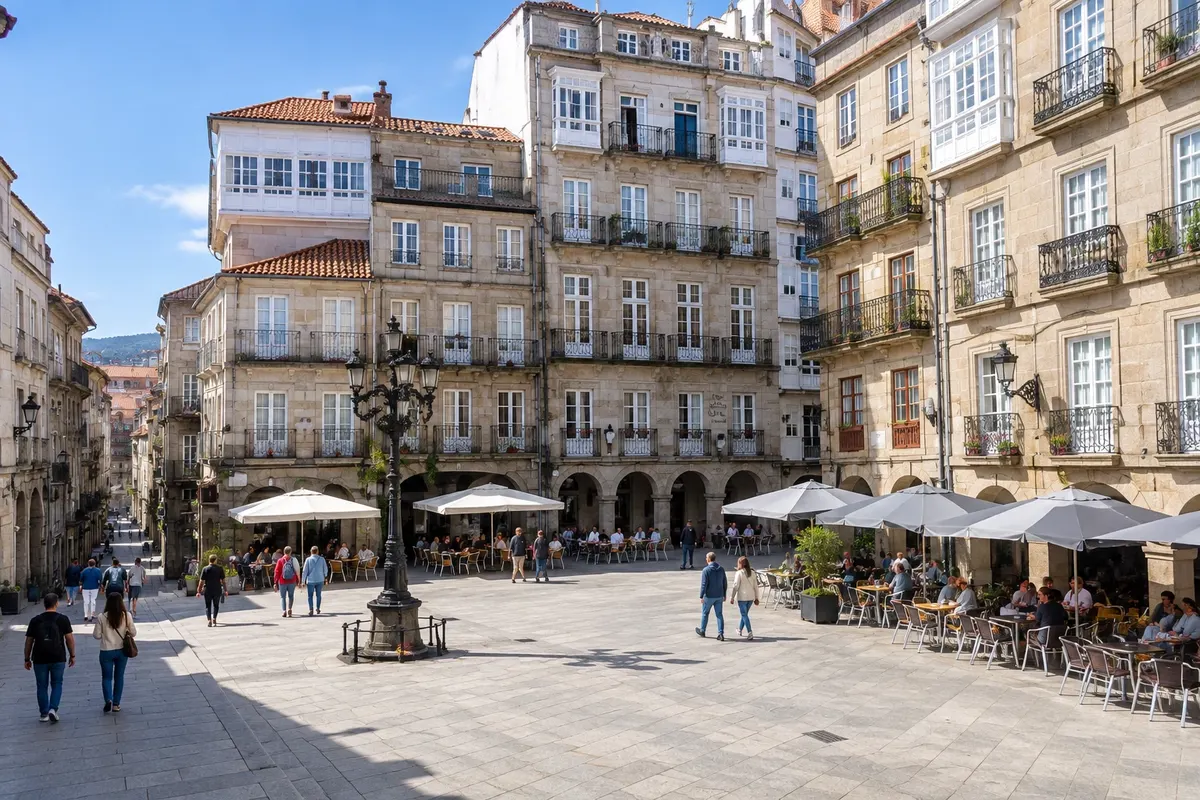
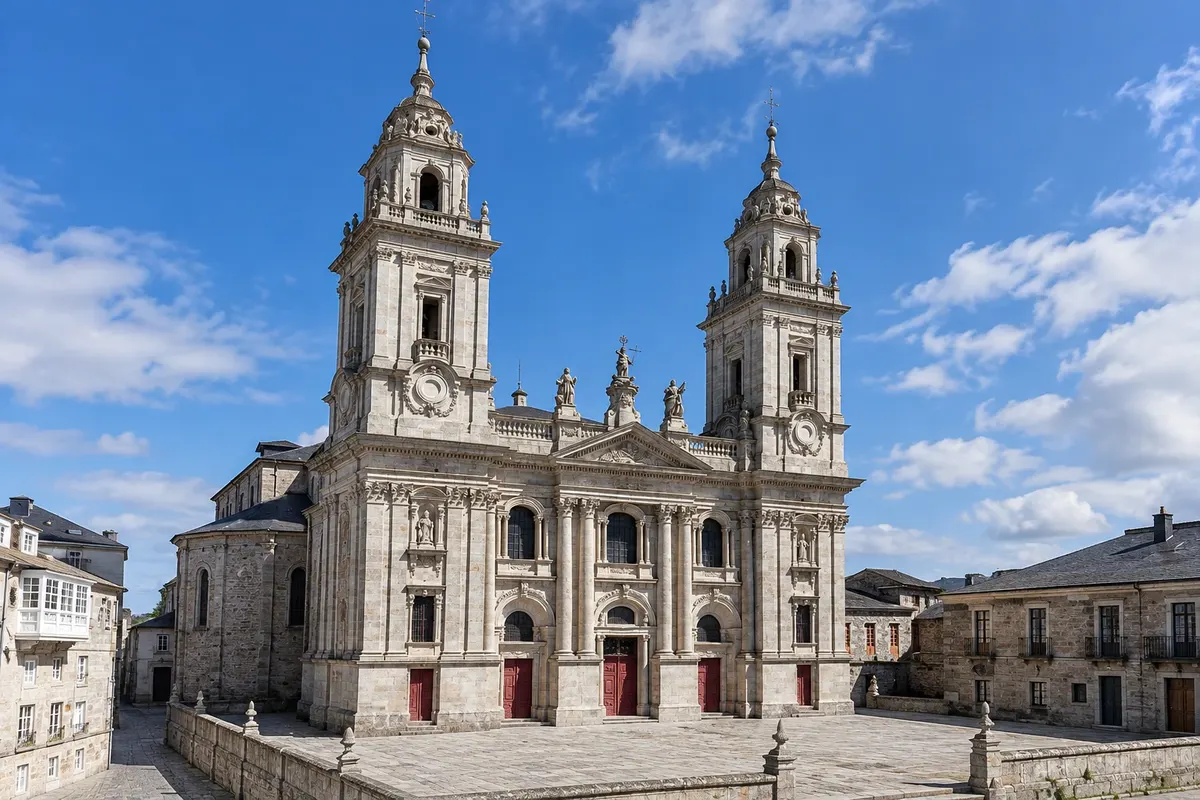
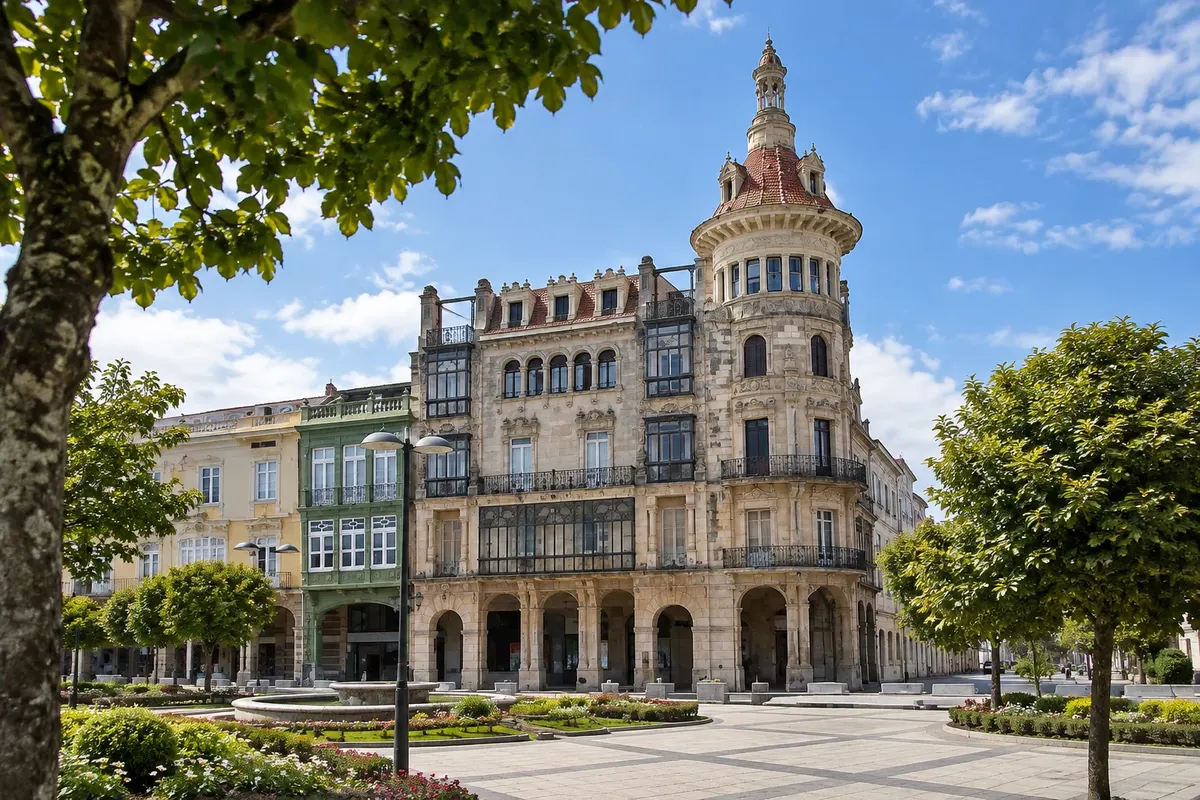
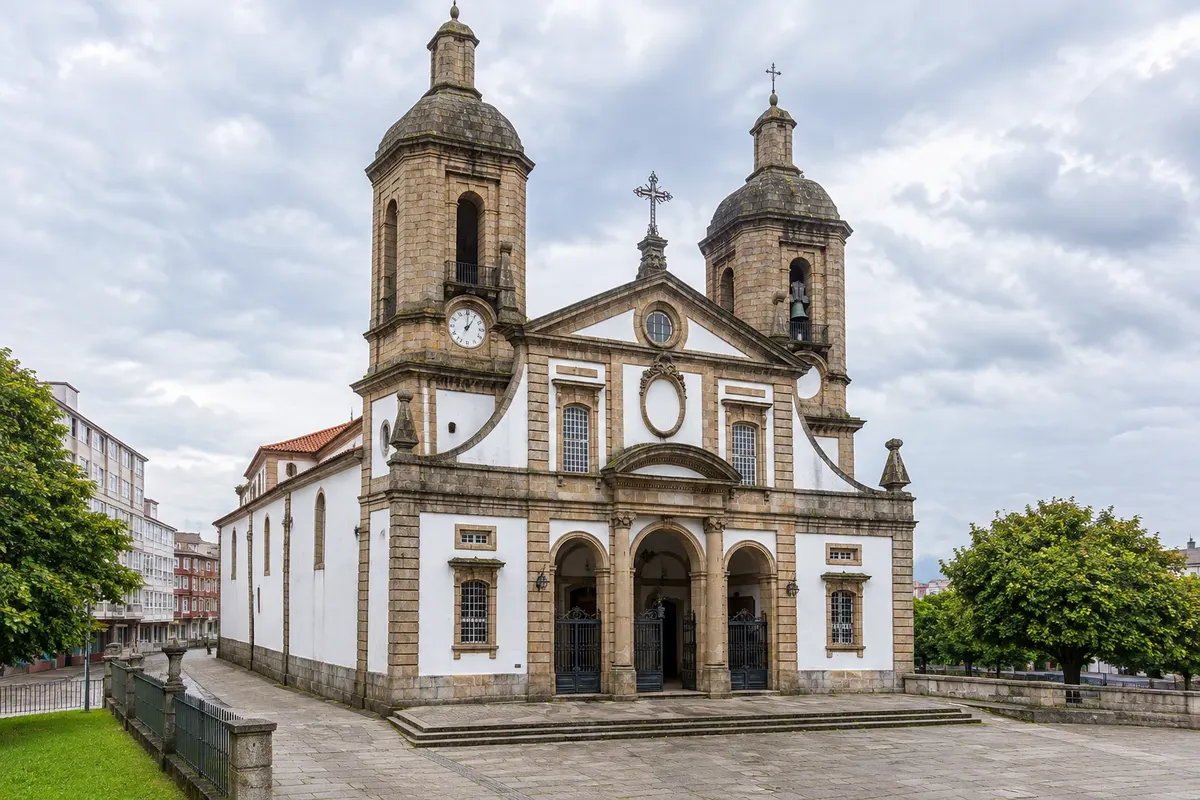
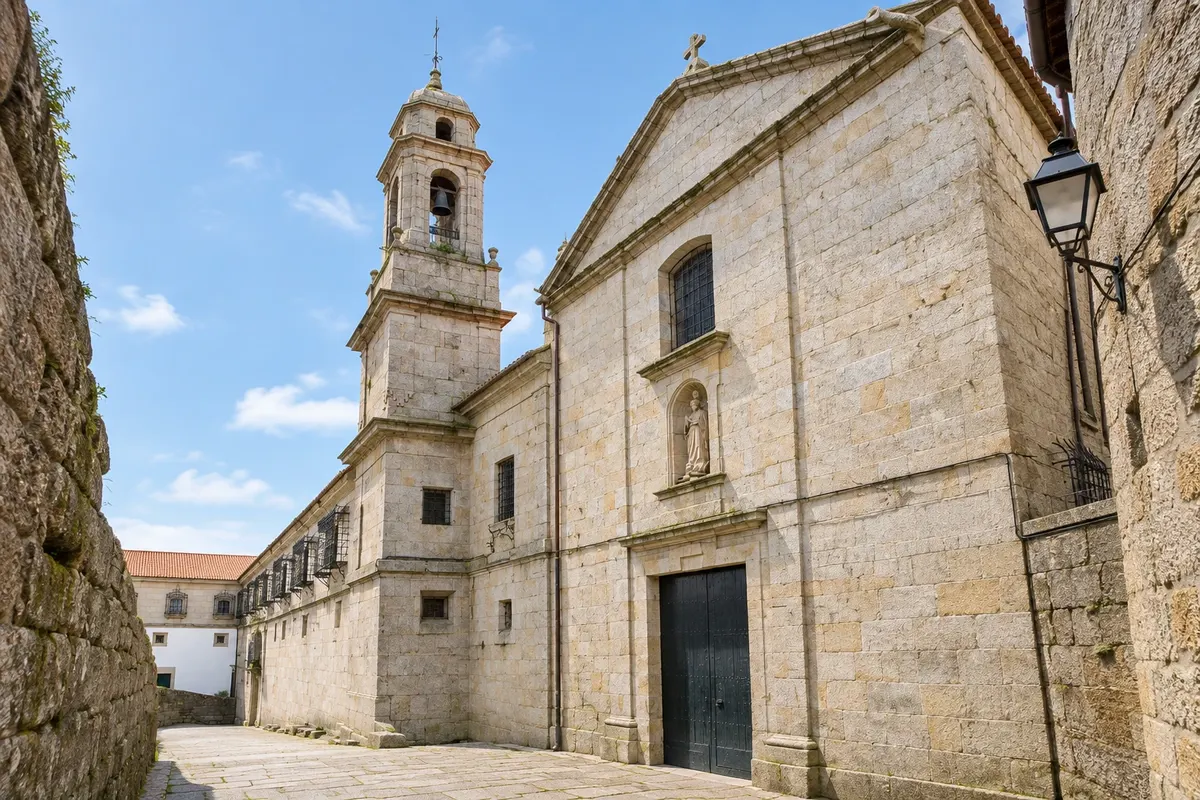
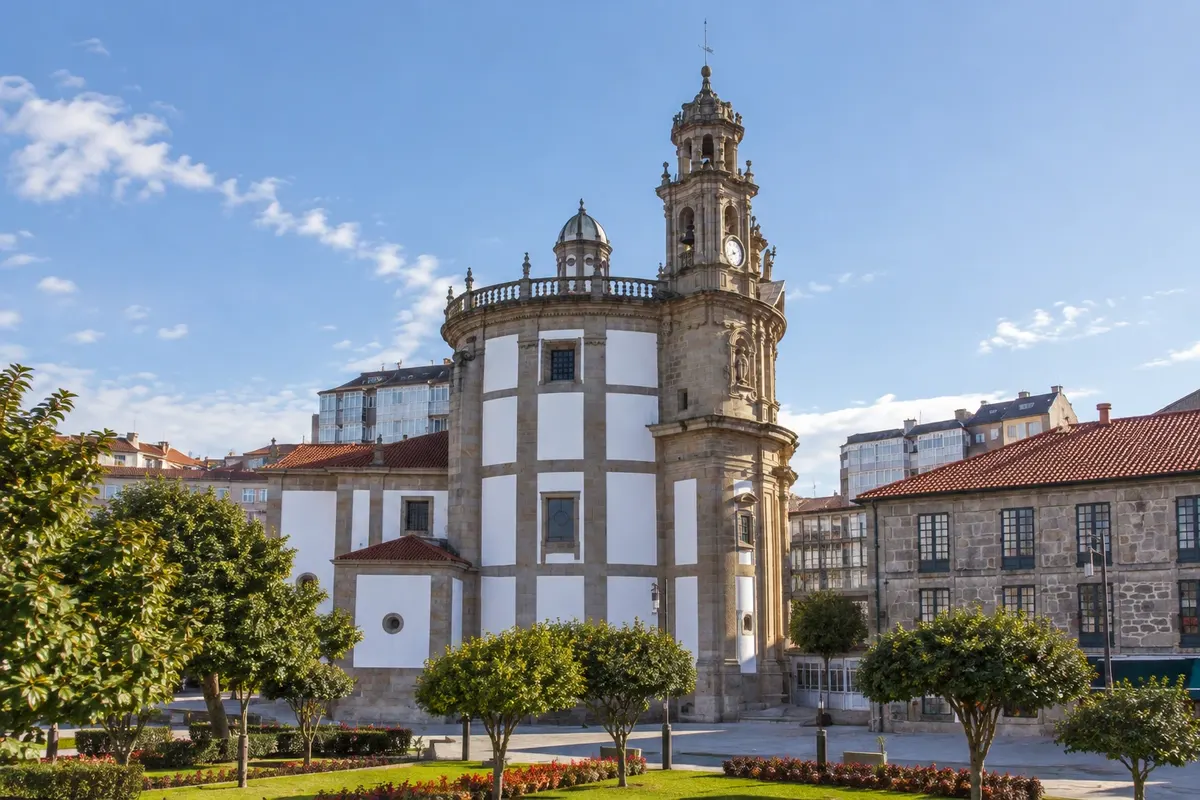
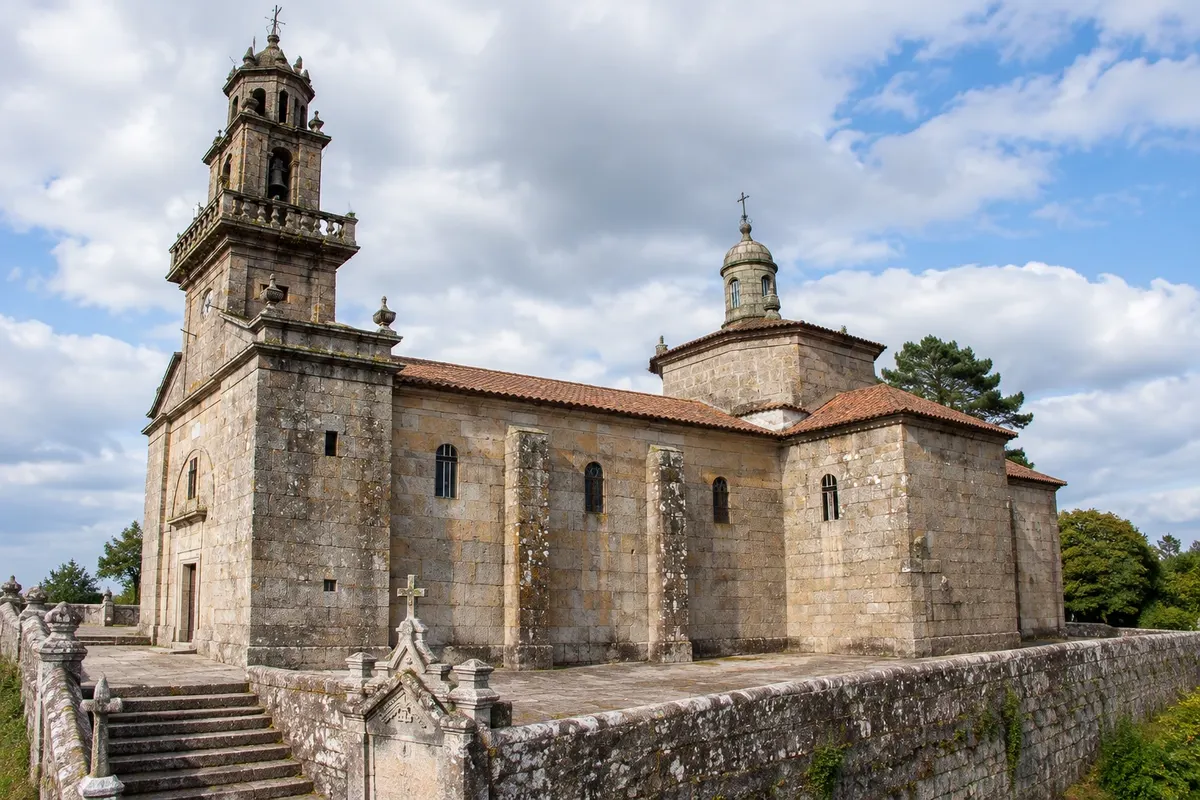
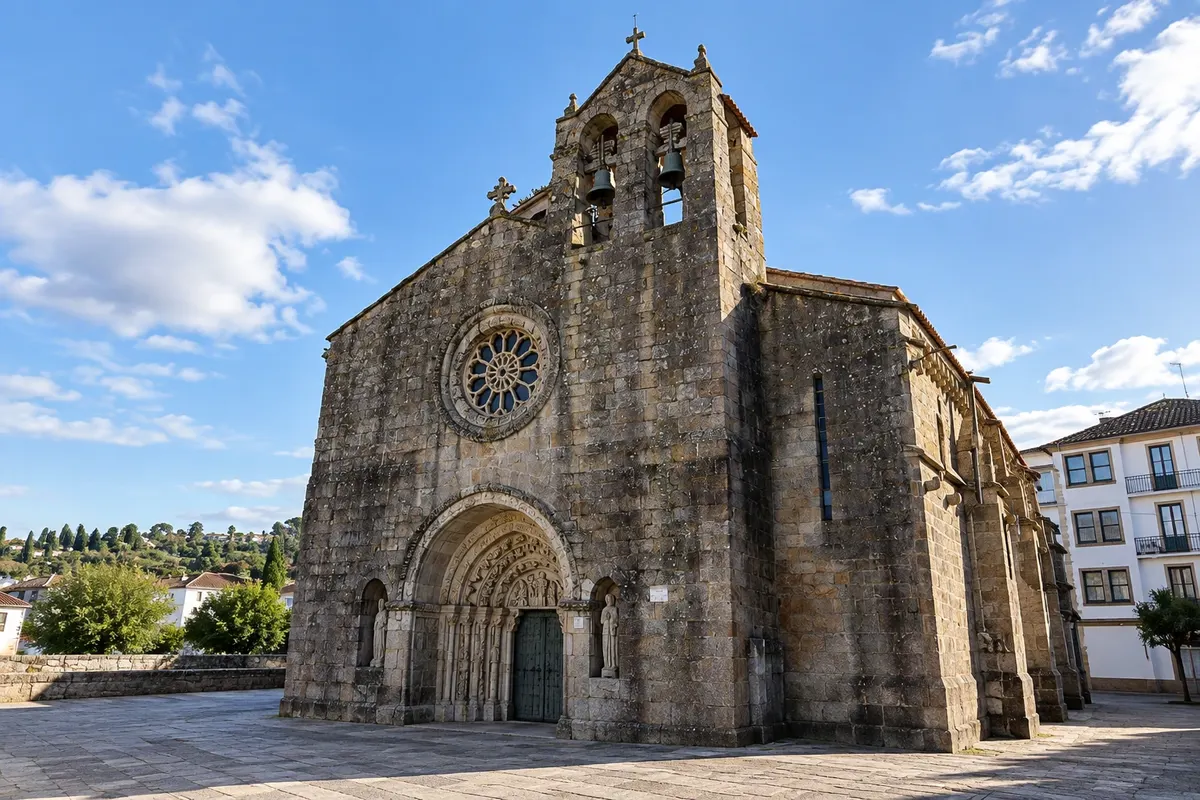
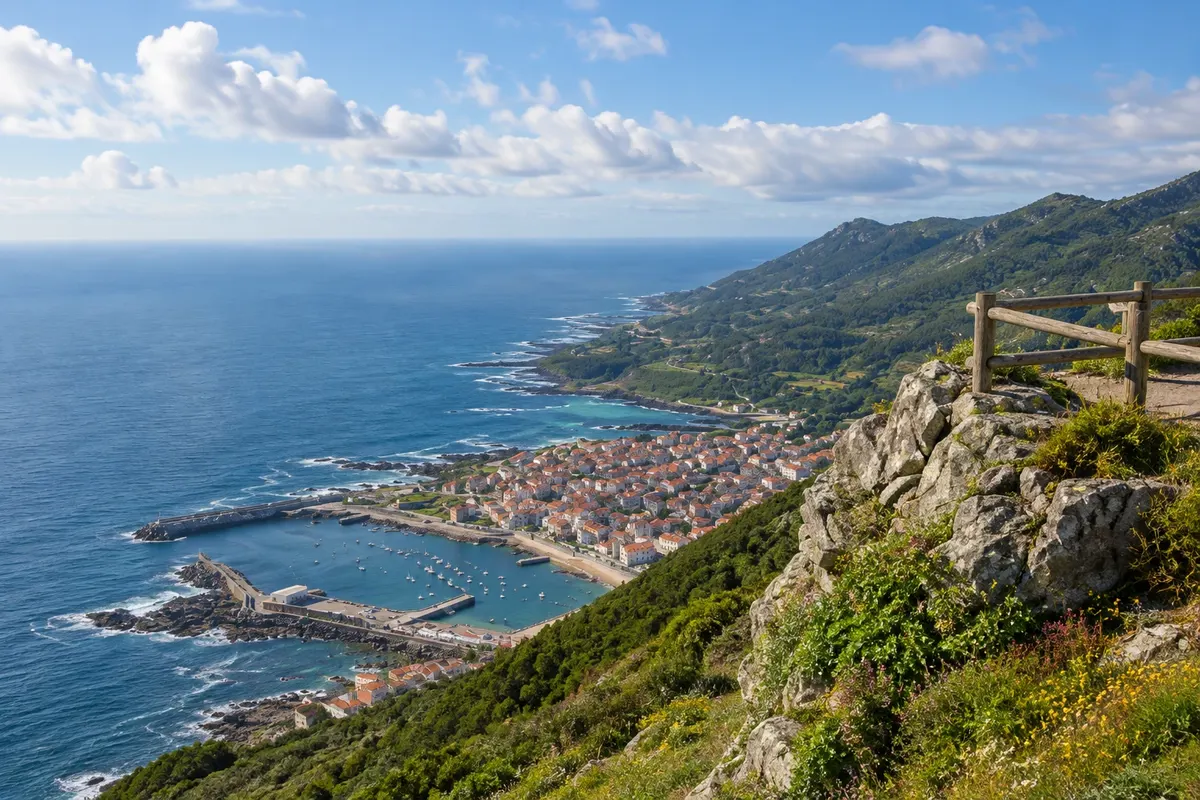
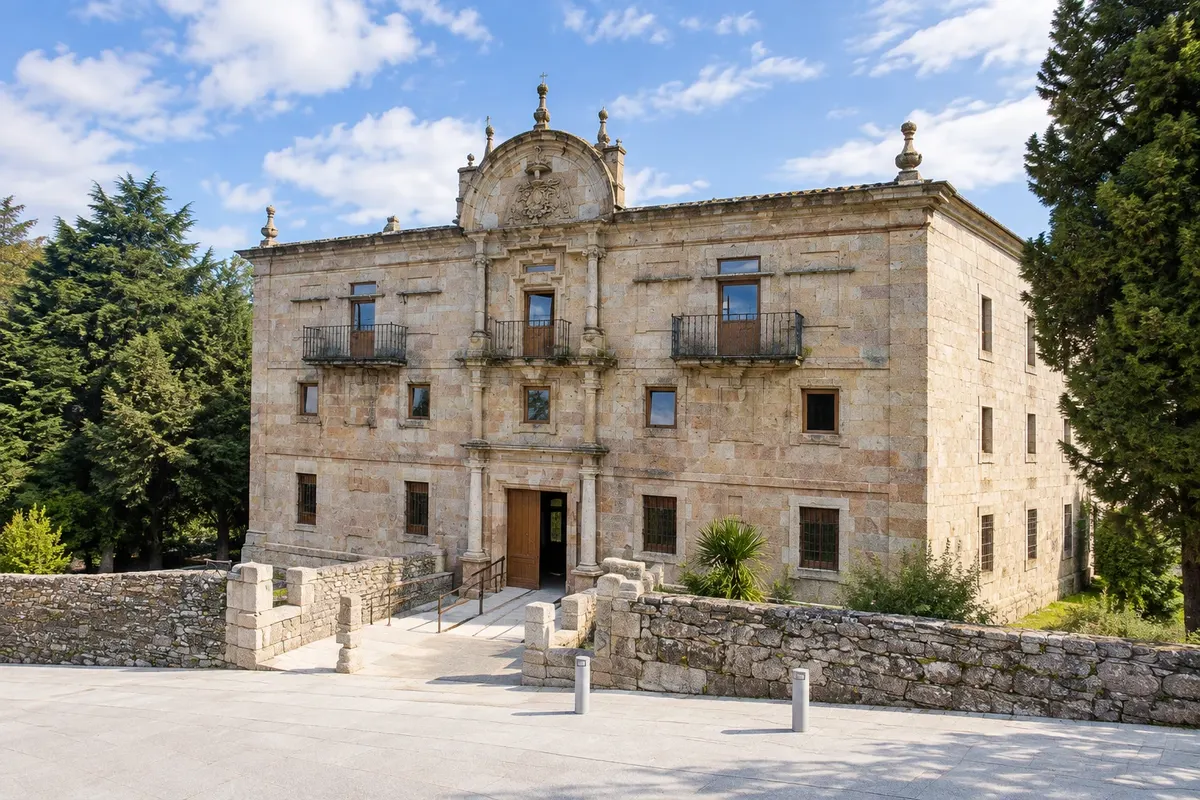
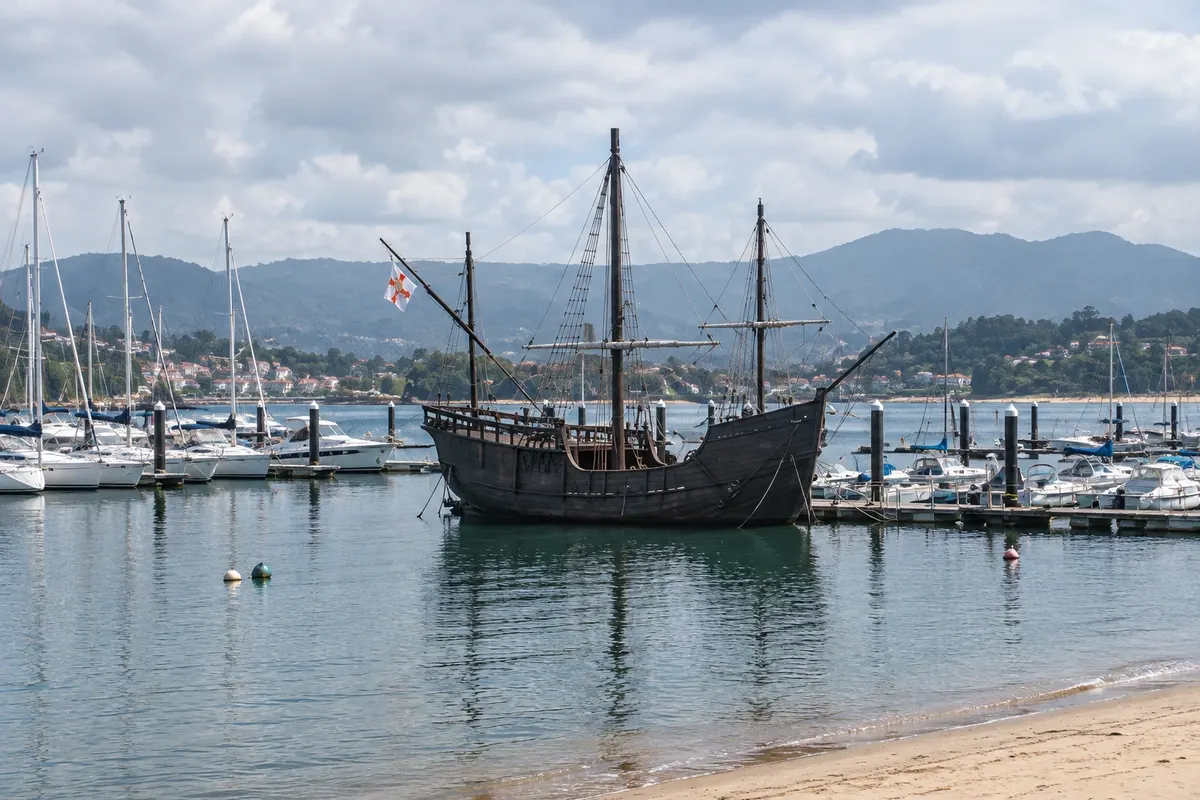
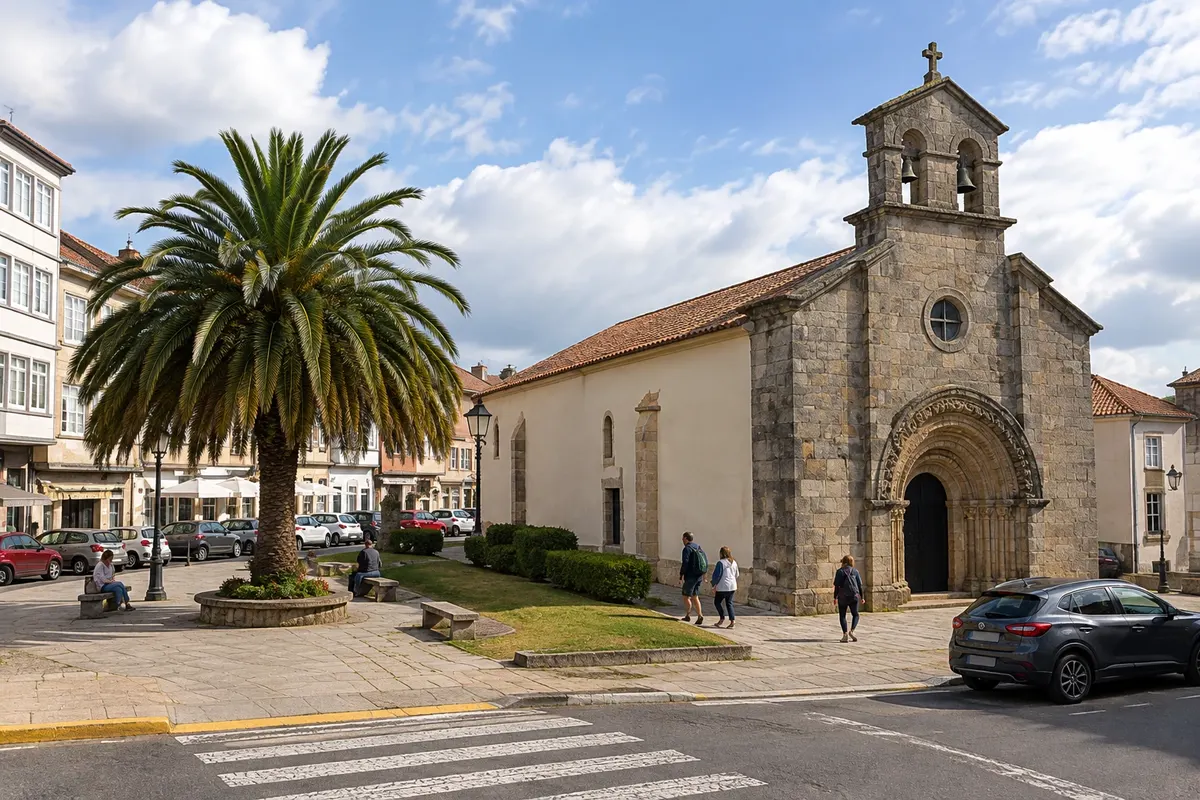
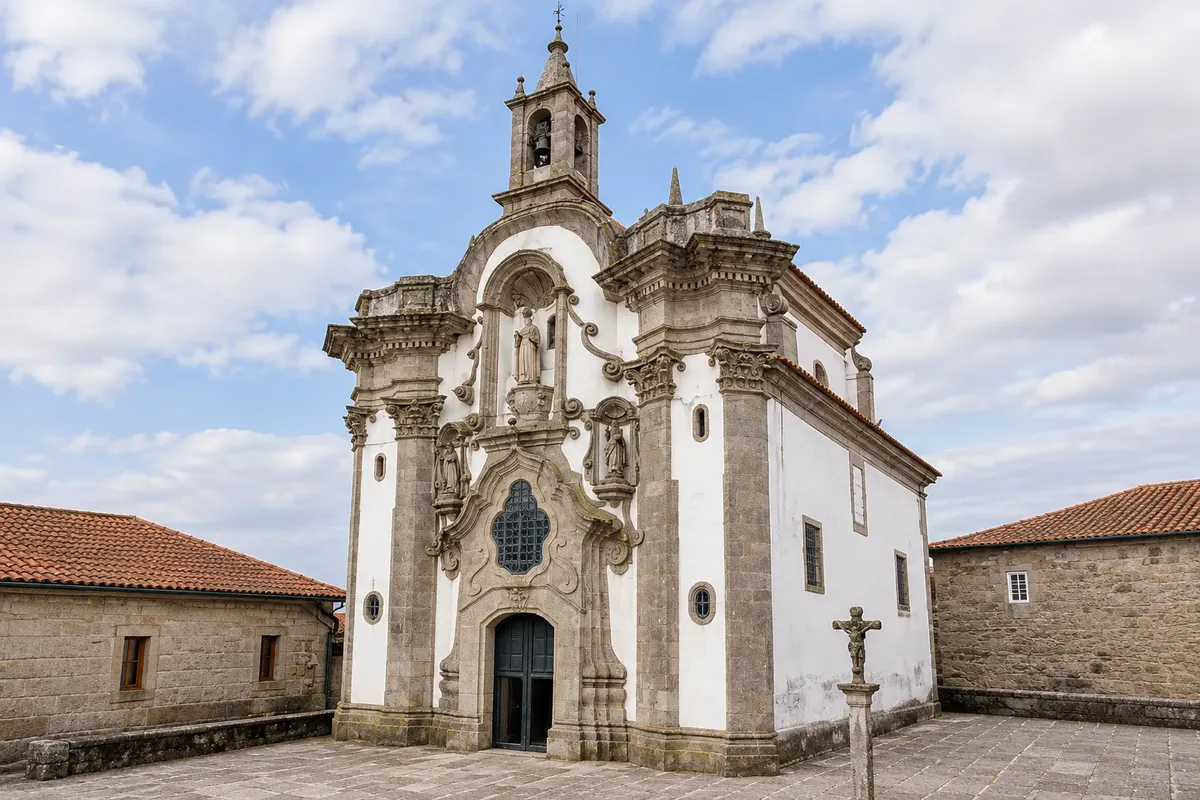
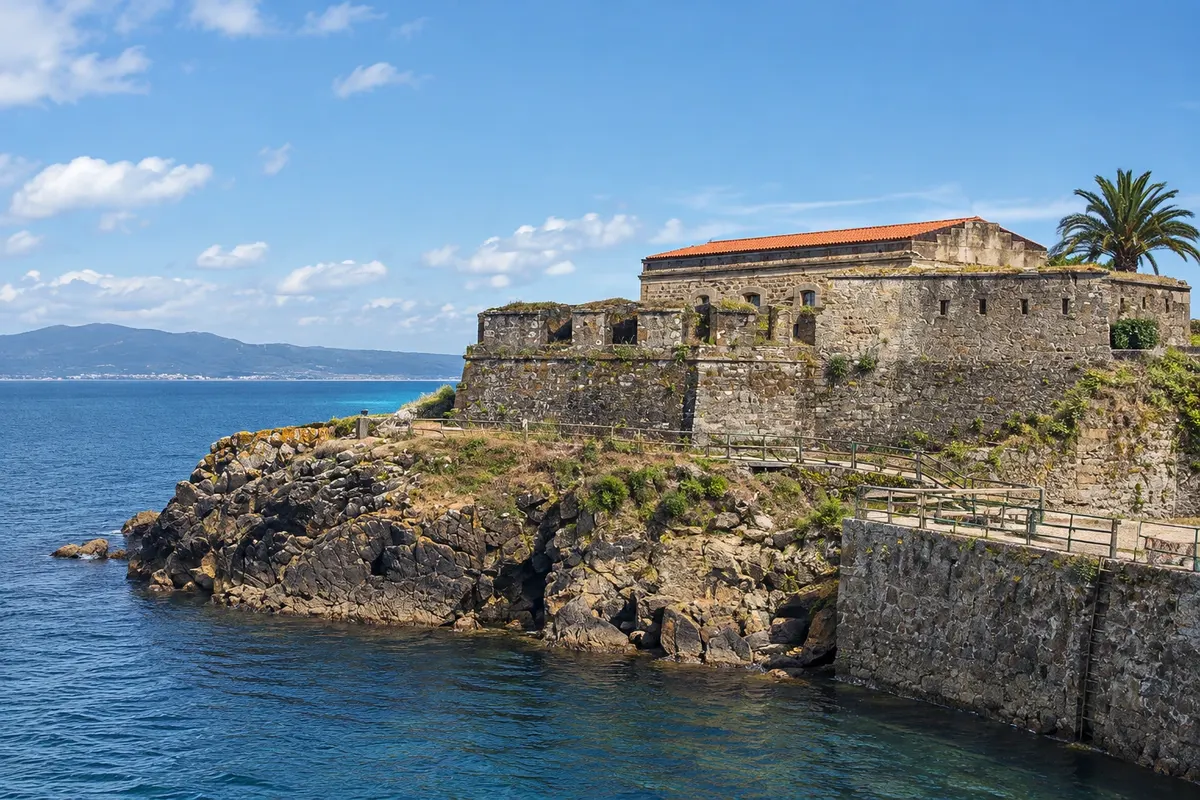
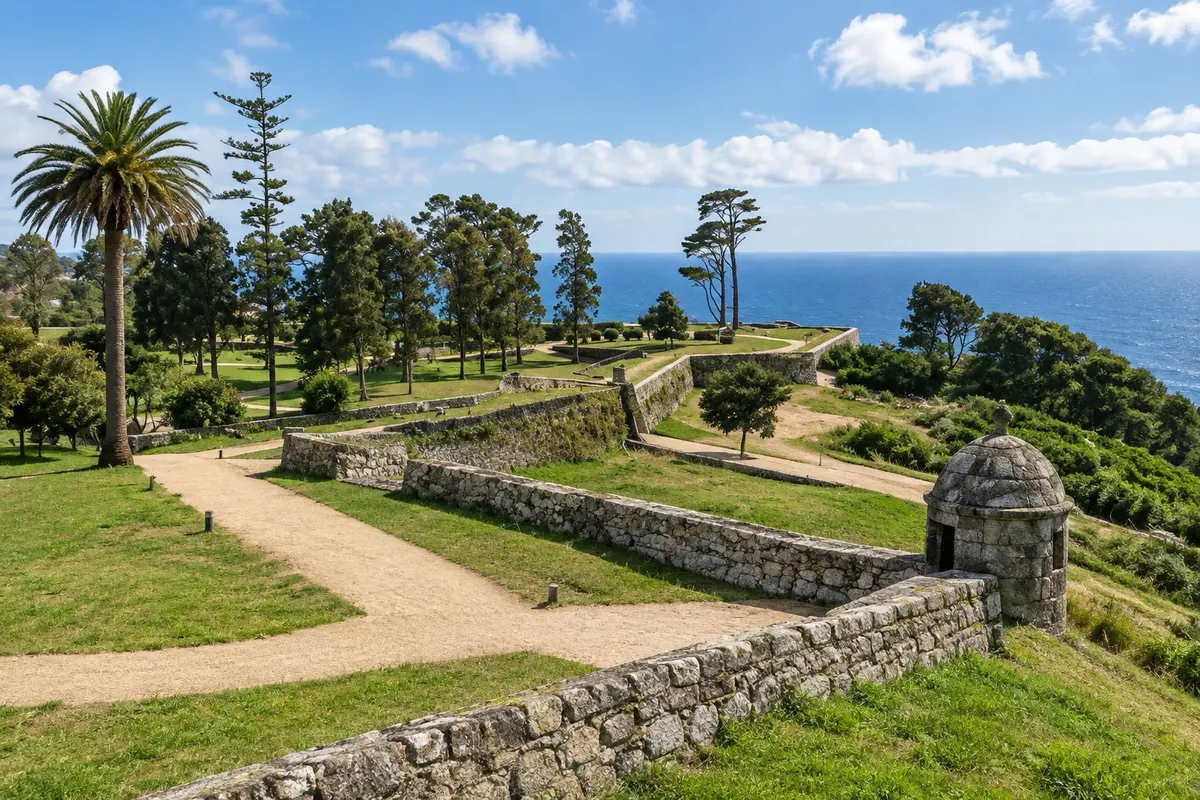
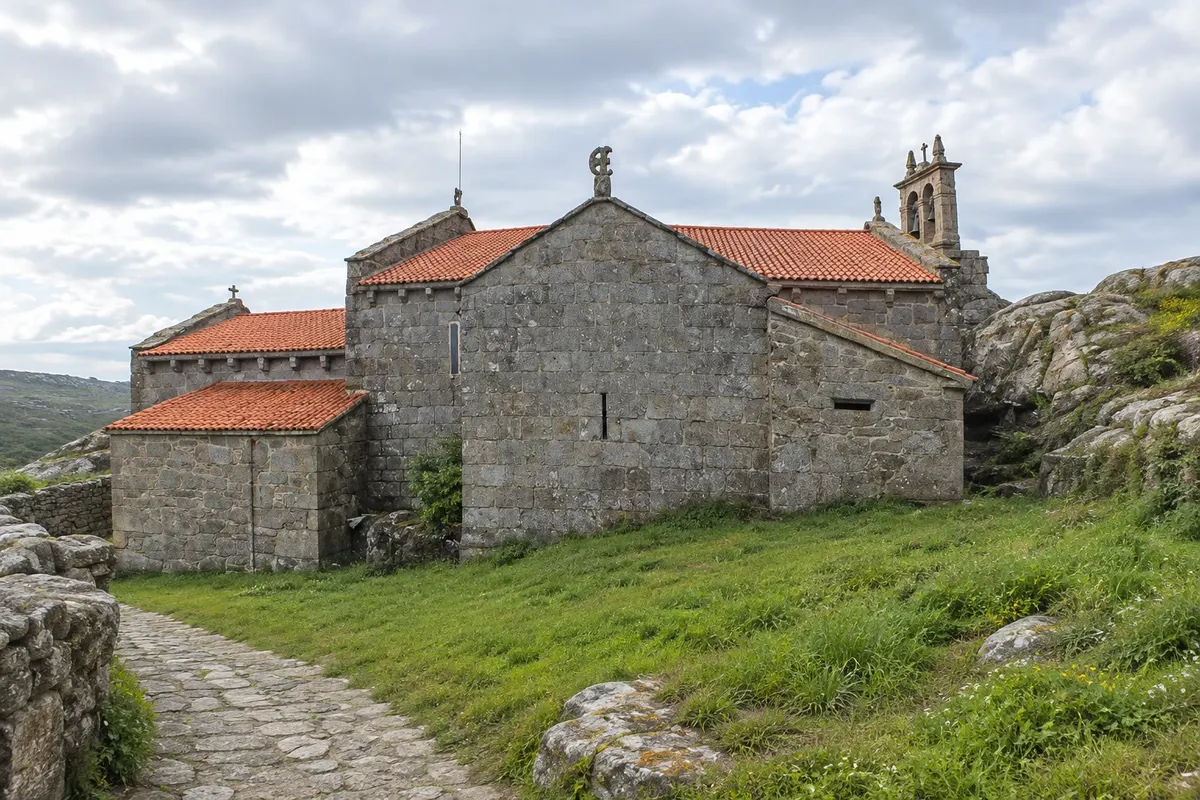
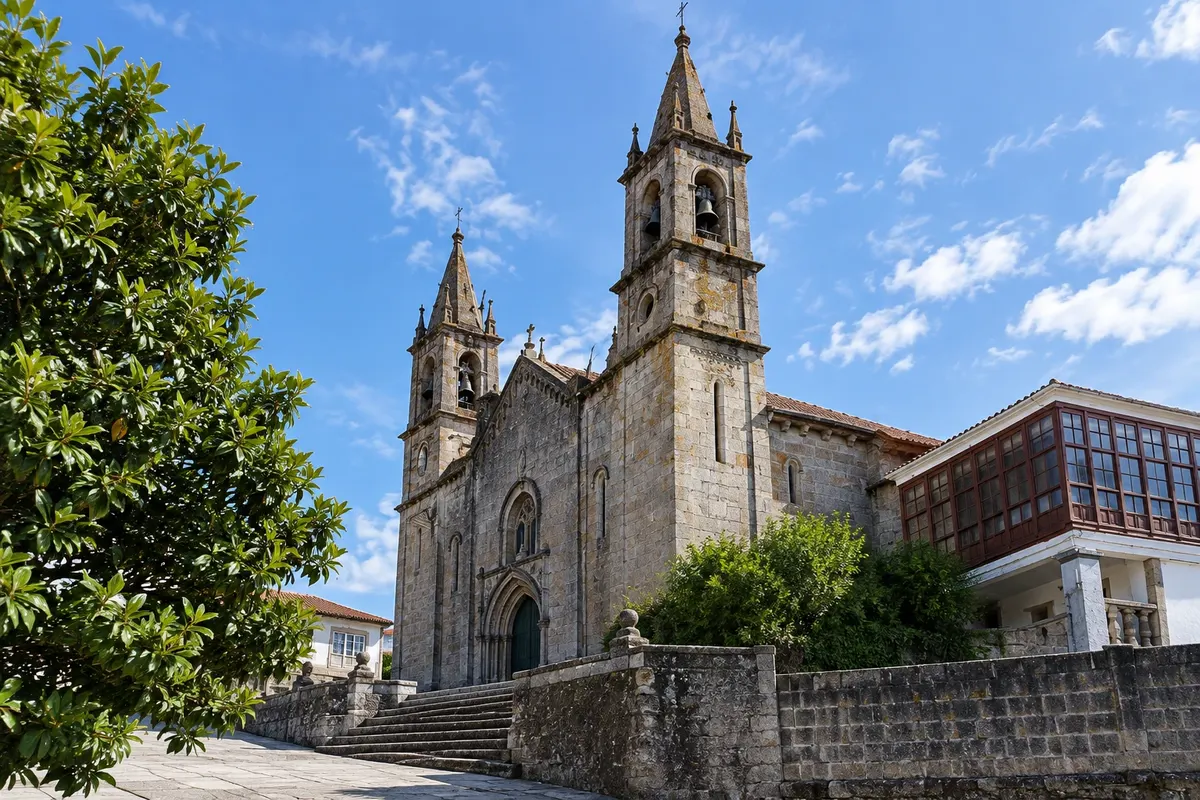
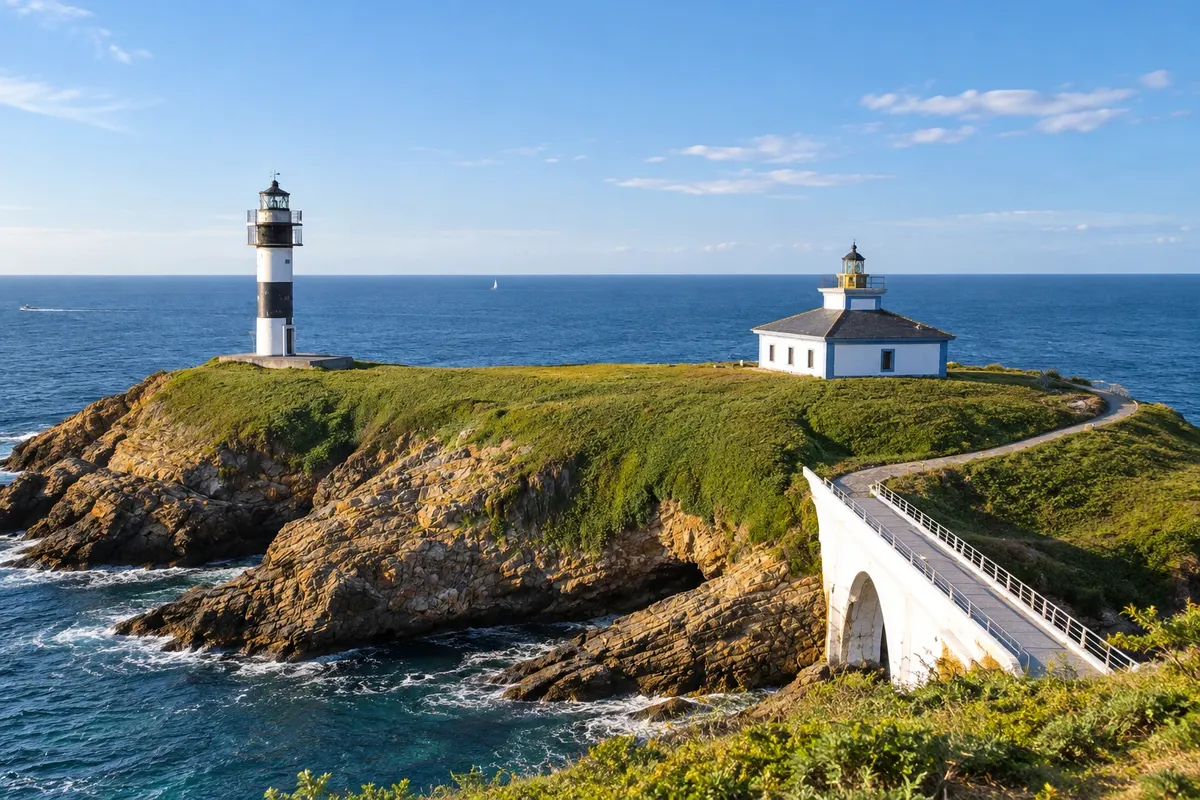
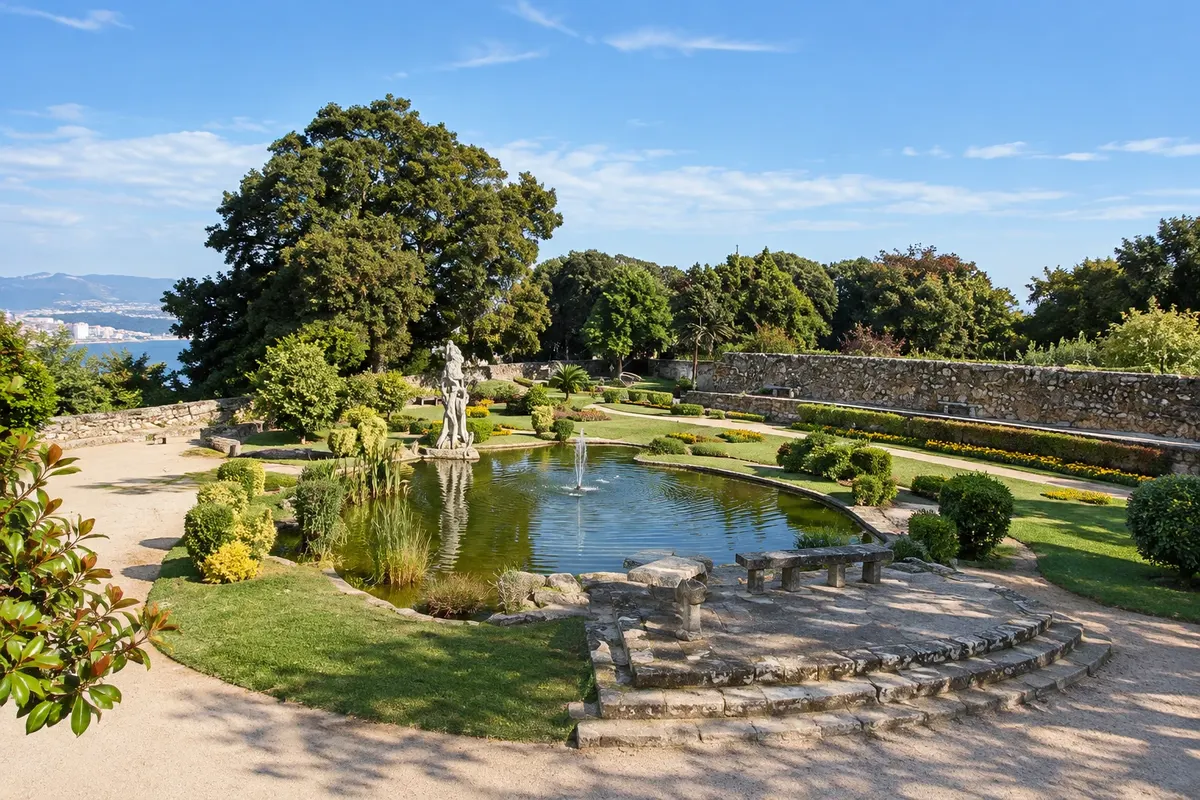
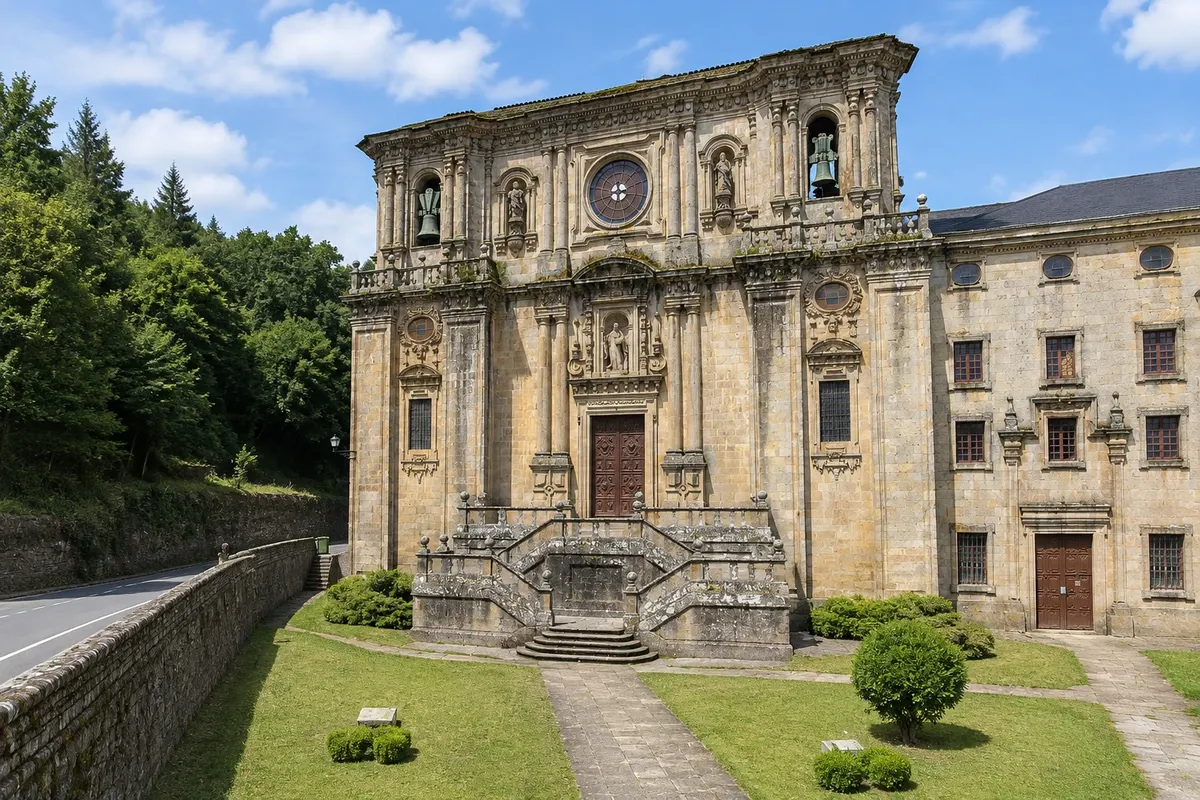
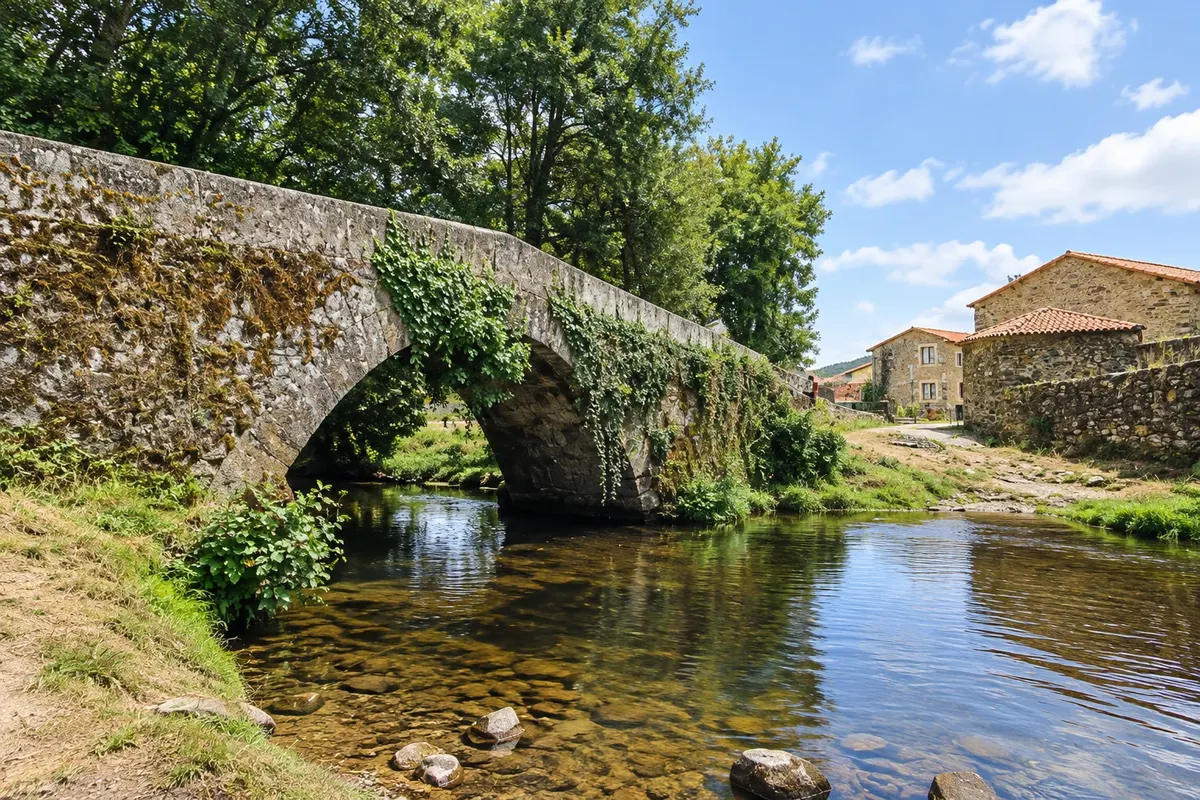
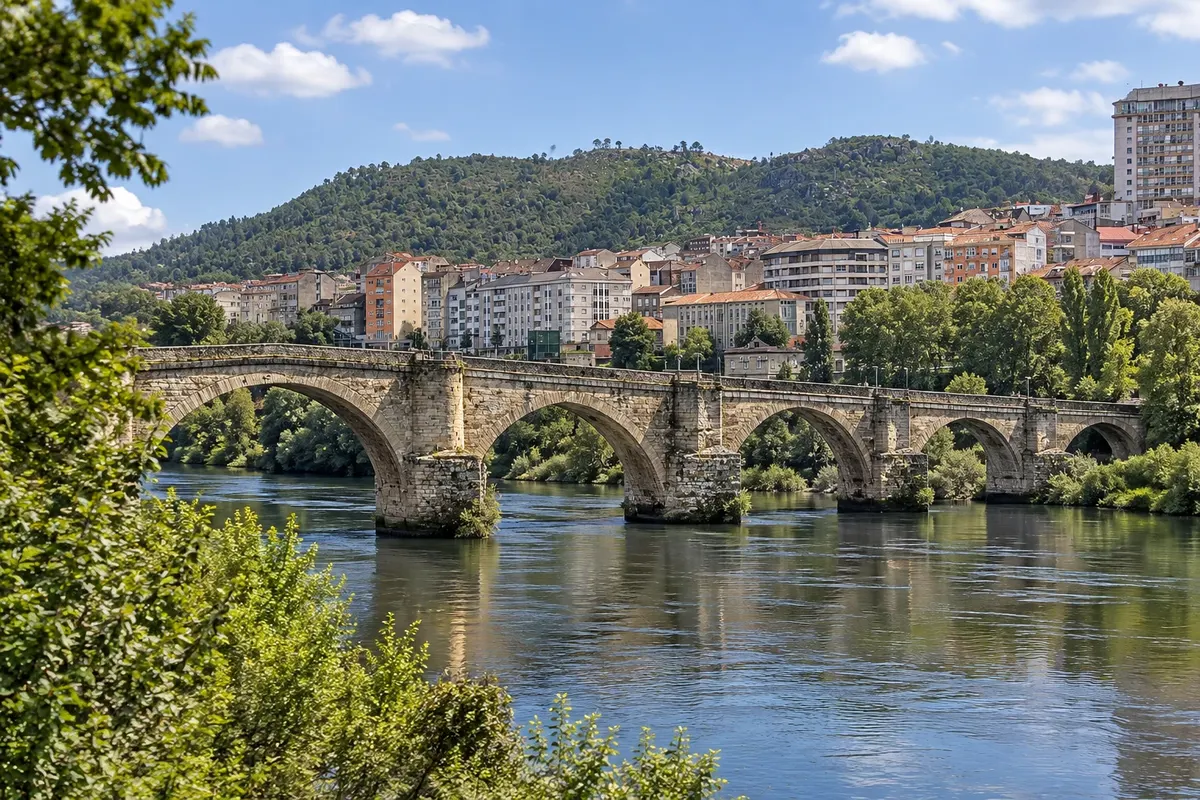
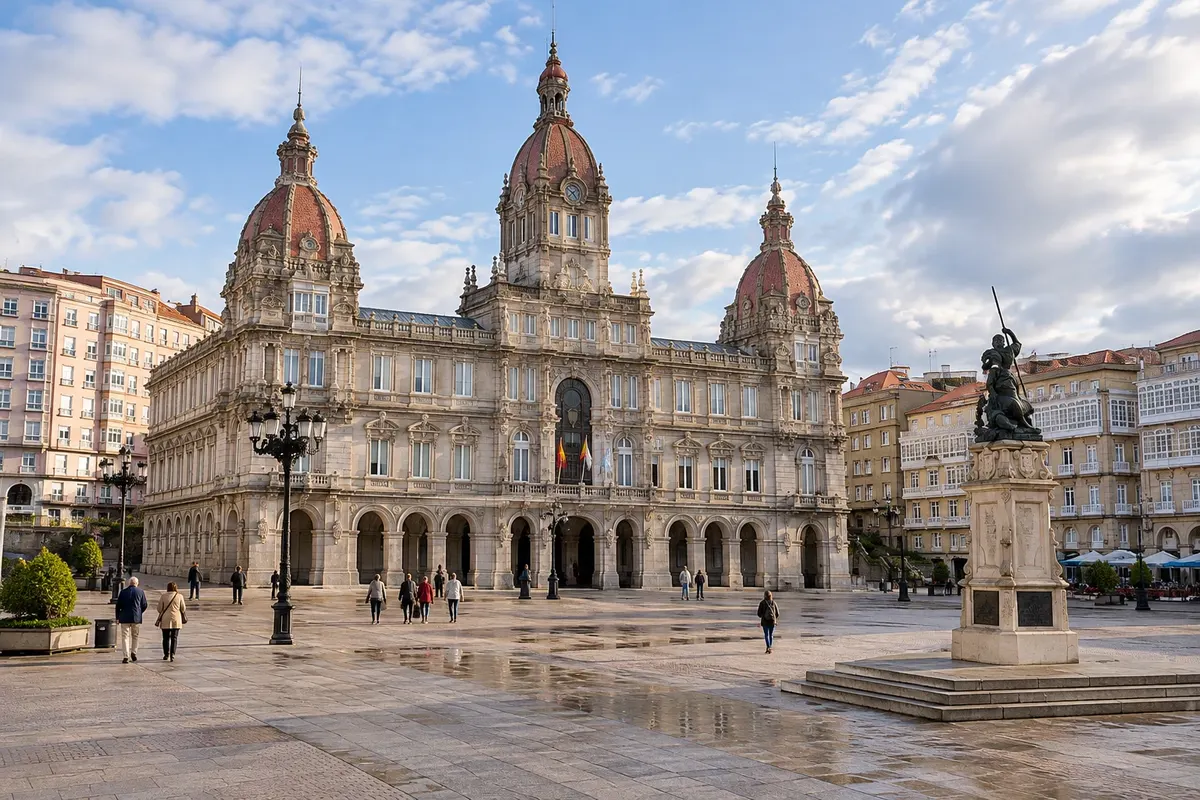
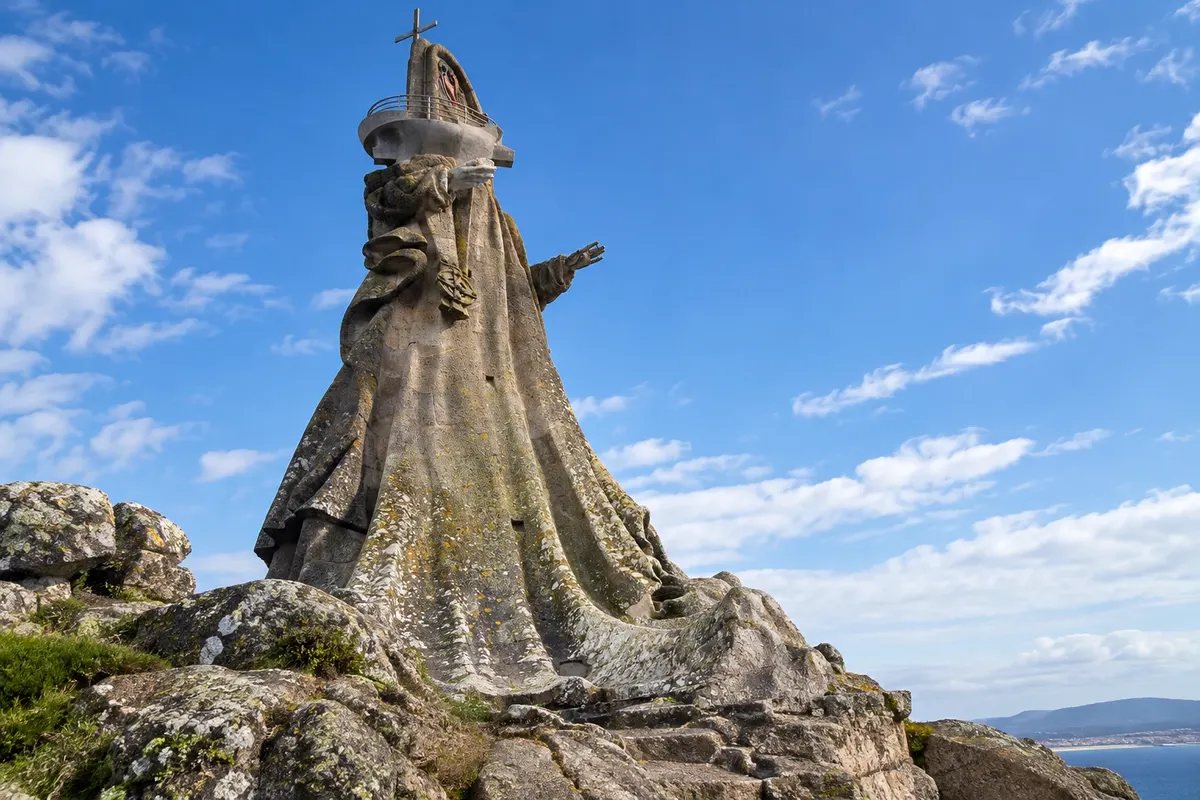
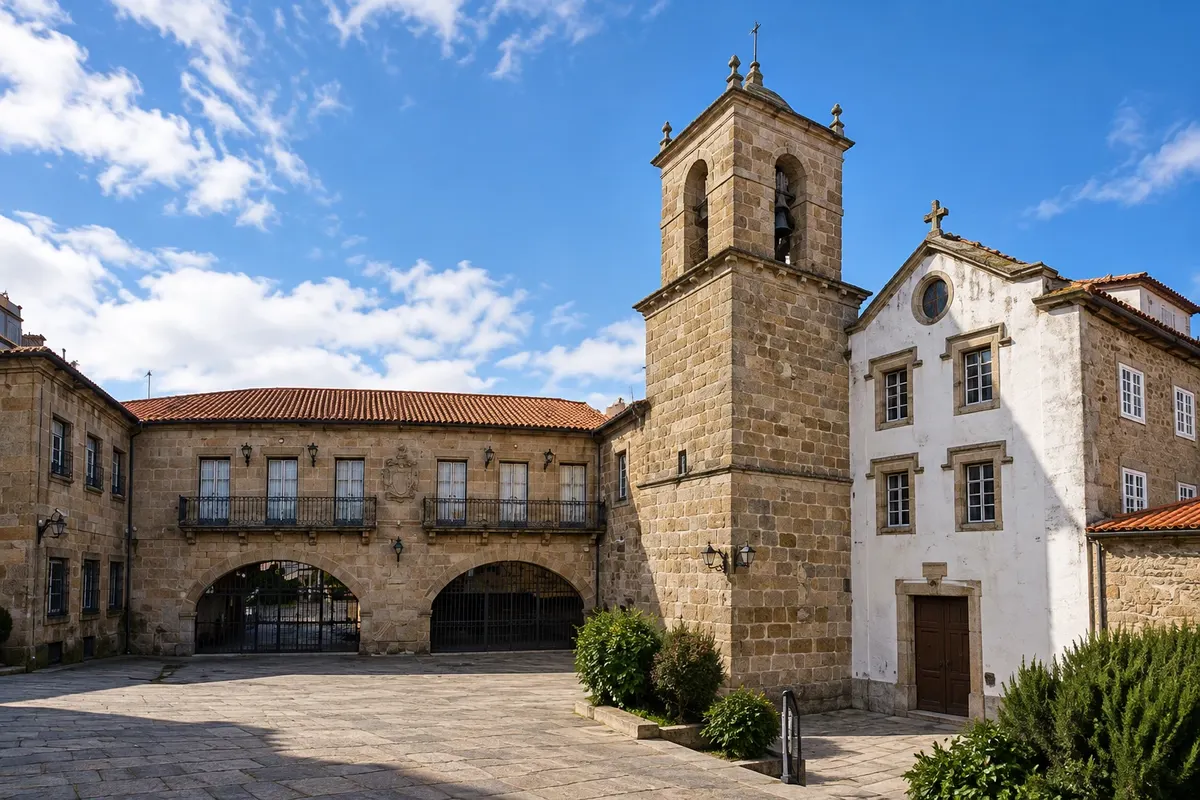
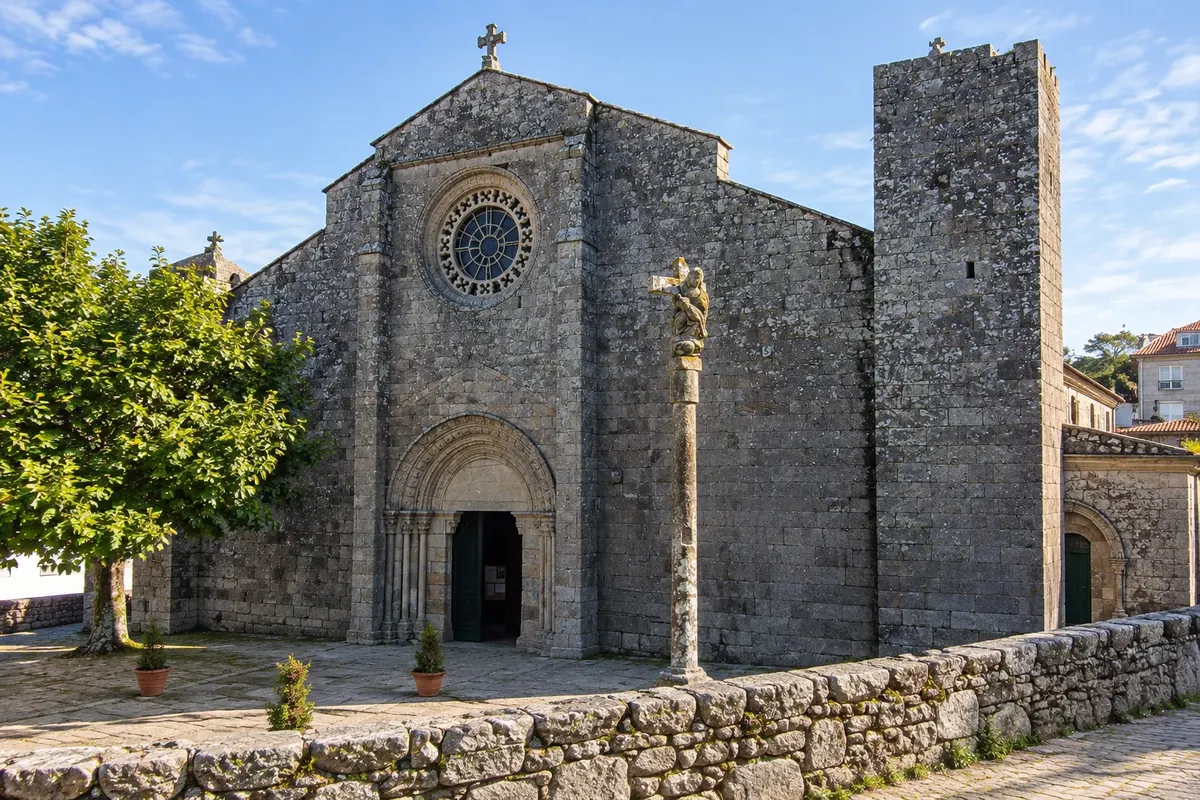
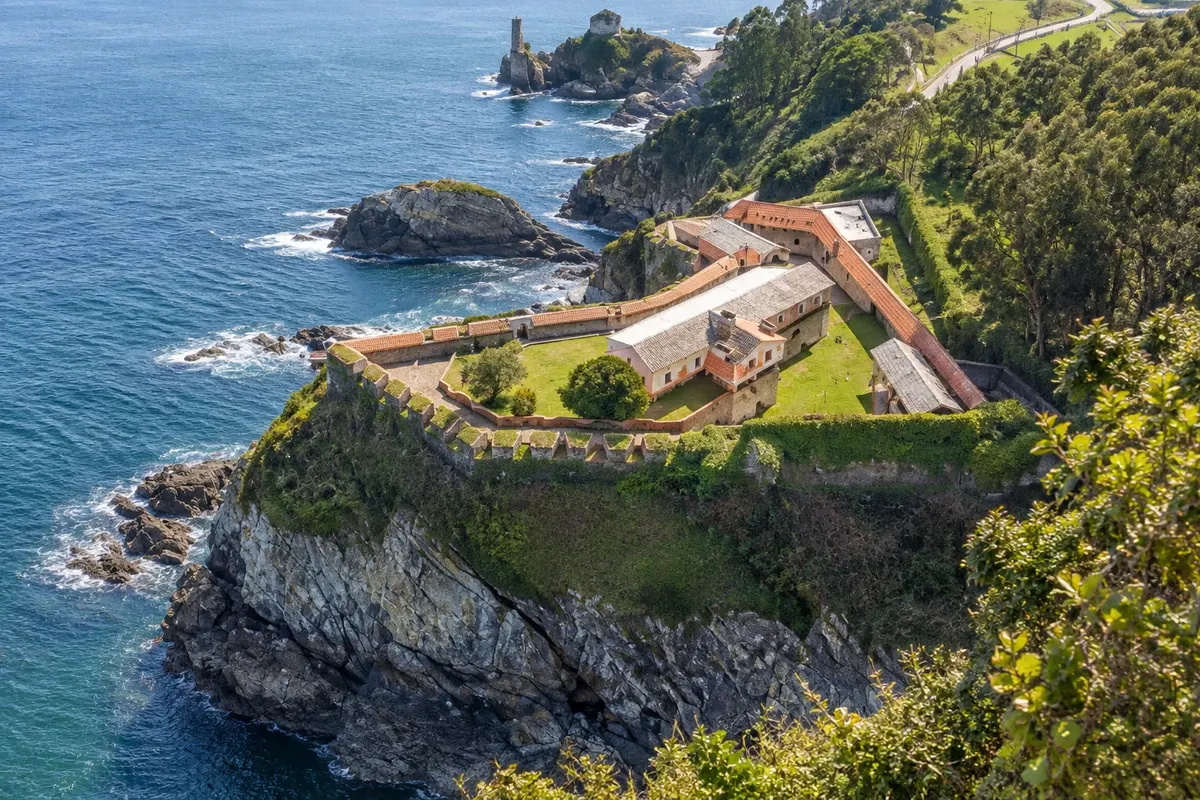
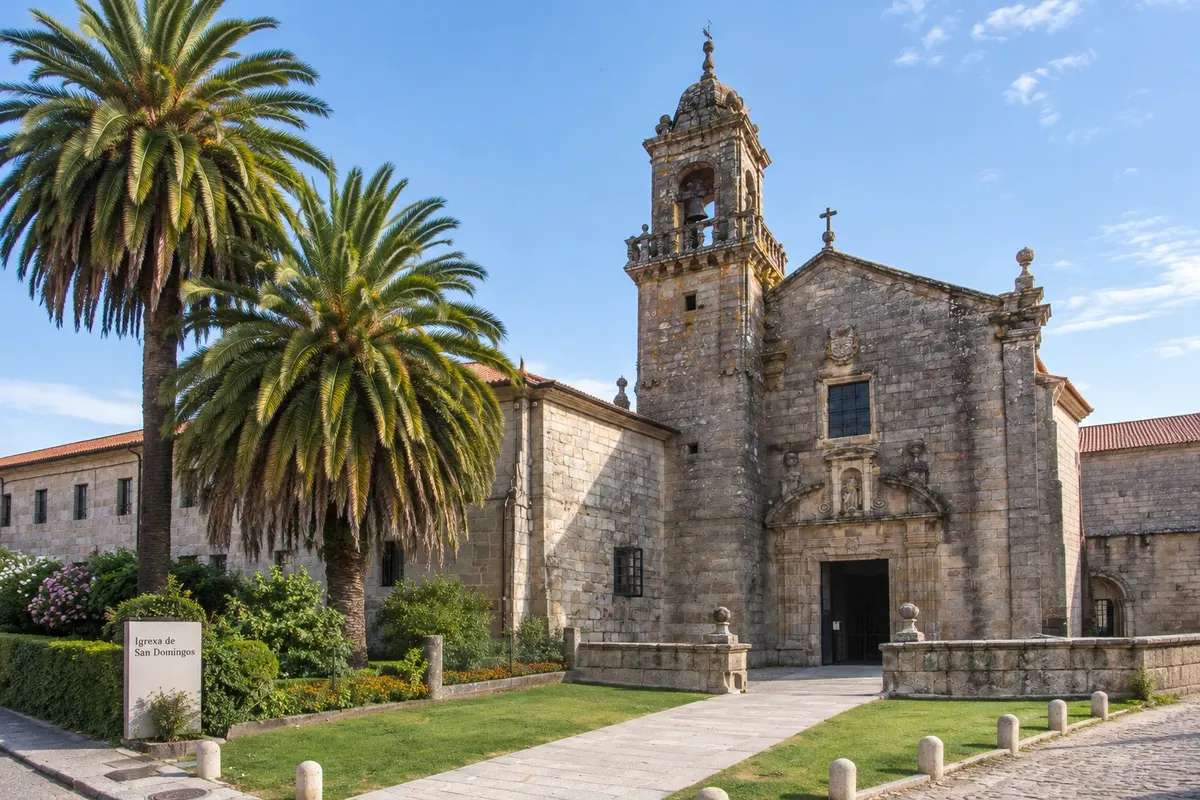
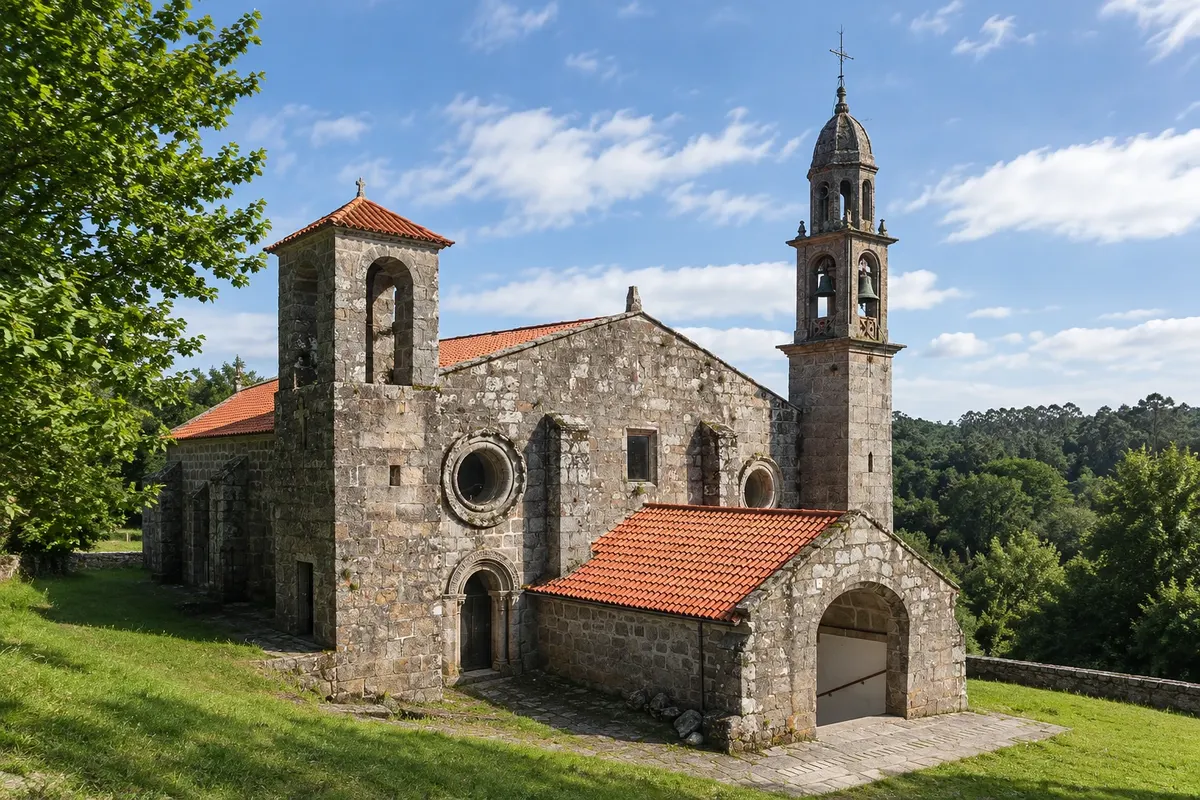
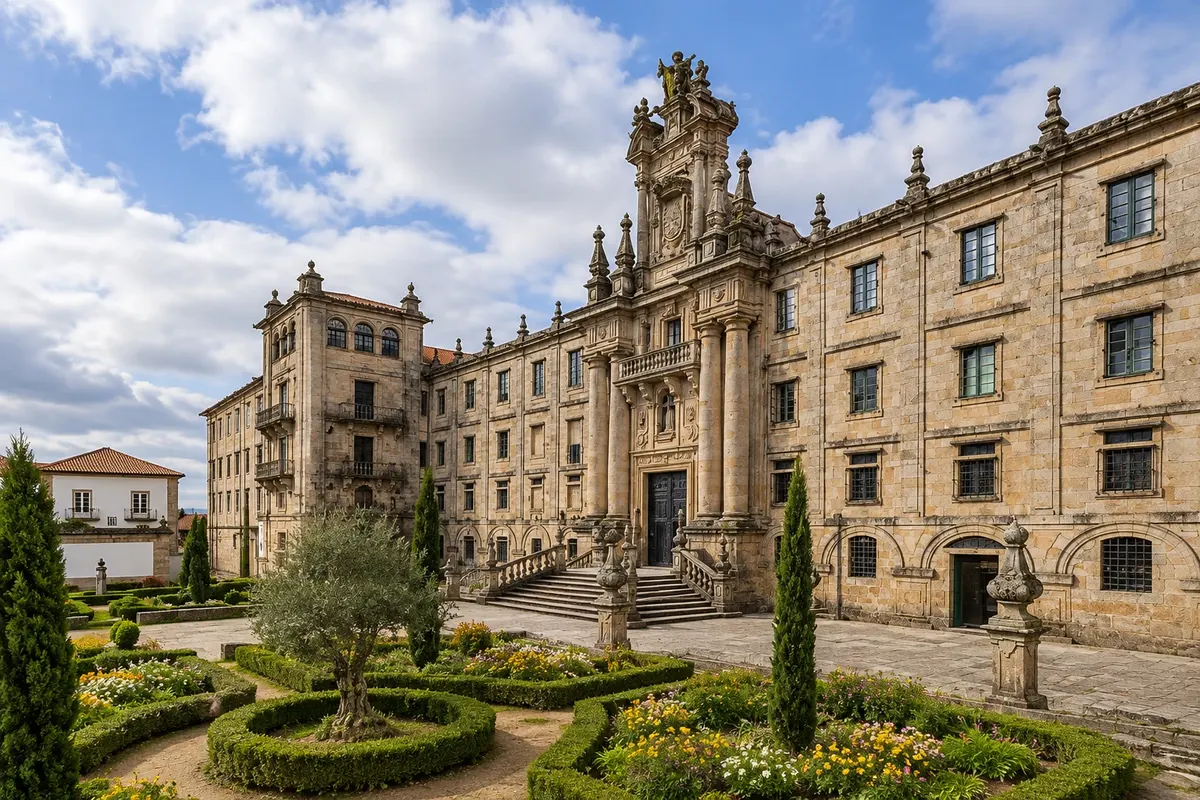
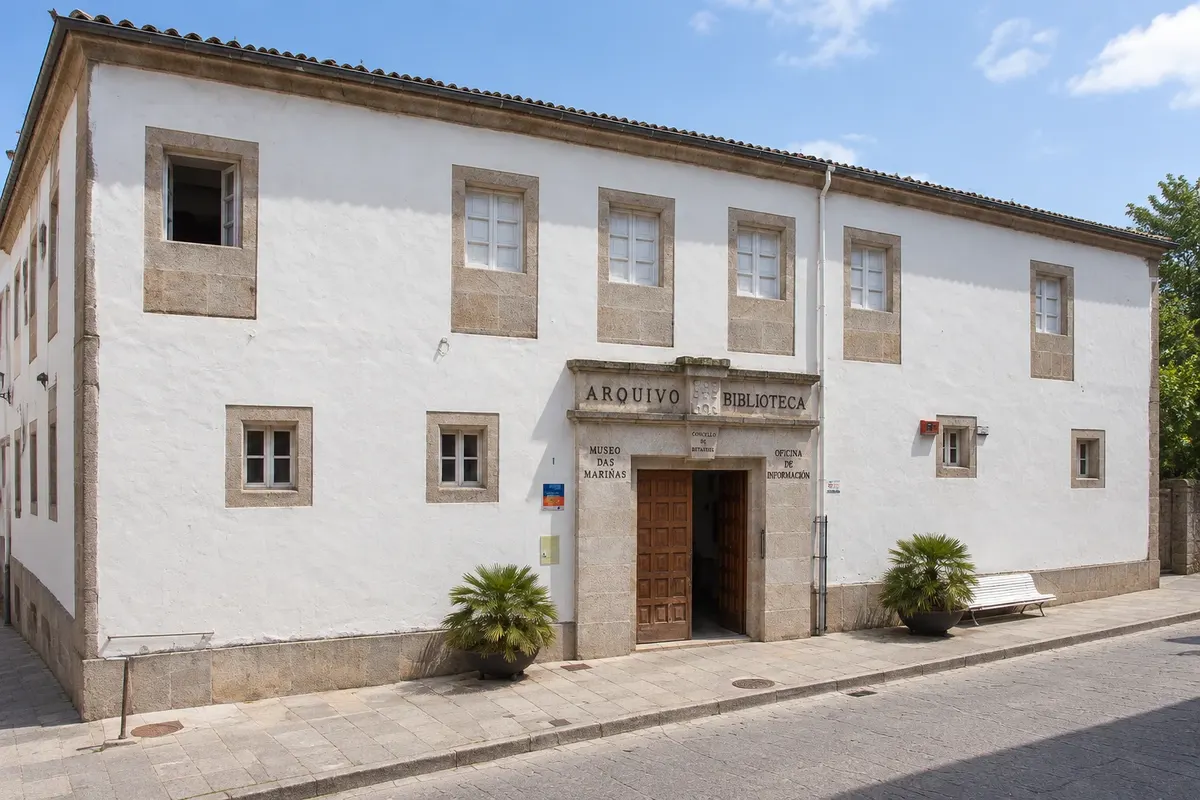
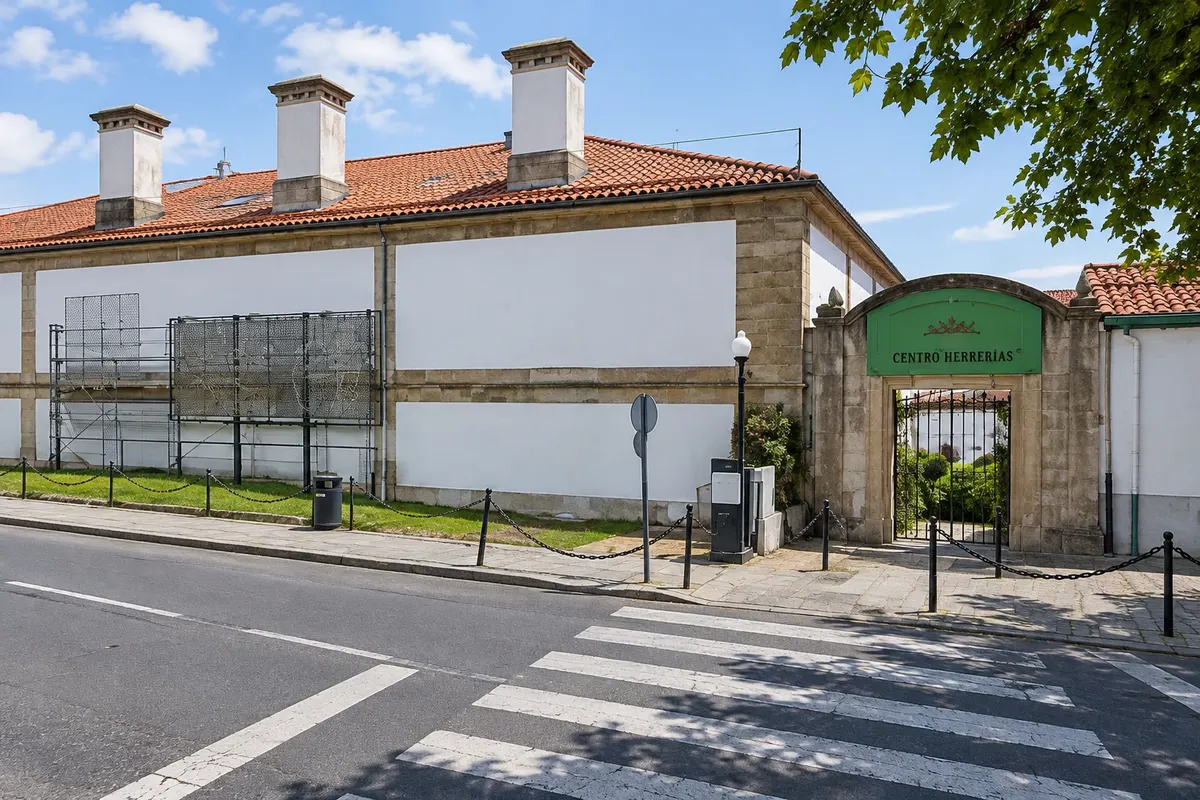
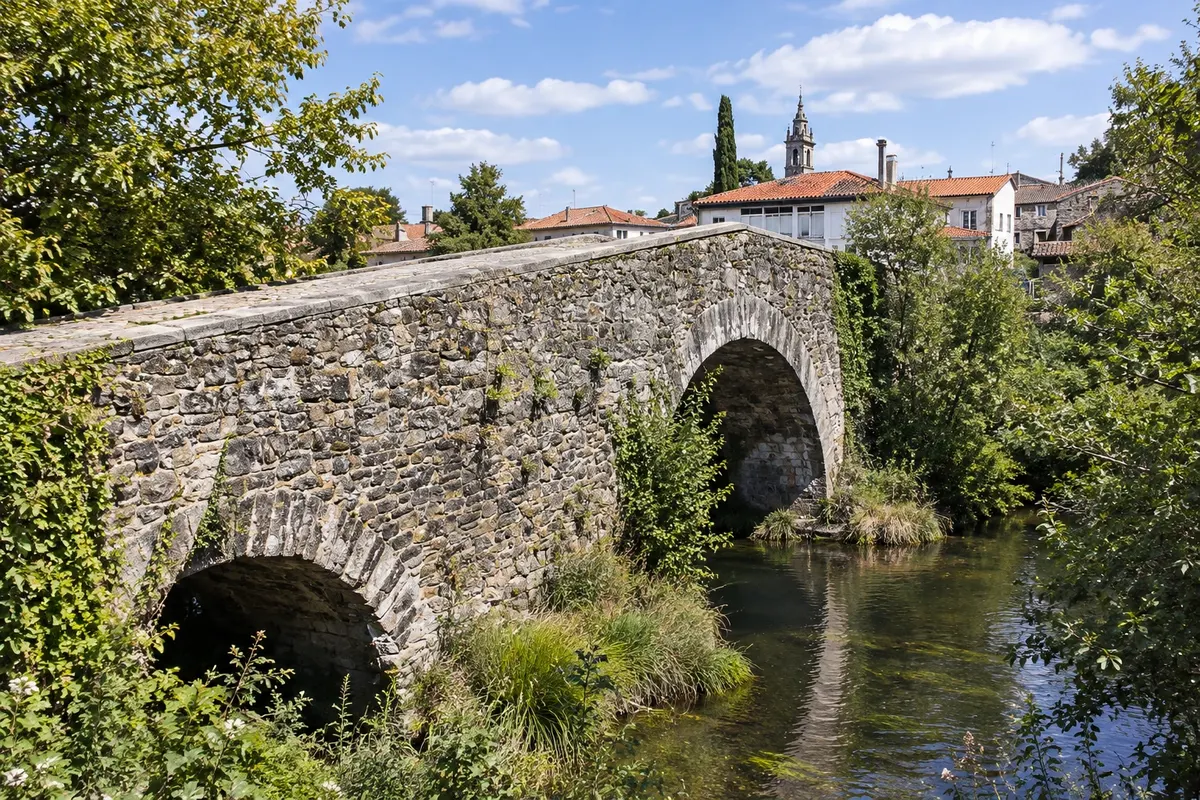
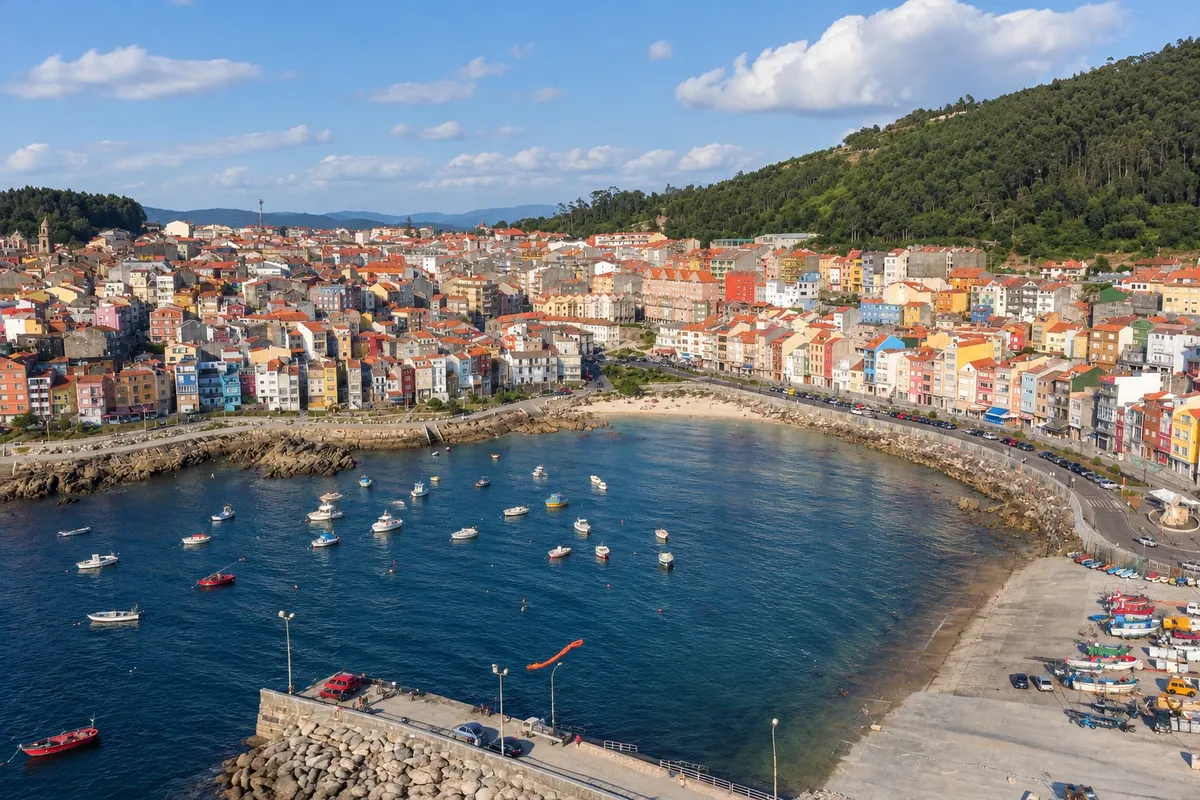
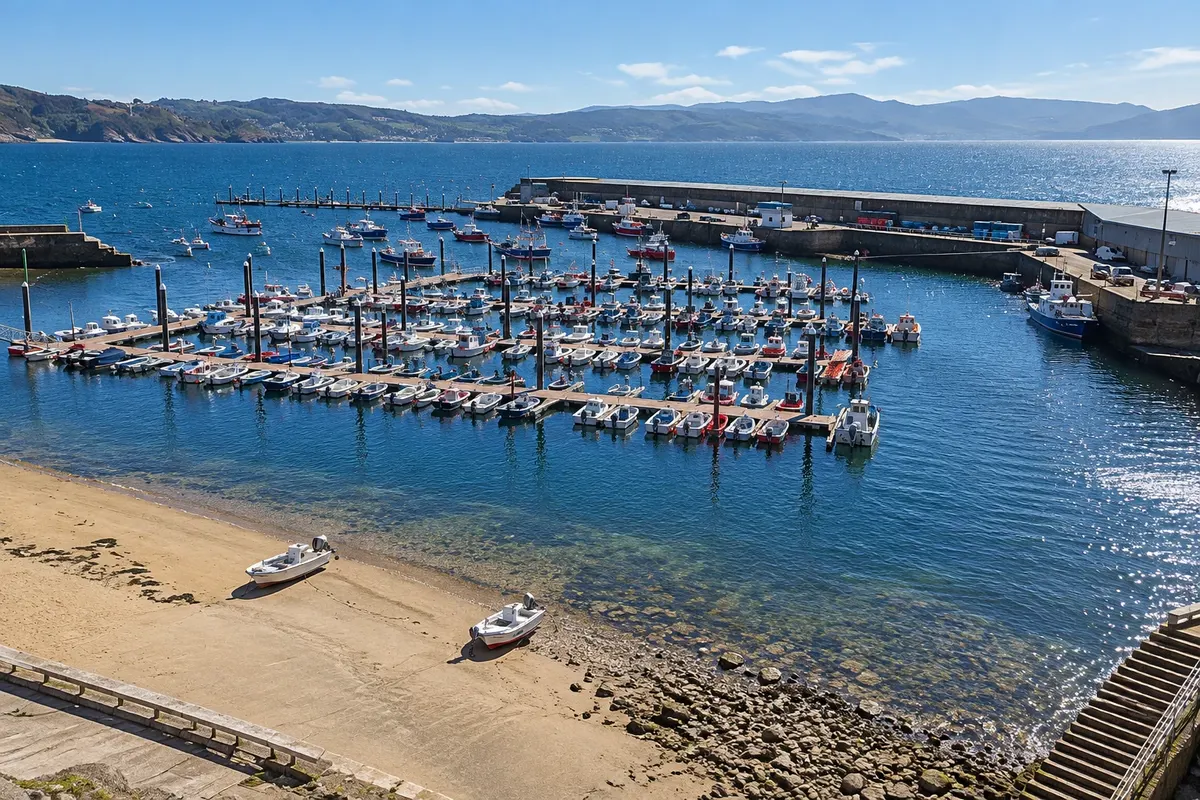
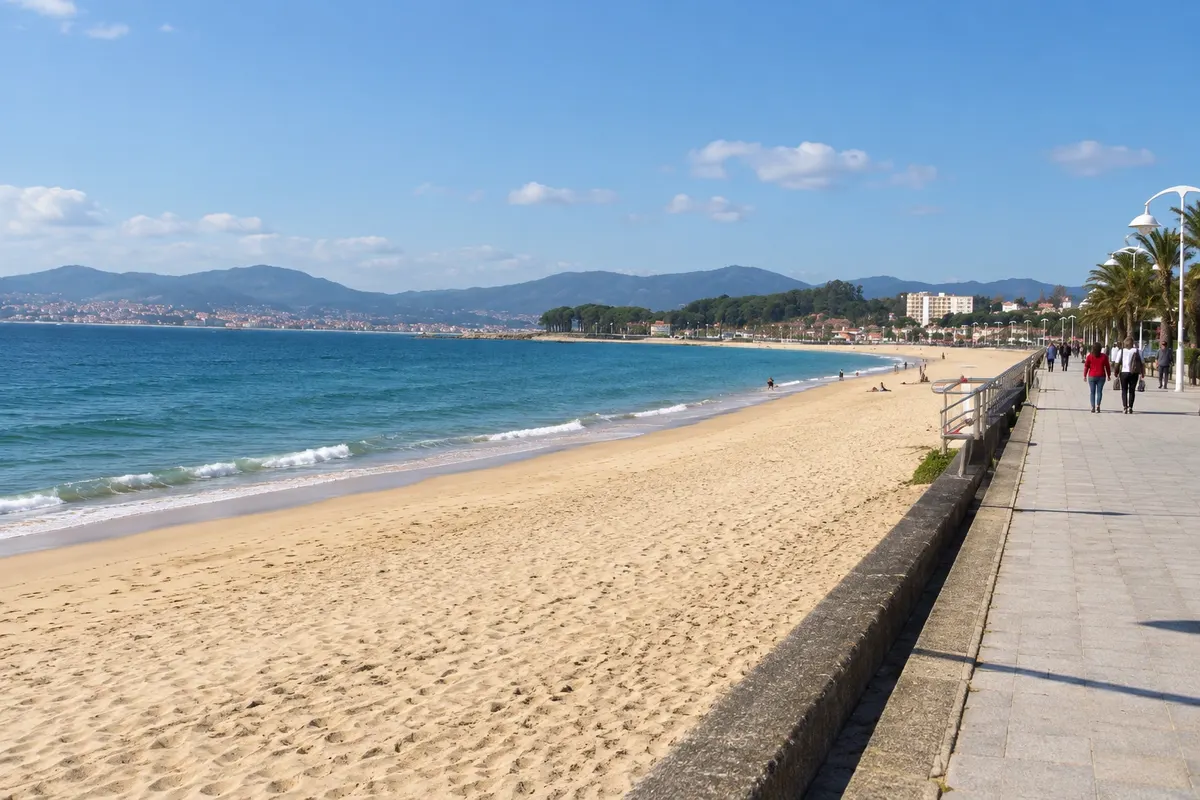
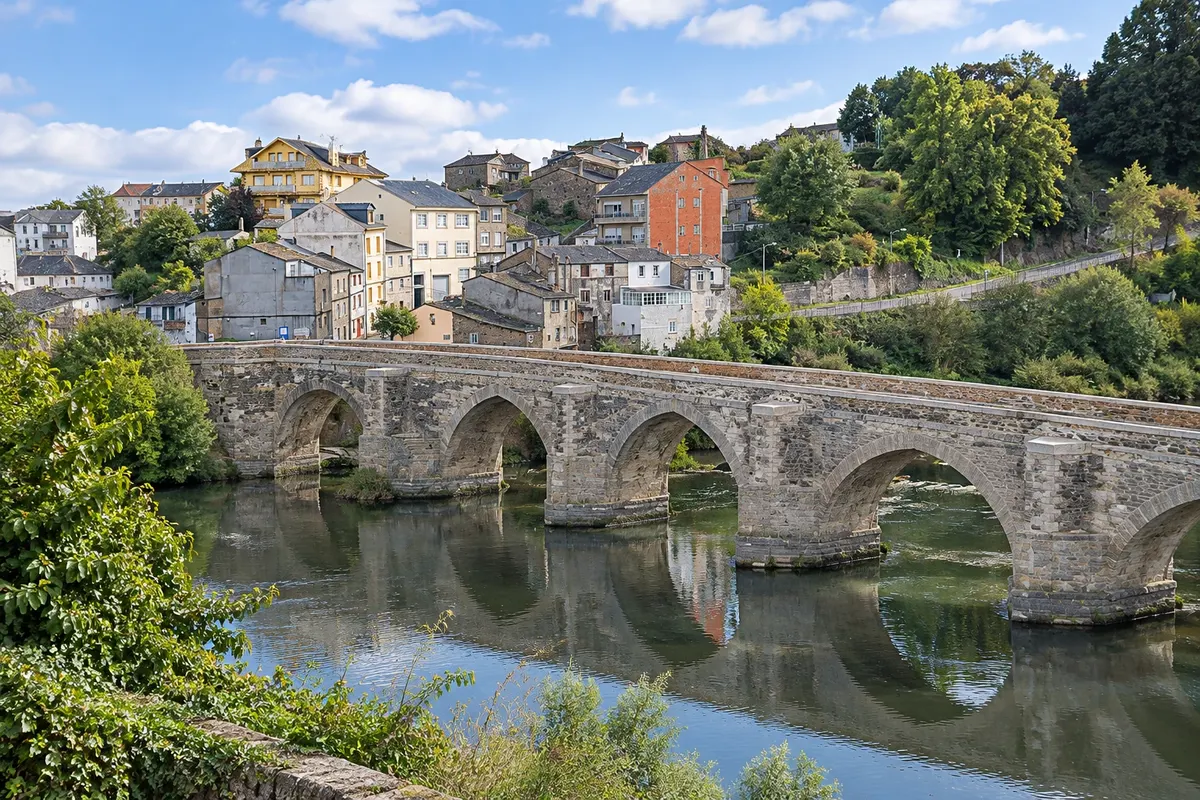
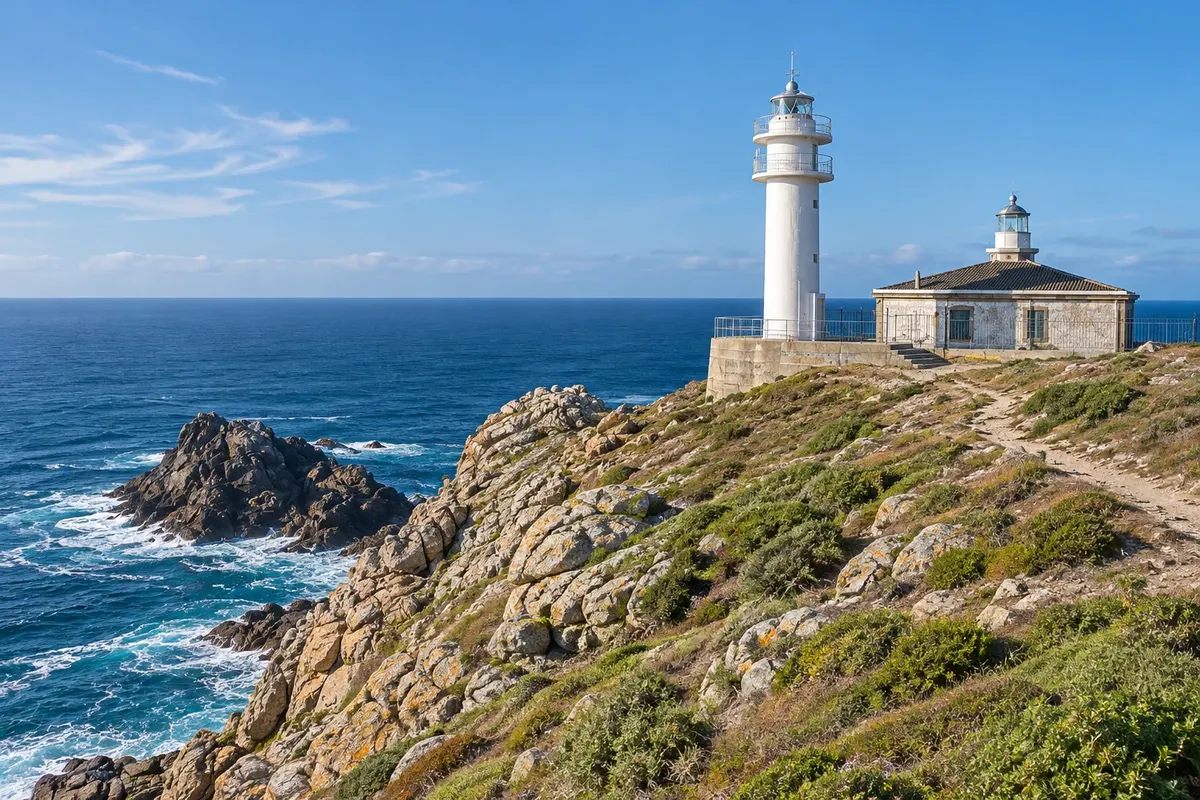
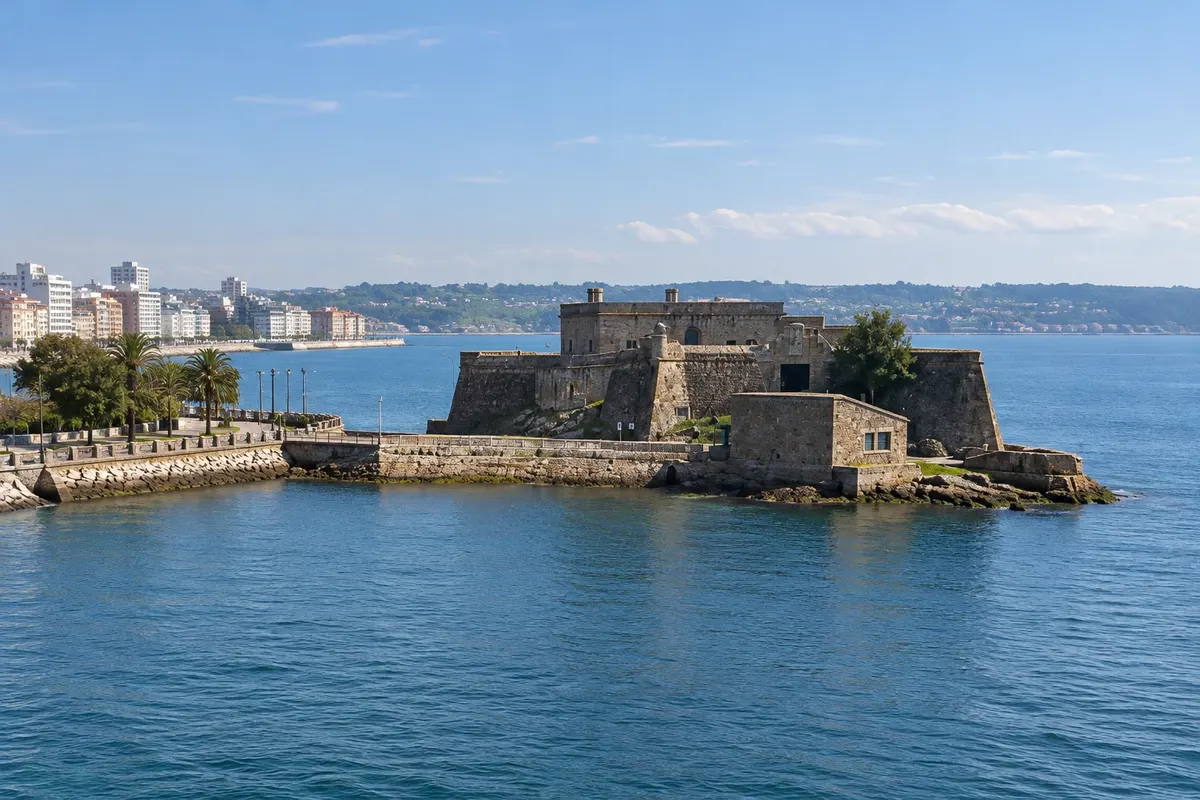
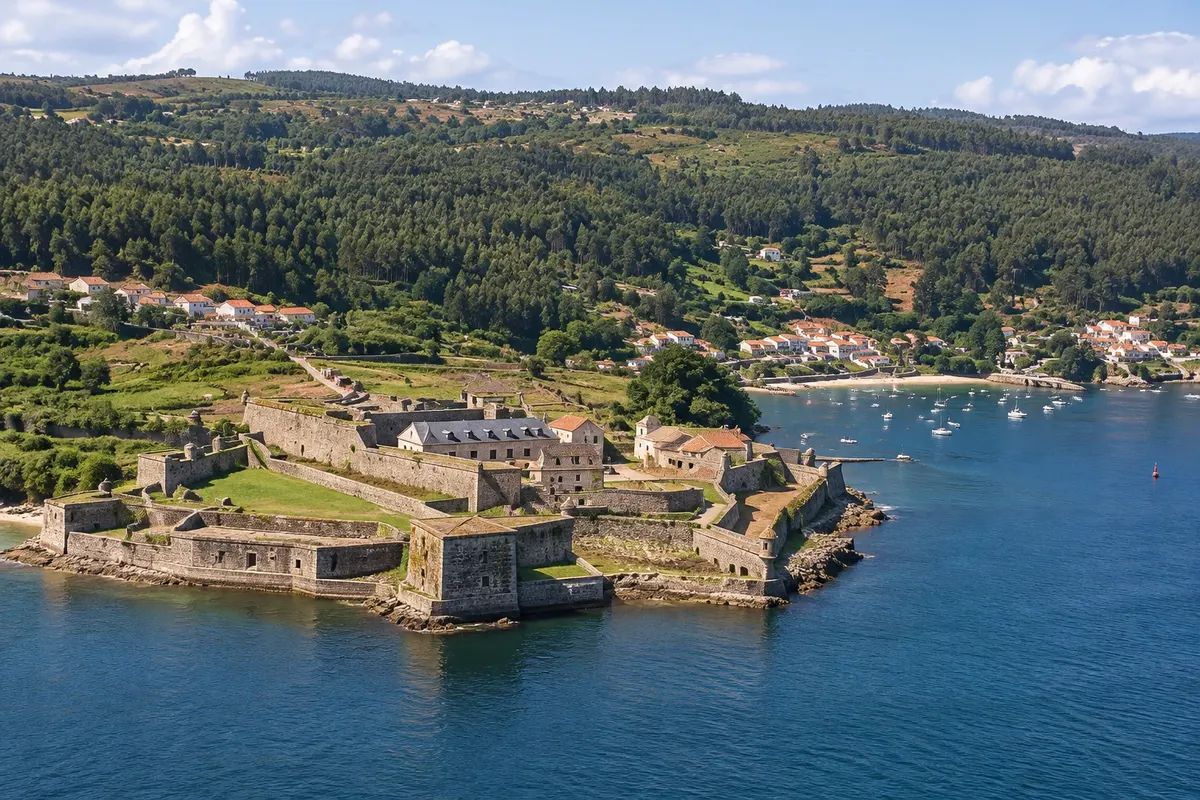
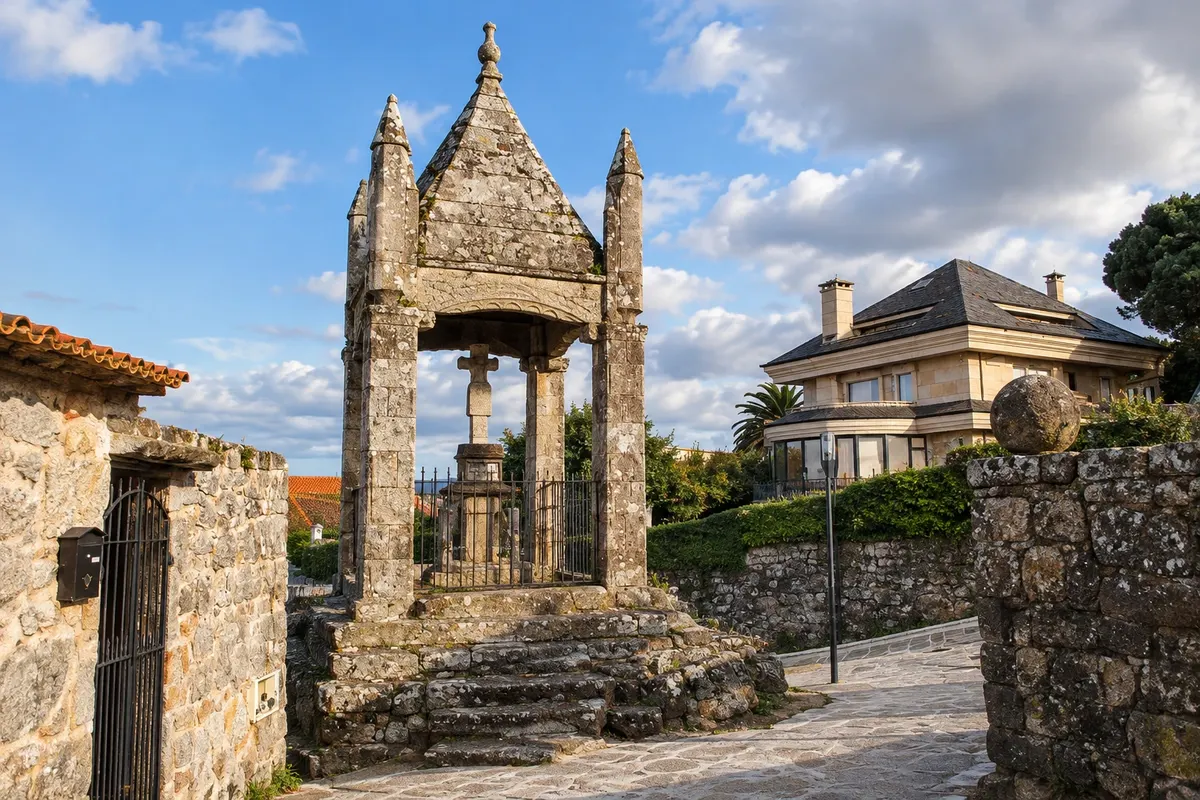
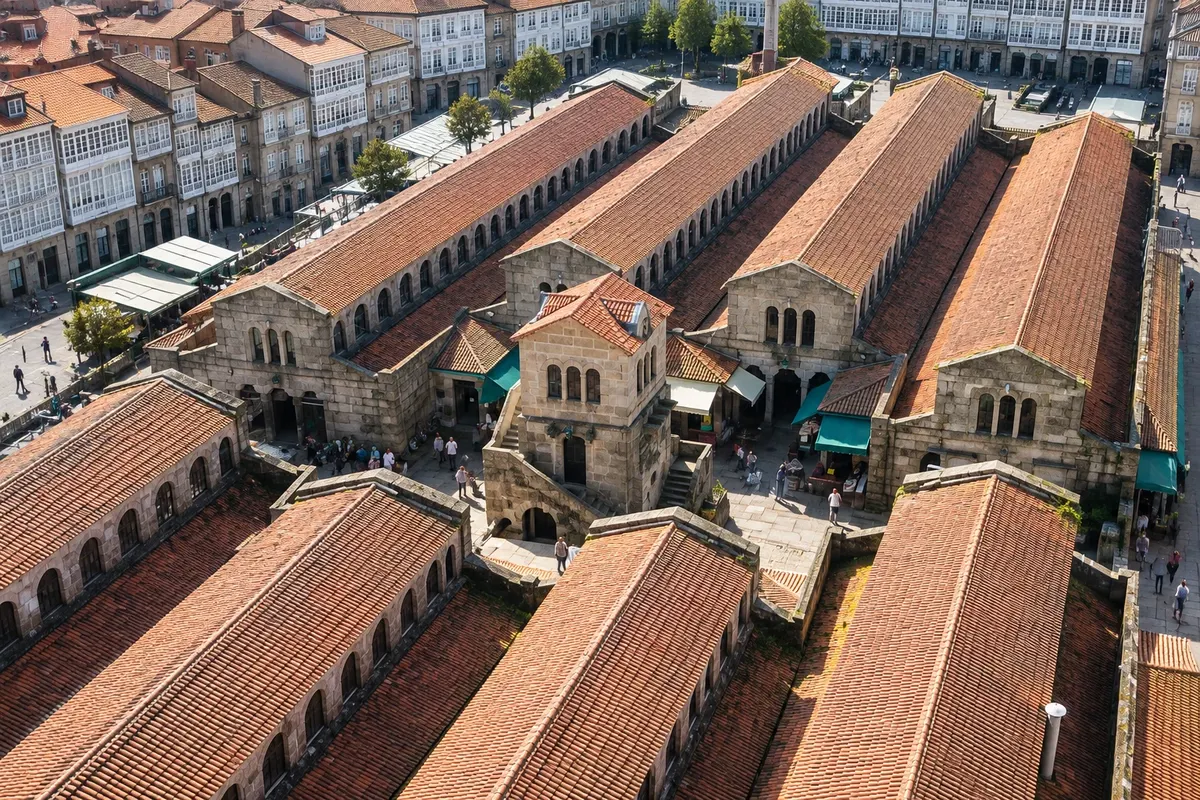
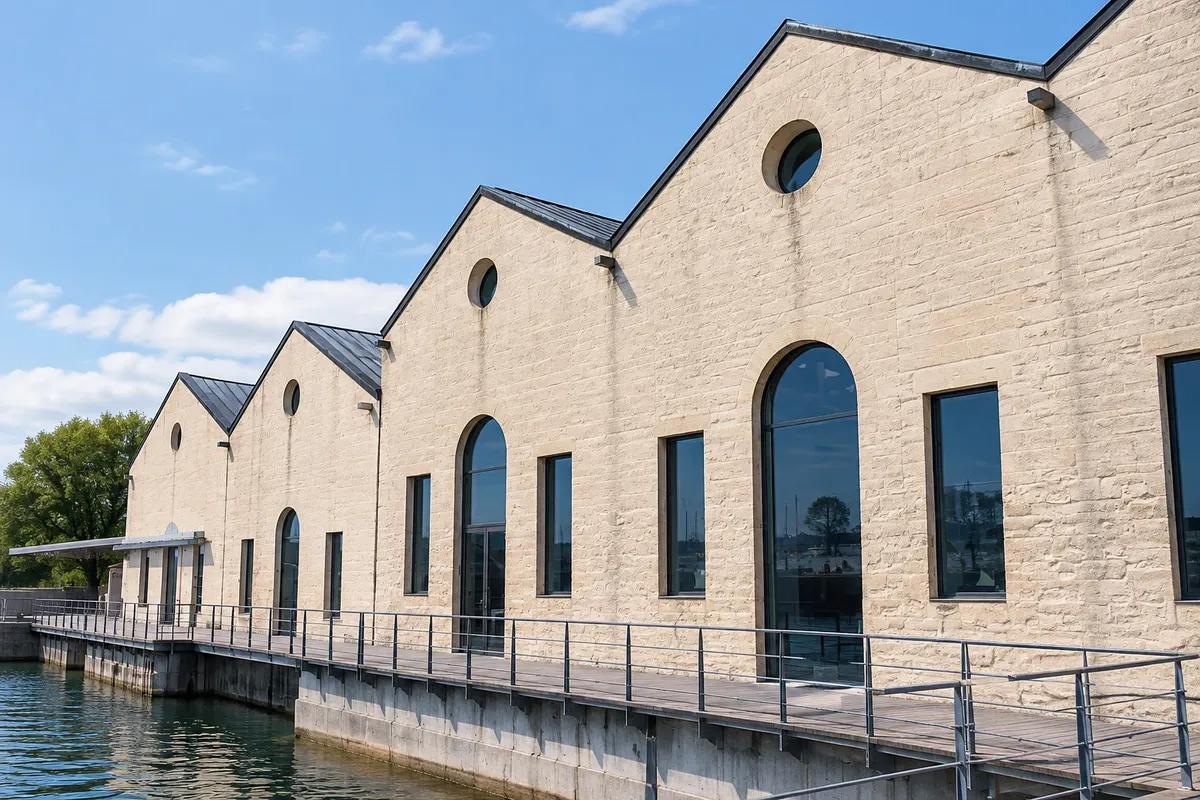
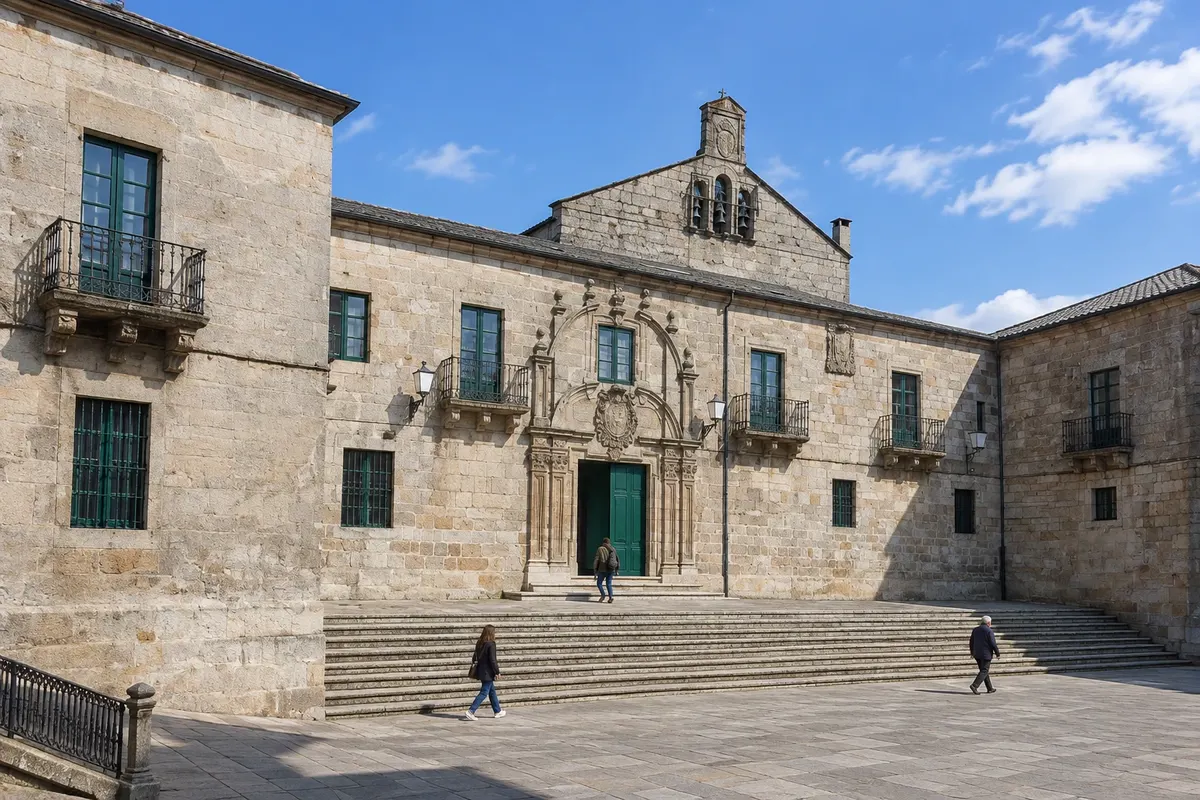
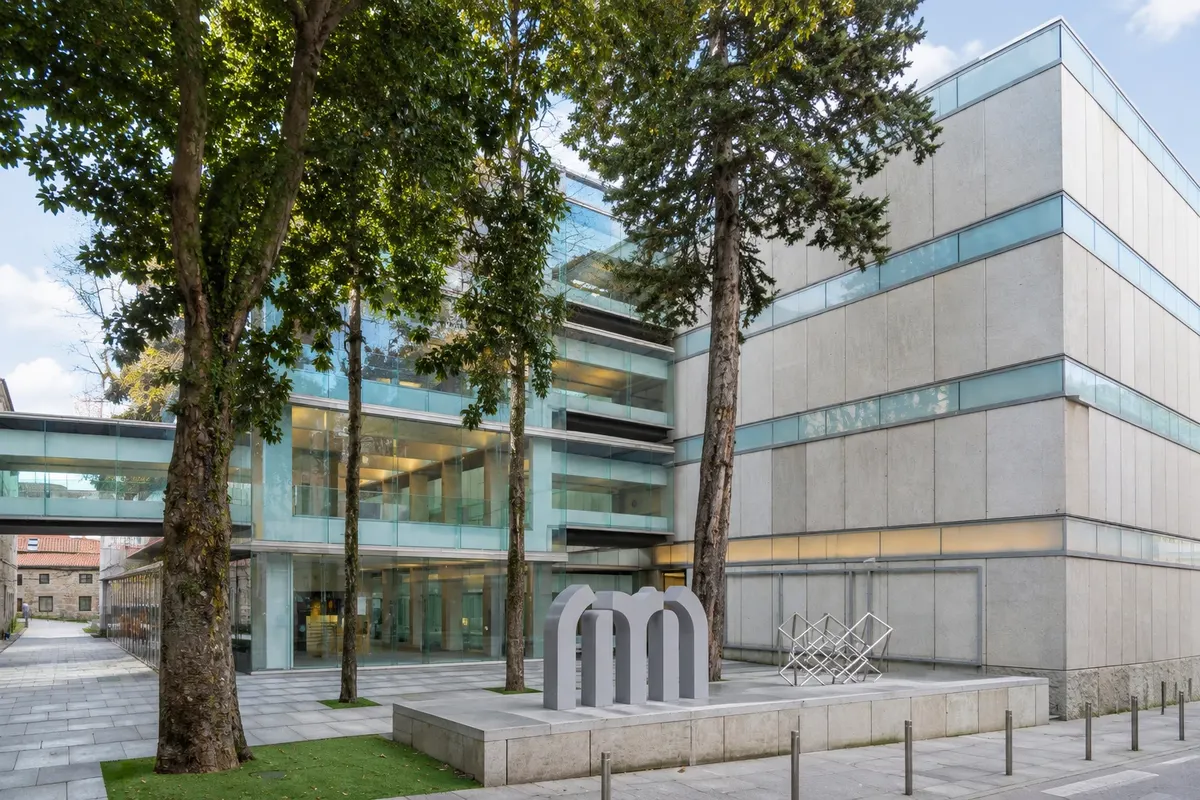
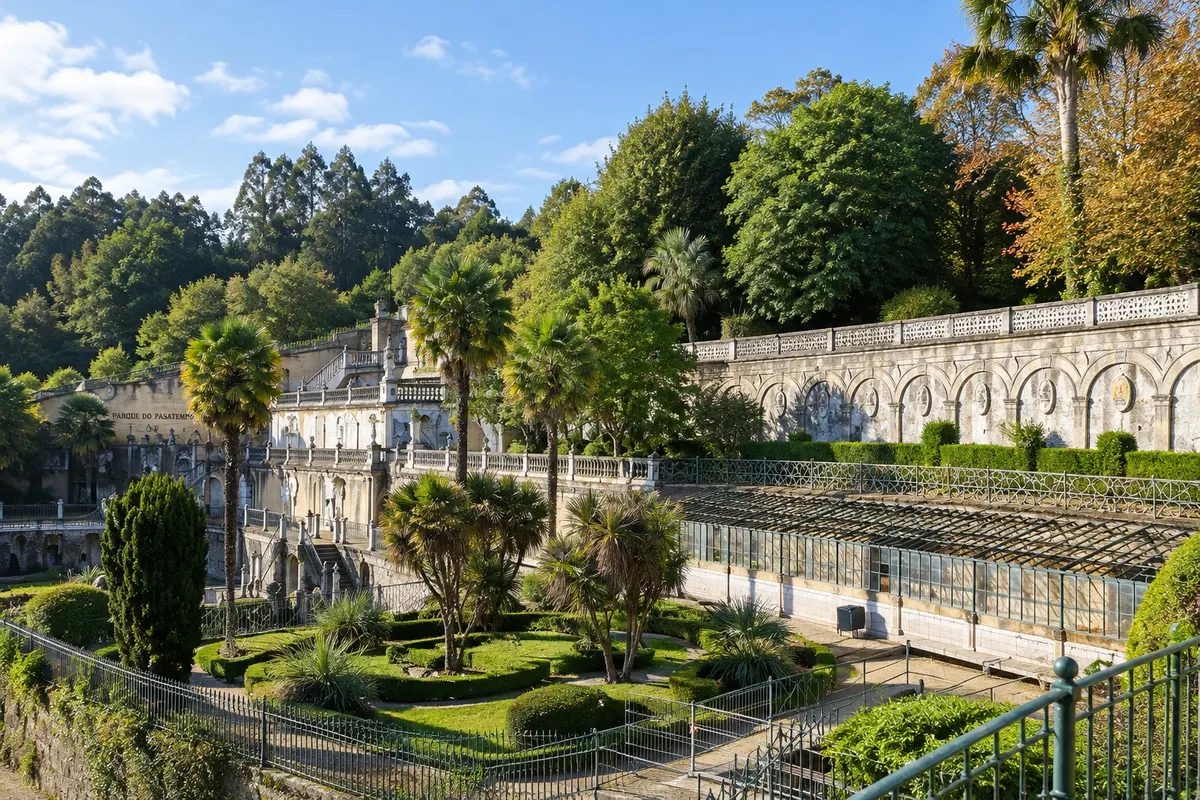
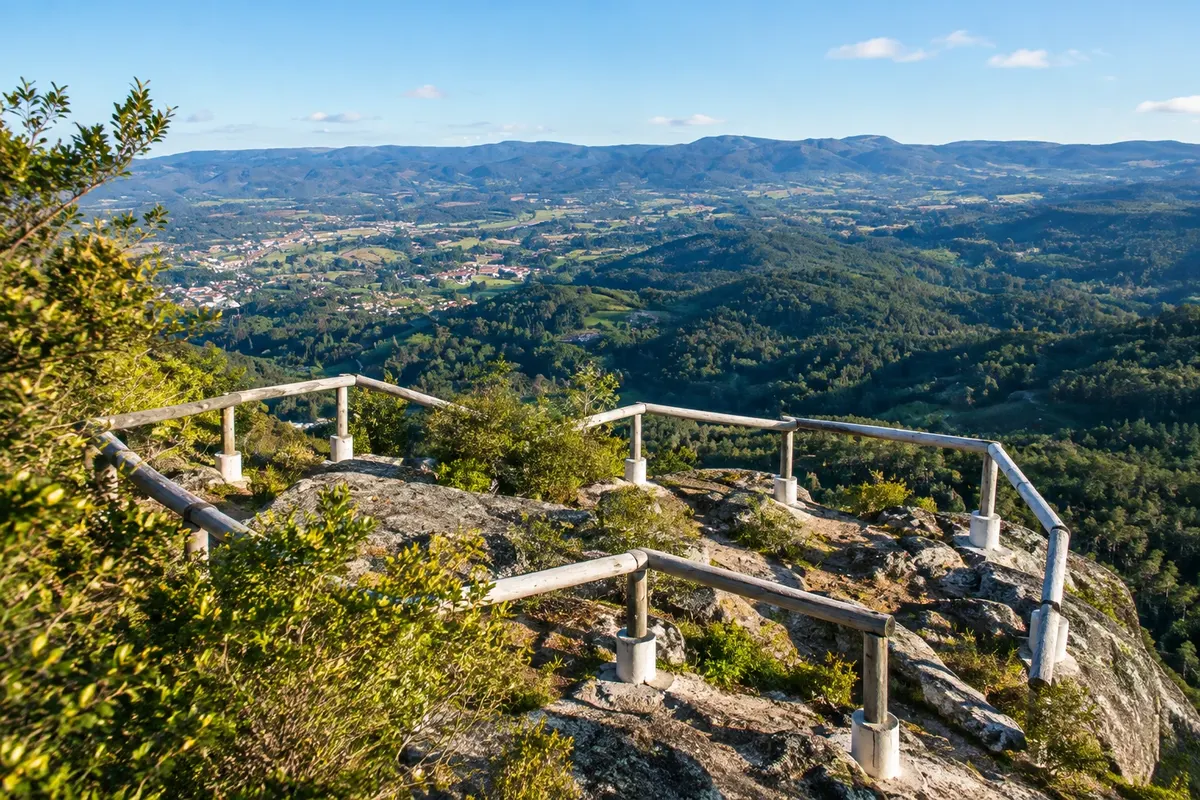
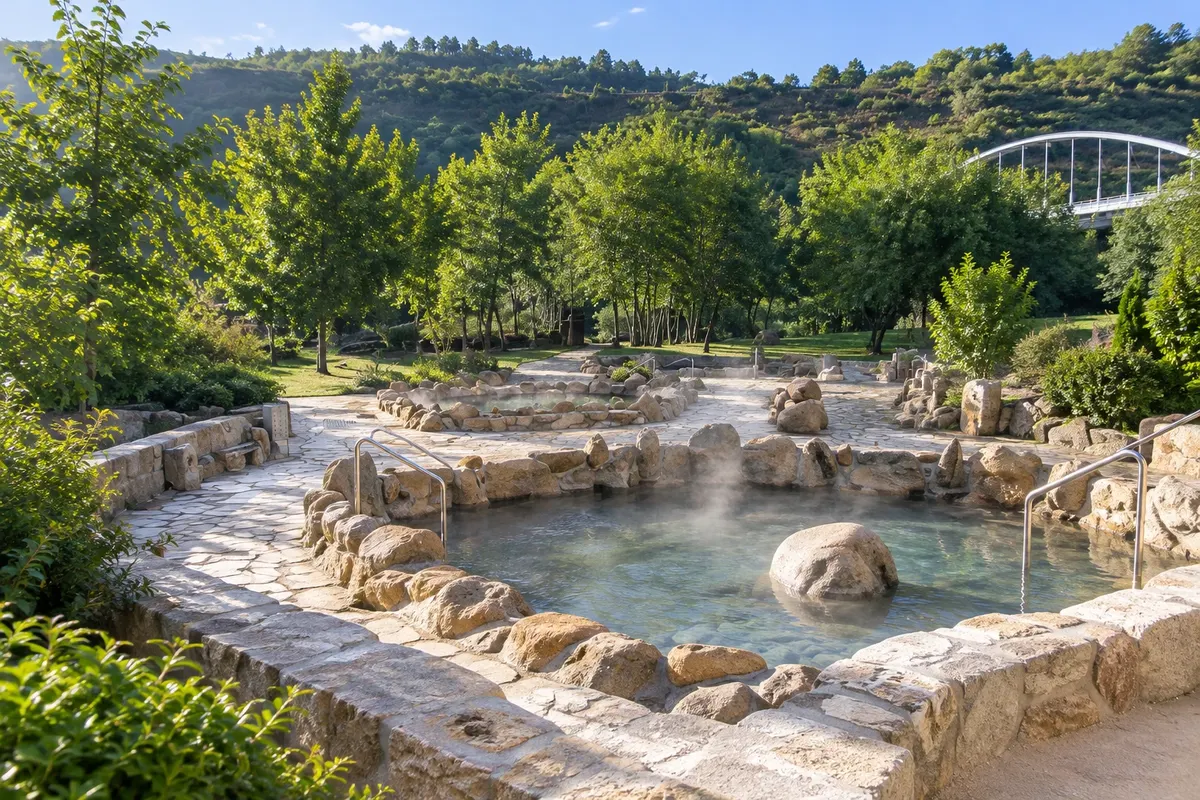
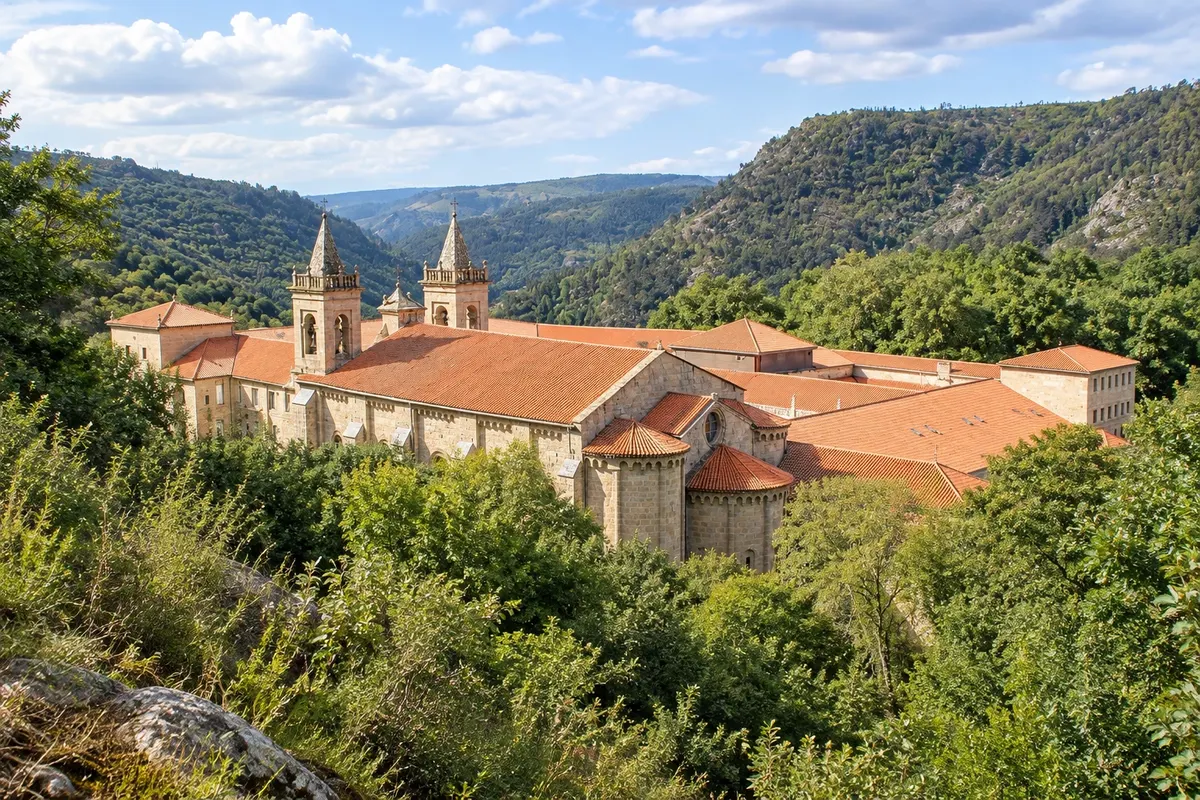
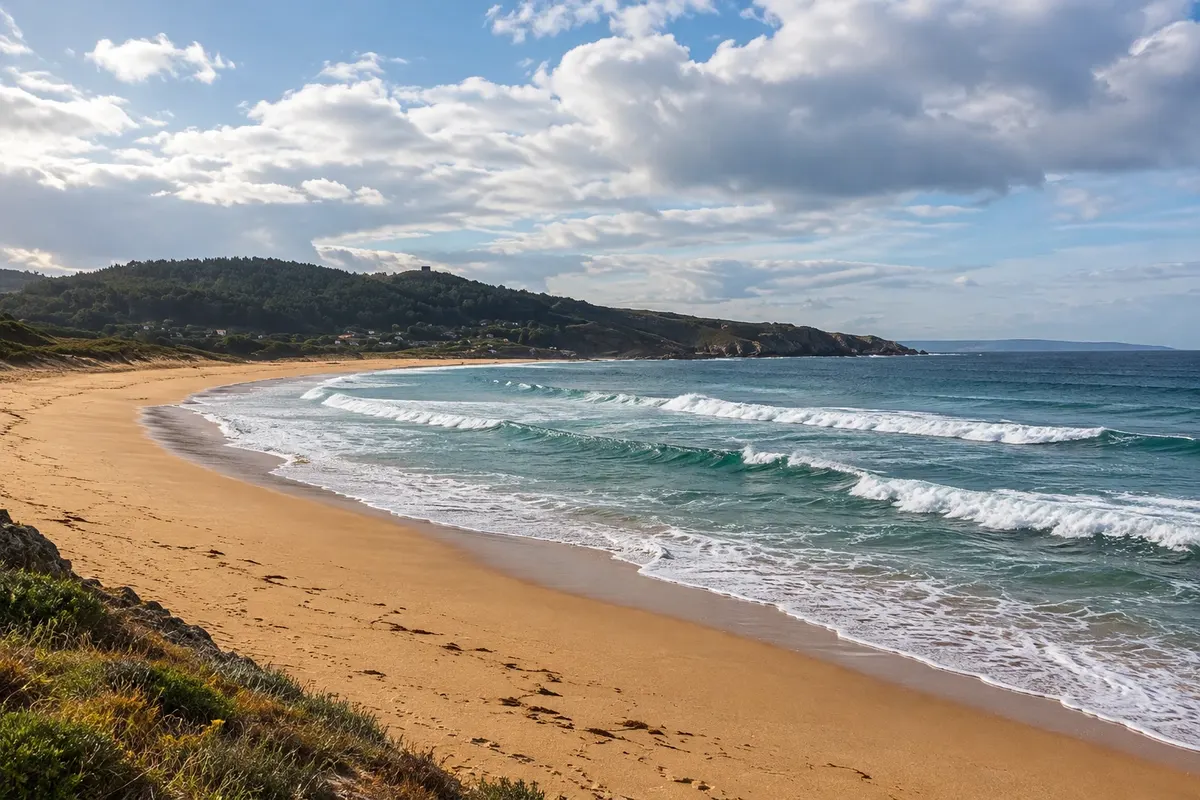
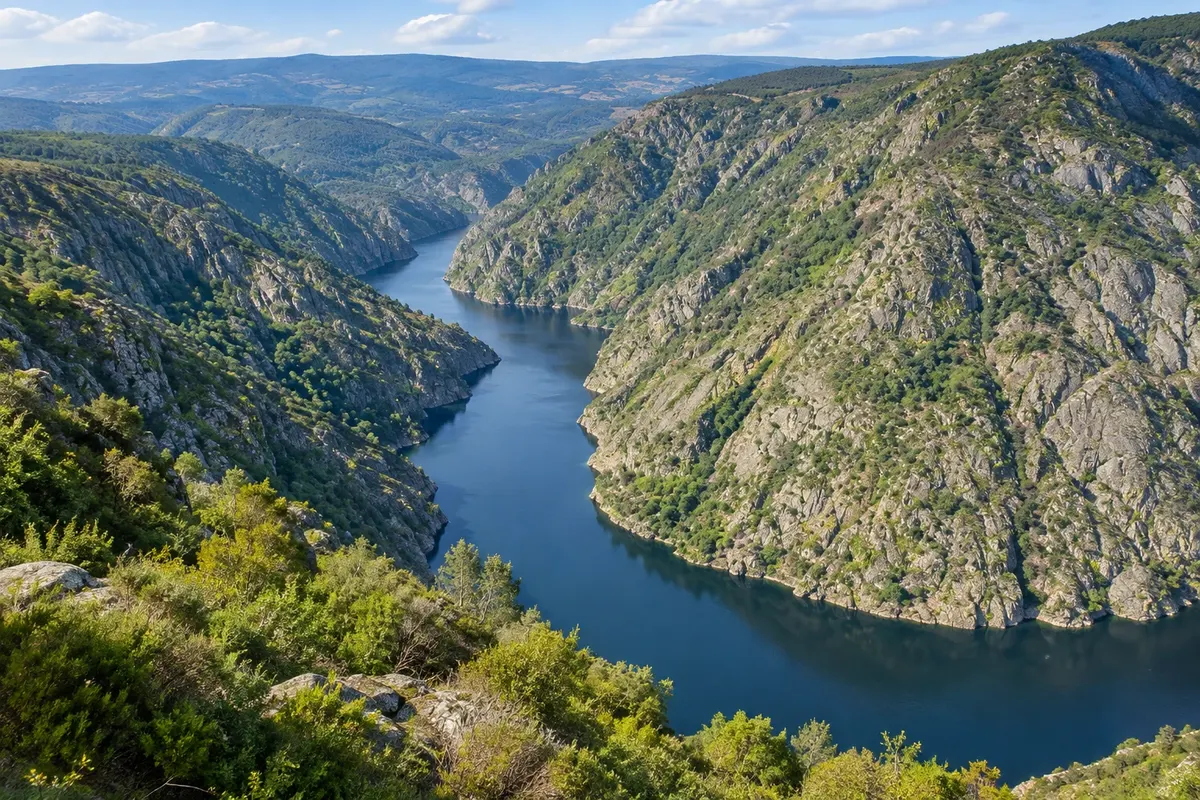
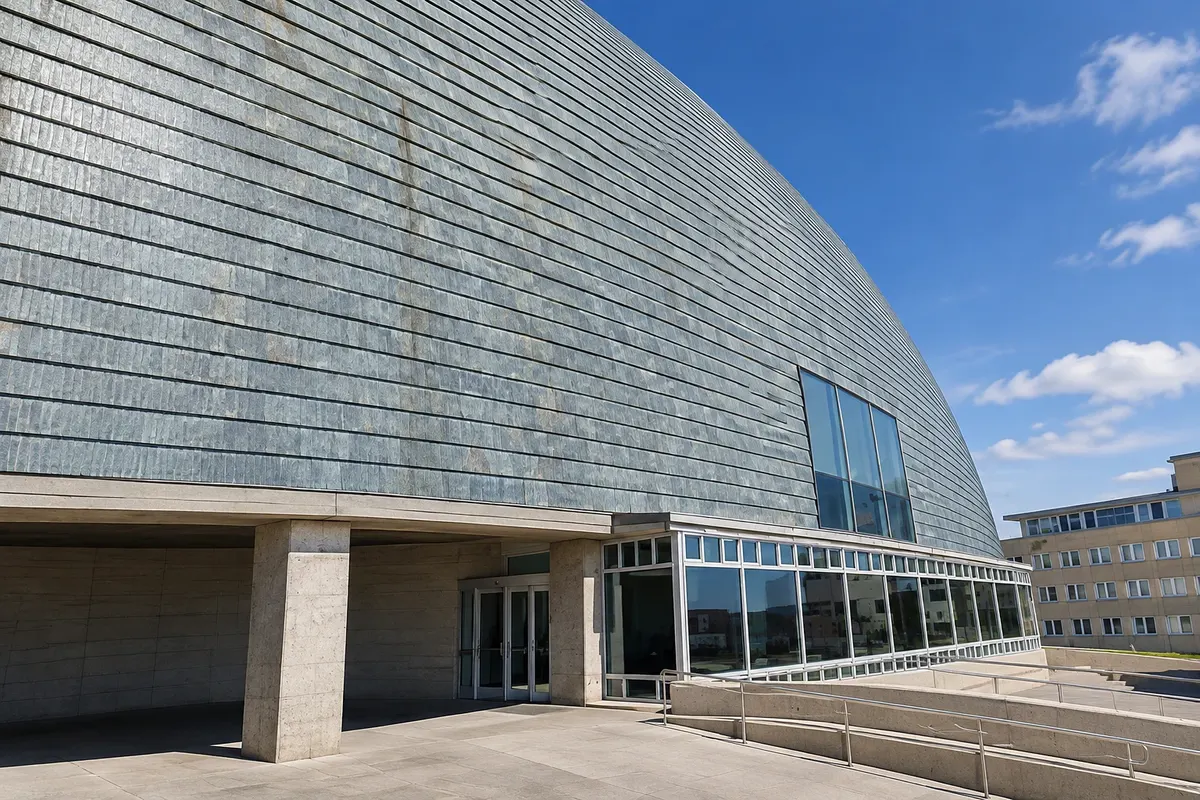
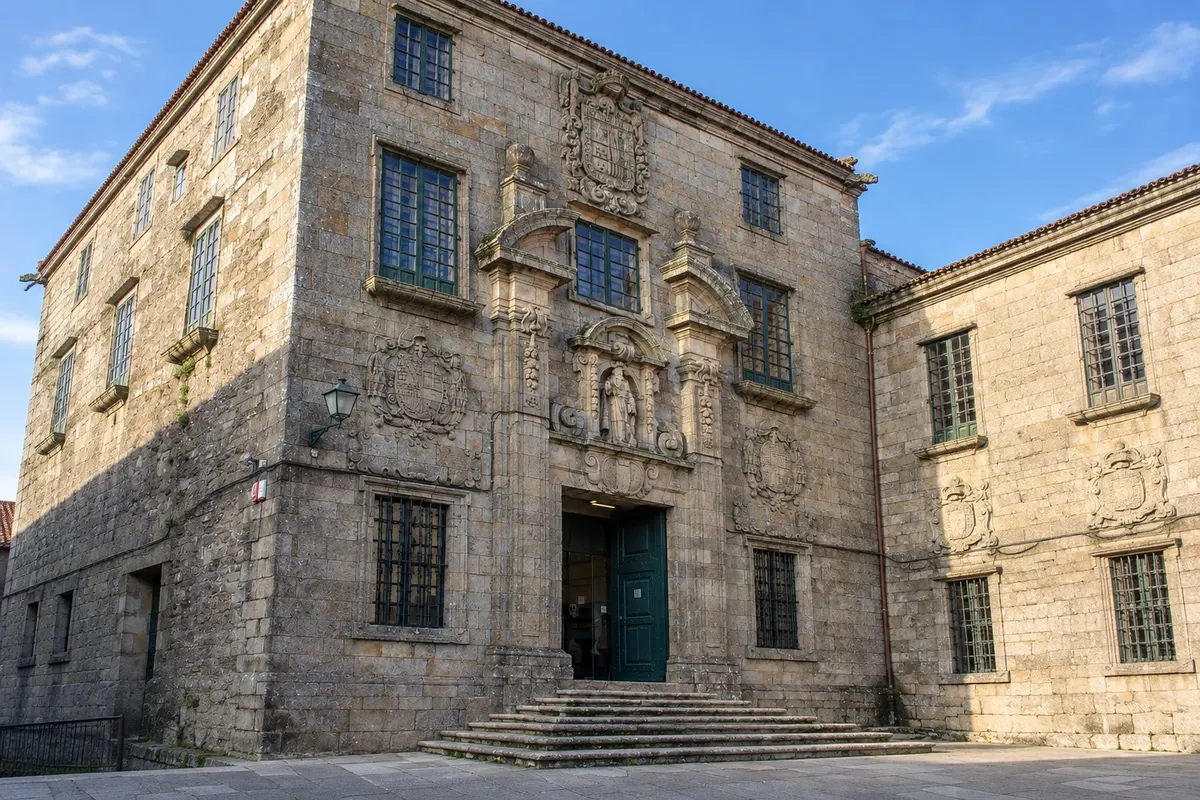
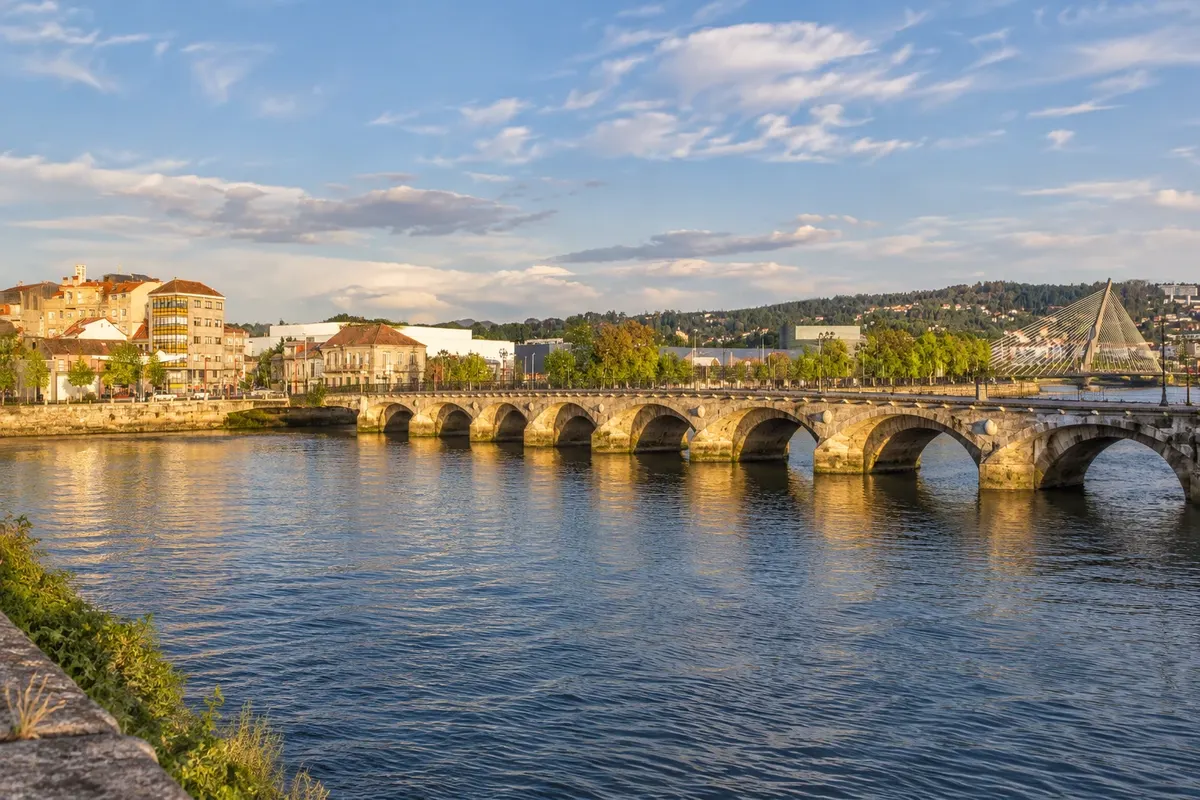
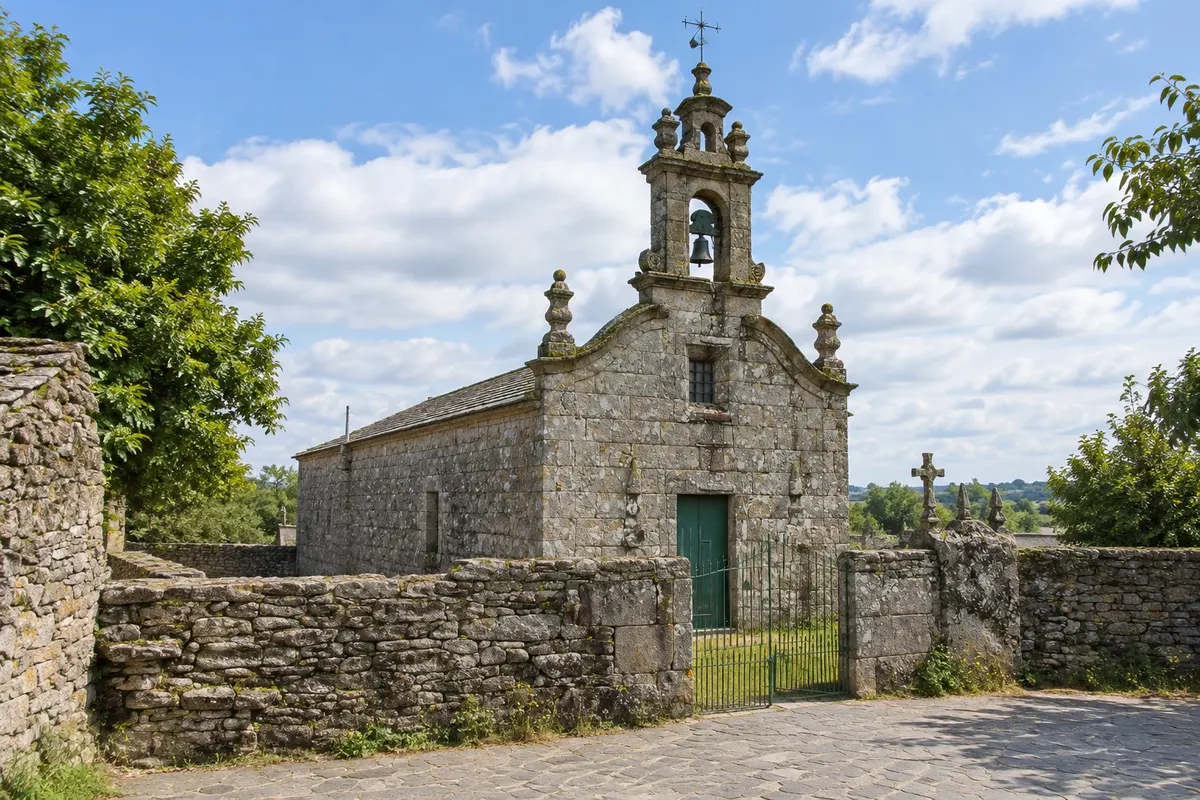
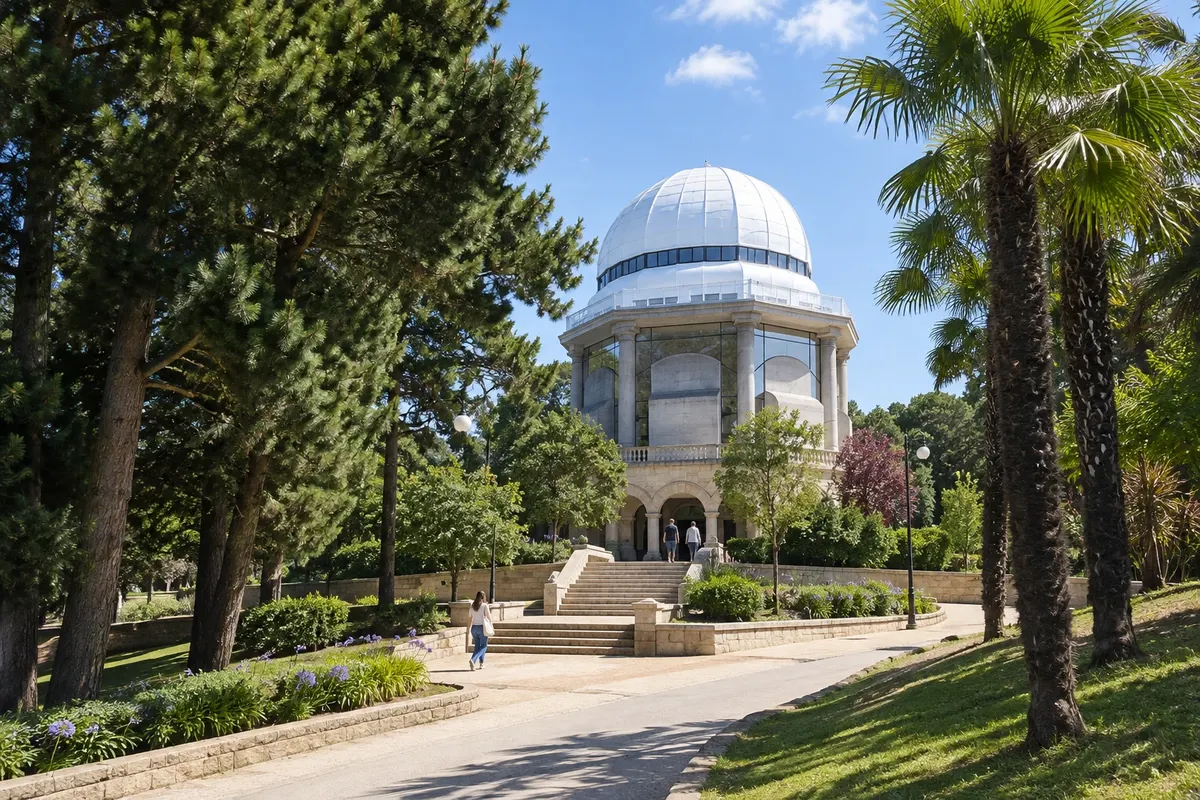
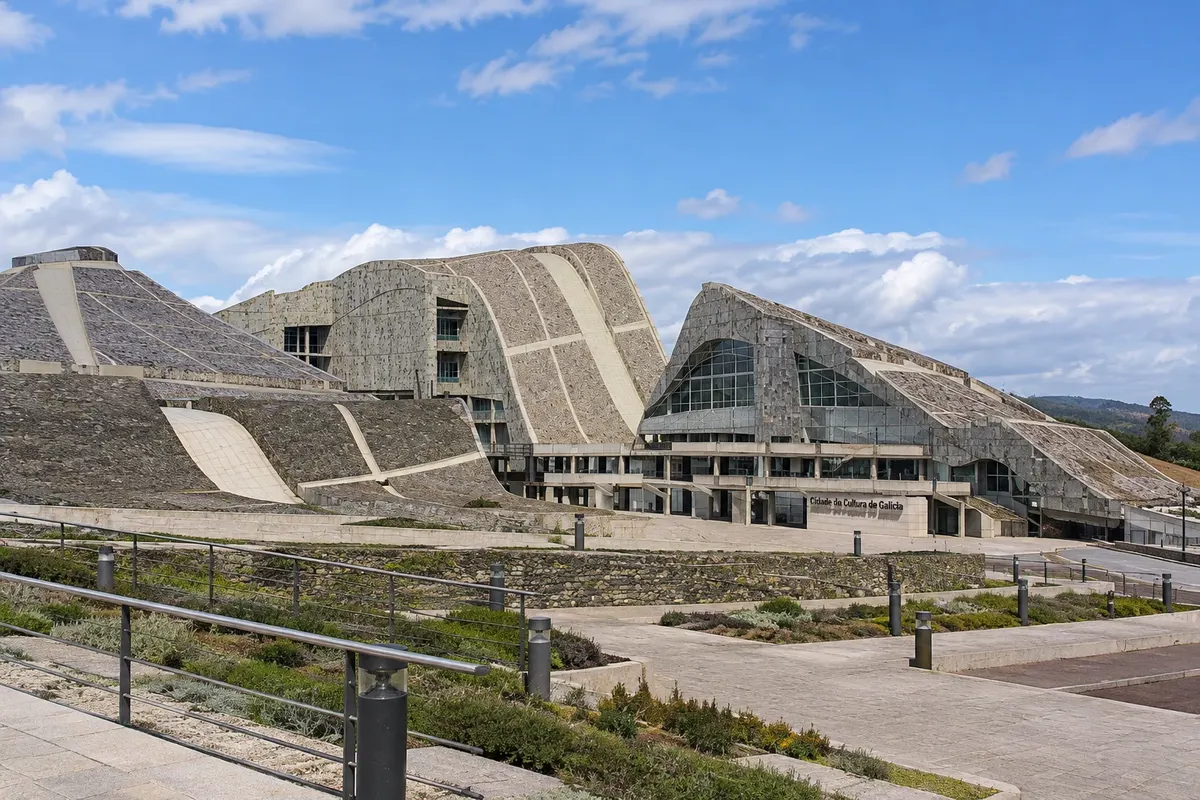
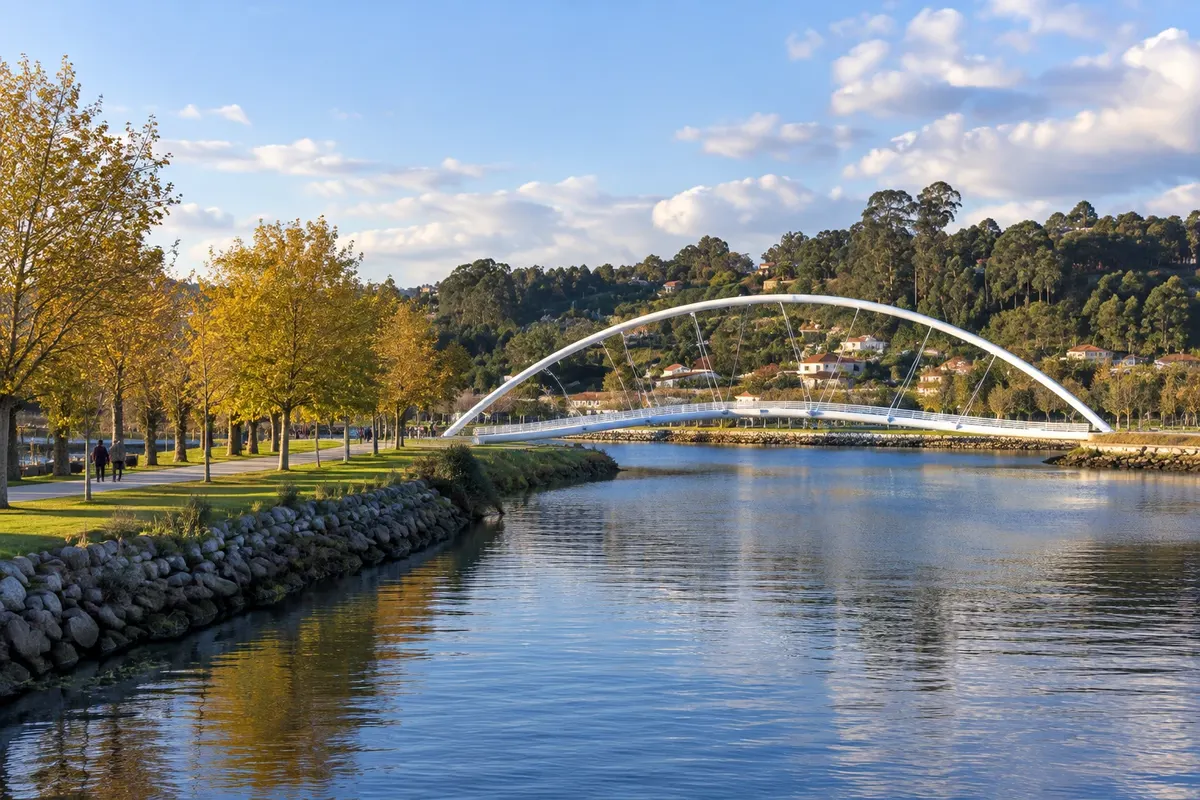
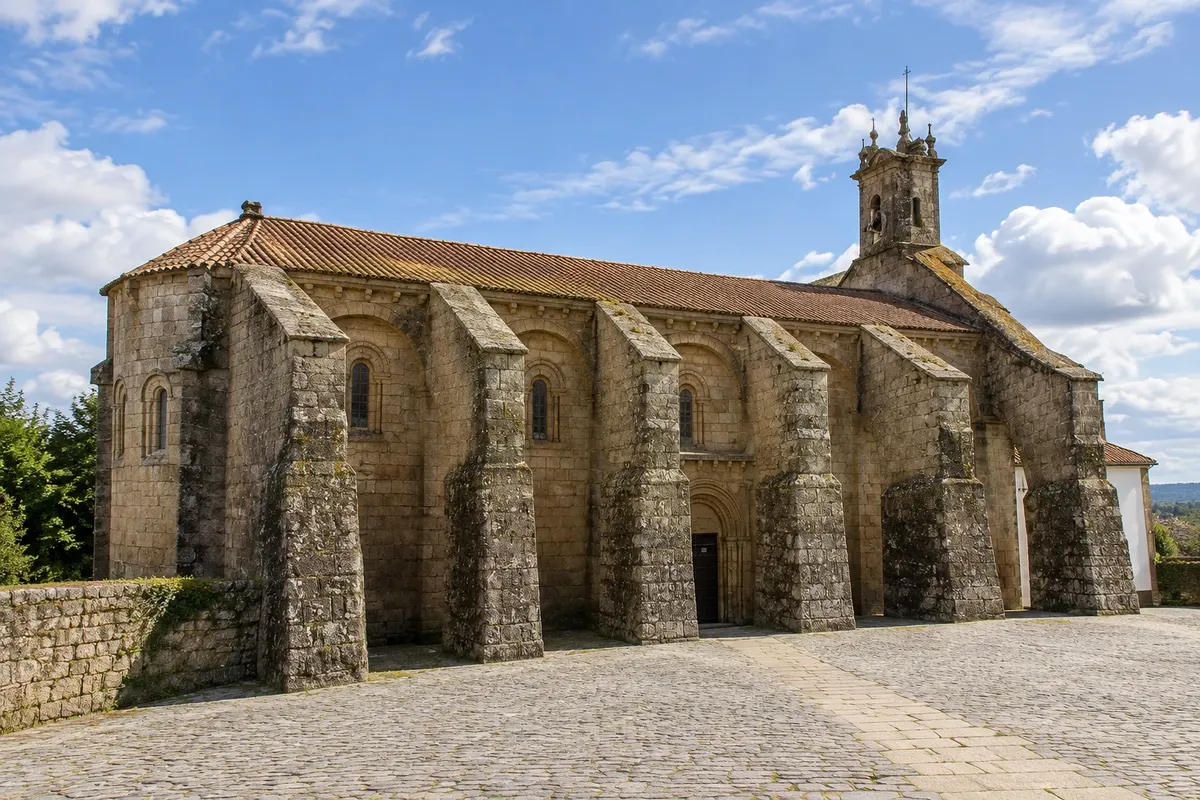
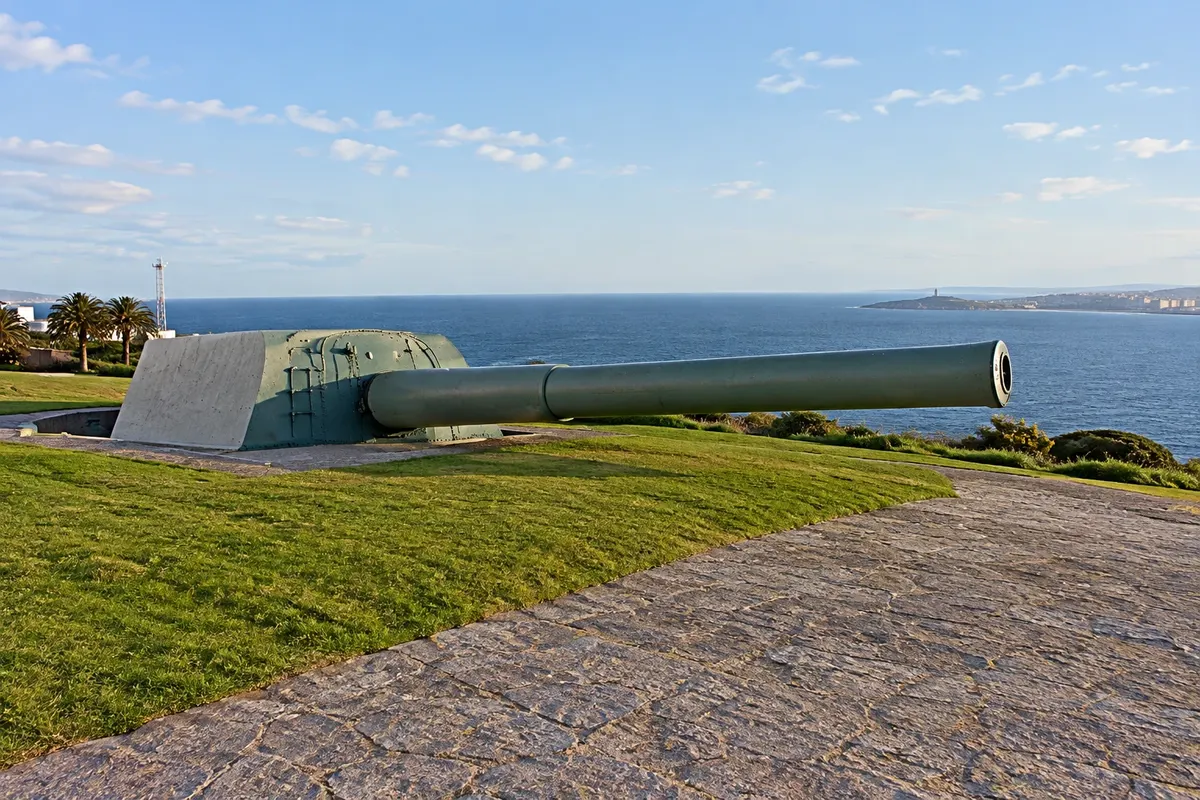
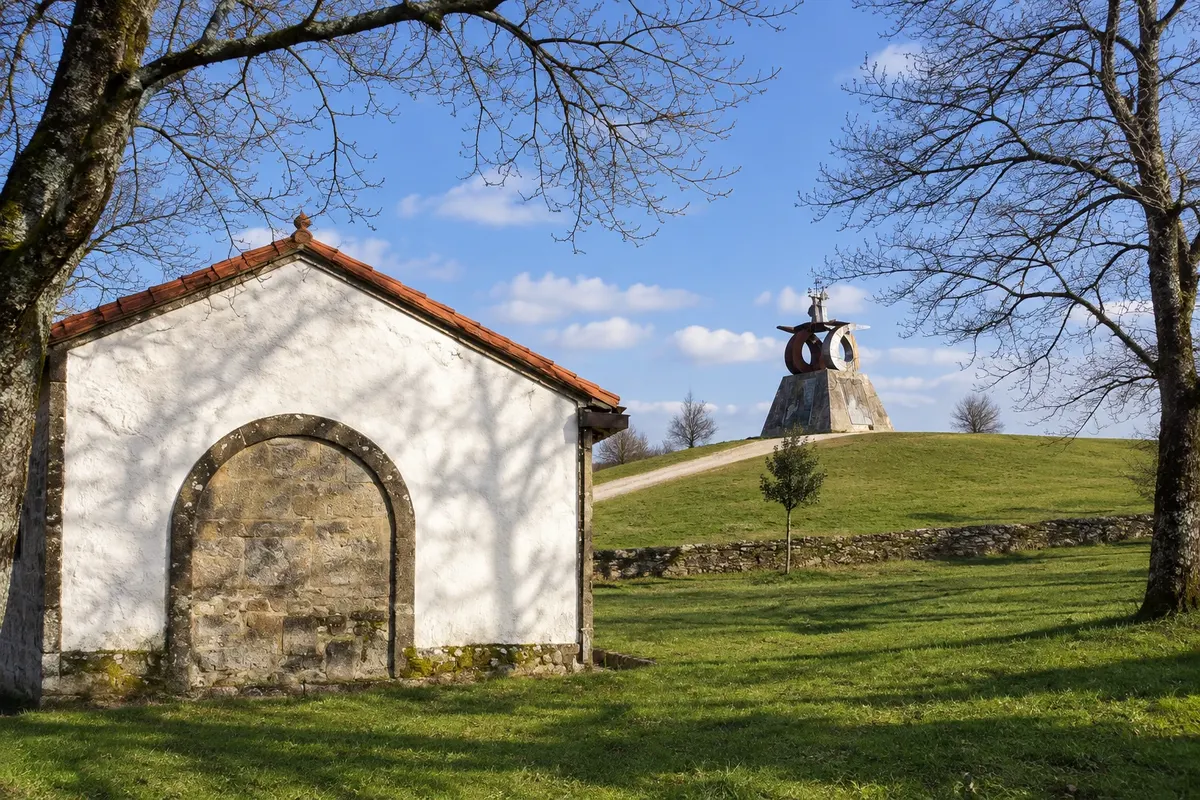
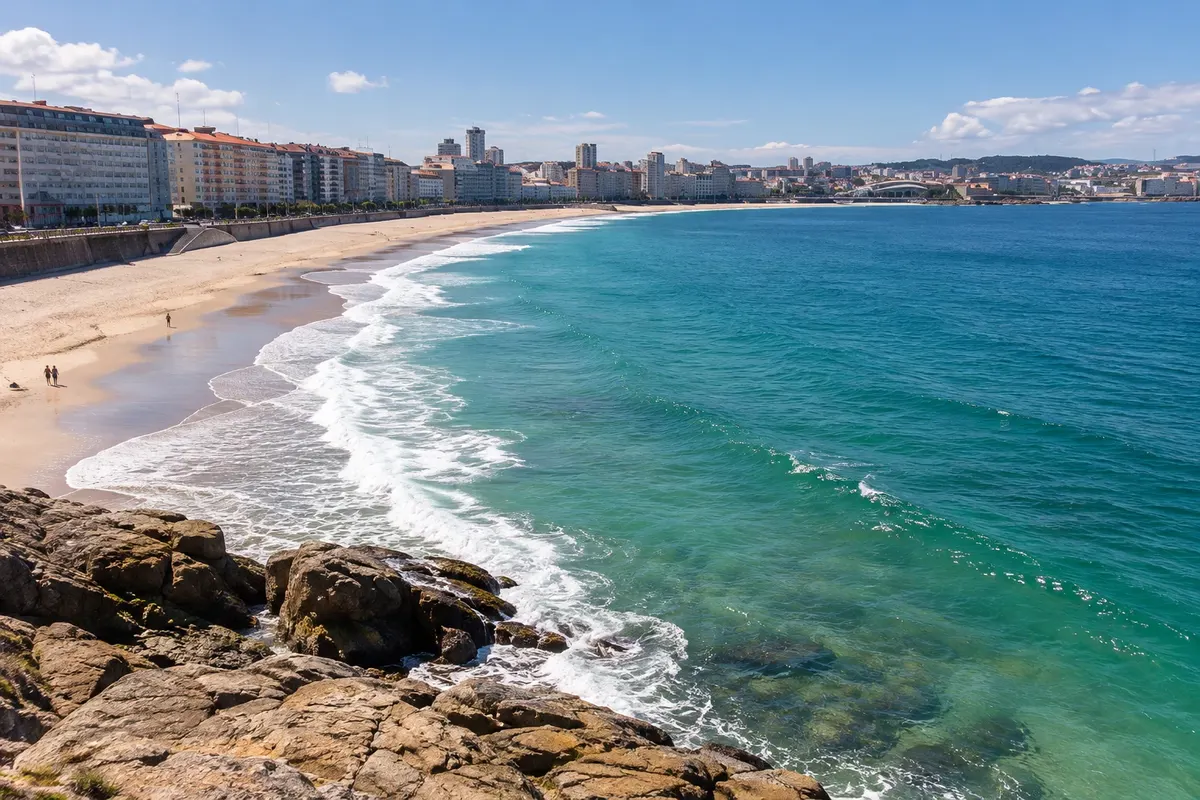
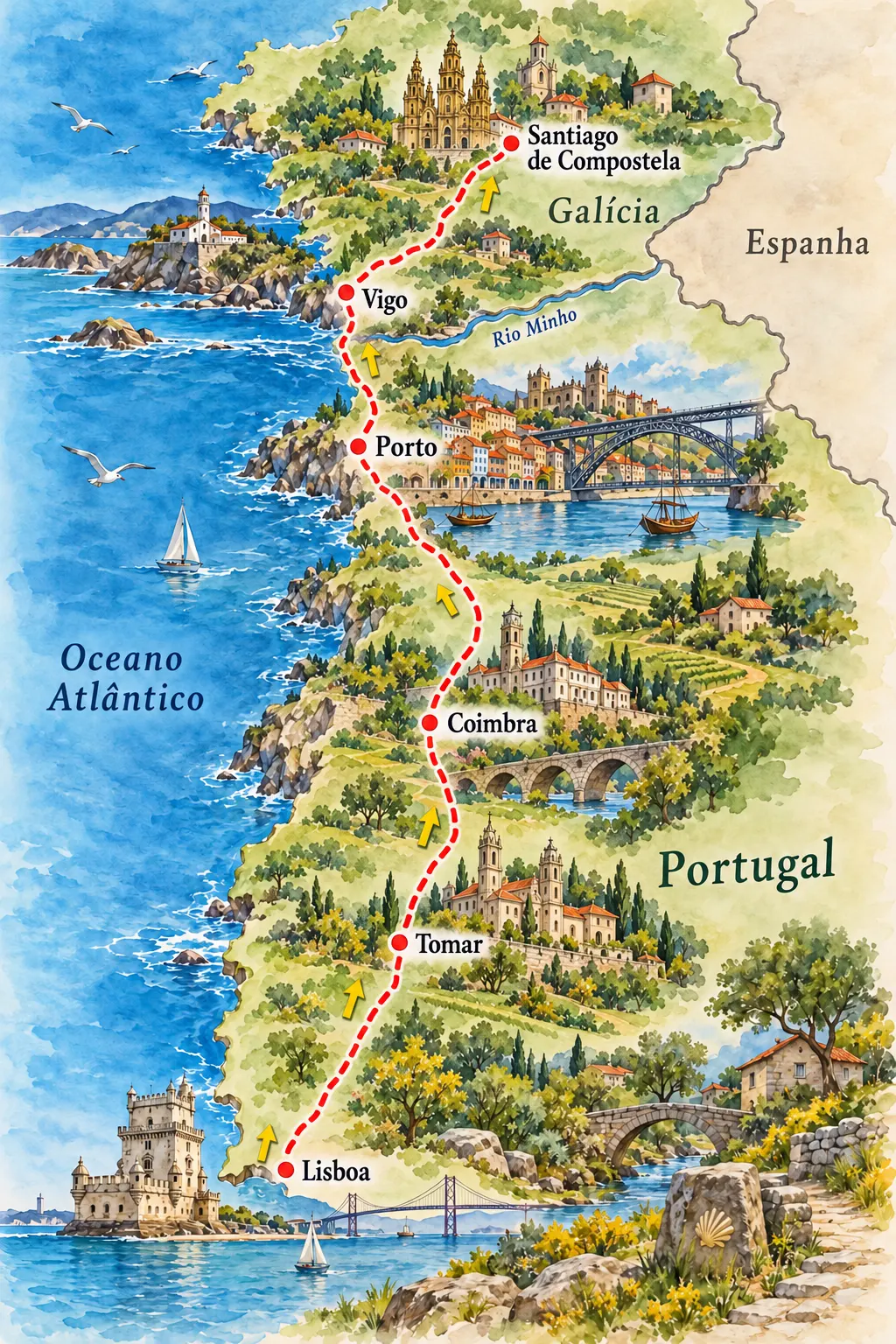
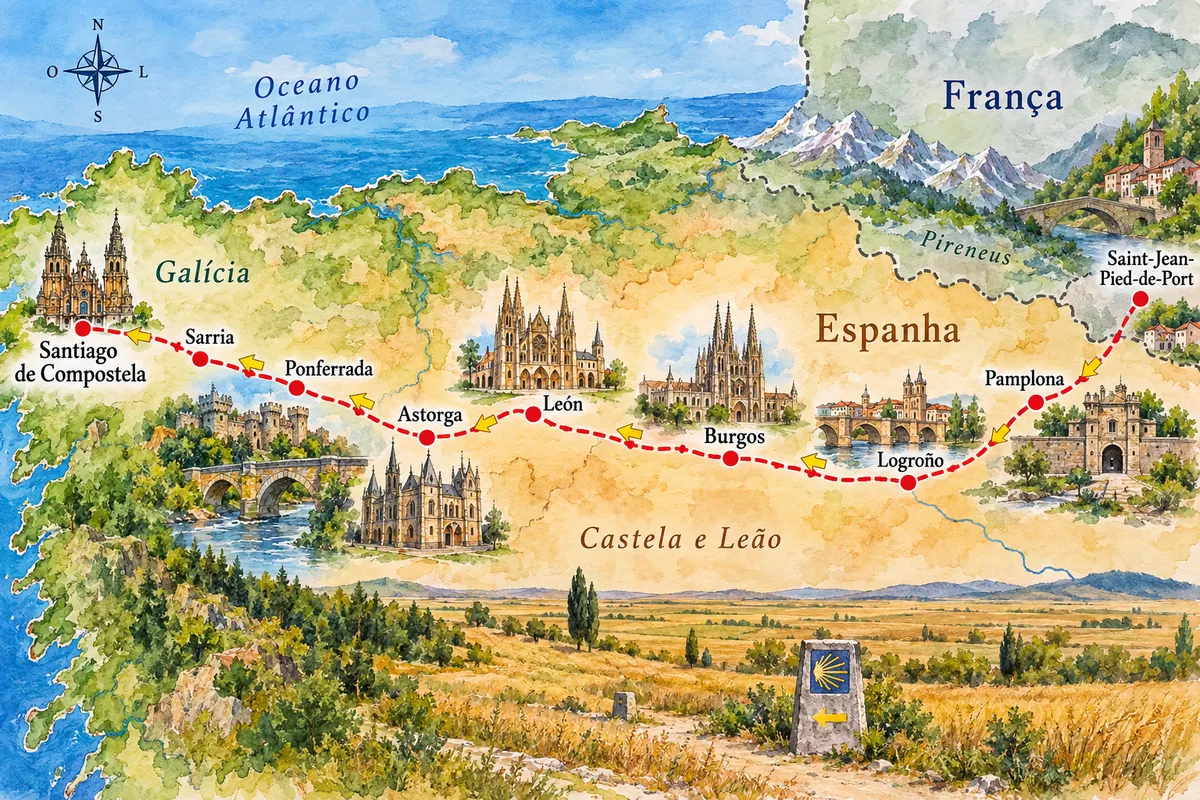
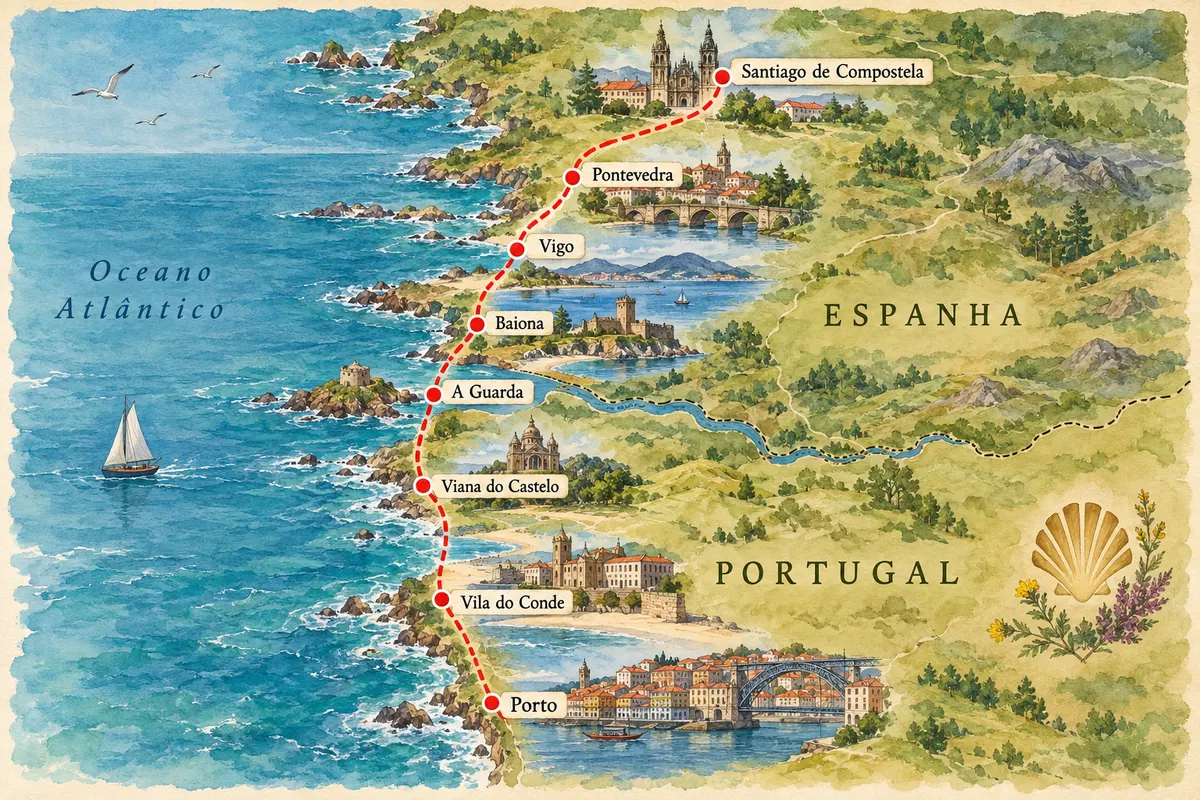
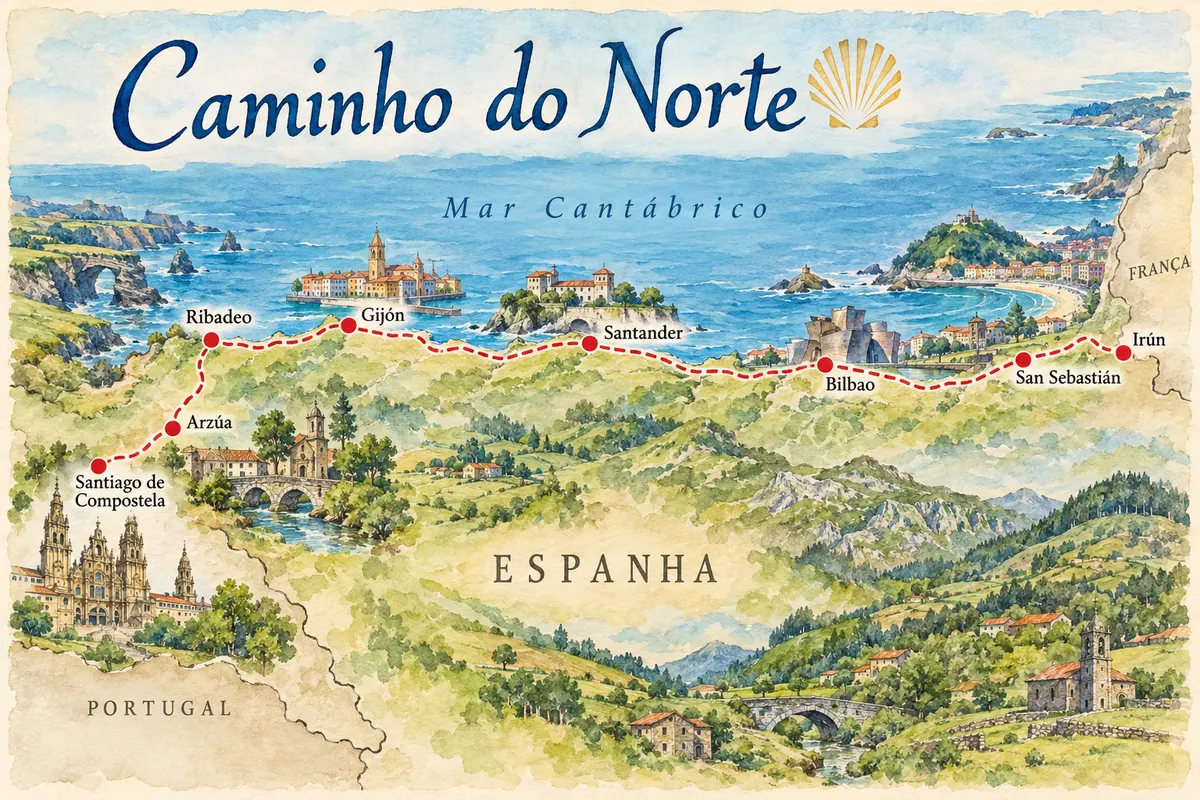
The landscape is green and rainy, cut by the rias, arms of the sea that reach into the land, and the cuisine revolves around octopus, shellfish, bread and the white Albariño wines.
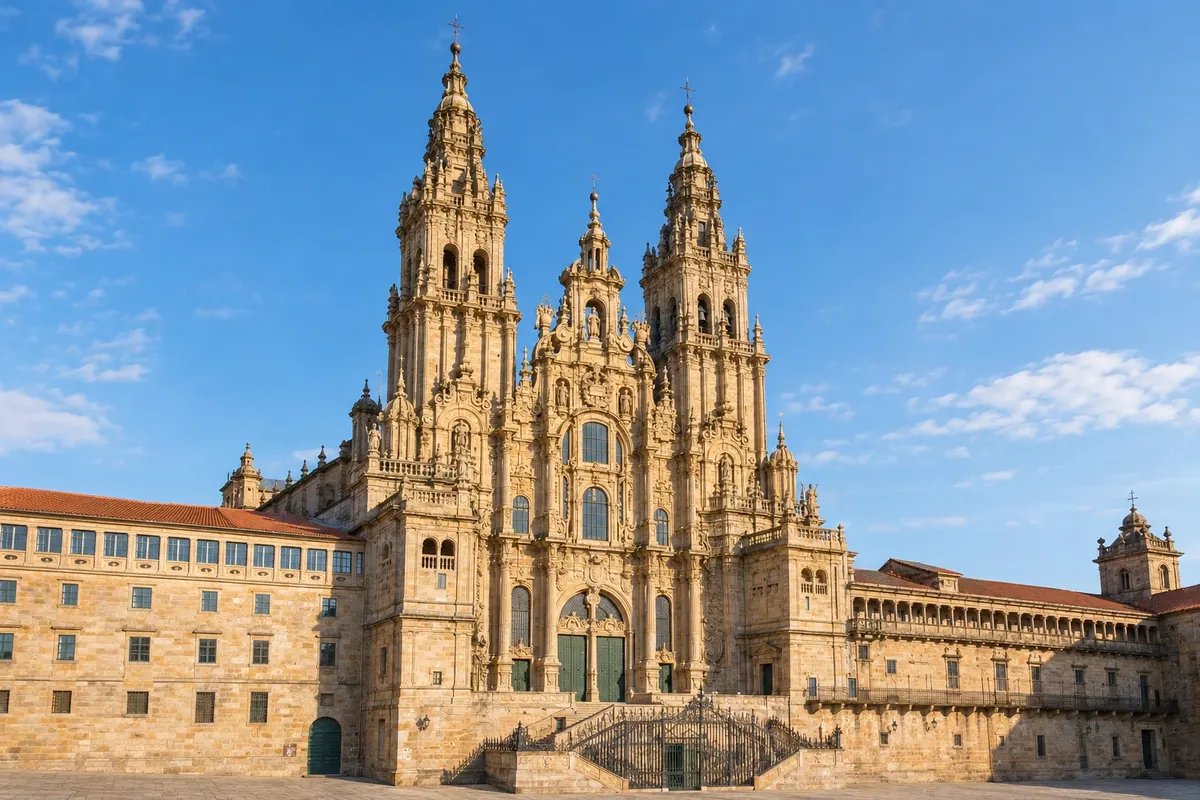
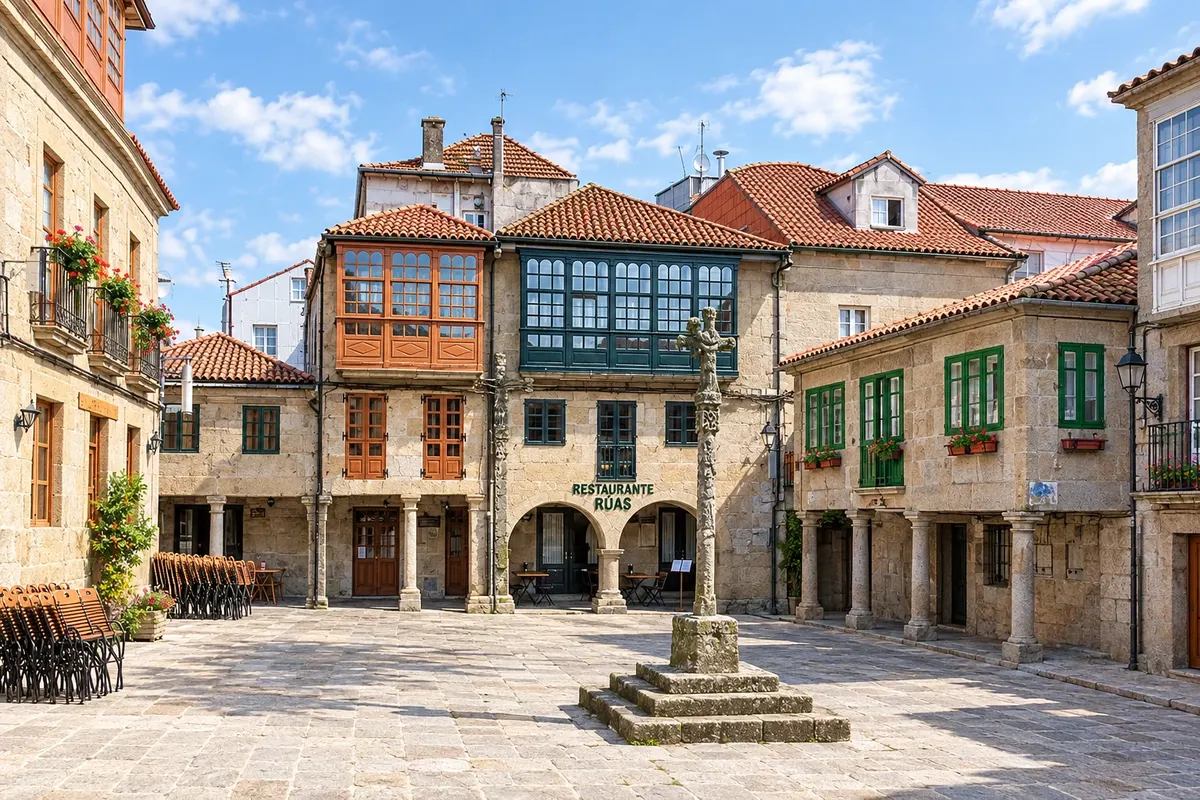
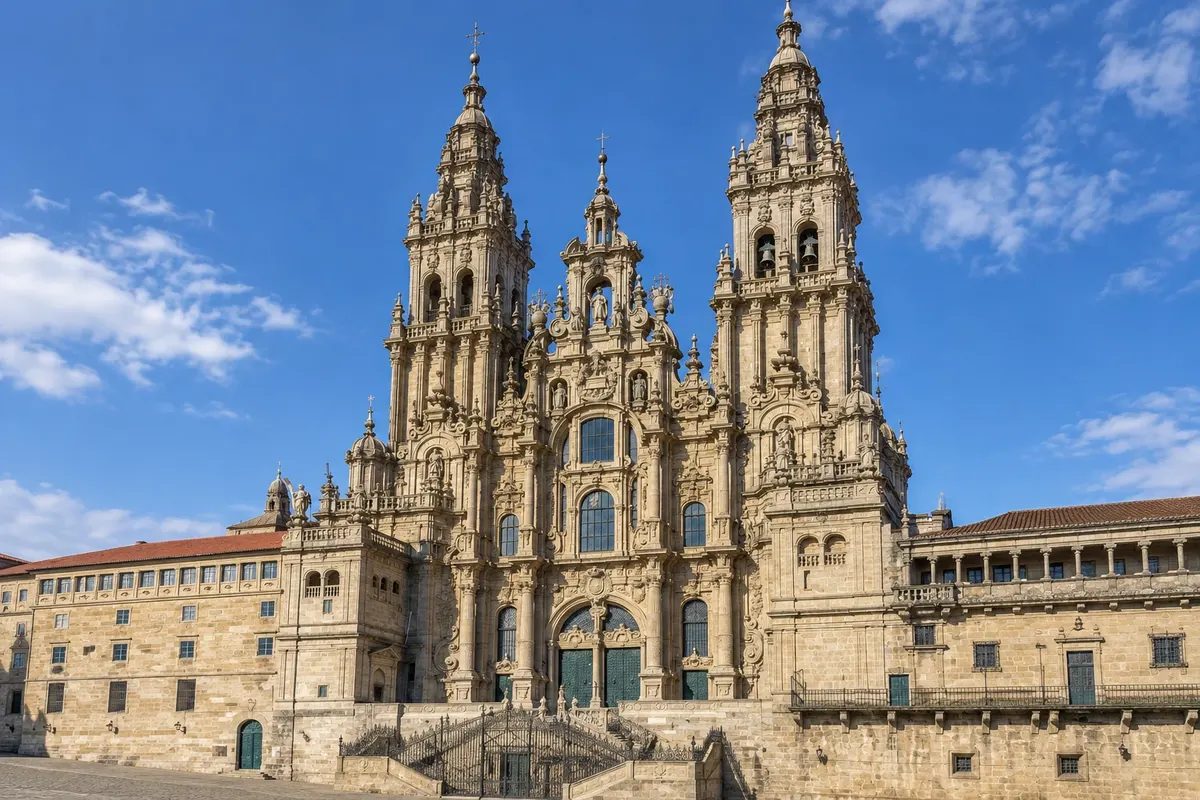
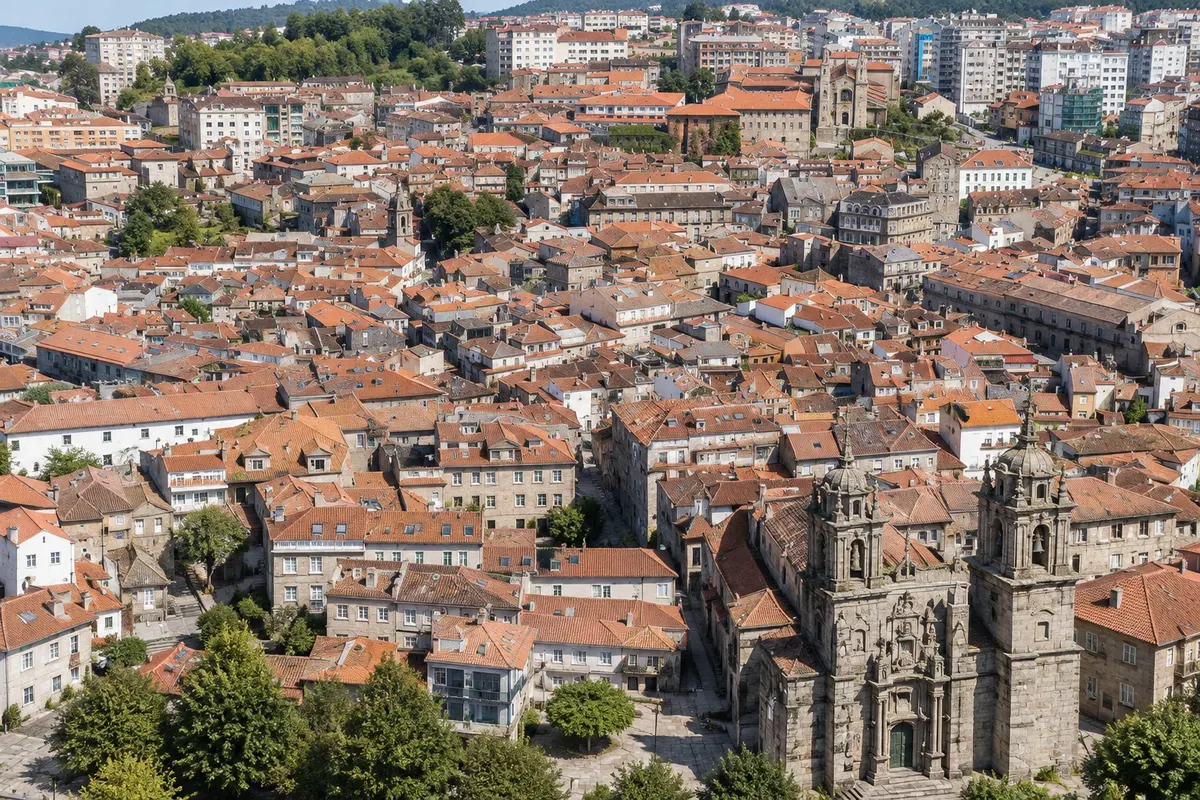
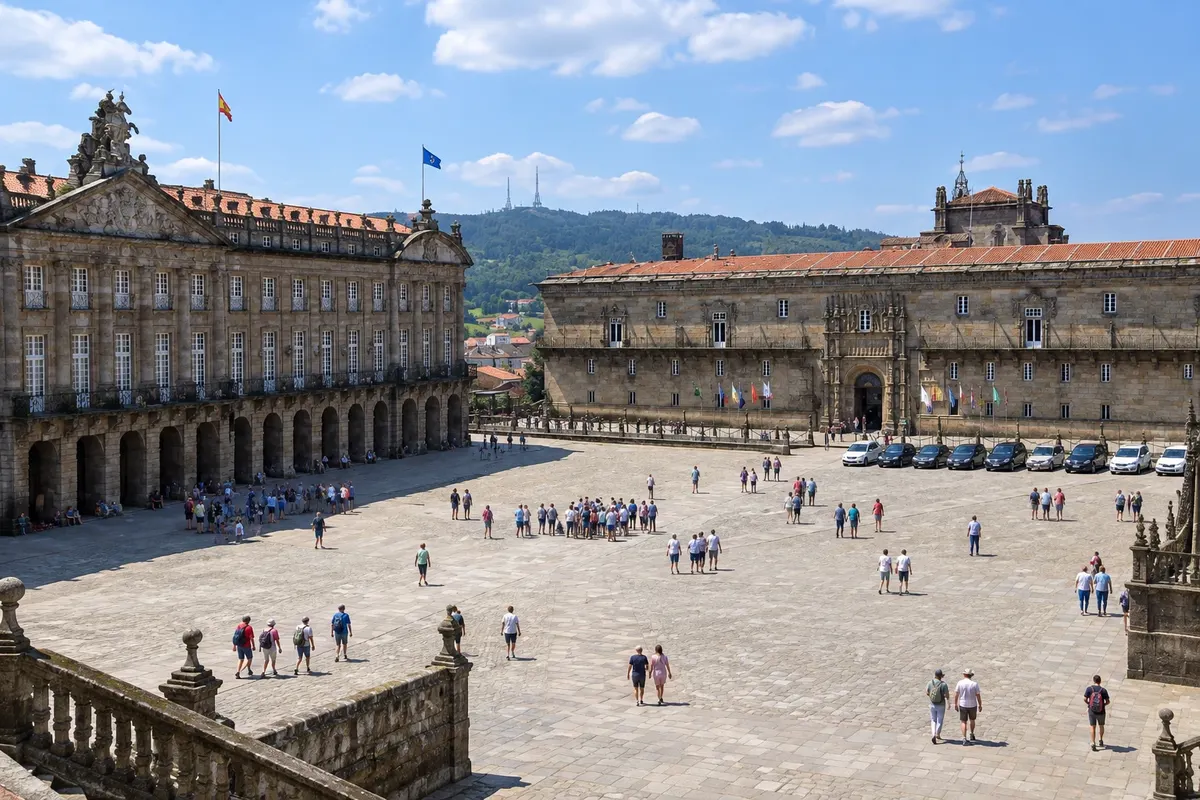
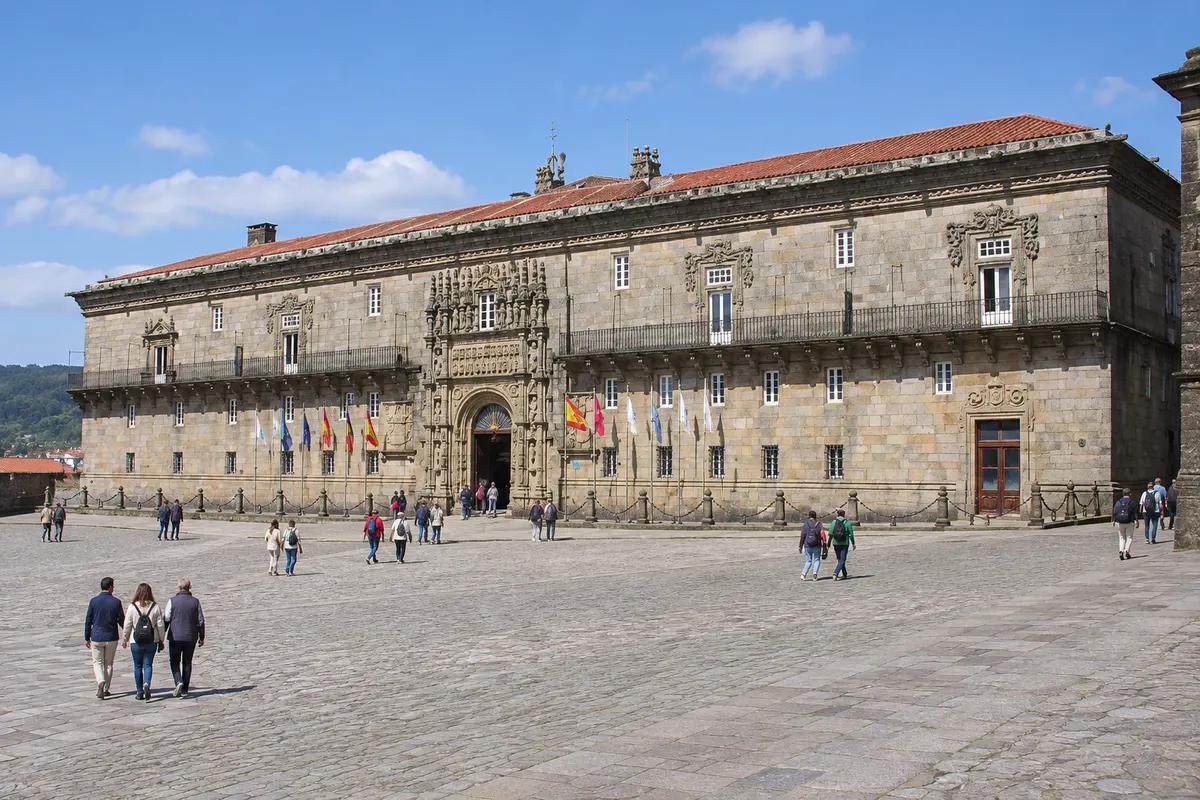
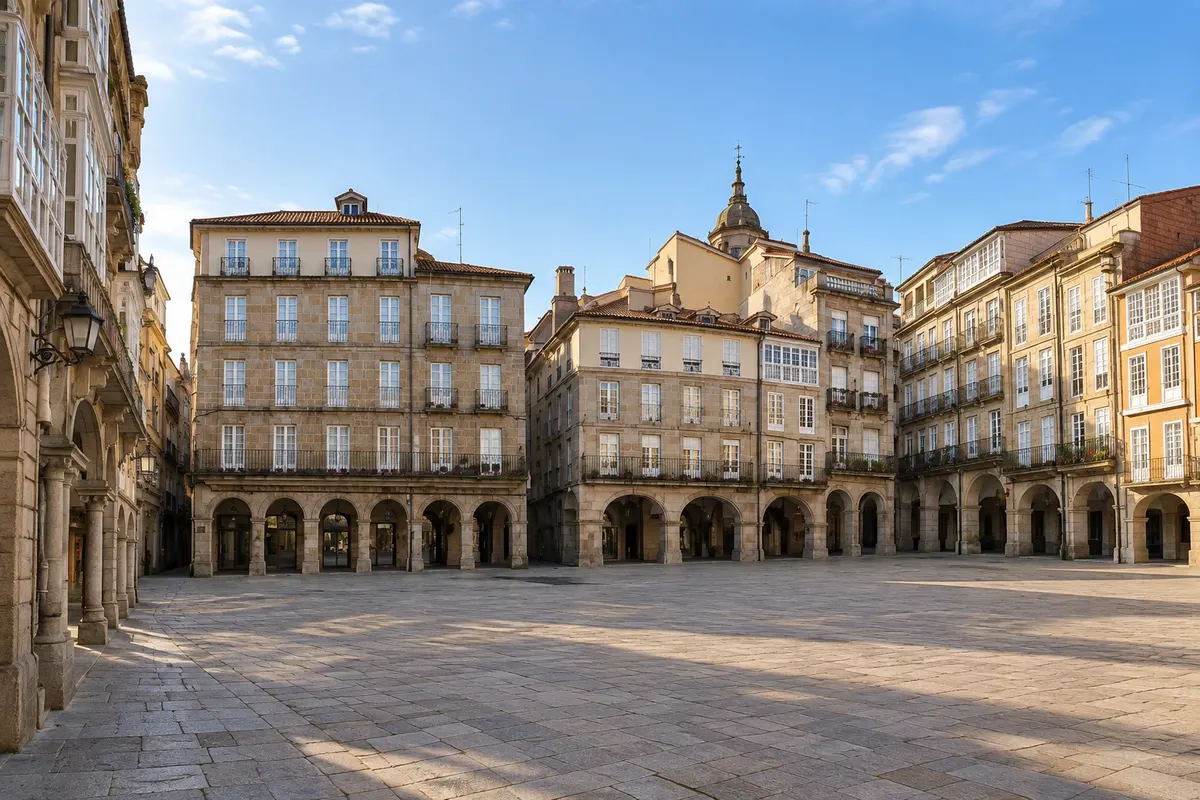
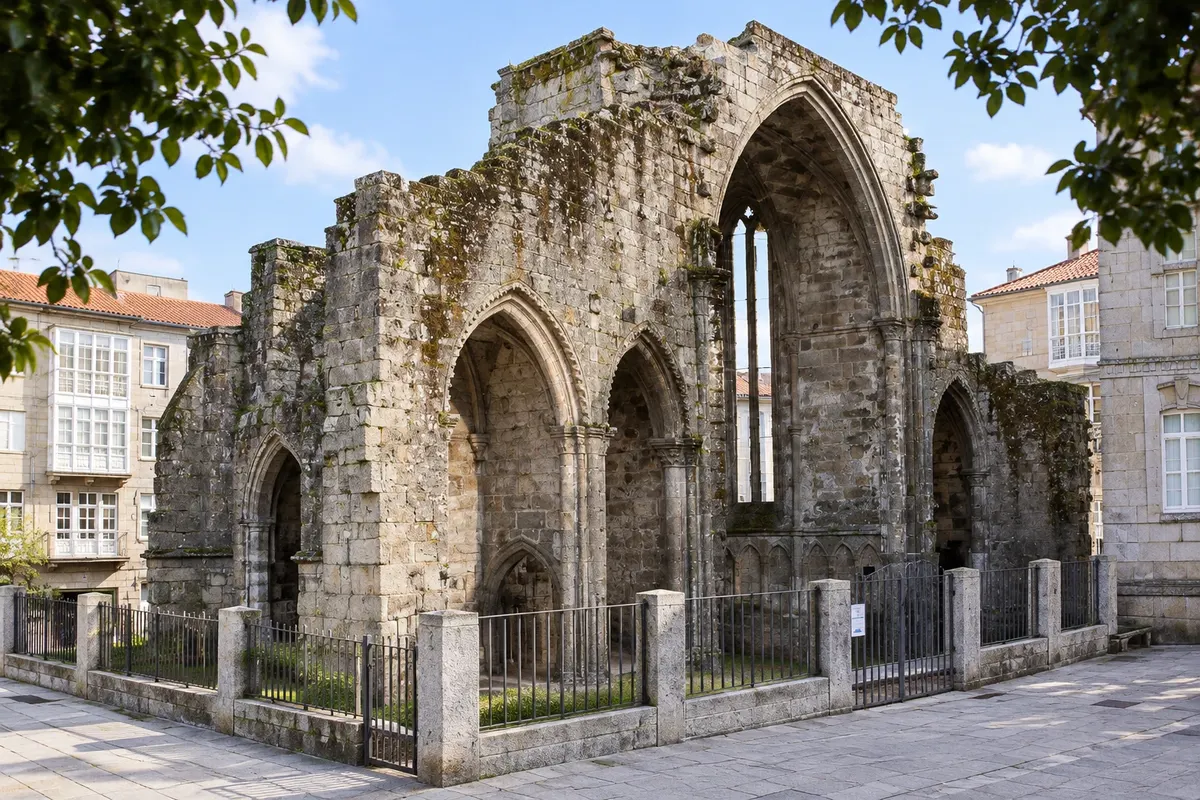
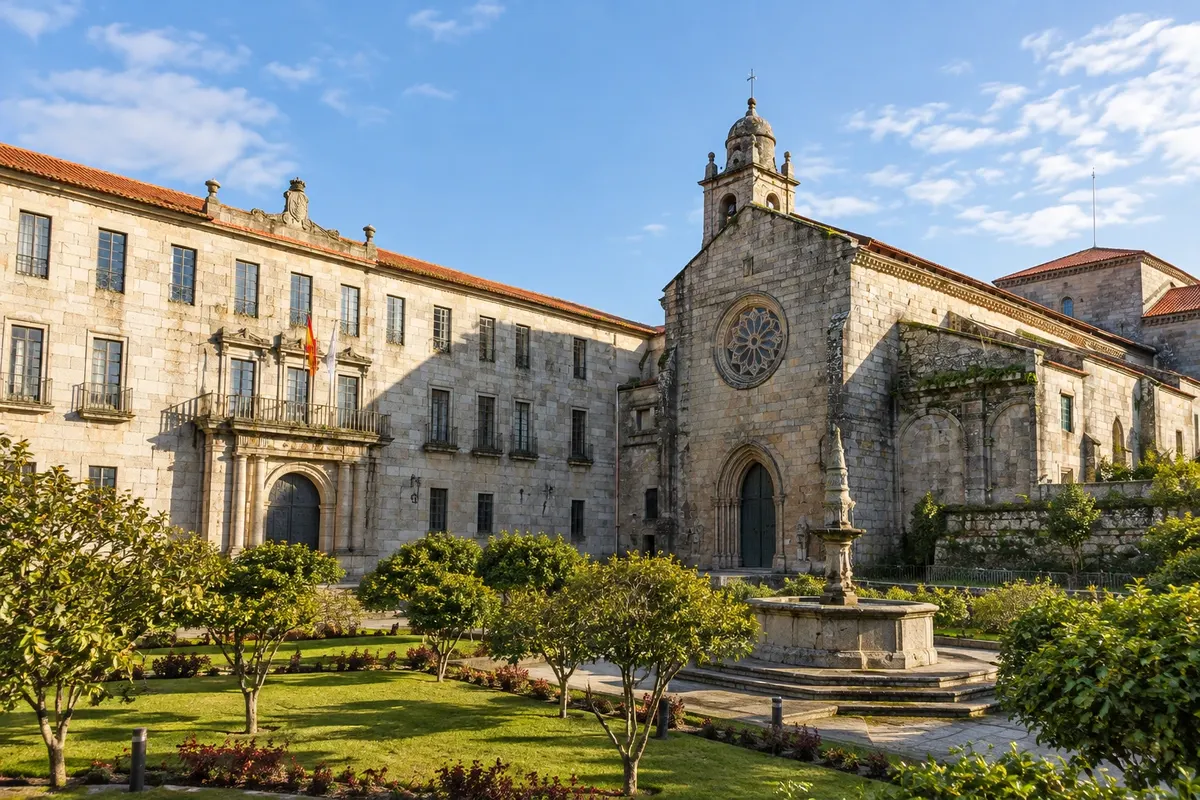
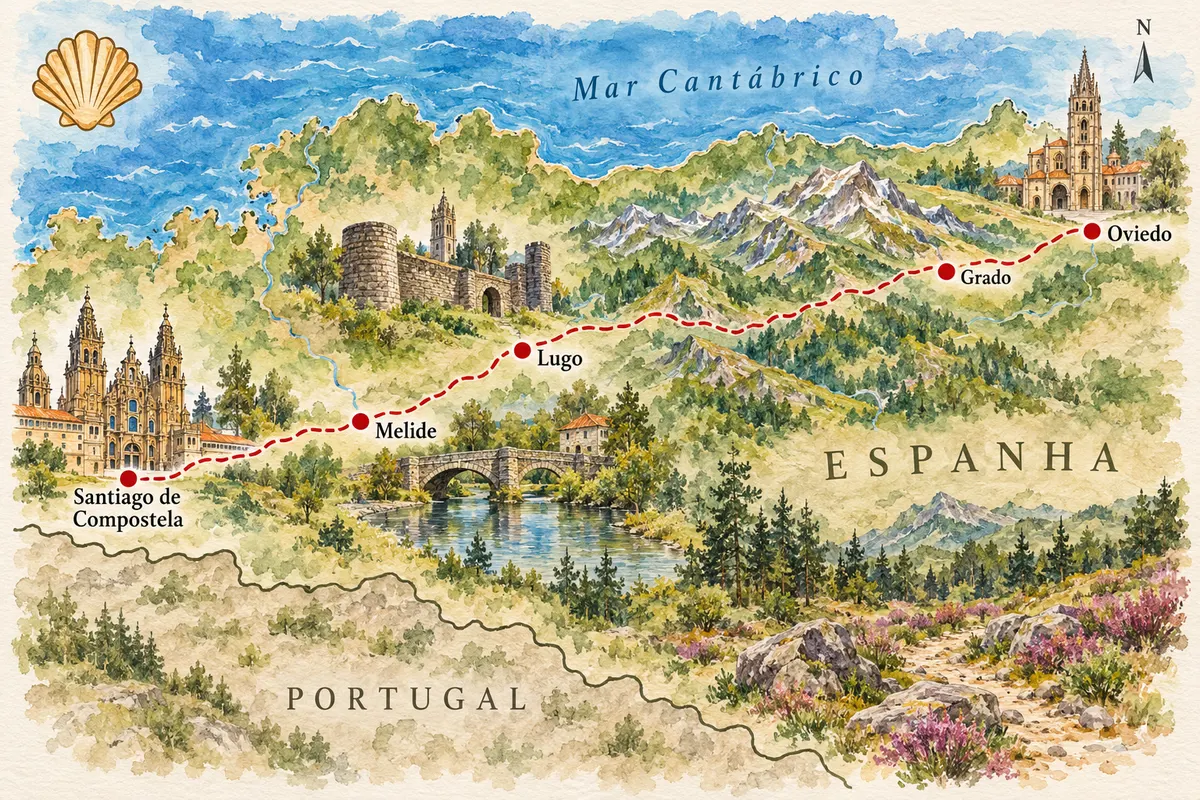
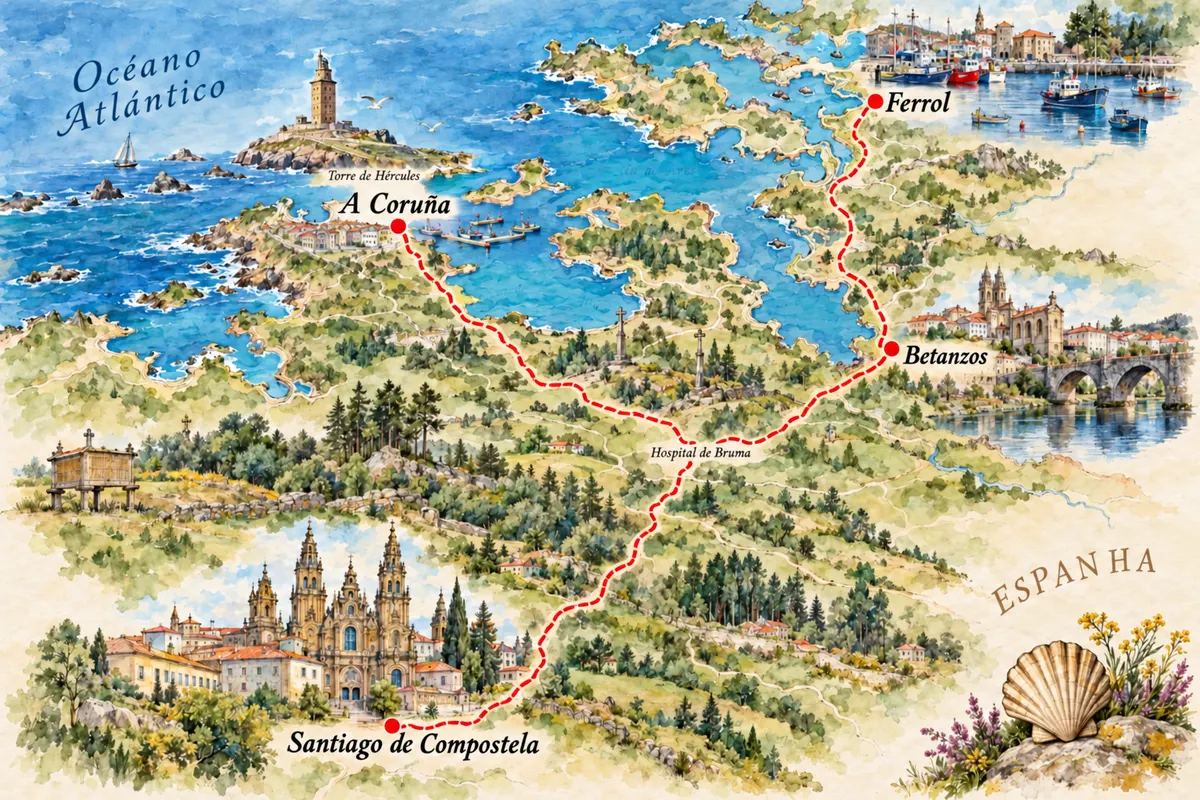
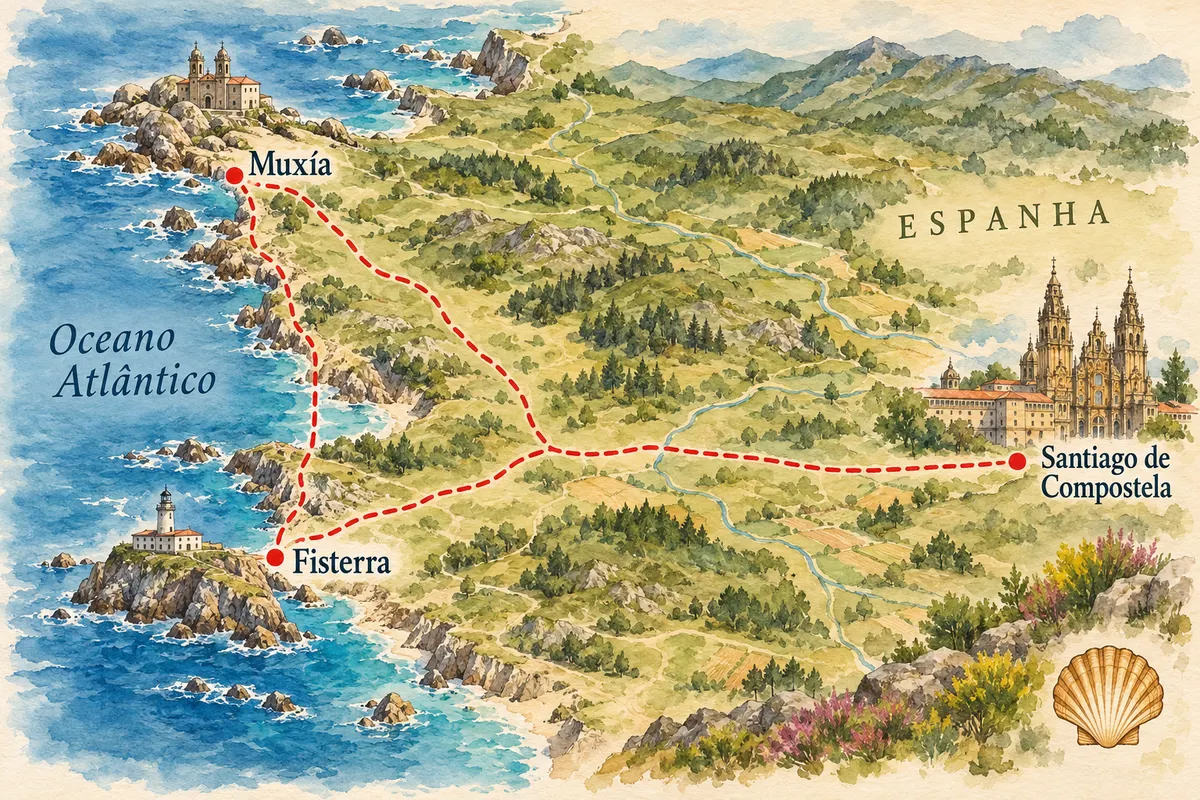
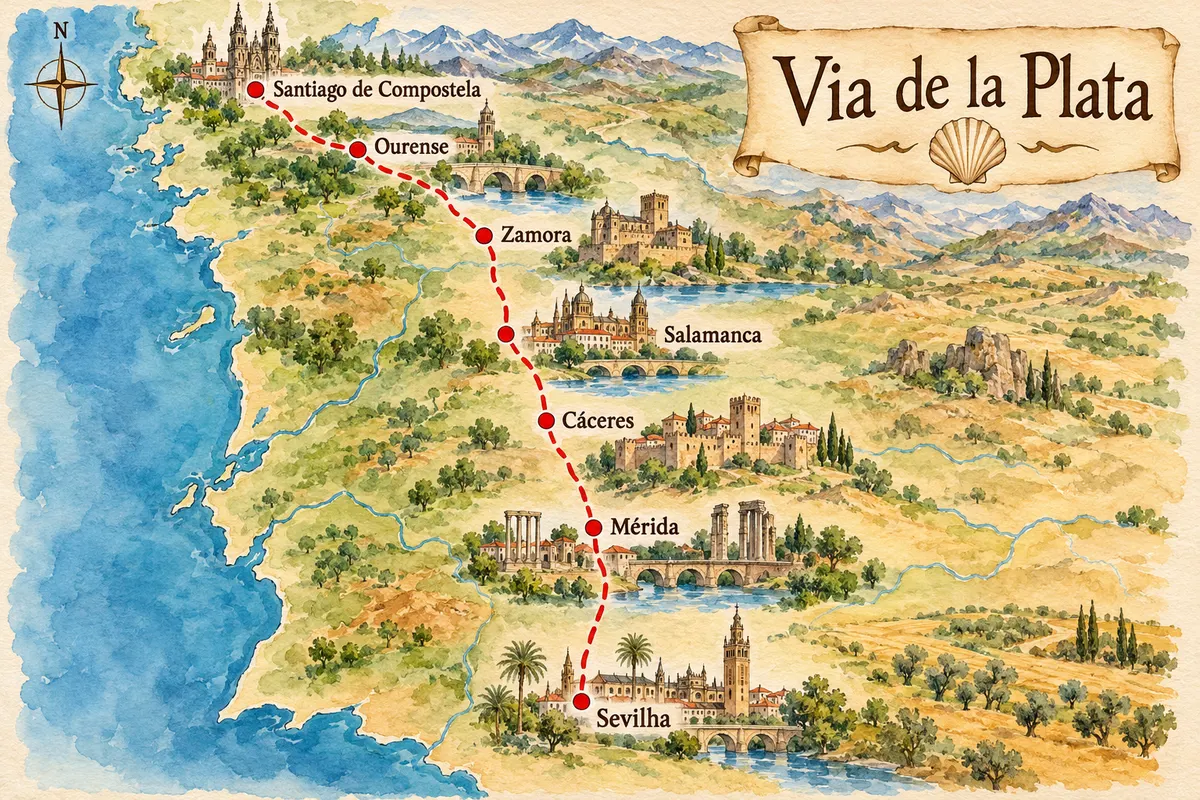
Santiago de Compostela, capital da Galícia, grew around the tomb attributed to the apostle James, discovered in the 9th century. Since the Middle Ages, pilgrims from all over Europe walk to the cathedral along the Camino de Santiago, and even today hundreds of thousands arrive on foot or by bicycle each year at the Praza do Obradoiro. The historic center, all in granite, with arcades, churches and monasteries, has been a UNESCO World Heritage Site since 1985.
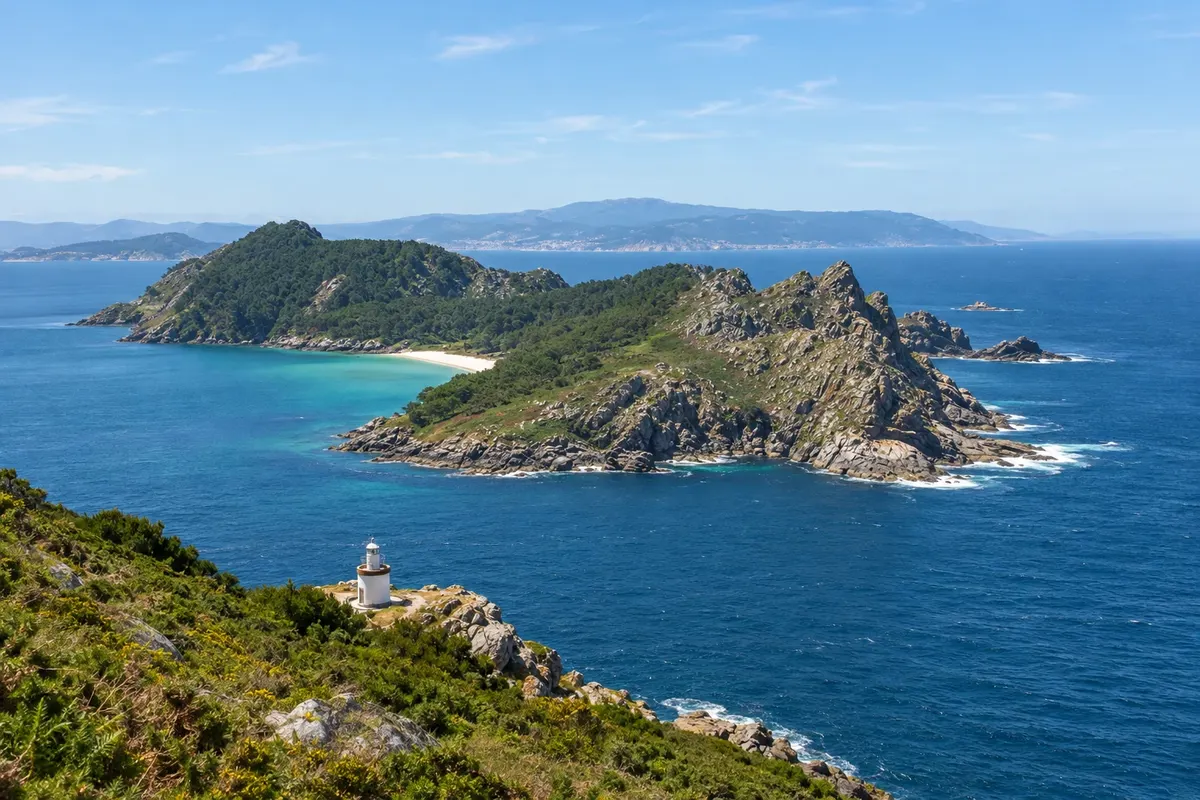
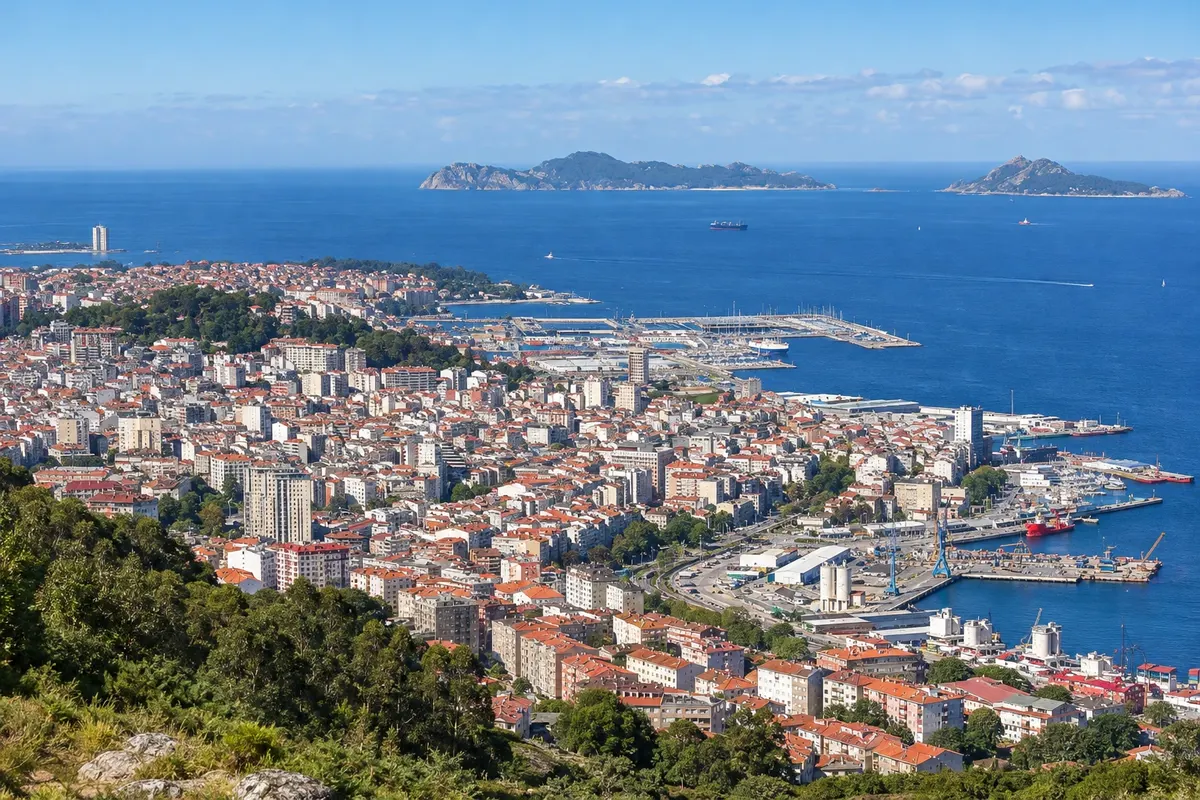
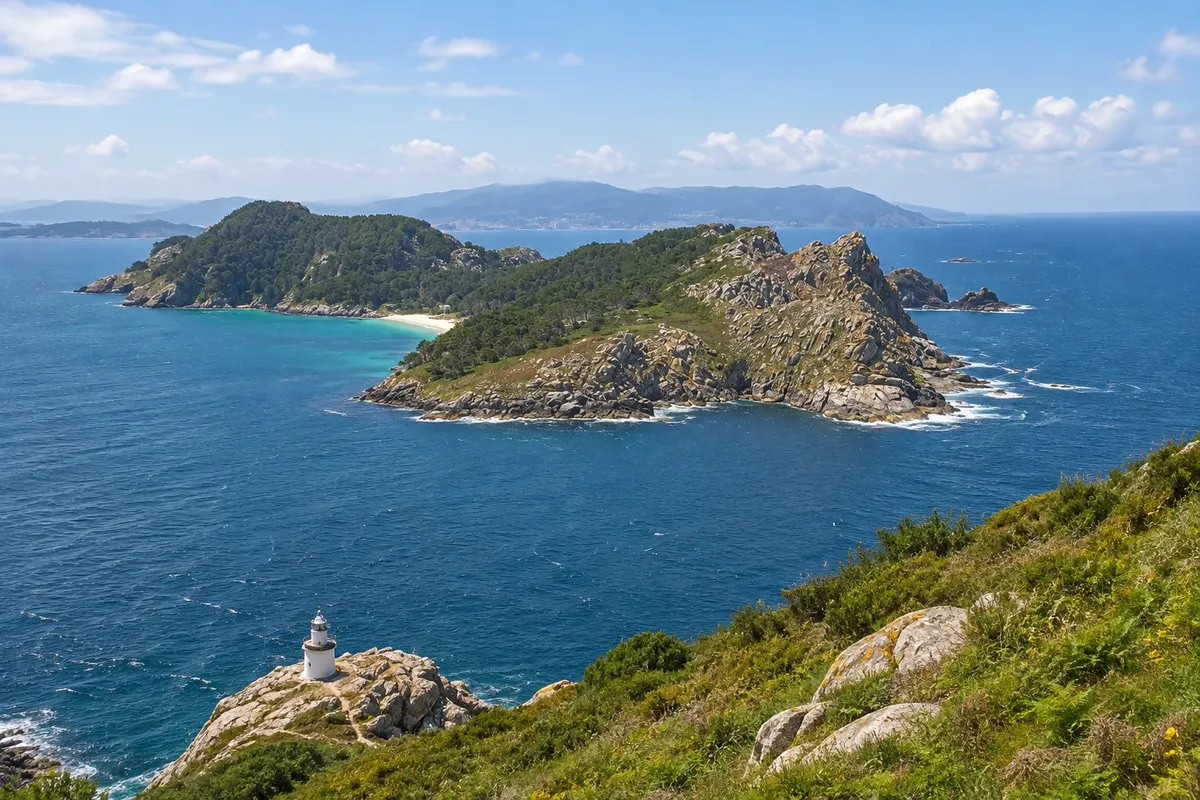
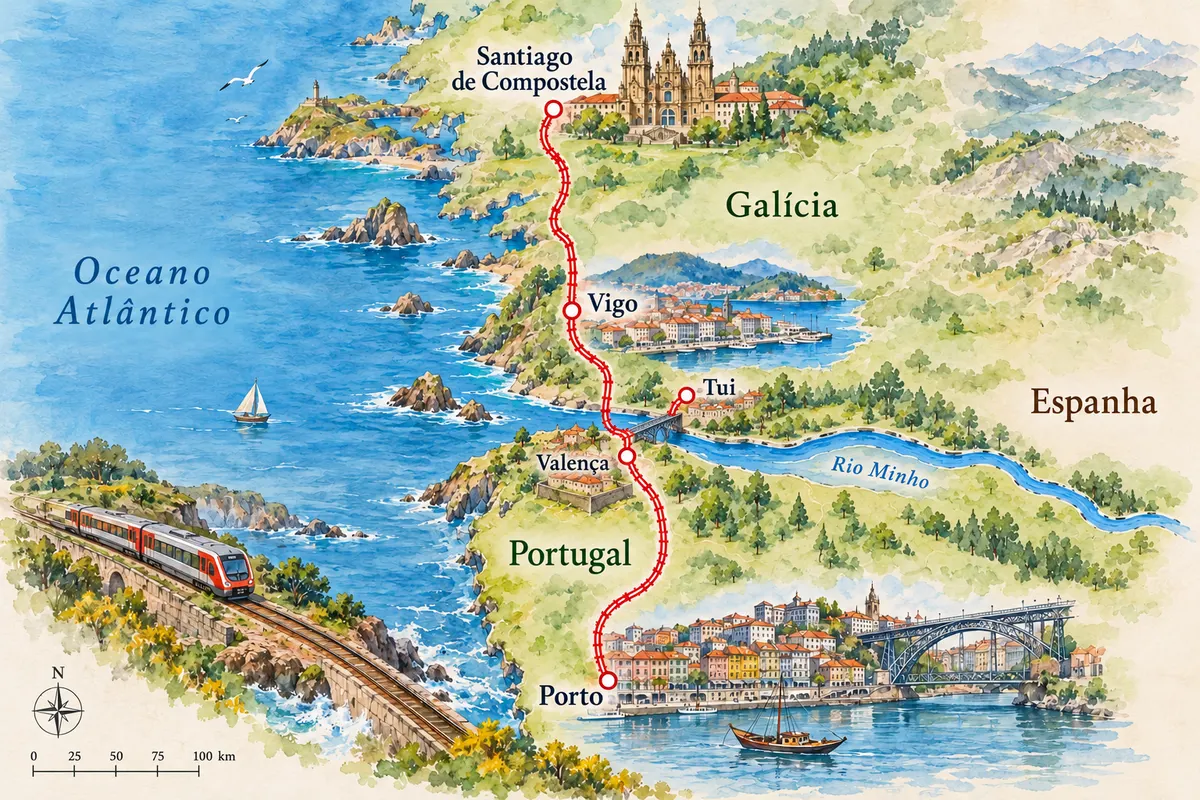
Vigo, 90 km to the south, is the largest city in Galícia and one of the main fishing ports in Europe, on the ria of Vigo. From the port depart the boats to the Illas Cíes, islands with white-sand beaches inside a national park. The Caminho Português da Costa passes through Vigo, and the city is the gateway for those coming from northern Portugal: the Celta train connects Porto to Vigo in about 2h30.
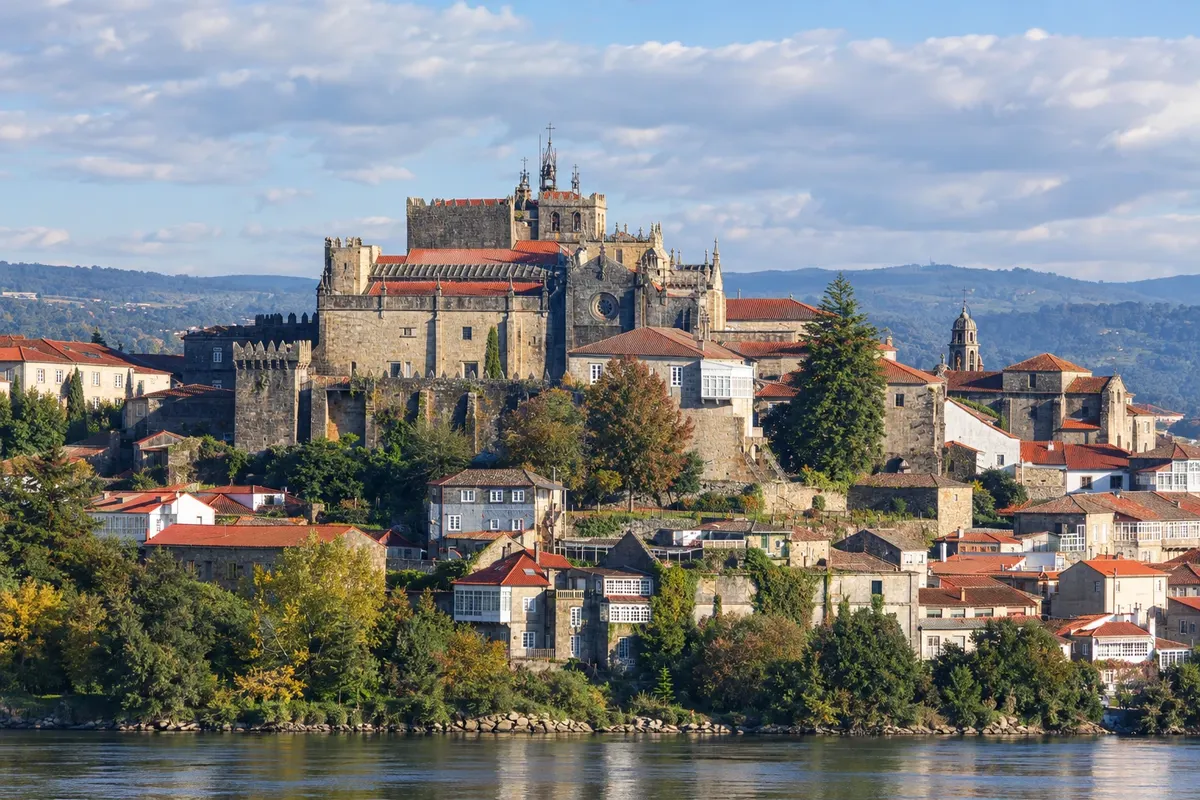
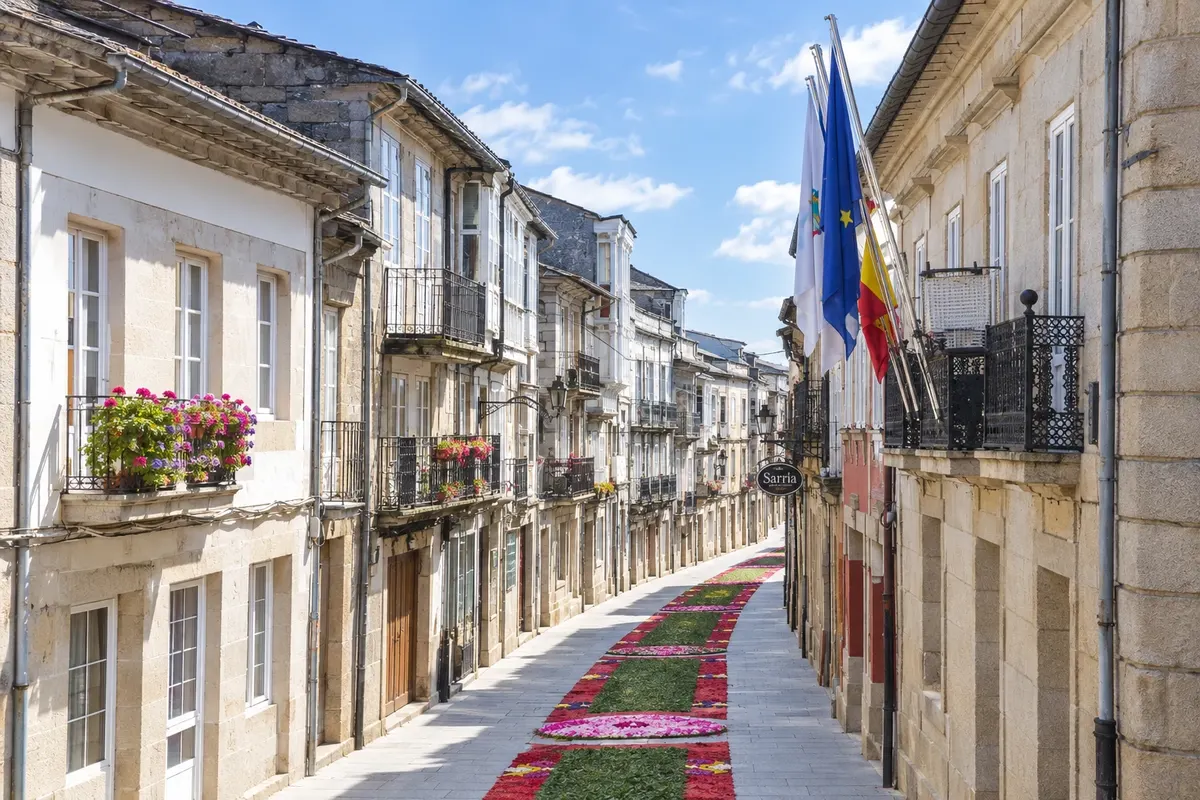
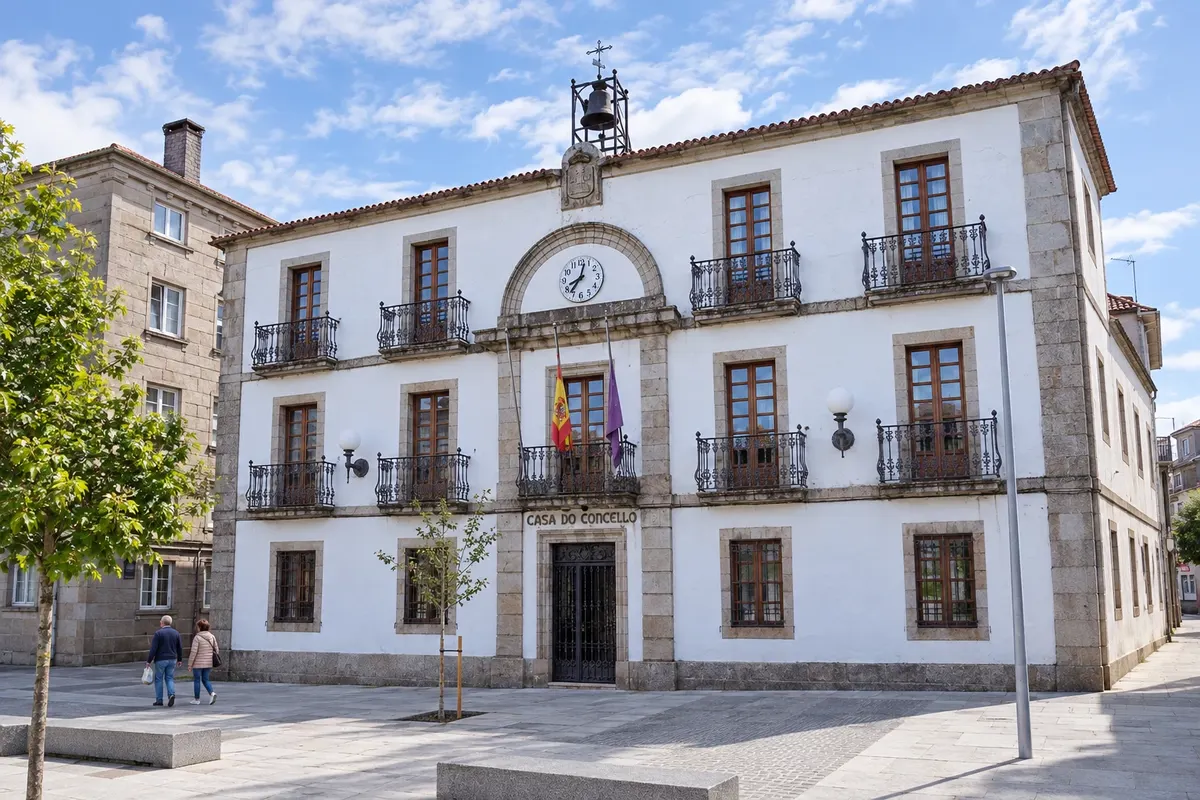
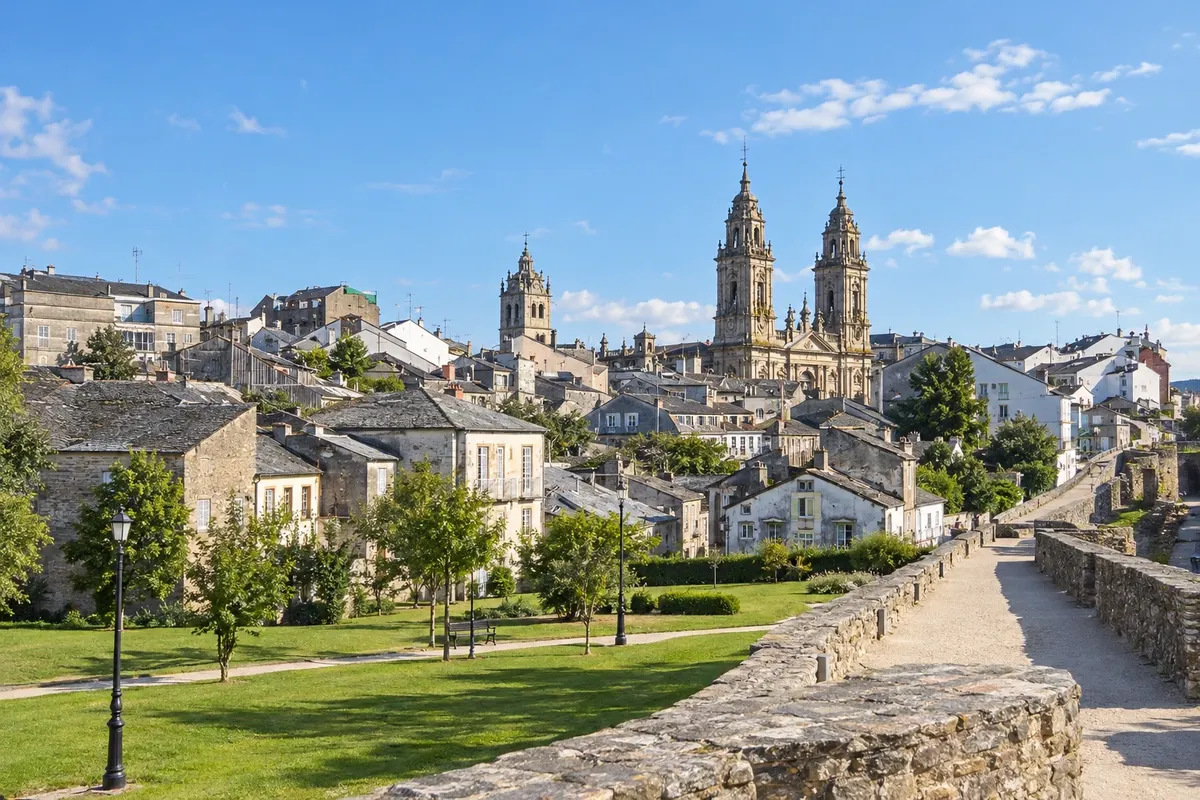
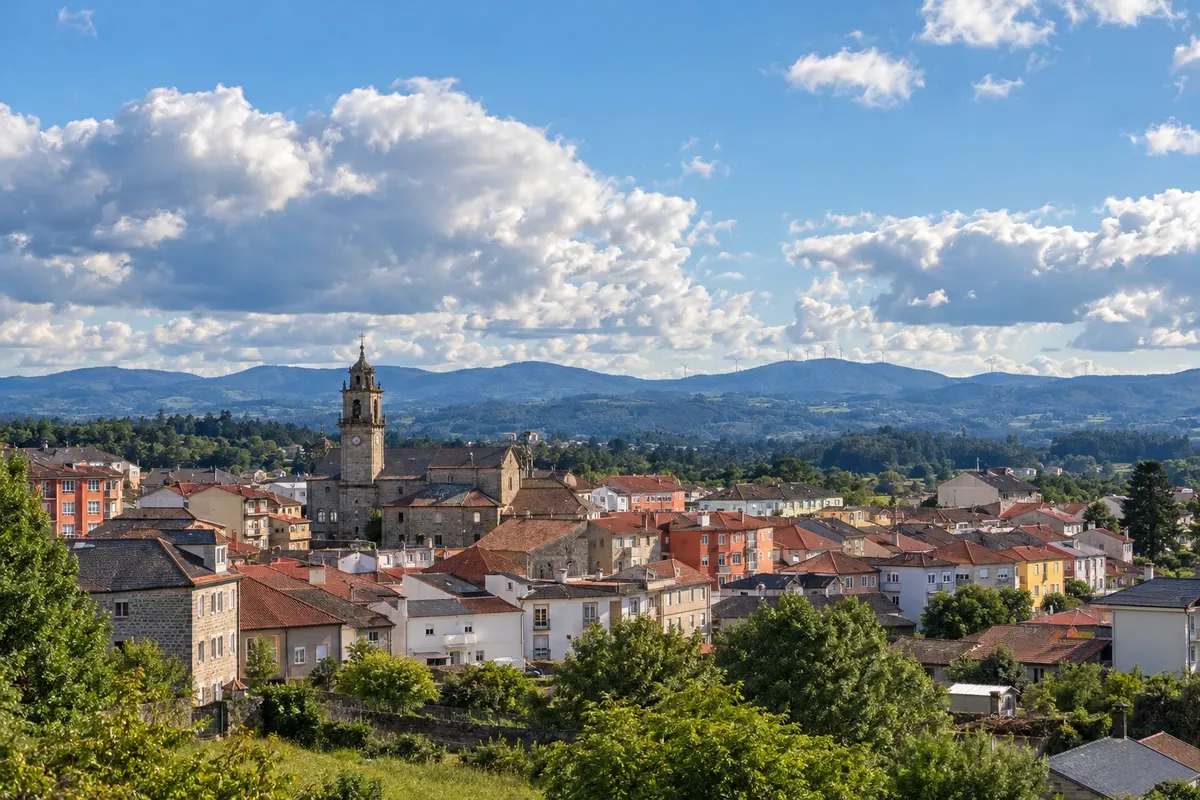
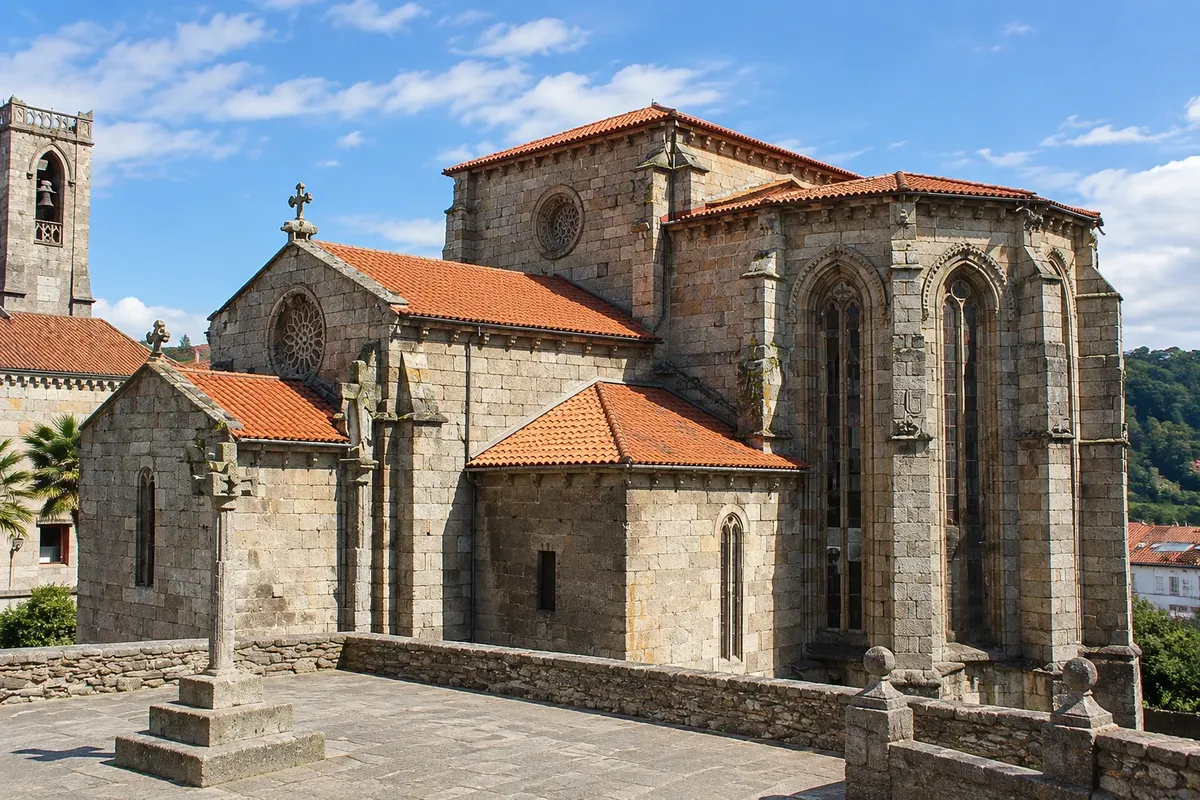
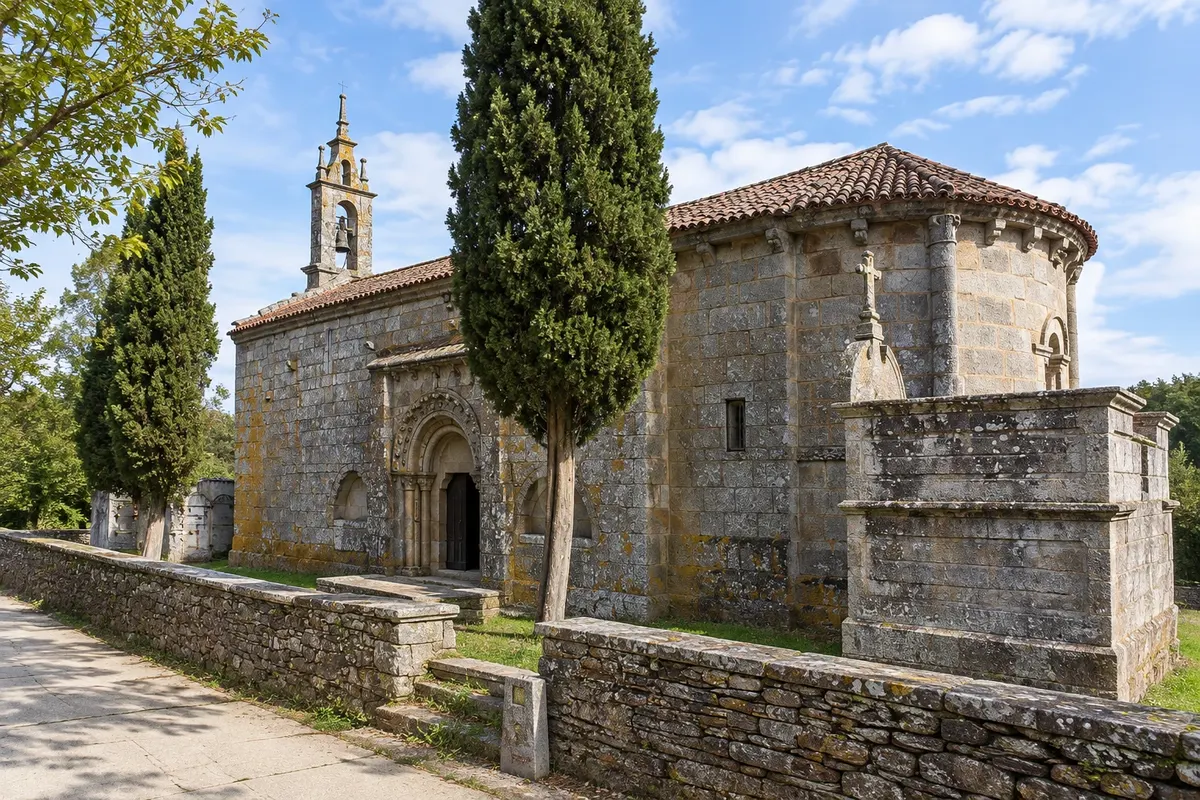
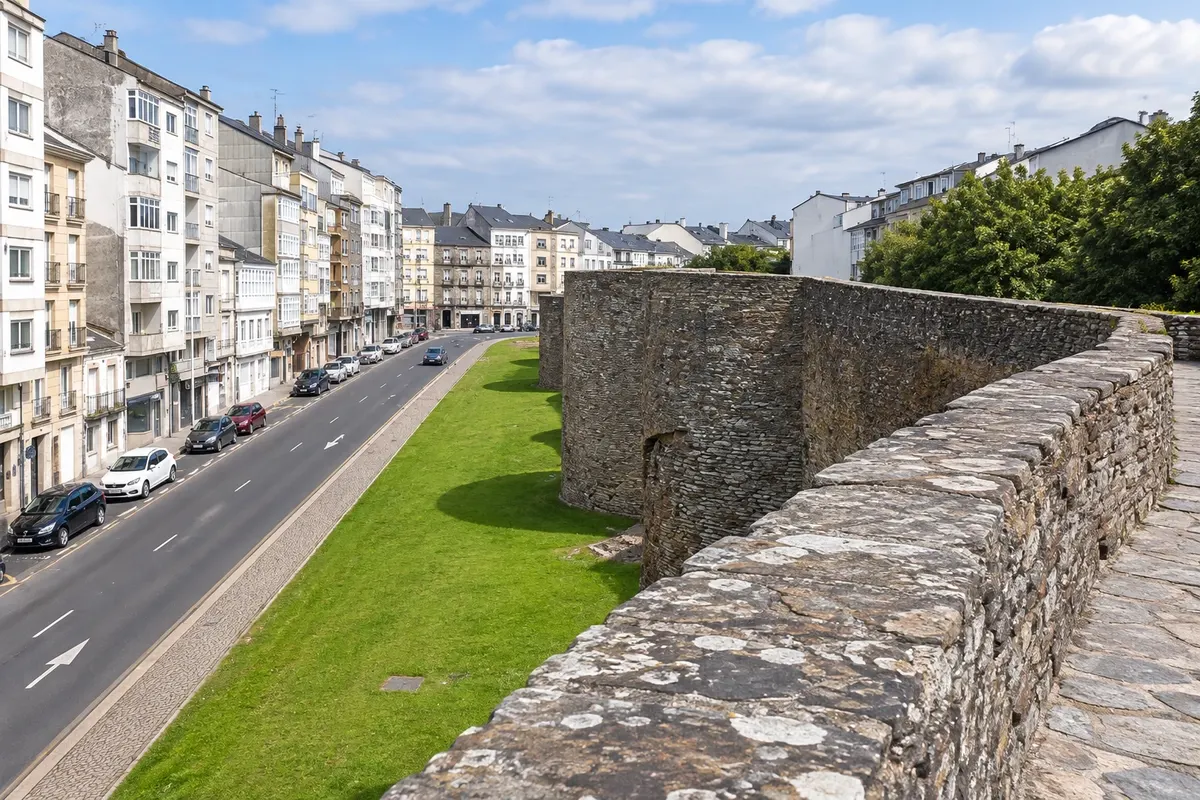
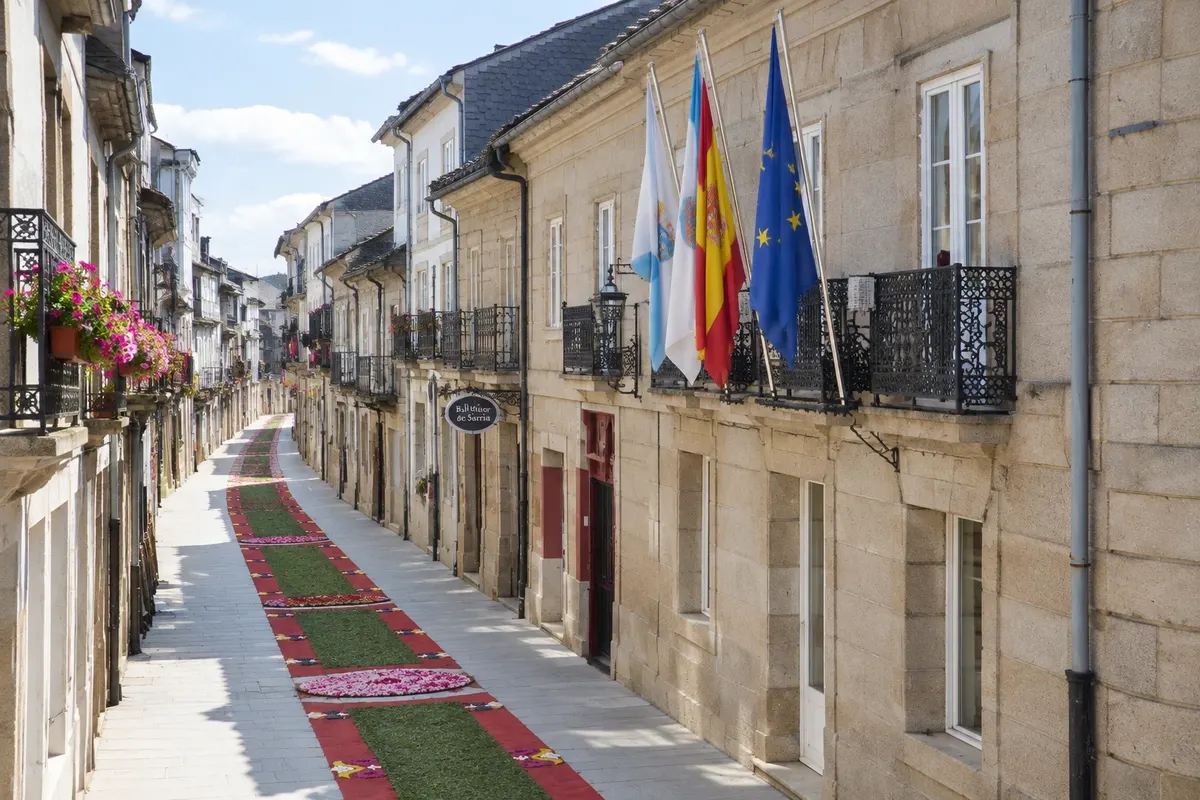
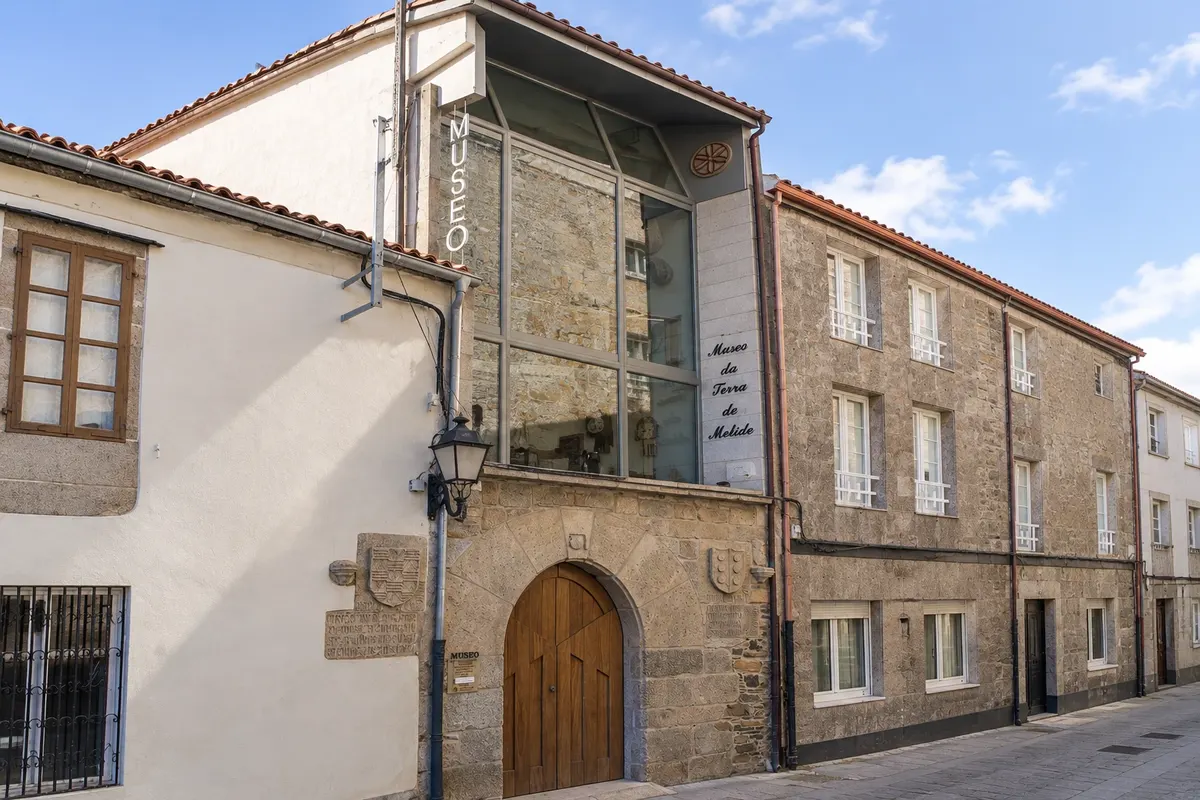
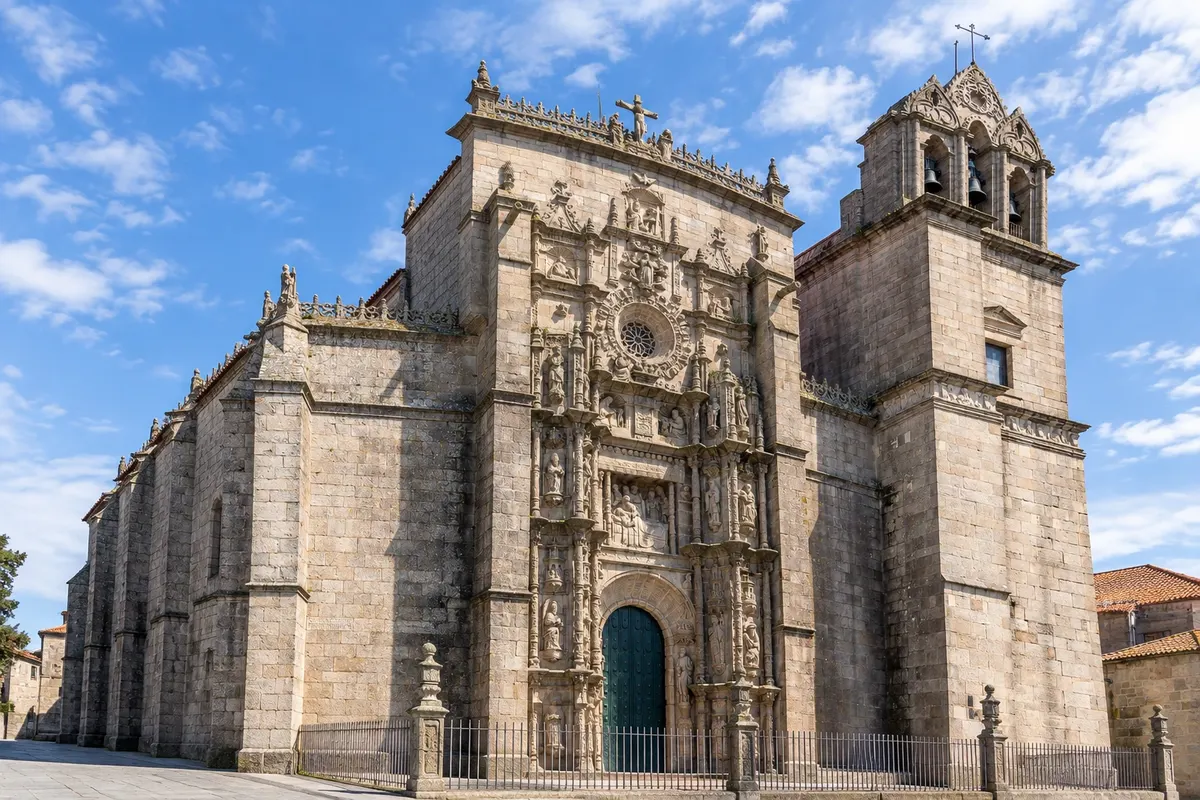
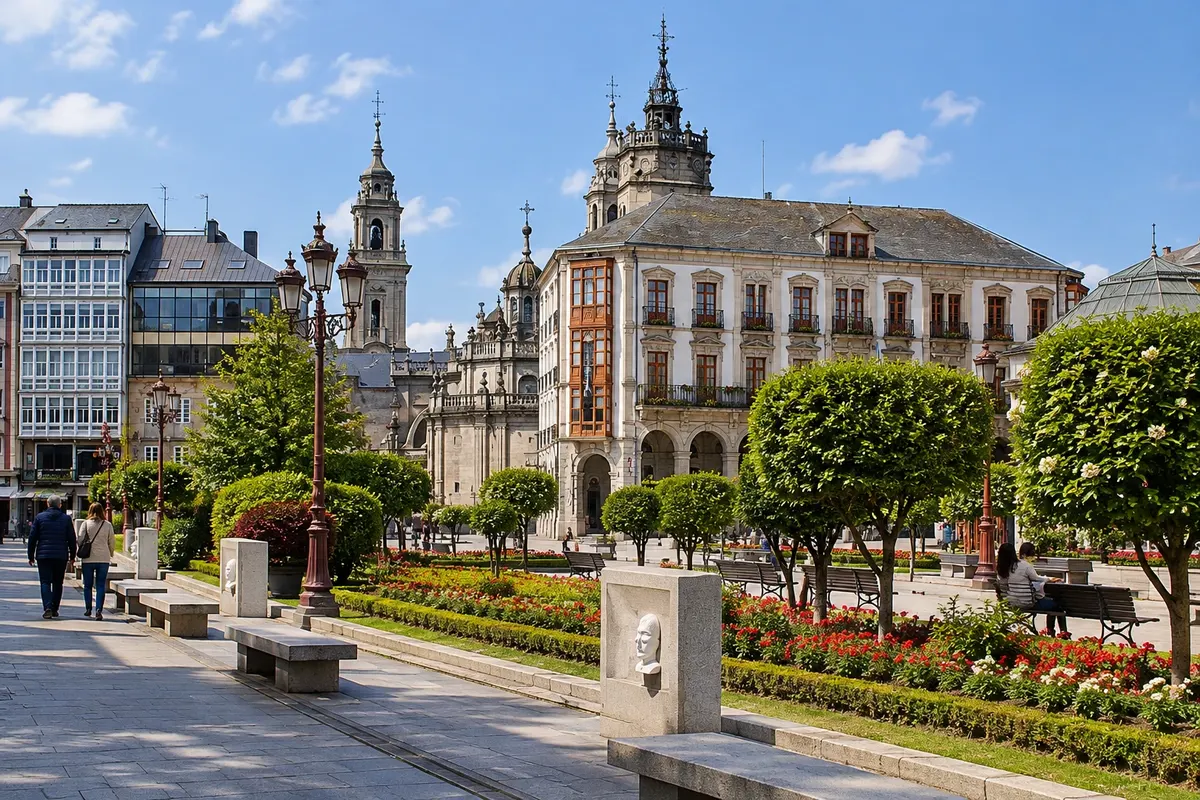
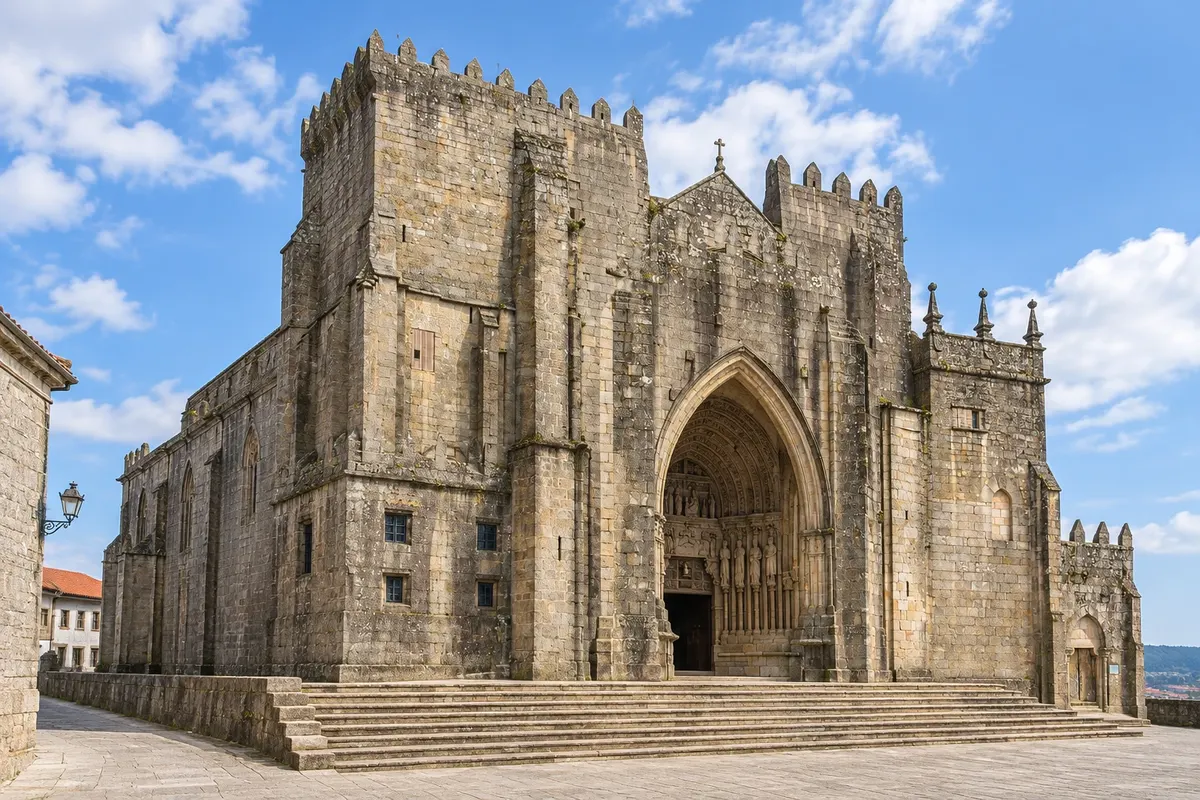
This destination brings together 17 cities: Vigo, Santiago de Compostela, Tui, Sarria, A Guarda, Baiona, Pontevedra, Ribadeo, Arzúa, Lugo, Melide, Ferrol, Betanzos, A Coruña, Fisterra, Muxía, Ourense.


 Brazil
 Argentina
 Bolivia
 Chile
 Colombia
 Ecuador
 Guyana
 French Guiana
 Falkland Islands (Malvinas)
 Paraguay
 Peru
 Suriname
 Uruguay
 Venezuela
 Germany
 Austria
 Belgium
 Croatia
 Denmark
 Finland
 France
 Greece
 the Netherlands
 Hungary
 Ireland
 Iceland
 Italy
 Luxembourg
 Norway
 Poland
 Portugal
 the United Kingdom
 the Czech Republic
 Sweden
 Switzerland
 Turkey
 the United States
 Mexico
 the Dominican Republic
 South Africa
 Australia
 Fiji