

 Brazil
 Antarctica
 Argentina
 Bolivia
 Chile
 Colombia
 Ecuador
 Guyana
 French Guiana
 Falkland Islands (Malvinas)
 Paraguay
 Peru
 Suriname
 Uruguay
 Venezuela
 Germany
 Austria
 Belgium
 Croatia
 Denmark
 Slovakia
 Spain
 Finland
 France
 Greece
 the Netherlands
 Hungary
 Ireland
 Iceland
 Italy
 Luxembourg
 Norway
 Poland
 Portugal
 the United Kingdom
 the Czech Republic
 Sweden
 Switzerland
 Turkey
 Bermuda
 Canada
 the United States
 Greenland
 Mexico
 Saint Pierre and Miquelon
 the Dominican Republic
 Japan
 South Africa
 Egypt
 Australia
 Fiji
 New Zealand
 Papua New Guinea
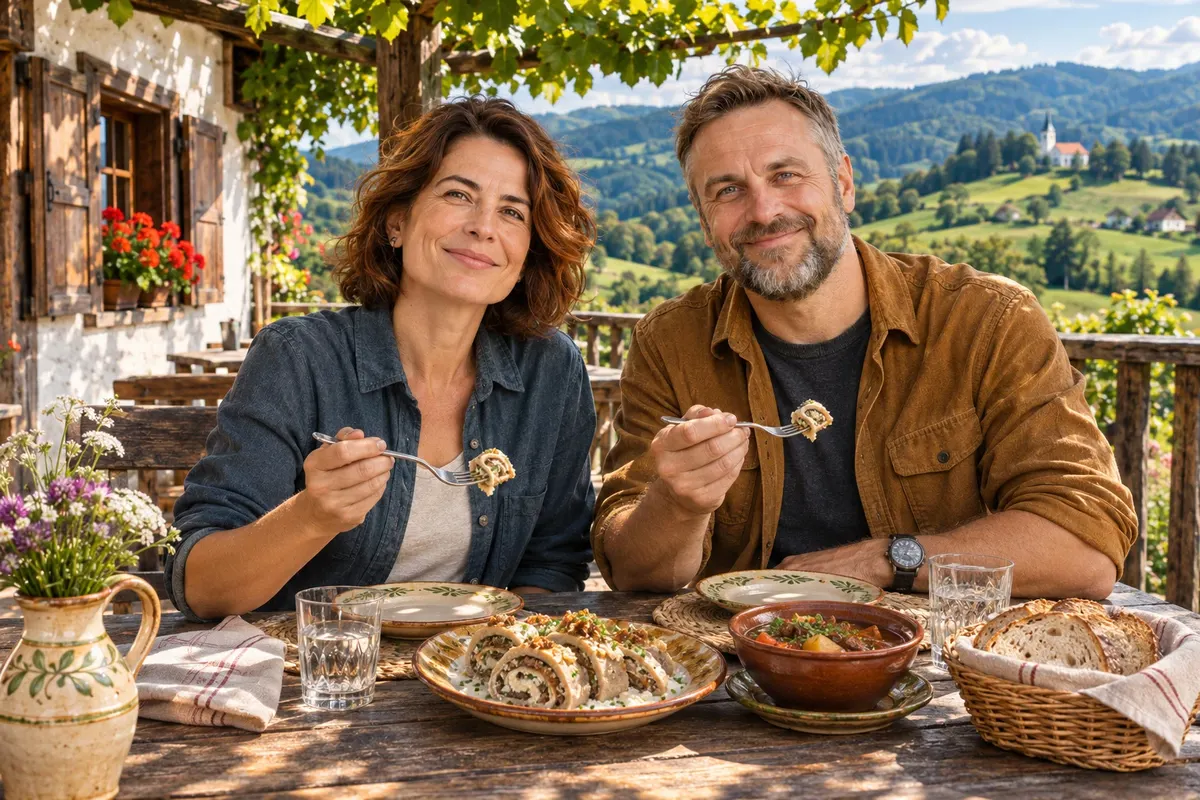
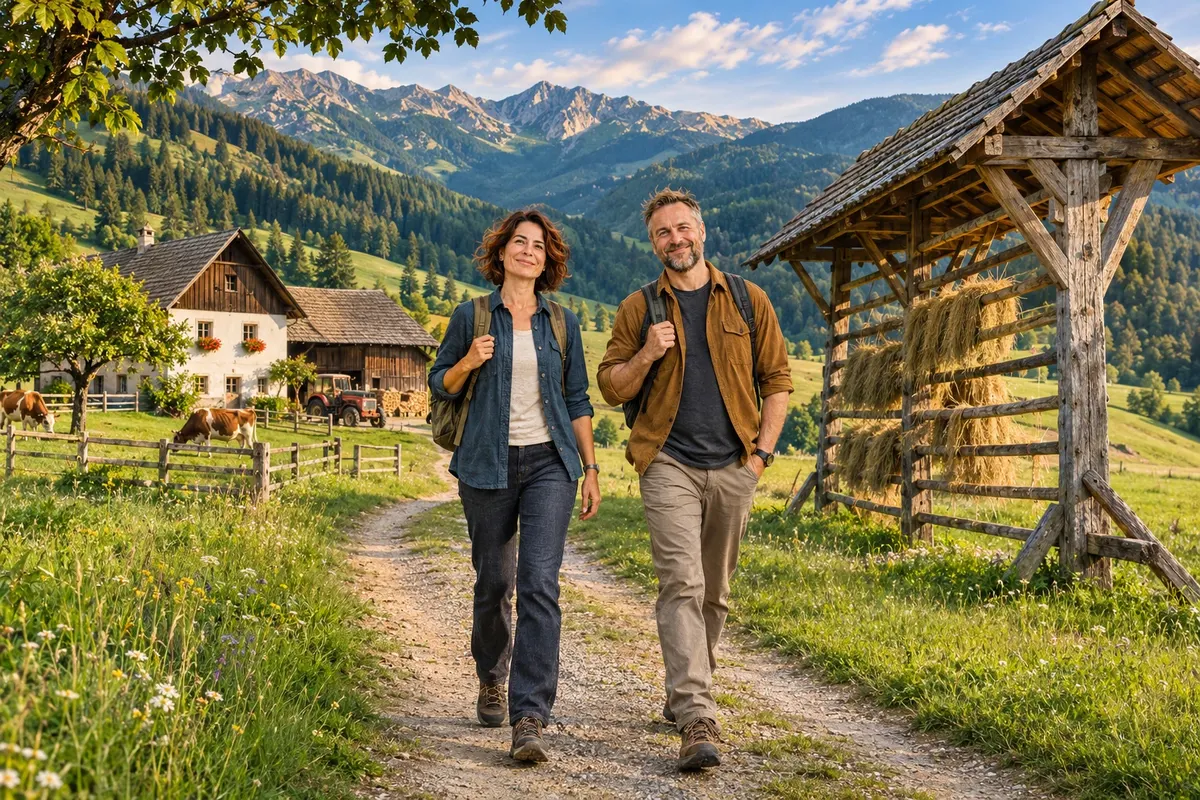
Illustrative images. The pictures in this guide are illustrations based on the real place, not photographs, and may differ from it.


Food and countryside
Wine tourism and drinks in Slovenia
From the hills of Goriška Brda to the bottles kept in Ptuj, follow the grape trail and discover where Laško beer becomes part of the trip.
On a slope in Goriška Brda, the rows of vines help you read the landscape. In the town of Ptuj, you need to look down: part of the wine’s history is kept in a cellar beneath the streets. Between the vineyard and the bottle there is much to learn in Slovenia, even for those still discovering what they like in the glass.
Things to do

Wineries and tasting
Discover rebula in Dobrovo, the grapes of the Vipava valley, and the wine heritage in Maribor and Ptuj.
Learn more
Sparkling wines
Explore Slovenian penina and compare in the glass the effects of fermentation and cellar aging time.
Learn more
Craft breweries
Explore Laško’s brewing tradition, from lager production to the Pivo in cvetje festival.
Learn more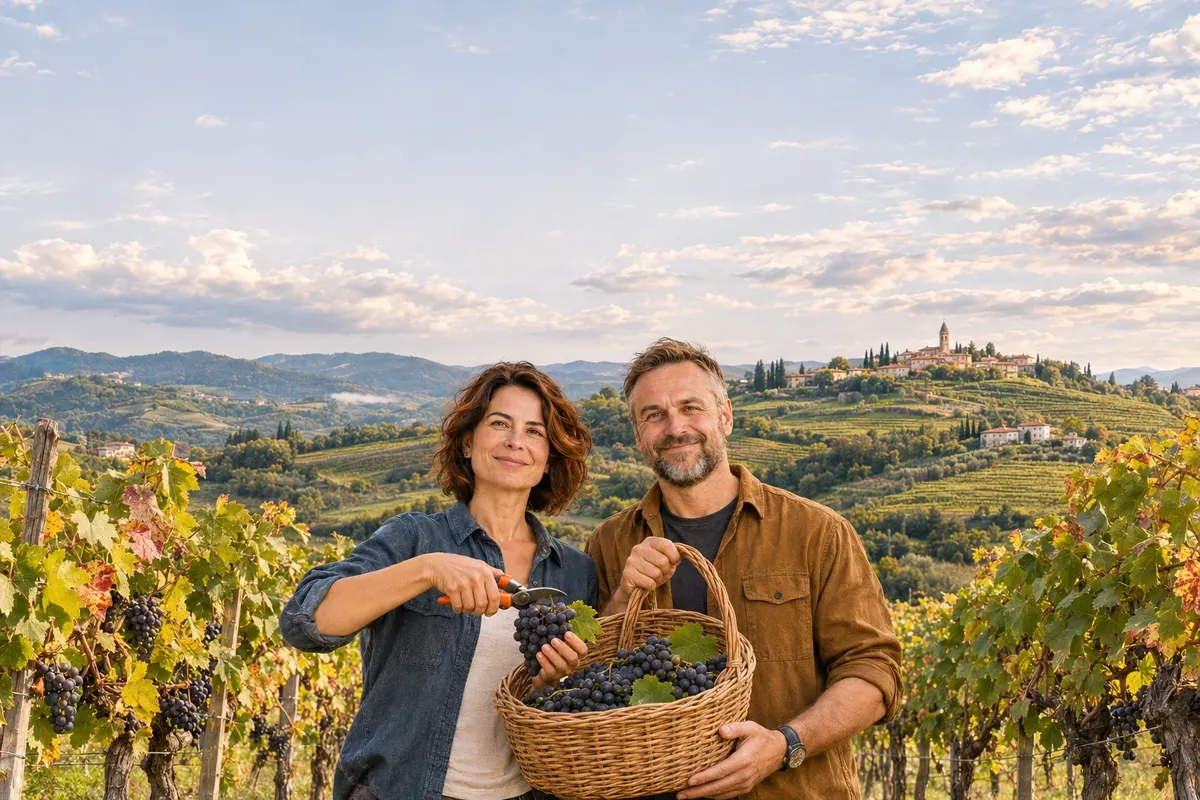
Harvest
Join the festive harvest of the Stara trta or arrange an autumn visit to the vineyards of Goriška Brda.
Learn moreWhere to go in Brazil
Pick a region or a state on the map, or type what you are looking for, to see the cities and who offers each activity.
- Dobrovo GR
- Vipava GR
- Maribor PD
- Ptuj PD
- Laško SA
Dobrovo and Vipava are good bases for getting to know the grapes where they grow. In Maribor, the Stara trta, a vine that has lived through centuries, makes the harvest a city event. And there is another way to plan a trip in Laško, where the brewery and the Pivo in cvetje festival tell the local story through a glass of beer.
What wine tourism is like in Slovenia
The visit can start with a very simple question: which vineyard did this wine come from? In Dobrovo, a cooperative’s answer can lead to several families of winegrowers. In a small winery in the Vipava Valley, the conversation might focus on a single slope or on the decision to pick one parcel a few days after another.
Tasting gives meaning to what you saw along the way. A white grape like rebula, found in Goriška Brda, can produce very different wines depending on how long the juice stays in contact with the skins. Asking how a bottle was made yields a more concrete explanation than trying to guess all the aromas at once.
Four experiences to choose from
On a winery visit, it’s worth checking whether the tour includes the vines, the production area, or only the tasting room. For those who want to understand the work in the fields, the difference matters. For those who have only an afternoon and want to get to know the valley’s grapes, a guided tasting can make for a satisfying visit.
If it’s the bubbles you’re curious about, look for the word penina, used for sparkling wine in Slovenian. A side‑by‑side tasting lets you notice the difference between a fruitier wine and one that developed bread‑like aromas during aging on the lees. The producer can explain which differences come from the grape and which arose in the cellar.
In Laško, the conversation shifts from the cluster to the grain. Malt contributes color and flavor, and hops appear in the aroma and bitterness. At the harvest, the best part sometimes happens even before there is a drink: in Maribor, cutting the clusters from the old vine draws its own audience and ceremony.
A tour for two, with friends or family
Two people can enjoy the same table in different ways. A collector can ask about vintages, while someone new to wine compares the first impressions of two white wines. Just ask the host to identify the grapes and leave both glasses in view for a few minutes.
For a group that includes children or non‑drinkers, it matters to choose an experience that includes the landscape, the cellar’s history, or a street festival. When booking, ask about minors’ admission, nonalcoholic options and what can be seen without taking part in the tasting. Whoever will be driving can arrange that before the first stop.
Where to go from Dobrovo to Ptuj and where to taste beer
Dobrovo brings together two scales of production in Goriška Brda. The cooperative winery helps explain the work of many local families. A scheduled visit to a private estate lets you observe the decisions of those who tend a vineyard. In Vipava, the white grapes zelen and pinela provide a common thread for a route through the valley: look for those names on the wine list and ask for the story of one of them.
Maribor and Ptuj make a good pair for those who prefer urban routes. At the house of the Stara trta in Maribor, the vine that grows along the façade connects to Štajerska’s winemaking tradition. In Ptuj, one of the country’s oldest cellars tells that story through the bottles it has preserved. Visiting the collection and tasting the wines are distinct parts of the experience.
Laško deserves its own time. The brewery gave its name to a tradition linked to lager, and the festival Pivo in cvetje brings music and flowers to the streets. You can explore the town’s connection to the drink outside the festival period. To see production, check the brewery’s tour options before choosing the day.
When to go to see the grapes and the harvest
From late summer into autumn, the state of the clusters guides the estates’ calendars. Grapes for certain sparkling wines can be picked while others are still ripening. Even on two nearby slopes, variety and sun exposure can change the day harvest begins.
If your trip’s purpose is Maribor’s festive harvest, check the date of the Stara trta ceremony in the city’s program for that year. To see harvest work in Goriška Brda, the most useful information comes from the winery itself. During the busiest period, it may be receiving grapes and have little time for visitors.
In other seasons, the way you view the vineyard changes. In spring, the shoots make it easier to see how the vines are trained. In cold weather, the cellar becomes an attraction in its own right: tasting a bottled vintage allows conversation about what happened months or years earlier in that same landscape.
How to plan the route and book tastings
First choose what you’d like to see in depth: hillside vineyards, old bottles, fermentation or a public celebration. Then book visits that require a set time and leave room for lunch. In wine regions, check the reception address; the cellar entrance may be at a different point on the property than what you see from the road.
When booking, ask what language the visit is conducted in and whether there are stairs, uneven floors or outdoor sections. Anyone who needs a step‑free route should also confirm access to the tasting room. Arrange the way back with someone who will stay sober, especially when visits are spread across rural areas.
Frequently asked questions
Where to start a winery route in Slovenia?
Dobrovo is a good choice to see the hills of Goriška Brda and visit a cooperative. Vipava appeals to those who want to discover the valley’s white grapes. To combine wine and a city walk, consider Maribor and Ptuj.
Can you taste wine from the Stara trta in a regular tasting?
The harvest of the historic vine is ceremonial and very small. At the house of the Stara trta, the tasting experience focuses on regional wines. Check the selection included in the visit you plan to book.
What is the name for sparkling wine in Slovenian?
Look for penina on the label or on the wine list. If you want a glass to go with lunch, also ask about the level of sweetness of the sparkling wine available.
Do you need to book a visit even during the harvest?
Yes, if your intention is to enter a property. A public festival schedule and the reception of visitors in the vineyard follow different calendars. Arrange directly with whoever will be hosting you.
Where does beer fit into the itinerary?
In Laško, set aside time for the town’s brewing history or choose the dates of Pivo in cvetje to experience the festival. The festival and the brewery tour each have their own schedules.
More in Food and countryside

Beyond the guide


