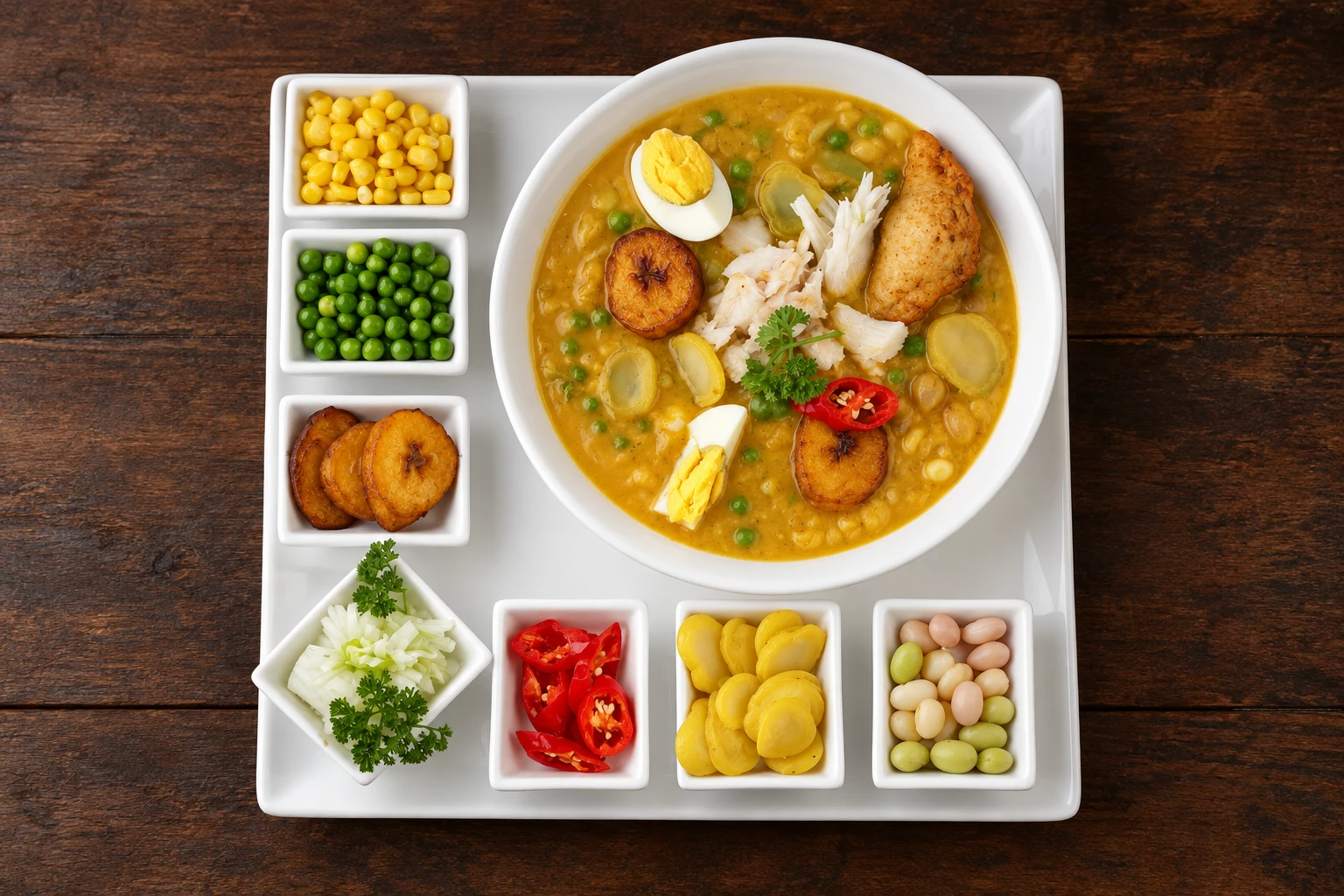
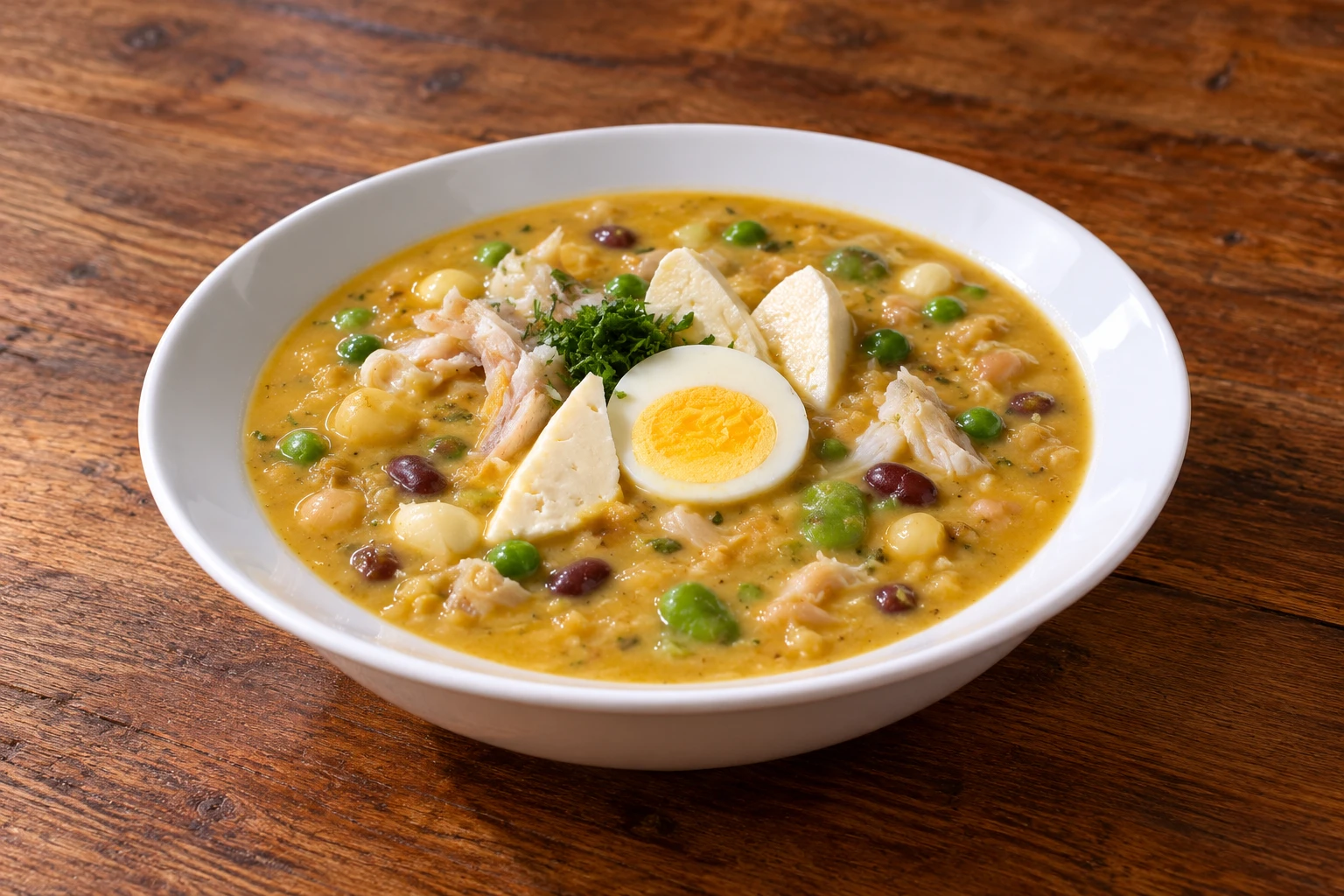
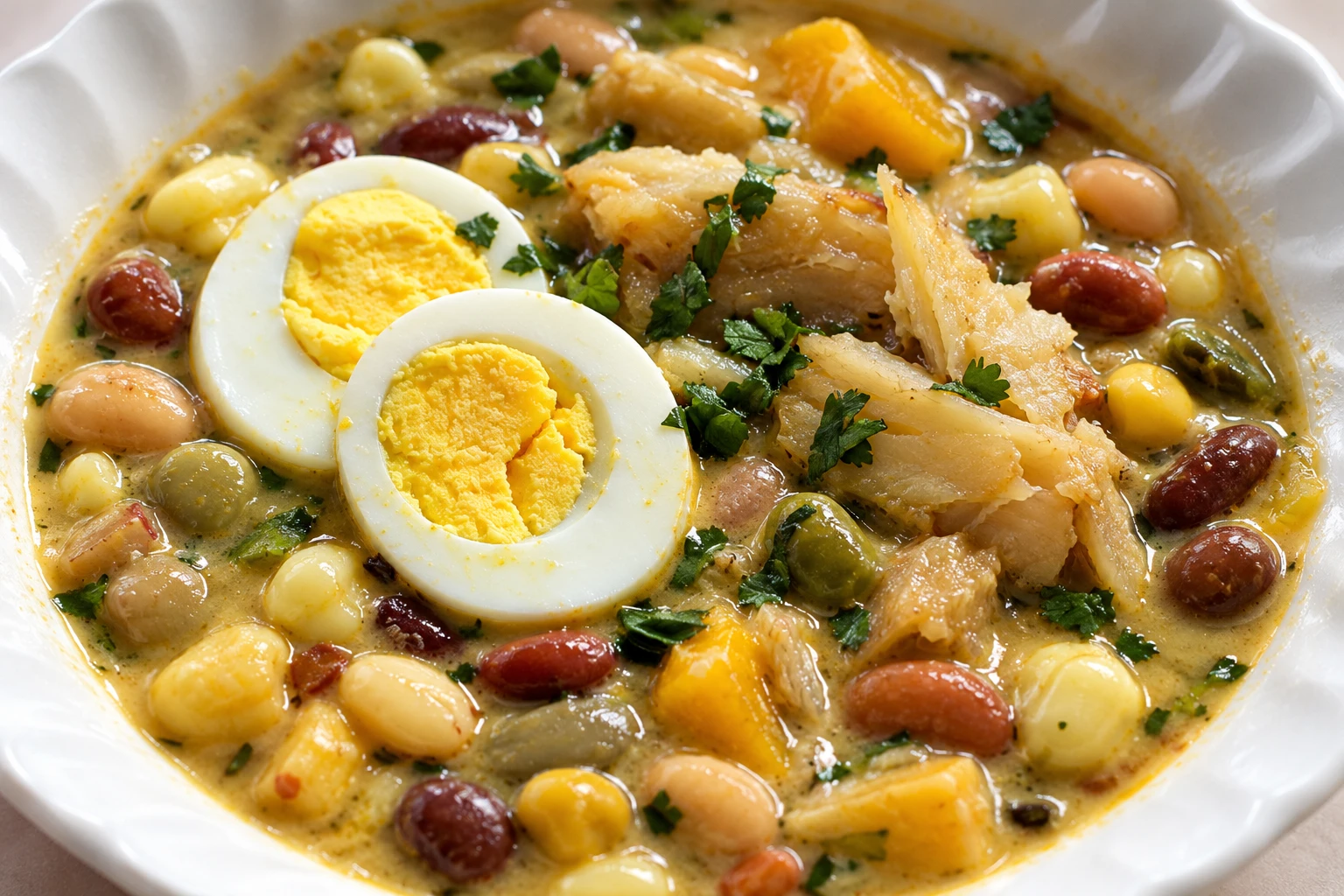
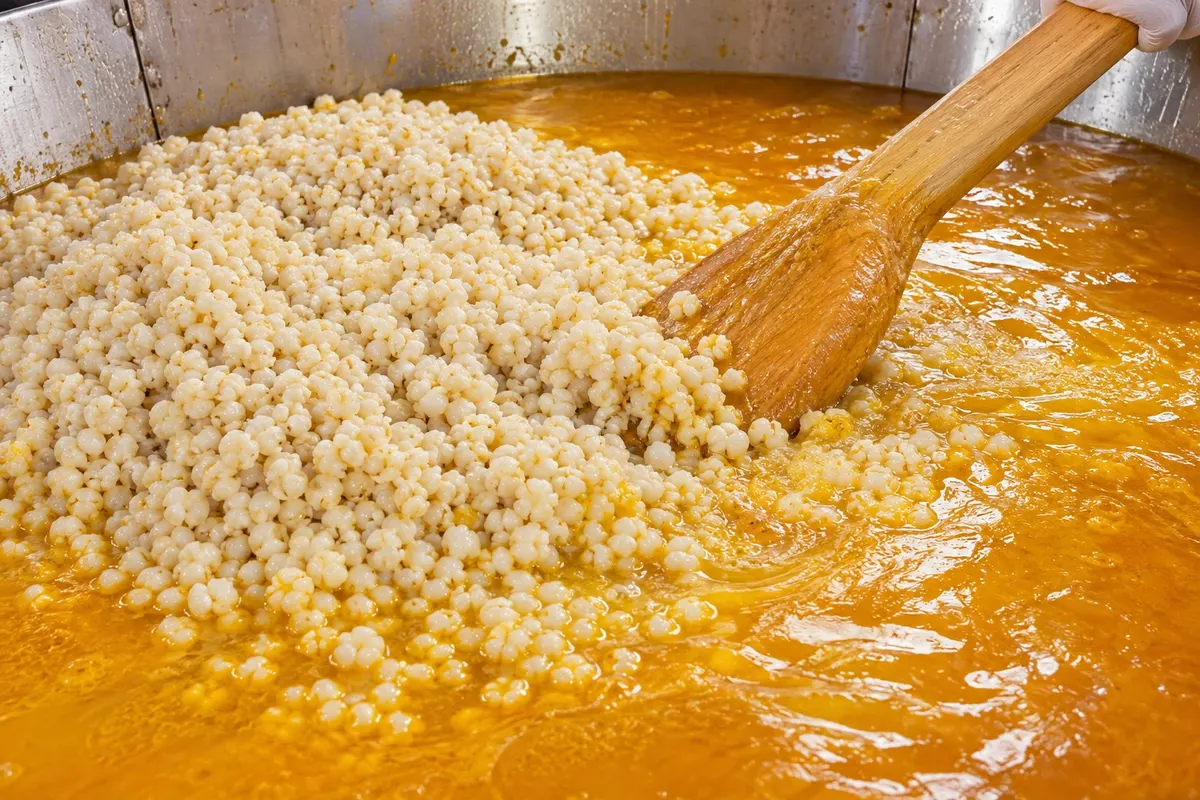
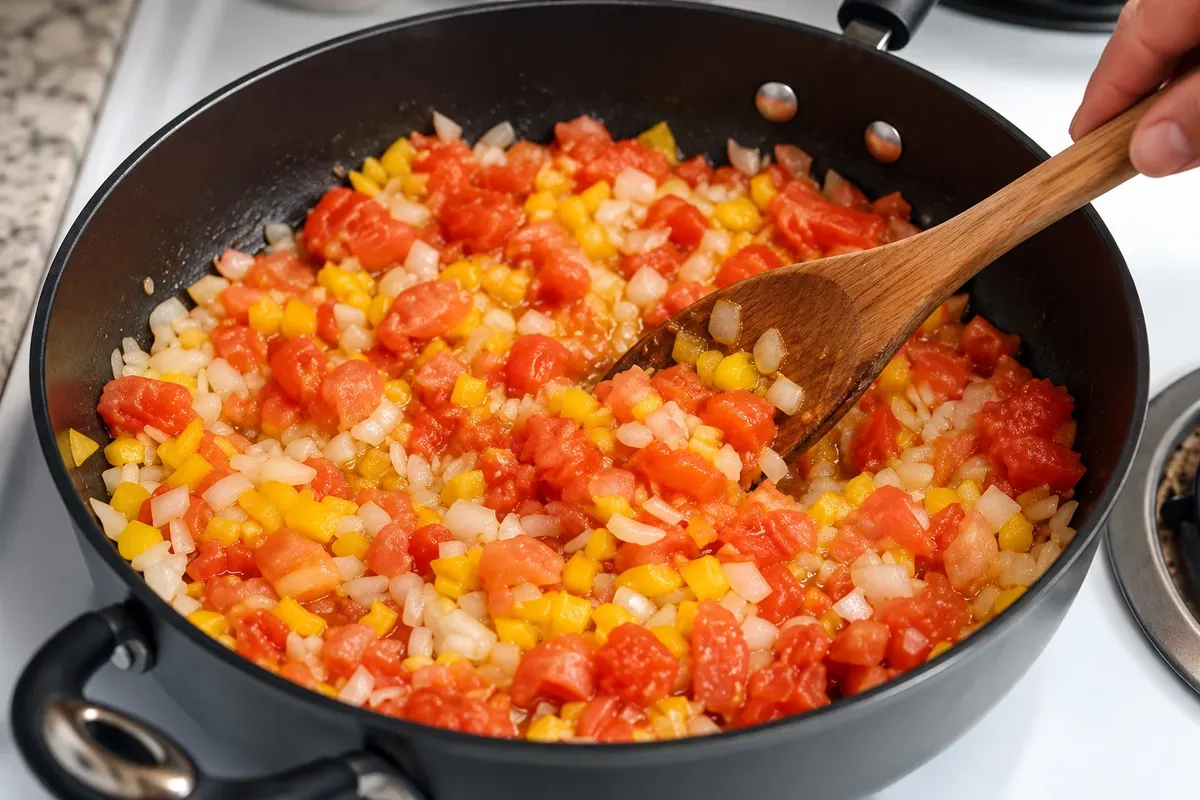
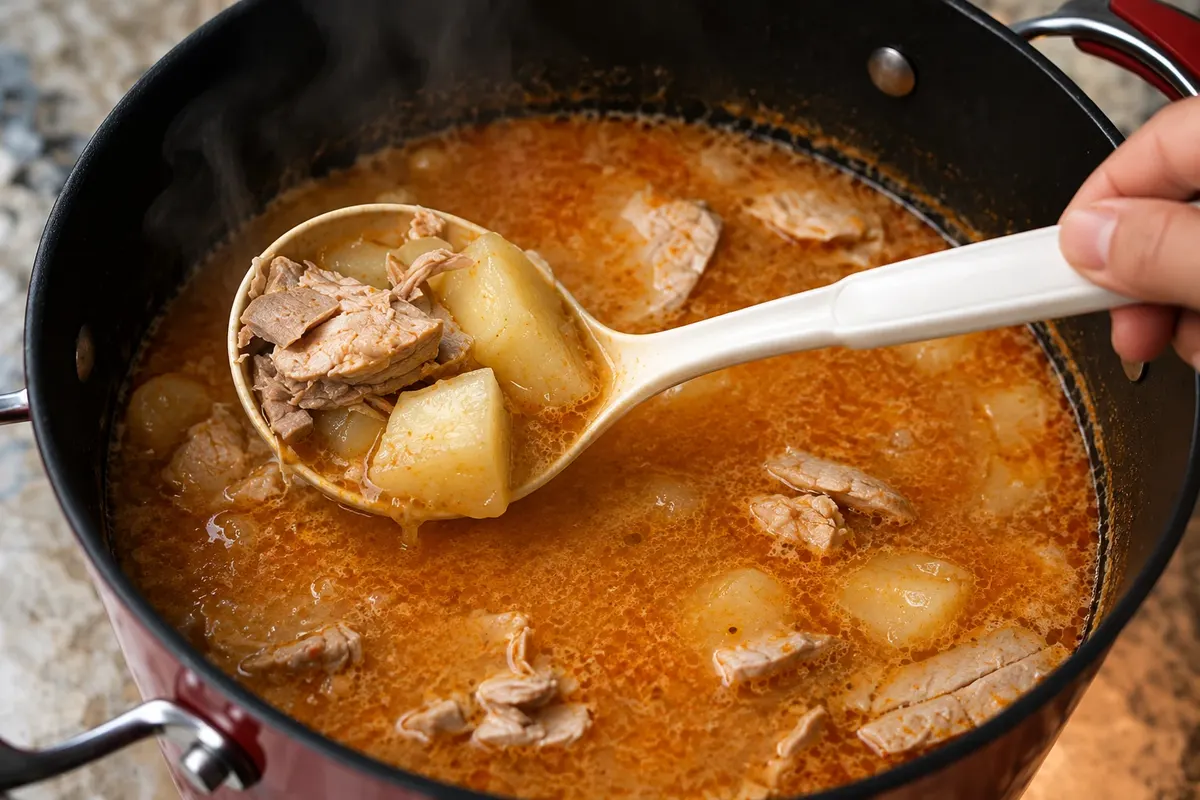
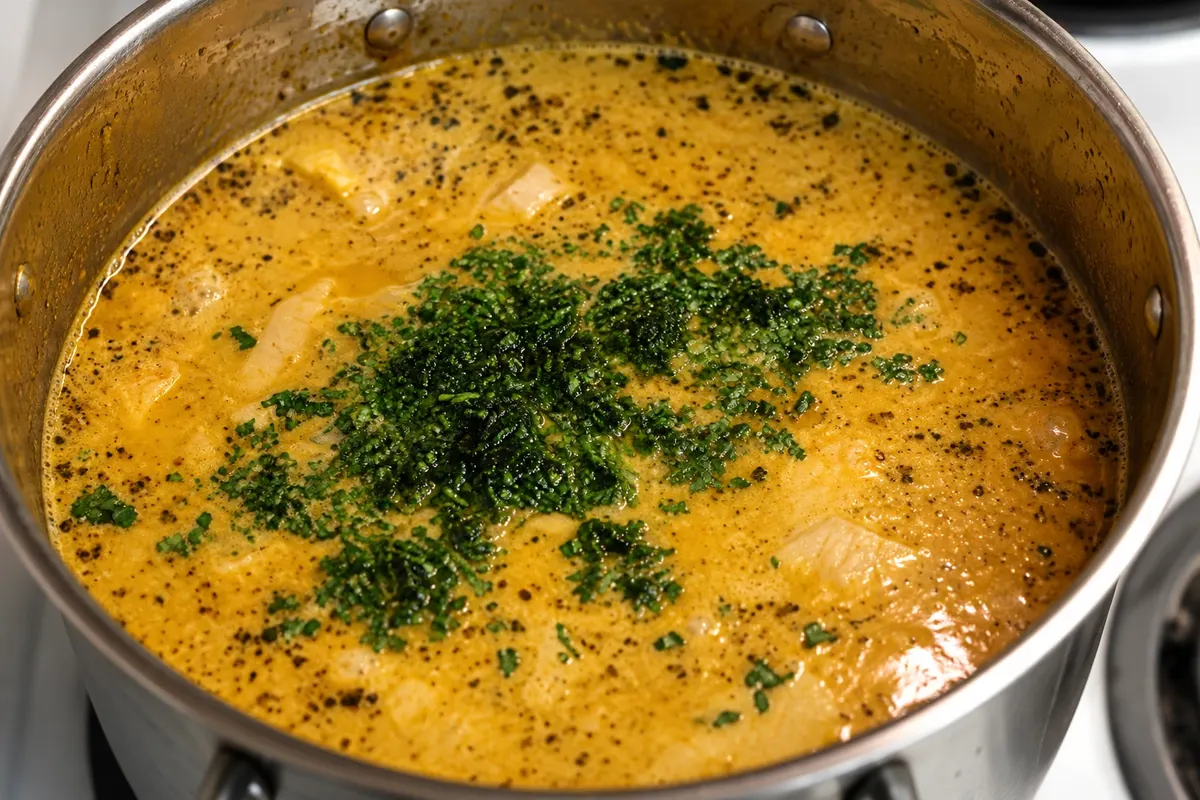
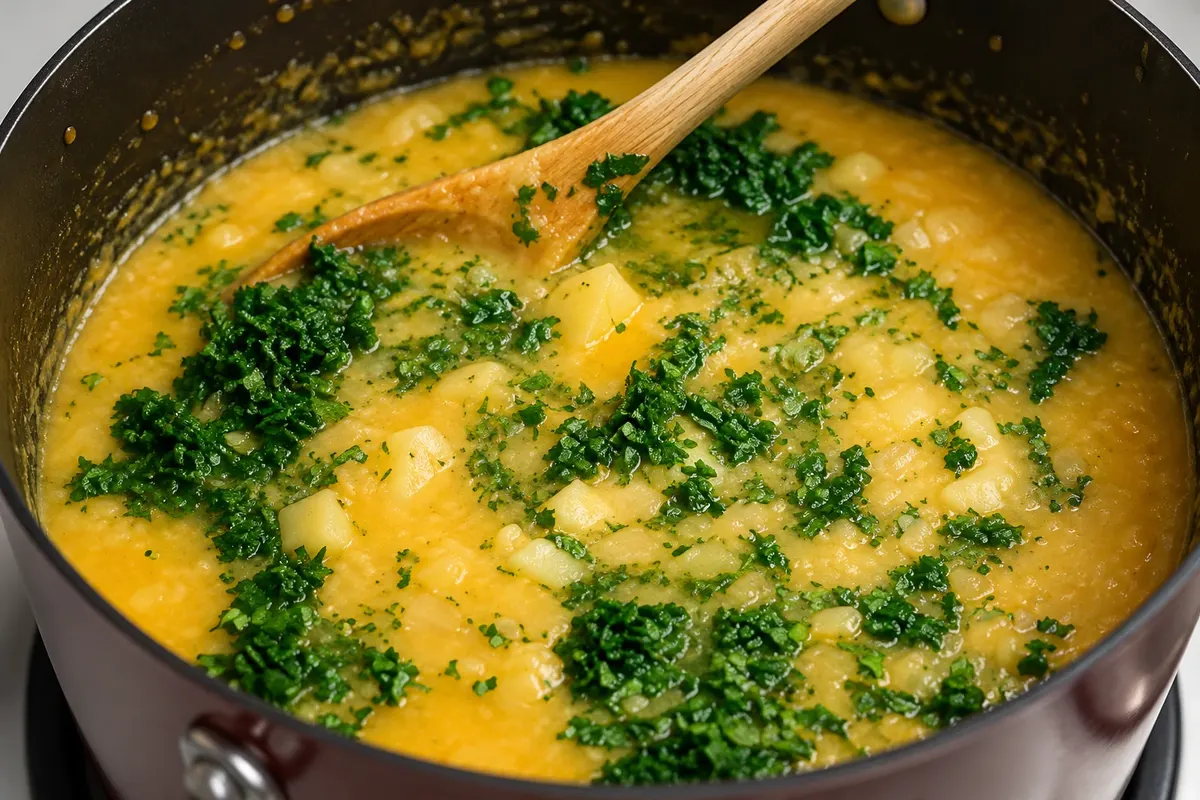
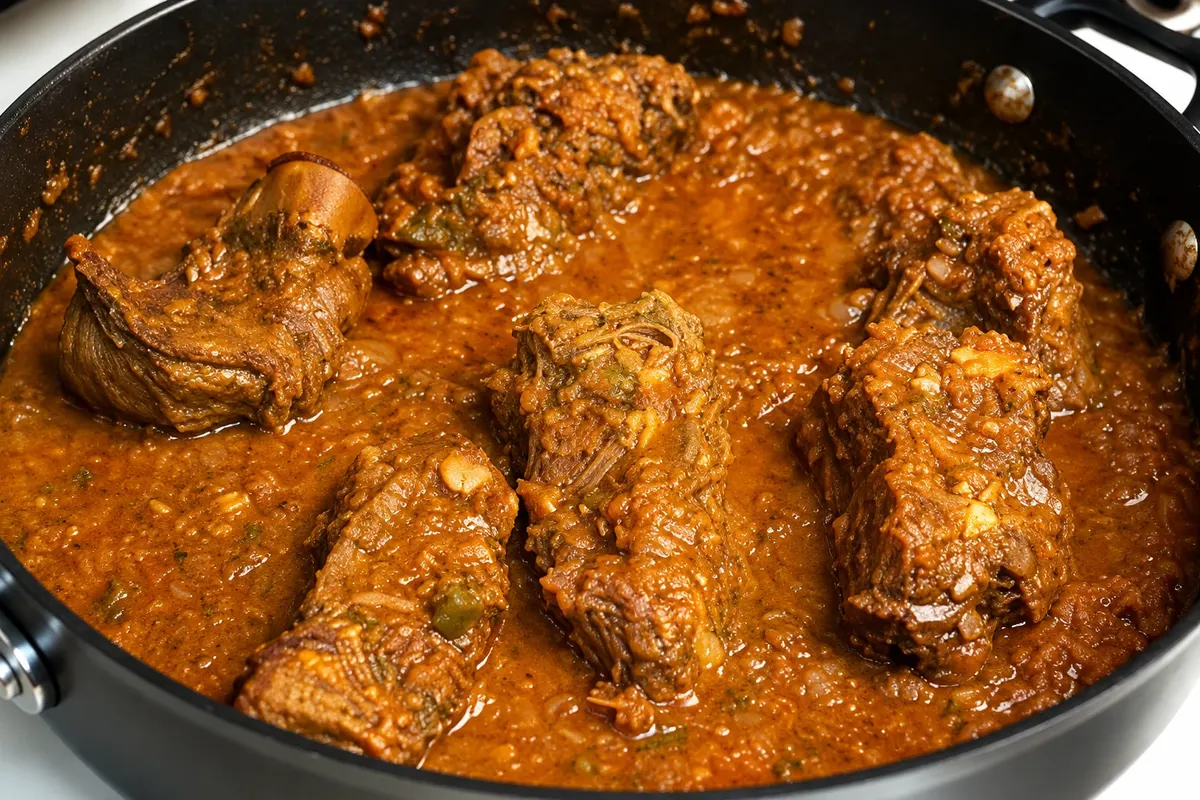
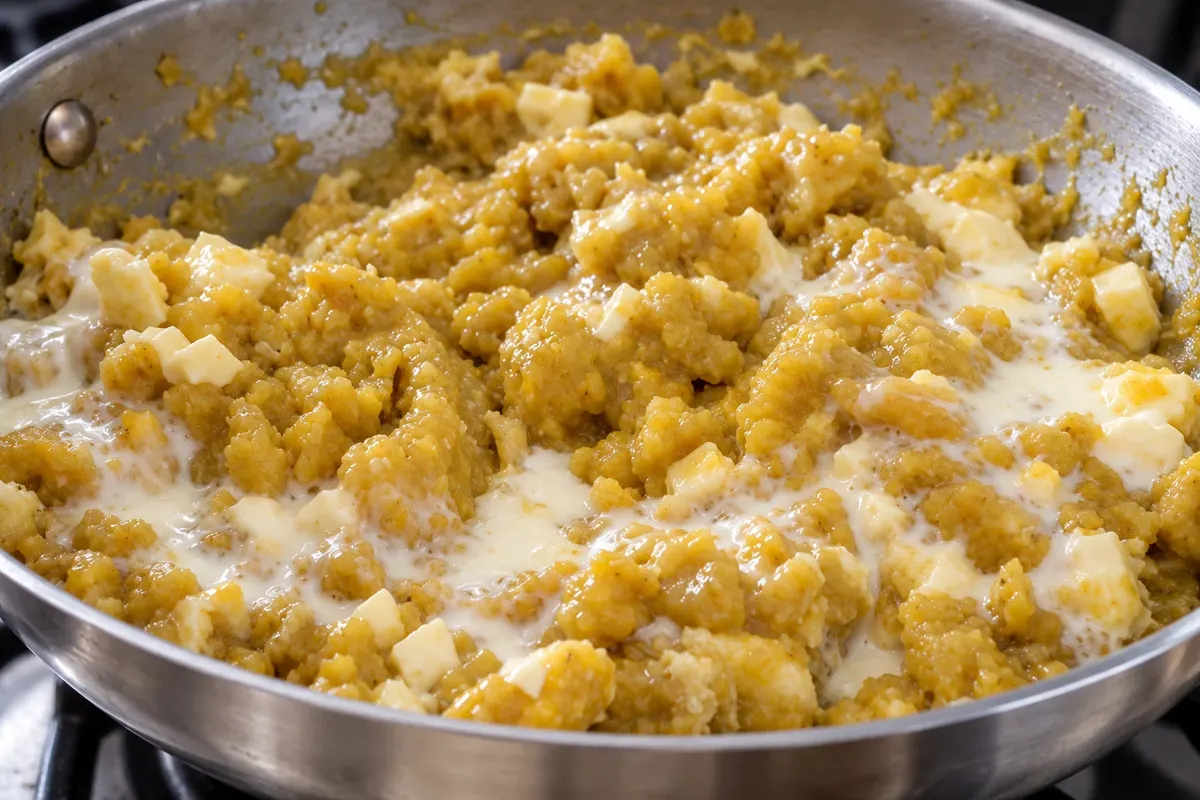
Fanesca is a soup of many grains. It includes fresh corn, fava beans, peas, lupin, beans, lentils, chickpeas and mote (cooked corn), almost always shelled and skinned one by one, plus squashes, sambo and zapallo, which give color and body. Everything cooks in milk, with a sauté of onion, garlic and cumin and a little ground peanut or cheese, until creamy. The dried cod, desalinated and shredded, completes the pot. On top go hard‑boiled egg, fresh cheese, fried ripe plantain, fried dough balls, parsley and hot pepper.
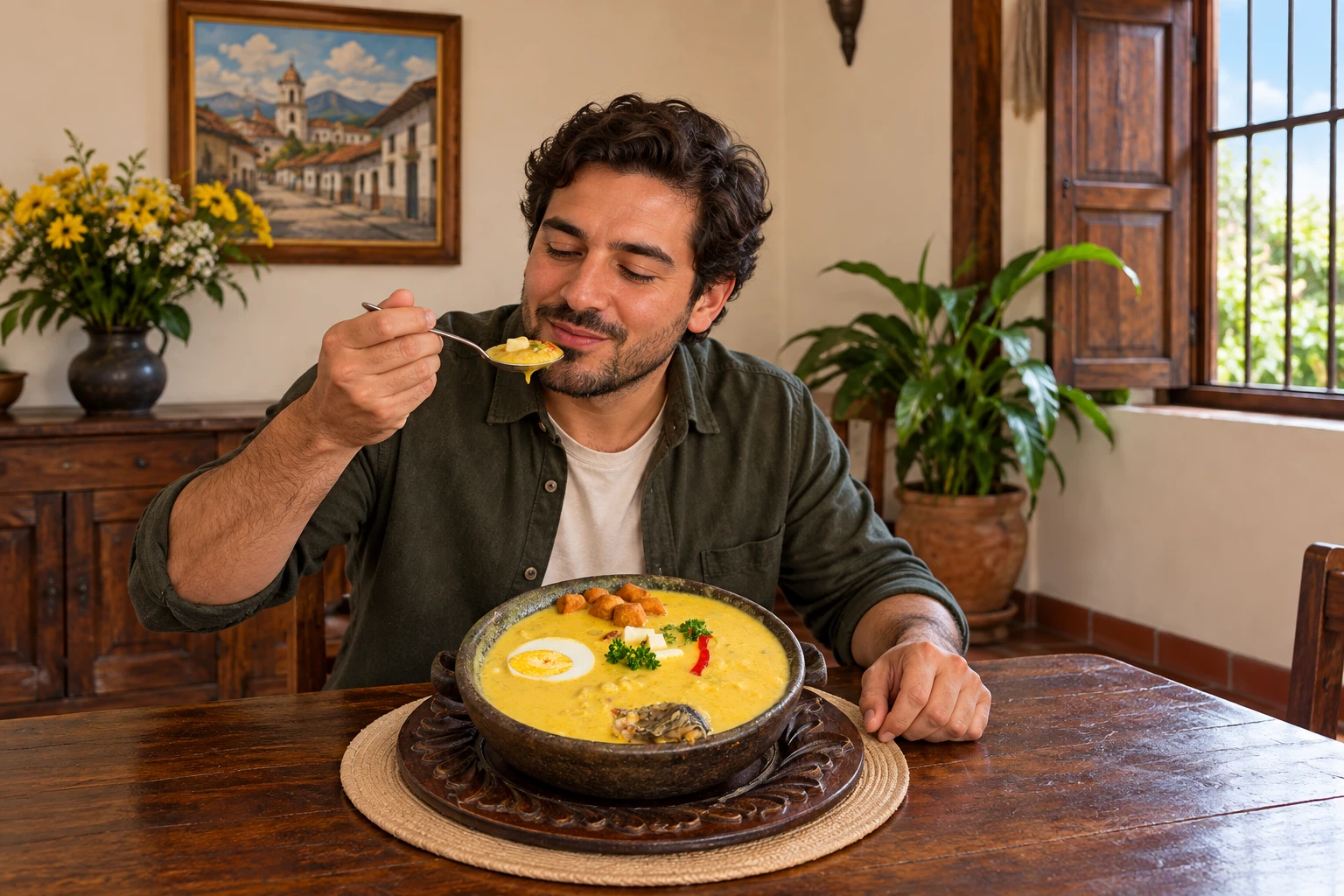
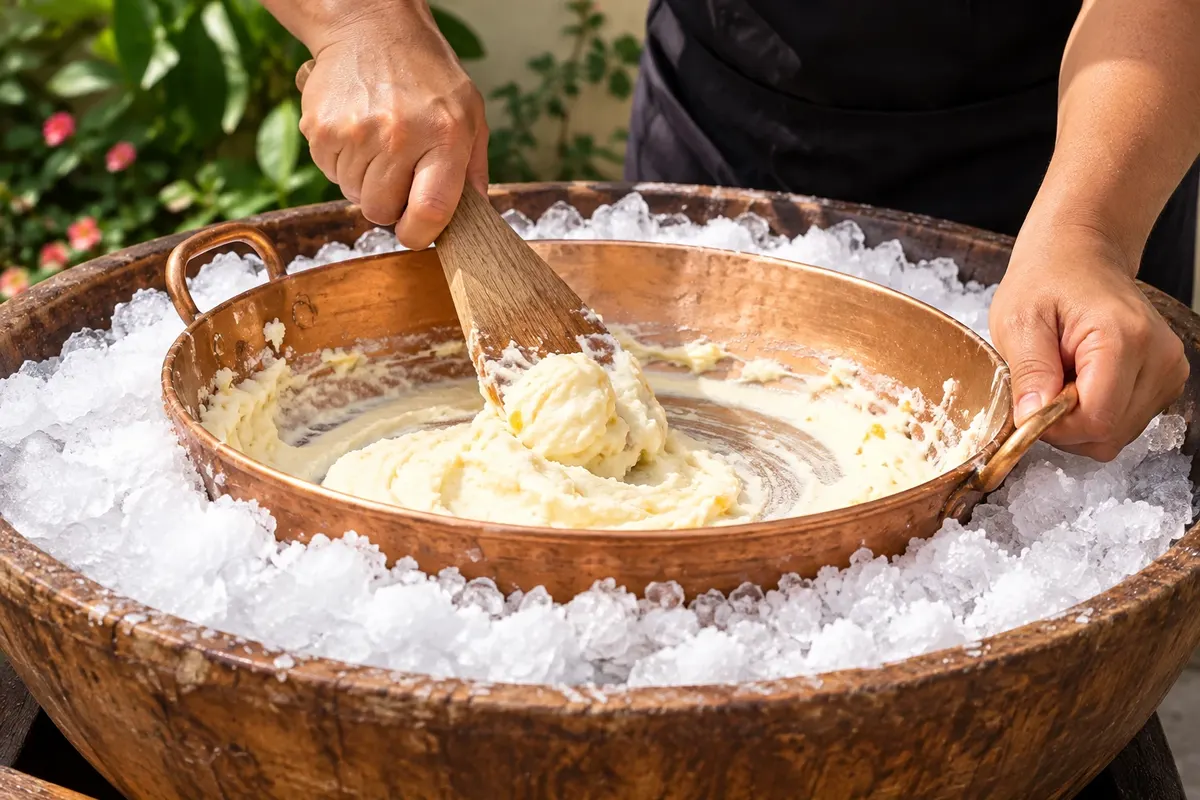
Making it is laborious, and so it is a family task. Shelling and peeling the grains takes days, and many households divide the work among relatives and neighbors. The soup is served mainly on Maundy Thursday and Good Friday, at large gatherings, and is usually followed by rice pudding or figs with cheese. Restaurants and markets offer it only in those weeks.
The history combines two traditions. According to information from the Ecuadorian Ministry of Culture and Heritage reported by El Universo, the pre‑Hispanic dish that gave rise to fanesca would be ushucuta, a Kichwa word for tender grains cooked with chili, prepared at harvest time. Holy Week coincides with that harvest in the highlands, and the meat fast brought by the Spaniards made room for dried fish. A popular interpretation links the number of grains to the twelve apostles and the cod to Jesus. The origin of the name is a mystery, and none of the explanations in circulation is conclusive.
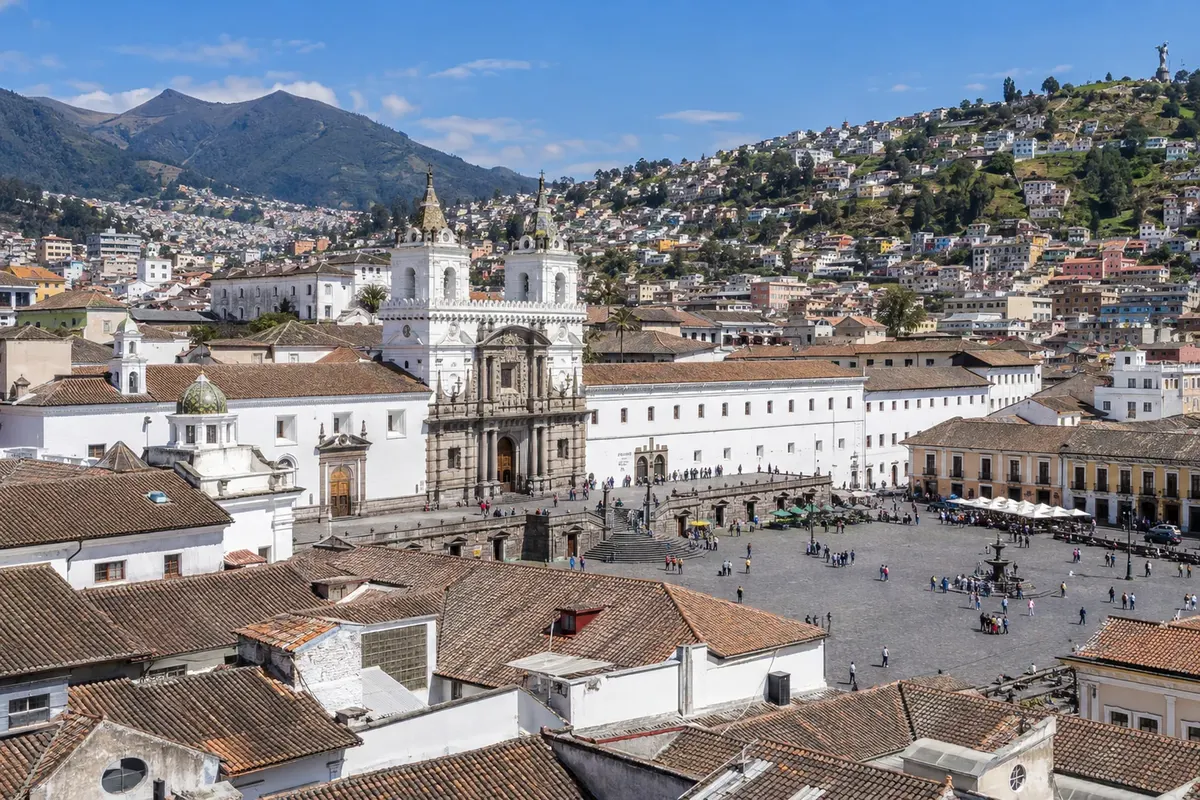
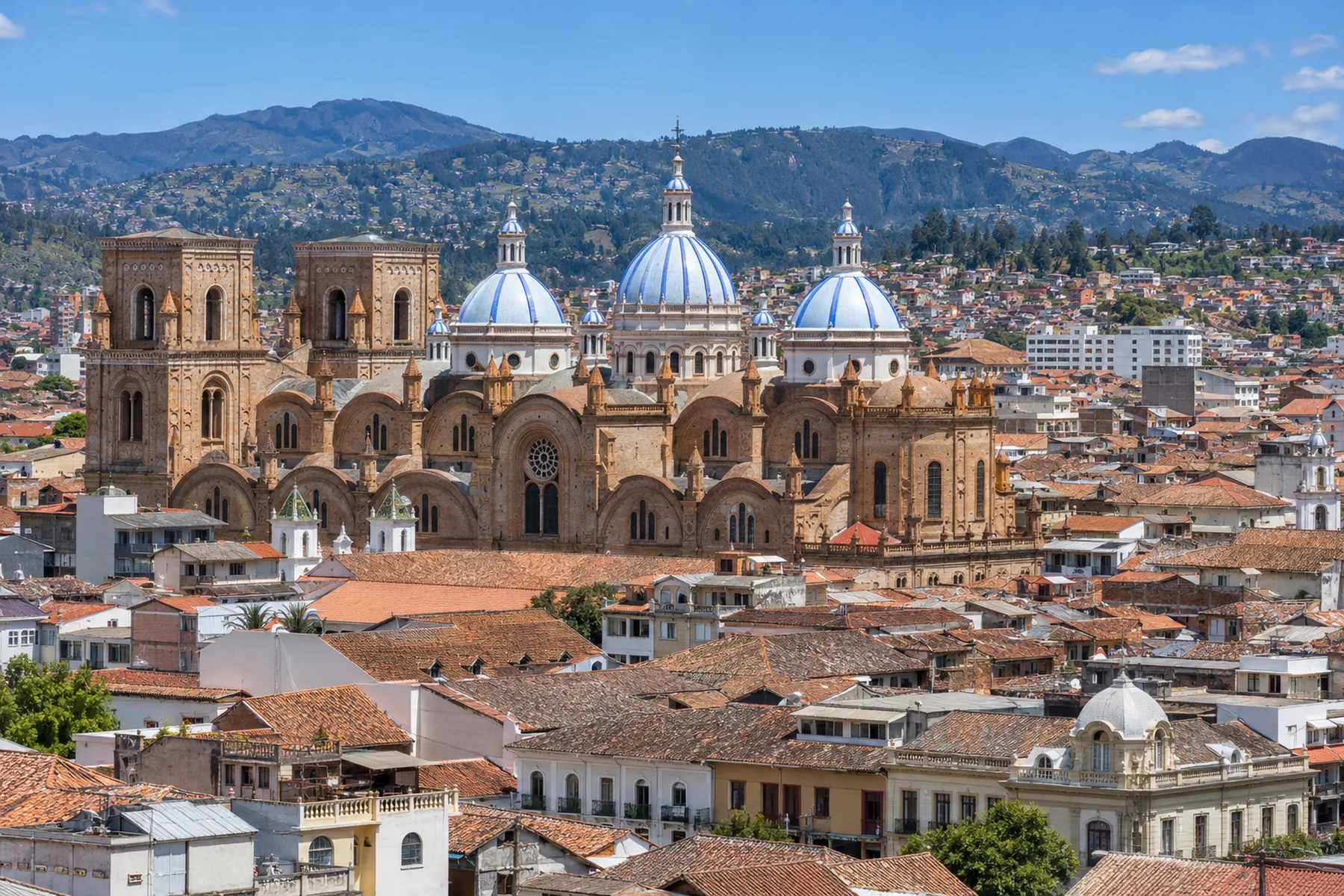
Fanesca is strongest in the highlands, from Quito to Cuenca, but it is also prepared on the coast and in the Oriente, by families across the country. Recipes vary from household to household: some substitute another dried fish for the cod, others add shrimp. On the coast, another grain soup, viche, with fresh fish and peanuts, is eaten year‑round.


 Brazil
 Argentina
 Bolivia
 Chile
 Colombia
 Guyana
 French Guiana
 Falkland Islands (Malvinas)
 Paraguay
 Peru
 Suriname
 Uruguay
 Venezuela
 Germany
 Austria
 Belgium
 Croatia
 Denmark
 Spain
 Finland
 France
 Greece
 the Netherlands
 Hungary
 Ireland
 Iceland
 Italy
 Luxembourg
 Norway
 Poland
 Portugal
 the United Kingdom
 the Czech Republic
 Sweden
 Switzerland
 Turkey
 Canada
 the United States
 Mexico
 the Dominican Republic
 South Africa
 Australia
 Fiji
 New Zealand
 Papua New Guinea