
Dish · Ambato
Llapingacho
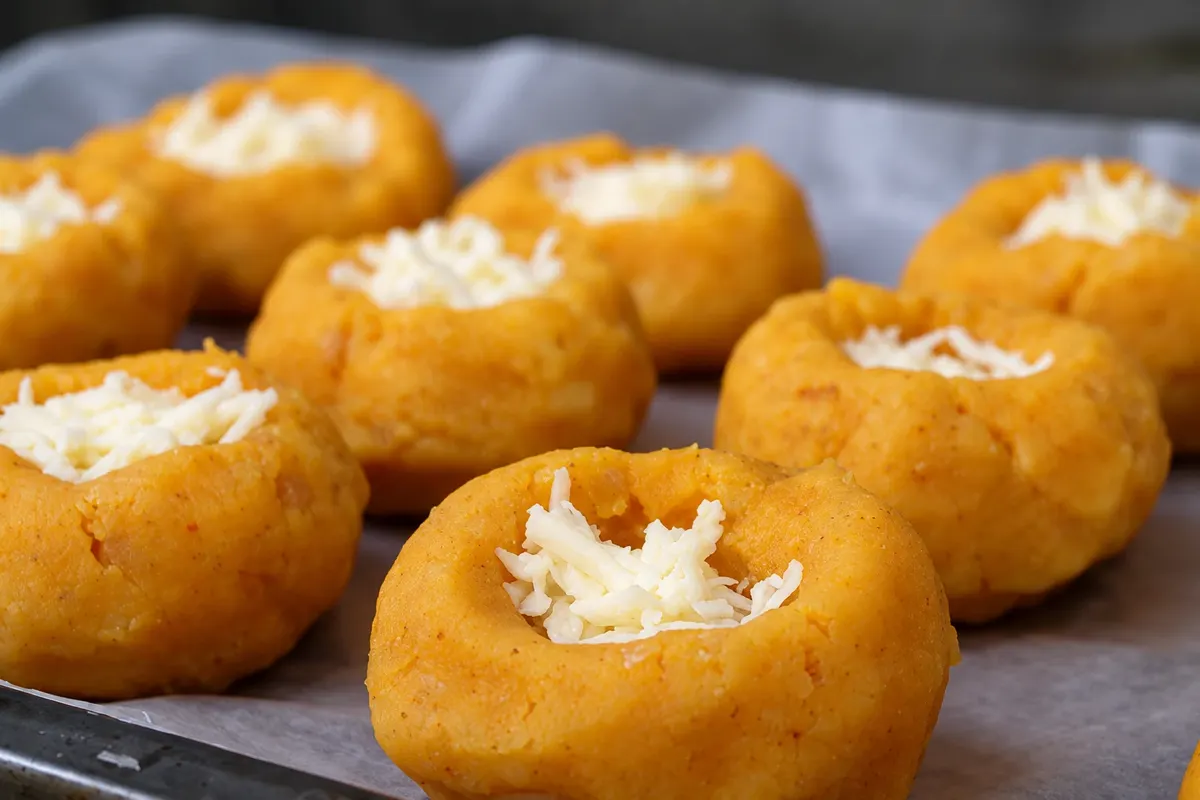
Potato tortillas filled with cheese, golden on the griddle and served with chorizo, fried egg, avocado and salad. It is Ambato’s emblematic dish and the one the Ministry of Tourism designates for Tungurahua.

 Search
 Brazil
 Argentina
 Bolivia
 Chile
 ColombiaEcuador
 Guyana
 French Guiana
 Falkland Islands (Malvinas)
 Paraguay
 Peru
 Suriname
 Uruguay
 Venezuela
 Germany
 Austria
 Belgium
 Croatia
 Denmark
 Spain
 Finland
 France
 Greece
 the Netherlands
 Hungary
 Ireland
 Iceland
 Italy
 Luxembourg
 Norway
 Poland
 Portugal
 the United Kingdom
 the Czech Republic
 Sweden
 Switzerland
 Turkey
 the United States
 Mexico
 the Dominican RepublicTurkey
 South Africa
 Australia
 Fiji
Flavors · Latacunga
Hearty dish from Latacunga with fried pork, crispy pork skin, mote, potato, fried ripe plantain, empanadas, popcorn and toasted corn, with ají. It is the dish that the Ministry of Tourism’s gastronomic map identifies for Cotopaxi.
Traditional dish from Latacunga, Cotopaxi
Also known as: Chugchucara, Chugchucaras latacungueñas
Illustrative images. The pictures in this guide are illustrations based on the real place, not photographs, and may differ from it.

Click a photo to enlarge it.
Chugchucaras — Latacunga, Ecuador
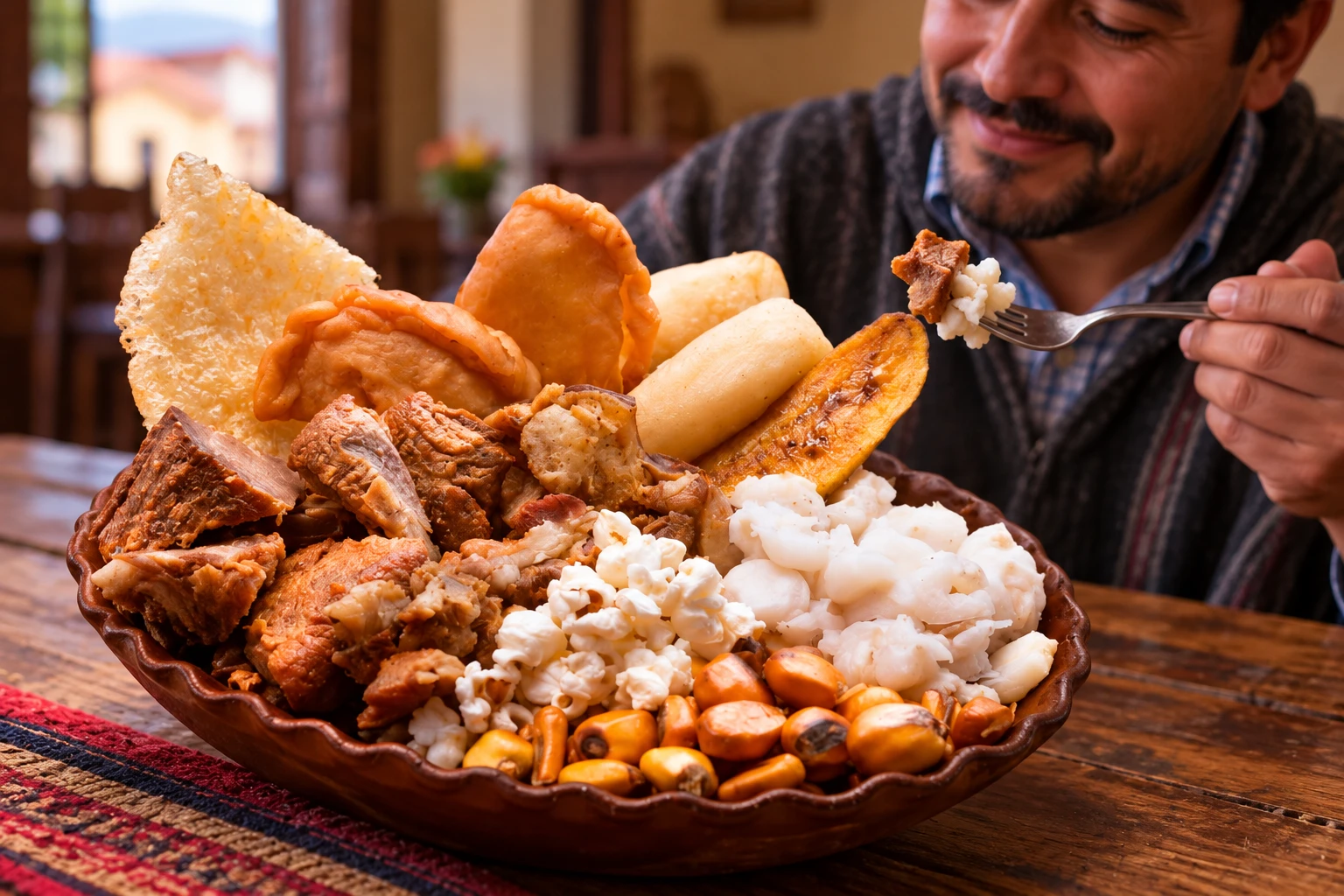
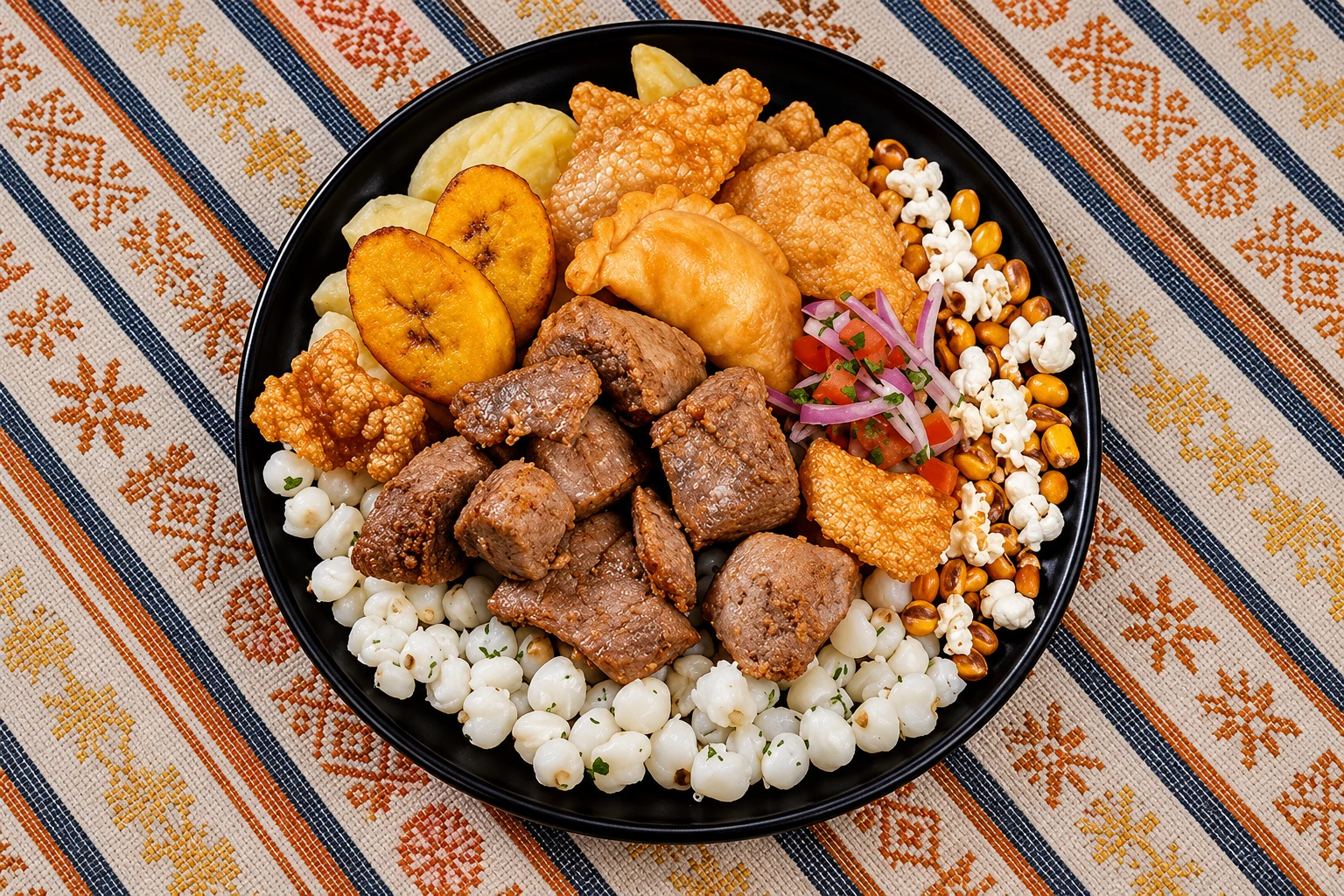
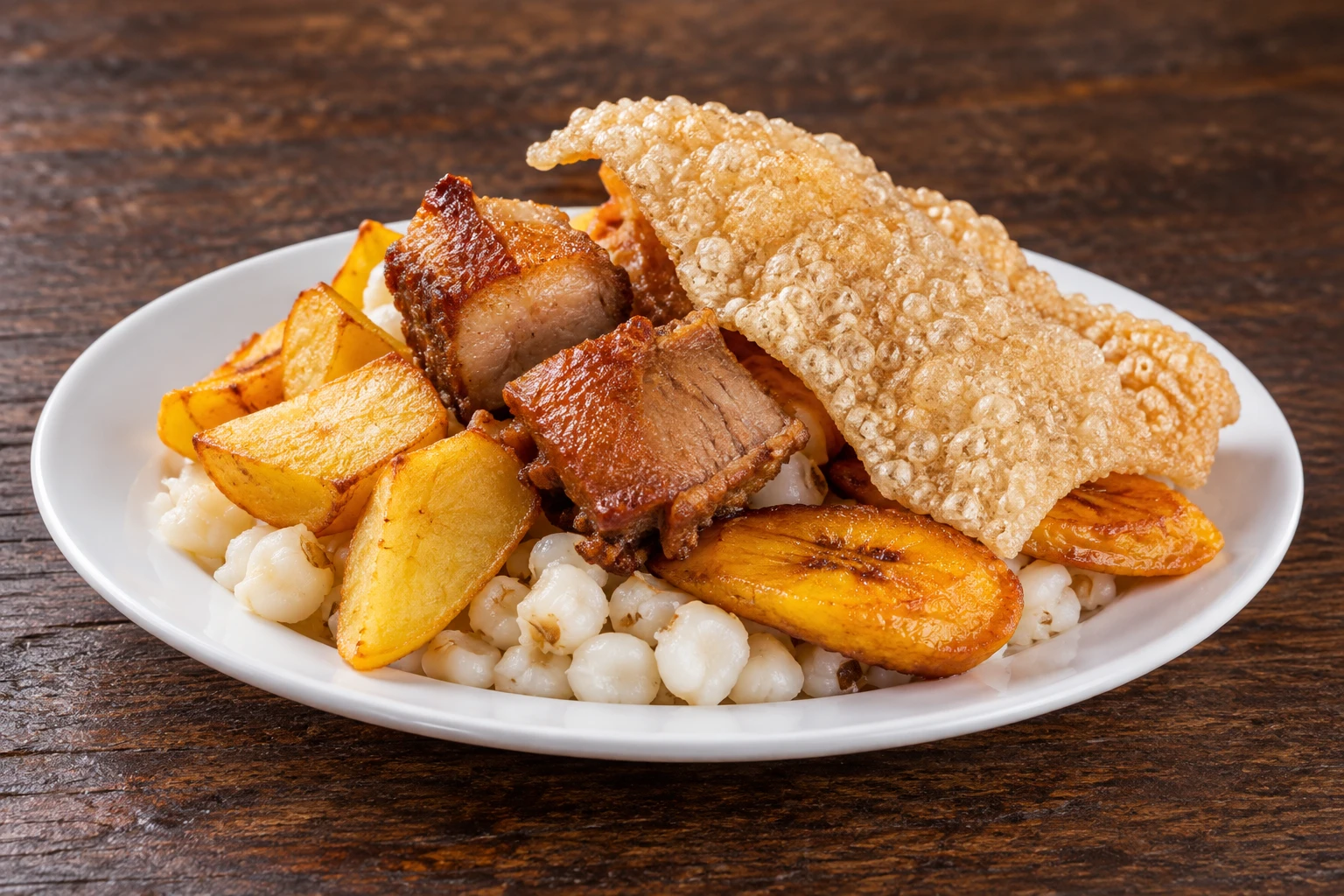
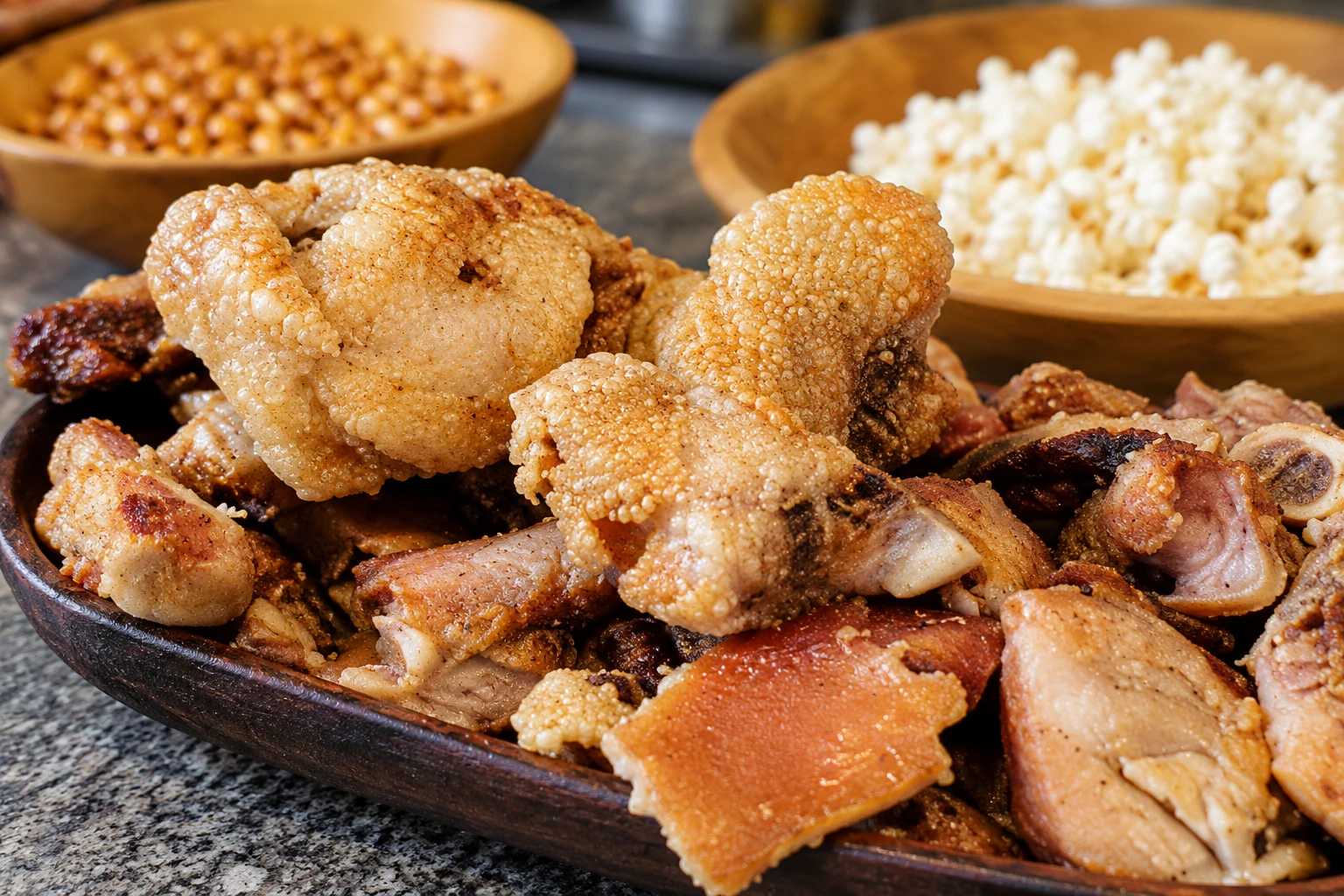
Chugchucaras are a dish made of many parts, all tied to pork and corn. They include fritada, pieces of pork cooked and browned in their own fat, pork skin fried until it puffs, mote, potato, fried ripe plantain, small empanadas, popcorn and toasted corn. The ají, a spicy sauce, is served on the side.
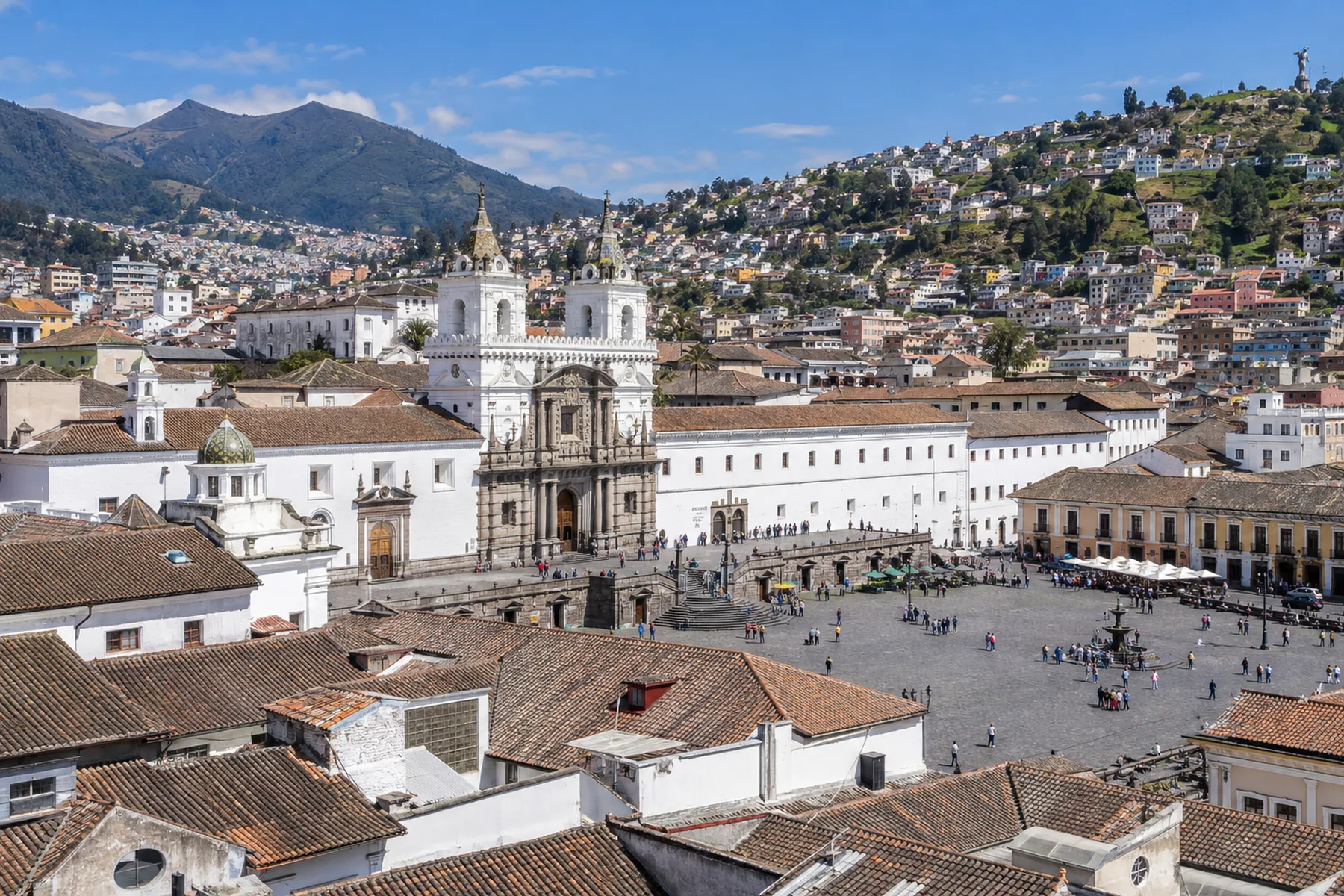
The dish comes from Latacunga, capital of the Cotopaxi province, and the Ministry of Tourism’s 2018 gastronomic map lists it as the province’s dish. In the city there is a whole block of restaurants specialized in it, and many travelers stop there on the road between Quito and the south of the country just to eat it.
According to the Ministry of Tourism, the name comes from Kichwa: chukchuna, to tremble, and kara, skin, referring to the pork skin that trembles when served. Other sources offer different explanations for the word.
In many restaurants the dish arrives in stages: first the mote with the fritada and the ají, then the skin, the potato, the plantain and the empanadas. It’s a heavy meal that usually suffices for the day.
Latacunga is the city of the Mama Negra festival, and chugchucaras are part of the food served to visitors of the historic center.
Latacunga , Cotopaxi
Dish from Latacunga, indicated by the Ministry of Tourism as the dish of Cotopaxi province.
Fritada (pork), fried pork skin, mote, potato, fried ripe plantain, small empanadas, popcorn and toasted corn. Served with ají.
At lunch, on a large plate or in stages, starting with the mote and fritada. You eat it with a fork and with your hands, seasoning with ají to taste.
Year-round, at lunch. Many travelers stop in Latacunga to eat them on the road between Quito and the south.
Your questions
Pork fritada, fried pork skin, mote, potato, fried ripe plantain, empanadas, popcorn and toasted corn, with ají on the side.
According to the Ministry of Tourism, from Kichwa: chukchuna, to tremble, and kara, skin, because of the pork skin that trembles when served.
Yes, it is a hearty dish. Many people share it or make it their only meal of the day.
Flavors of Ecuador
Potato tortillas filled with cheese, golden on the griddle and served with chorizo, fried egg, avocado and salad. It is Ambato’s emblematic dish and the one the Ministry of Tourism designates for Tungurahua.
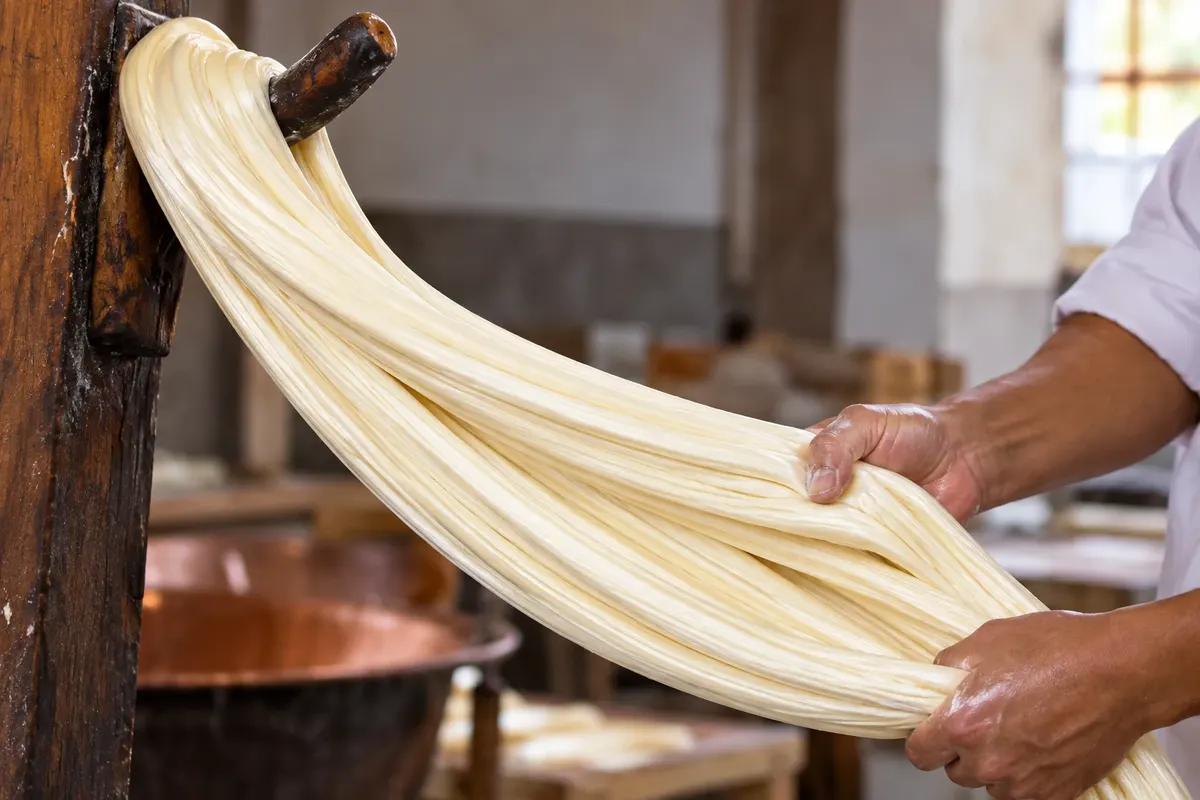
Dulce de molasses pulled and stretched by hand until it is light and elastic, sold at the doorways of shops in Baños de Agua Santa. It is the city’s signature sweet, linked to the sugarcane fields of the valley.
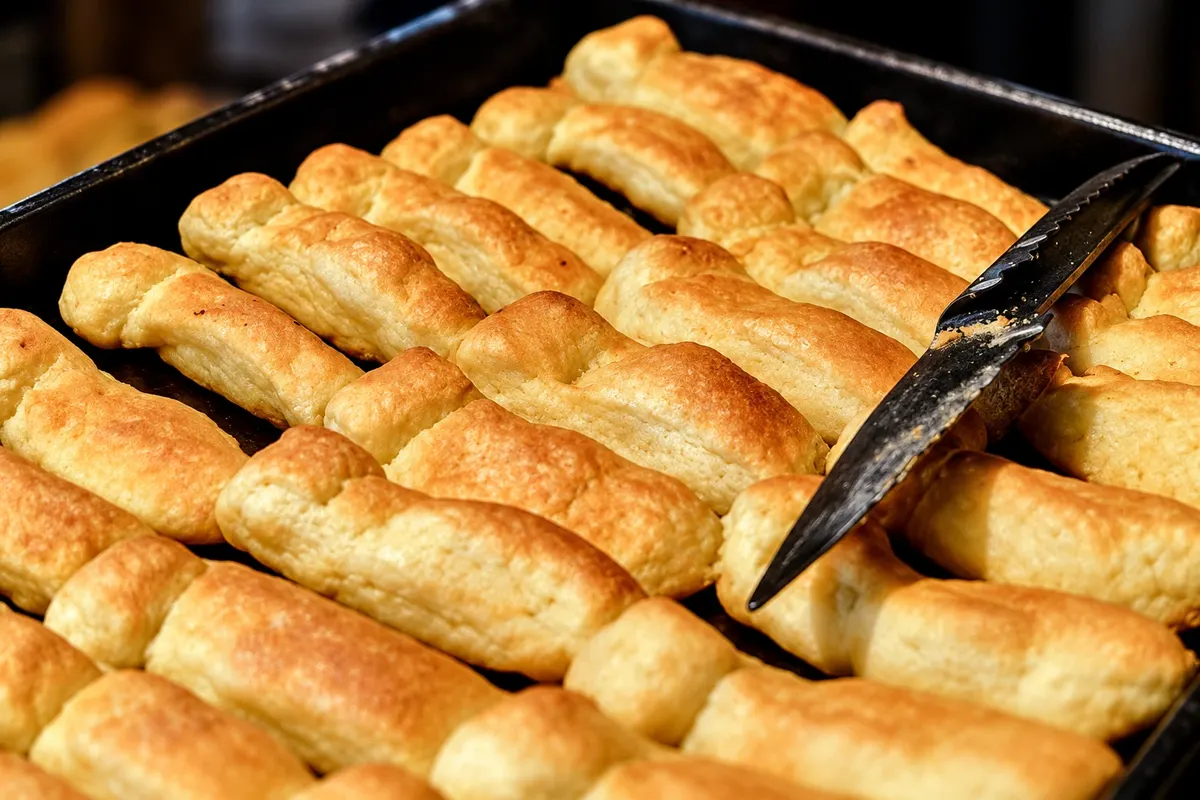
Elongated, crunchy cookies baked in a wood-fired oven, served with queso de hoja and manjar de leche. They received the Traditional Specialty Guaranteed registration in Ecuador in 2021.
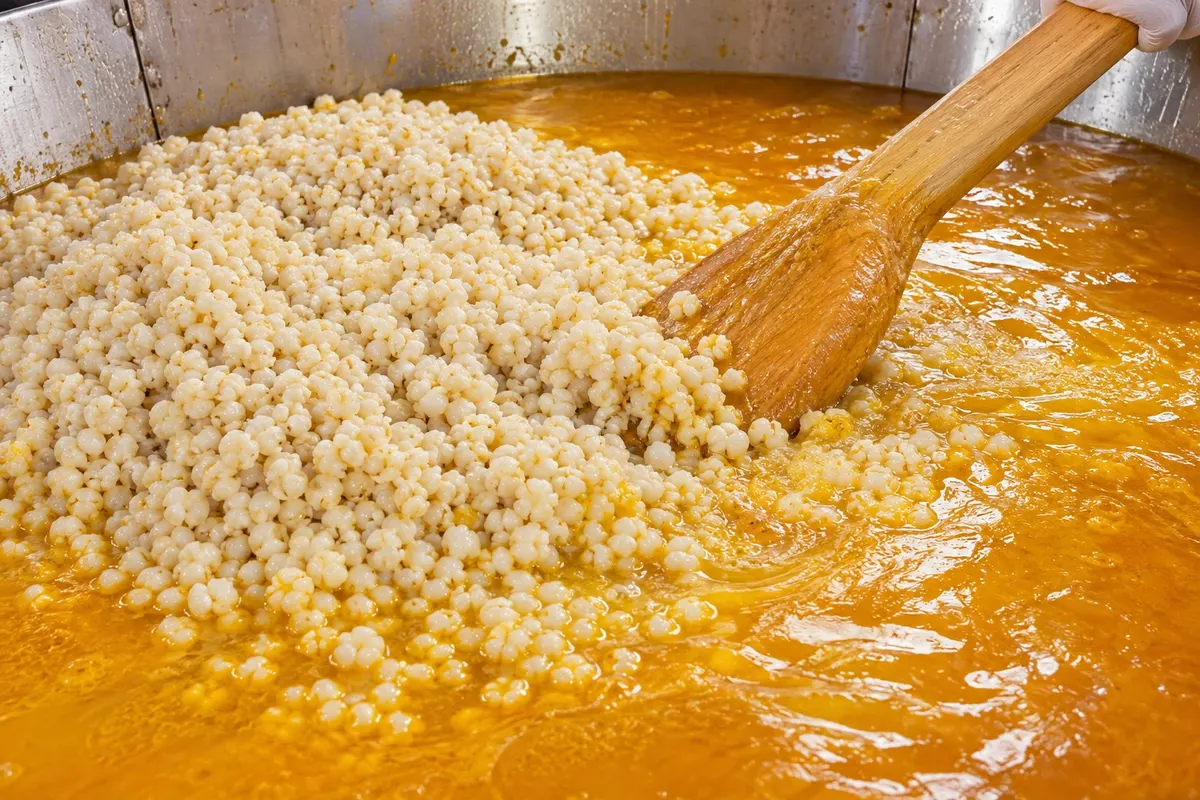
Thick mote soup with pork, chorizo and bacon, thickened with ground pumpkin seed and milk. It’s the dish of Cuenca’s Carnival, prepared in large pots during the festivities.
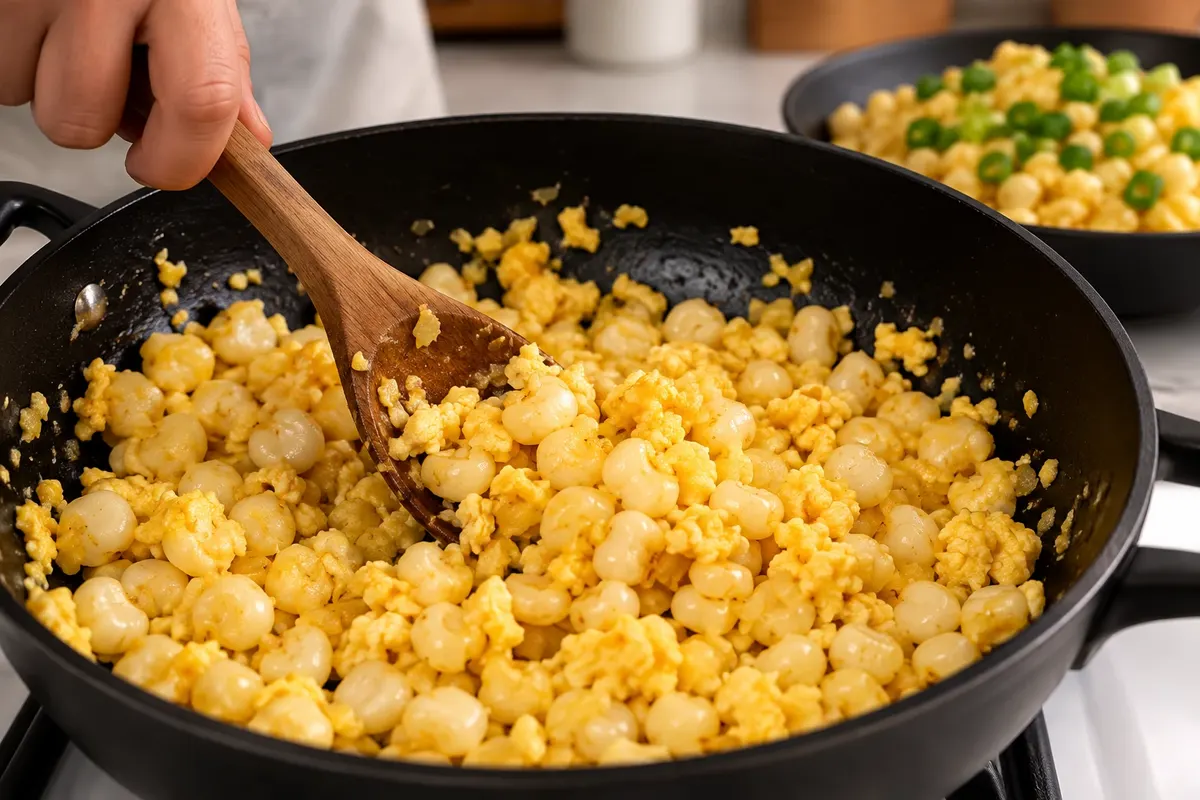
Mote, cooked white corn, sautéed with egg, onion, achiote and milk, served with fresh cheese and coffee. It is Cuenca’s most typical dish; in 2023 the city requested its registration as a traditional specialty.
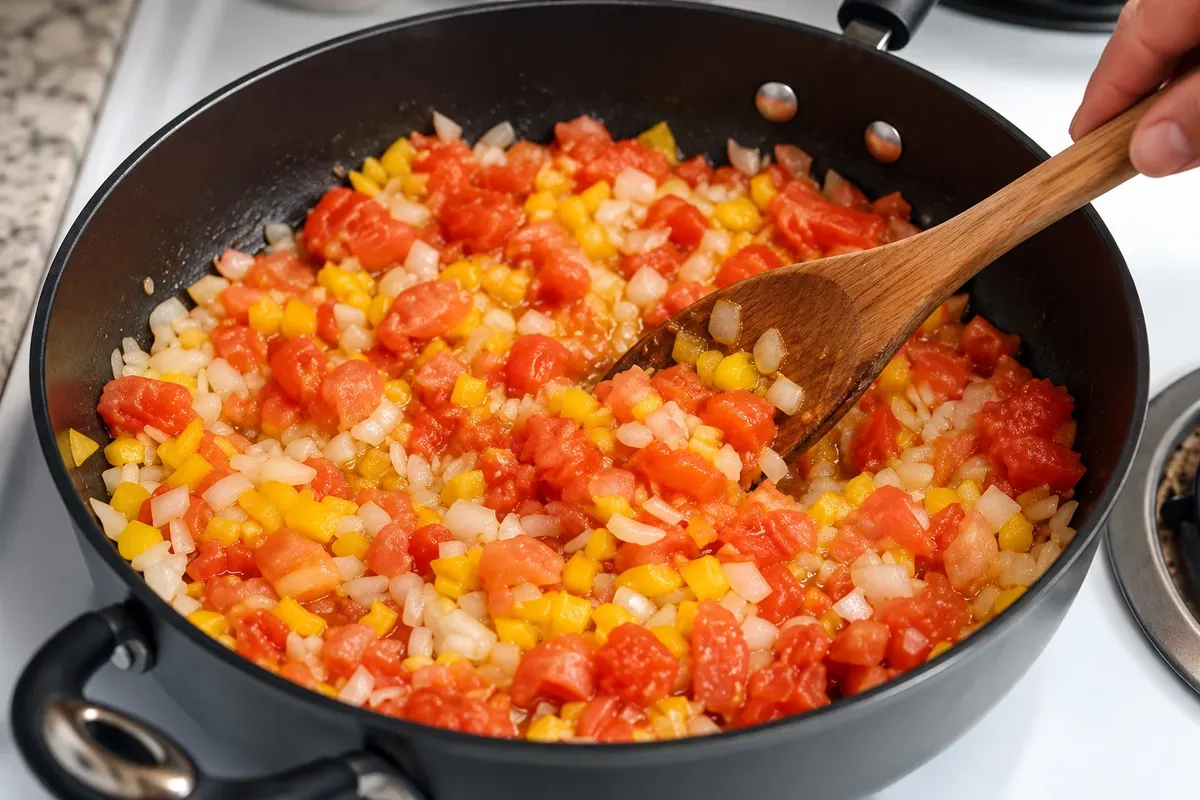
Fish or shellfish cooked in coconut milk with a sauté of onion, tomato and bell pepper and the herb chillangua, served with rice and patacones. It is the dish that represents Esmeraldas cuisine.
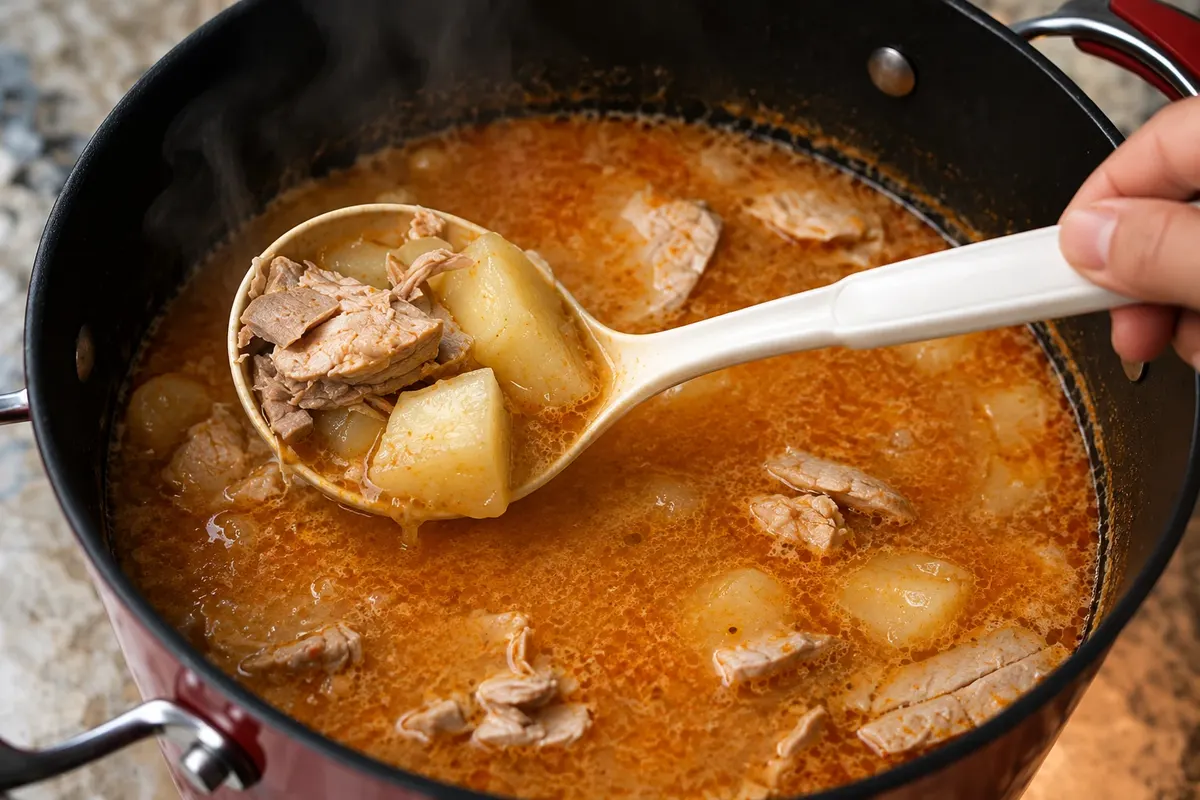
Fish broth with manioc and red onion pickled in lime, served with chifles, popcorn or bread. The encebollado of Guayaquil was declared Intangible Cultural Heritage of Ecuador in 2024.
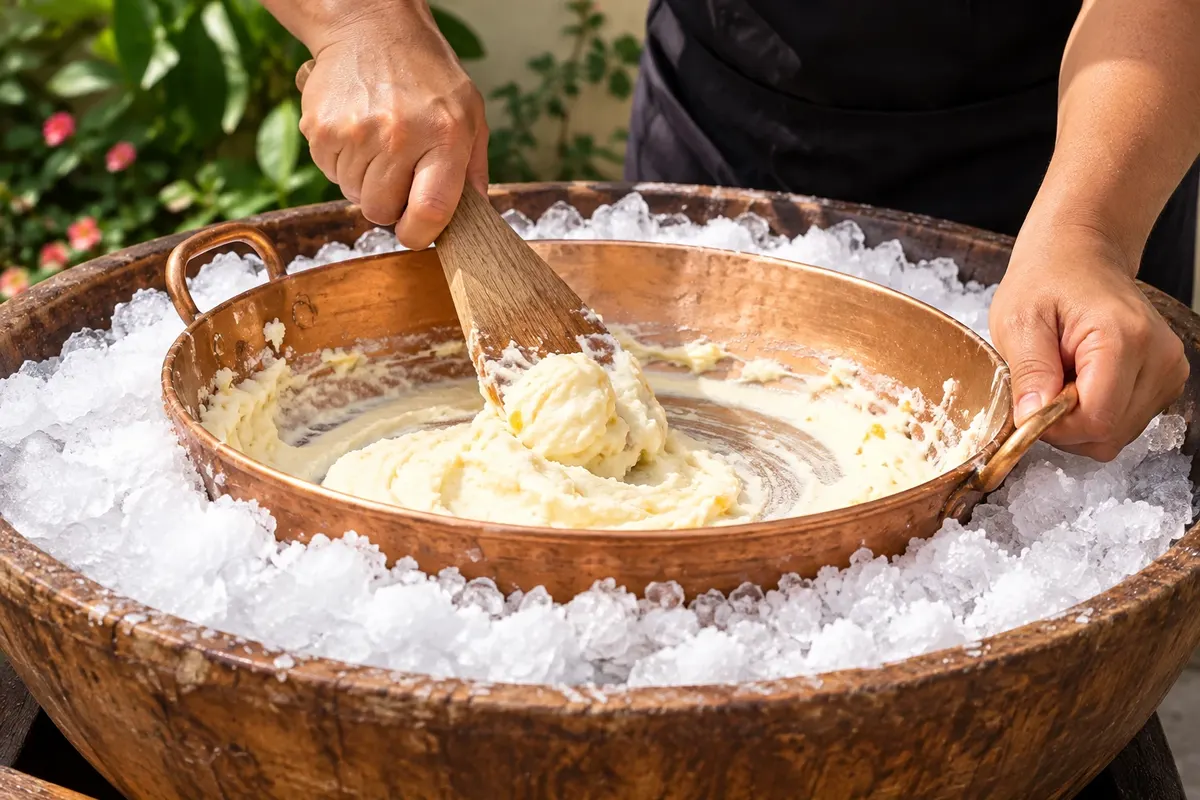
Ice cream made from fruit juice beaten by hand in a copper paila that spins over ice and salt, without a machine. It is Ibarra’s sweet tradition, where the recipe’s history is attributed to a family since the late 19th century.
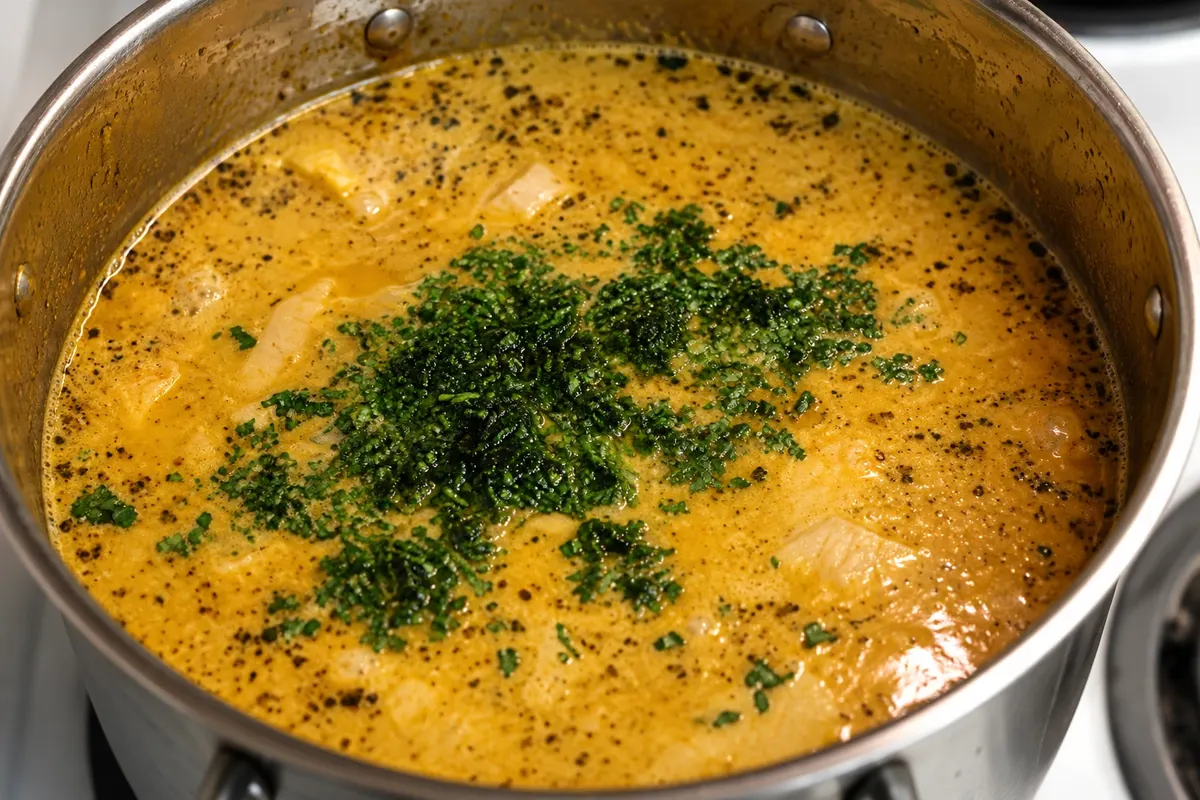
Thick fish and seafood soup thickened with ground peanuts, with green plantain, corn and vegetables. It is the dish that represents the traditional cuisine of Manabí, an intangible cultural heritage of Ecuador.
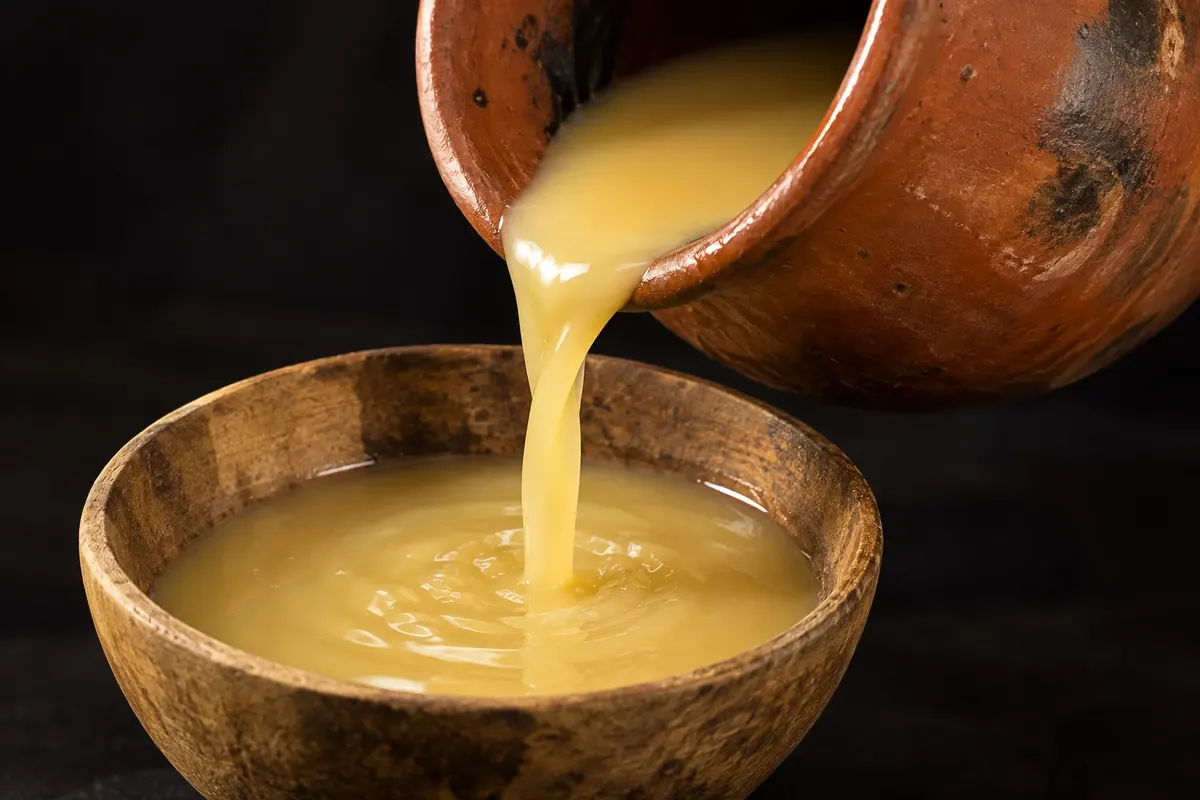
A fermented drink made from seven varieties of corn, slowly cooked and sweetened with panela, which gives its name to the Fiesta del Yamor, Otavalo’s September festival. It is regarded as a drink representative of Otavalo identity.
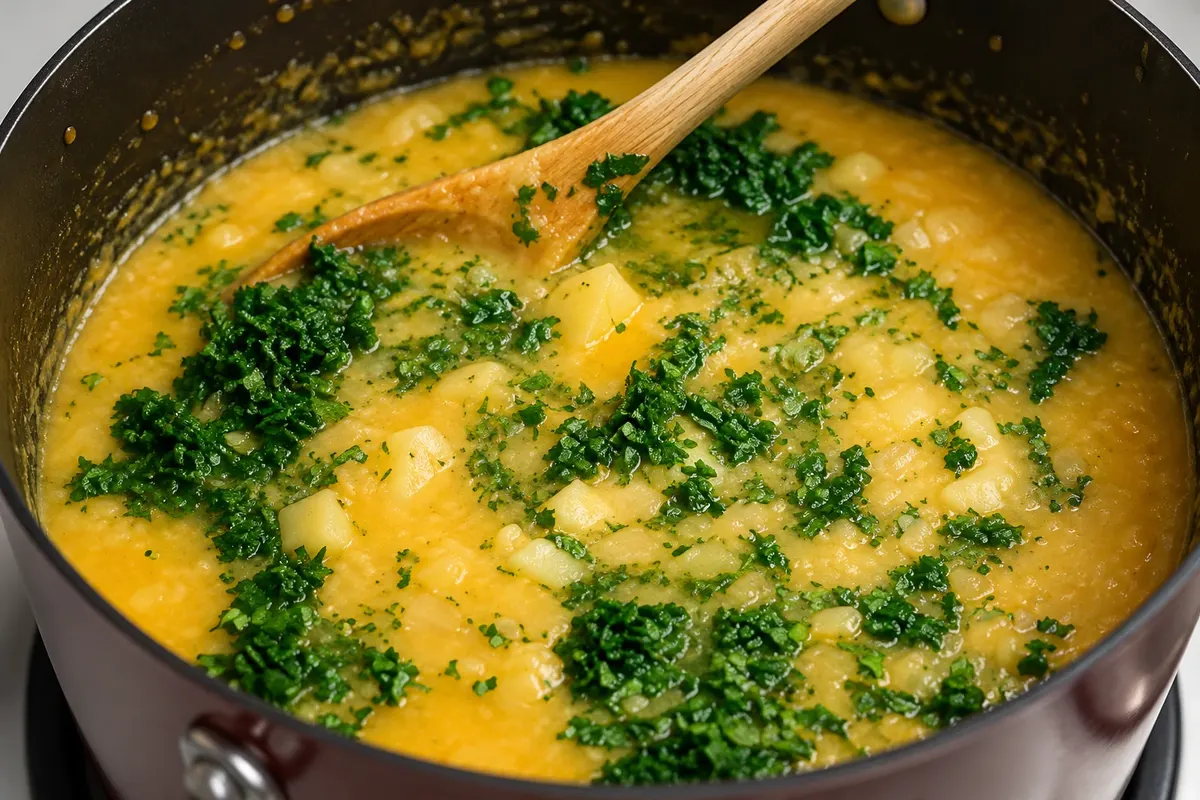
Thick potato soup with milk and cheese, served with avocado, considered a dish of Quito’s cuisine. It is the dish that the Ministry of Tourism’s gastronomic map designates for the province of Pichincha.
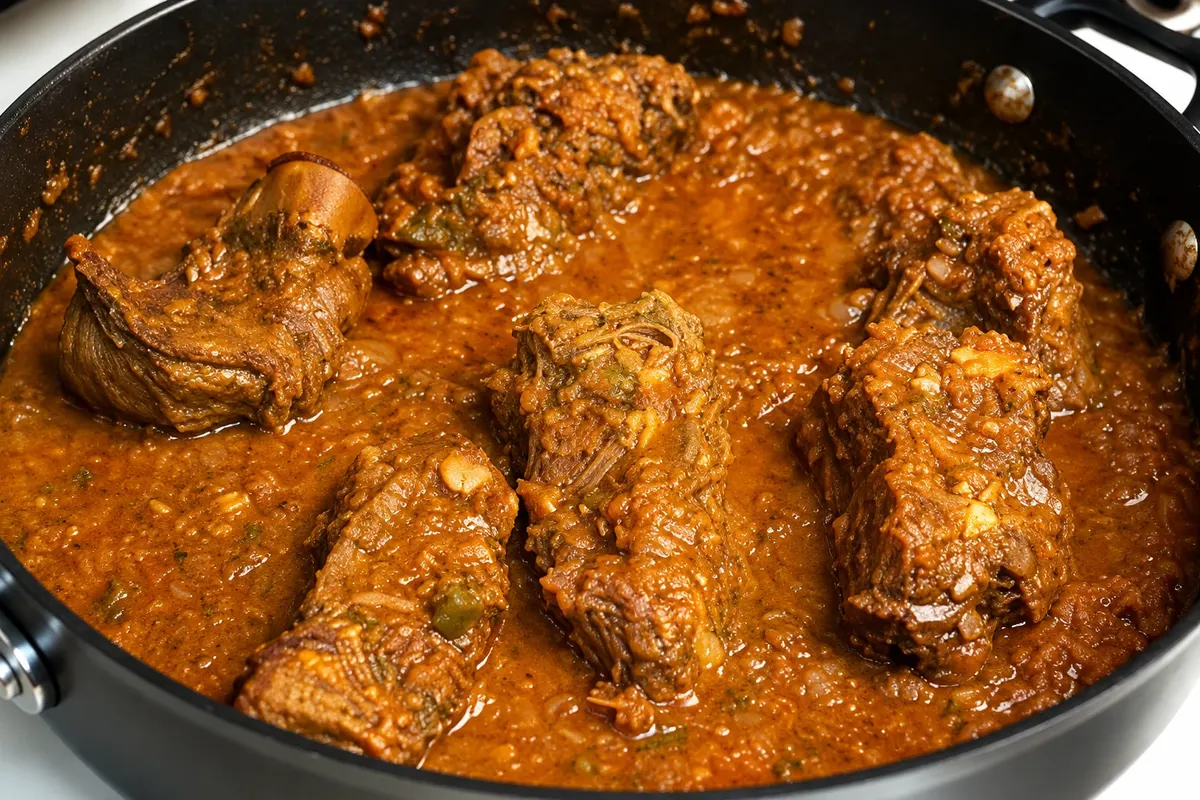
Stewed kid goat marinated in chicha, beer, or naranjilla juice, with cilantro, served with yellow rice, ripe banana and avocado. It is the dish the Ministry of Tourism lists for the province of Santa Elena.
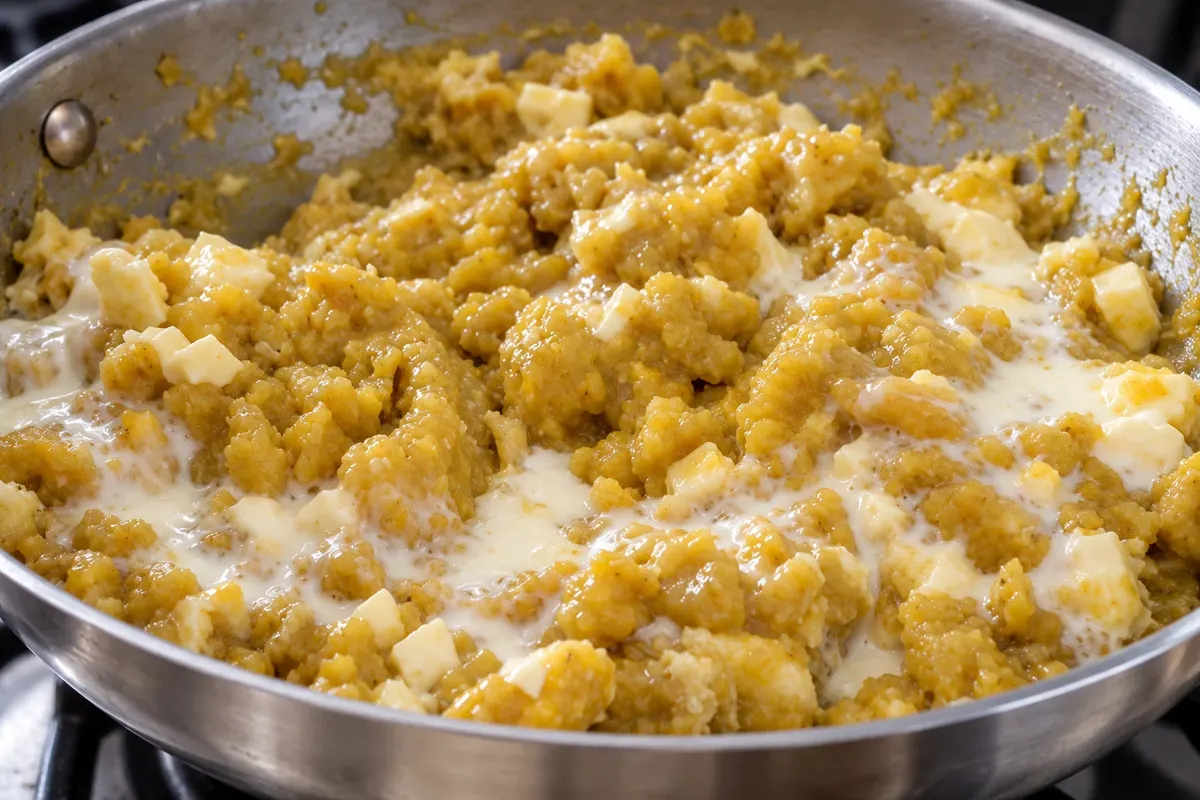
Cooked green banana mashed and mixed with egg and cheese until yellow with white spots, served with coffee. Zaruma’s tigrillo received a cultural recognition certificate in 2020.