
 Chile
 Search
 Brazil
 Antarctica
 Argentina
 BoliviaChile
 Colombia
 Ecuador
 Guyana
 French Guiana
 Falkland Islands (Malvinas)
 Paraguay
 Peru
 Suriname
 Uruguay
 Venezuela
 Germany
 Austria
 Belgium
 Croatia
 Denmark
 Slovakia
 Slovenia
 Spain
 Finland
 France
 Greece
 the Netherlands
 Hungary
 Ireland
 Iceland
 Italy
 Luxembourg
 Norway
 Poland
 Portugal
 the United Kingdom
 the Czech Republic
 Sweden
 Switzerland
 Turkey
 Bermuda
 Canada
 the United States
 Greenland
 Mexico
 Saint Pierre and Miquelon
 the Dominican RepublicTurkey
 South Africa
 Egypt
 Australia
 Fiji
 New Zealand
 Papua New Guinea
Vicuña, Coquimbo
Natural Phenomenon
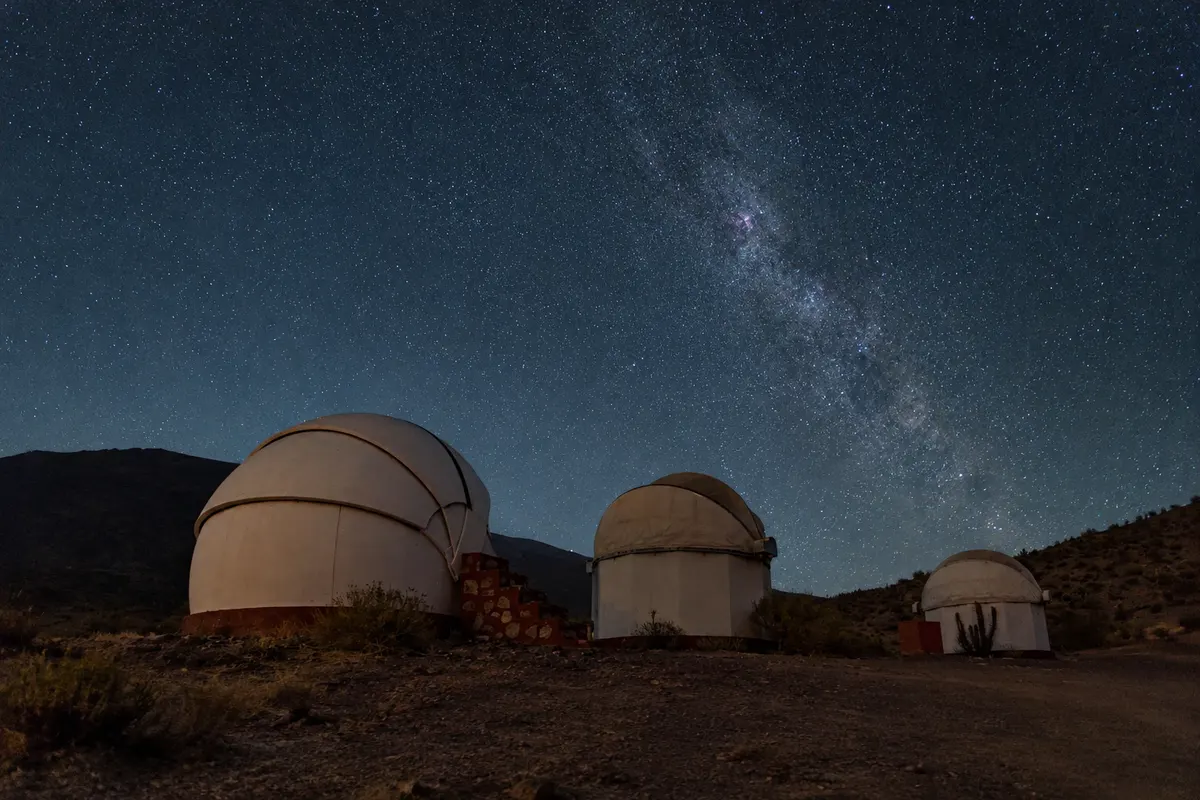
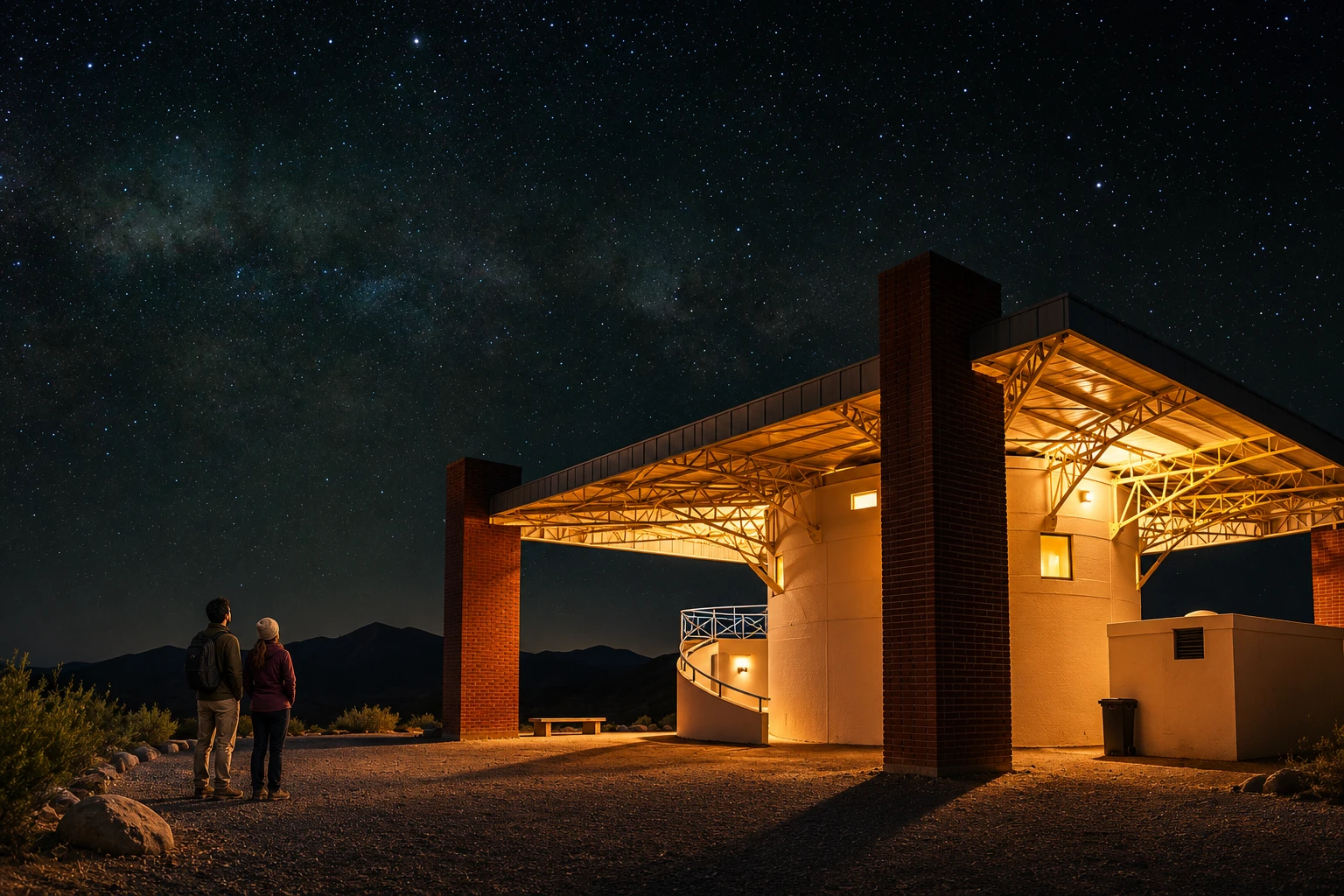
The dark sky of the Elqui Valley, home to the world’s first International Dark Sky Sanctuary: tourist observatories near Vicuña and starry nights in northern Chile.
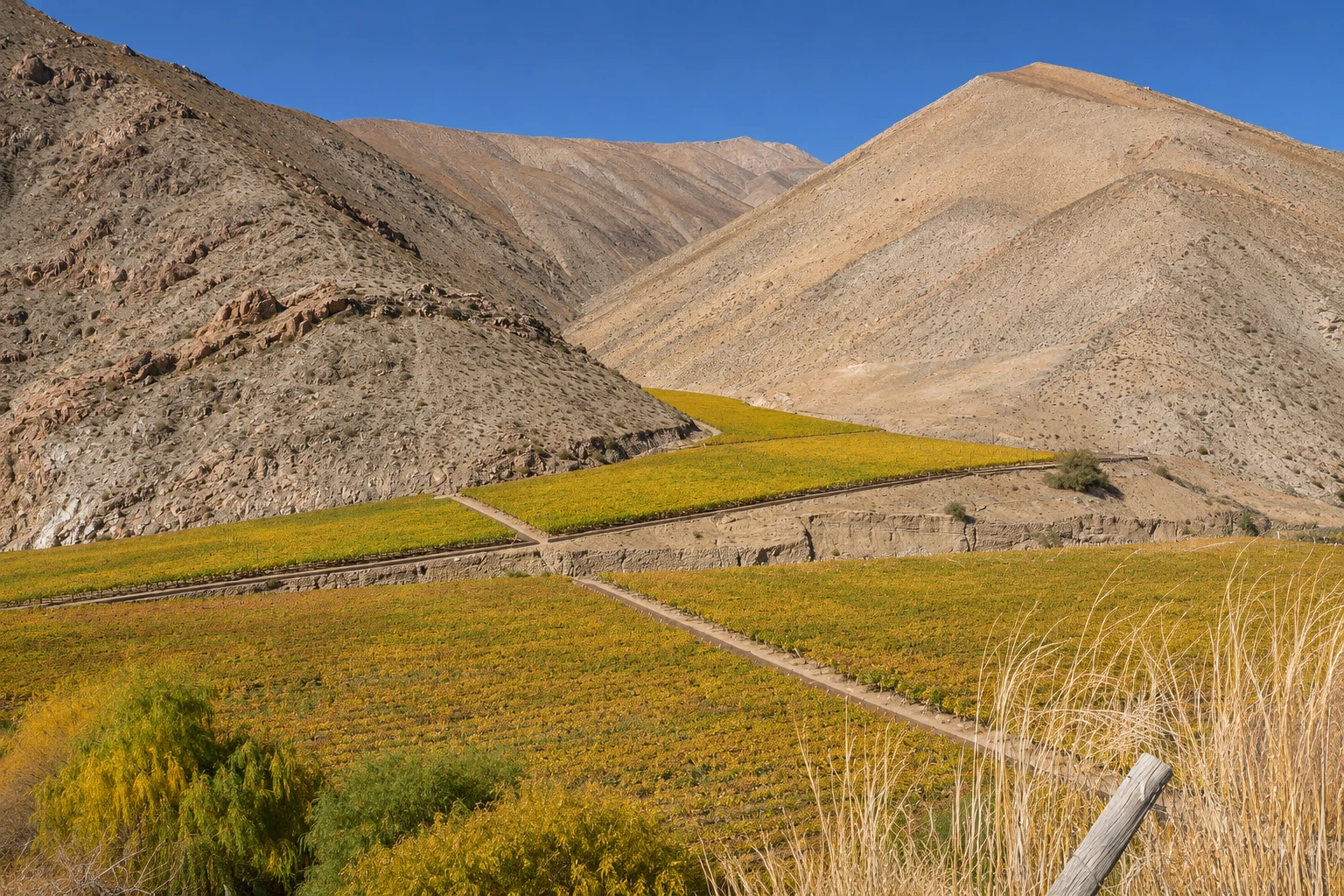
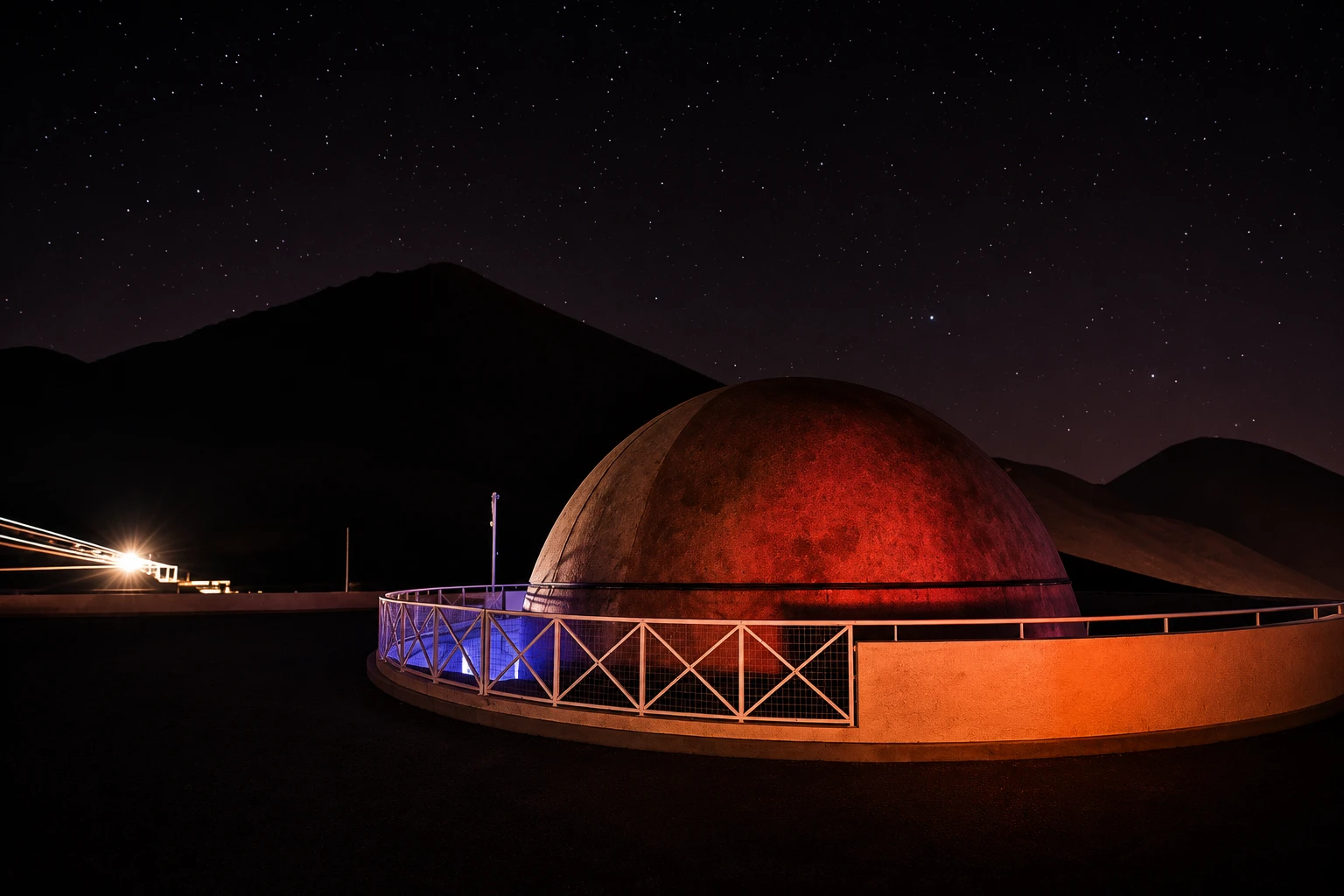
Illustrative images. The pictures in this guide are illustrations based on the real place, not photographs, and may differ from it.
A look at the place
These pictures are illustrations based on the real place, not photographs. They may differ from the place.
Click the picture to enlarge it.
Discover
The Elqui Valley, in the Coquimbo region of northern Chile, has one of the clearest skies in the Southern Hemisphere. The dry air and the large number of cloudless nights brought research observatories to the surrounding mountains. In 2015, the AURA observatory area in the valley was declared the world’s first International Dark Sky Sanctuary, named for the poet Gabriela Mistral, who was born in Vicuña.
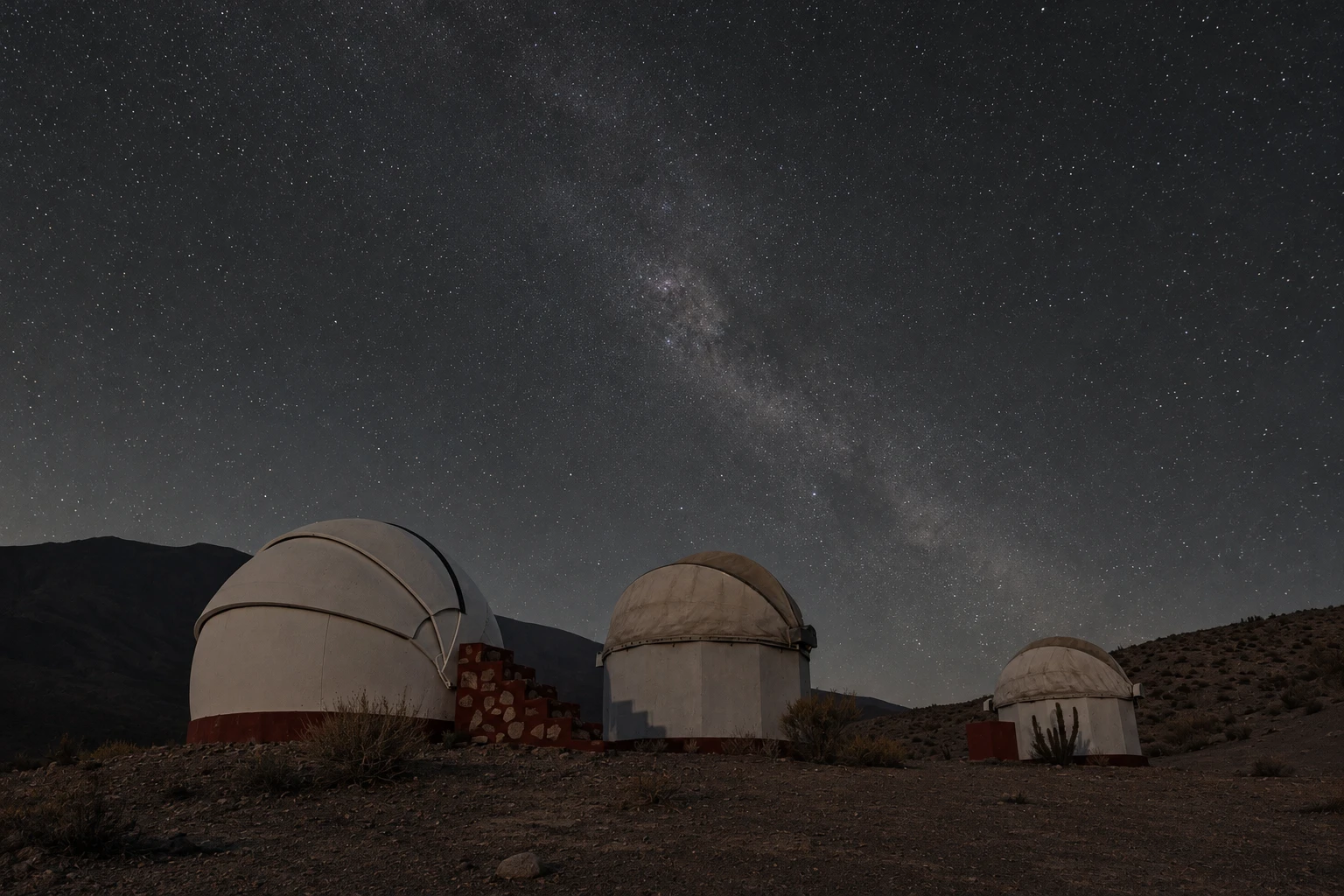
Vicuña is the most common base for star tourism. Nearby are tourist observatories such as the municipal Cerro Mamalluca and the Observatorio del Pangue, offering guided night sessions and telescopes. Higher up in the valley, the villages of Montegrande and Pisco Elqui also have dark skies and observation tours.
On clear nights, the Milky Way stretches across the sky, and the Southern Cross and the Magellanic Clouds, two neighboring galaxies, are visible to the naked eye. The full moon brightens the sky and hides fainter stars: nights near the new moon are usually the best.
The sky is typically clear much of the year. In winter, from June to August, nights are longer and colder; in summer they are warmer and it gets dark later. Observatory sessions usually require reservations, and days and times vary: check before you go.
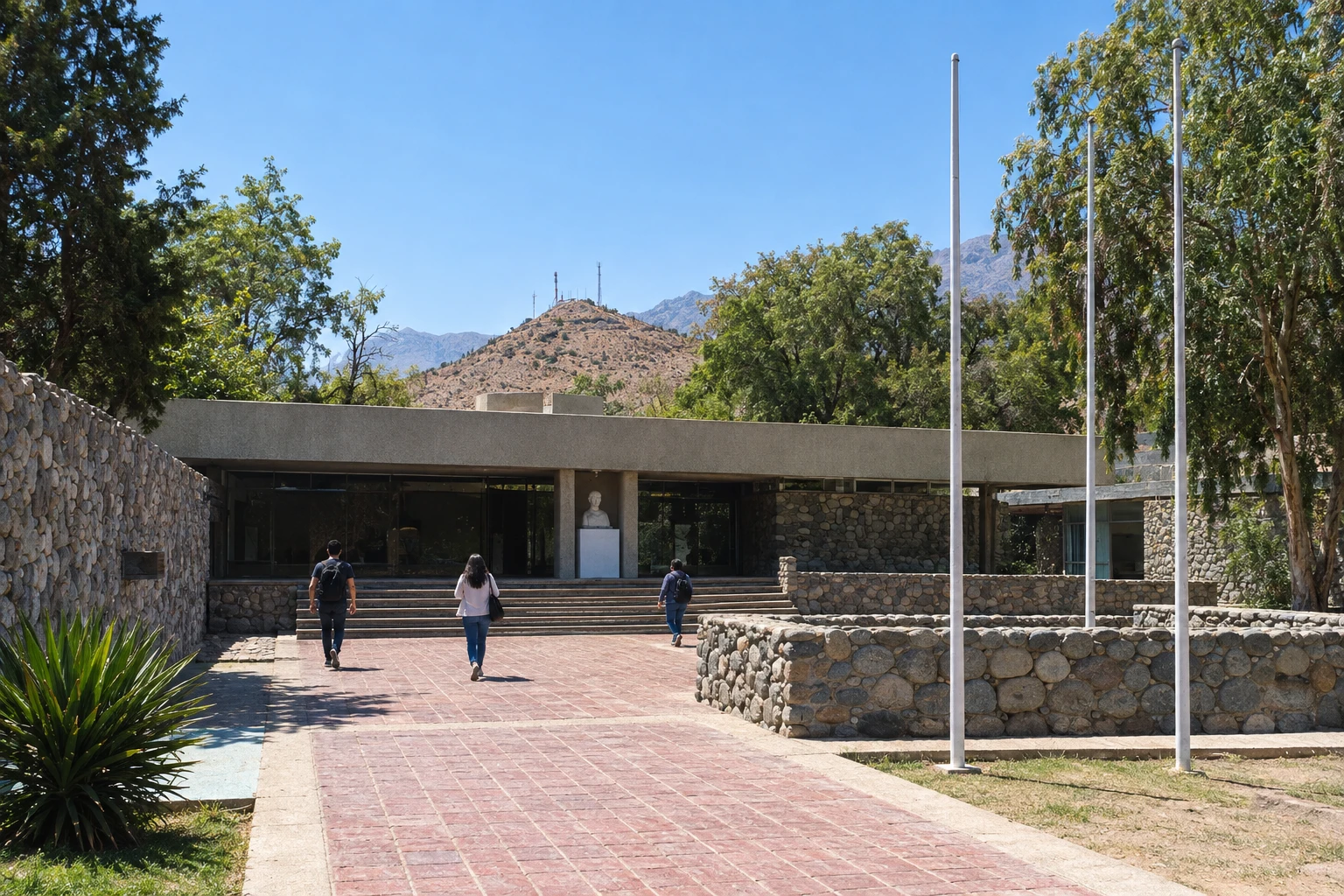
By day, the valley combines stargazing with pisco vineyards, distilleries that welcome visitors, and sites linked to Gabriela Mistral, such as the museum in Vicuña and her tomb in Montegrande.
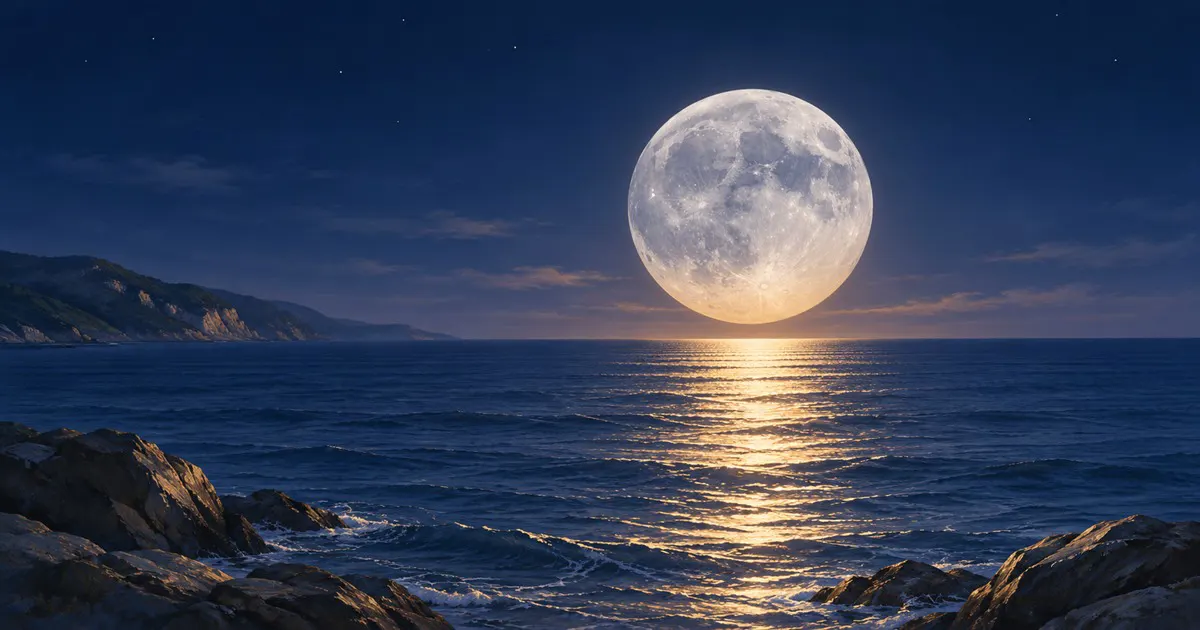
Seeing the Moon and the stars takes clear skies.
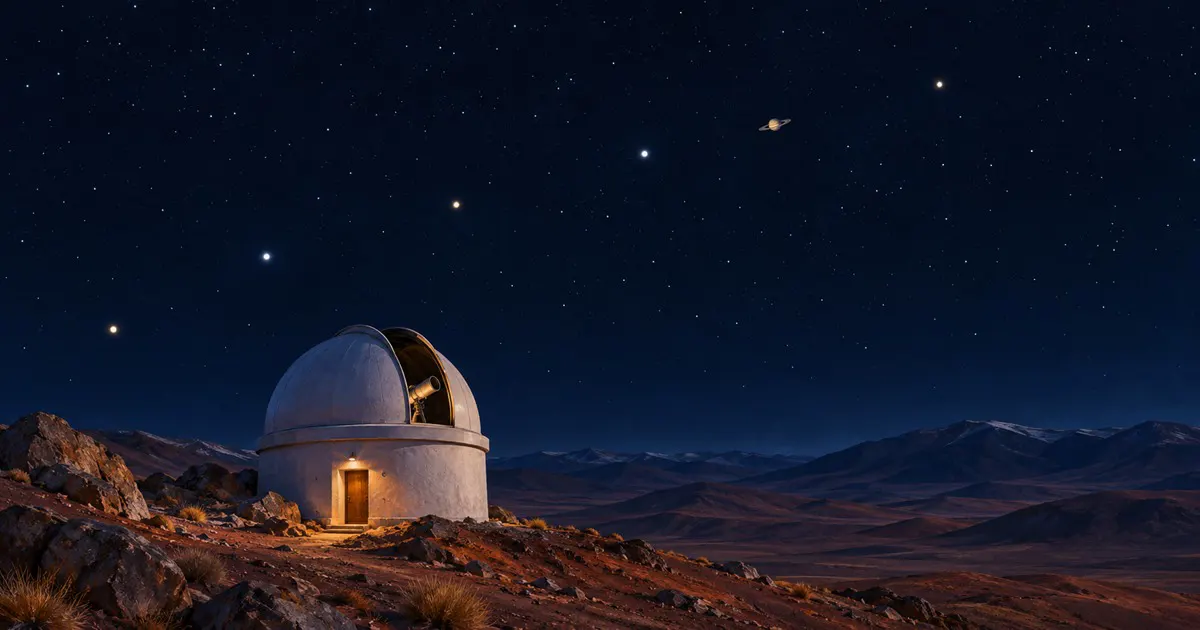
Stargazing depends on the weather and is not guaranteed.
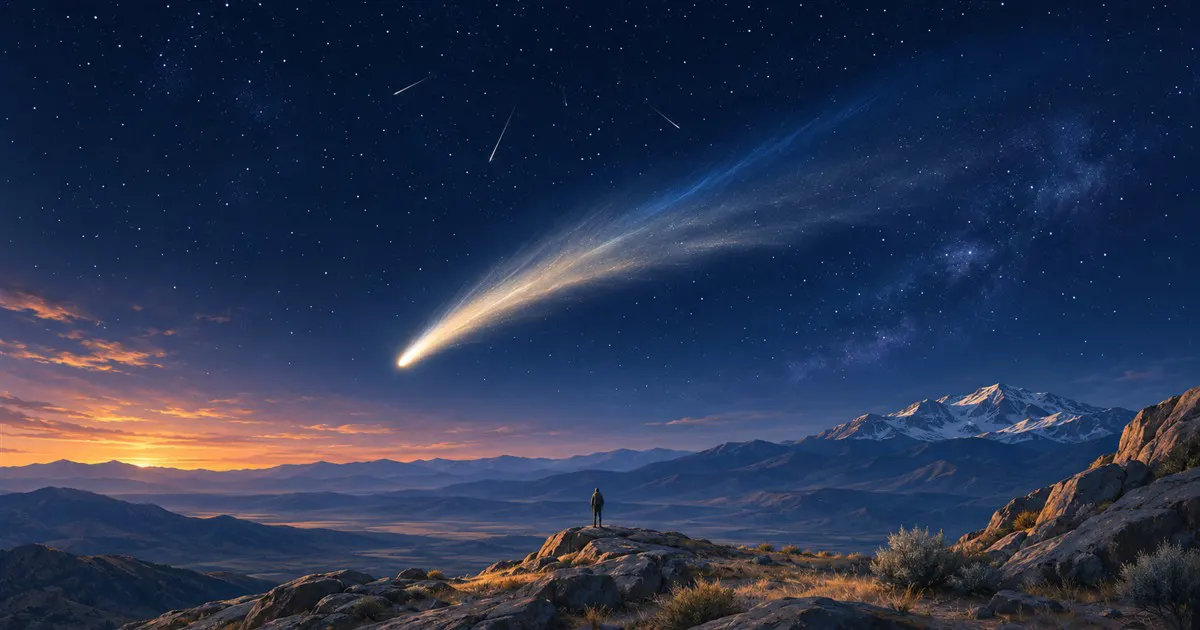
It takes clear skies and no full Moon: it is not guaranteed.
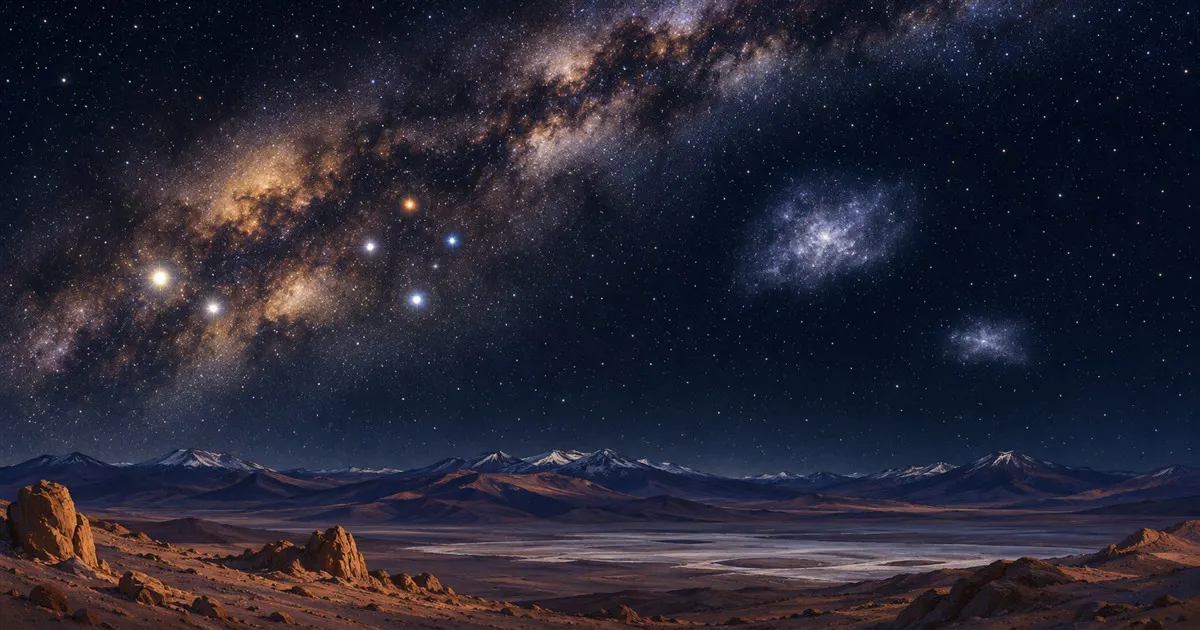
It takes clear skies and no bright Moon: it is not guaranteed.
Before you go
Cidade Turismo reviews its information regularly, but something may have changed. Check with the place before planning your trip.
The months when it usually happens. It depends on the weather and on nature: it is not guaranteed.
Two to three hours for a typical night observatory session; a whole night for photographers.
Year-round, on clear nights near the new moon. In winter, from June to August, nights are longer and colder.
Vicuña is about 60 km from La Serena via Ruta 41, which climbs the valley. The observatories are a few kilometers from town; some sessions include transportation from Vicuña.
Book observatory sessions in advance and bring a jacket: nights in the valley get cold. Near observers, use only red light.
Get your questions answered
The dry air and the many cloudless nights produce a very clear sky. In 2015, part of the valley became the world’s first International Dark Sky Sanctuary.
Cerro Mamalluca, the municipal observatory, and the Observatorio del Pangue, both offering guided night sessions. Sessions usually require reservations.
Year-round, on clear nights near the new moon. In winter the nights are longer and colder.
From La Serena, about 60 km via Ruta 41 by car or bus. The observatories are a few kilometers from town.
Other places
Chile
 Bolivia
 Brazil
 Brazil
 New Zealand
 Spain
 San Pedro de Atacama, Chile
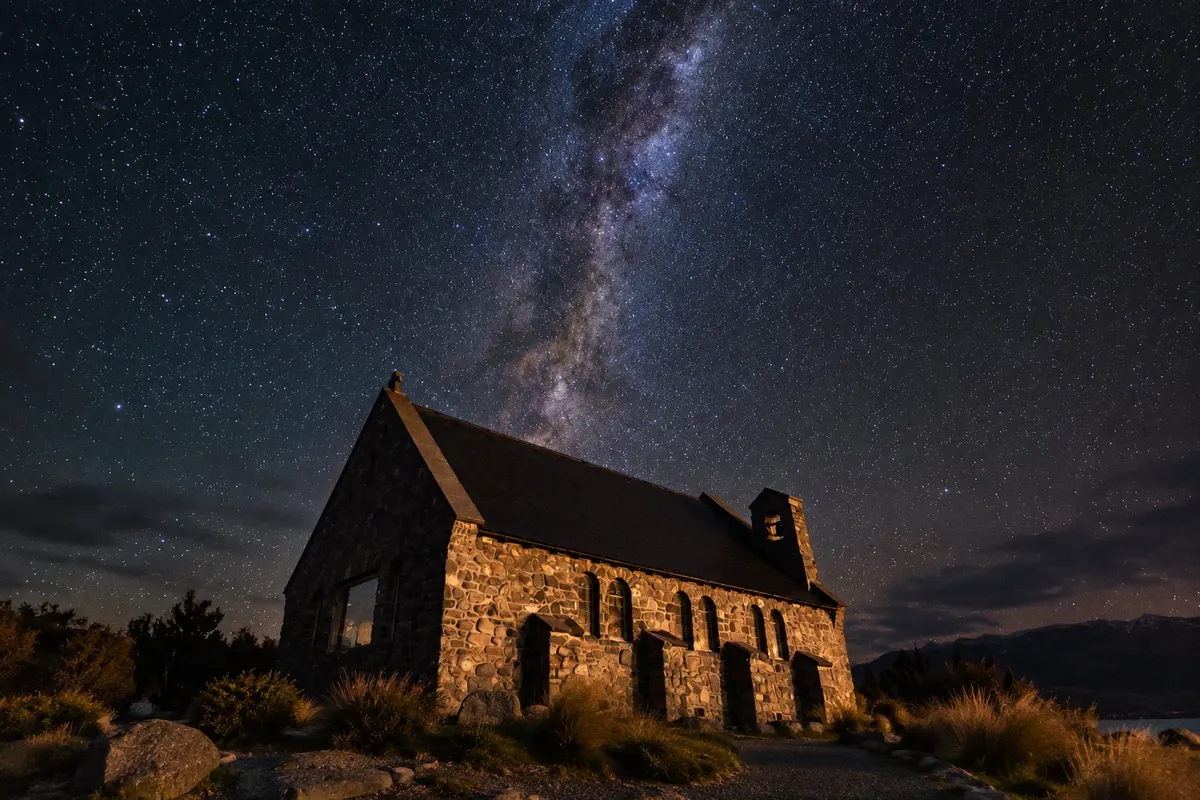 Tekapo, New Zealand
Beyond the guide


