Pinotage is a red grape variety created in South Africa. Professor Abraham Izak Perold, the first professor of viticulture at the University of Stellenbosch, hand-pollinated a Cinsaut flower with pollen from Pinot Noir at the university’s Welgevallen experimental farm. In the Cape, Cinsaut was called Hermitage, and the joining of the two names produced Pinotage. The cross was made at the end of 1924, and the four seeds were planted in 1925, a year commonly taken as the grape’s birth.
The story involved a bit of chance. Perold left the university soon after, the young vines were forgotten in the garden and were only rescued by a young lecturer, Charlie Niehaus, when the area was about to be cleared. The plants were grafted at Welgevallen, and the first Pinotage wine was made in Elsenburg, also in Stellenbosch, in 1941. The name appeared on a label for the first time with the 1959 vintage, released in 1961.
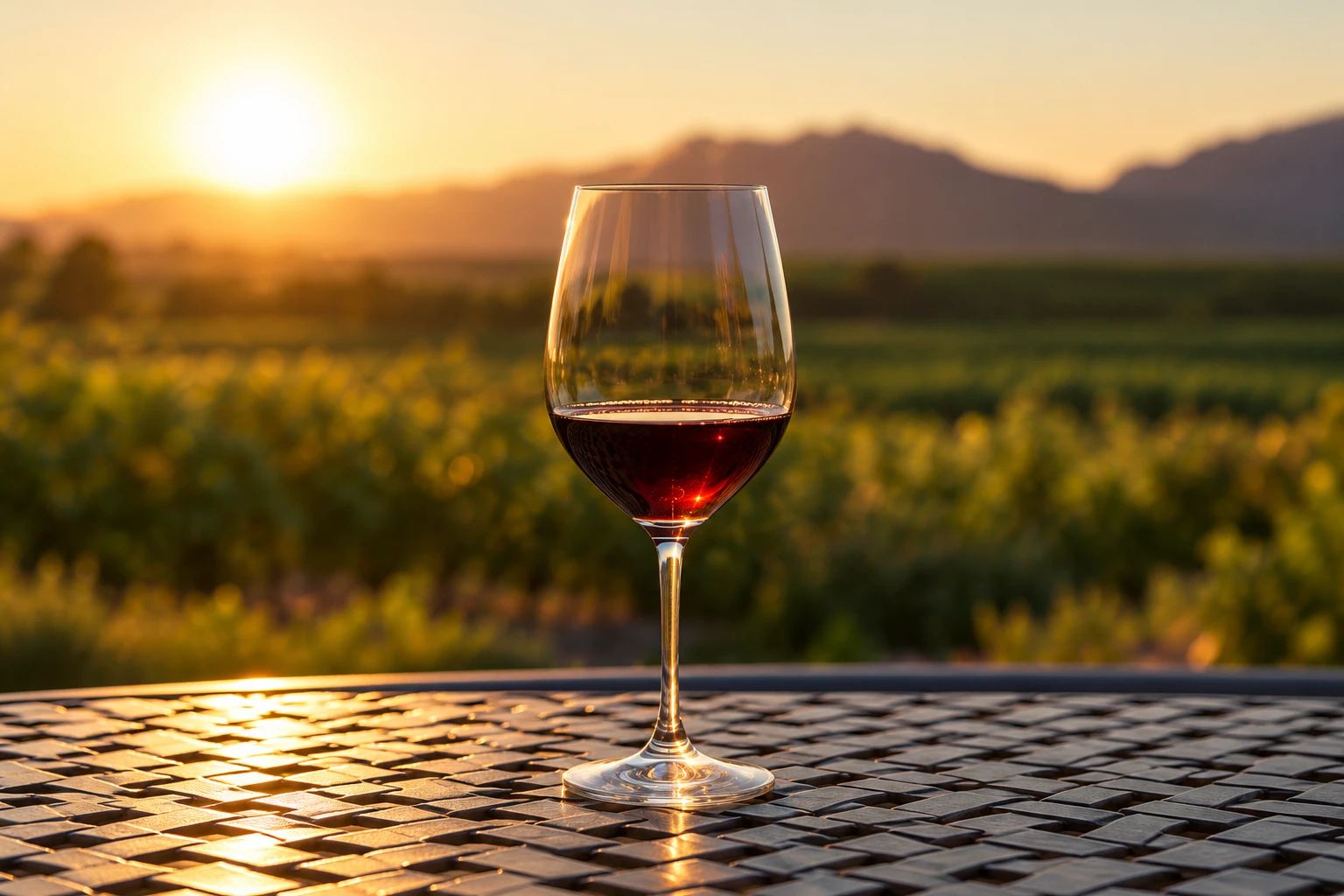
The variety is planted in several regions of the Western Cape, especially in Swartland, Paarl and Stellenbosch, and is among the country’s most widely grown red grapes. The University of Stellenbosch still maintains old Pinotage vines at Welgevallen and produces wine from them in its own cellar.
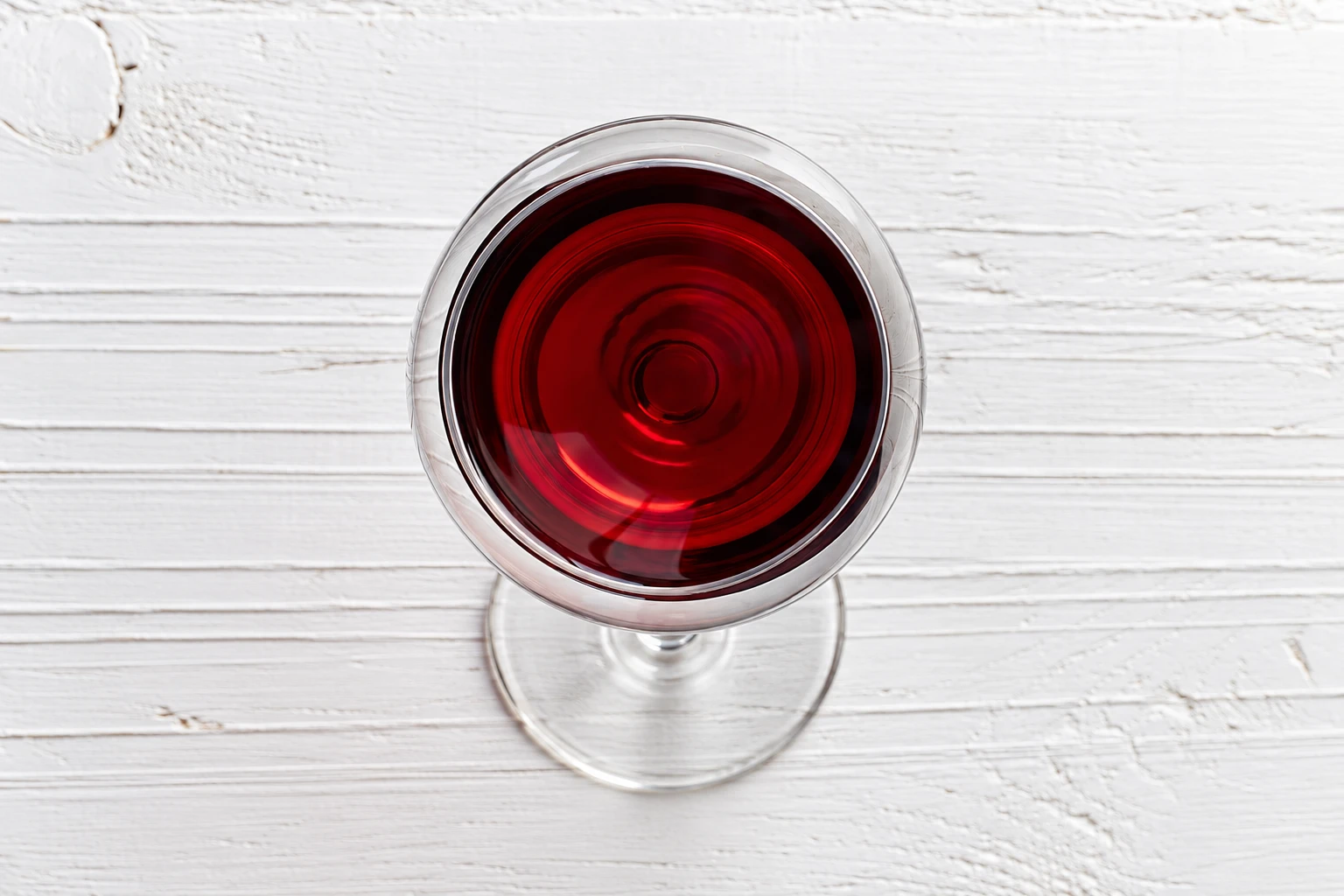
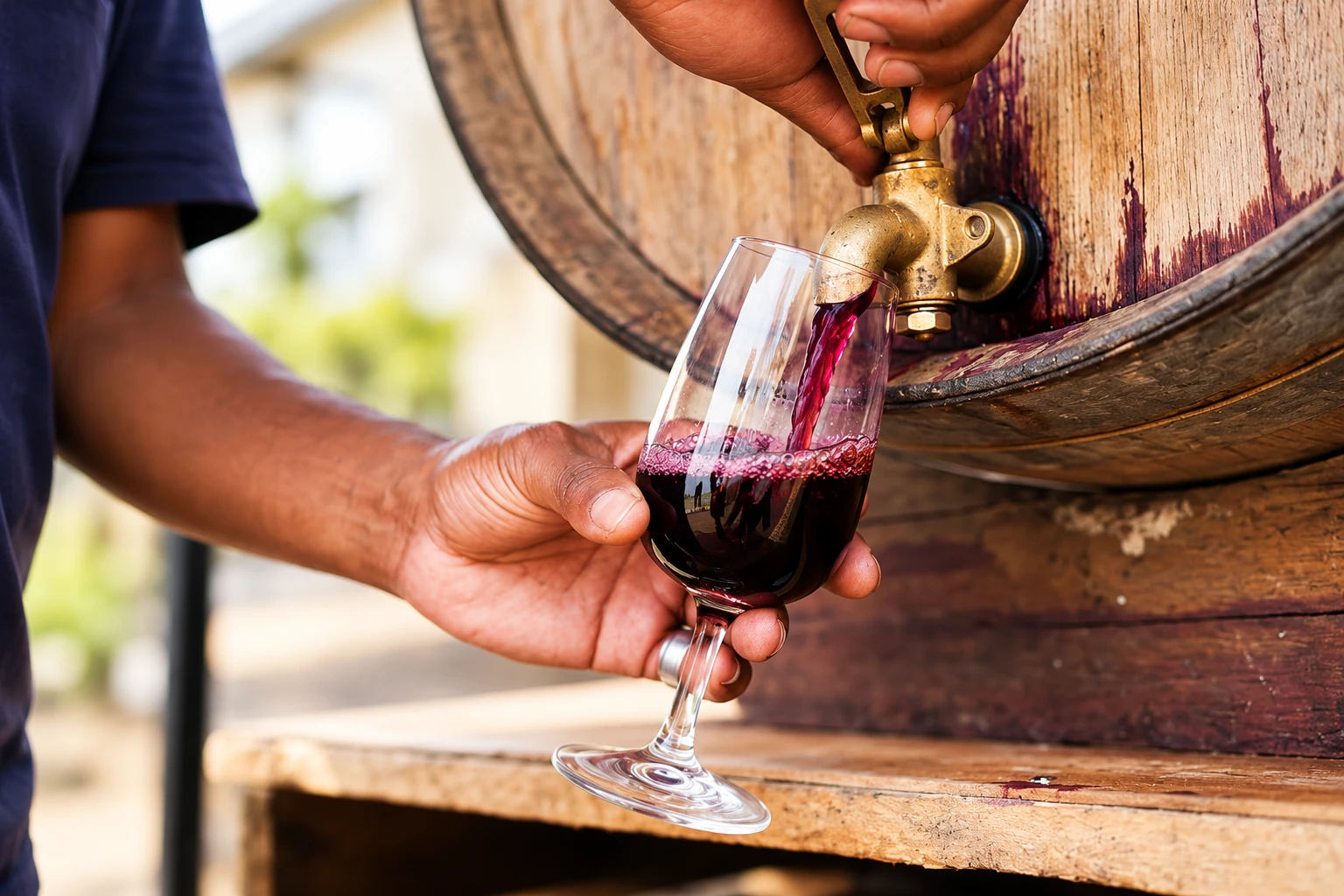
The wine ranges from rosé and sparkling to light and full-bodied reds aged in wood. Common aromas are blackberry, plum, cherry, spices and sometimes florals; acidity is medium to high and tannins are soft. Pinotage is also the base of the so-called Cape Blend, South African red blends. On the Stellenbosch wine routes, many wineries offer tastings.


 Brazil
 Argentina
 Bolivia
 Chile
 Colombia
 Ecuador
 Guyana
 French Guiana
 Falkland Islands (Malvinas)
 Paraguay
 Peru
 Suriname
 Uruguay
 Venezuela
 Germany
 Austria
 Belgium
 Croatia
 Denmark
 Spain
 Finland
 France
 Greece
 the Netherlands
 Hungary
 Ireland
 Iceland
 Italy
 Luxembourg
 Norway
 Poland
 Portugal
 the United Kingdom
 the Czech Republic
 Sweden
 Switzerland
 Turkey
 the United States
 Mexico
 the Dominican Republic
 Australia
 Fiji
 New Zealand