The cuisine
Traditional food of South Africa
South African cuisine brings together many heritages. Pap, the firm corn porridge, is part of the diet of many communities in the country. Dutch settlers planted the Cape’s first vines, and French Huguenots later contributed to viticulture. Enslaved people brought from Indonesia, India and Madagascar by the Dutch East India Company gave rise to the Cape Malay cuisine, with its spices and sweet‑with‑savory combinations. Indian workers who arrived in Natal in the 19th century brought curry. And the braai, the charcoal barbecue, brings everyone together on weekends.
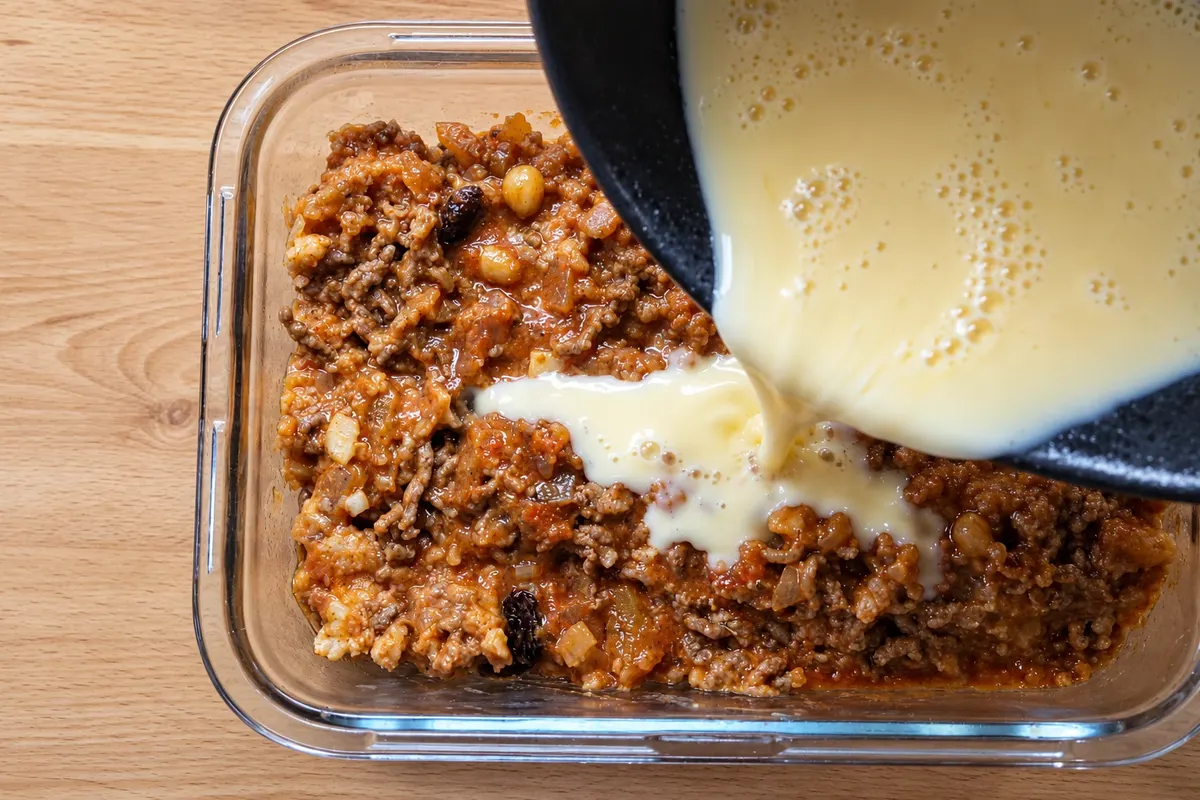
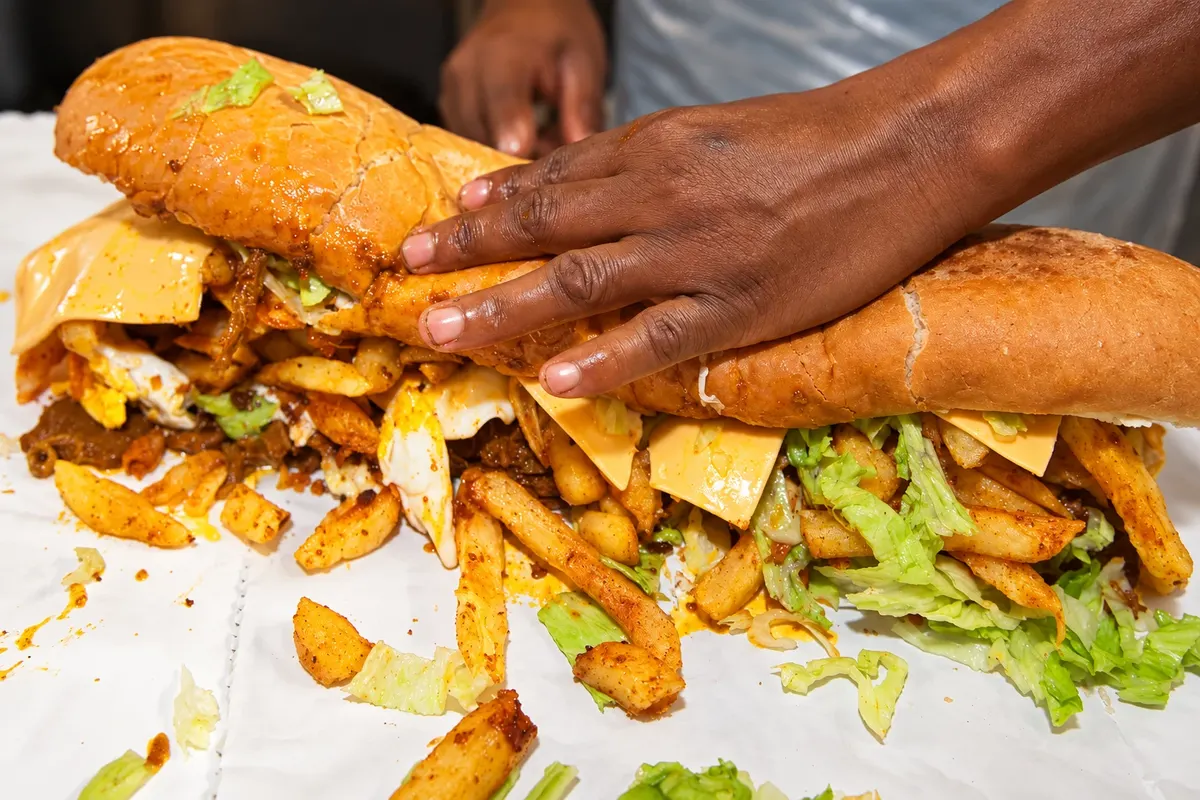
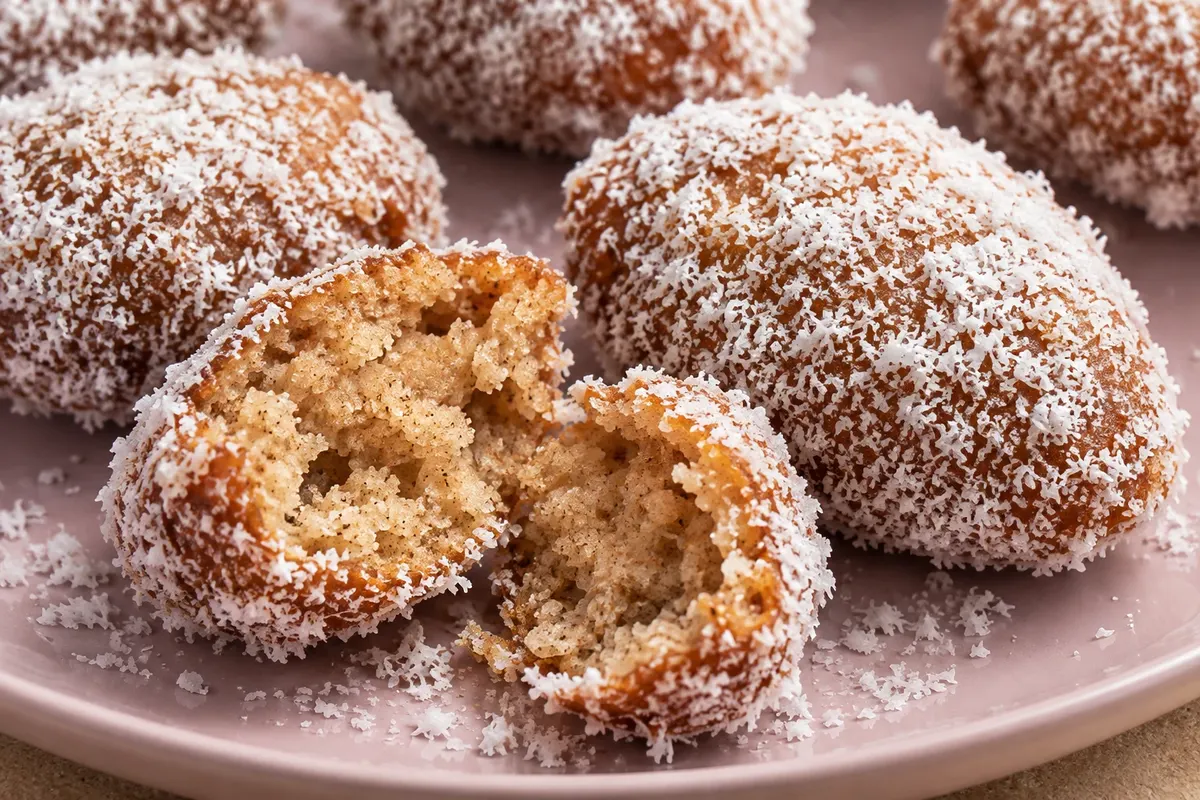
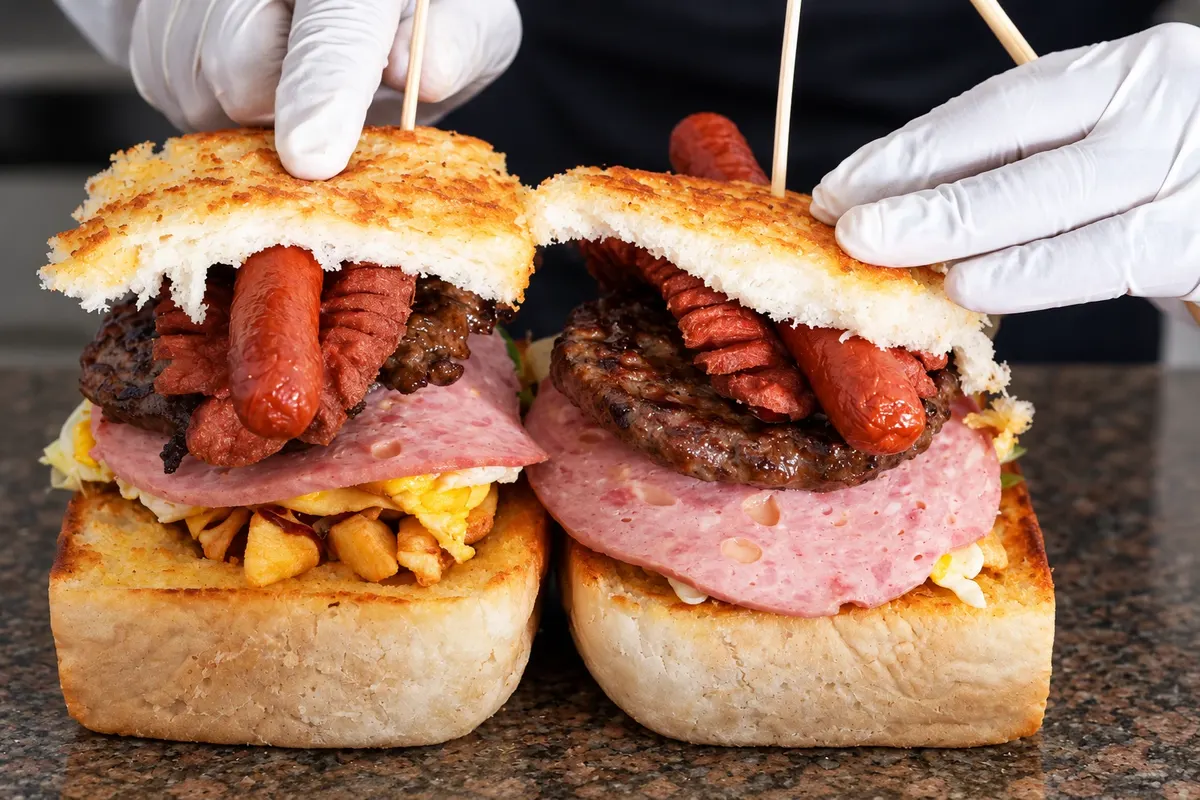
In Cape Town that mix shows up in three specialties. Bobotie, spiced minced meat baked under an egg topping, is a well‑known Cape Malay dish. The koe'sister, a spiced fried dough ball soaked in syrup and rolled in coconut, is the Sunday breakfast in Bo‑Kaap and other city neighborhoods. And the gatsby, a long roll stuffed with fries, meat and sauce, was born in a fish‑and‑chips shop in Athlone on the Cape Flats and is made to share.
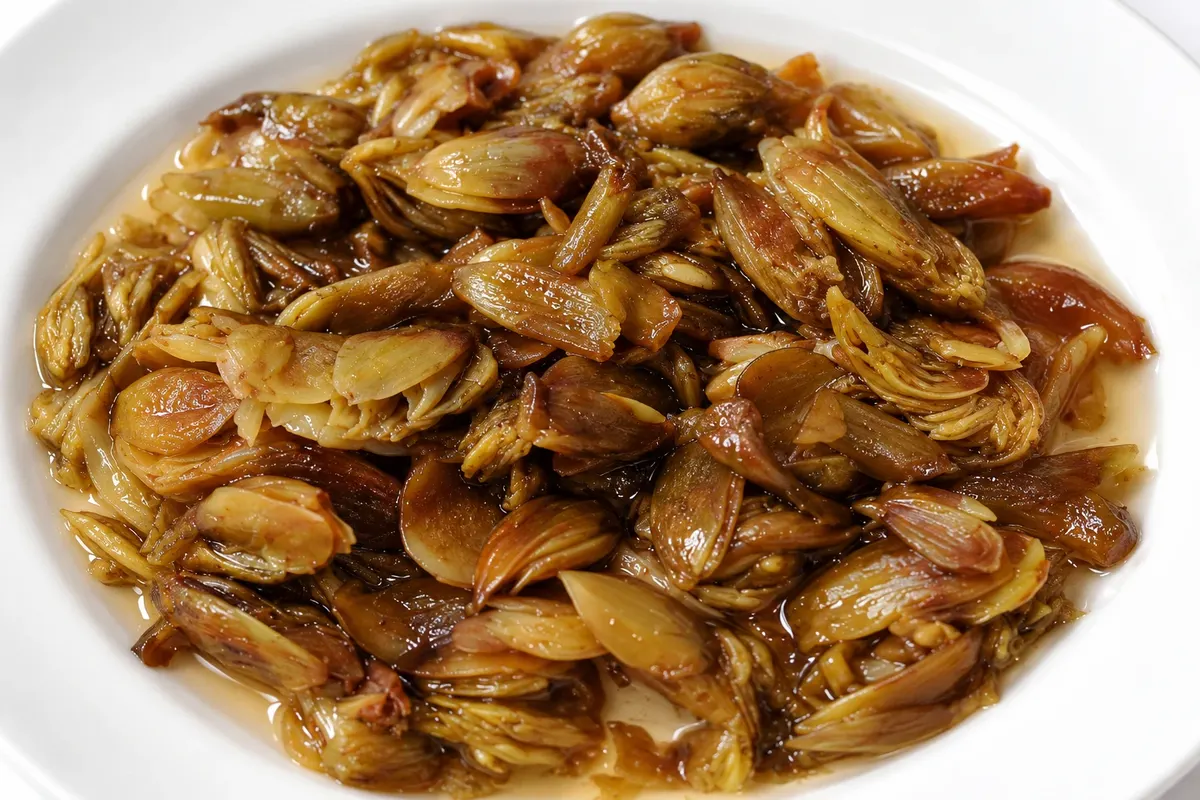
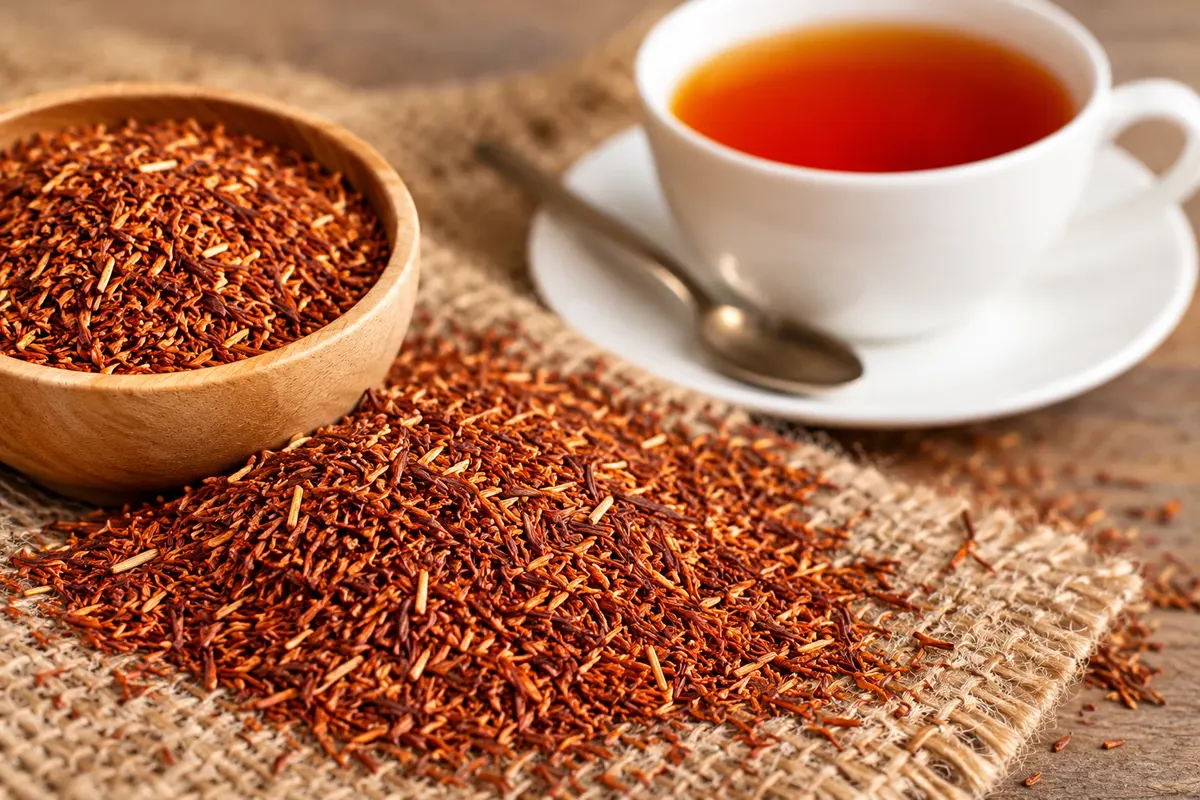
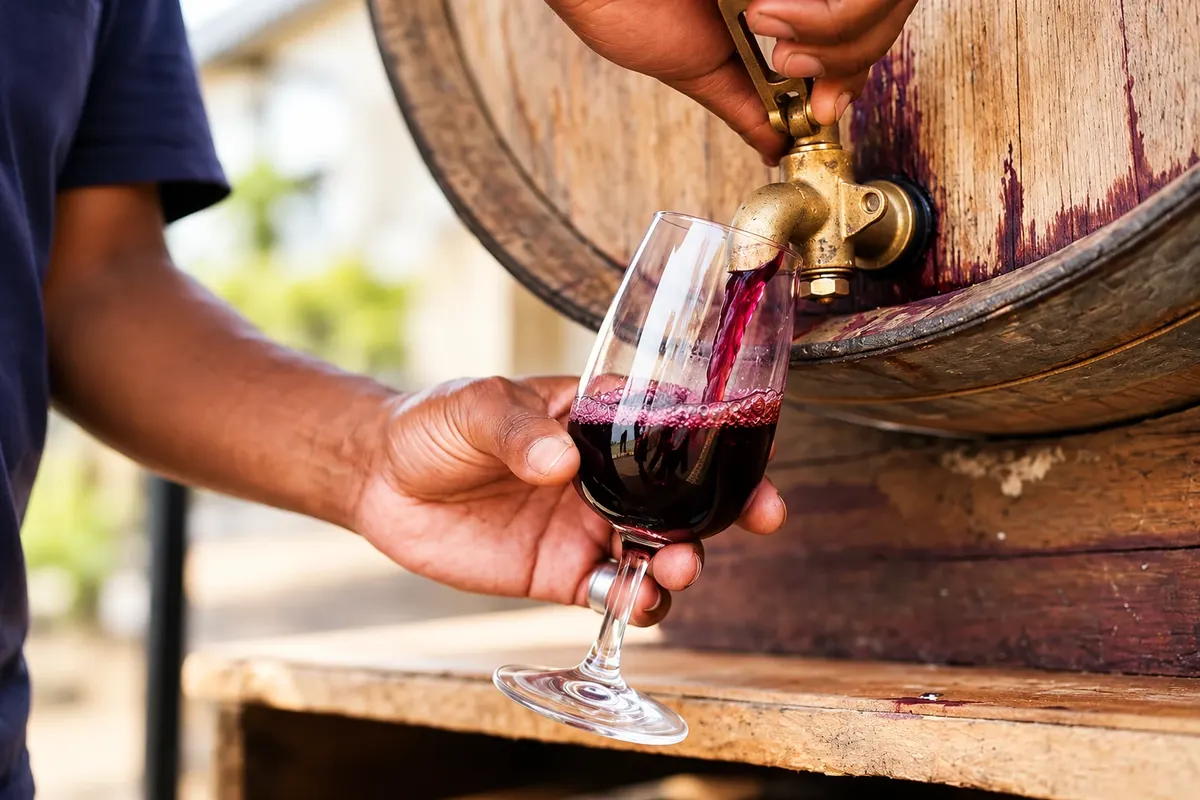
Nearby, in Stellenbosch, a university professor crossed two grape varieties in the 1920s and created Pinotage, South Africa’s own red grape. Across the Western Cape, winter brings waterblommetjiebredie, a lamb stew made with the flowers of a native aquatic plant. And in Clanwilliam, at the foot of the Cederberg, rooibos — a drink made from the oxidized leaves of a native shrub from the Cederberg and nearby areas — has protected geographical indication.
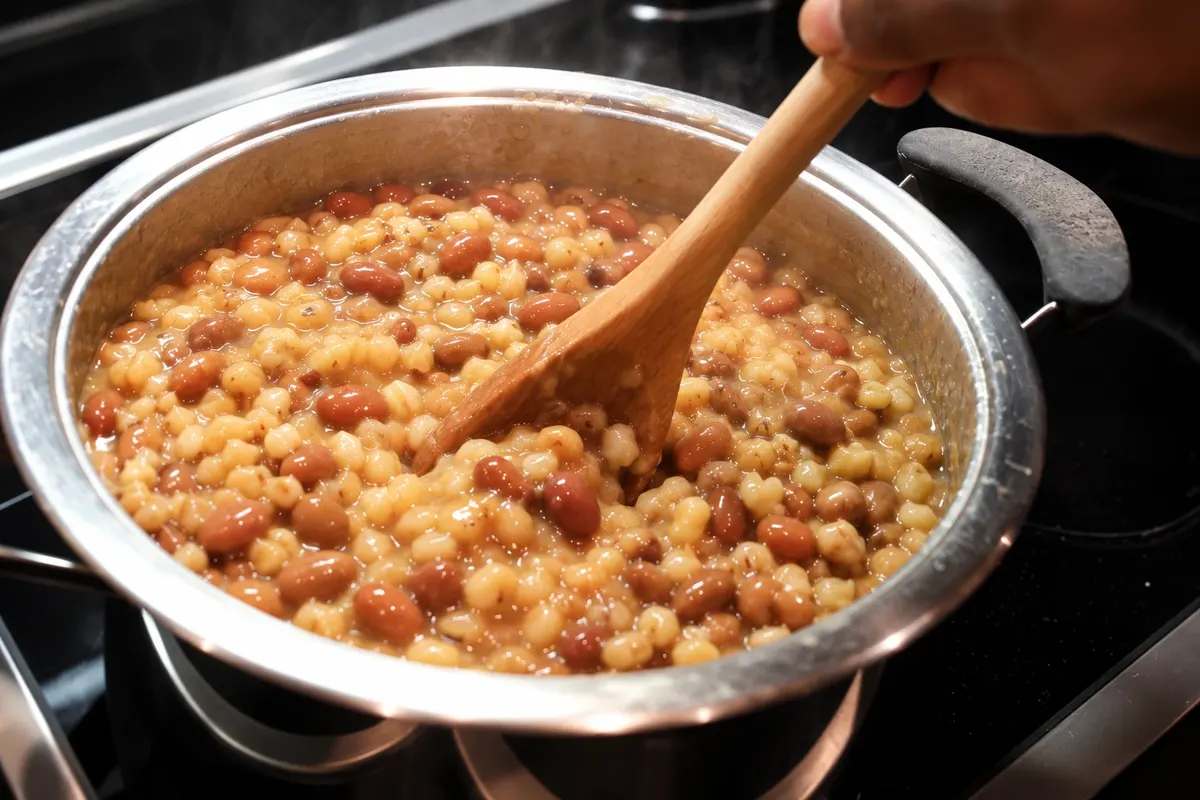
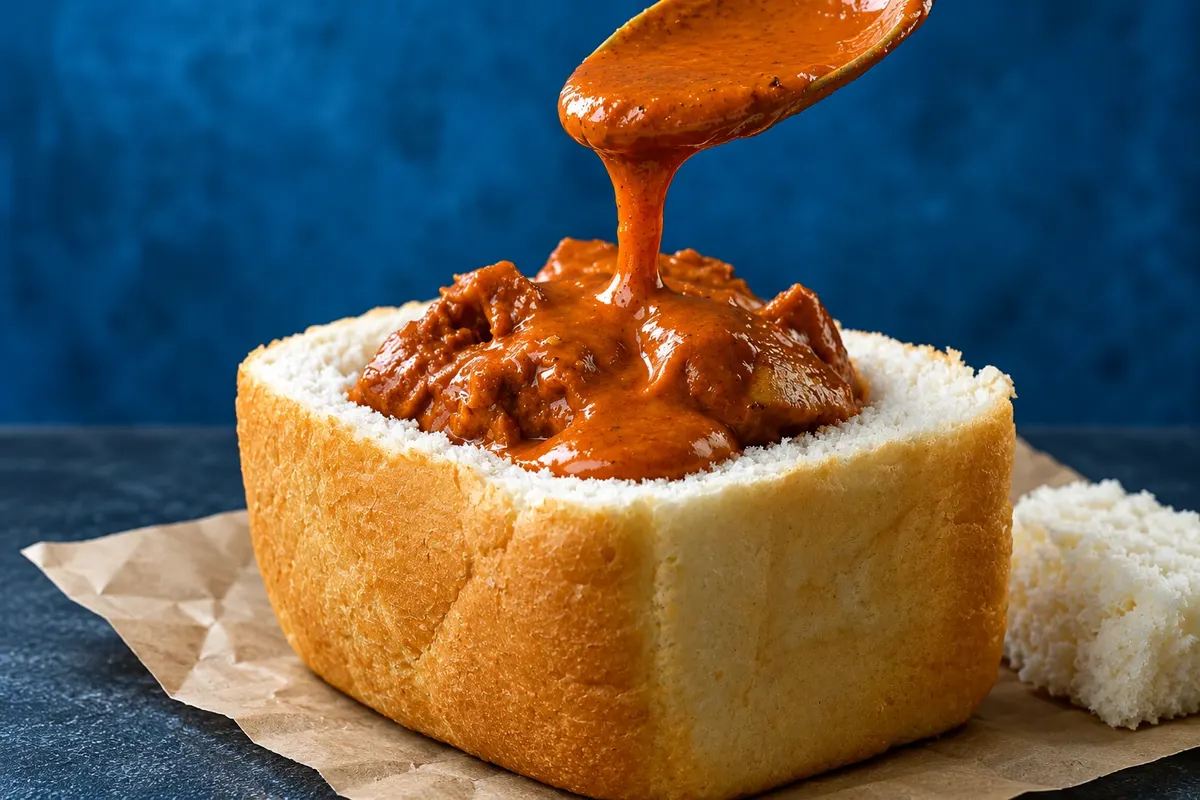
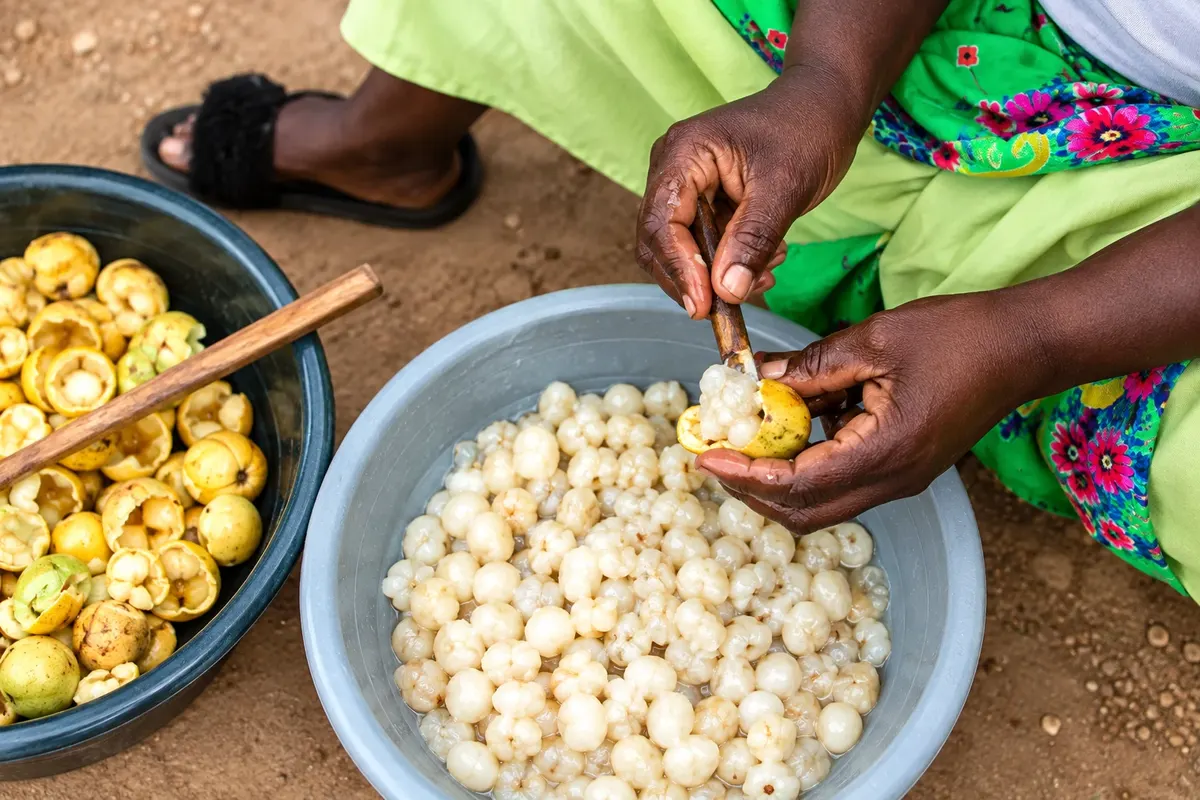
In Durban, the community of Indian origin created the bunny chow, curry served inside a hollowed‑out loaf. In Johannesburg, the townships developed their hollow‑bread sandwich, the kota, filled with fries, sausages and achar. In the Eastern Cape, land of the Xhosa, umngqusho — broken maize cooked with beans — is the everyday dish and was Nelson Mandela’s favorite. And in Limpopo, at the end of summer, communities ferment marula fruit into vukanyi, a drink that opens the season with the first‑fruit festival and is served at the Phalaborwa marula festival.


 Brazil
 Argentina
 Bolivia
 Chile
 Colombia
 Ecuador
 Guyana
 French Guiana
 Falkland Islands (Malvinas)
 Paraguay
 Peru
 Suriname
 Uruguay
 Venezuela
 Germany
 Austria
 Belgium
 Croatia
 Denmark
 Spain
 Finland
 France
 Greece
 the Netherlands
 Hungary
 Ireland
 Iceland
 Italy
 Luxembourg
 Norway
 Poland
 Portugal
 the United Kingdom
 the Czech Republic
 Sweden
 Switzerland
 Turkey
 the United States
 Mexico
 the Dominican Republic
 Australia
 Fiji
 New Zealand