Tottori (Japan)

Tottori · Japan

Tottori (Japan)

The largest sand dunes in Japan open to visitors on the Sea of Japan, with the Sand Museum, the rocky Uradome coast and the Jinpukaku mansion at the foot of the old castle.

Chugoku

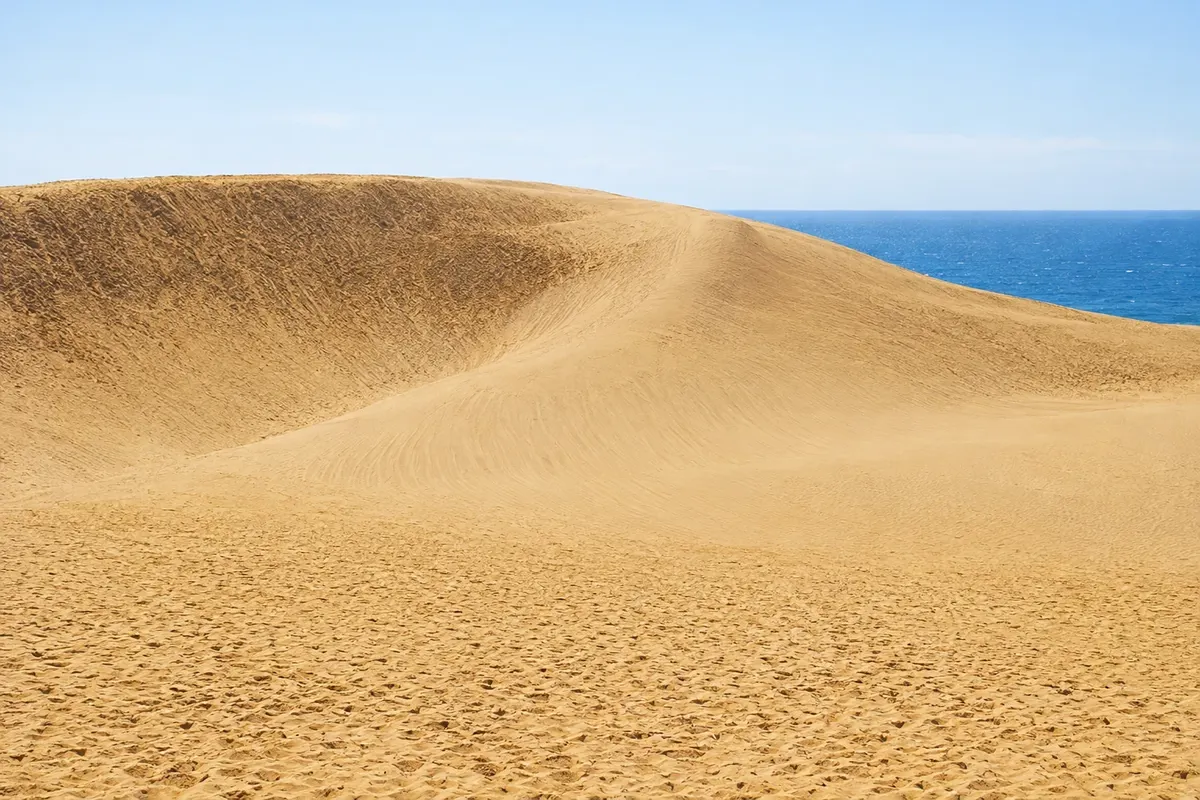
In the photo: Sand crest of the Tottori dunes.

Illustrative images. The pictures in this guide are illustrations based on the real place, not photographs, and may differ from it.

Get to know the place

A region to enjoy
at your own pace.

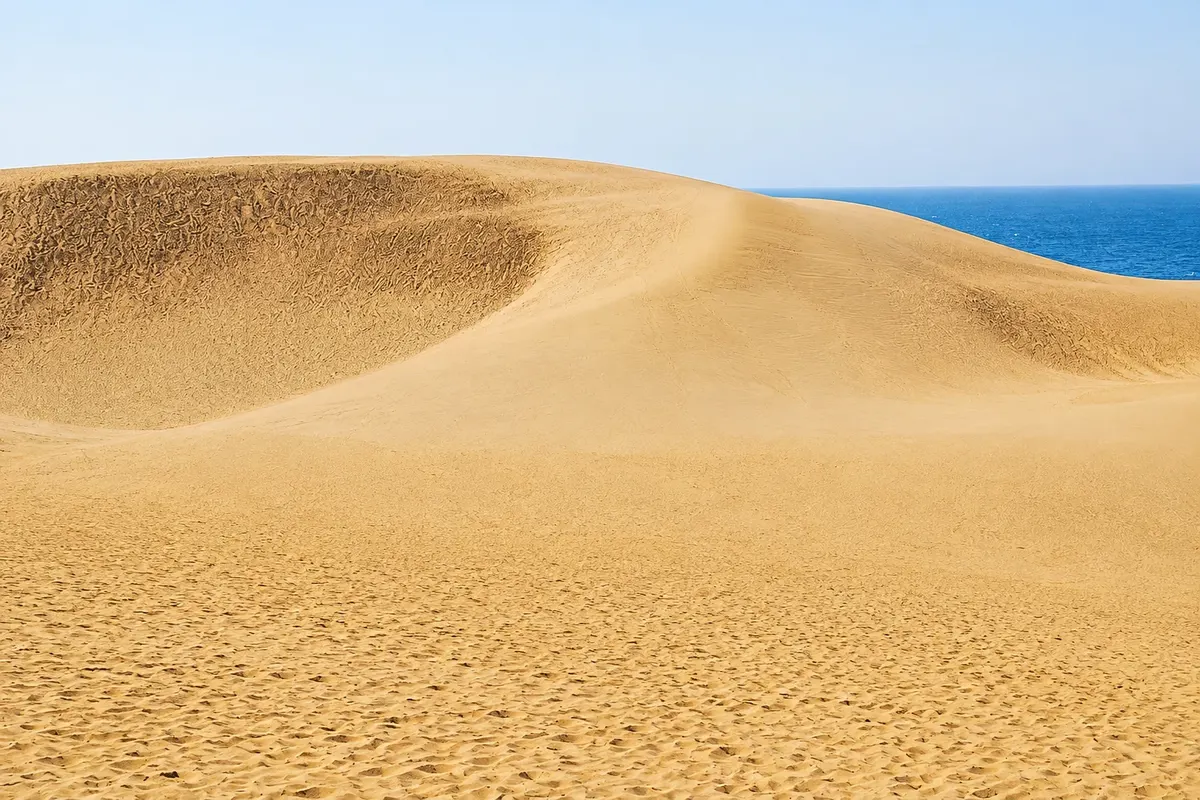
Tottori is the capital of Japan’s least populous prefecture, on the Sea of Japan coast in the Chugoku region. The city is best known for the sand dunes that stretch about 16 km along the shore, formed over thousands of years by sand carried from the mountains by the Sendai River and returned to the coast by the sea and wind. It is a rare landscape in the country, where almost all coastline is rock or occupied by ports and cities.

In the visitor-accessible area, the highest dune, called Uma-no-Se, rises to about 47 meters, and from the top you can see the sea. Visitors walk barefoot or in boots on the sand, ride camels, practice sandboarding and paragliding. Next door, the Sand Museum displays a yearly exhibition of large sand sculptures about a country or region of the world, created by invited sculptors.

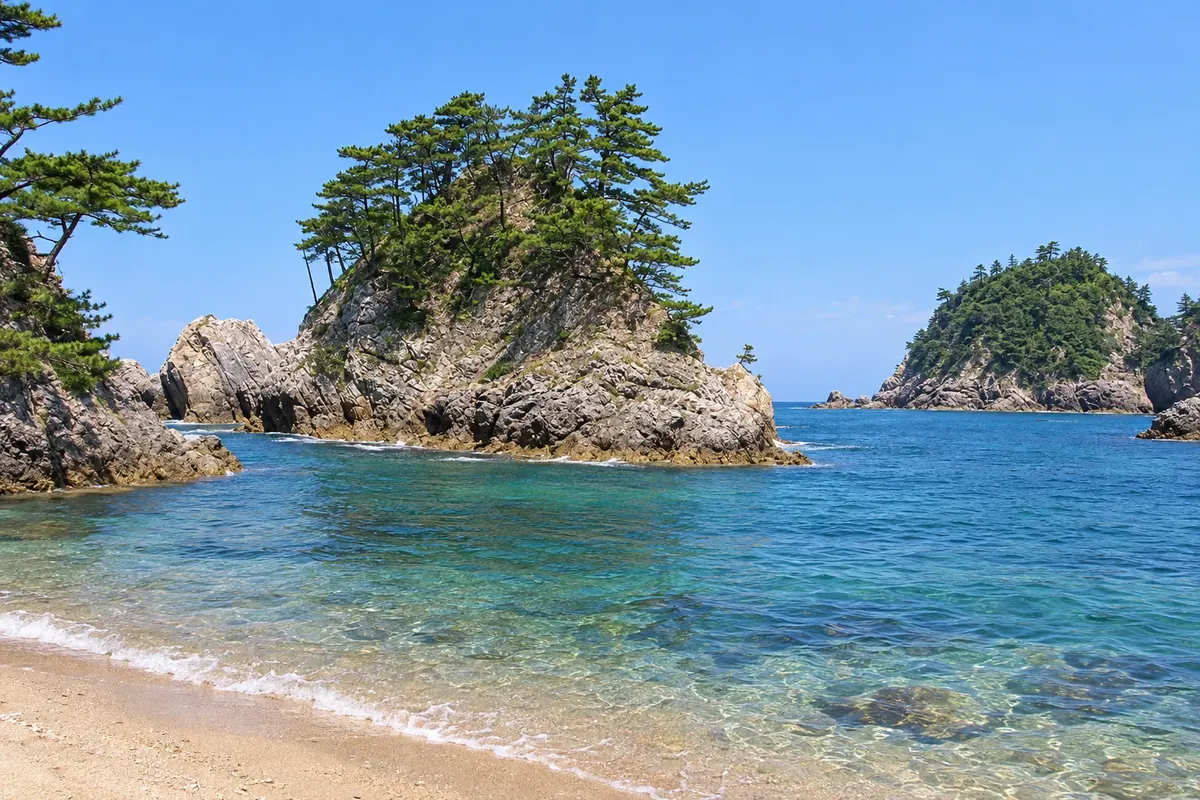
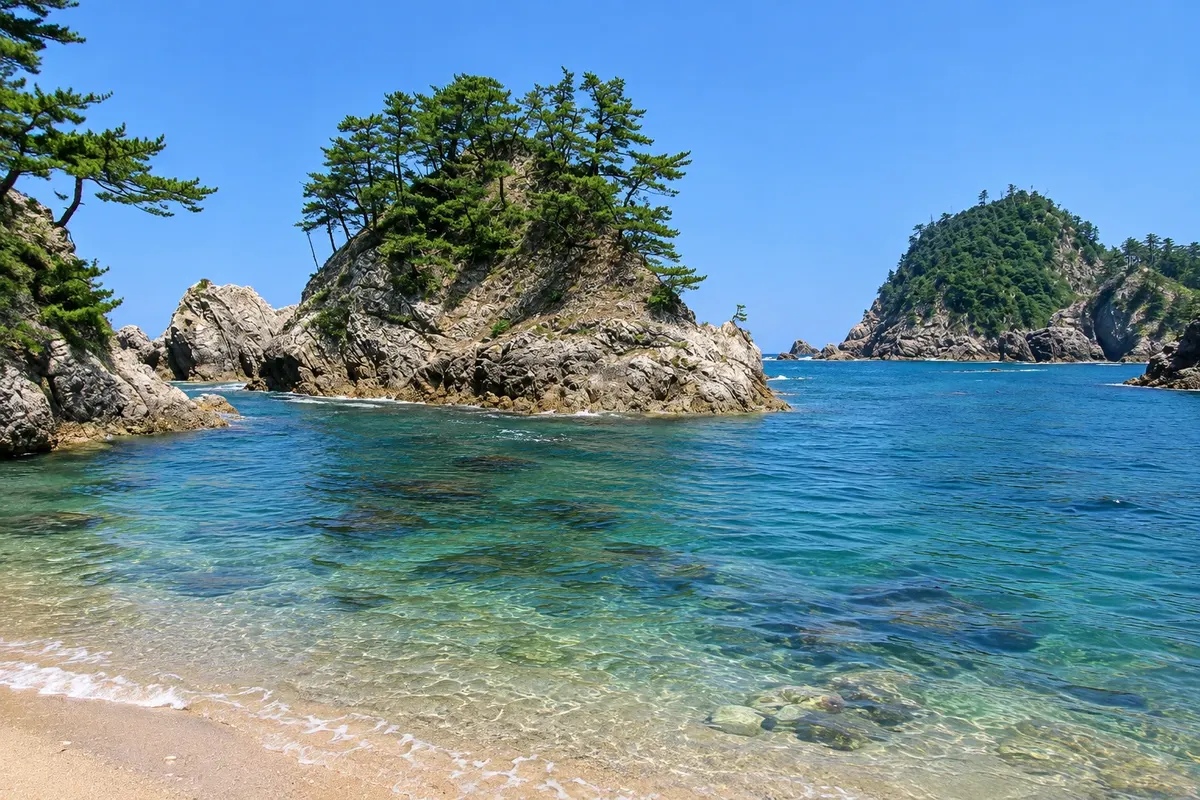
To the east of the dunes, the Uradome coast has rocky islets, pine trees and white-sand beaches, viewable from sightseeing boats. Together with the dunes, it is part of the UNESCO geopark that covers this coast up toward Kyoto. In the city center, the European-style Jinpukaku mansion stands at the foot of the ruins of Tottori Castle, on a hill with stone walls and cherry trees.

Winter brings snow crabs landed at the prefecture’s ports, and autumn brings nashi pears, one of Tottori’s signature fruits. The city is also a gateway to Mount Daisen to the west and to the San’in coast that continues to Matsue and Izumo.

This destination brings together 1 city: Tottori.

Share: WhatsApp
Traveler, share your experiences through photos Up to 5 photos of each place you visited.

One destination, many paths

The cities on this trip

Start with one city or combine several in your itinerary.

Where Tottori (Japan) is
Tottori

Dados cartográficos: © OpenStreetMap contributors, via Wambacher / geoBoundaries (ODbL 1.0). Adapted by Cidade Turismo.

How to get there: Tottori (Japan)

✈ Aeroporto de Tottori (TTJ) · 12 km to Tottori

The Super Hakuto limited express links Osaka to Tottori in about 2 hours 30 minutes and Kyoto in about 3 hours; the Super Inaba comes from Okayama. Tottori Airport is about 12 km from the city center, with flights from Tokyo (Haneda) and buses to the station.

The local experience

Things to do in Tottori (Japan)

Tottori Sand Dunes
Tottori · Tottori · Natural scenery

Tottori Sand Dunes

Dune field on the Sea of Japan coast, with the Uma‑no‑Se dune of about 47 meters, camel rides, sandboarding and paragliding, part of a national park and a UNESCO geopark.

Sand Museum
Tottori · Tottori · Museum

Sand Museum

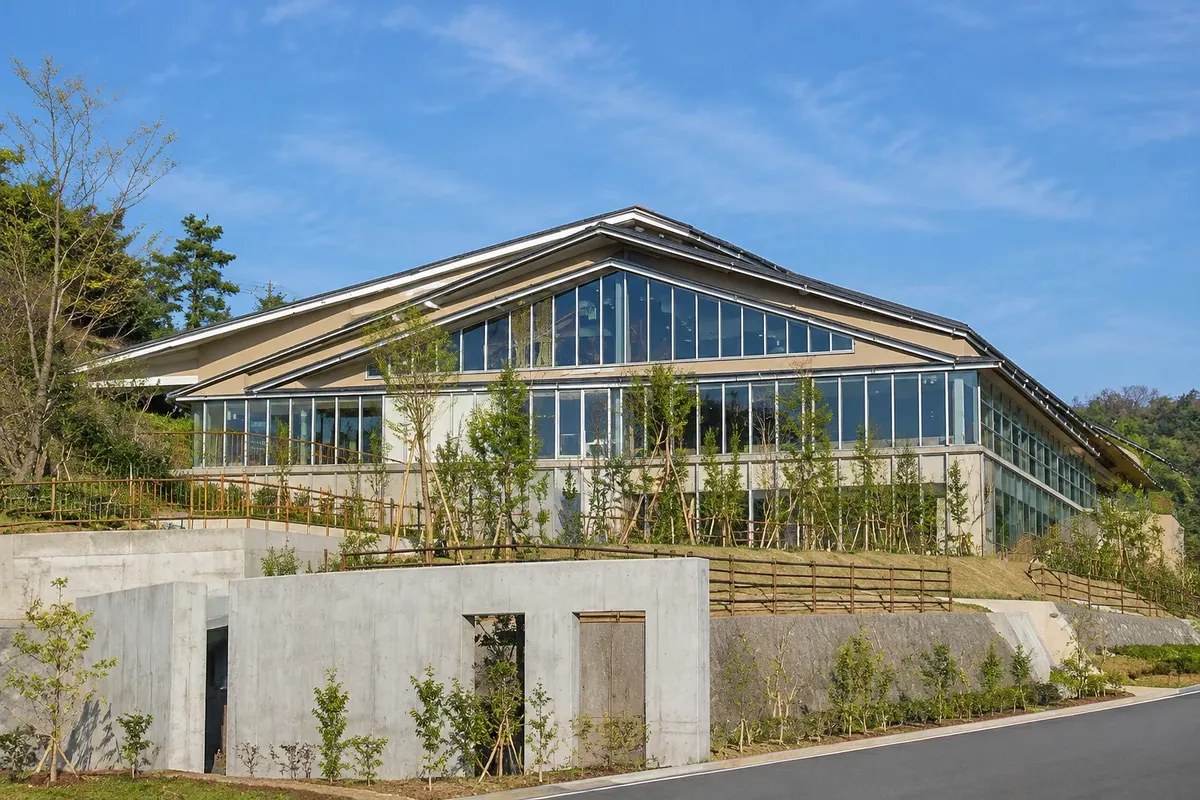
Museum beside the Tottori dunes with large sand sculptures made by sculptors from several countries, in an exhibition on a world theme that changes each year.

Uradome Coast
Tottori · Tottori · Coast

Uradome Coast

Coastline of about 15 km east of the Tottori dunes, with small rocky islets covered in pines, caves, white-sand beaches and clear water, seen from sightseeing boats, in the San’in Coast UNESCO Global Geopark.

Before you go

Practical information

A little planning leaves more time to enjoy the journey.

When to go

In spring and late autumn the climate tends to be mild for walking on the dunes. In summer the sand heats up a lot in sunny hours. The crab months run from November to March, with snow on some days and cold winds. The Sand Museum usually closes between early January and mid-April.

The seasons shown are the most usual ones; nature doesn't always follow the calendar.

How many days to stay

One day is enough for the dunes and the Sand Museum. With two days, add the Uradome coast and Jinpukaku mansion, or head to Mount Daisen and Matsue.

Which city to stay in

The area around Tottori Station concentrates hotels and restaurants and has buses to the dunes. There are few accommodations near the dunes. The Iwai hot-spring resort, near Uradome, and the hot-spring district in central Tottori have ryokans.

Respect the place

Take your trash with you, follow the signs and support local businesses. In natural areas, follow the visiting guidelines.

Get your questions answered

Frequently asked questions about Tottori (Japan)

How many days should I allocate for Tottori?

Set aside one day for the sand and the museum next to it; with a second day you can include Uradome and the city center.

Can you visit Tottori as a day trip from Osaka?

Yes, with about 2 hours 30 minutes each way by train, but the day will be long. An overnight stay in the city makes the visit more relaxed.

Do I need a car in Tottori?

No for the dunes and the Sand Museum, which are served by buses from the station. For Uradome and the coast, a car or bus tours are helpful.

What is the best time for the Tottori dunes?

Spring and autumn, with mild temperatures. In summer the sand becomes very hot in sunny hours; in winter the wind is cold and there can be snow.

Does Tottori pair well with Matsue and Izumo?

Yes. Trains and buses run along the San’in coast to Matsue in about 1.5 to 2 hours.

Explore other destinations Search by state and city

Beyond the guide