

 Brazil
 Antarctica
 Argentina
 Bolivia
 Chile
 Colombia
 Ecuador
 Guyana
 French Guiana
 Falkland Islands (Malvinas)
 Paraguay
 Peru
 Suriname
 Uruguay
 Venezuela
 Germany
 Austria
 Belgium
 Croatia
 Denmark
 Slovakia
 Slovenia
 Spain
 Finland
 France
 Greece
 the Netherlands
 Hungary
 Ireland
 Iceland
 Italy
 Luxembourg
 Norway
 Poland
 Portugal
 the United Kingdom
 the Czech Republic
 Sweden
 Switzerland
 Turkey
 Bermuda
 Canada
 the United States
 Greenland
 Mexico
 Saint Pierre and Miquelon
 the Dominican Republic
 South Africa
 Egypt
 Australia
 Fiji
 New Zealand
 Papua New Guinea
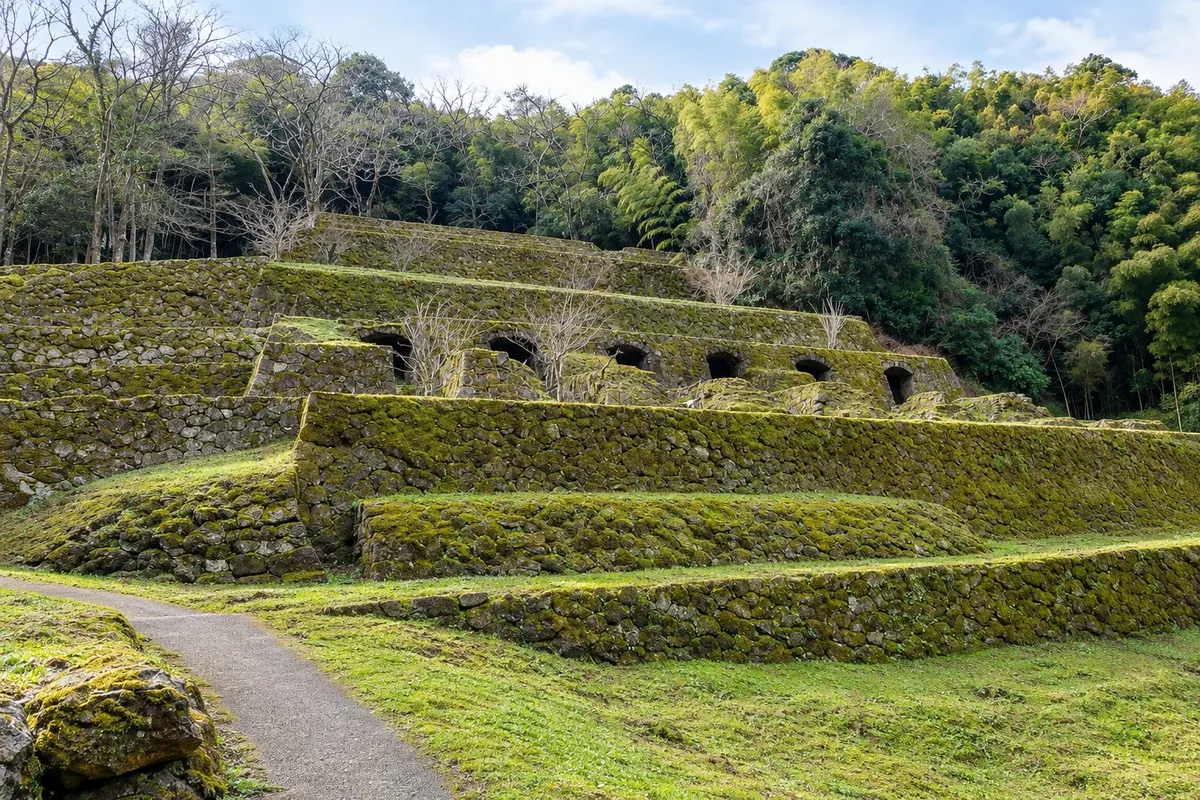
Historic site · Izumo, Shimane
Iwami Ginzan Silver Mine (Iwami Ginzan)
Former silver mine in the Oda mountains, a UNESCO World Heritage Site, with the Ryugenji Mabu tunnel open to visitors, the village of Omori and the hot‑spring port of Yunotsu.
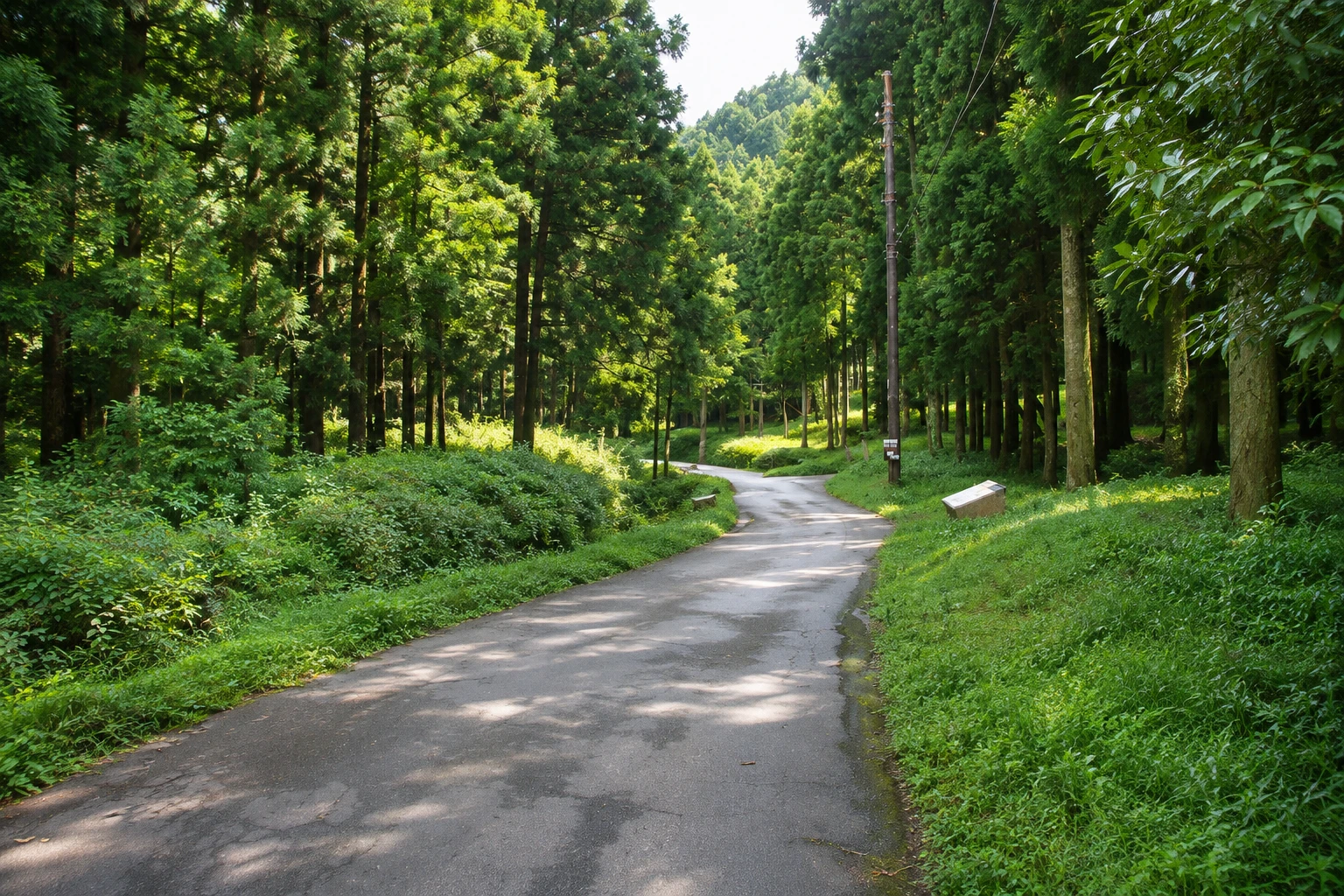
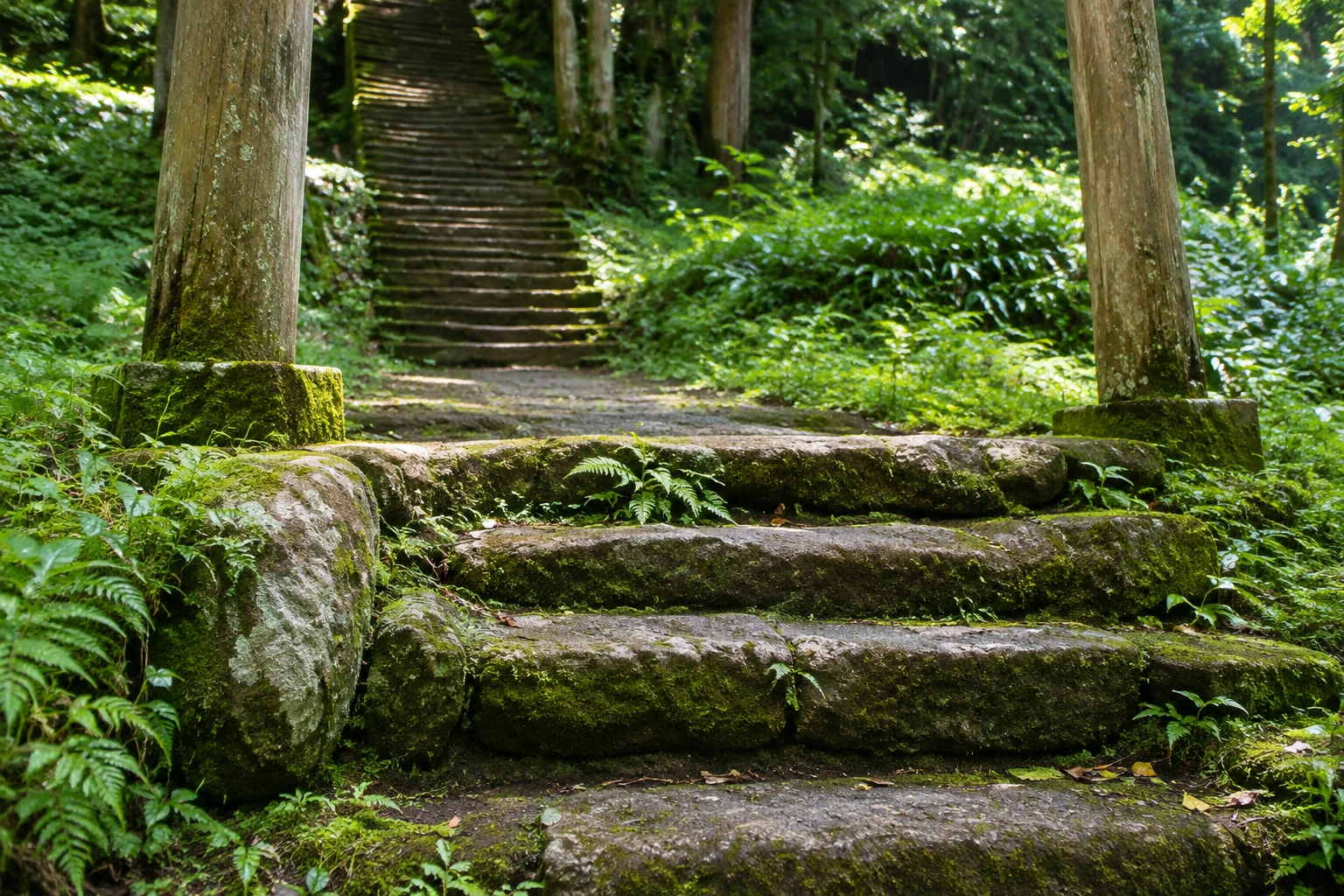
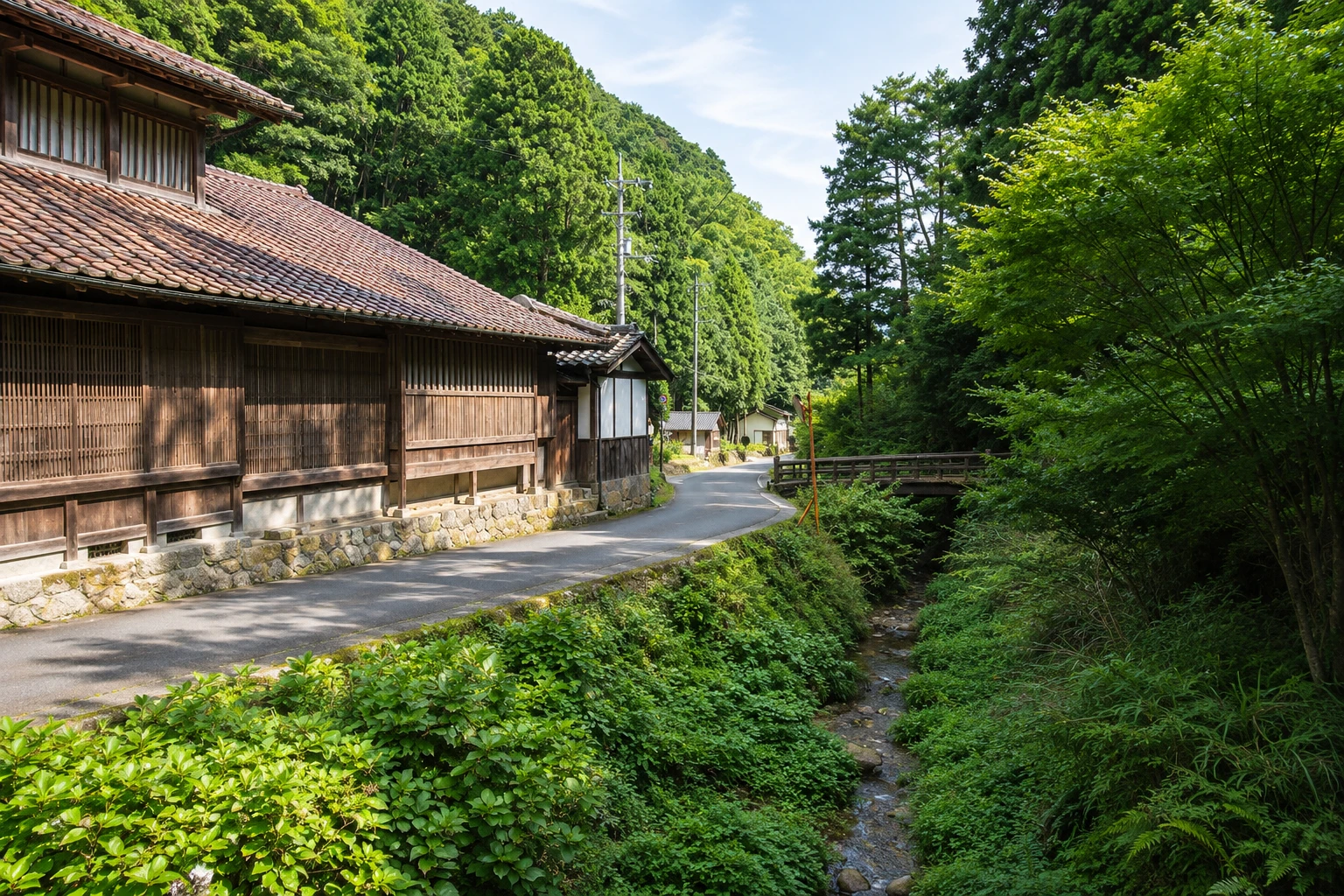
Illustrative images. The pictures in this guide are illustrations based on the real place, not photographs, and may differ from it.

A look at the place
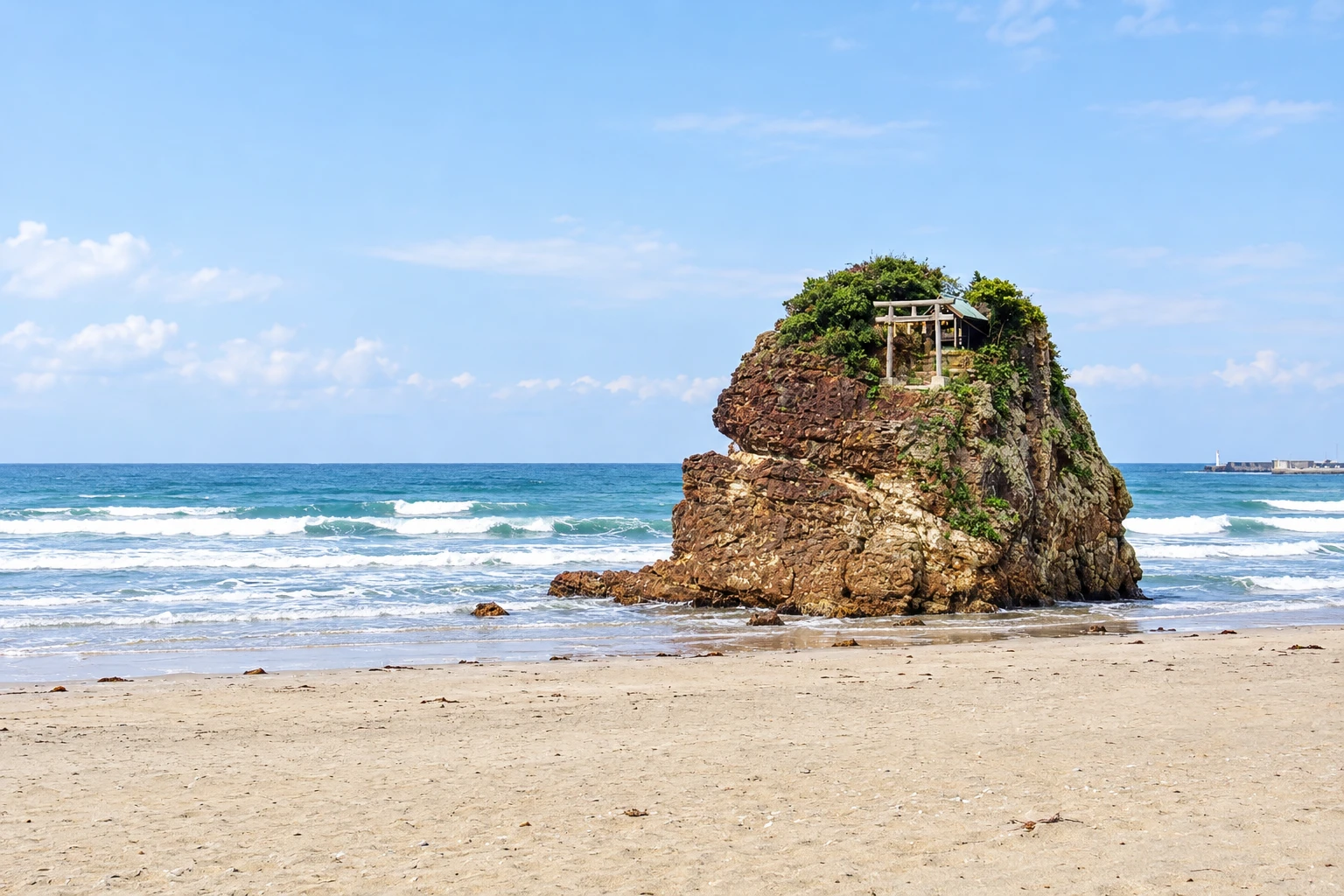
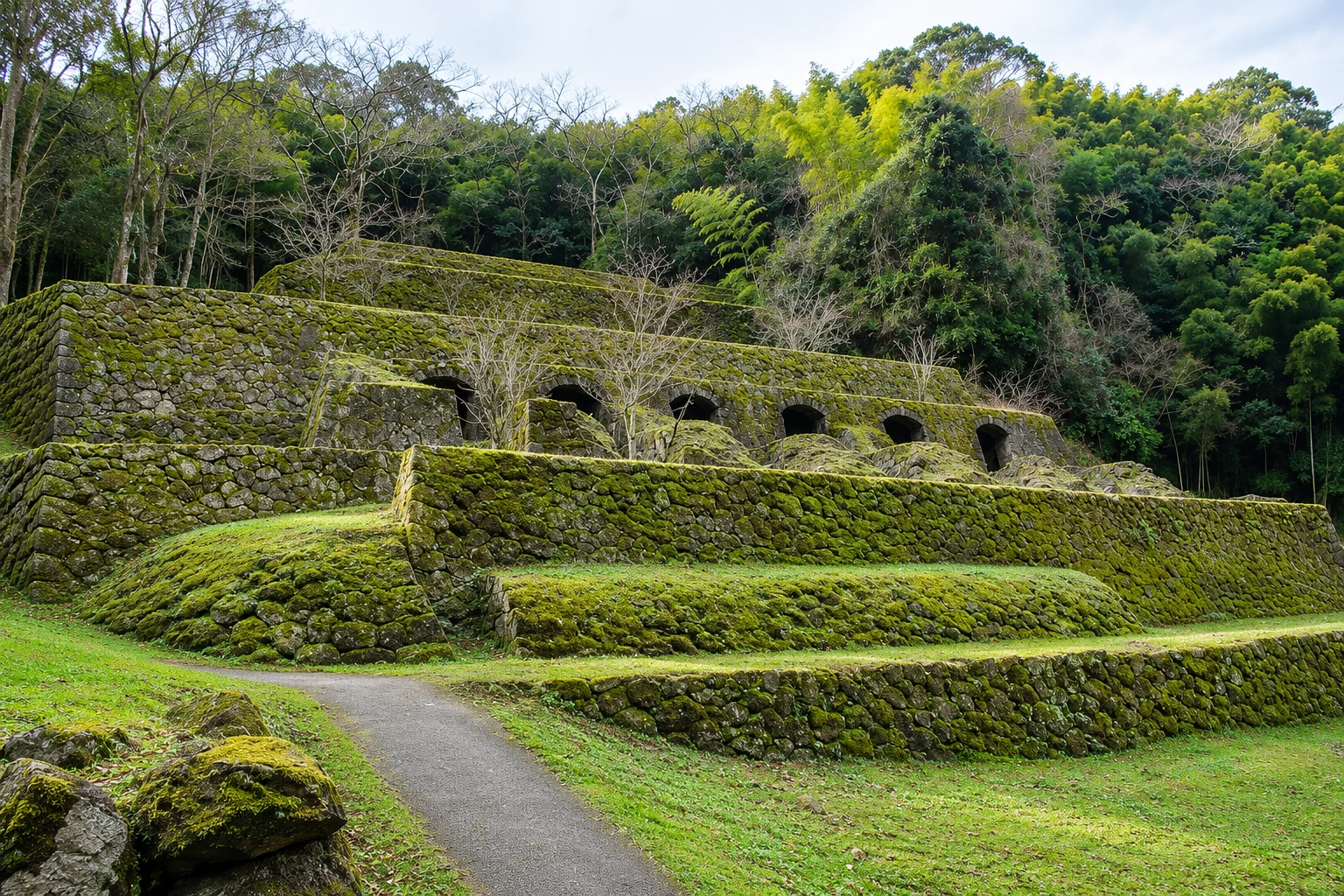
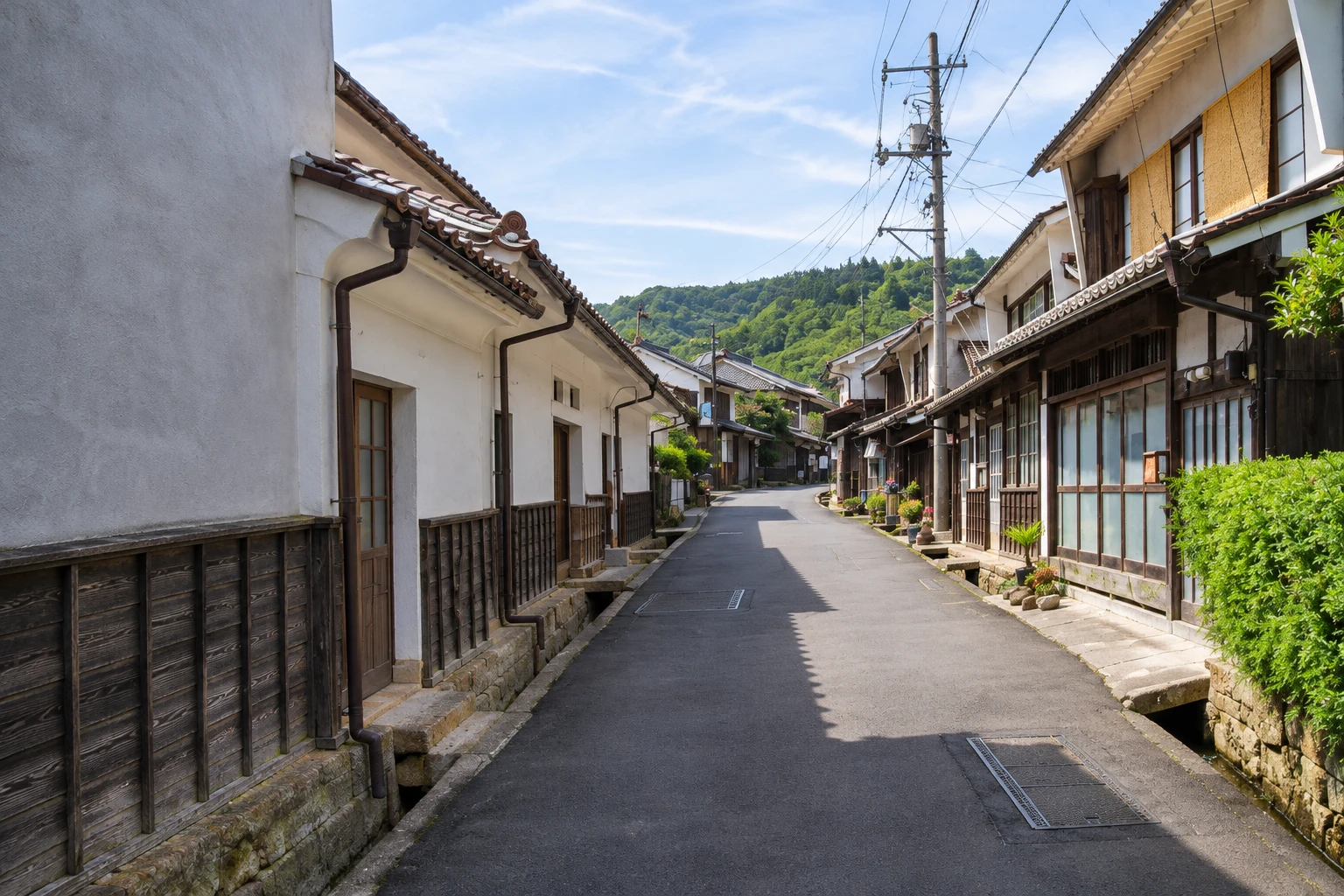
Iwami Ginzan Silver Mine (Iwami Ginzan) in pictures
These pictures are illustrations based on the real place, not photographs. They may differ from the place.
Click the picture to enlarge it.
Discover
About Iwami Ginzan Silver Mine (Iwami Ginzan)
Iwami Ginzan is an old silver mine inland from Oda on Shimane’s central coast, worked from the 16th century until the early 20th century. At its peak in the early 17th century, Japanese silver supplied much of Asian trade, and Iwami was a major source. The mine, miners’ village, roads and shipping ports were inscribed as a UNESCO World Heritage Site in 2007.
Forest has reclaimed the slopes where hundreds of mining tunnels, mabu, once ran. The best‑known tunnel open to visitors is Ryugenji Mabu, with an illuminated section showing tool marks on the walls and narrow side galleries. The path to it follows a stream for about 2 km from the village, passing woods, temples and kiln ruins.
The village of Omori, along a narrow valley, preserves wooden merchant and samurai houses, the former shogunate office and temples. The main street has cafés and craft shops, and visitor cars are not allowed: they park at the World Heritage Center, from which buses run to the village. Electric bicycles can be rented for the route to the tunnel.
Silver was shipped from the ports of Yunotsu and Tomogaura. Yunotsu is also a hot‑spring village with two old bathhouses and wooden streets. A full visit takes a day, with some gentle uphill walking.
Before you go
Practical information
Cidade Turismo reviews its information regularly, but something may have changed. Check with the place before planning your trip.
How much time to set aside
Half a day to a full day to see Omori village, walk to Ryugenji Mabu and visit the World Heritage Center.
Best time
April to November is best, when the walking route is drier; in autumn the hillside forest changes color. The tunnel and museums have reduced hours in winter and close some days; check before you go.
How to get there
By train to Odashi Station on the San’in Line, about 50 minutes from Izumoshi, then by bus about 25 minutes to the World Heritage Center or Omori village. By car it’s about 50 km from Izumo; parking is at the World Heritage Center.
Tip
Start at the World Heritage Center for an overview, take the bus to the village and walk or cycle to Ryugenji Mabu. Return along Omori’s main street.
Get your questions answered
Frequently asked questions about Iwami Ginzan Silver Mine (Iwami Ginzan)
Can you enter the Iwami Ginzan mine?
Yes, in a section of the Ryugenji Mabu tunnel that is lit and prepared for visitors. Other tunnels can only be seen on guided tours with reservations.
How do you get to Iwami Ginzan without a car?
By train to Odashi and then by bus to the World Heritage Center or the village of Omori, in about 25 minutes.
How much time should you allow for Iwami Ginzan?
At least half a day; a full day allows time for the village of Omori, the walk to the tunnel and the World Heritage Center.
Can you drive to the village of Omori?
No. Visitor cars are left at the World Heritage Center parking lot, from where buses run to the village.
Beyond the guide


