

 Brazil
 Antarctica
 Argentina
 Bolivia
 Chile
 Colombia
 Ecuador
 Guyana
 French Guiana
 Falkland Islands (Malvinas)
 Paraguay
 Peru
 Suriname
 Uruguay
 Venezuela
 Germany
 Austria
 Belgium
 Croatia
 Denmark
 Slovakia
 Slovenia
 Spain
 Finland
 France
 Greece
 the Netherlands
 Hungary
 Ireland
 Iceland
 Italy
 Luxembourg
 Norway
 Poland
 Portugal
 the United Kingdom
 the Czech Republic
 Sweden
 Switzerland
 Turkey
 Bermuda
 Canada
 the United States
 Greenland
 Mexico
 Saint Pierre and Miquelon
 the Dominican Republic
 South Africa
 Egypt
 Australia
 Fiji
 New Zealand
 Papua New Guinea
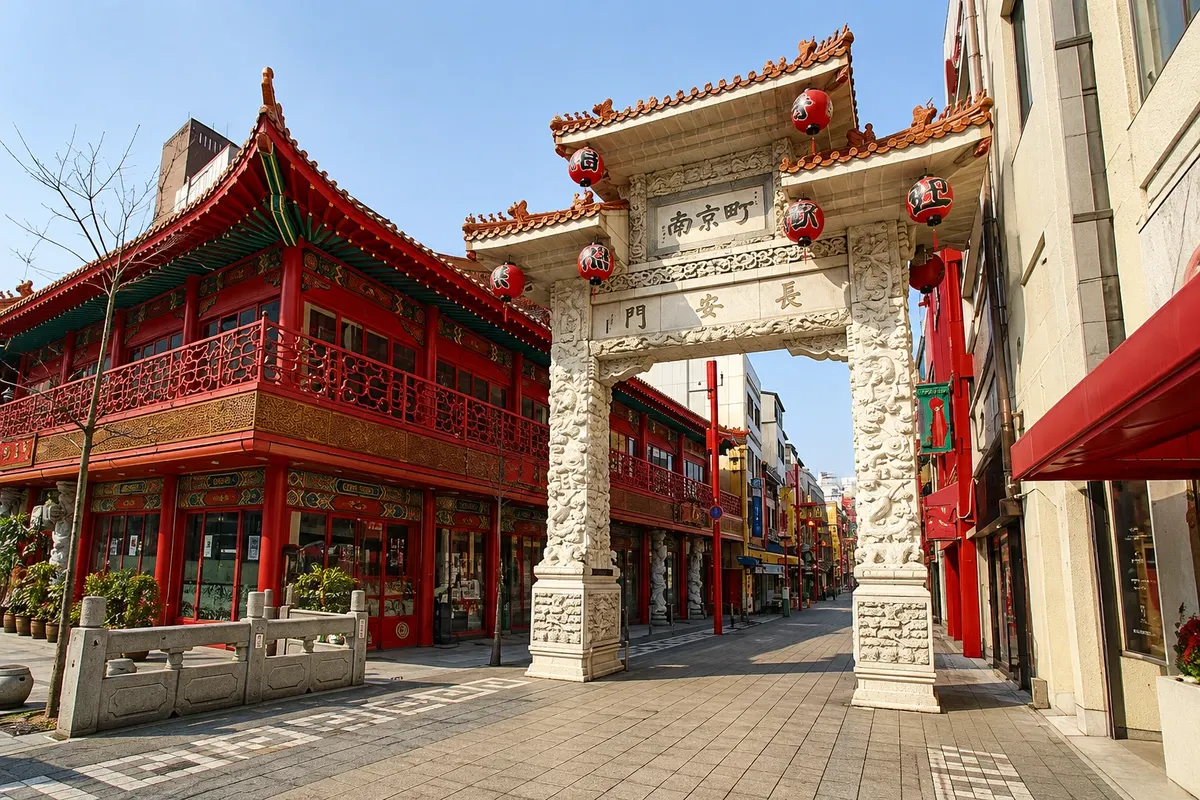
Neighborhood · Kobe, Hyogo
Nankinmachi
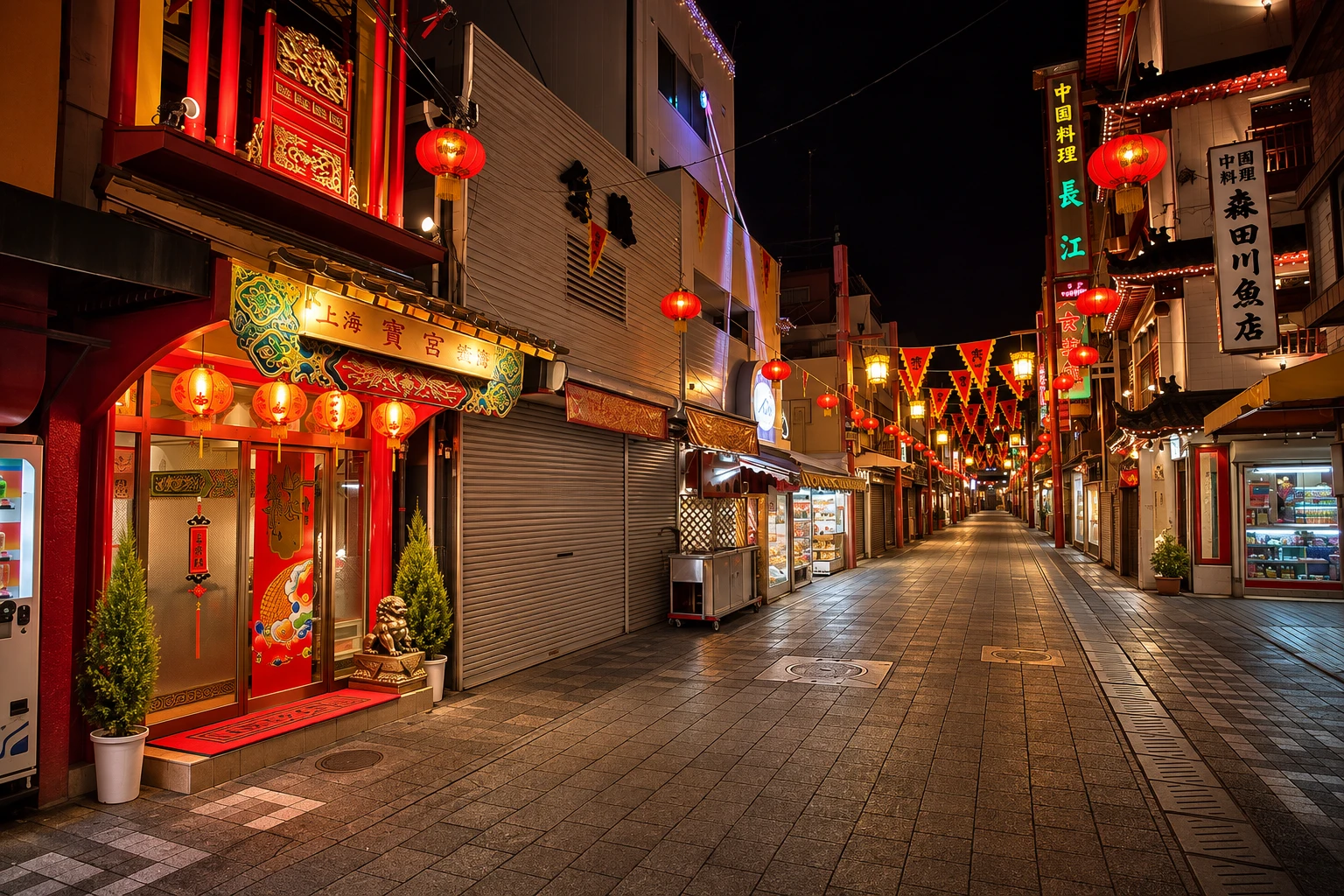
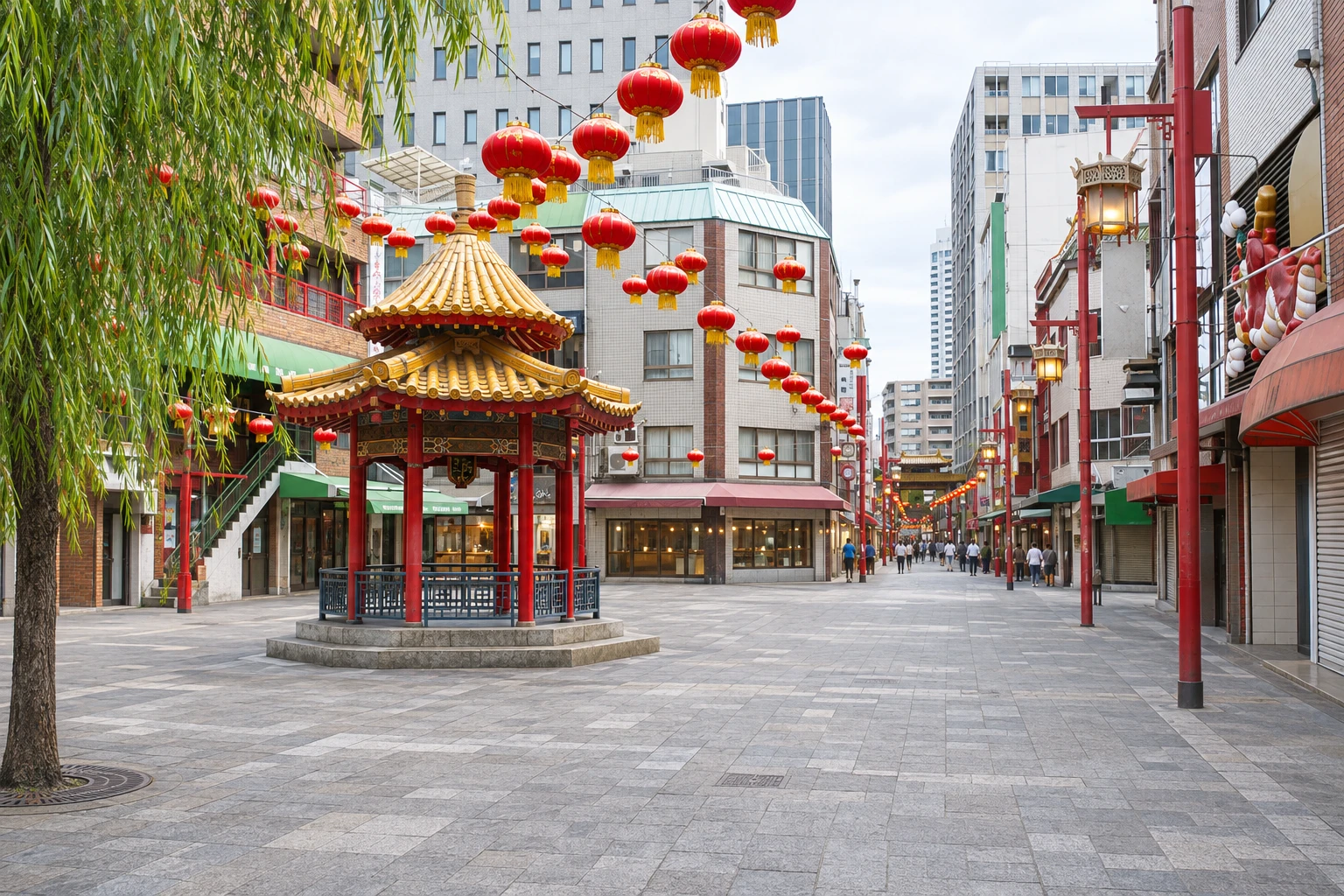
Kobe’s Chinatown, formed after the port opened, with the Choanmon gate, a pavilion in the center and streets full of food stalls.
Illustrative images. The pictures in this guide are illustrations based on the real place, not photographs, and may differ from it.

A look at the place
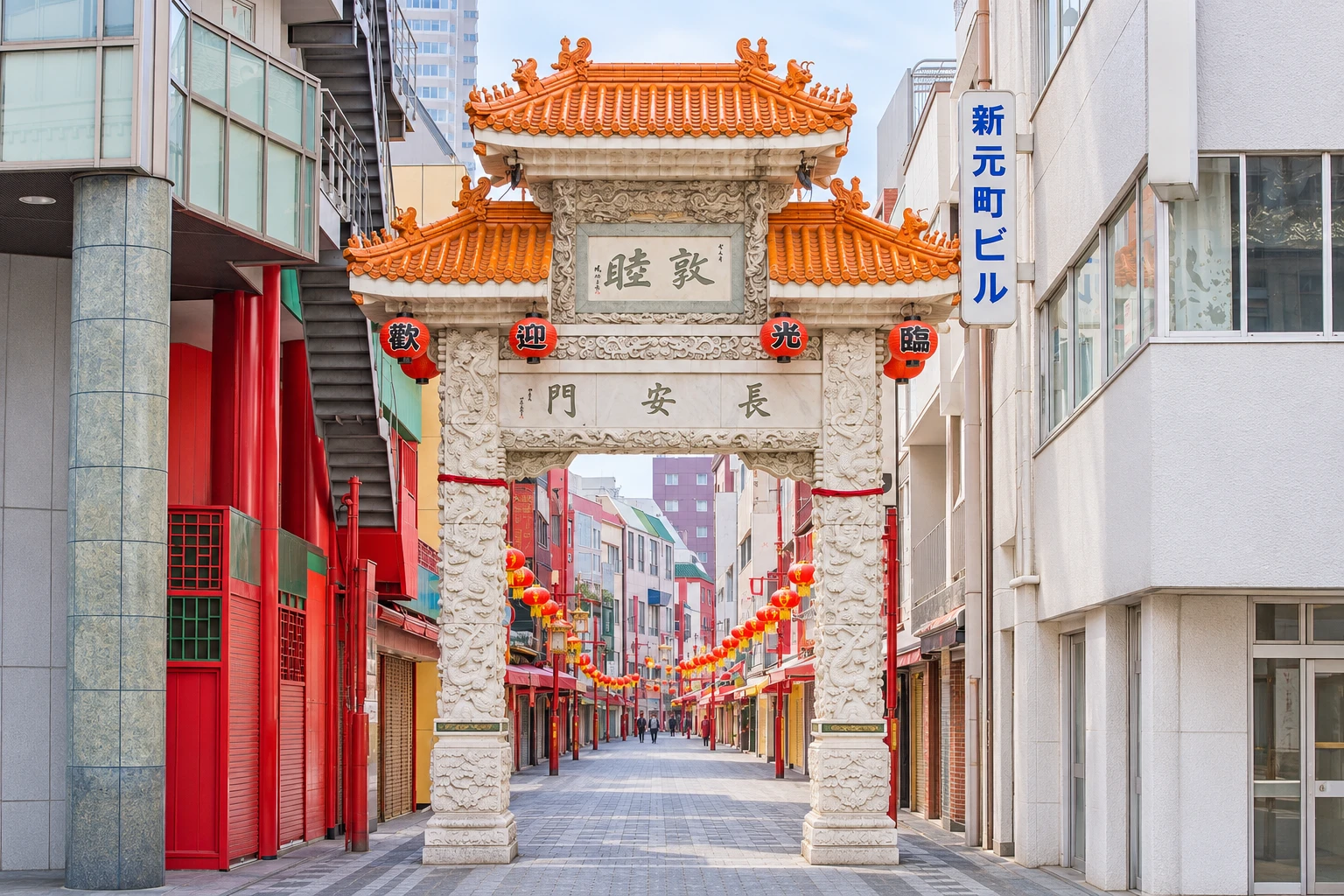
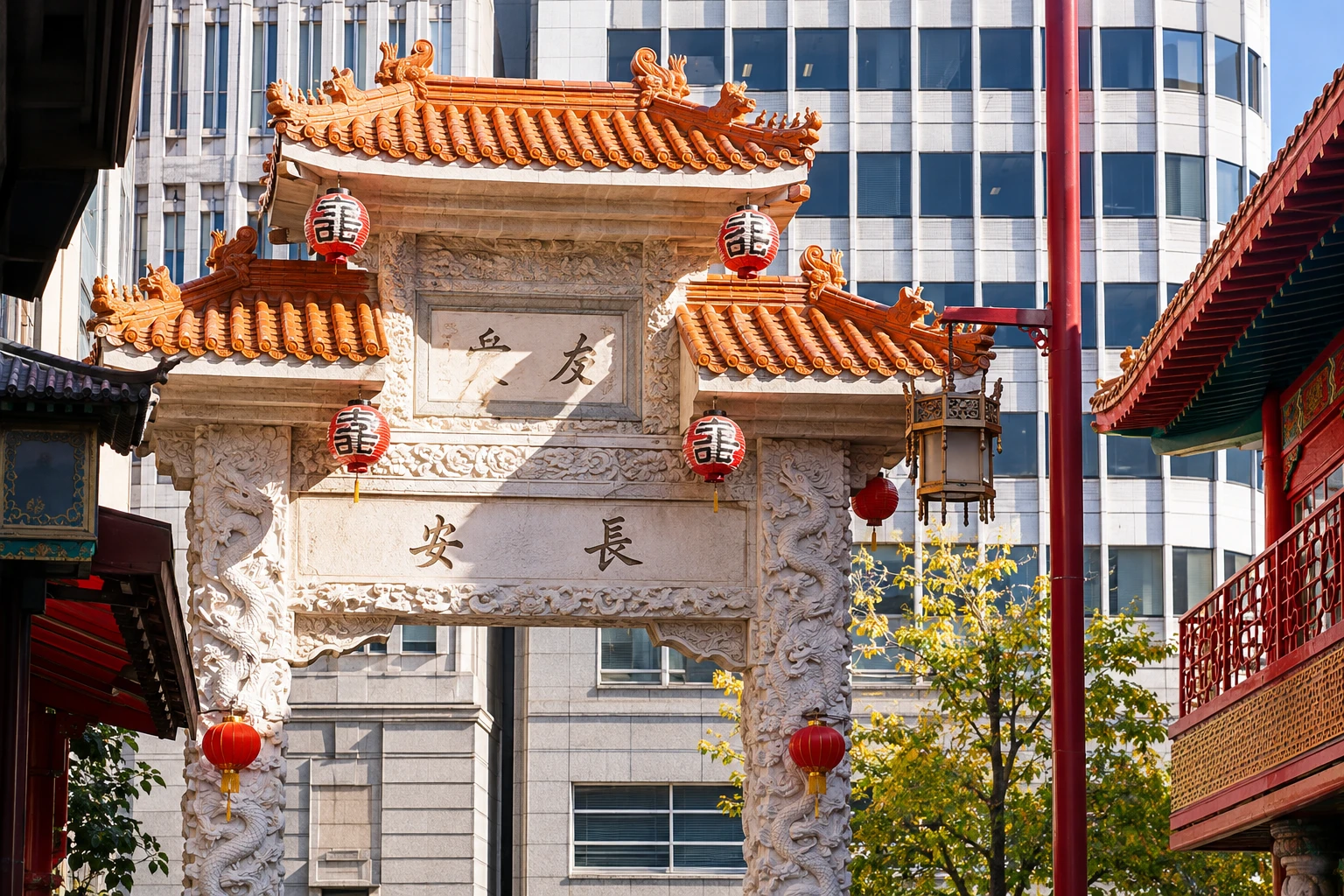
Nankinmachi in pictures
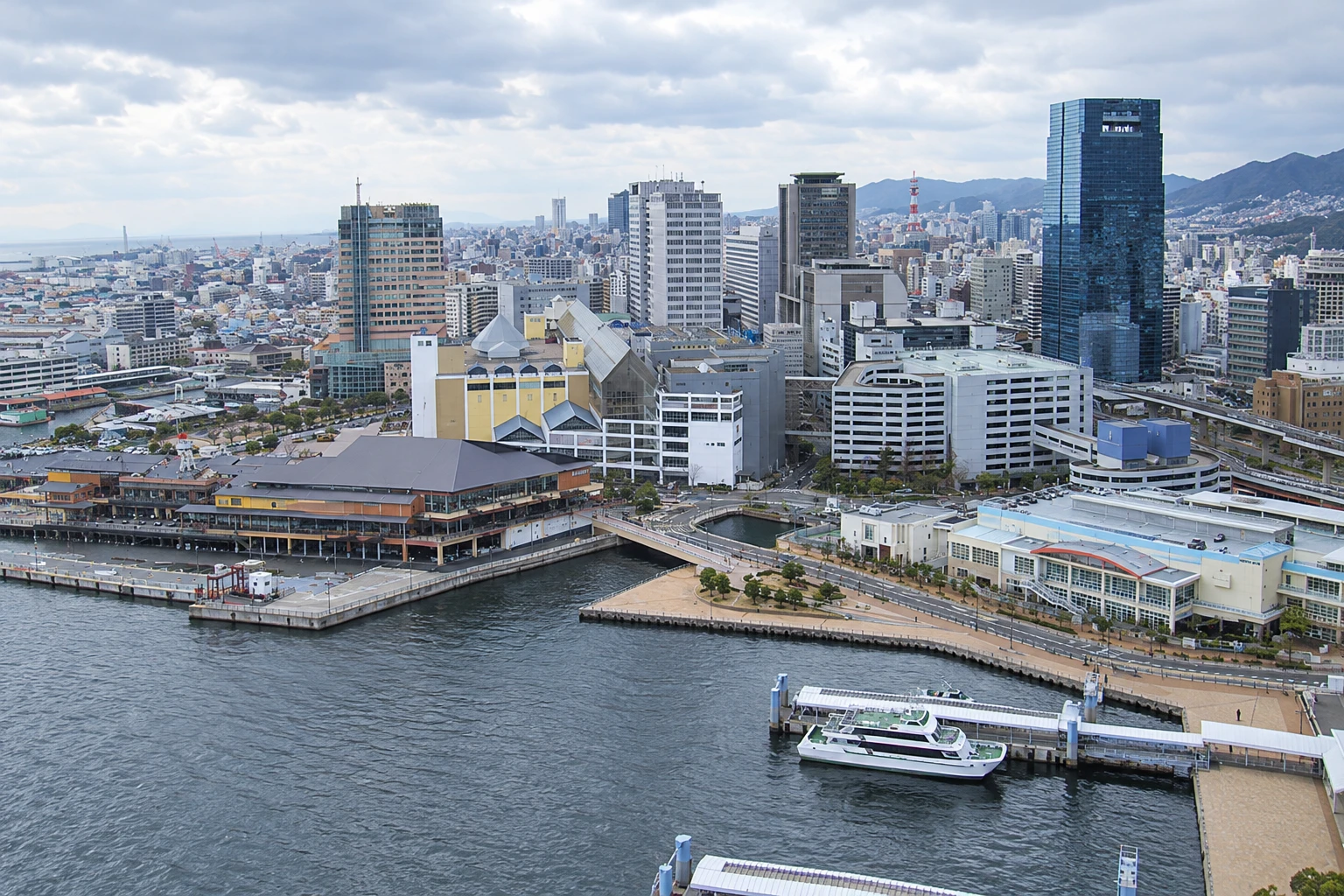
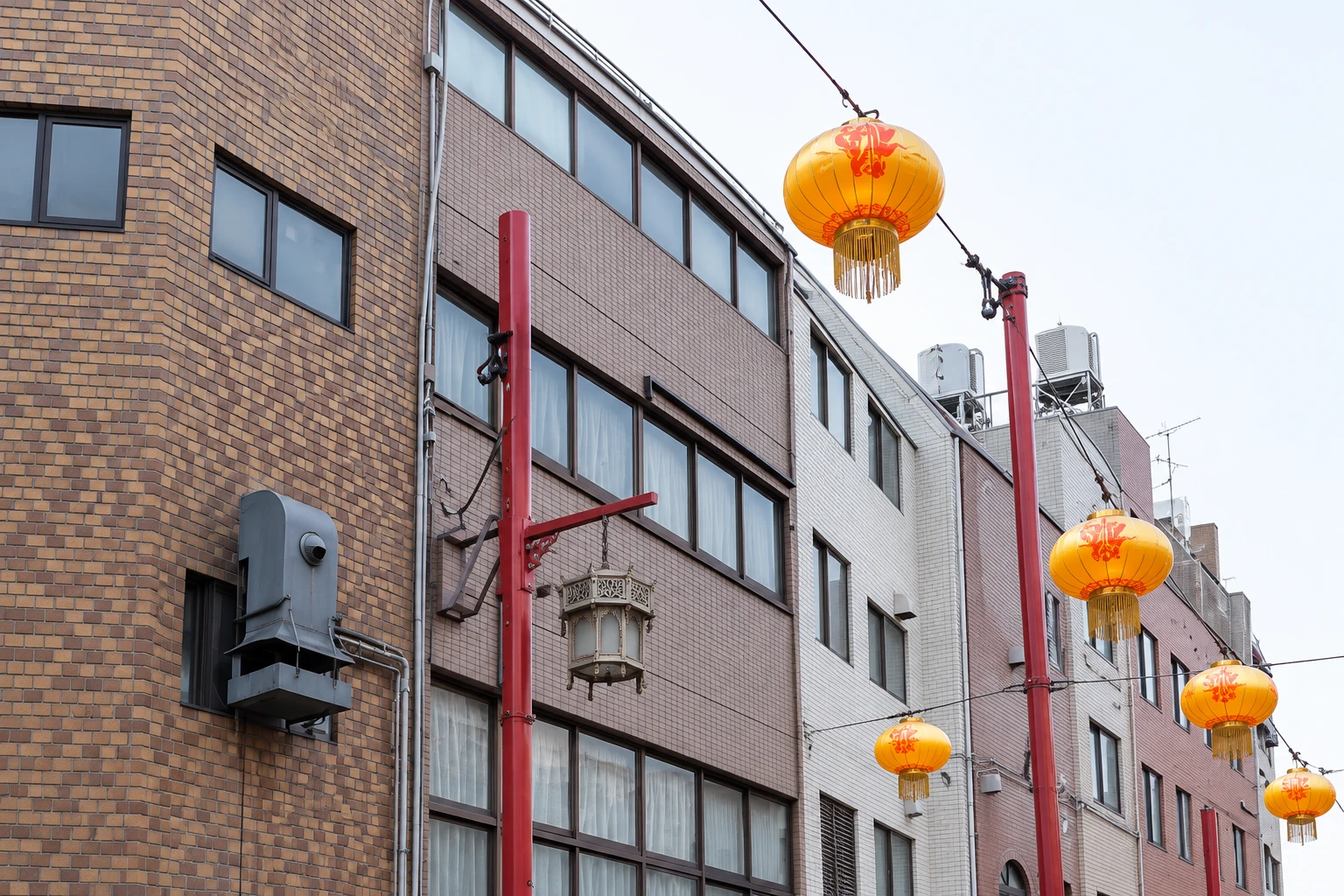
These pictures are illustrations based on the real place, not photographs. They may differ from the place.
Click the picture to enlarge it.
Discover
About Nankinmachi
Nankinmachi is Kobe’s Chinatown, a few minutes’ walk from Motomachi Station and the waterfront. It formed after the port opened in 1868, when Chinese merchants settled near the former foreign settlement. The name comes from Nanjing, the Chinese city, a name Japanese people used historically to refer to China in general.
The district is compact, with two main streets that cross at a central plaza featuring a colorful Chinese pavilion. The best-known entrance is the Choanmon gate, with a red-and-green roof, on the street coming from the east. Facades show red lanterns, Chinese signage and open counters facing the street.
Visitors to Nankinmachi usually come to eat standing up. The butaman (steamed pork bun) is sold at a long-established shop that forms a line from opening; other stalls offer grilled gyoza, shrimp dumplings, Beijing-style chicken skewers and tea-flavored ice cream. Sit-down restaurants are on upper floors and side streets.
The Shunsetsu-sai lunar New Year festival brings parades with imperial costumes and performances in the central plaza, and at other times the lantern festival decorates the streets at night. The waterfront, with Meriken Park, is about a 10-minute walk away, and the covered Motomachi shopping street with long-standing shops runs beside it.
Before you go
Practical information
Cidade Turismo reviews its information regularly, but something may have changed. Check with the place before planning your trip.
How much time to set aside
Allow 1 to 1h30, with snacks.
Best time
From lunchtime to early evening the stalls are open; many close before dinner. The lunar New Year festival features parades and performances in the plaza. Saturdays and Sundays have longer lines.
How to get there
The east exit of Motomachi Station, served by JR and Hanshin, is a 3–5 minute walk. From Sannomiya Station the walk takes about 10–15 minutes.
Tip
Try the butaman at one of the traditional shops, even if there’s a line, and stroll among the stalls sampling small portions. Combine the visit with Meriken Park, a few minutes away.
Official website
Get your questions answered
Frequently asked questions about Nankinmachi
What to eat in Nankinmachi?
Butaman (steamed pork buns), gyoza, dumplings, roasted chestnuts, Peking duck and Chinese sweets.
How do you get to Nankinmachi?
On foot, about 3 to 5 minutes from Motomachi station on JR and Hanshin lines.
When is Chinese New Year in Kobe?
The Shunsetsu-sai festival follows the lunar New Year, which falls in January or February, with parades and performances in Nankinmachi’s central square.
How much time should you allow for Nankinmachi?
1 to 1.5 hours, with snacks.
Is Nankinmachi near Kobe Port?
Yes, about a 10-minute walk from Meriken Park.
Beyond the guide


