

 Brazil
 Antarctica
 Argentina
 Bolivia
 Chile
 Colombia
 Ecuador
 Guyana
 French Guiana
 Falkland Islands (Malvinas)
 Paraguay
 Peru
 Suriname
 Uruguay
 Venezuela
 Germany
 Austria
 Belgium
 Croatia
 Denmark
 Slovakia
 Slovenia
 Spain
 Finland
 France
 Greece
 the Netherlands
 Hungary
 Ireland
 Iceland
 Italy
 Luxembourg
 Norway
 Poland
 Portugal
 the United Kingdom
 the Czech Republic
 Sweden
 Switzerland
 Turkey
 Bermuda
 Canada
 the United States
 Greenland
 Mexico
 Saint Pierre and Miquelon
 the Dominican Republic
 South Africa
 Egypt
 Australia
 Fiji
 New Zealand
 Papua New Guinea
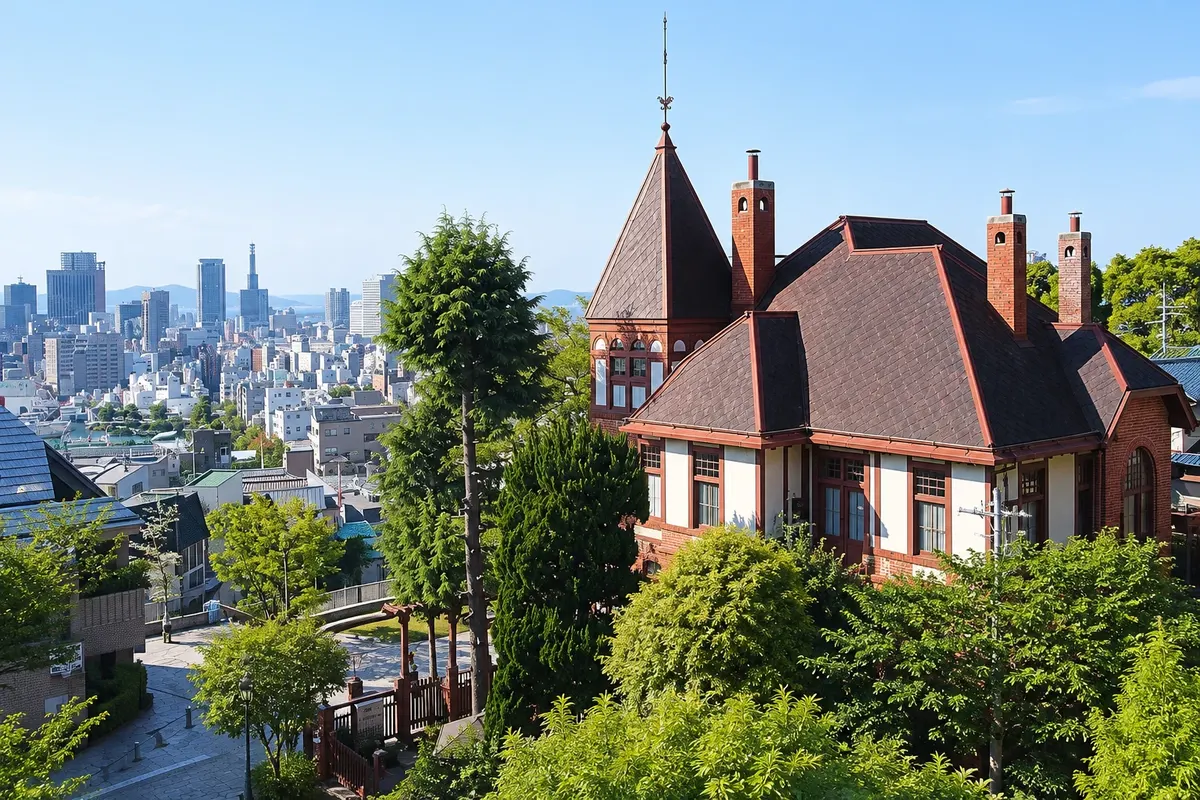
Neighborhood · Kobe, Hyogo
Kitano Ijinkan
The hillside neighborhood of Kobe where foreign merchants lived after the port opened, with Western wooden houses open to visitors, such as the Weathercock House.
Illustrative images. The pictures in this guide are illustrations based on the real place, not photographs, and may differ from it.

A look at the place
Kitano Ijinkan in pictures
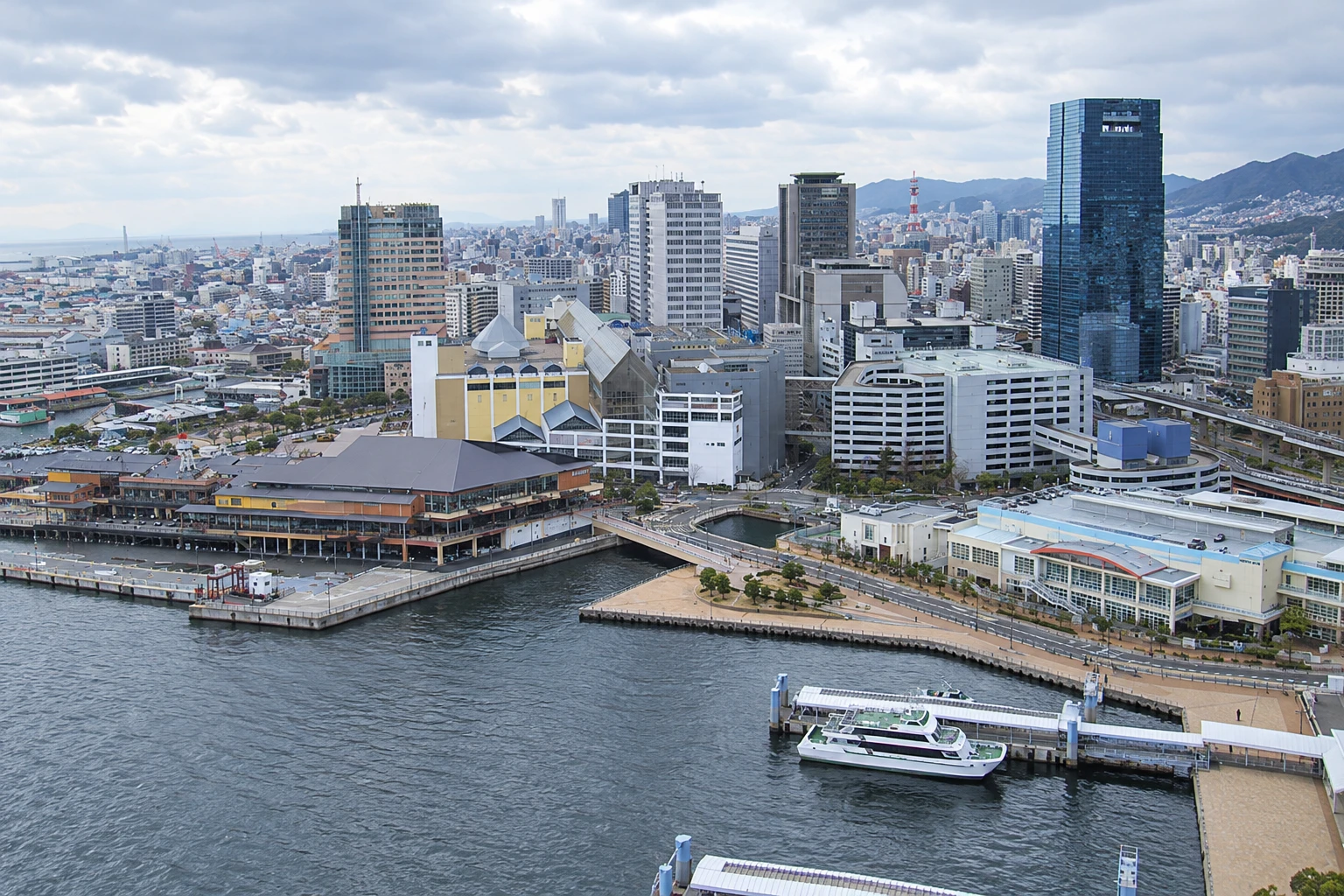
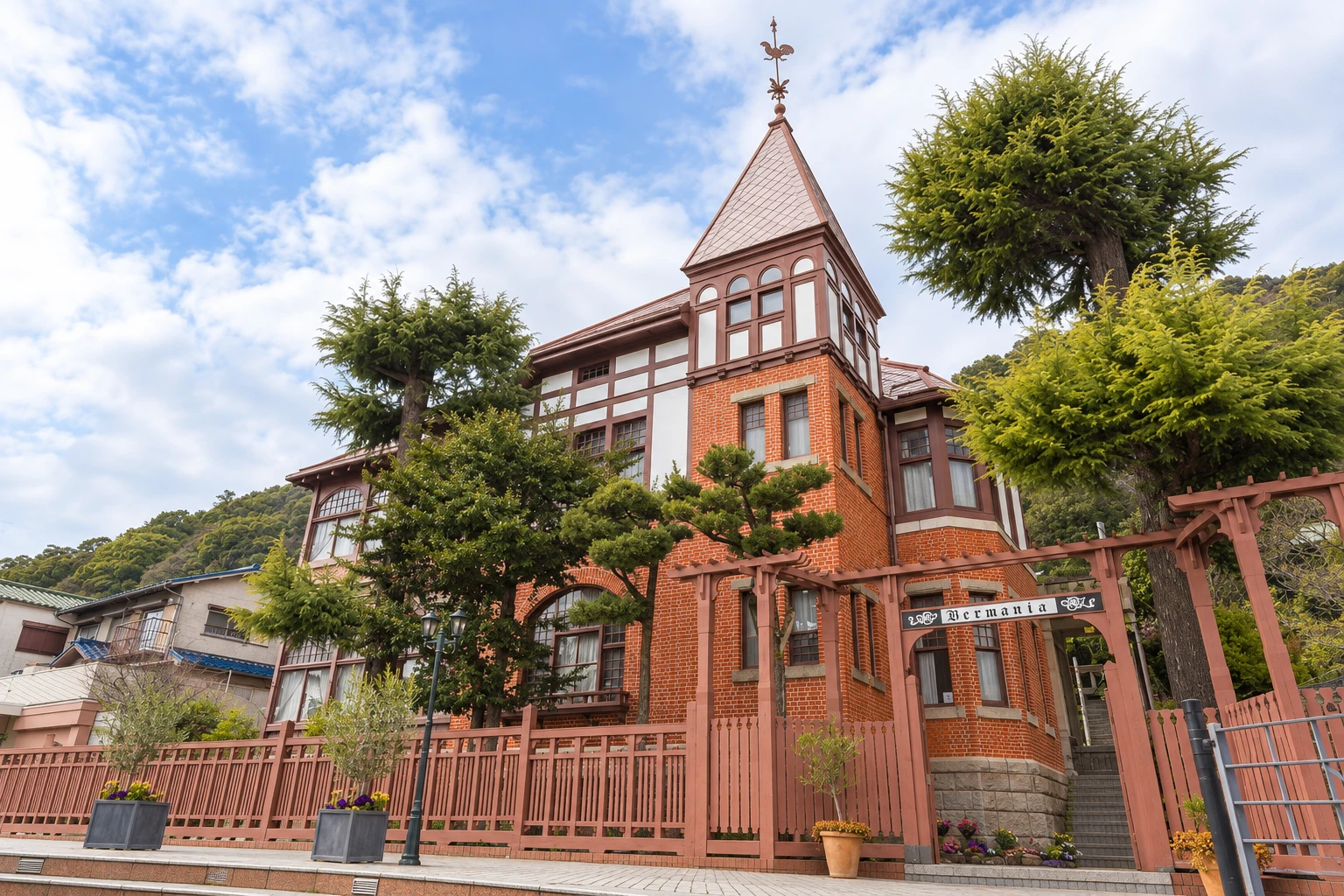
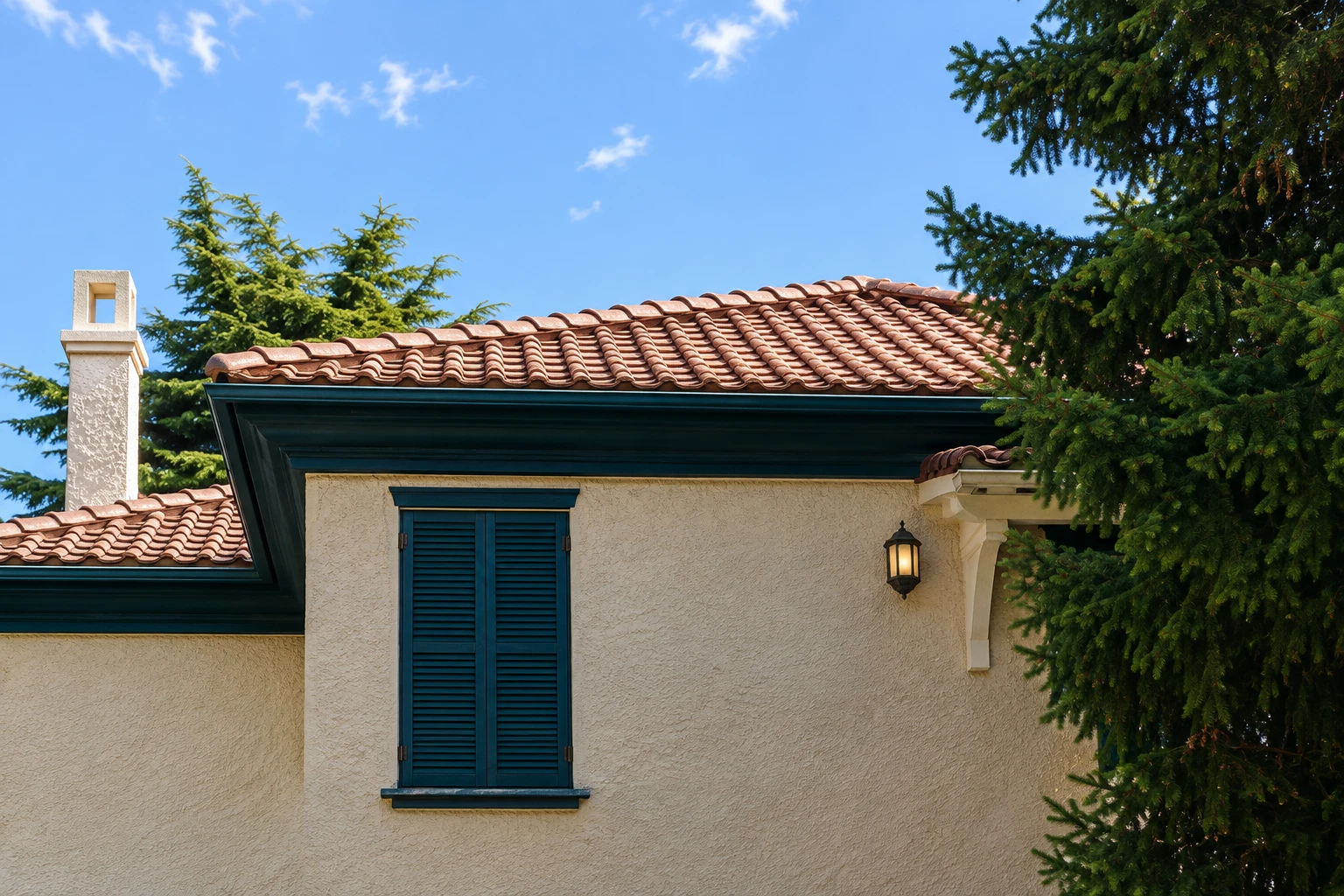
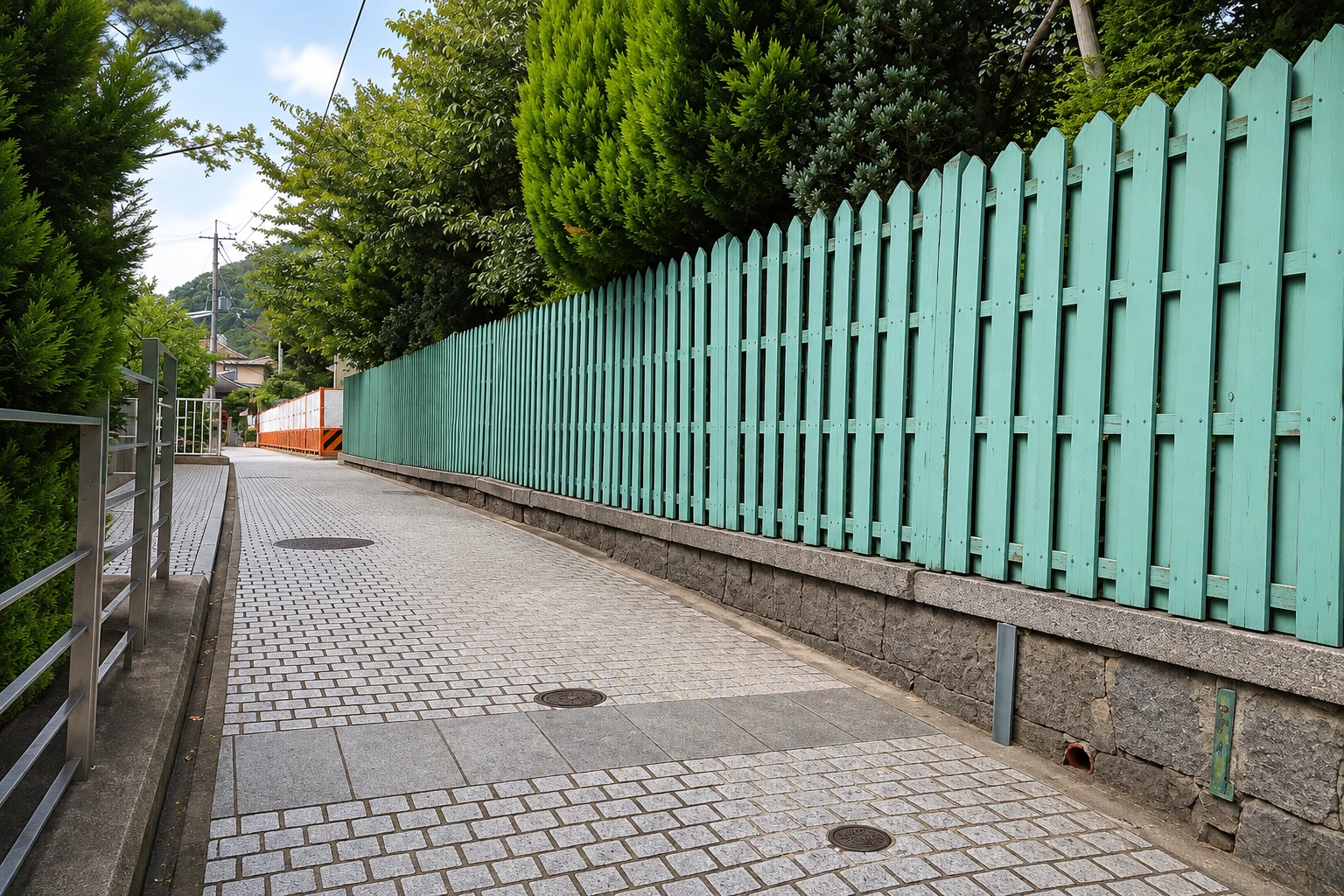
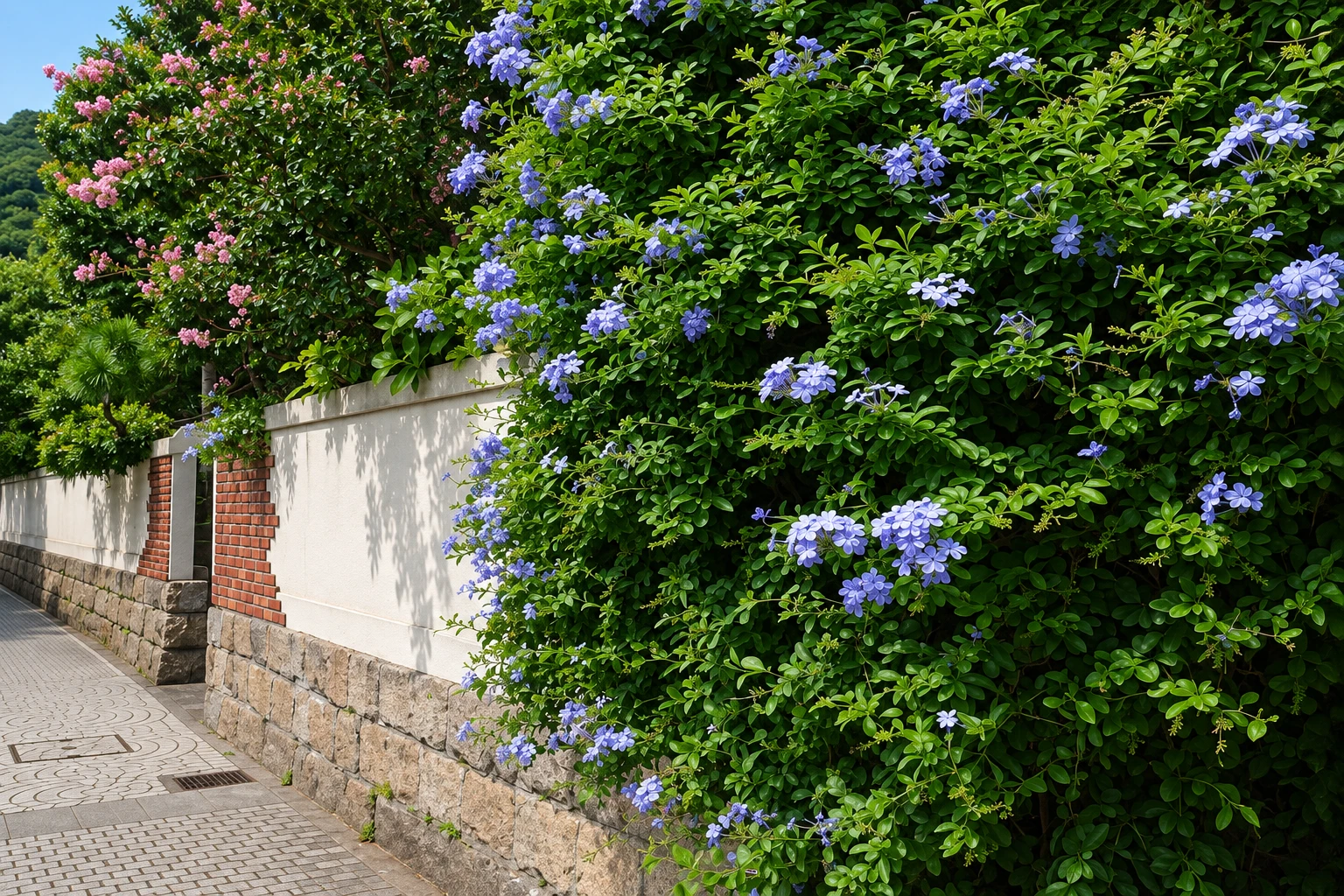
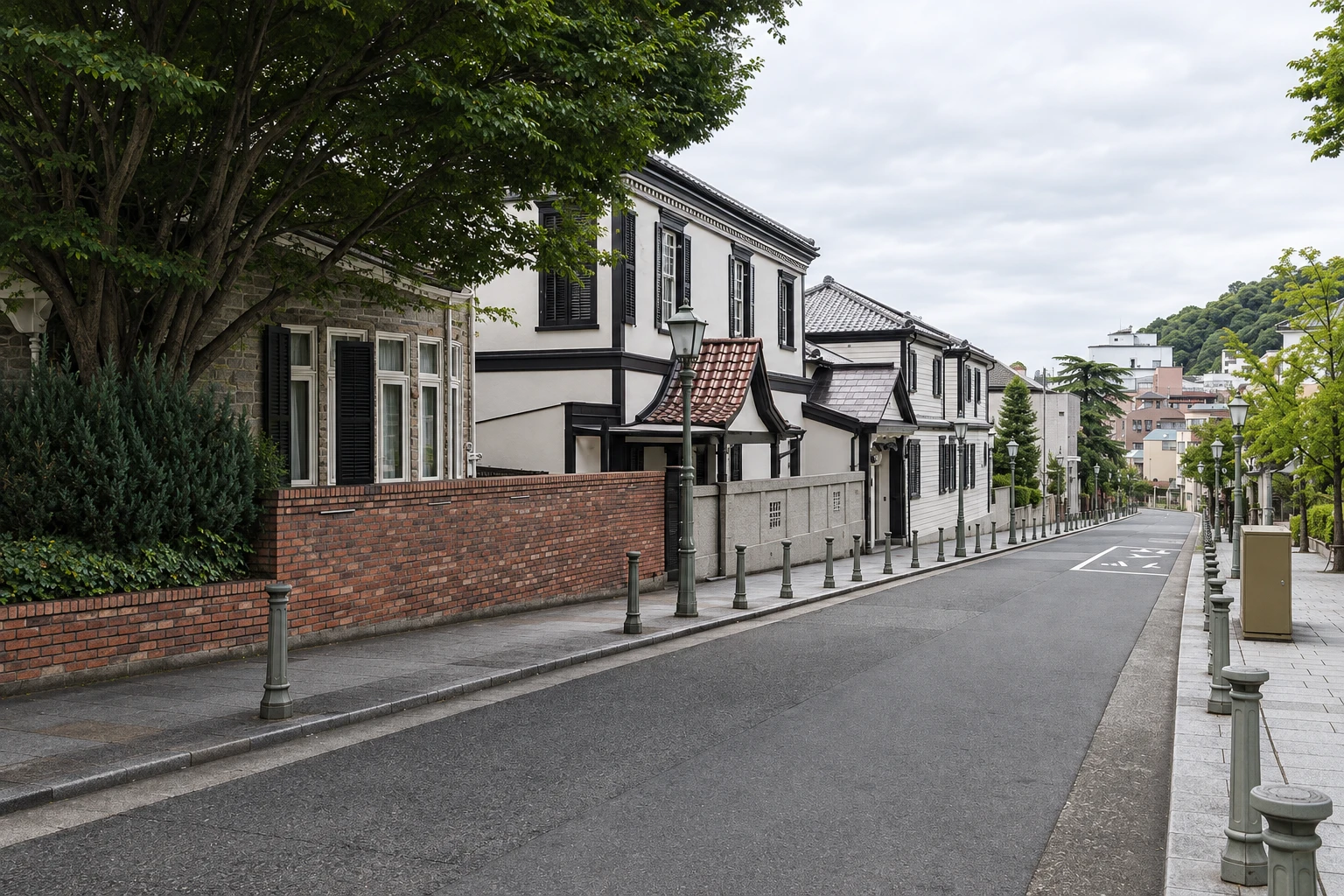
These pictures are illustrations based on the real place, not photographs. They may differ from the place.
Click the picture to enlarge it.
Discover
About Kitano Ijinkan
Kitano is the hillside neighborhood north of central Kobe where Western merchants and diplomats began to live after the port opened in 1868. Between the late 19th and early 20th centuries dozens of European- and American-style houses were built there, called ijinkan, ‘foreigners’ houses’. Some survived the 1995 earthquake and were restored.
The streets climb in slopes and stairways, with views over the port. About fifteen houses are open to visitors, several with combined tickets. The best known is the Weathercock House (Kazamidori no Yakata), of red brick, built in 1909 by a German merchant, with a weathercock in the shape of a rooster on the roof. Next door, the Green House (Moegi no Yakata), belonging to an American consul, has light-green painted verandas.
Other houses have their own themes: the Scalelike House (Uroko no Ie), covered with slate panels that resemble fish scales and featuring a small art museum; houses with period furniture, collections of objects and gardens. Some house cafés and shops.
At the top of the neighborhood, the Kitano Tenmangu shrine overlooks the houses and the port. Going down, Kitano-zaka street leads to Sannomiya, passing bakeries, cafés and restaurants. Ikuta Shrine, one of Kobe’s oldest, stands on the way among the city center buildings, with a small forest behind it.
Before you go
Practical information
Cidade Turismo reviews its information regularly, but something may have changed. Check with the place before planning your trip.
How much time to set aside
About 1h30 to 2 hours for the streets and two or three houses.
Best time
In the morning or early afternoon, when the houses are open. Spring and autumn are pleasant for climbing the slopes. Some houses close on certain days: confirm before you go.
How to get there
It is about a 15-minute walk uphill from Sannomiya station, and about 10 minutes from Shin-Kobe bullet-train station. Tourist loop buses stop at Kitano.
Tip
Choose two or three houses with a combined ticket rather than trying to see them all. Climb to the Kitano Tenmangu shrine for the view over the roofs and the port.
Official website
Get your questions answered
Frequently asked questions about Kitano Ijinkan
What are Kobe’s ijinkan?
They are Western-style houses built by foreign merchants and diplomats in the Kitano district between the late 19th and early 20th centuries.
Which houses should you visit in Kitano?
The Weathercock House, the Green House and the House of Scales are among the most visited. There are combined tickets for several houses.
How do you get to Kitano?
On foot, about a 15-minute uphill walk from Sannomiya Station, or about 10 minutes from Shin-Kobe Station.
Do you have to pay to visit the Kitano district?
The streets are open. Most of the foreign houses charge admission, with combined-ticket options.
How much time should you set aside for Kitano?
About 1h30 to 2 hours.
Beyond the guide


