

 Brazil
 Antarctica
 Argentina
 Bolivia
 Chile
 Colombia
 Ecuador
 Guyana
 French Guiana
 Falkland Islands (Malvinas)
 Paraguay
 Peru
 Suriname
 Uruguay
 Venezuela
 Germany
 Austria
 Belgium
 Croatia
 Denmark
 Slovakia
 Slovenia
 Spain
 Finland
 France
 Greece
 the Netherlands
 Hungary
 Ireland
 Iceland
 Italy
 Luxembourg
 Norway
 Poland
 Portugal
 the United Kingdom
 the Czech Republic
 Sweden
 Switzerland
 Turkey
 Bermuda
 Canada
 the United States
 Greenland
 Mexico
 Saint Pierre and Miquelon
 the Dominican Republic
 South Africa
 Egypt
 Australia
 Fiji
 New Zealand
 Papua New Guinea
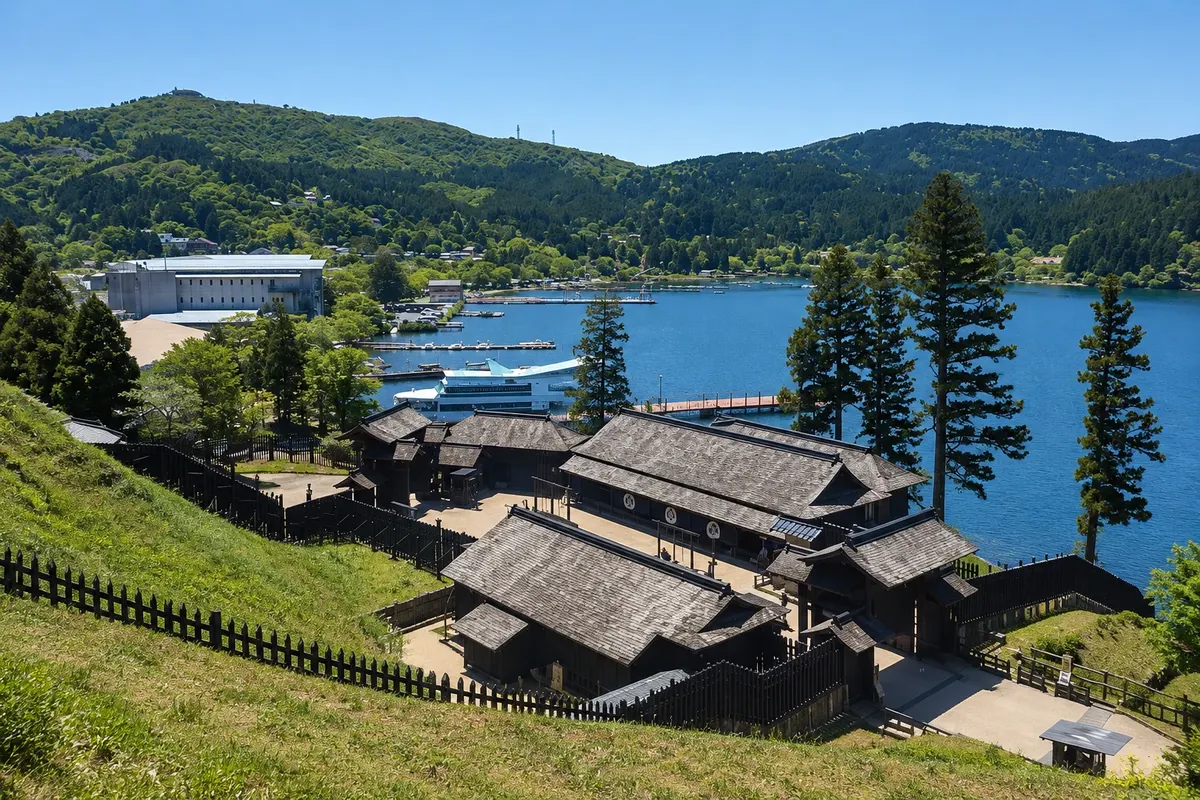
Historic site · Hakone, Kanagawa
Hakone Checkpoint
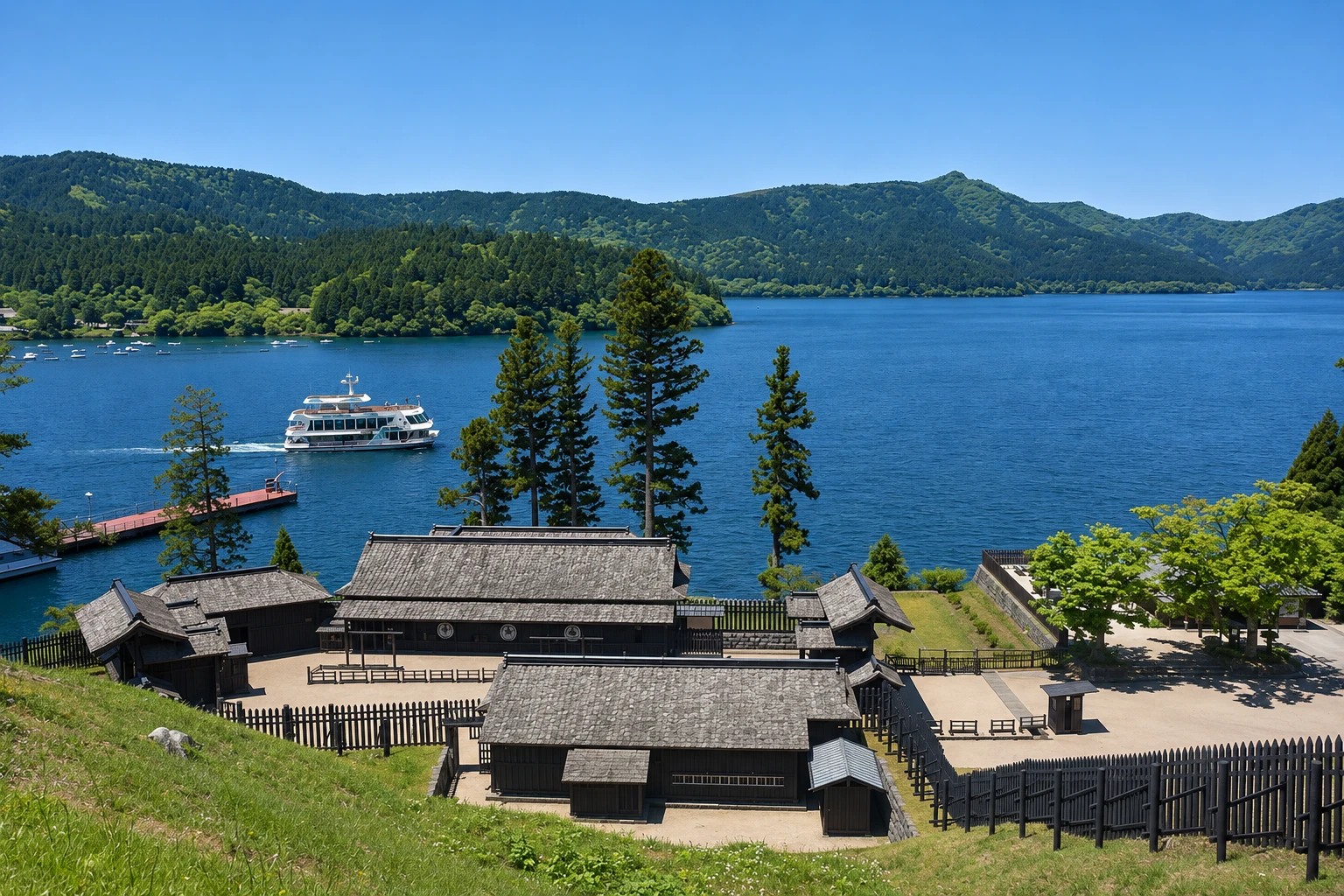
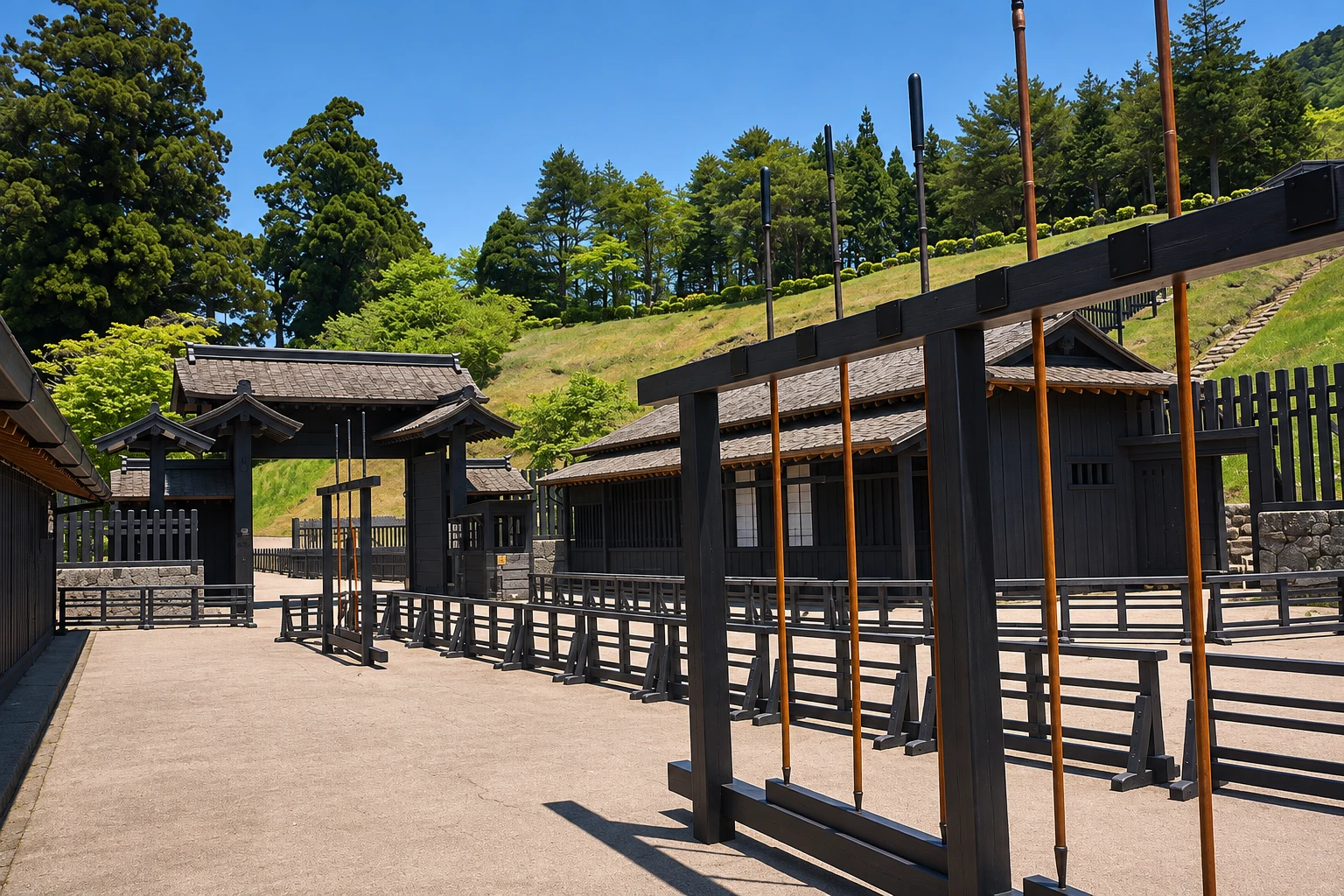
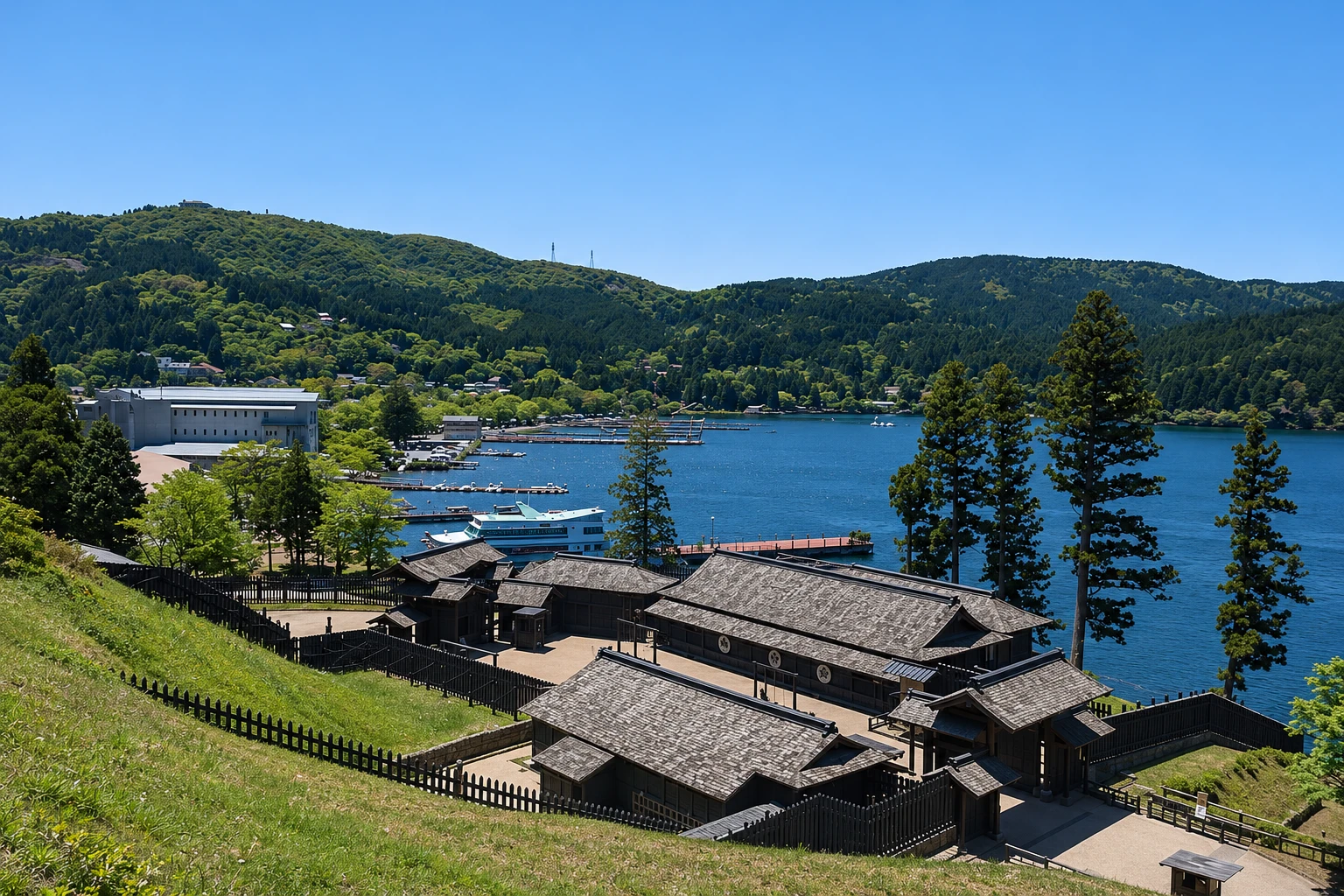
The reconstructed checkpoint of the old Tokaido road on the shore of Lake Ashi, with a museum, and the cedar avenue of the old route.
Illustrative images. The pictures in this guide are illustrations based on the real place, not photographs, and may differ from it.

A look at the place
Hakone Checkpoint in pictures
These pictures are illustrations based on the real place, not photographs. They may differ from the place.
Click the picture to enlarge it.
Discover
About Hakone Checkpoint
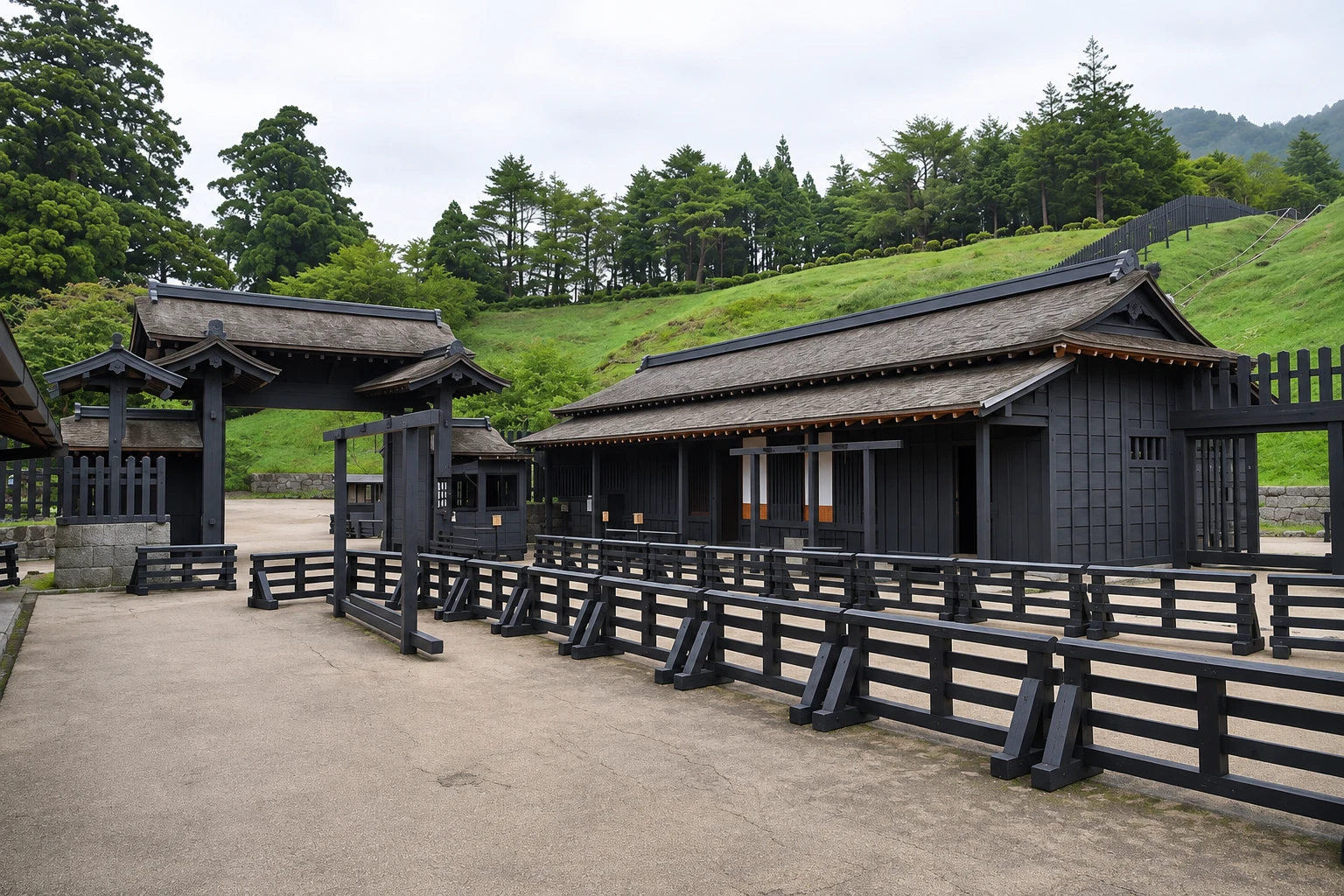
The Hakone Checkpoint (Hakone Sekisho) was established in 1619 by the Tokugawa shogunate on the Tokaido road, which connected Edo (now Tokyo) to Kyoto. It stood at a narrow spot between Lake Ashi and the mountain where it was difficult to pass without being seen. Guards inspected papers and luggage and controlled, above all, the entry of weapons into Edo and the exit of women from the families of feudal lords, who remained in the capital as guarantees of loyalty.
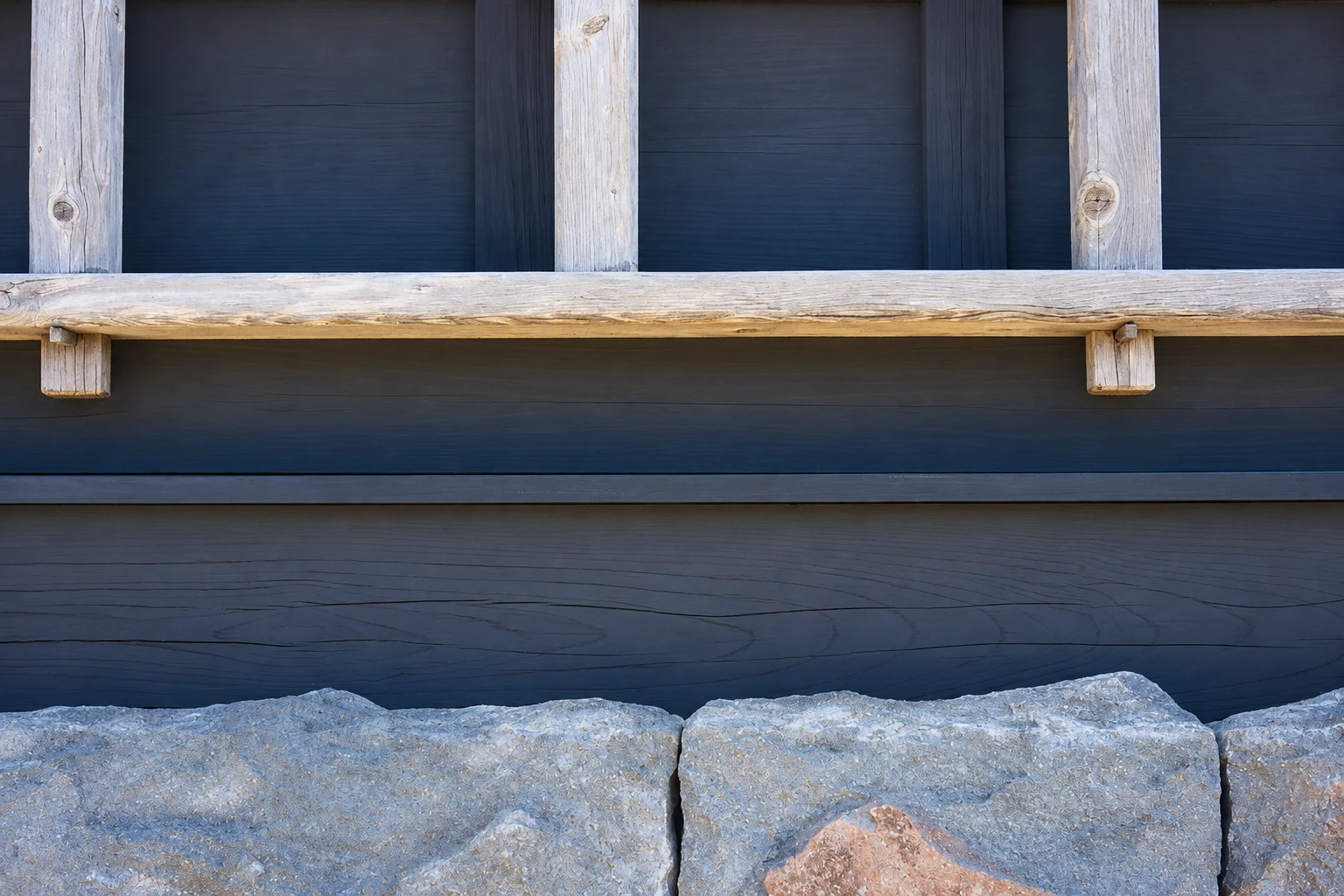
The checkpoint operated until the end of the Edo period and was dismantled in the 19th century. the current reconstruction, completed in the early 21st century, followed detailed documents found in the region and used traditional techniques and tools. The gates, fences, guardhouse, jail, and watchtower can be visited, with life‑size figures showing the routine of the place.
Next door, the Checkpoint Museum displays travel documents, weapons, guards’ items, and the history of inspections. From the top of the watchtower you can see Lake Ashi and, on clear days, Mount Fuji.
Near the checkpoint the cedar avenue of the old Tokaido, the Suginamiki, begins — hundreds of cedars planted in the early 17th century to shade travelers. The path continues about 500 meters to Moto-Hakone. Sections of the old stone Tokaido road remain through the mountains between Moto-Hakone and Hakone-Yumoto, suitable for walks of a few hours.
Before you go
Practical information
Cidade Turismo reviews its information regularly, but something may have changed. Check with the place before planning your trip.
How much time to set aside
45 minutes to 1 hour for the checkpoint and museum; an additional 20 minutes for the cedar avenue.
Best time
In the morning or late afternoon, when there are fewer groups. The cedar avenue is cool in summer and misty on humid days. The checkpoint closes in the late afternoon: confirm opening hours.
How to get there
It is next to the pier and bus stop at Hakone-machi on the south shore of Lake Ashi. From Moto-Hakone the walk along the cedar avenue takes about 15 minutes.
Tip
Get off the boat at Hakone-machi, visit the checkpoint and walk along the cedar-lined avenue to Moto-Hakone and Hakone Shrine. Hikers can follow the old road’s stone path.
Official website
Get your questions answered
Frequently asked questions about Hakone Checkpoint
What was the Hakone Checkpoint?
A Tokugawa shogunate checkpoint on the Tokaido road, established in 1619, that controlled the movement of people—especially weapons entering Edo and women leaving it.
Is the Hakone Checkpoint original?
No. The checkpoint was dismantled in the 19th century and reconstructed in the early 21st century based on old documents and traditional techniques.
How do you get to the Hakone Checkpoint?
By boat or bus to Hakone-machi on the lake’s south shore, or on foot from Moto-Hakone in about 15 minutes.
What is the Hakone cedar avenue?
A stretch of the old Tokaido road lined with century-old cedars planted in the early 17th century, between the checkpoint and Moto-Hakone.
Can you walk the old Tokaido road in Hakone?
Yes. Sections of the stone path run between Moto-Hakone and Hakone-Yumoto, a walk of a few hours through the forest.
Beyond the guide


