

 Brazil
 Antarctica
 Argentina
 Bolivia
 Chile
 Colombia
 Ecuador
 Guyana
 French Guiana
 Falkland Islands (Malvinas)
 Paraguay
 Peru
 Suriname
 Uruguay
 Venezuela
 Germany
 Austria
 Belgium
 Croatia
 Denmark
 Slovakia
 Slovenia
 Spain
 Finland
 France
 Greece
 the Netherlands
 Hungary
 Ireland
 Iceland
 Luxembourg
 Norway
 Poland
 Portugal
 the United Kingdom
 the Czech Republic
 Sweden
 Switzerland
 Turkey
 Bermuda
 Canada
 the United States
 Greenland
 Mexico
 Saint Pierre and Miquelon
 the Dominican Republic
 Japan
 South Africa
 Egypt
 Australia
 Fiji
 New Zealand
 Papua New Guinea
Illustrative images. The pictures in this guide are illustrations based on the real place, not photographs, and may differ from it.

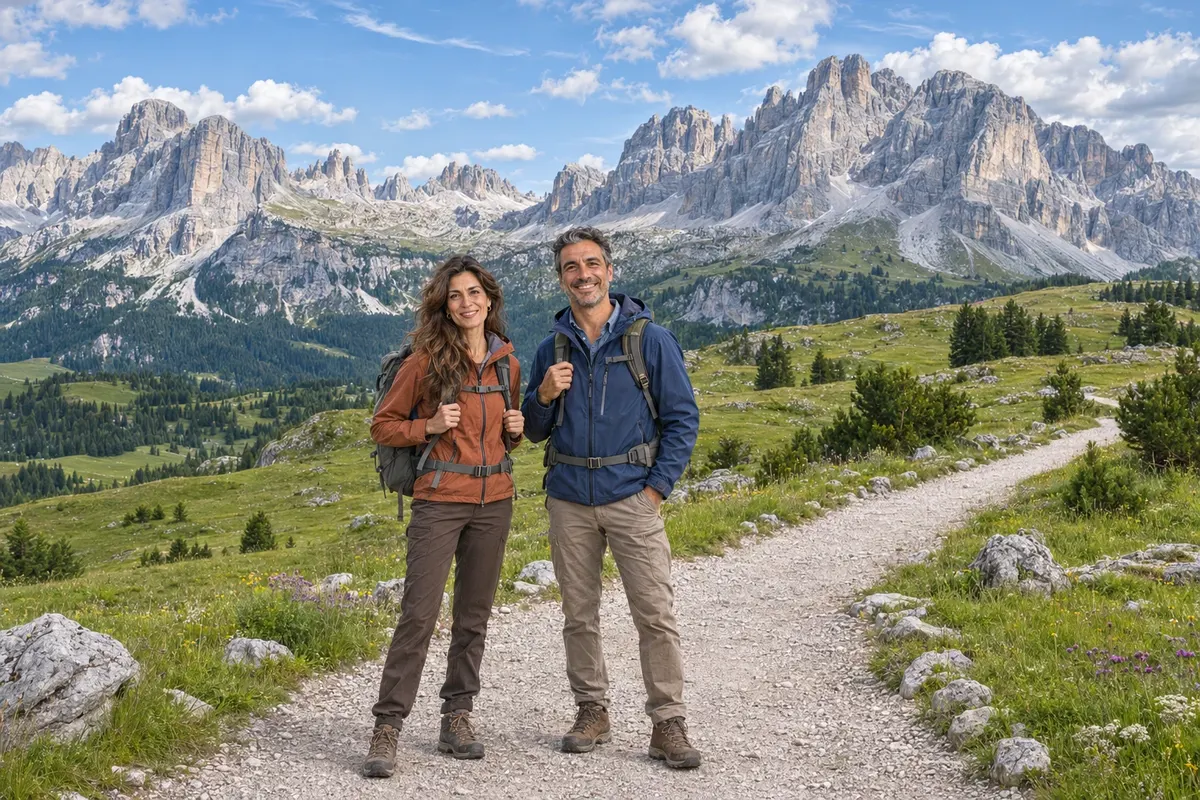
Nature
Mountains and nature in Italy
In Ortisei, the cable car takes you up to the ski slopes in winter and to the hiking trails when the snow recedes. In Catania, a walk around a castle reveals where the sea once reached.
In the Dolomites, as you head up from Ortisei to Seceda, the valley recedes and pastures give way to rocky ridges. The same ascent makes for very different trips. When there’s snow, what matters to skiers is how the runs connect. During hiking season, you use the map to find a route through the pastures and work out how much of the descent you still have to cover on foot.
Things to do
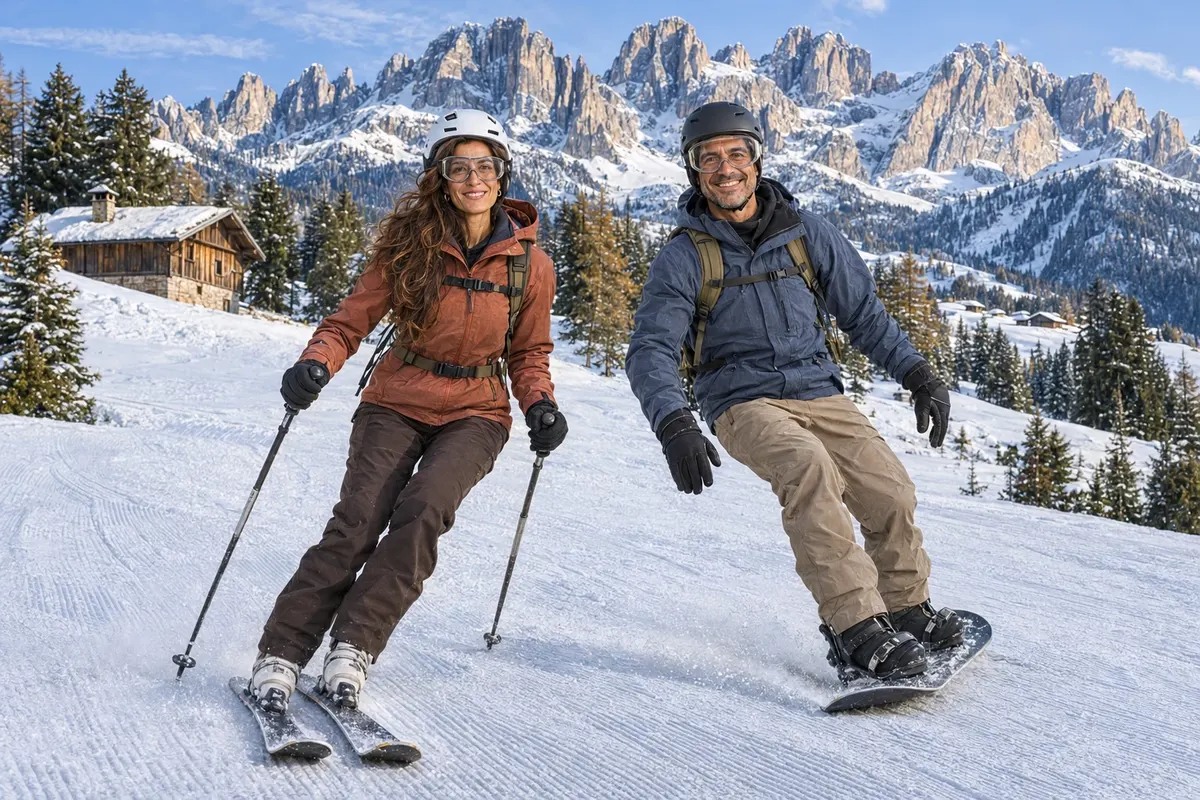
Skiing and snowboarding
Compare Cortina’s ski runs, the route to Seceda via Ortisei, and the ascent from Aosta to Pila.
Learn more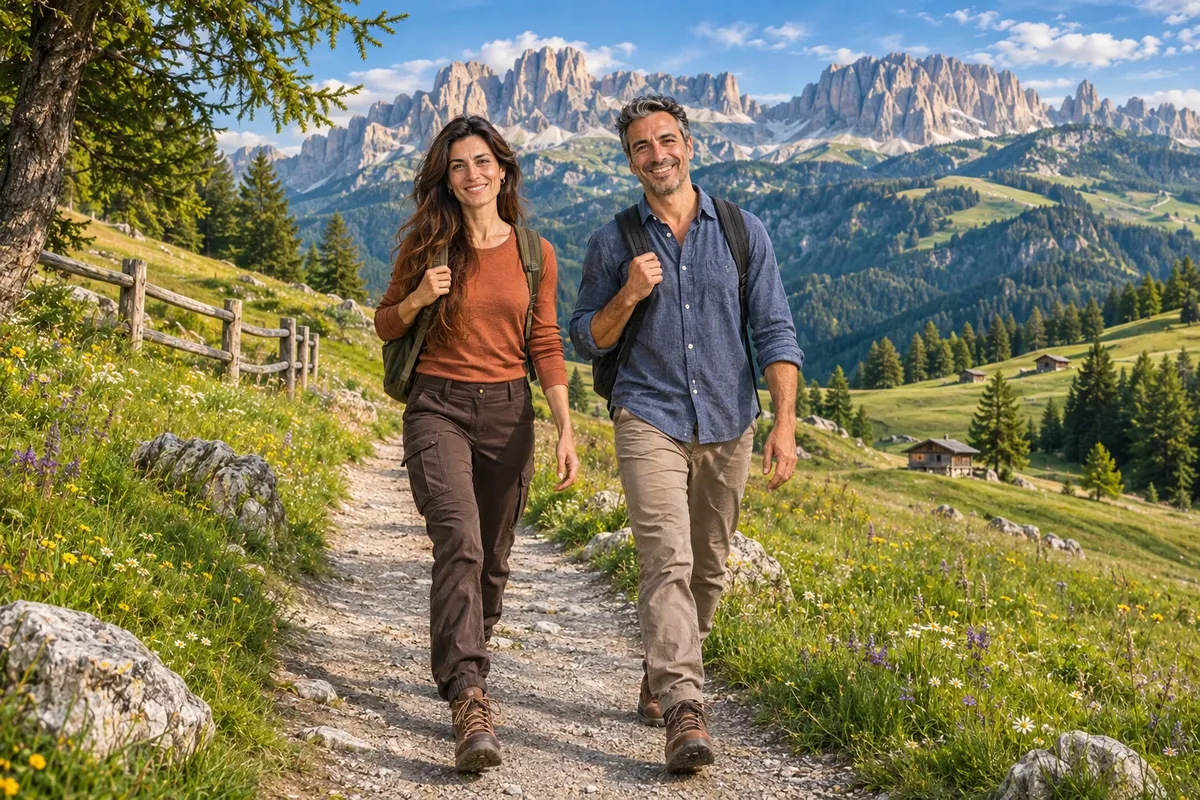
Mountain hiking
Choose between Seceda’s pastures, Cortina’s mountain huts, and Bolzano’s slopes.
Learn more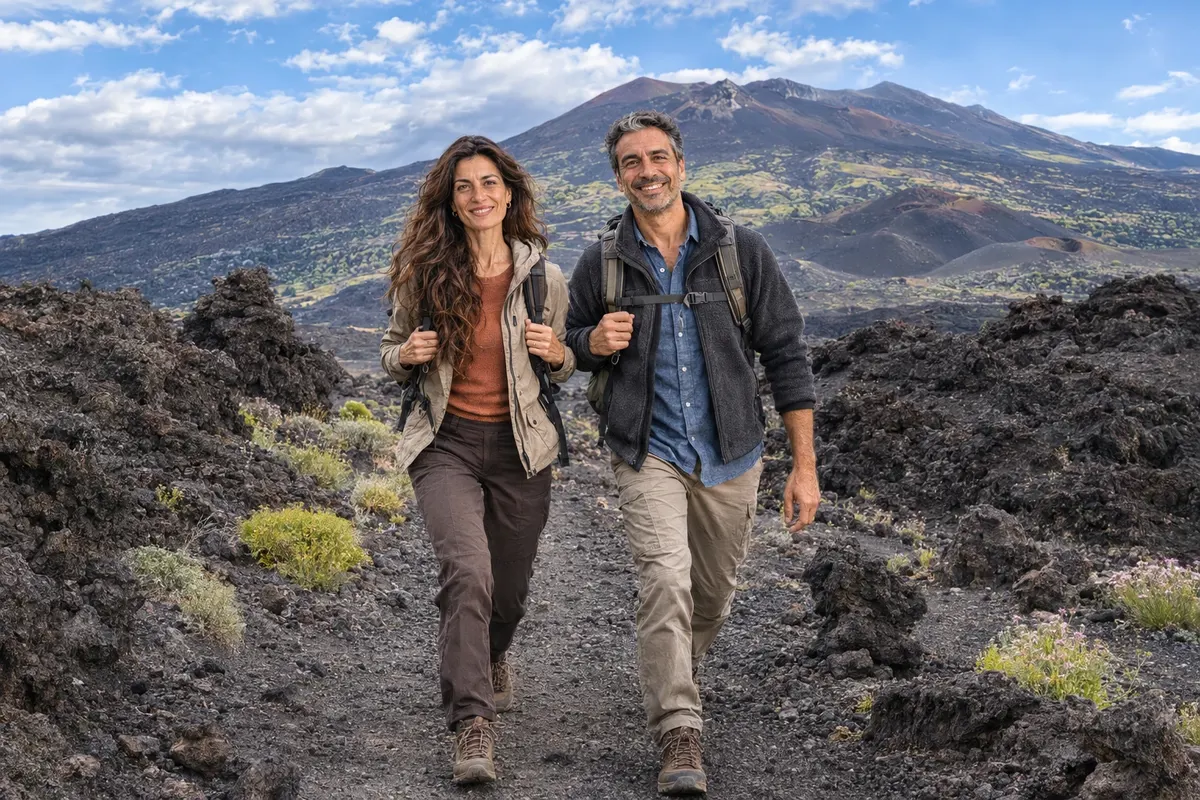
Exploring volcanic landscapes
Trace the signs of the 1669 eruption around Castello Ursino in Catania.
Learn more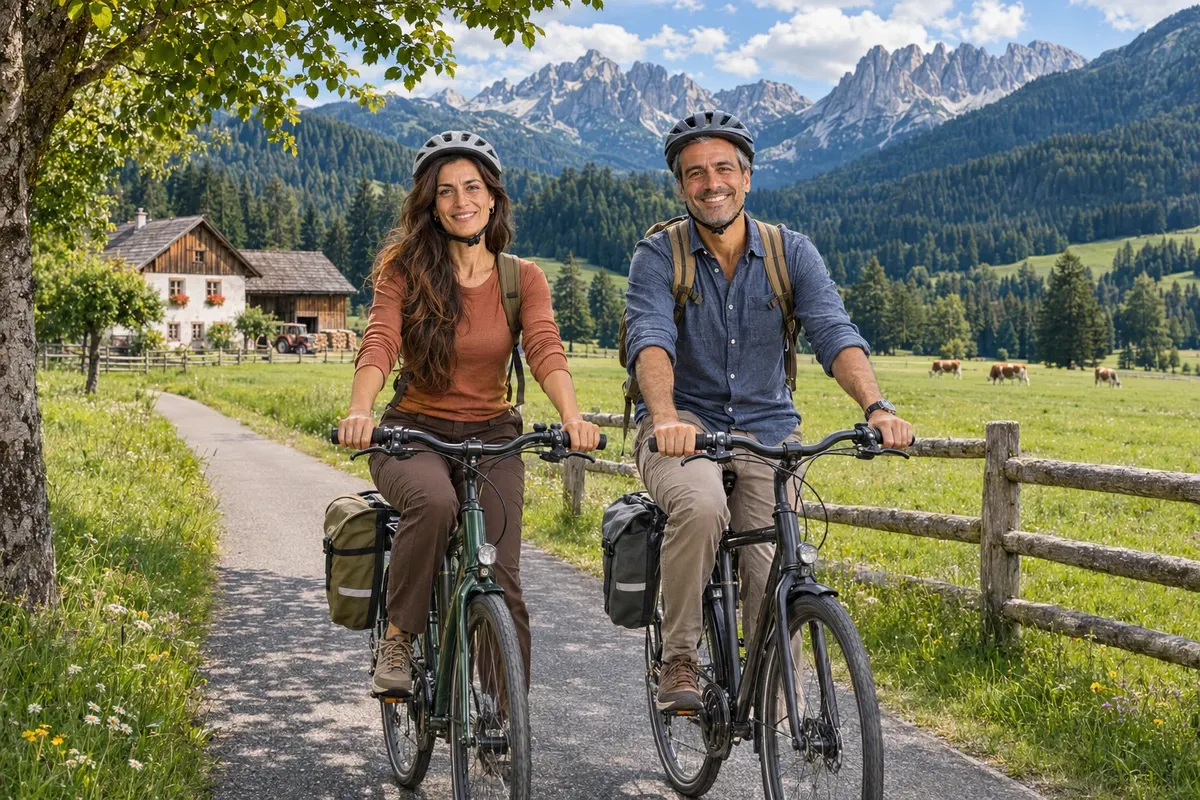
Traveling by bike
Cycle through the valleys from Bolzano, circle Lucca’s city center along the walls, or ride up the Ponale route in Riva del Garda.
Learn moreWhere to go in Italy
Pick a region or type what you are looking for to see the cities and who offers each activity.
- Aosta VA
- Bolzano TR
- Ortisei TR
- Riva del Garda TR
- Cortina d'Ampezzo VN
- Lucca TS
- Catania SI
You can see nature in the city, too. Bolzano’s bike paths follow the routes out to the valleys. In Lucca, you can cycle along the top of the city walls, level with the treetops. In Sicily, the towers of Castello Ursino mark the site of a once-coastal fortress now surrounded by streets. Where you choose to stay depends on which of these landscapes you want to explore up close.
Where to find snow for skiing in Italy
Cortina d'Ampezzo has downhill ski runs and snowboarding areas. To decide where to start, look at the trail map with one question in mind: how will I get back to the base? One area may have the run you want, but the route back may involve a more difficult connecting run. If you're taking a lesson, first find out where you'll meet your instructor.
In Ortisei, the cable car takes you to the slopes of Seceda in Val Gardena. Ortisei is a good base if you want to spend the night in the valley and the day on the mountain. Before heading up, check which runs and lifts are open. Seeing snow from town tells you little about visibility higher up.
Aosta offers another way to combine a city stay with skiing. The cable car leaves from the city and takes you up to the Pila ski area, so you can divide your trip between sightseeing in Aosta and days on the slopes. If some people in your group want to go up just for the view, check the ticket options and agree on a meeting place everyone can reach on foot.
Trails among ridges, pastures, and slopes
On the trails of Seceda, the scenery changes depending on which way you look. On one side, paths cross open pastures. On the other, steep rock faces cut across the skyline. If you're starting from Ortisei, decide how much of the climb you want to do on foot and where you'll turn back. A long descent can be tiring even if you took the cable car up.
In Cortina d'Ampezzo, mountain huts can help you plan hikes at higher elevations. Before choosing a hut as your lunch stop, find it on the map, check that it's open, and include the return distance in your plans. If you're hiking from one hut to another, also check how you'll get back to town at the end.
Bolzano is a good choice if you prefer to see the terrain before deciding how far to hike. There are trails on the slopes near the city, and an out-and-back hike lets you climb only as far as your group feels comfortable going. Elevation gain is a better guide to the effort involved than distance on the map.
Catania's former coastline and the lava of 1669
In Catania, a simple question puts the walk in perspective: why is a fortress built to guard the coast now in the middle of the city? During the eruption of 1669, lava from Mount Etna flowed around Castello Ursino and continued toward the sea. The castle stayed where it was. It was the coastline that shifted.
Walk around the outside of the castle to see the bases of the towers, then look at a map to find today's shoreline. The comparison gives you a sense of how far the coastline shifted without having to leave the city center. The walk fits into a tour of Sicily's cities and appeals both to geology enthusiasts and to anyone interested in Catania's history.
Three ways to explore by bike
In Bolzano, a network of bike paths crosses the city and lets you continue riding through the valleys. An out-and-back ride lets you travel light and change your plans along the way. If you plan to stay somewhere else that night, map out the whole day's ride and check where you can find water, food, and help with your bike.
In Lucca, you can finish your ride where you started. The city walls form a tree-lined loop around the historic center, with views of the rooftops on one side and open spaces on the other. People walk along the walls too, so keep to a leisurely pace that lets you stop to look out over the city and then ease back into your ride.
Riva del Garda offers a different kind of ride. The old Ponale road climbs the hillside, with views opening up over the lake and stretches of road cut into the rock. When comparing this route with the bike paths in the valley, consider both the surface and the gradient. You'll need stamina for the climb and good control of your bike on the way back down.
How the season shapes a mountain itinerary
Winter is the main season if you're traveling for the skiing. For hiking at higher elevations, look for a time when the trail is clear of snow. The two seasons don't line up neatly: there may still be too much snow to hike even after the ski lifts have closed for the season.
A sunny morning in the valley can still mean wind and clouds on the ridges. Check conditions at the elevation you'll be visiting, and confirm your return transportation on the day. If you're staying only a few nights, keep the order of your outings flexible so you can head up on the day with the best visibility.
How to choose a base for your group
If people in your group move at different speeds, decide where to meet up before choosing a point-to-point hike. An out-and-back route with a shared stopping point gives those who want to hike farther the freedom to do so. In Ortisei and Cortina, compare access to the hiking trails with access to the ski slopes: the most convenient place to stay for one activity may be some distance from the other.
If you want to combine cycling and hiking, Bolzano can serve as a base for both. For an afternoon outdoors while sightseeing in a city, the loop in Lucca and the area around the castle in Catania fit the bill without a trip into the mountains. In each case, consider how long it will take to get from where you're staying to the actual start of the outing.
Frequently asked questions
Where can you combine skiing and hiking in the Dolomites?
Ortisei and Cortina d'Ampezzo offer both activities in different seasons. If you have a particular trail in mind, choose your dates based on trail conditions and when the route up is open.
Do you need to do a point-to-point hike to experience the mountains?
A short stretch of trail may be enough. On the slopes near Bolzano, choose a spot to turn back. At Seceda, check whether you can take the cable car both up and down on the day of your visit and how far you'll need to walk for the view you want.
What bike ride fits into a visit to the historic center?
In Lucca, the route along the city walls follows the outline of the city center. You can walk just one section, use a designated exit to get back to street level, and keep exploring on foot.
How can you explore a volcanic landscape on foot in Sicily?
In Catania, use Castello Ursino as a landmark to compare the old coastline with the present one. You can explore the area on foot within the city and also visit the museum inside the fortress.
More in Nature
Beyond the guide


