

 Brazil
 Antarctica
 Argentina
 Bolivia
 Chile
 Colombia
 Ecuador
 Guyana
 French Guiana
 Falkland Islands (Malvinas)
 Paraguay
 Peru
 Suriname
 Uruguay
 Venezuela
 Germany
 Austria
 Belgium
 Croatia
 Denmark
 Slovakia
 Slovenia
 Spain
 Finland
 France
 Greece
 the Netherlands
 Hungary
 Ireland
 Iceland
 Luxembourg
 Norway
 Poland
 Portugal
 the United Kingdom
 the Czech Republic
 Sweden
 Switzerland
 Turkey
 Bermuda
 Canada
 the United States
 Greenland
 Mexico
 Saint Pierre and Miquelon
 the Dominican Republic
 Japan
 South Africa
 Egypt
 Australia
 Fiji
 New Zealand
 Papua New Guinea
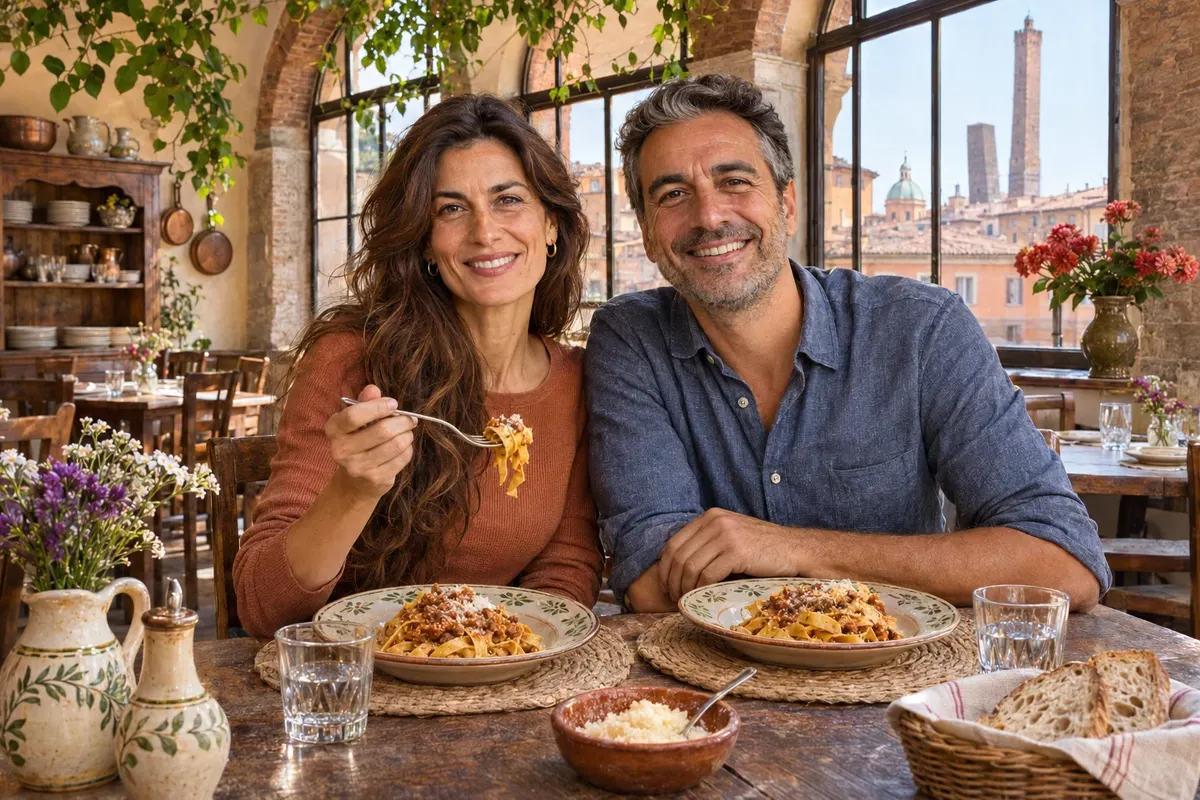
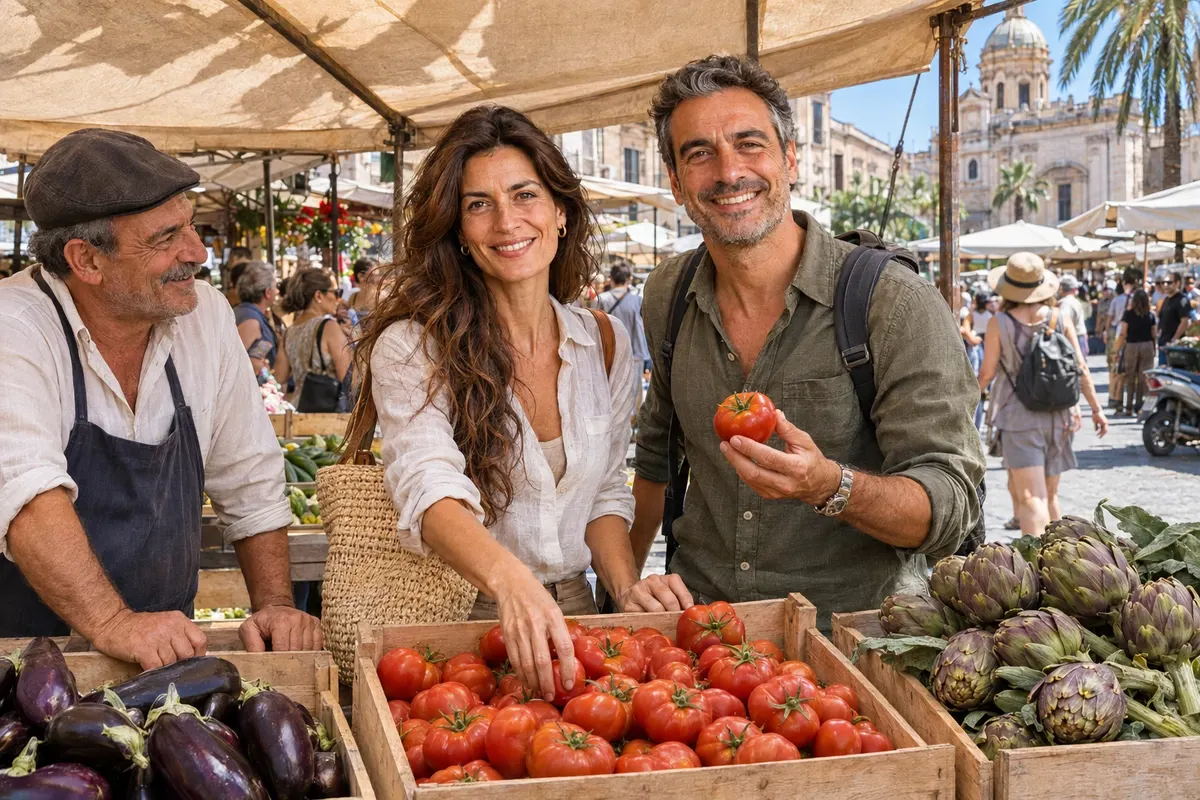
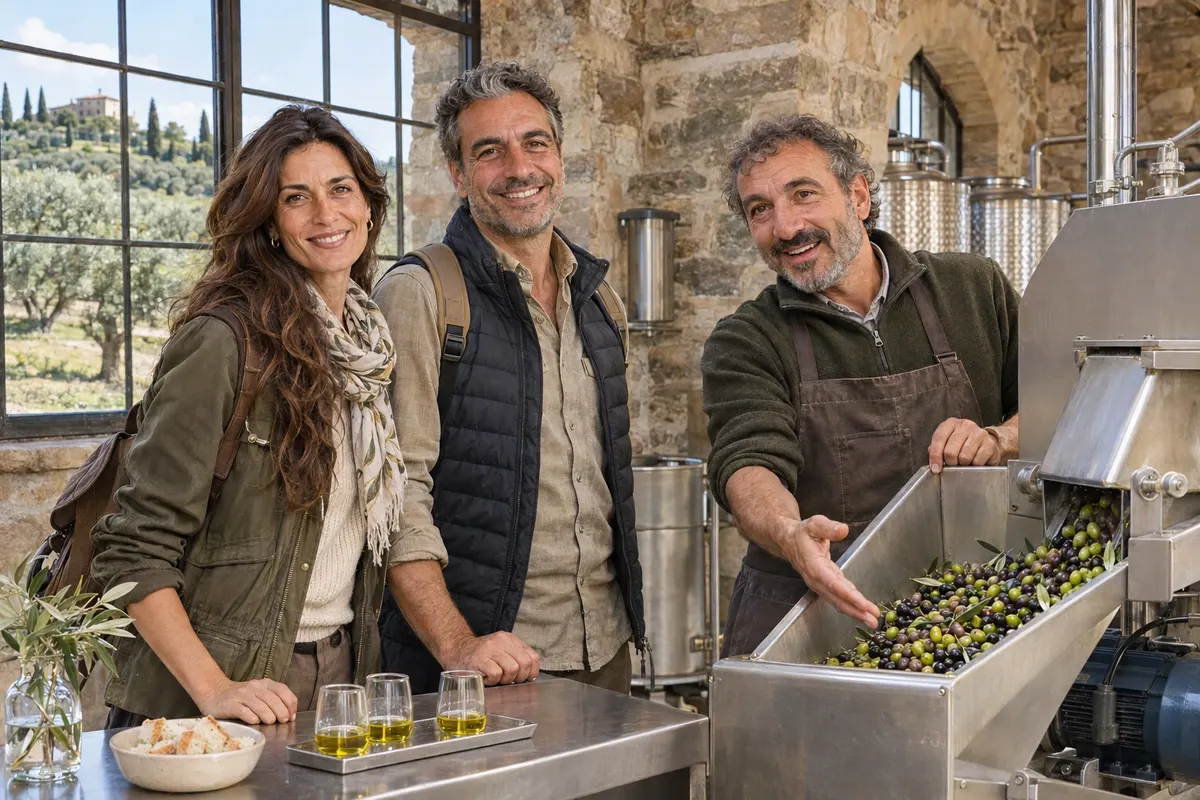
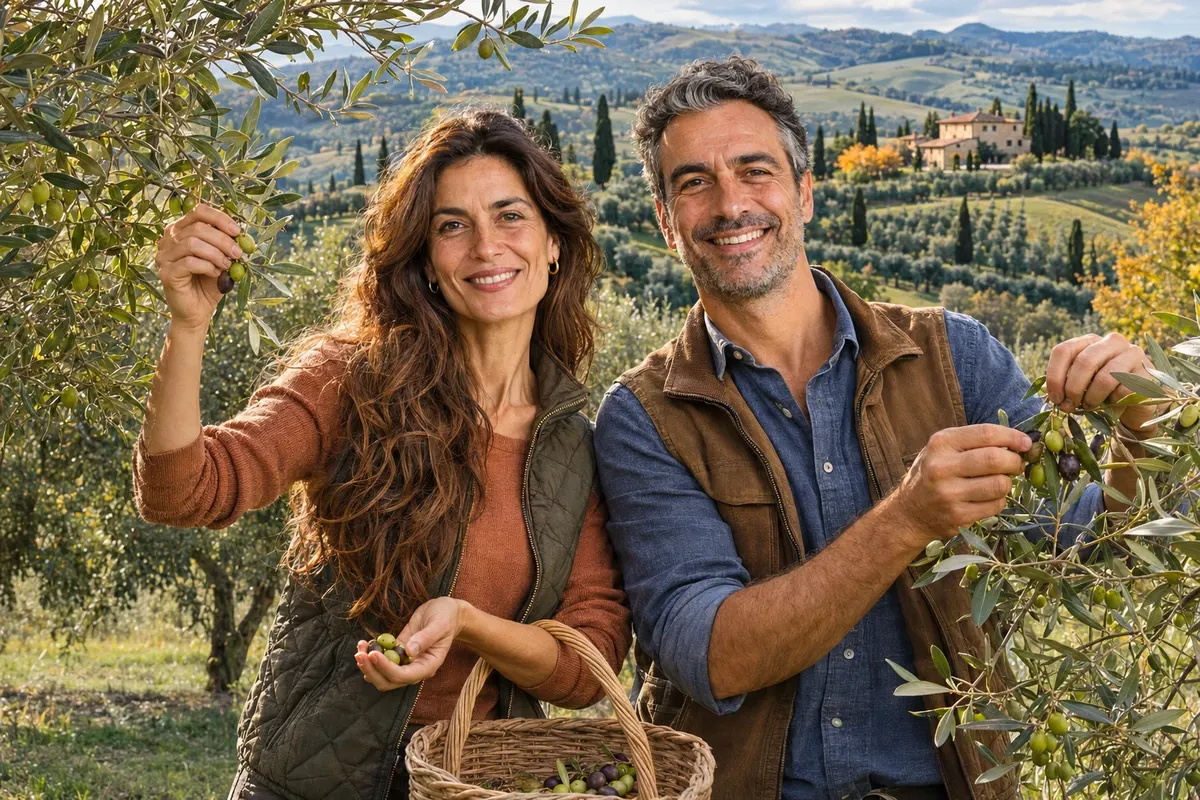
Illustrative images. The pictures in this guide are illustrations based on the real place, not photographs, and may differ from it.

Food and countryside
Food tourism in Italy
A fried pizza on the streets of Naples, tortellini at the stalls of Modena, or a sip of olive oil in Malcesine are good reasons to choose the route for your trip.
In Palermo, you can walk through the Ballarò market and pick your lunch from whatever comes out of the fryer. In Bologna, hunger can strike in front of a display of fresh pasta, even though the tortellini there still need to go to the pot. Getting to know Italy through its food includes these two counters: the one that prepares food on the spot and the one that sells the ingredients for dinner at home.
Where to go in Italy
Pick a region or type what you are looking for to see the cities and who offers each activity.
- Bologna EM
- Modena EM
- Riva del Garda TR
- Malcesine VN
- Verona VN
- Florence TS
- Naples CM
- Palermo SI
Another route is to visit oil mills, where olive oil is extracted from olives. In Verona, Malcesine and Riva del Garda, a visit brings together two things that the bottle on the shelf often keeps apart. On one side is the fruit harvested in the region. On the other is an oil with its own aroma and, sometimes, a peppery note that only appears a moment after tasting.
What to try on the streets of Naples and Palermo
In Naples, start at a friggitoria, a fried-food shop. At the counter, pizza fritta is dough filled, sealed and fried. The cuoppo is the paper cone that holds small fried items. The name simply describes how the portion is served, but the contents vary. Asking what’s in the cone helps you choose between fish, vegetables and other specialties before continuing on foot.
In Palermo, the Ballarò and Capo markets spread their trade across the streets. Among the daily market stalls there are counters serving panelle, fried slices of a chickpea-flour batter, which are also served in bread. It’s useful to remember the name of something that caught your curiosity — later you may find another vendor preparing the same recipe in front of passersby.
Three ways to do market shopping in Italy
In Bologna, the old Quadrilatero is explored shop by shop. A pasta display is a good place to see tortellini up close, small rings of filled pasta. At the cured-meat counters, mortadella appears whole or sliced. Allow time to go into a bottega, as these small shops are called, and ask for an amount that you can sample that day.
In Florence, the Mercato Centrale occupies a building in the San Lorenzo neighbourhood. The ground floor interests those who like to observe ingredient shopping. On the upper floor, food counters and tables let each person choose what to eat and the group meet afterwards. Check the opening hours of each floor, especially if you want to find the stalls open before a mealtime.
In Modena, the fountain with the figure of a young woman carrying fruit is a landmark to orient yourself in the Mercato Albinelli. Around it are stalls with vegetables and fruit. Small food shops line the sides. Look for tortellini, Parmigiano Reggiano cheese and aceto balsamico, the local balsamic vinegar. It’s a walk that fits easily into a visit to the historic centre.
Olive oil between Verona and Lake Garda
In Italian, frantoio is the oil mill. At the Consorzio Olivicoltori facilities in Malcesine, the visit follows the path from olive cultivation by the lake to oil extraction. The process starts with the whole olive, crushed until it becomes a paste. During a tasting, note the fruit’s aroma while you perceive the bitterness on the tongue and the peppery sensation that may appear in the throat.
In Verona, Frantoio Salvagno is in Nesente, in Valpantena. The historic mill and the continuous-extraction line allow you to compare the tools that used to perform each task with the machines used today. In Riva del Garda, the Agraria Riva del Garda mill takes part in Frantoi Aperti. Check the event programme before choosing the day for your visit.
How to choose the time of year for a food-focused trip
To visit markets, first think about what you want to find. Someone going to Florence to buy ingredients and someone planning to have lunch on the Mercato Centrale’s upper floor may need different schedules. In Palermo, what appears fresh at a fruit stall or fishmonger changes with availability. Leave at least one choice to decide in front of the vendor.
At oil mills, the decisive question is whether you want to see the machines running. They operate during olive harvest season, which varies by location and year. A guided tour may take place with the line stopped and still explain the milling and include a tasting. Confirm visiting dates and the expected working schedule for your chosen date separately.
An itinerary for every appetite
For those interested in pasta, it makes sense to combine Bologna and Modena. In the Quadrilatero, observe what each shop prepares or sells. At Albinelli, look for the same pastas at the stalls and ask how locals usually serve them. That connecting thread gives you something to talk about on a second visit even when the names in the window already seem familiar.
If the trip includes people with different interests, Florence offers a simple solution. Those who like market shopping can linger on the ground floor while others pick lunch. In Naples, share a first portion of fried items before ordering the next. That way, each person discovers how much appetite to save for a whole pizza fritta.
To build a day around olive oil, start with a timed visit. Check the mill’s address and the route back, especially when it’s located outside the centre, as in Nesente. Leave bottle purchases until after the tasting. Writing down which sample you liked and why helps a lot when the producer’s shop carries more than one oil.
Frequently asked questions
Where to start a food trip through Italy?
Naples and Palermo are good choices for standing-up snacks and small stops. To see fresh pasta and regional ingredients, choose Bologna or Modena. In Florence, shopping and a meal fit into the same market.
What is the difference between pizza fritta and pizza a portafoglio?
Pizza fritta goes into the fryer with the filling sealed inside the dough. Pizza a portafoglio is baked and folded to eat by hand. Both names appear on the streets of Naples.
Which markets should I visit in Palermo?
Ballarò and Capo mix food trade and street food. Choose one to explore at a relaxed pace and look for panelle if you want to try a chickpea-based specialty.
Can you have lunch at Florence’s Mercato Centrale?
Yes. The counters on the upper floor serve meals and there are shared tables. If you also want to see the ground-floor stalls, check the times when both parts of the market are open.
Where can you visit an oil mill in Italy?
The Consorzio Olivicoltori is in Malcesine and the Frantoio Salvagno is in Verona. In Riva del Garda, look for Agraria Riva del Garda in the Frantoi Aperti schedule. Contact each place to arrange your visit.
How to choose what to buy for cooking during the trip?
Start with what the accommodation’s kitchen allows you to prepare. Fresh pasta requires a pot and may need refrigeration. For a snack the same day, it’s simpler to buy bread and a few slices of cheese or mortadella.
More in Food and countryside
Beyond the guide


